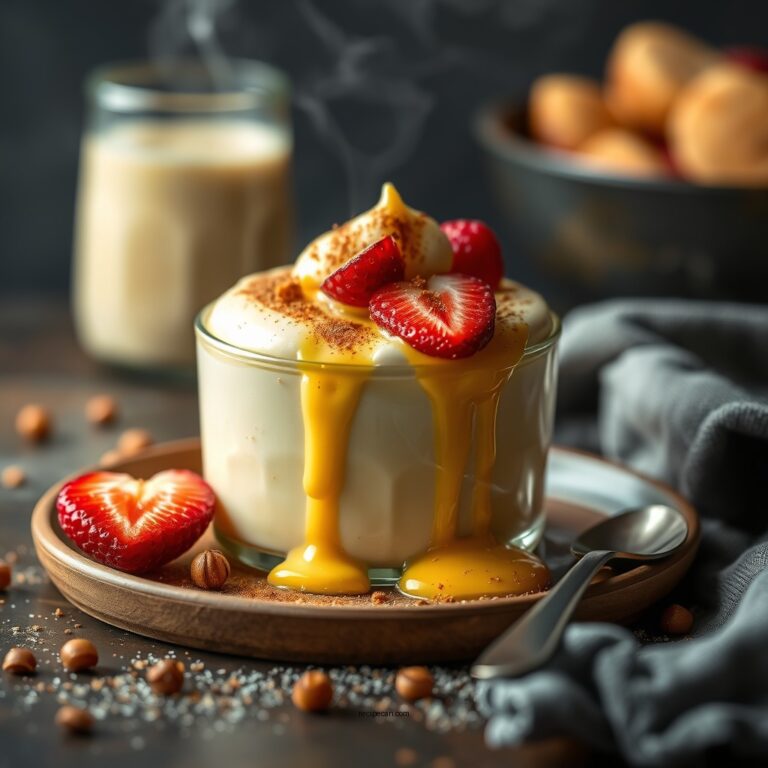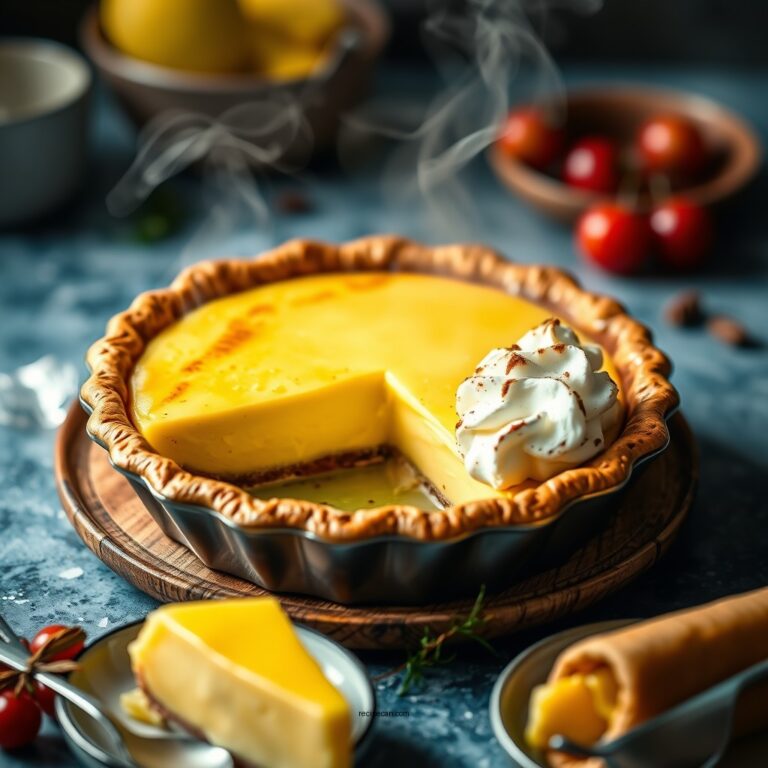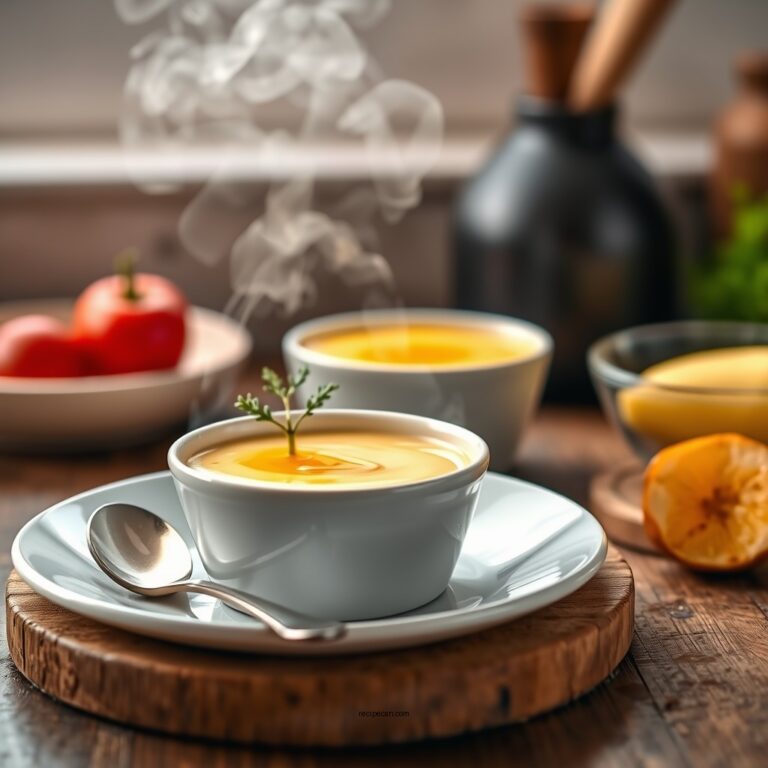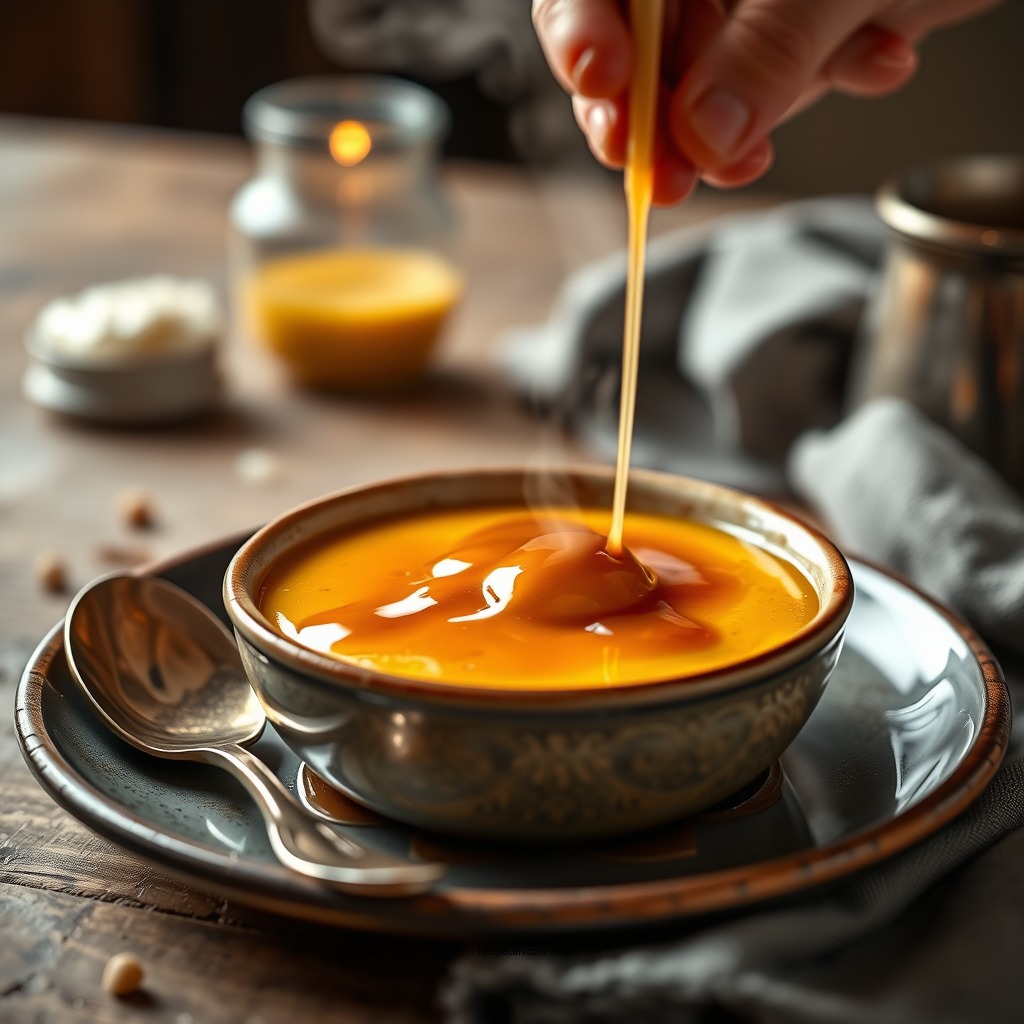
Caramel custard is a creamy and sweet dessert that can be made easily at home, elevating your culinary repertoire. This recipe will guide you through crafting a rich caramel sauce paired with a silky custard, creating a delightful treat that is sure to impress your family and friends. Whether you’re hosting a dinner party or simply indulging in a sweet craving, this classic dessert is perfect for any occasion.
Ingredients You’ll Need
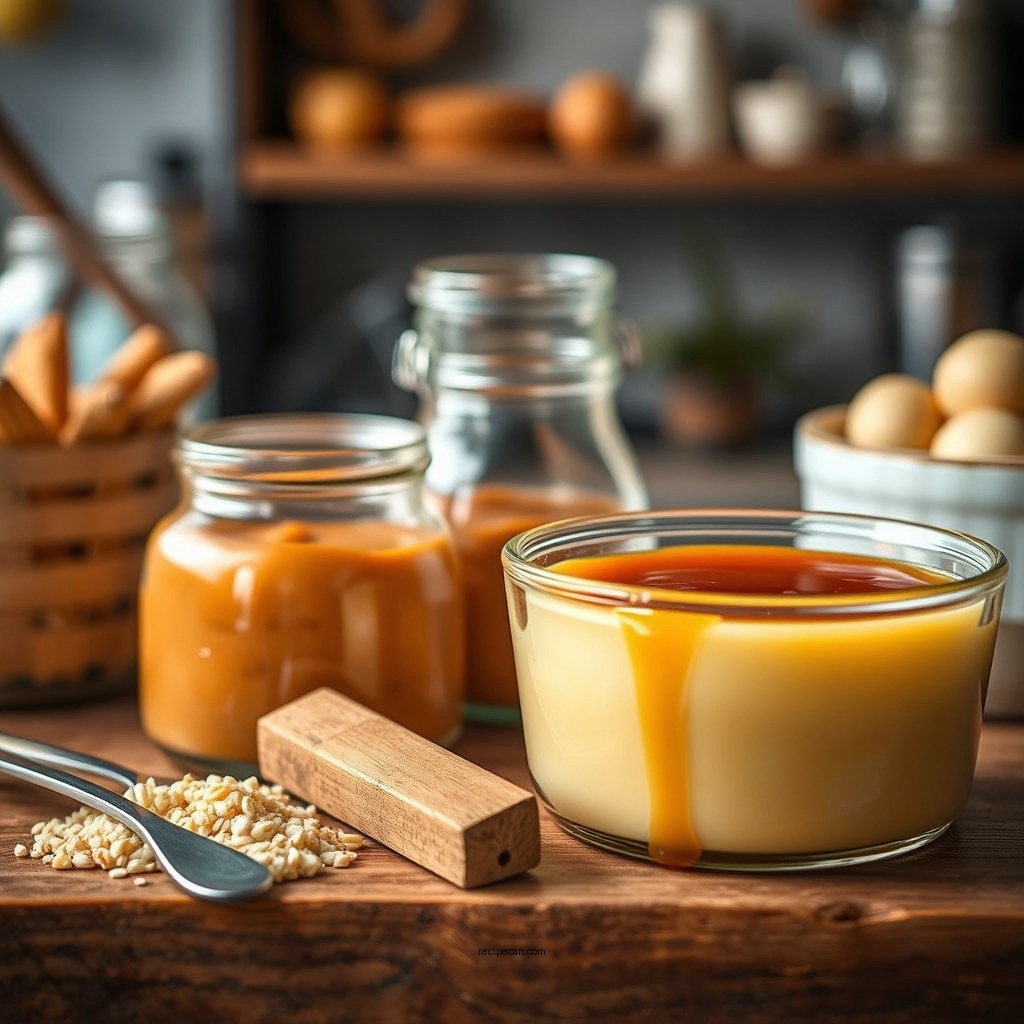
To make a delicious caramel custard, you will require the following essential ingredients:
– For the Caramel:
– 1 cup granulated sugar
– 1/4 cup water
– A pinch of salt
– For the Custard:
– 4 large eggs
– 1 can (14 oz) sweetened condensed milk
– 2 cups whole milk
– 1 teaspoon vanilla extract
– 1/2 cup granulated sugar
Using fresh and quality ingredients is crucial for achieving the best results. Fresh eggs contribute to a richer flavor and texture, while high-quality vanilla extract enhances the overall taste. Opting for whole milk ensures a creamier custard, and using granulated sugar without impurities will lead to a smoother caramel.
Preparing the Caramel
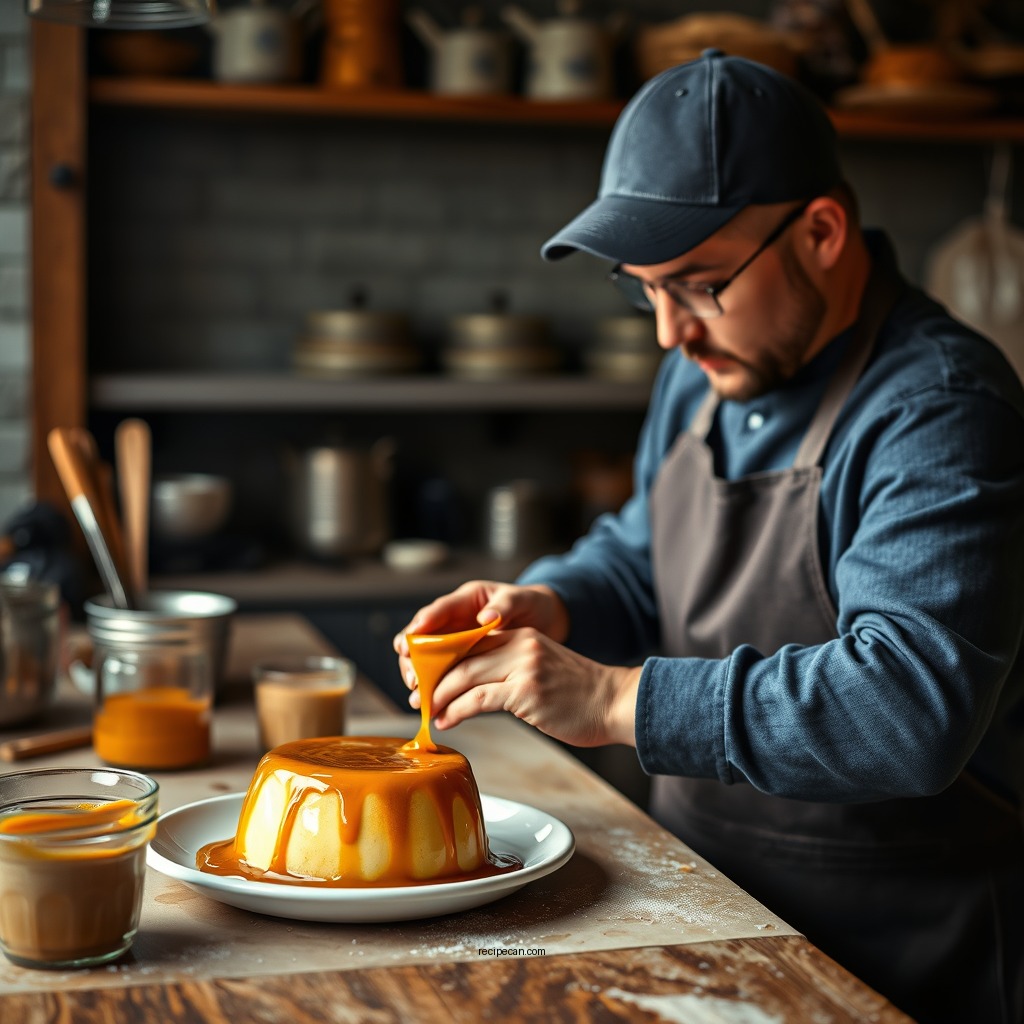
Making the caramel sauce is a pivotal step in this recipe. Follow these step-by-step instructions:
1. Combine Sugar and Water: In a medium saucepan, mix 1 cup of granulated sugar with 1/4 cup of water. Stir gently to combine.
2. Cook the Mixture: Place the saucepan over medium heat. Allow the sugar to dissolve without stirring. Once dissolved, increase the heat slightly.
3. Monitor Color Changes: Watch closely as the syrup begins to bubble. You will see it gradually turn from clear to a golden amber. This process typically takes 5-10 minutes. Avoid stirring to prevent crystallization.
4. Remove from Heat: Once the caramel reaches a deep amber color, remove it immediately from the heat to prevent burning. Swirl the pan gently to achieve an even color.
5. Add a Pinch of Salt: For enhanced flavor, add a pinch of salt into the caramel and stir quickly. Be cautious of the steam.
6. Pour into Molds: Quickly pour the hot caramel into your desired baking dish or individual molds, tilting to coat the bottom evenly. Set aside to cool.
Tips for Achieving the Perfect Caramel Color and Consistency
– Use a heavy-bottomed saucepan to ensure even heat distribution.
– Avoid stirring the caramel once it starts to boil; instead, gently swirl the pan.
– If the caramel burns, discard it and start over, as burnt caramel will impart a bitter flavor.
Making the Custard Mixture
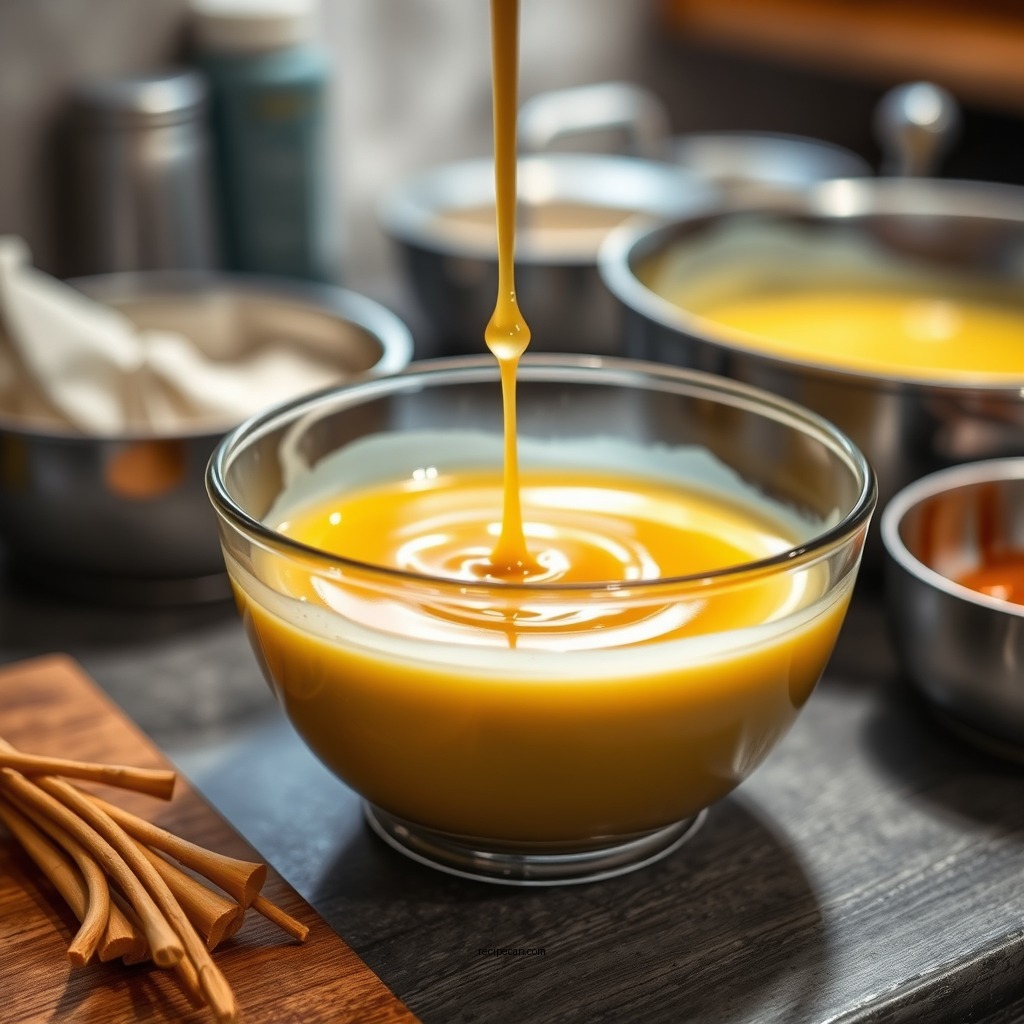
Creating the custard mixture requires careful attention to detail:
1. Whisk the Eggs: In a large mixing bowl, whisk together 4 large eggs until well beaten.
2. Combine Milk and Sugar: In another bowl, mix 1 can of sweetened condensed milk, 2 cups of whole milk, and 1/2 cup of granulated sugar. Stir until the sugar dissolves.
3. Temper the Eggs: To prevent curdling, gradually add the warm milk mixture to the beaten eggs while continuously whisking. This process is crucial as it ensures a smooth custard without scrambled eggs.
4. Add Vanilla Extract: Stir in 1 teaspoon of vanilla extract for added flavor.
Importance of Tempering Eggs
Tempering eggs is essential for creating a custard that is smooth and creamy rather than grainy. By gradually introducing the warm milk to the beaten eggs, you raise the temperature of the eggs slowly, avoiding shock that could lead to cooking them too quickly.
Baking the Caramel Custard
Baking the custard requires a water bath for gentle cooking, which helps maintain the custard’s texture:
1. Preheat the Oven: Set your oven to 350°F (175°C).
2. Prepare the Baking Dish: Place the caramel-coated dish into a larger baking tray. Fill the tray with hot water until it reaches halfway up the sides of the custard dish.
3. Pour the Custard Mixture: Carefully pour the custard mixture over the caramel in the baking dish.
4. Bake: Bake for 45-60 minutes, or until the custard is set but still slightly jiggly in the center.
Tips for Monitoring the Baking Process
– Check the custard at 45 minutes; if a knife inserted comes out clean, it’s done.
– Avoid overbaking, as this can lead to a rubbery texture.
Cooling and Serving Suggestions
Once baked, the custard needs to cool properly for the best texture:
1. Cool at Room Temperature: Allow the custard to cool at room temperature for about 30 minutes.
2. Refrigerate: Transfer to the refrigerator and chill for at least 4 hours, preferably overnight, to enhance the flavors.
Creative Serving Ideas and Garnishes
– Serve with Fresh Fruit: Consider topping with seasonal fruits like berries or sliced bananas for added freshness.
– Garnish with Whipped Cream: A dollop of whipped cream adds extra creaminess and elegance.
– Chocolate Drizzle: For a decadent touch, drizzle melted chocolate over the top before serving.
Common Mistakes to Avoid
While making caramel custard, it’s important to be aware of common pitfalls:
1. Overcooking the Caramel: If the caramel becomes too dark, it can taste bitter. Aim for a golden amber color.
2. Scrambled Eggs in Custard: Not tempering the eggs properly can lead to a grainy texture. Always whisk continuously when adding the warm milk.
3. Undercooking the Custard: Make sure to bake until the custard is set but not overcooked.
Solutions to Troubleshoot Issues
– If your caramel crystallizes, you can add a few drops of lemon juice while cooking.
– If the custard is grainy, you can strain it through a fine mesh sieve before baking.
Storing Leftovers
If you have any leftover custard, follow these guidelines for proper storage:
1. Refrigerate: Store the custard in an airtight container in the fridge for up to 3 days.
2. Reheat Carefully: If reheating, do so gently in the microwave or in a double boiler to avoid curdling.
3. Repurpose Custard: Leftover custard can be used as a topping for pancakes, in trifles, or incorporated into other desserts like ice cream bases.
Top Ingredients for Caramel Custard (2024)
| # | Ingredient | Amount (per recipe) | Quality Rating |
|---|---|---|---|
| 1 | Granulated Sugar | 1.5 cups | ★★★★☆ |
| 2 | Whole Milk | 2 cups | ★★★★★ |
| 3 | Eggs | 4 large | ★★★★☆ |
| 4 | Vanilla Extract | 1 tsp | ★★★★★ |
| 5 | Salt | Pinch | ★★★★☆ |
| 6 | Sweetened Condensed Milk | 1 can (14 oz) | ★★★★★ |
Caramel Custard Baking Time Comparison
Making caramel custard at home is a rewarding experience that can elevate any meal. By following these steps, you’ll be able to create a dessert that’s not only delicious but also visually appealing. Don’t hesitate to share this recipe with friends and enjoy the delightful results together!
Frequently Asked Questions
What ingredients do I need for a basic caramel custard recipe?
To make a basic caramel custard, you’ll need sugar, eggs, milk, vanilla extract, and a pinch of salt. The sugar is used to create the caramel topping, while the eggs and milk form the creamy custard base. Using high-quality ingredients will enhance the flavor and texture of your caramel custard.
How do I achieve the perfect caramel for my custard?
To achieve the perfect caramel, heat sugar in a saucepan over medium heat, stirring gently until it melts and turns a golden amber color. Be careful not to burn it, as burnt caramel can ruin your custard. Once ready, pour the caramel into your mold before adding the custard mixture, allowing it to harden slightly for a beautiful presentation.
Why is my caramel custard not setting properly?
If your caramel custard is not setting, it may be due to undercooking or incorrect ingredient ratios. Ensure that you are using the right amount of eggs to milk, as eggs are crucial for setting the custard. Additionally, cooking the custard gently in a water bath can help achieve the desired consistency without curdling.
What is the best way to serve caramel custard?
The best way to serve caramel custard is chilled, straight from the refrigerator. Invert it onto a plate to showcase the beautiful caramel top, and consider garnishing with fresh fruit or whipped cream for added flavor and presentation. This classic dessert is perfect for special occasions or as a delightful end to any meal.
Which cooking method is recommended for making caramel custard: stovetop or oven?
The recommended cooking method for making caramel custard is baking it in the oven using a water bath. This technique ensures even cooking and helps prevent the custard from curdling, resulting in a smooth and creamy texture. Baking at a low temperature also allows for gradual cooking, which is key to achieving the perfect caramel custard.
References
- Custard
https://en.wikipedia.org/wiki/Custard - https://www.bbc.co.uk/food/recipes/caramel_custard_60243
https://www.bbc.co.uk/food/recipes/caramel_custard_60243 - https://www.verywellfit.com/caramel-custard-recipe-4160722
https://www.verywellfit.com/caramel-custard-recipe-4160722 - https://www.sciencedirect.com/topics/food-science/custard
https://www.sciencedirect.com/topics/food-science/custard - NYT Cooking – Recipes and Cooking Guides From The New York Times
https://www.nytimes.com/recipes/1019260/caramel-custard - https://pubmed.ncbi.nlm.nih.gov/29527547/
https://pubmed.ncbi.nlm.nih.gov/29527547/ - Custard | Definition, Ingredients, & Preparation | Britannica
https://www.britannica.com/topic/custard - Google Scholar Google Scholar
https://scholar.google.com/scholar?q=caramel+custard+recipe - Google Scholar Google Scholar
https://scholar.google.com/scholar?q=caramel+custard - Google Scholar Google Scholar
https://scholar.google.com/scholar?q=custard+recipes+history