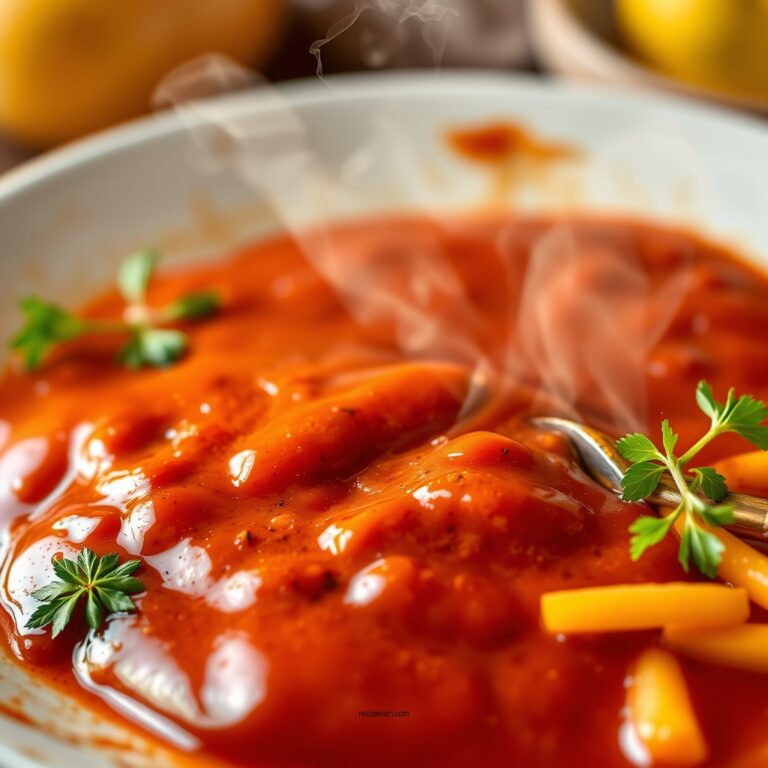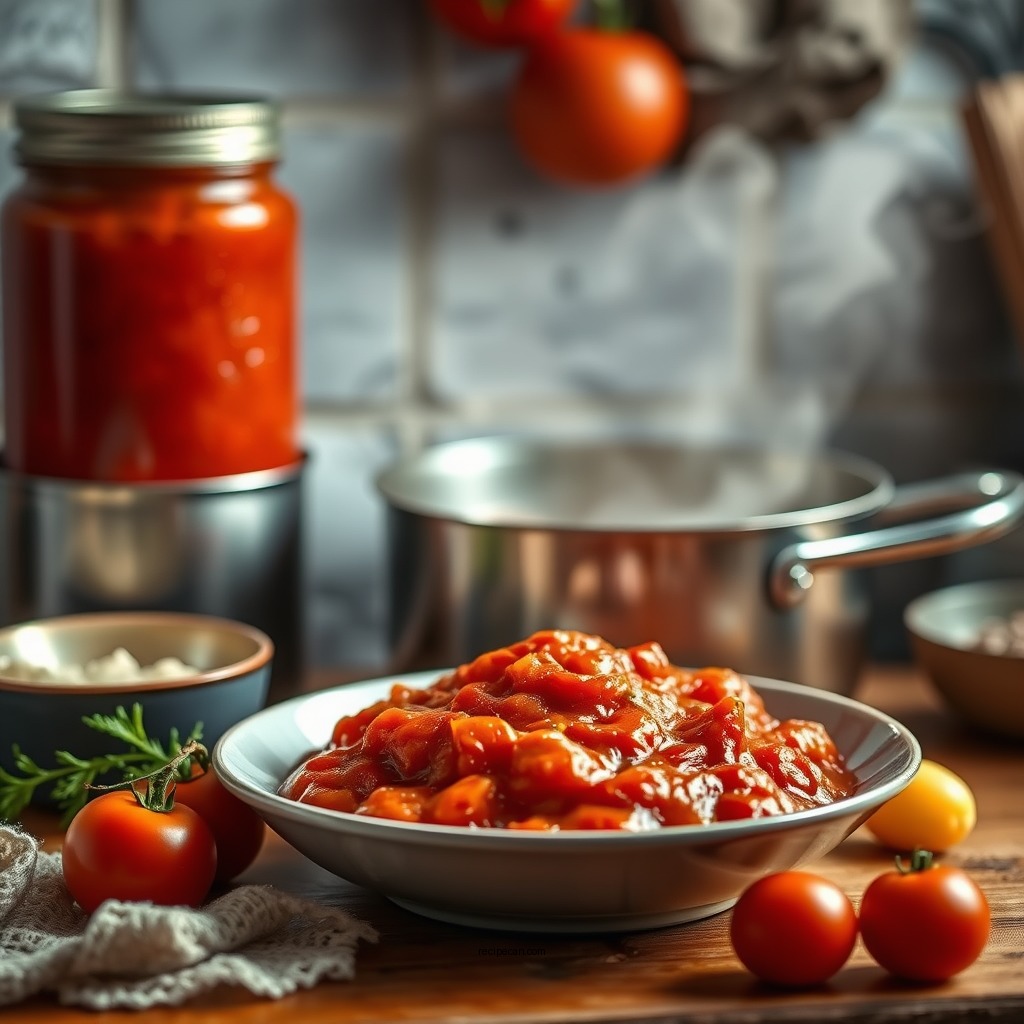
Making your own canned tomato sauce is a straightforward process that yields delicious results. In just a few simple steps, you can create a sauce that enhances your dishes and preserves the fresh taste of tomatoes. This guide will walk you through the essential ingredients and steps to make your very own canned tomato sauce.
Essential Ingredients for Canned Tomato Sauce
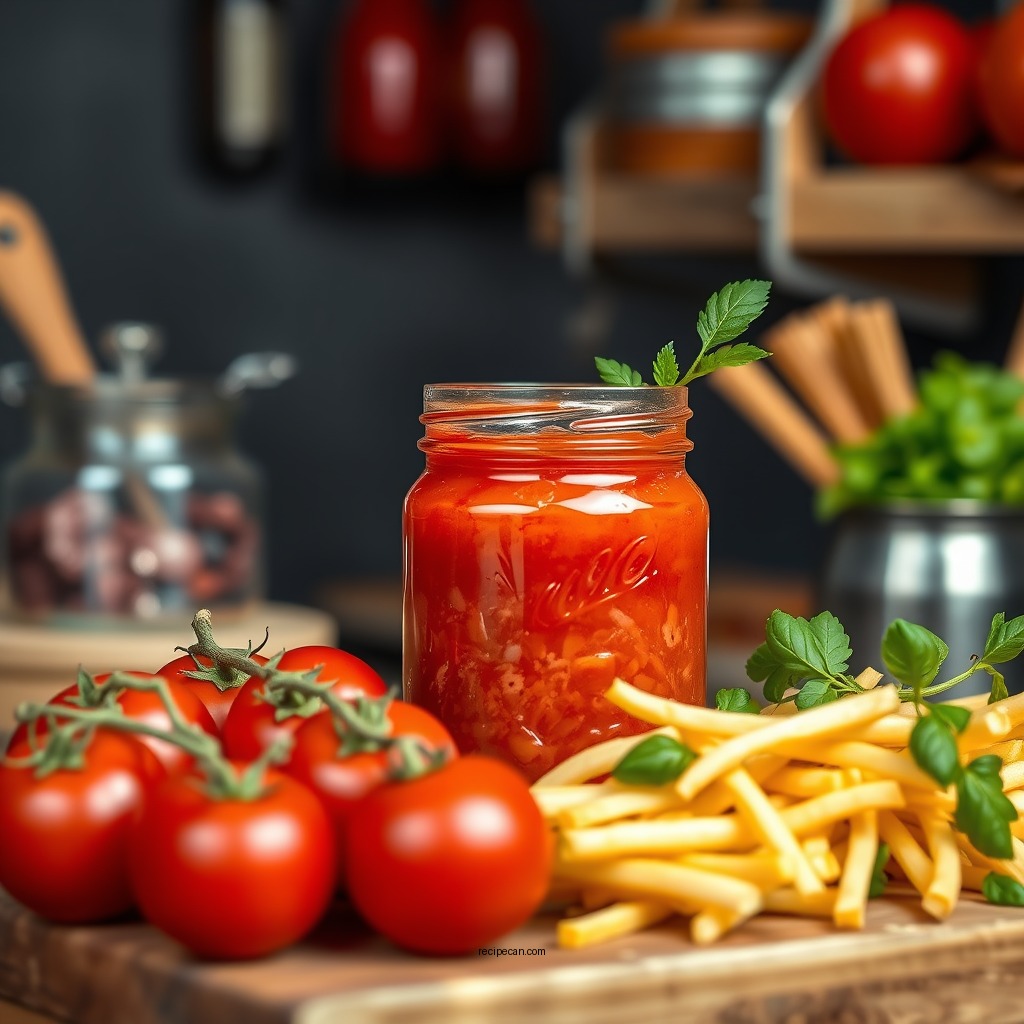
The quality of your canned tomato sauce largely depends on the ingredients you select. Here are the essential components you will need:
– Ripe tomatoes: The foundation of your sauce; choose fresh, in-season tomatoes for the best flavor. Varieties such as Roma or San Marzano are ideal for canning due to their low moisture content and rich taste.
– Aromatics: Onions, garlic, and herbs add depth and aroma to your sauce. Fresh basil, oregano, and bay leaves can enhance the flavor profile significantly.
– Acid: Lemon juice or vinegar is crucial for safety and balancing flavors. The acidity helps preserve the sauce and prevents the growth of harmful bacteria.
With these ingredients in hand, you are well on your way to creating a deliciously rich tomato sauce that can elevate any meal.
Preparing the Tomatoes

Properly preparing your tomatoes is essential for achieving a smooth and flavorful sauce. Here’s how to do it:
– Blanching: Quickly boil the tomatoes for about 30 seconds to loosen their skins for easy peeling. After blanching, plunge them into an ice bath to stop the cooking process.
– Chopping: Dice the tomatoes into uniform pieces for even cooking. Larger chunks will break down during cooking, while smaller pieces will integrate more quickly.
– Removing seeds: This step is optional, but it helps create a smoother sauce. Use a strainer or your hands to remove the seeds if desired.
Once your tomatoes are prepared, you’re ready to start cooking.
Cooking the Sauce
The cooking process is where the magic happens. Follow these steps to create a rich, flavorful sauce:
– Sautéing aromatics: Begin by heating olive oil in a large pot over medium heat. Sauté diced onions until translucent, then add minced garlic and cook until fragrant. This builds a robust flavor base for your sauce.
– Simmering: Add the prepared tomatoes along with your chosen herbs and seasonings. Allow the mixture to simmer for at least 30 minutes, stirring occasionally to prevent sticking. This process allows the flavors to meld and develop.
– Adjusting consistency: Depending on your preference, you can add water or tomato paste to reach the desired thickness. For a chunky sauce, leave it as is; for a smoother texture, consider using an immersion blender.
Top Tomato Varieties for Sauce Making
| # | Tomato Variety | Flavor Profile | Best For |
|---|---|---|---|
| 1 | Roma | Sweet, Rich | Sauces, Canning |
| 2 | San Marzano | Savory, Sweet | Sauces, Dishes |
| 3 | Early Girl | Bright, Tangy | Fresh Sauces, Salads |
| 4 | Beefsteak | Juicy, Meaty | Salsas, Fresh Use |
| 5 | Cherry | Sweet, Fruity | Snacking, Fresh Use |
| 6 | Vine-Ripened | Balanced, Rich | General Use |
| 7 | Plum | Sweet, Slightly Tart | Sauces, Canning |
Canning Process
Once your sauce is cooked to perfection, it’s time to can it properly. This ensures the sauce remains safe for consumption and retains its flavor. Here are the steps involved:
– Sterilizing jars: Before filling, ensure your jars are thoroughly sterilized by boiling them in hot water for at least 10 minutes. This step is crucial for preventing spoilage.
– Filling jars: Carefully pack your sauce into the sterilized jars, leaving about ½ inch of headspace at the top. This space is necessary for expansion during the canning process.
– Sealing: Use lids and rings to secure the jars. Ensure the lids are tightly fitted but not overly tight, as this can cause breakage.
Water Bath Canning Method
Using the water bath canning method is ideal for preserving your tomato sauce. Here’s how to do it:
– Preparing the canner: Fill a large pot with water and bring it to a simmer. The water should be deep enough to cover the jars by at least an inch.
– Processing time: Follow recommended times based on jar size and altitude for safety. Generally, quart jars should be processed for about 45 minutes, while pint jars require around 35 minutes.
– Cooling: After processing, remove the jars and allow them to cool completely on a clean towel or rack. This ensures a proper seal and prevents any potential spoilage.
Processing Time for Canned Tomato Sauce
Tips for Flavor Variations
To customize your canned tomato sauce, consider the following flavor variations:
– Spice it up: Experiment with different herbs like basil, oregano, or chili flakes. A pinch of red pepper flakes can add a delightful heat.
– Sweetness: If your tomatoes are particularly acidic, add a pinch of sugar to balance the flavors. This can help round out the sauce’s profile.
– Texture: For a smooth sauce, blend it thoroughly after cooking. If you prefer a chunkier sauce, simply leave it as is, or use a potato masher for a rustic texture.
Storage and Usage
Proper storage ensures your canned tomato sauce maintains its quality over time:
– Storing: Keep canned sauce in a cool, dark place for optimal freshness. A pantry or cellar is ideal. Check for any signs of spoilage before use, such as bulging lids or off smells.
– Using: Incorporate your homemade sauce into pasta dishes, pizza, or as a base for soups. The versatility of tomato sauce allows it to enhance various recipes, making it a staple in any kitchen.
By following these steps, you’ll have a delicious and versatile canned tomato sauce ready to enhance your meals. Making your own sauce allows you to control the ingredients and flavors, ensuring a fresh taste that store-bought options can’t match. Grab your tomatoes and start canning today!
Frequently Asked Questions
What ingredients do I need for a basic canned tomato sauce recipe?
For a basic canned tomato sauce recipe, you’ll need ripe tomatoes, onion, garlic, olive oil, salt, and pepper. Optional ingredients include herbs like basil or oregano, and a pinch of sugar to balance acidity. Using fresh, high-quality tomatoes will enhance the flavor of your sauce.
How do I properly can tomato sauce at home?
To properly can tomato sauce at home, start by preparing your sauce and sterilizing your jars. Fill the jars with hot sauce, leaving a ½ inch headspace, and seal with sterilized lids. Process the jars in a boiling water bath for 35-45 minutes, depending on your altitude, to ensure safety and longevity.
Why is my canned tomato sauce too acidic, and how can I reduce it?
Your canned tomato sauce may be too acidic due to the natural acidity of tomatoes. To reduce acidity, you can add a teaspoon of baking soda while cooking the sauce, or incorporate a bit of sugar or grated carrots. Additionally, using low-acid tomatoes, such as San Marzano varieties, can help mitigate acidity levels.
What is the best way to enhance the flavor of my canned tomato sauce?
The best way to enhance the flavor of your canned tomato sauce is by sautéing onions and garlic in olive oil before adding tomatoes. Incorporating fresh herbs, like basil and thyme, and spices such as red pepper flakes or black pepper can also elevate the taste. Allow the sauce to simmer longer to develop deeper flavors.
Which types of tomatoes are best for making canned tomato sauce?
The best types of tomatoes for making canned tomato sauce are paste tomatoes, such as Roma or San Marzano, due to their low moisture content and rich flavor. These varieties yield a thicker sauce with less water, making them ideal for canning. Always choose ripe, unblemished tomatoes for the best results.
References
- https://en.wikipedia.org/wiki/Tomato_sauce
https://en.wikipedia.org/wiki/Tomato_sauce - https://www.foodsafety.gov/food-safety-charts/canned-foods
https://www.foodsafety.gov/food-safety-charts/canned-foods - https://www.ars.usda.gov/ARSUserFiles/oc/np/foodpreservation/cannedtomato.pdf
https://www.ars.usda.gov/ARSUserFiles/oc/np/foodpreservation/cannedtomato.pdf - https://www.extension.purdue.edu/extmedia/HHS/HHS-21-W.pdf
https://www.extension.purdue.edu/extmedia/HHS/HHS-21-W.pdf - https://www.fda.gov/food/food-safety-modernization-act-fsma/safe-food-canning
https://www.fda.gov/food/food-safety-modernization-act-fsma/safe-food-canning - https://www.ncbi.nlm.nih.gov/pmc/articles/PMC6368288/
https://www.ncbi.nlm.nih.gov/pmc/articles/PMC6368288/ - https://www.sciencedirect.com/topics/agricultural-and-biological-sciences/tomato-sauce
https://www.sciencedirect.com/topics/agricultural-and-biological-sciences/tomato-sauce - Tomato sauce | Britannica
https://www.britannica.com/topic/tomato-sauce - Google Scholar Google Scholar
https://scholar.google.com/scholar?q=canned+tomato+sauce+recipe - Google Scholar Google Scholar
https://scholar.google.com/scholar?q=homemade+tomato+sauce+preservation