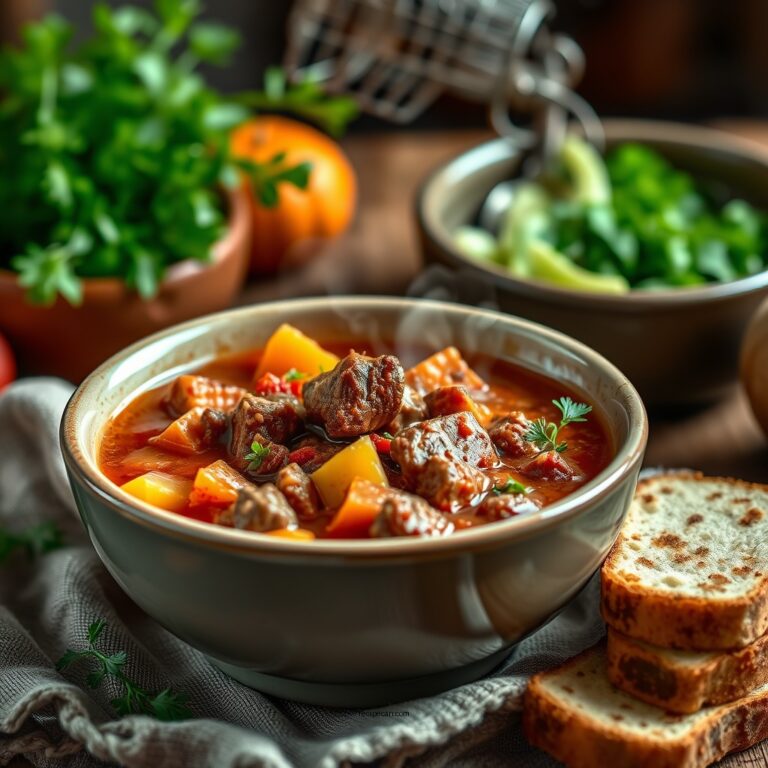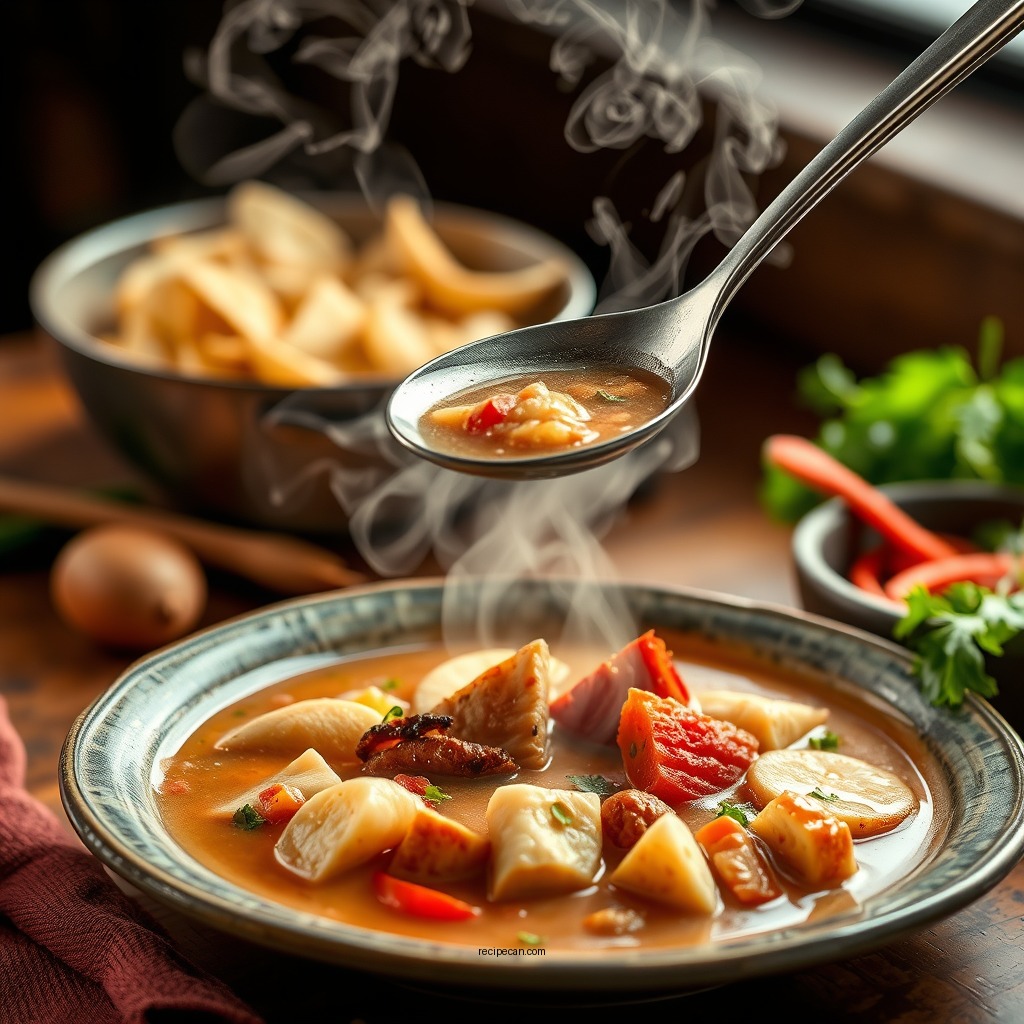
Turkey neck soup is a hearty and flavorful dish that’s perfect for warming up on chilly days. This recipe provides a simple way to create a comforting soup using turkey necks, which are rich in flavor and nutrients. In this guide, you’ll learn how to prepare turkey neck soup from scratch, including tips for making it delicious and nutritious. With just a few key ingredients and a bit of time, you can create a meal that not only satisfies your hunger but also delights your taste buds.
Ingredients You’ll Need
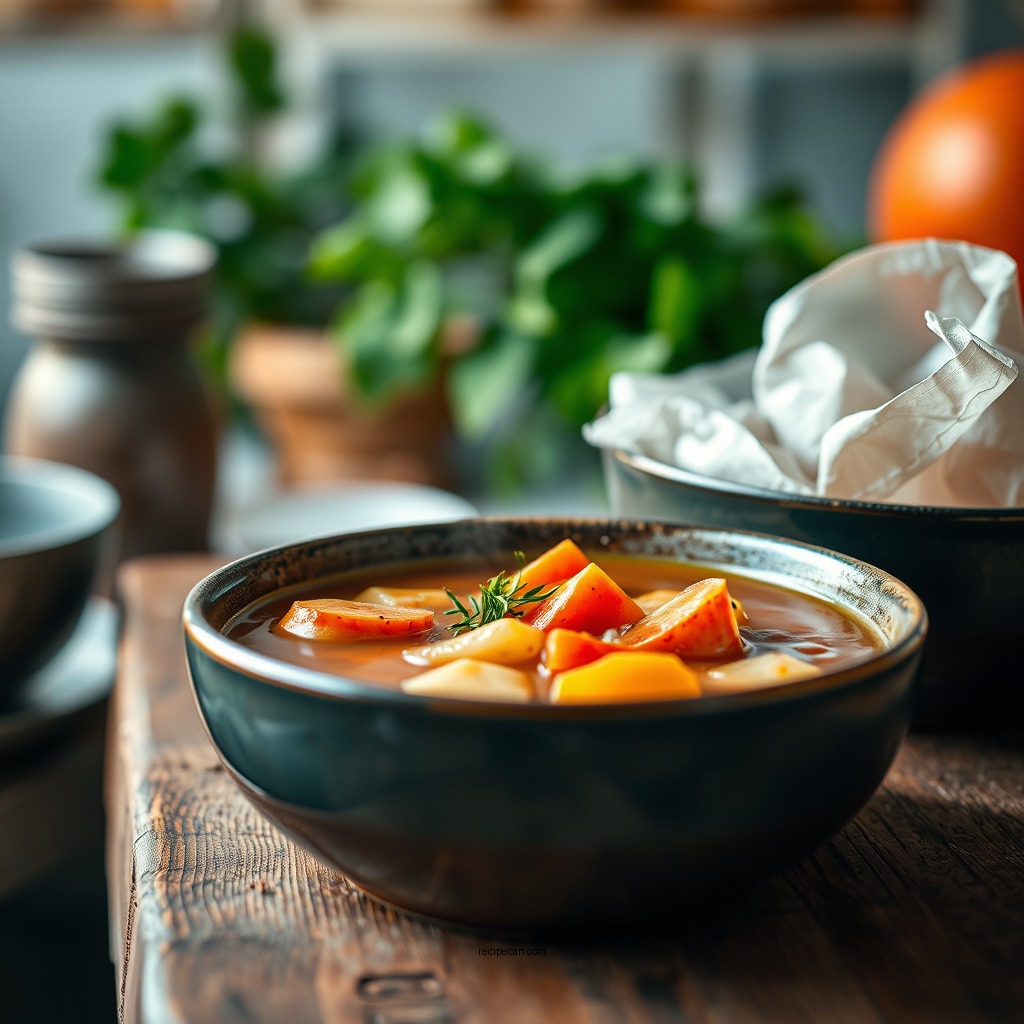
To make a truly remarkable turkey neck soup, you will need the following ingredients:
– Turkey Necks: The primary protein source, turkey necks are often overlooked but provide a rich, savory flavor.
– Fresh Vegetables: Carrots, celery, and onions help build the foundation of the soup, adding sweetness and depth.
– Herbs and Spices: Thyme, bay leaves, and black pepper will enhance the flavor profile and contribute to the soup’s aromatic qualities.
– Garlic: A couple of cloves will add a robust flavor that complements the turkey necks.
– Stock or Water: For a more intense flavor, consider using chicken or vegetable stock as the base liquid.
– Salt: Essential for seasoning, salt brings all the flavors together.
These ingredients combine to create a warm and comforting dish that is both delicious and nutritious, perfect for family gatherings or cozy nights in.
Preparing the Turkey Necks

The first step in making turkey neck soup is to properly prepare the turkey necks:
– Rinse Thoroughly: Start by rinsing the turkey necks under cold water to remove any impurities. Pat them dry with a paper towel.
– Brown the Necks: In a large pot, heat a tablespoon of oil over medium-high heat. Add the turkey necks and brown them on all sides for about 5-7 minutes. This step is crucial as it enhances the flavor of the meat and creates a more complex broth. Once browned, remove the necks from the pot and set them aside.
Browning the turkey necks not only adds visual appeal but also contributes to the Maillard reaction, which develops deeper flavors essential for a comforting soup.
Cooking the Soup Base

With the turkey necks prepared, it’s time to build the soup base:
– Sauté the Vegetables: In the same pot, add a bit more oil if necessary, and toss in the chopped onions, carrots, and celery. Sauté these vegetables for about 5-10 minutes until they soften and become aromatic. This step creates a flavorful foundation for the soup.
– Add Liquid: Pour in about 8-10 cups of water or stock, ensuring that the turkey necks are submerged. Bring the mixture to a gentle boil, then reduce the heat to a simmer.
At this stage, you’ll begin to notice the delightful aromas filling your kitchen, signaling that the soup is on the right track.
Nutritional Breakdown of Turkey Neck Soup Ingredients
| # | Ingredient | Calories (per 100g) | Protein (g) | Fat (g) | Carbohydrates (g) |
|---|---|---|---|---|---|
| 1 | Turkey Necks | 185 | 22 | 8 | 0 |
| 2 | Carrots | 41 | 1 | 0.2 | 10 |
| 3 | Celery | 16 | 0.7 | 0.2 | 3 |
| 4 | Onions | 40 | 1.1 | 0.1 | 9 |
| 5 | Garlic | 149 | 6.4 | 0.5 | 33 |
| 6 | Black Pepper | 251 | 10.9 | 3.3 | 64 |
| 7 | Bay Leaves | 313 | 7.6 | 10.8 | 75 |
Adding Flavors and Seasoning
Now that your soup base is established, it’s time to enhance the flavors:
– Incorporate Herbs and Spices: Add the bay leaves and thyme to the pot. These herbs infuse the soup with aromatic notes that elevate the overall taste.
– Season Generously: Sprinkle in salt and fresh black pepper to taste. Remember, seasoning is crucial for a well-balanced flavor. If you’re using broth, be cautious with added salt, as it may already contain sodium.
Allowing the herbs to simmer with the soup will extract their oils and flavors, creating a rich and inviting aroma.
Simmering the Soup
The key to a flavorful soup lies in the simmering process:
– Low and Slow: Reduce the heat to low and cover the pot. Let the soup simmer for at least 2 to 3 hours. The longer you simmer, the more deeply the flavors will meld together, and the turkey necks will become tender and fall off the bone.
– Occasional Stirring: Stir the soup occasionally to prevent sticking and ensure even cooking. As the soup simmers, you may notice fat rising to the surface; feel free to skim this off if you prefer a leaner broth.
A long simmer will not only deepen the flavors but also allow the nutrients from the turkey necks to enrich the soup, making it both delicious and nourishing.
Simmering Time for Soup Flavor Development
Serving Suggestions
Your turkey neck soup is ready to be enjoyed! Here are some serving suggestions to elevate your dining experience:
– Garnish: Serve the soup hot, garnished with freshly chopped parsley or thyme for a pop of color and freshness.
– Accompaniments: Pair the soup with warm, crusty bread or a side of rice to create a complete meal. The bread is perfect for dipping, soaking in the flavorful broth.
– Storage and Reheating: If you have leftovers, allow the soup to cool completely before transferring it to airtight containers. It can be refrigerated for up to three days or frozen for longer storage.
Serving turkey neck soup is not just about the dish itself but also about how you present it to your loved ones, creating a memorable and heartwarming meal.
Storing Leftovers
To properly store your delicious turkey neck soup, follow these steps:
– Cool the Soup: Allow the soup to cool to room temperature. This prevents condensation from forming inside the container, which can affect the quality of the soup.
– Airtight Containers: Transfer the cooled soup into airtight containers. This will help preserve its freshness and prevent any unwanted odors from affecting the flavor.
– Refrigeration: Store the soup in the refrigerator for up to three days. For longer storage, consider freezing it. The soup can be frozen for up to three months; just make sure to leave some space in the container for expansion as it freezes.
By following these storage tips, you can enjoy your turkey neck soup even after the initial cooking day, making it a convenient option for busy weekdays.
Turkey neck soup is not only a delicious and hearty meal but also a wonderful way to utilize often-overlooked ingredients. This recipe is simple, nutritious, and can be adapted to suit your personal taste. Whether you’re enjoying it on a cold winter’s evening or sharing it with family and friends, this dish is sure to bring warmth and comfort to your table. Try it out today and delight in the rich flavors of homemade turkey neck soup!
Frequently Asked Questions
What ingredients do I need for a turkey neck soup recipe?
To make a hearty turkey neck soup, you’ll need turkey necks, onion, carrots, celery, garlic, bay leaves, and fresh herbs like thyme and parsley. Additionally, stock or broth is essential for a rich flavor, along with salt and pepper to taste. Optional ingredients include potatoes and various vegetables to enhance the soup’s nutrition and flavor.
How long does it take to cook turkey neck soup?
Cooking turkey neck soup generally takes about 2 to 3 hours. After simmering the turkey necks for around 1.5 to 2 hours, you can add your vegetables and let them cook for an additional 30 minutes to ensure they are tender. This slow cooking method allows the flavors to meld beautifully, resulting in a delicious and comforting soup.
Why should I use turkey necks for soup instead of other meats?
Turkey necks are an economical choice for soup, offering rich flavor and a hearty texture. They are packed with collagen, which helps create a silky broth and adds depth to the soup. Using turkey necks also allows you to utilize parts of the turkey that are often overlooked, making it a sustainable cooking option.
What are the best seasonings for turkey neck soup?
The best seasonings for turkey neck soup include classic herbs like thyme, rosemary, and bay leaves, which complement the savory richness of the turkey. Additionally, garlic and black pepper can enhance the flavor profile. For a kick, consider adding a pinch of cayenne pepper or smoked paprika for an extra layer of taste.
Which cooking method is best for making turkey neck soup?
The best cooking method for turkey neck soup is simmering on the stovetop, as it allows the flavors to develop slowly and thoroughly. Alternatively, you can use a slow cooker for a hands-off approach, cooking the soup on low for 6 to 8 hours. Both methods ensure that the turkey necks become tender and the broth is flavorful.
References
- Turkey
https://en.wikipedia.org/wiki/Turkey - https://www.ncbi.nlm.nih.gov/pmc/articles/PMC6104246/
https://www.ncbi.nlm.nih.gov/pmc/articles/PMC6104246/ - https://www.sciencedirect.com/science/article/pii/B9780128149534000071420
https://www.sciencedirect.com/science/article/pii/B9780128149534000071420 - https://www.bbc.co.uk/food/recipes/turkey_soup_19244
https://www.bbc.co.uk/food/recipes/turkey_soup_19244 - Black Grape, Blue Cheese and Thyme Flatbread Recipe
https://www.nytimes.com/recipes/1018966/turkey-soup.html - https://www.foodsafety.gov/food-safety-charts/food-safety-during-the-holidays
https://www.foodsafety.gov/food-safety-charts/food-safety-during-the-holidays - https://www.cdc.gov/foodsafety/food-safety-tips.html
https://www.cdc.gov/foodsafety/food-safety-tips.html - Google Scholar Google Scholar
https://scholar.google.com/scholar?q=turkey+neck+soup+recipe - Google Scholar Google Scholar
https://scholar.google.com/scholar?q=turkey+neck+soup+health+benefits - Google Scholar Google Scholar
https://scholar.google.com/scholar?q=turkey+neck+soup+nutrition+information