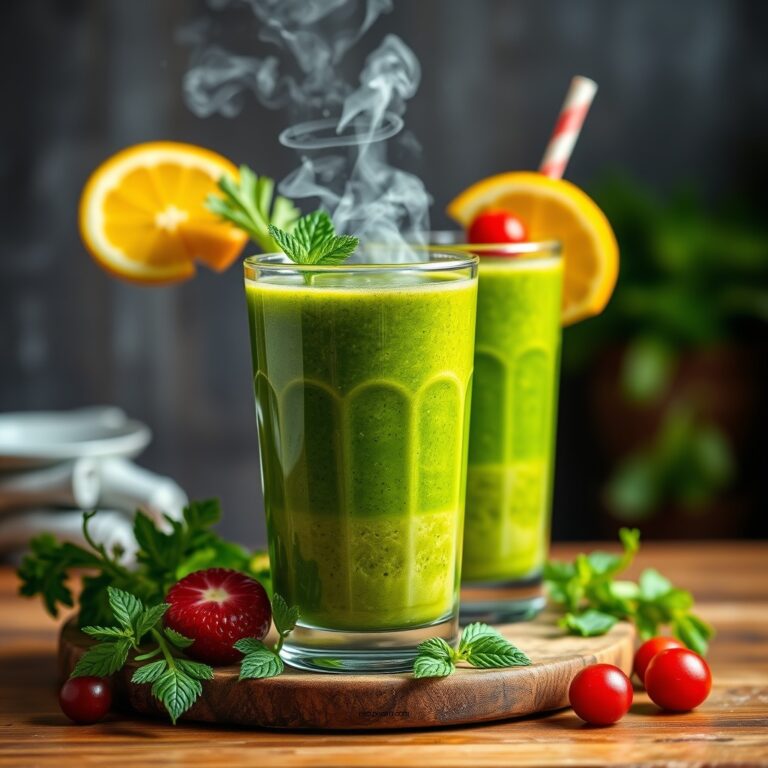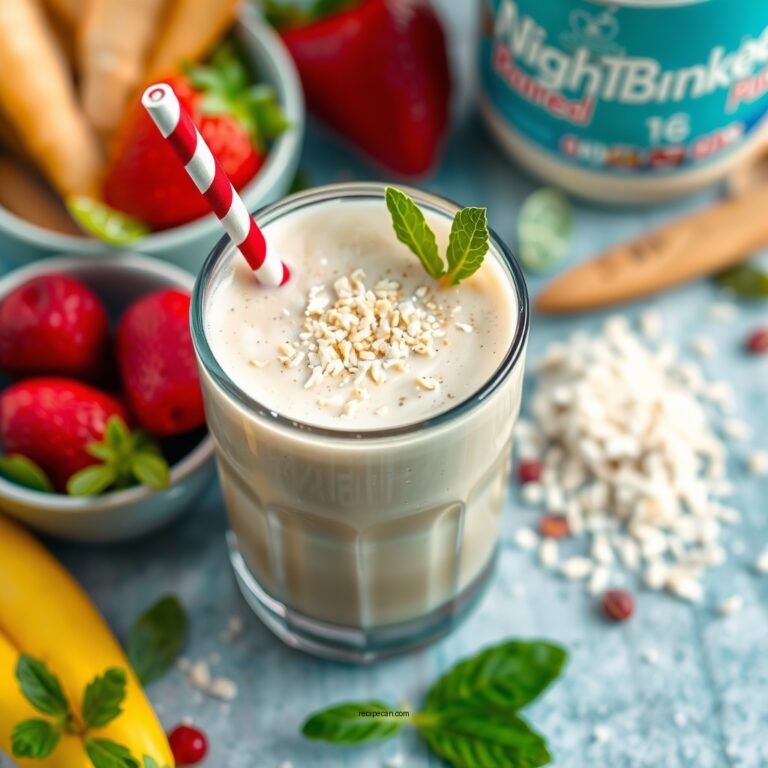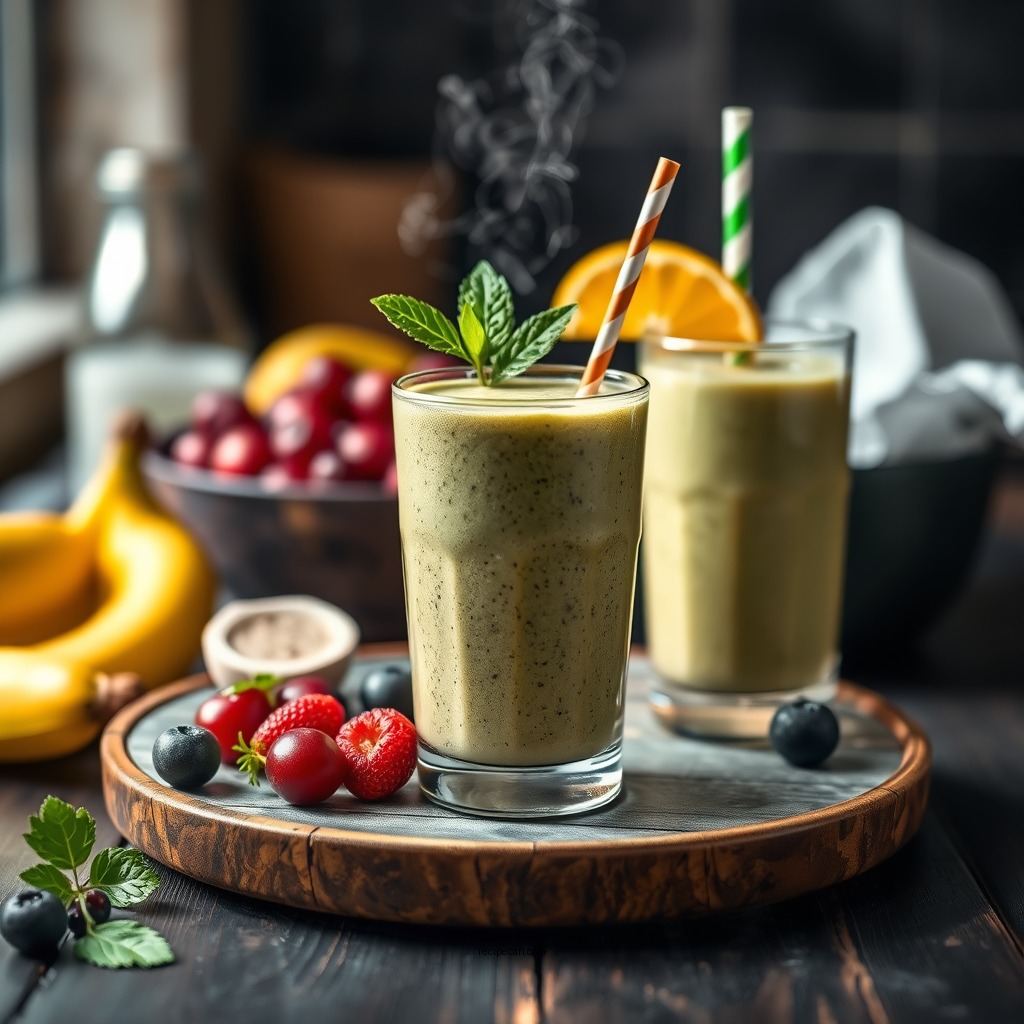
Dr. Jen Ashton’s smoothie recipe is a nutritious and tasty blend that can boost your health and energy levels. This article will guide you through the simple ingredients and preparation steps to create a smoothie that not only satisfies your taste buds but also packs a powerful nutritional punch. You will also discover tips for customizing your smoothie, common mistakes to avoid, and ideal serving suggestions. Let’s dive into the delicious world of smoothies!
Key Ingredients for Dr. Jen Ashton’s Smoothie
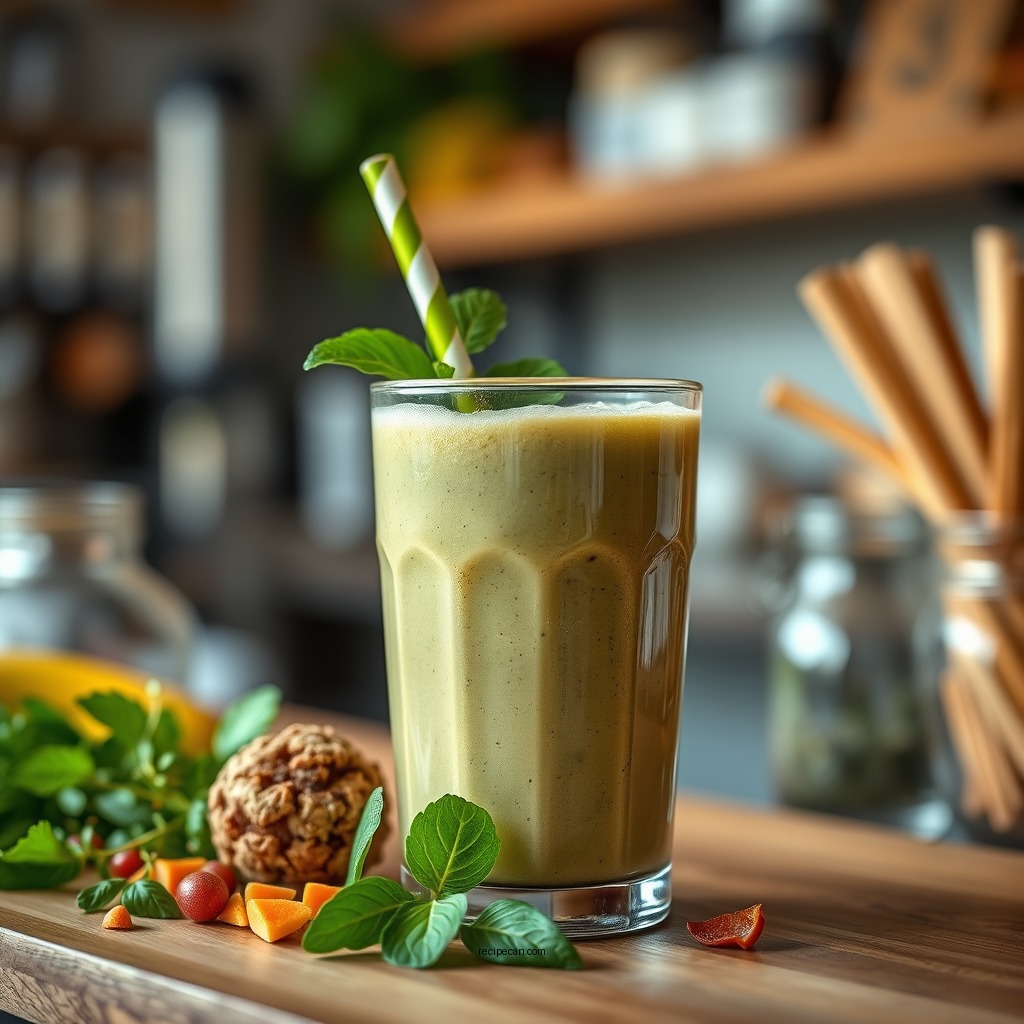
To create Dr. Jen Ashton’s delicious smoothie, you will need a selection of fresh ingredients that provide both flavor and nutrition. Here’s a breakdown of the key components:
– Fresh Fruits: A mix of bananas, berries (such as strawberries and blueberries), and spinach yields a harmonious blend of sweetness and earthy notes. Bananas offer creaminess and natural sweetness, while berries are rich in antioxidants and vitamins. Spinach, on the other hand, is a nutrient powerhouse that adds a subtle flavor without overpowering the fruit.
– Liquid Base: Choosing the right liquid base is crucial for achieving the desired texture. Almond milk or coconut water are excellent options, as they impart a refreshing taste while keeping the smoothie light. Almond milk is low in calories and high in vitamin E, while coconut water is rich in electrolytes, making it a great post-workout choice.
– Protein Boost: Adding a source of protein enhances the nutritional profile of your smoothie, making it more filling and supportive of muscle recovery. Greek yogurt provides creaminess and is packed with probiotics, while protein powder (whey, pea, or hemp) can help you reach your daily protein goals.
Step-by-Step Preparation Guide

Creating Dr. Jen Ashton’s smoothie is straightforward. Follow these steps for a seamless preparation process:
1. Gather Ingredients: Start by collecting all your ingredients—this includes your fresh fruits, chosen liquid, and protein source. Having everything at hand will expedite the blending process.
2. Blend Fruits and Greens First: Begin by adding the fruits and spinach to your blender. Blend on high until the mixture is smooth. Starting with the fruits and greens helps to break them down effectively, ensuring a well-combined base.
3. Add Liquid and Protein: Once the fruits and greens are blended, pour in your chosen liquid base and add the protein source. Blend again until you achieve the desired consistency. If you prefer a thinner smoothie, gradually add more liquid until you reach the perfect texture.
4. Taste and Adjust: Before serving, taste your smoothie and make any necessary adjustments. If you want it sweeter, consider adding a touch of honey or a few more berries.
5. Serve Immediately: Pour your smoothie into a glass and enjoy it fresh. The flavors and nutrients are best when consumed right after blending.
Nutritional Benefits of the Smoothie
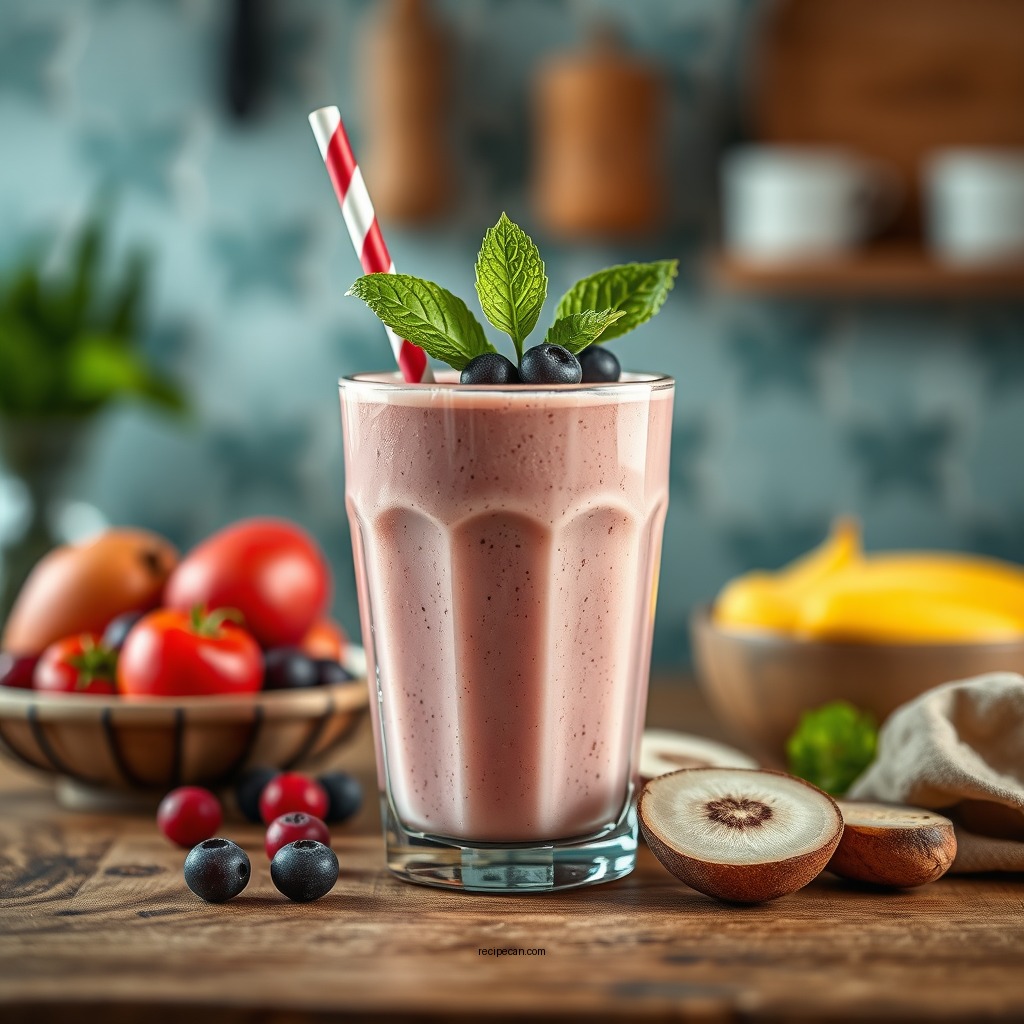
Dr. Jen Ashton’s smoothie is not only delicious but also brimming with health benefits:
– Vitamins and Minerals: The combination of fresh fruits and leafy greens provides a wealth of vitamins such as vitamin C, vitamin K, and potassium, as well as essential minerals that support overall health.
– Protein Source: The inclusion of Greek yogurt or protein powder contributes significantly to your protein intake, which is vital for muscle repair and growth, particularly after workouts. Protein also helps to maintain satiety, making this smoothie a perfect meal replacement.
– Antioxidants: Berries are renowned for their high antioxidant content, which helps combat oxidative stress and inflammation in the body. This can lead to improved skin health and a lower risk of chronic diseases.
Tips for Customizing Your Smoothie
Customizing your smoothie can enhance the flavor and nutritional value to suit your preferences:
– Fruit Combinations: Don’t hesitate to experiment with different fruits. Tropical fruits like mango or pineapple can add a refreshing twist, while apples or peaches can provide additional sweetness.
– Superfoods: Boost the nutritional density by incorporating superfoods like chia seeds, flaxseeds, or spinach powder. Chia seeds provide omega-3 fatty acids, and flaxseeds are high in fiber, while spinach powder can enhance the nutrient profile without affecting the taste.
– Flavor Enhancements: For added flavor, consider spices like cinnamon or nutmeg, or a splash of vanilla extract. These can elevate the taste without adding extra calories.
Common Mistakes to Avoid
While making smoothies is relatively simple, there are some common pitfalls to watch out for:
– Overloading the Blender: Adding too many ingredients can lead to uneven blending, resulting in a lumpy texture. Stick to the recommended amount for optimal blending.
– Too Much Liquid: Adding excessive liquid can dilute the flavors of your smoothie. Start with a smaller amount and gradually add more until you achieve your desired consistency.
– Neglecting Fresh Ingredients: Using overripe or frozen fruits may affect the taste and nutritional quality. Always opt for fresh, ripe ingredients when possible for the best results.
Serving Suggestions and Pairings
Dr. Jen Ashton’s smoothie is versatile and can be enjoyed at various times of the day:
– Breakfast Option: This smoothie serves as a quick and nutritious breakfast option. Pair it with whole-grain toast or oatmeal for a well-rounded meal.
– Post-Workout Snack: The protein content makes it an ideal recovery drink after exercise. Consider pairing it with a handful of nuts or a protein bar for added energy.
– Midday Boost: Enjoy it as a refreshing afternoon snack to maintain your energy levels and stave off cravings.
Nutritional Breakdown of Dr. Jen Ashton’s Smoothie
| Ingredient | Calories | Protein (g) | Fiber (g) | Sugar (g) |
|---|---|---|---|---|
| Banana (1 medium) | 105 | 1.3 | 3.1 | 14.4 |
| Mixed Berries (1 cup) | 85 | 1.0 | 4.5 | 10.0 |
| Spinach (1 cup) | 7 | 0.9 | 0.7 | 0.1 |
| Almond Milk (1 cup) | 30 | 1.0 | 1.0 | 0.0 |
| Greek Yogurt (½ cup) | 100 | 10.0 | 0.0 | 6.0 |
| Total | 327 | 14.2 | 9.3 | 30.5 |
Smoothie Ingredients Contribution to Total Calories
Now that you have Dr. Jen Ashton’s delicious smoothie recipe and tips for making it your own, why not give it a try? Blend up a nutritious drink today and feel the difference in your energy and health! Enjoy the refreshing flavors and the powerful benefits that come with each sip.
Frequently Asked Questions
What ingredients are in Dr. Jen Ashton’s smoothie recipe?
Dr. Jen Ashton’s smoothie recipe typically includes a blend of spinach, banana, almond milk, and protein powder. These ingredients are chosen for their nutritional benefits, providing a good source of vitamins and minerals while also being delicious and easy to digest.
How can I customize Dr. Jen Ashton’s smoothie recipe for weight loss?
To customize Dr. Jen Ashton’s smoothie for weight loss, consider reducing the amount of almond milk and adding more leafy greens, such as kale or spinach. You can also include low-calorie fruits like berries and add chia seeds for added fiber without significantly increasing calories.
Why is Dr. Jen Ashton’s smoothie recipe considered healthy?
Dr. Jen Ashton’s smoothie recipe is considered healthy because it combines nutrient-dense ingredients that promote overall wellness. The spinach provides antioxidants, the banana offers potassium, and the protein powder helps support muscle health, making it a balanced choice for a meal replacement or snack.
What is the best time of day to drink Dr. Jen Ashton’s smoothie?
The best time to drink Dr. Jen Ashton’s smoothie is in the morning as a nutritious breakfast option or as a post-workout recovery drink. Consuming it in the morning can kickstart your metabolism, while post-workout, it helps replenish nutrients and supports muscle recovery.
Which blender is recommended for making Dr. Jen Ashton’s smoothie recipe?
A high-powered blender, such as a Vitamix or Ninja, is recommended for making Dr. Jen Ashton’s smoothie recipe. These blenders ensure that all ingredients are thoroughly blended, resulting in a smooth and creamy texture that enhances the overall taste and nutrient absorption.
References
- https://www.cdc.gov/nutrition/index.html
https://www.cdc.gov/nutrition/index.html - Foamy urine: What does it mean? – Mayo Clinic
https://www.mayoclinic.org/healthy-lifestyle/nutrition-and-healthy-eating/expert-answers/smoothies/faq-20057871 - https://www.ncbi.nlm.nih.gov/pmc/articles/PMC7010574/
https://www.ncbi.nlm.nih.gov/pmc/articles/PMC7010574/ - Nutrition
https://www.who.int/health-topics/nutrition#tab=tab_1 - https://www.nytimes.com/2021/07/09/well/eat/smoothie-recipes.html
https://www.nytimes.com/2021/07/09/well/eat/smoothie-recipes.html - https://www.bbc.com/news/health-51087462
https://www.bbc.com/news/health-51087462 - https://www.sciencedirect.com/topics/food-science/smoothies
https://www.sciencedirect.com/topics/food-science/smoothies - https://www.nature.com/articles/s41598-020-78273-8
https://www.nature.com/articles/s41598-020-78273-8 - Google Scholar Google Scholar
https://scholar.google.com/scholar?q=dr+jen+ashton+smoothie+recipe - Google Scholar Google Scholar
https://scholar.google.com/scholar?q=smoothie+nutrition+benefits