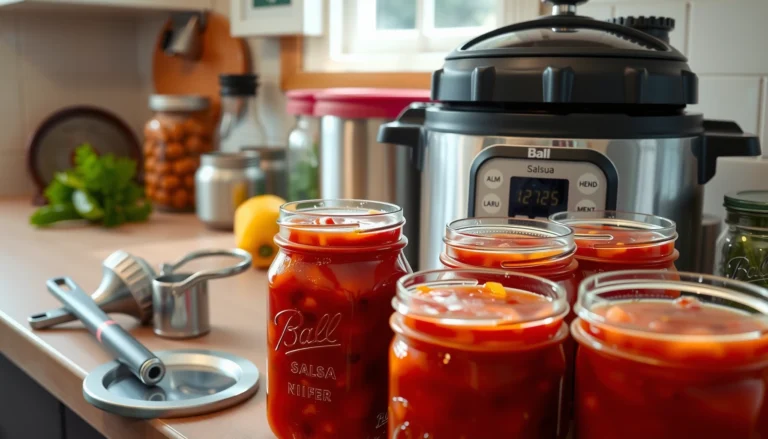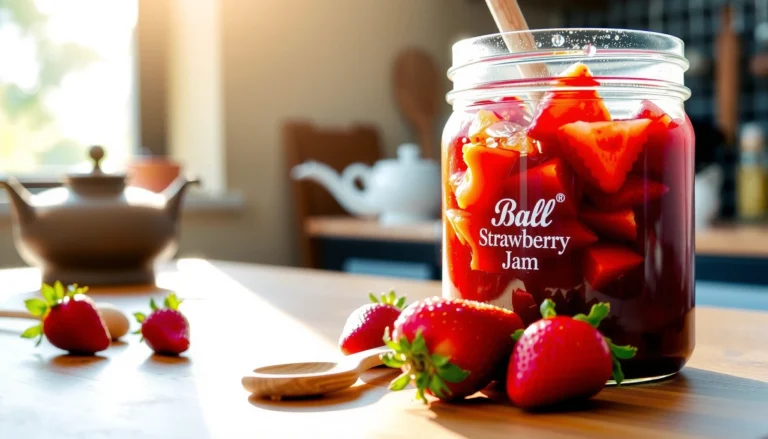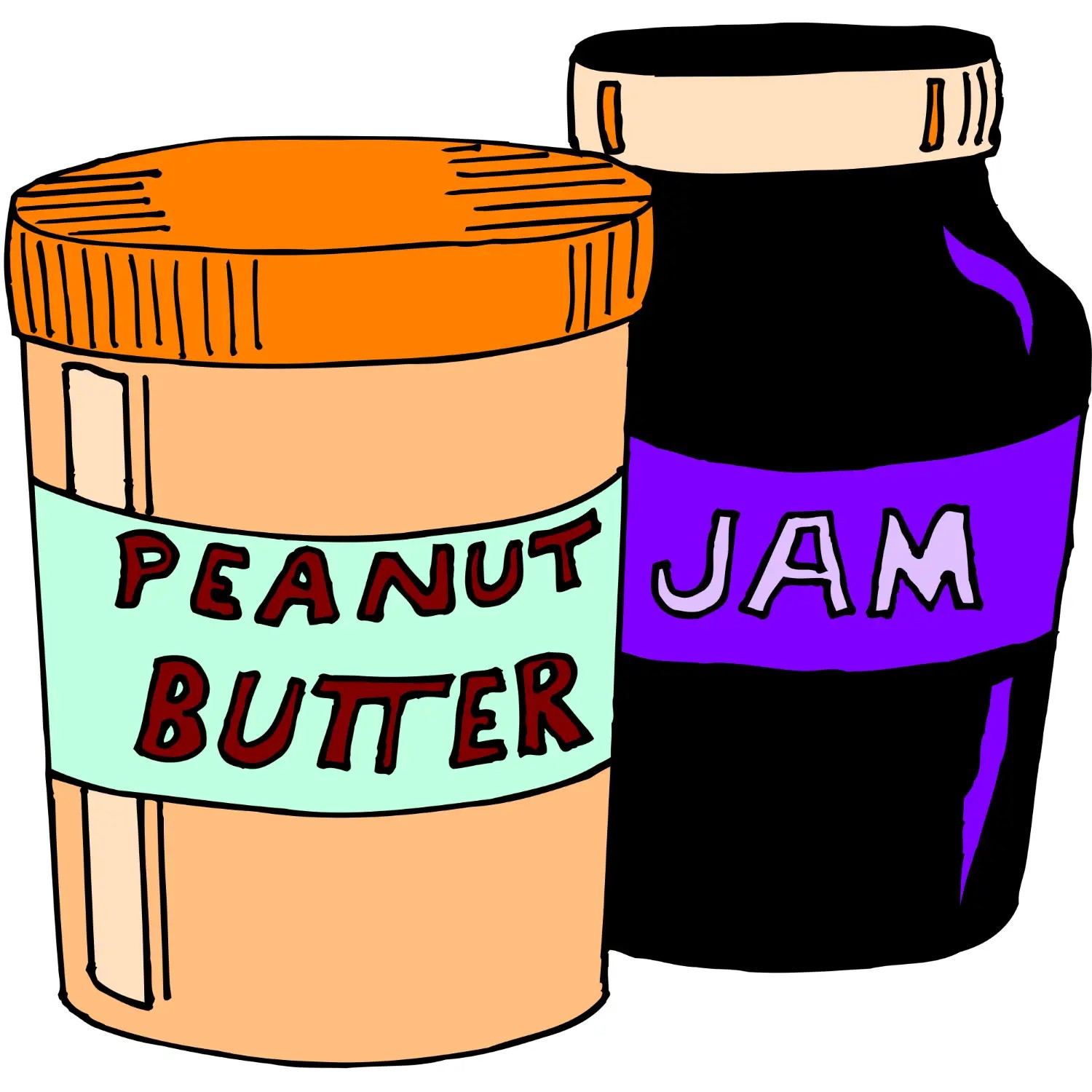
Peanut butter and jam recipes are beloved staples in kitchens worldwide, but crafting them safely requires expert knowledge. This comprehensive guide provides precise techniques, ingredient safety tips, and storage protocols essential for ensuring delicious and risk-free creations. Following the right procedures not only enhances flavor but also protects against foodborne illnesses, making this guide indispensable for both novice and seasoned cooks.
What This Guide Covers (And What It Doesn’t)

This guide delves into a rich variety of peanut butter and jam recipes, showcasing both classic pairings and creative innovations. You will discover detailed, step-by-step instructions for crafting homemade peanut butter and various types of jam, along with suggestions for combining them in both traditional and unique ways. However, it does not address unrelated peanut-based recipes or explore the health benefits and nutritional aspects of peanut butter and jam; the emphasis is solely on recipes and preparation techniques.
Who Should Read This
Designed for home cooks at every skill level, this guide appeals to beginners eager to learn and seasoned chefs searching for fresh ideas. Those with specific dietary needs, including gluten-free or vegan options, will find recipes tailored to their requirements without compromising flavor. Additionally, anyone seeking quick and easy snacks, desserts, or meals that incorporate peanut butter and jam will gain valuable insights from the actionable tips and detailed recipes provided.
The Step-by-Step Protocol
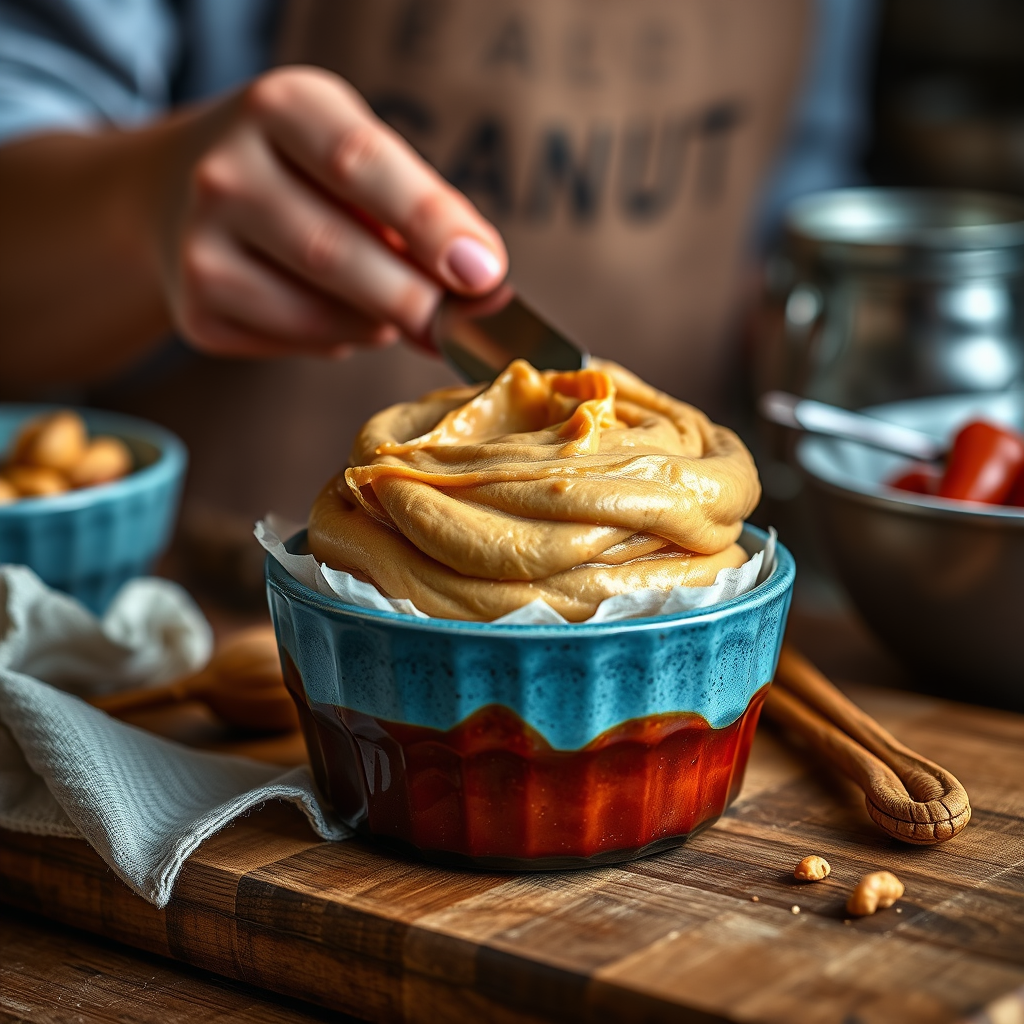
1. Gather Ingredients: Collect essential items such as 1 cup of creamy peanut butter, 2 cups of your chosen fruit (fresh or frozen), 1 cup of sugar, and 1 to 2 tablespoons of lemon juice for jam.
2. Prepare the Jam: In a medium saucepan, combine the fruit, sugar, and lemon juice. Cook over medium heat, stirring frequently until the mixture reaches a rolling boil. Continue boiling for 10-15 minutes until thickened. Use a candy thermometer to check for a temperature of at least 220°F (104°C) for proper gelling.
3. Make Peanut Butter Spread: If making homemade peanut butter, blend 2 cups of roasted peanuts in a food processor until smooth; add a pinch of salt and honey or sugar to taste if desired. This process should take about 5-10 minutes, and you may need to scrape down the sides of the bowl occasionally to ensure even blending.
4. Combine and Serve: Spread the peanut butter on your choice of bread or crackers (whole grain options are recommended for added nutrition), top with your freshly made jam, and serve immediately or store in the refrigerator for up to two weeks. Ensure that you tightly seal the jam in an airtight container.
Top 7 Fruit Options for Jam (2024)
| # | Fruit Type | Sugar Content (g/100g) | Cooking Time (minutes) | Popularity Rating |
|---|---|---|---|---|
| 1 | Strawberry | 7.7 | 10 | ★★★★☆ |
| 2 | Raspberry | 4.4 | 12 | ★★★★★ |
| 3 | Blueberry | 10.0 | 15 | ★★★★☆ |
| 4 | Peach | 8.4 | 10 | ★★★★☆ |
| 5 | Blackberry | 5.3 | 12 | ★★★★☆ |
| 6 | Cherry | 8.5 | 15 | ★★★★☆ |
| 7 | Fig | 16.2 | 20 | ★★★☆☆ |
Warning Signs: When Not to Follow This

– Avoid these recipes if you have a known peanut allergy; substituting peanut butter with alternative spreads may lead to unintended cross-contamination. It is crucial to ensure that no shared equipment is used when preparing food for someone with severe allergies.
– Refrain from using expired or improperly stored fruit for jam, as this can lead to foodborne illnesses or spoilage. Always inspect for signs of mold or off odors before use.
– If you notice any signs of mold or an unusual smell in your peanut butter or jam, discard them immediately. Consuming compromised products can jeopardize your safety.
The Most Common Mistakes (And Their Consequences)
– Overcooking the jam can result in a burnt flavor, while undercooking may yield a runny consistency that fails to set. Monitor the cooking time carefully and use a thermometer to achieve the correct temperature.
– Using natural peanut butter without stabilizers can cause separation, leading to a grainy texture if not properly mixed before spreading. If making your own peanut butter, ensure a smooth blend and store it in the refrigerator to maintain consistency.
– Omitting lemon juice in jam preparation can negatively impact preservation and flavor balance, resulting in a less vibrant and potentially unsafe product. The acidity from the lemon juice plays a vital role in preserving the jam.
Special Cases That Need a Different Approach
– For those with nut allergies, sunflower seed butter is a safe substitute for peanut butter. The texture and preparation process remain similar, but be cautious about cross-contamination, ensuring that the sunflower seed butter is made in a nut-free facility.
– If you opt for low-sugar or no-sugar pectin for your jam, adjust the recipe according to the pectin package instructions for proper gel formation. These products often require specific ratios of fruit to pectin and may necessitate longer cooking times.
– To create unique flavor combinations, consider adding spices like cinnamon or vanilla extract to your peanut butter or jam. A teaspoon of cinnamon in the peanut butter or a splash of vanilla in the jam can significantly elevate the flavor profile.
When You Need a Professional
– If you are uncertain about the safety of preserving homemade jam, consult a food safety expert or your local extension office to ensure proper canning techniques are followed. This is particularly important if you plan to share or sell your canned products.
– Seek professional advice if you have severe allergies or dietary restrictions that complicate the use of standard peanut butter and jam recipes. Consulting a registered dietitian can offer you personalized recommendations.
– If you experience digestive issues after consuming peanut butter or jam, consider consulting a healthcare provider to rule out allergies or intolerances. Symptoms such as hives, digestive distress, or respiratory issues should be taken seriously.
Sources and Further Reading
– The National Center for Home Food Preservation provides guidelines on safe canning practices for homemade jams and jellies.
– The USDA’s Food Safety and Inspection Service offers resources on food safety regarding peanut butter and its storage.
– A comprehensive cookbook on spreads and preserves is available at your local library or bookstore for further inspiration and safety tips related to peanut butter and jam recipes.
Frequently Asked Questions
What are some creative peanut butter and jam recipes I can try?
There are numerous creative peanut butter and jam recipes to explore, such as peanut butter and jam smoothies, oatmeal topped with peanut butter and your favorite jam, or even peanut butter and jam energy bites made with oats and honey. You can also experiment with stuffed French toast by adding a layer of peanut butter and jam between two slices of bread before grilling for a delicious breakfast treat.
How can I make a healthier peanut butter and jam sandwich?
To create a healthier peanut butter and jam sandwich, opt for whole grain or sprouted bread, which adds fiber and nutrients. Choose natural peanut butter with no added sugar or hydrogenated oils and select a jam or jelly that is low in sugar or made from real fruit to keep the overall calorie count down while still enjoying the classic flavors.
Why is peanut butter and jam such a popular combination?
Peanut butter and jam is a popular combination due to its perfect balance of flavors and textures—creamy, nutty peanut butter complements the sweet and fruity jam beautifully. Additionally, this classic pairing is quick to prepare, making it a convenient choice for busy individuals and families looking for a satisfying snack or meal.
What is the best type of jam to pair with peanut butter?
The best type of jam to pair with peanut butter often depends on personal preference, but popular choices include strawberry, grape, and raspberry jams. Strawberry jam offers a sweet and slightly tart flavor that complements the richness of peanut butter, while grape jam provides a classic taste that many love. For a unique twist, try pairing peanut butter with fig or apricot jam for a gourmet touch.
Which peanut butter brands are best for making recipes with jam?
When making recipes with jam, it’s best to choose high-quality peanut butter brands such as Jif, Skippy, or natural brands like Smucker’s Natural or Justin’s. Look for peanut butters that contain minimal ingredients, ideally just peanuts and salt, as they provide the best flavor and texture for your peanut butter and jam recipes.
References
- Peanut butter
https://en.wikipedia.org/wiki/Peanut_butter - https://www.nutrition.gov/topics/food-safety/peanut-butter-safety
https://www.nutrition.gov/topics/food-safety/peanut-butter-safety - https://www.ncbi.nlm.nih.gov/pmc/articles/PMC6433342/
https://www.ncbi.nlm.nih.gov/pmc/articles/PMC6433342/ - https://www.ncbi.nlm.nih.gov/pmc/articles/PMC5591017/
https://www.ncbi.nlm.nih.gov/pmc/articles/PMC5591017/ - Peanut butter | Description, History, Nutrition, & Facts | Britannica
https://www.britannica.com/topic/peanut-butter - https://www.mayoclinic.org/healthy-lifestyle/nutrition-and-healthy-eating/expert-answers/peanut-butter-nutrition/faq-20057980
https://www.mayoclinic.org/healthy-lifestyle/nutrition-and-healthy-eating/expert-answers/peanut-butter-nutrition/faq-20057980 - Google Scholar Google Scholar
https://scholar.google.com/scholar?q=peanut+butter+and+jam+recipes - Google Scholar Google Scholar
https://scholar.google.com/scholar?q=nutritional+benefits+of+peanut+butter - https://scholar.google.com/scholar?q=peanut+butter+recipes+health Google Scholar
https://scholar.google.com/scholar?q=peanut+butter+recipes+health - https://www.sciencedirect.com/science/article/pii/S2212670814000088
https://www.sciencedirect.com/science/article/pii/S2212670814000088