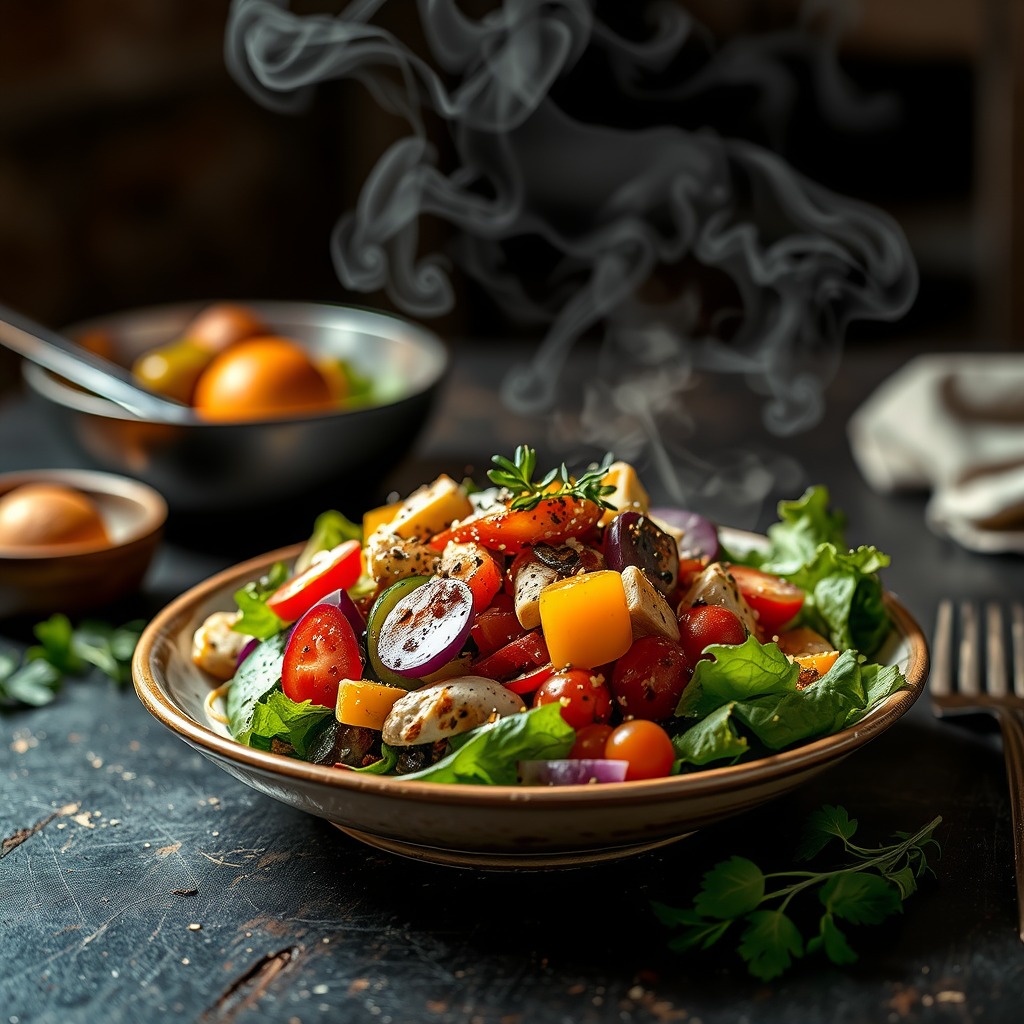
Dewey’s Harvest Salad is a delightful culinary creation that marries fresh greens and seasonal vegetables, making it the perfect dish to celebrate autumn’s bounty. This recipe not only tantalizes your taste buds but also provides a nutritious meal option that can be easily recreated at home. In this article, you will discover how to make Dewey’s Harvest Salad, ensuring a perfect blend of flavors and textures that will impress your friends and family.
Ingredients You’ll Need
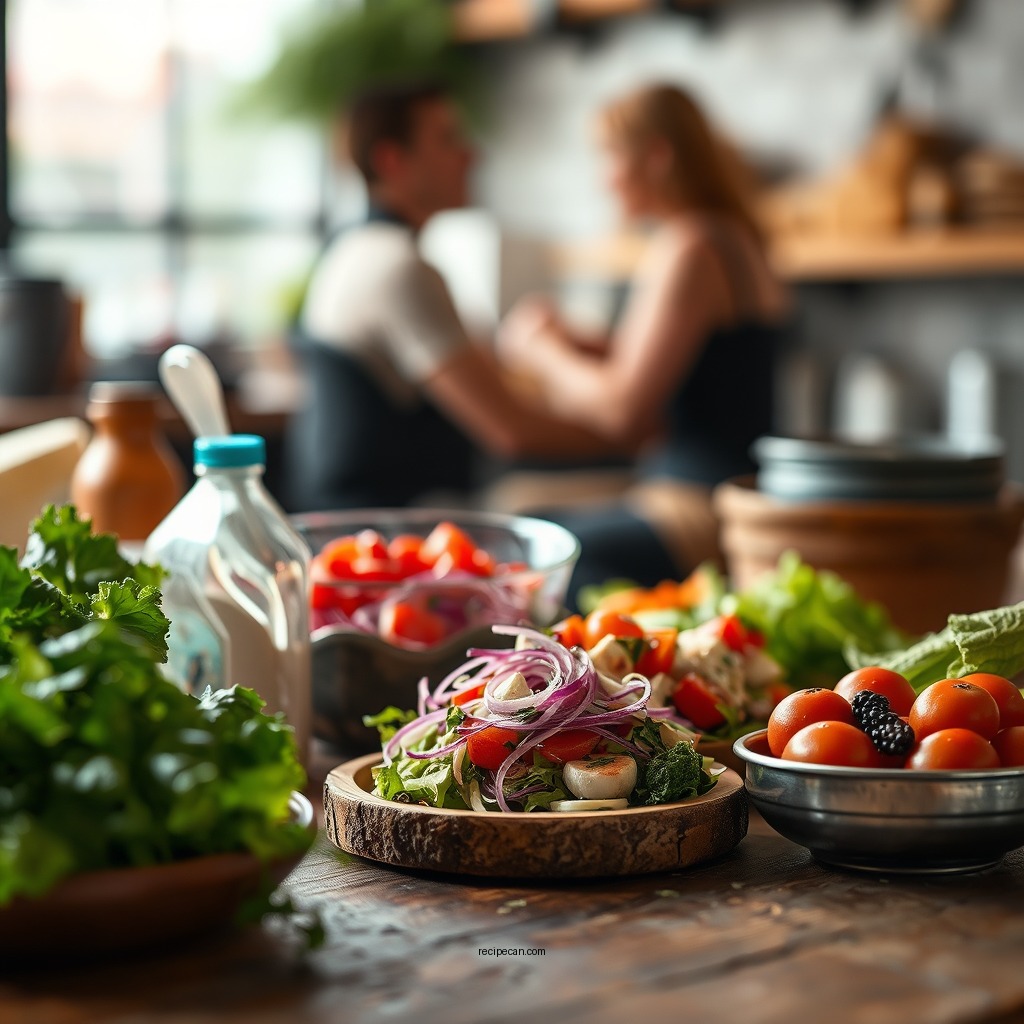
To prepare Dewey’s Harvest Salad, you will need a harmonious selection of fresh ingredients that highlight the essence of the season. Here’s a breakdown of what you will need:
– Fresh Greens: Begin with a mix of arugula, spinach, and kale. Arugula adds a peppery kick, spinach contributes a mild flavor, and kale brings a hearty texture, creating a nutritious base for your salad.
– Seasonal Vegetables: Incorporate roasted butternut squash, Brussels sprouts, and red onions. The sweetness of roasted butternut squash, the crispness of Brussels sprouts, and the tangy flavor of red onions enhance the overall taste profile of the salad.
– Toppings: To add texture and sweetness, include a variety of toppings such as toasted walnuts or pecans, crumbled feta or goat cheese, and dried cranberries or figs. These ingredients not only add nutritional value but also contribute contrasting flavors that elevate the dish.
Preparation Steps
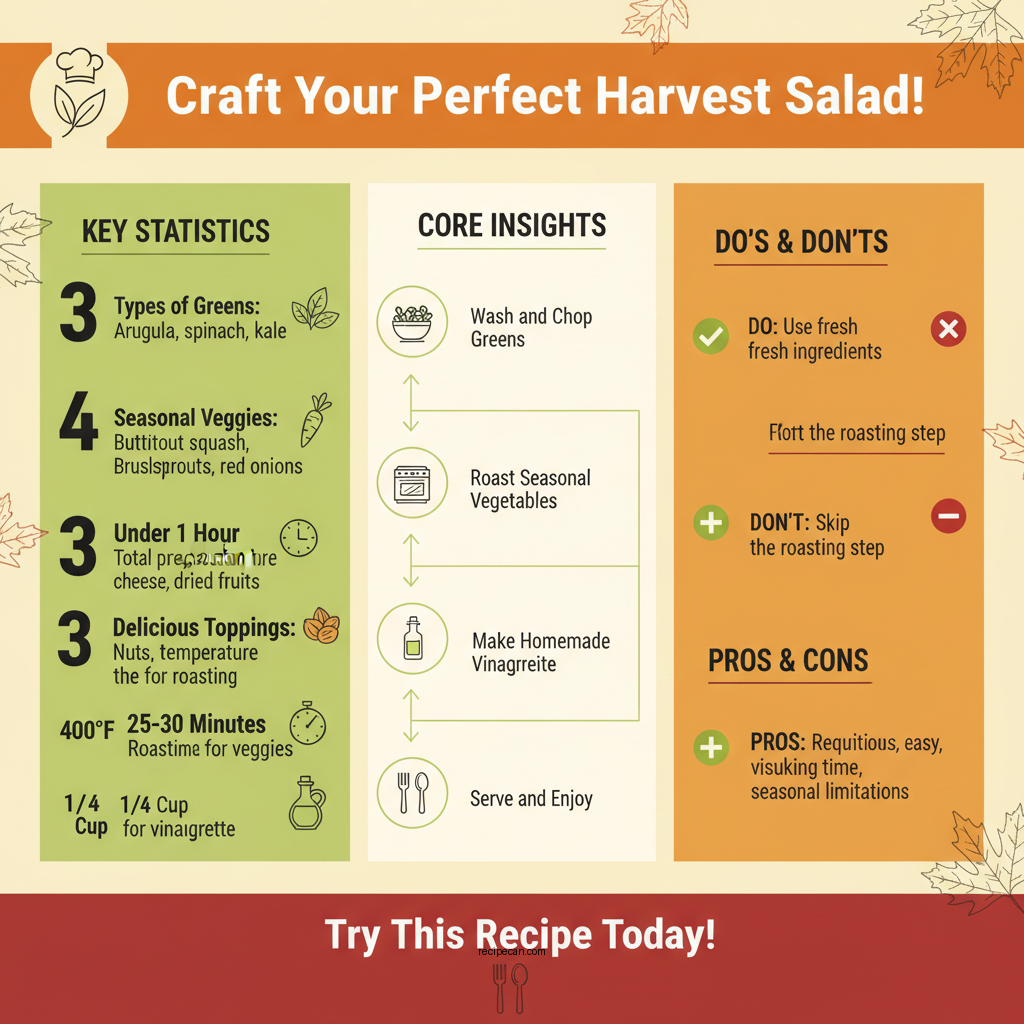
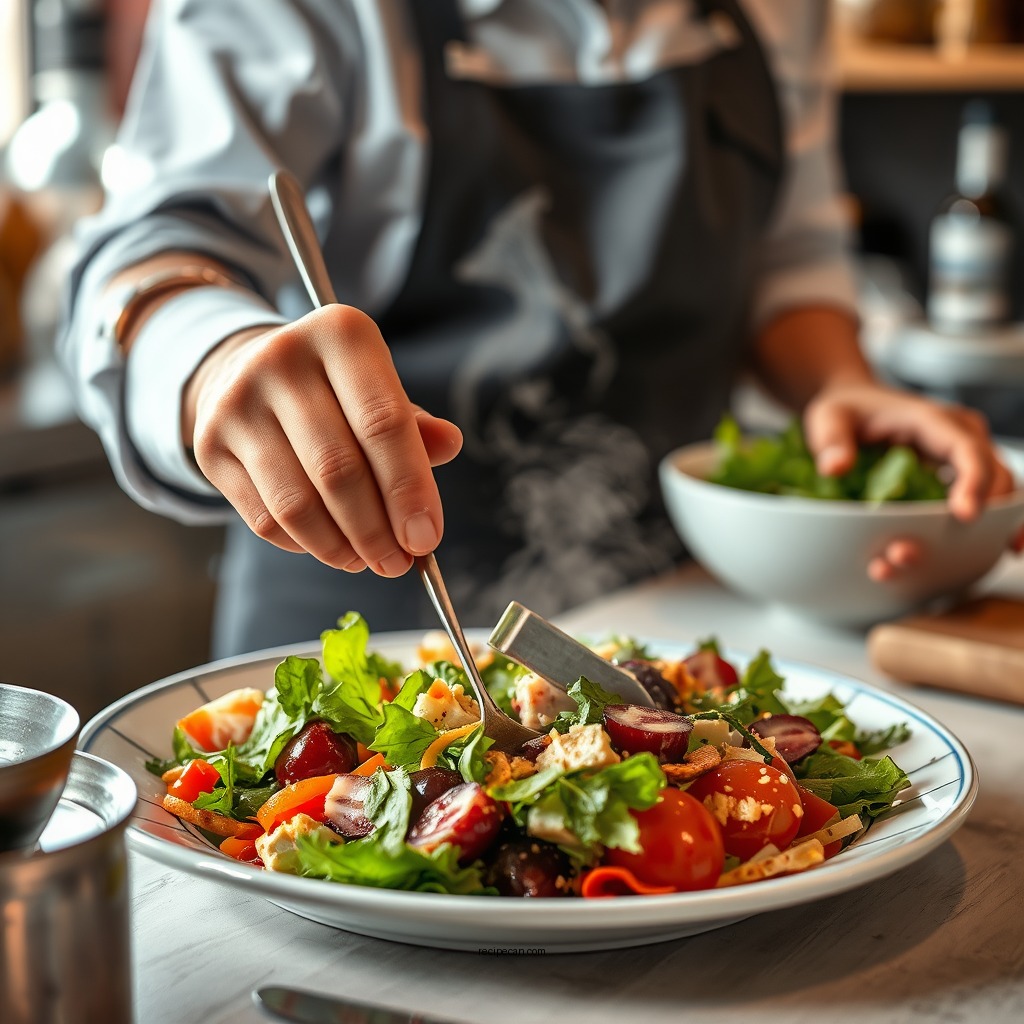
The preparation of Dewey’s Harvest Salad involves a few simple steps that can be completed in under an hour, making it an accessible choice for both novice and experienced cooks.
– Wash and Chop the Greens: Rinse the greens thoroughly under cold water to remove any dirt or grit. After washing, tear the greens into bite-sized pieces, which will make them easier to mix and eat.
– Roast the Vegetables: Preheat your oven to 400°F (200°C). Toss the butternut squash cubes and halved Brussels sprouts in a generous drizzle of olive oil, along with salt, pepper, and your choice of herbs (such as thyme or rosemary). Spread the vegetables on a baking sheet and roast for about 25-30 minutes, or until they are tender and slightly caramelized. This roasting process intensifies their flavors and adds a delightful warmth to the salad.
– Assemble the Salad: In a large bowl, layer the fresh greens with the roasted vegetables, nuts, and cheese. Gently toss the ingredients together to ensure an even distribution of flavors.
Dressing the Salad
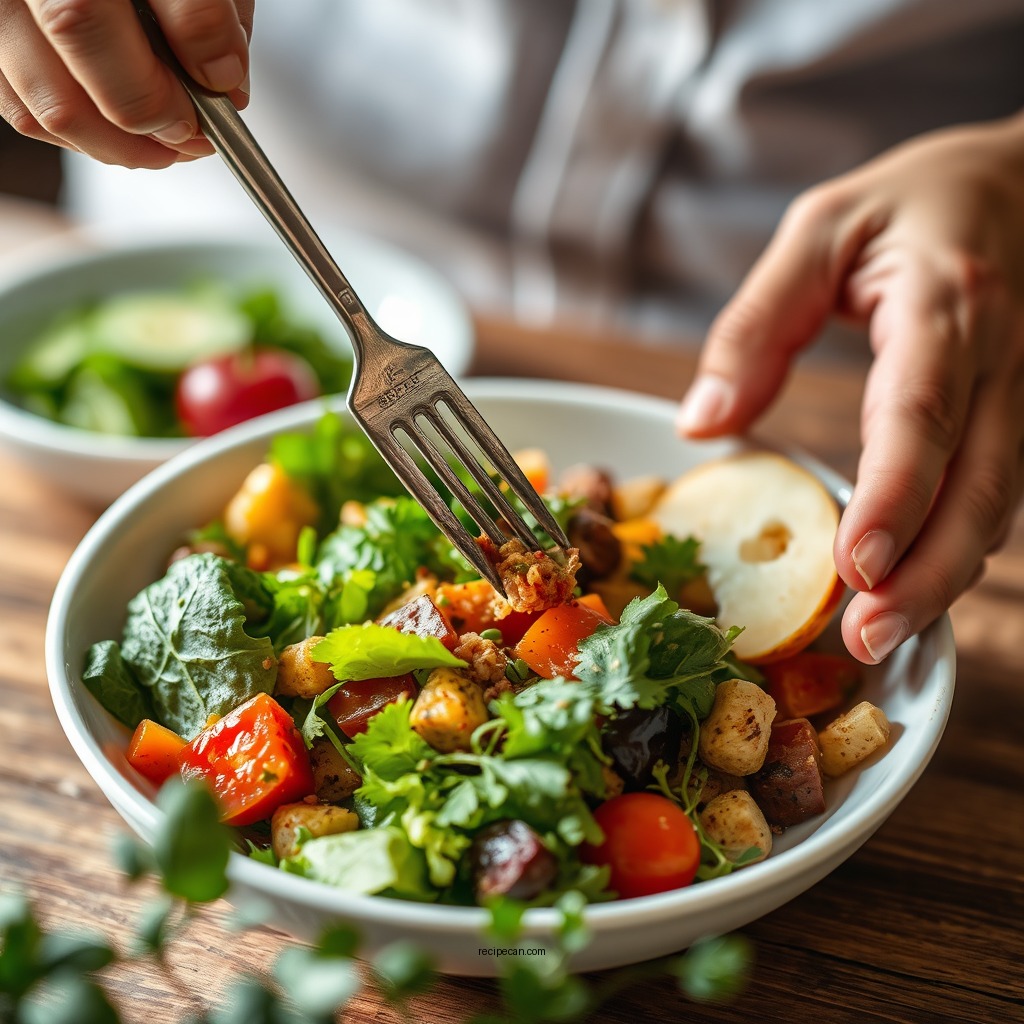
The dressing is a critical component that ties all the elements of the salad together. A homemade vinaigrette can elevate your Harvest Salad to new heights.
– Homemade Vinaigrette: In a small bowl or jar, combine 1/4 cup of olive oil, 2 tablespoons of balsamic vinegar, 1 teaspoon of Dijon mustard, and a pinch of salt and pepper. Whisk or shake until well combined. This vinaigrette offers a perfect balance of acidity and richness, complementing the sweetness of the roasted vegetables.
– Mixing Tips: Drizzle the dressing over the salad just before serving to maintain the freshness and crispness of the greens. Toss gently to coat all ingredients evenly, and serve immediately for the best experience.
Customizing Your Harvest Salad
One of the great advantages of Dewey’s Harvest Salad is its versatility. You can easily customize it based on your dietary preferences and seasonal availability.
– Protein Options: For a heartier meal, consider adding grilled chicken, chickpeas, or marinated tofu. These protein-rich additions will make the salad more filling and nutritious, perfect for lunch or dinner.
– Seasonal Swaps: Feel free to substitute ingredients based on what’s available or in season. For instance, you might use roasted sweet potatoes instead of butternut squash or add in some pomegranate seeds during the winter months for a pop of color and flavor.
Serving Suggestions
Presentation plays a vital role in making your salad visually appealing. Here are some tips to serve Dewey’s Harvest Salad beautifully.
– Presentation Tips: Serve the salad in a large, shallow bowl to showcase the vibrant colors of the ingredients. Alternatively, you can serve individual portions on plates, garnishing each with additional nuts or cheese for an elegant touch.
– Pairing Ideas: This salad pairs wonderfully with crusty bread, allowing diners to scoop up the salad with each bite. It can also serve as a refreshing side dish alongside grilled meats or fish, enhancing your overall meal experience.
Nutritional Breakdown of Dewey’s Harvest Salad (Per Serving)
| # | Ingredient | Calories | Protein (g) | Fat (g) | Carbs (g) |
|---|---|---|---|---|---|
| 1 | Arugula | 5 | 0.5 | 0.1 | 1 |
| 2 | Spinach | 7 | 1 | 0.1 | 1.1 |
| 3 | Kale | 33 | 2 | 0.5 | 6.7 |
| 4 | Butternut Squash | 82 | 2 | 0.5 | 22 |
| 5 | Brussels Sprouts | 38 | 3 | 0.2 | 8.8 |
| 6 | Feta Cheese | 75 | 5 | 6 | 2 |
| 7 | Walnuts | 185 | 4 | 18 | 4 |
Storing Leftovers
If you have any leftovers, it is essential to store them properly to maintain freshness and flavor.
– Proper Storage: Place any leftover salad in an airtight container and store it in the refrigerator. This will help preserve the crispness of the greens and prevent any spoilage.
– Best Practices: To avoid wilting, store the dressing separately from the salad until you’re ready to serve it again. This ensures that each component remains fresh and vibrant for your next meal.
Creating Dewey’s Harvest Salad is a simple yet rewarding way to enjoy fresh, seasonal produce while satisfying your taste buds. By following the steps outlined above, you can easily whip up this delightful dish for your next gathering or enjoy it as a nutritious meal at home. Don’t hesitate to experiment with the ingredients to make it your own, and relish the vibrant flavors that autumn has to offer.
Frequently Asked Questions
What ingredients are needed for Dewey’s Harvest Salad recipe?
To make Dewey’s Harvest Salad, you’ll need a mix of fresh greens such as spinach and arugula, roasted seasonal vegetables like sweet potatoes and Brussels sprouts, quinoa for added protein, and a variety of nuts and seeds. Don’t forget to include a tangy vinaigrette dressing to enhance the flavors and a sprinkle of feta cheese for a creamy finish.
How can I customize the Dewey’s Harvest Salad recipe to fit my dietary needs?
Customizing Dewey’s Harvest Salad is easy! You can make it vegan by omitting the feta cheese and using a plant-based dressing. For gluten-free options, substitute quinoa with rice or omit grains altogether. Additionally, you can add your favorite proteins like grilled chicken or chickpeas for a heartier meal.
Why is Dewey’s Harvest Salad considered a healthy option?
Dewey’s Harvest Salad is considered a healthy option because it combines a variety of nutrient-dense ingredients, including leafy greens, colorful vegetables, and whole grains. These ingredients are rich in vitamins, minerals, and antioxidants, promoting overall health. The salad is also high in fiber, which aids digestion and keeps you feeling full longer.
What is the best way to prepare Dewey’s Harvest Salad in advance?
To prepare Dewey’s Harvest Salad in advance, chop and roast the vegetables, and cook the quinoa the day before. Store the ingredients separately in airtight containers to maintain freshness. Just before serving, combine the greens, quinoa, and veggies, then drizzle with dressing to keep the salad crisp and delicious.
Which dressing pairs best with Dewey’s Harvest Salad?
A citrus vinaigrette or a balsamic dressing pairs best with Dewey’s Harvest Salad, as they complement the earthy flavors of the roasted vegetables and the creaminess of the feta cheese. You can easily make a simple vinaigrette by whisking together olive oil, lemon juice, Dijon mustard, and honey for a delightful tang that enhances the salad’s overall taste.
References
- Salad
https://en.wikipedia.org/wiki/Salad - https://www.mayoclinic.org/healthy-lifestyle/nutrition-and-healthy-eating/in-depth/salad/art-20046401
https://www.mayoclinic.org/healthy-lifestyle/nutrition-and-healthy-eating/in-depth/salad/art-20046401 - https://www.ncbi.nlm.nih.gov/pmc/articles/PMC7010484/
https://www.ncbi.nlm.nih.gov/pmc/articles/PMC7010484/ - https://www.cdc.gov/nutrition/index.html
https://www.cdc.gov/nutrition/index.html - Nutrition
https://www.who.int/health-topics/nutrition#tab=tab_1 - https://www.sciencedirect.com/topics/food-science/salad
https://www.sciencedirect.com/topics/food-science/salad - Google Scholar Google Scholar
https://scholar.google.com/scholar?q=Dewey%27s+harvest+salad+recipe - Google Scholar Google Scholar
https://scholar.google.com/scholar?q=healthy+salad+recipes - Google Scholar Google Scholar
https://scholar.google.com/scholar?q=nutritional+benefits+of+salads - https://www.bbc.com/food/recipes/salad
https://www.bbc.com/food/recipes/salad
