To create a delicious squash dish, you can explore various cooking methods and flavor combinations that highlight the vegetable’s natural sweetness. Squash is incredibly versatile, allowing for numerous preparations ranging from roasting to stuffing. In this article, you’ll learn how to prepare a tasty squash recipe, including ingredients, cooking techniques, and tips for perfecting your dish.
Choosing the Right Squash
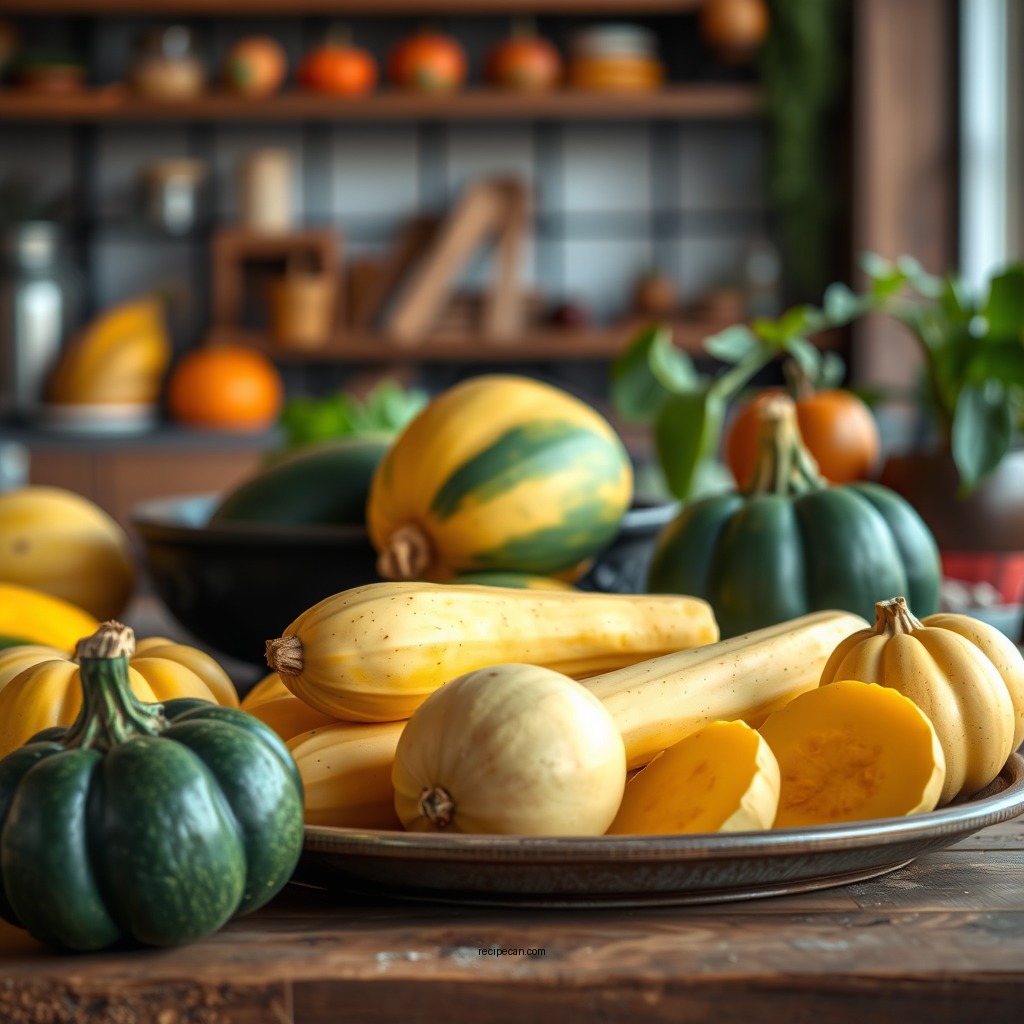
When it comes to selecting squash, understanding the different types is crucial. The most common varieties include butternut, acorn, spaghetti, and zucchini, each offering unique flavors and textures.
– Butternut Squash: This variety has a sweet, nutty flavor and smooth texture, making it ideal for soups and purees. It is usually available in the fall and winter months.
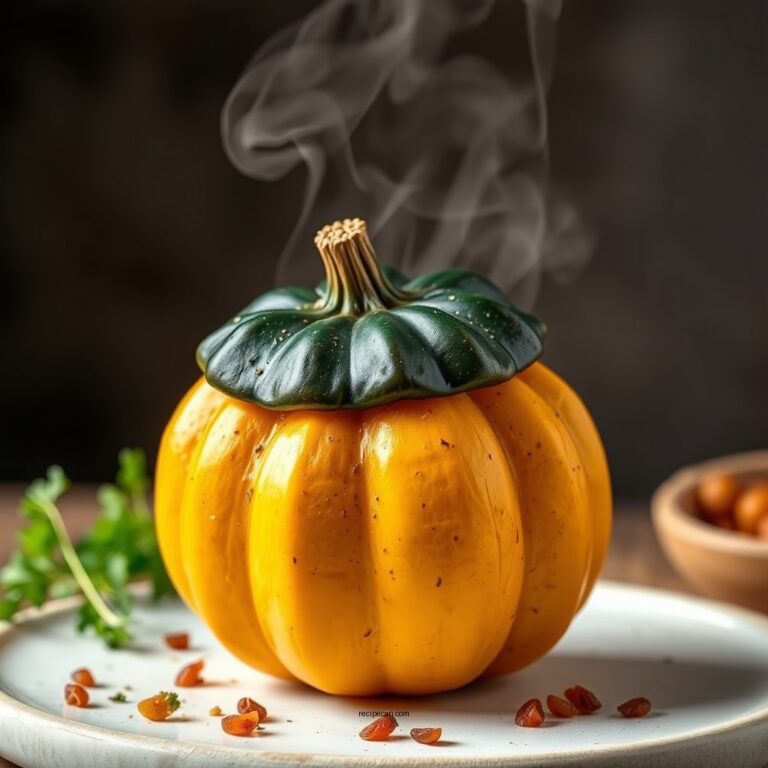
– Acorn Squash: With its slightly sweet, yellow-orange flesh, acorn squash is perfect for roasting and stuffing. It typically ripens in late summer to early fall.
– Spaghetti Squash: This unique squash, once cooked, has flesh that separates into strands resembling spaghetti. It’s a popular low-carb alternative to pasta, available in late summer.
– Zucchini: This summer squash is mild in flavor and can be used in both savory and sweet dishes. It’s widely available throughout the warmer months.
Understanding seasonal availability can also enhance the flavor profile of your dish, as fresh squash is often more flavorful. Look for squash that feels heavy for its size and has firm skin without blemishes.
Essential Ingredients
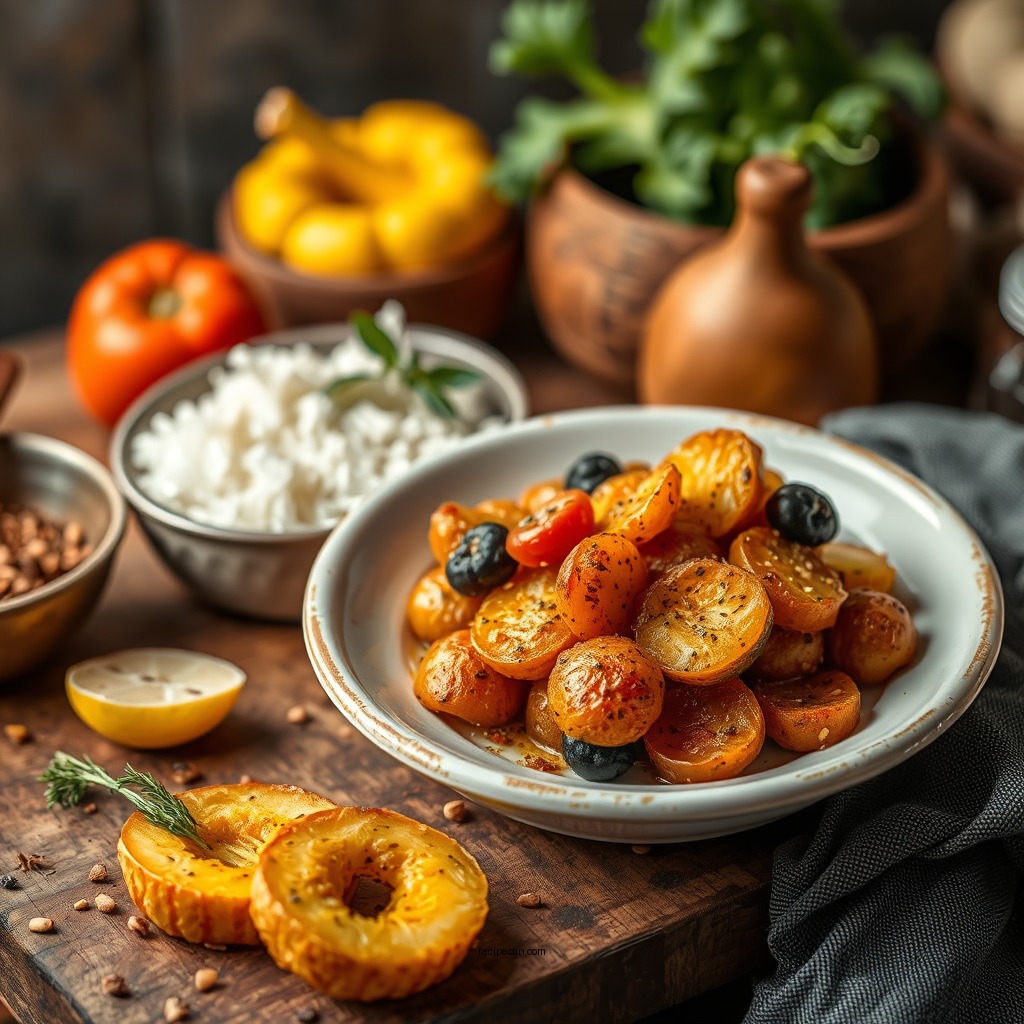
– Fresh Squash: Choose seasonal varieties to ensure peak flavor.
– High-Quality Olive Oil: A good extra virgin olive oil can elevate the dish, providing richness and enhancing flavors.
– Garlic: Whether minced or whole, garlic adds a savory depth that pairs beautifully with squash.
– Herbs and Spices: Fresh herbs such as thyme, rosemary, or sage can add an aromatic quality. Spices like cumin or chili flakes can introduce warmth and complexity.
– Additional Vegetables: Consider onions, bell peppers, or tomatoes to create a more robust dish.
– Proteins: If desired, proteins like chickpeas, sausage, or chicken can be incorporated to turn the dish into a substantial meal.
Having all essential ingredients prepared will streamline the cooking process and ensure that flavors meld beautifully.
Cooking Techniques
There are several cooking methods to explore, each bringing out different aspects of the squash’s flavor.
– Roasting: This method caramelizes the sugars in the squash, intensifying its sweetness. Preheat your oven to 400°F (200°C), cut the squash into cubes or wedges, toss with olive oil, salt, and pepper, and roast for 25-30 minutes until tender.
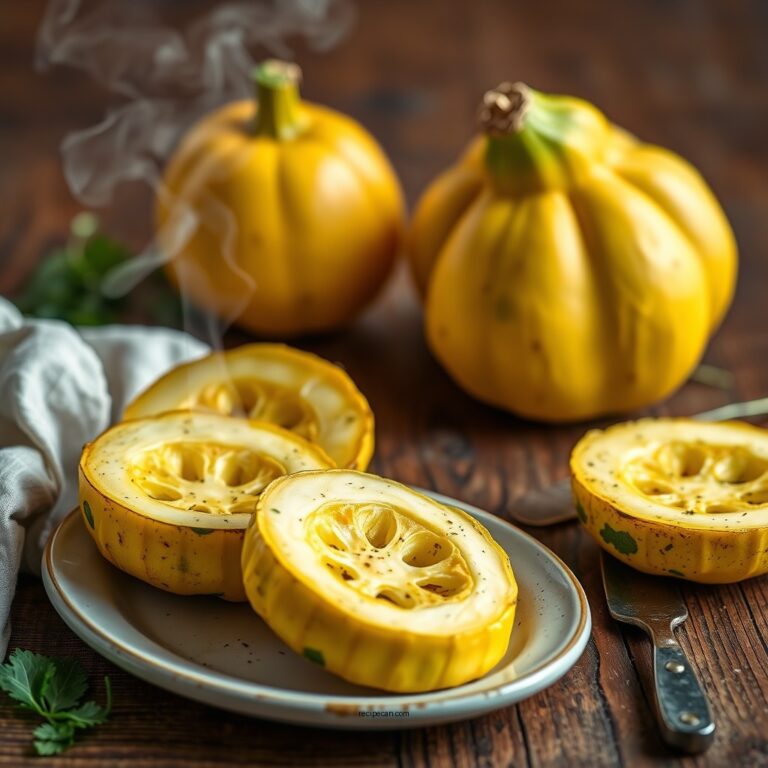
– Sautéing: Quickly cooking squash in a pan with olive oil or butter allows for a slight char and deeper flavor. This method is excellent for zucchini or yellow squash, cooking them for about 5-7 minutes until just tender.
– Grilling: Grilling imparts a smoky flavor to squash. Cut the squash into thick slices, brush with oil, and grill for 4-5 minutes on each side until grill marks appear.
– Steaming or Boiling: While these methods preserve nutrients, they may not enhance the squash’s flavor as much as roasting or grilling. Use them when preparing soups or purees.
The optimal cooking time varies based on the squash variety, so keep an eye on your dish to achieve the desired texture without overcooking.
Nutritional Comparison of Different Squash Varieties (per 100g)
| # | Squash Type | Calories | Carbohydrates | Fiber |
|---|---|---|---|---|
| 1 | Butternut Squash | 45 | 12g | 2g |
| 2 | Acorn Squash | 56 | 15g | 2g |
| 3 | Spaghetti Squash | 31 | 7g | 1g |
| 4 | Zucchini | 17 | 3g | 1g |
| 5 | Pumpkin | 26 | 7g | 1g |
| 6 | Kabocha Squash | 50 | 13g | 2g |
Flavor Profile of Different Squash Varieties
Flavor Pairings
To elevate your squash dish, consider various flavor pairings that complement the natural sweetness of the vegetable.
– Herbs: Fresh herbs like thyme, rosemary, and sage can add aromatic depth. Thyme works exceptionally well with roasted squash, while sage is often paired with butternut squash in soups and pastas.
– Spices: For a warm flavor profile, use spices such as cinnamon, nutmeg, or cumin. A sprinkle of chili flakes can introduce a delightful heat that contrasts beautifully with the sweetness of squash.
– Cheese: Adding cheese can enhance creaminess and richness. Options like feta, goat cheese, or Parmesan can be crumbled over roasted squash or incorporated into purees.
– Nuts: Toasted nuts such as walnuts or pecans provide a nice crunch and additional flavor. They can be sprinkled over a salad featuring squash or blended into a creamy squash soup.
– Glazes: A drizzle of balsamic glaze or honey can add a sweet-tart flavor that complements the sweetness of the squash, especially when roasted.
Experimenting with these pairings allows for creative freedom in your squash dishes, making each meal unique.
Serving Suggestions
Presentation plays a vital role in showcasing your delicious squash dish.
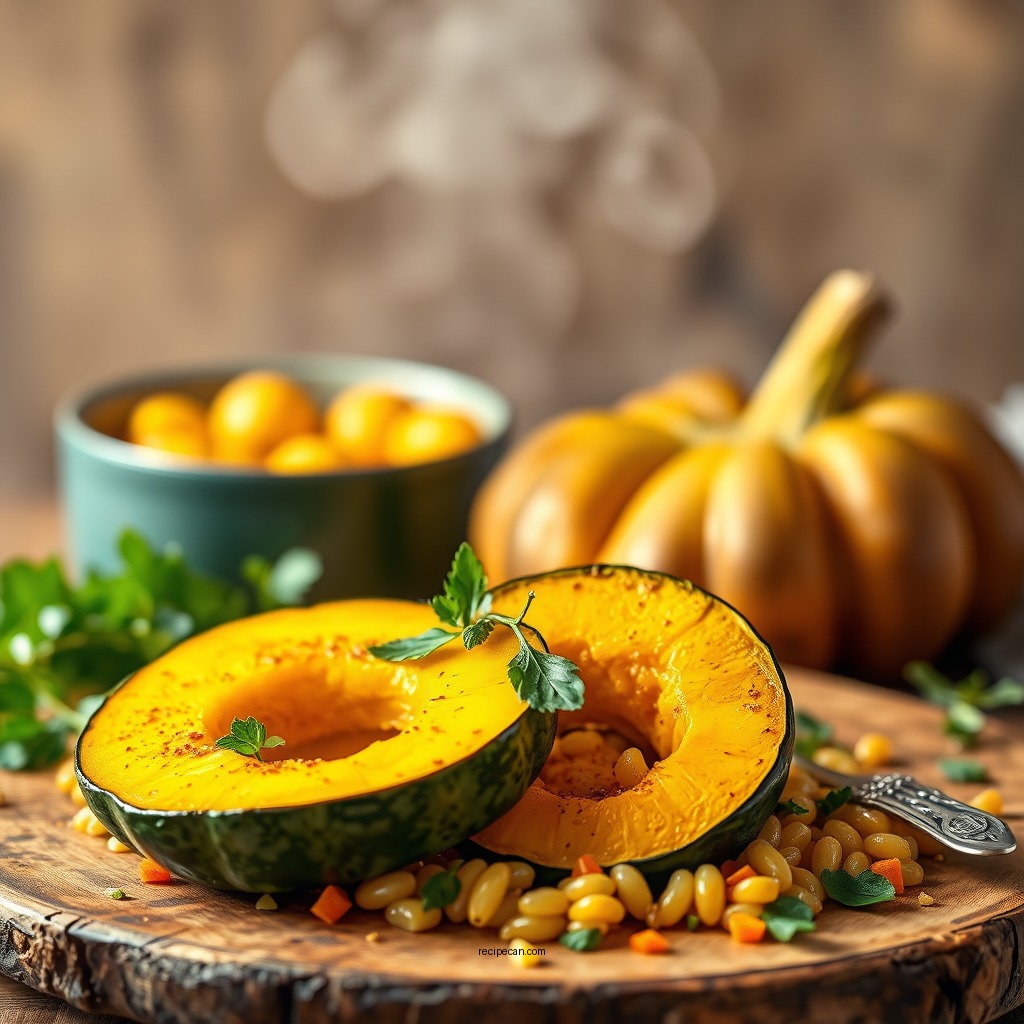
– Main Dish: Serve roasted squash as a main course, perhaps stuffed with grains and vegetables or alongside a protein of your choice.
– Side Dish: Pair sautéed or grilled squash with meats, fish, or as part of a vegetarian feast. It complements grains such as quinoa or rice exceptionally well.
– Salads: Incorporate roasted squash into salads with grains, nuts, and a light vinaigrette for a refreshing meal.
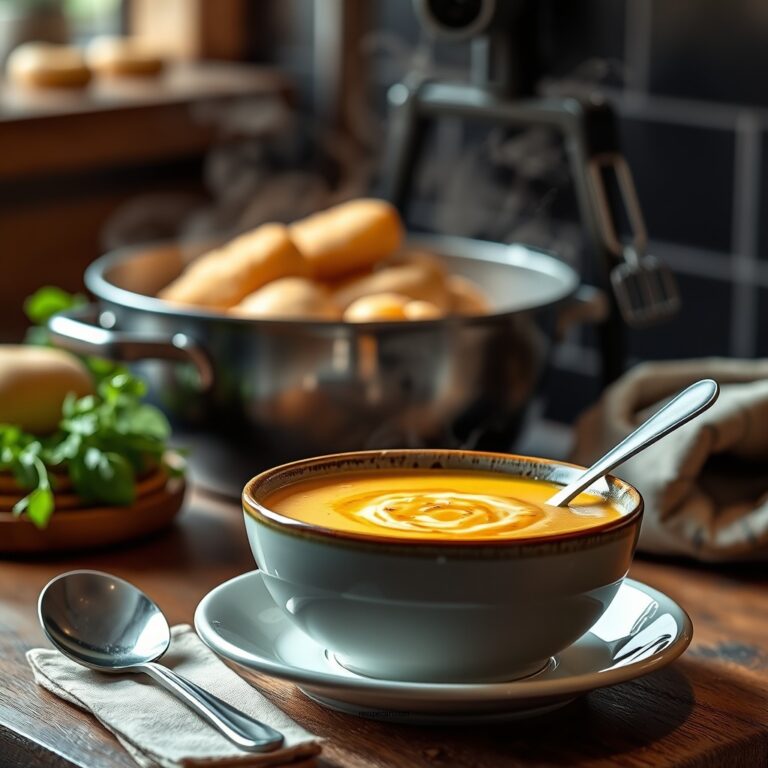
– Soups: Use pureed squash as a base for soups, garnished with a swirl of cream and fresh herbs for an elegant touch.
The versatility of squash allows it to fit seamlessly into various meal types, whether you’re hosting a dinner party or preparing a quick weeknight meal.
Tips for Perfecting Your Dish
To ensure your squash dish is a standout, consider these actionable tips:
– Texture: Experiment with cooking times to achieve your desired texture. For example, if you prefer a firmer squash, reduce roasting time slightly.
– Fresh Ingredients: Whenever possible, use seasonal and fresh ingredients to enhance flavor and nutrition. Farmers’ markets can be a great source for high-quality produce.
– Creative Combinations: Don’t hesitate to mix different squash varieties. Combining the flavors and textures of butternut and acorn squash can create a unique dish that delights the palate.
– Tasting as You Go: Always taste your dish as you cook. Adjust seasoning and flavors incrementally to ensure the best possible outcome.
By following these tips, you can refine your squash recipes and impress your guests with each meal.
Summarizing the key points, this article has provided you with a comprehensive guide to crafting a delicious squash recipe. Now, gather your ingredients and get cooking! Enjoy your culinary adventure with squash today!
Frequently Asked Questions
What are some easy squash recipes for beginners?
For beginners, simple squash recipes include roasted butternut squash, which only requires cutting the squash, drizzling it with olive oil, and seasoning with salt and pepper before baking. Another easy option is sautéed zucchini with garlic; just slice the zucchini, cook it in a pan with olive oil and minced garlic, and season to taste. These recipes highlight the natural flavors of squash and require minimal ingredients.
How do I prepare squash for cooking?
To prepare squash for cooking, start by washing the squash under running water to remove any dirt. For hard squash, like butternut or acorn, use a sharp knife to carefully cut it in half, scoop out the seeds, and then slice it into desired shapes. For softer varieties like zucchini, simply wash, trim the ends, and slice it as needed. Proper preparation ensures even cooking and enhances the dish’s texture.
Why is squash a healthy addition to my diet?
Squash is a nutritious and low-calorie vegetable that is rich in vitamins A and C, fiber, and antioxidants. Incorporating squash into your diet can aid in digestion, support eye health, and boost your immune system. Its versatility allows it to be used in various dishes, making it an excellent choice for health-conscious eaters.
What is the best way to cook spaghetti squash?
The best way to cook spaghetti squash is to roast it in the oven. Cut the squash in half lengthwise, scoop out the seeds, and place it cut-side down on a baking sheet. Roast at 400°F (200°C) for about 30-40 minutes until tender, then scrape the flesh with a fork to create spaghetti-like strands. This method enhances the flavor and texture, making it a fantastic low-carb alternative to pasta.
Which types of squash are best for soups?
The best types of squash for soups include butternut, acorn, and pumpkin squash due to their creamy texture and natural sweetness. Butternut squash, in particular, blends smoothly and adds a rich flavor to soups. When making squash soup, roasting the squash beforehand can intensify its flavor, creating a delightful and comforting dish.
References
- https://en.wikipedia.org/wiki/Squash_(vegetable
https://en.wikipedia.org/wiki/Squash_(vegetable - https://www.ncbi.nlm.nih.gov/pmc/articles/PMC4281366/
https://www.ncbi.nlm.nih.gov/pmc/articles/PMC4281366/ - https://www.sciencedirect.com/topics/agricultural-and-biological-sciences/squash
https://www.sciencedirect.com/topics/agricultural-and-biological-sciences/squash - https://www.healthline.com/nutrition/squash-nutrition
https://www.healthline.com/nutrition/squash-nutrition - https://www.mayoclinic.org/healthy-lifestyle/nutrition-and-healthy-eating/in-depth/squash/art-20046055
https://www.mayoclinic.org/healthy-lifestyle/nutrition-and-healthy-eating/in-depth/squash/art-20046055 - https://www.verywellfit.com/nutrition-of-squash-4110014
https://www.verywellfit.com/nutrition-of-squash-4110014 - Google Scholar Google Scholar
https://scholar.google.com/scholar?q=squash+recipe - Google Scholar Google Scholar
https://scholar.google.com/scholar?q=squash+nutritional+benefits - squash recipe – Search results
https://en.wikipedia.org/wiki/Special:Search?search=squash+recipe - https://www.ncbi.nlm.nih.gov/search/research-articles/?term=squash+recipe
https://www.ncbi.nlm.nih.gov/search/research-articles/?term=squash+recipe