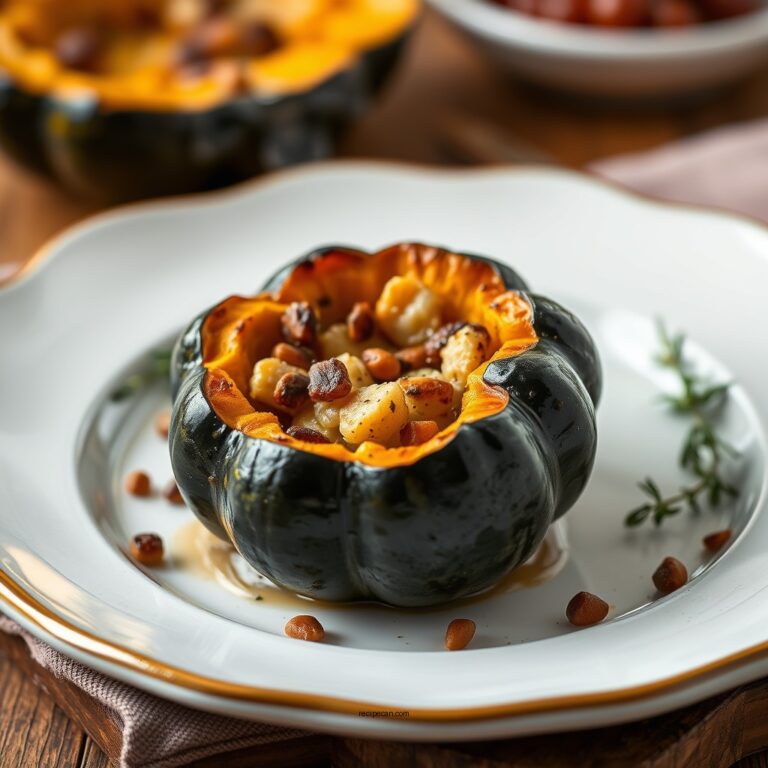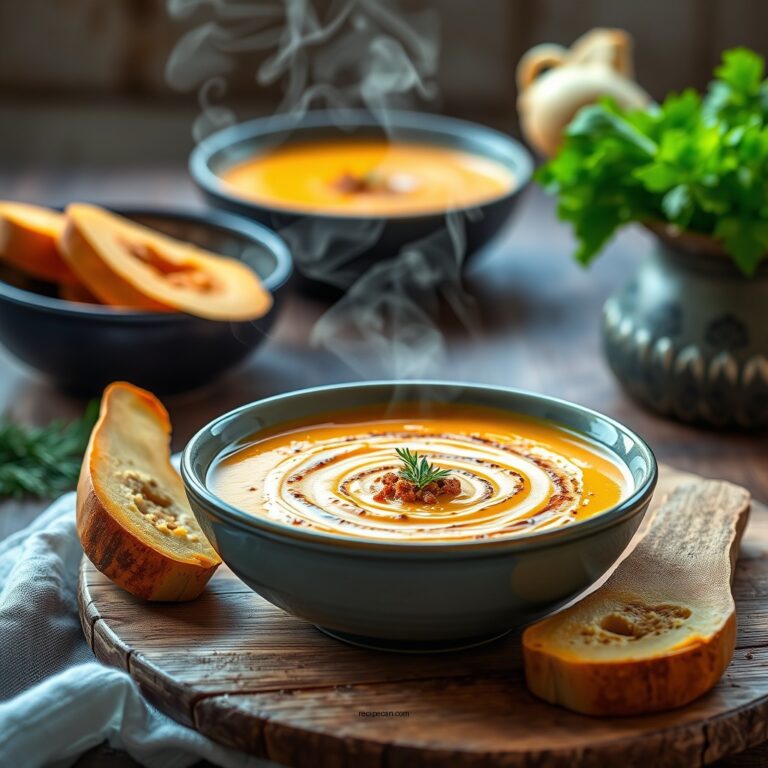
Creating a tasty squash pasta is a fantastic way to enjoy a healthy, low-carb alternative to traditional pasta. This dish not only satisfies your pasta cravings but also incorporates nutritious vegetables that are rich in vitamins and minerals. In this article, you’ll learn how to make squash pasta from scratch, which types of squash work best, and tips for enhancing its flavor. Let’s dive into this delightful recipe that will keep your meals both delicious and nutritious!
Choosing the Right Squash
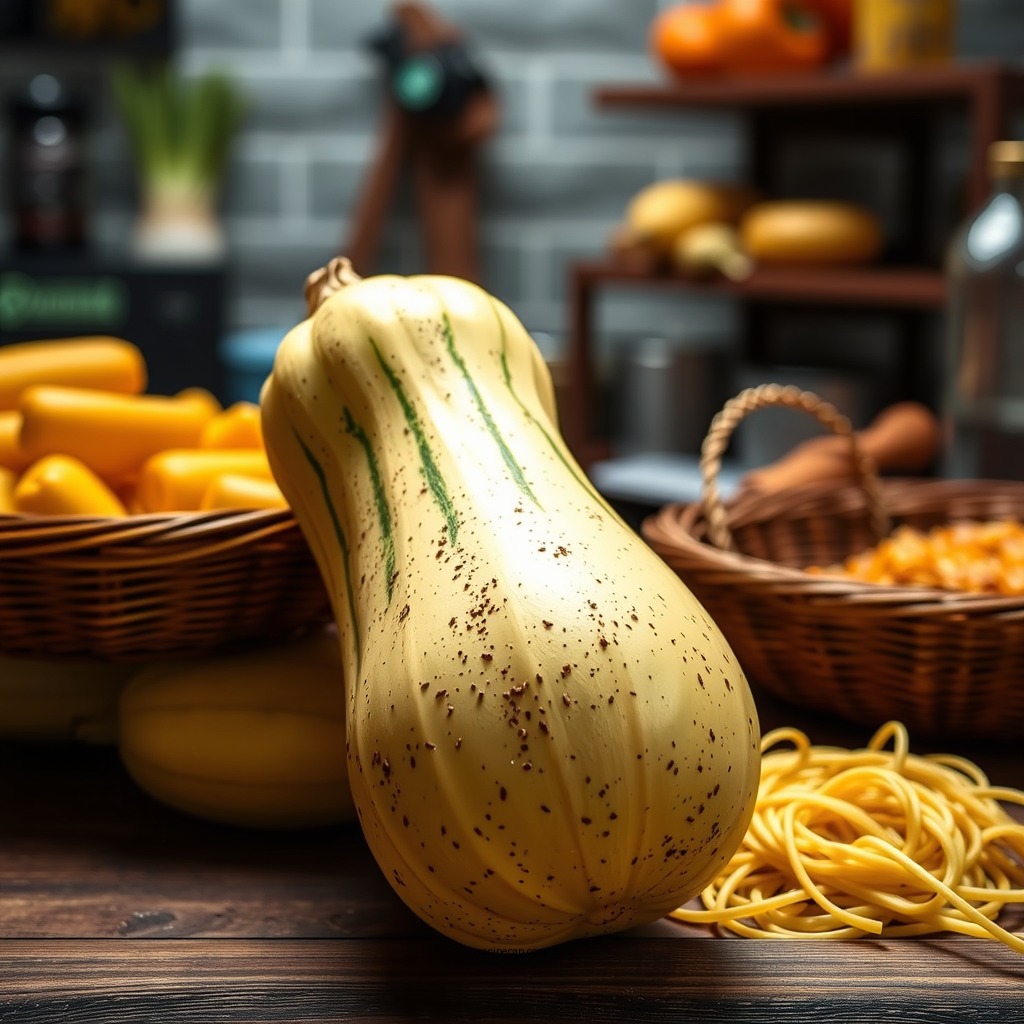
When it comes to making squash pasta, the type of squash you choose can significantly impact the flavor and texture of the final dish. Here are three popular options:
1. Zucchini: Zucchini is perhaps the most common choice for making squash pasta, particularly in the form of zoodles (zucchini noodles). Its mild flavor allows it to absorb the taste of sauces well, and it can easily be spiralized into long, noodle-like strands. Zucchini is also low in calories and high in vitamin C and potassium.
2. Spaghetti Squash: This variety is unique because when cooked, its flesh separates into strands that resemble spaghetti. Spaghetti squash has a slightly sweet flavor and a firmer texture than zucchini. It’s a fantastic option for those looking for a heartier pasta substitute. Additionally, it’s rich in vitamins A and C, making it a nutritious choice.
3. Butternut Squash: While butternut squash is not typically spiralized, it can be roasted and then blended into a creamy sauce or simply cubed and sautéed. Its sweet, nutty flavor pairs well with a variety of sauces, particularly those with a bit of spice. Butternut squash is also packed with vitamins A and E, as well as fiber.
Choosing the right squash can elevate your dish, making it flavorful and visually appealing. Each type of squash offers distinct nutritional benefits and can be used creatively to suit your taste preferences.
Preparing the Squash
Zucchini
1. Wash and Trim: Rinse the zucchini under cold water and trim off the ends.
2. Spiralize: Use a spiralizer or a julienne peeler to create noodle-like strands. If you don’t have these tools, you can use a regular vegetable peeler to make thin ribbons.
3. Salt and Drain: Place the spiralized zucchini in a colander, sprinkle with salt, and let it sit for about 15-30 minutes. This process helps draw out excess moisture, which can make your dish watery.
Spaghetti Squash
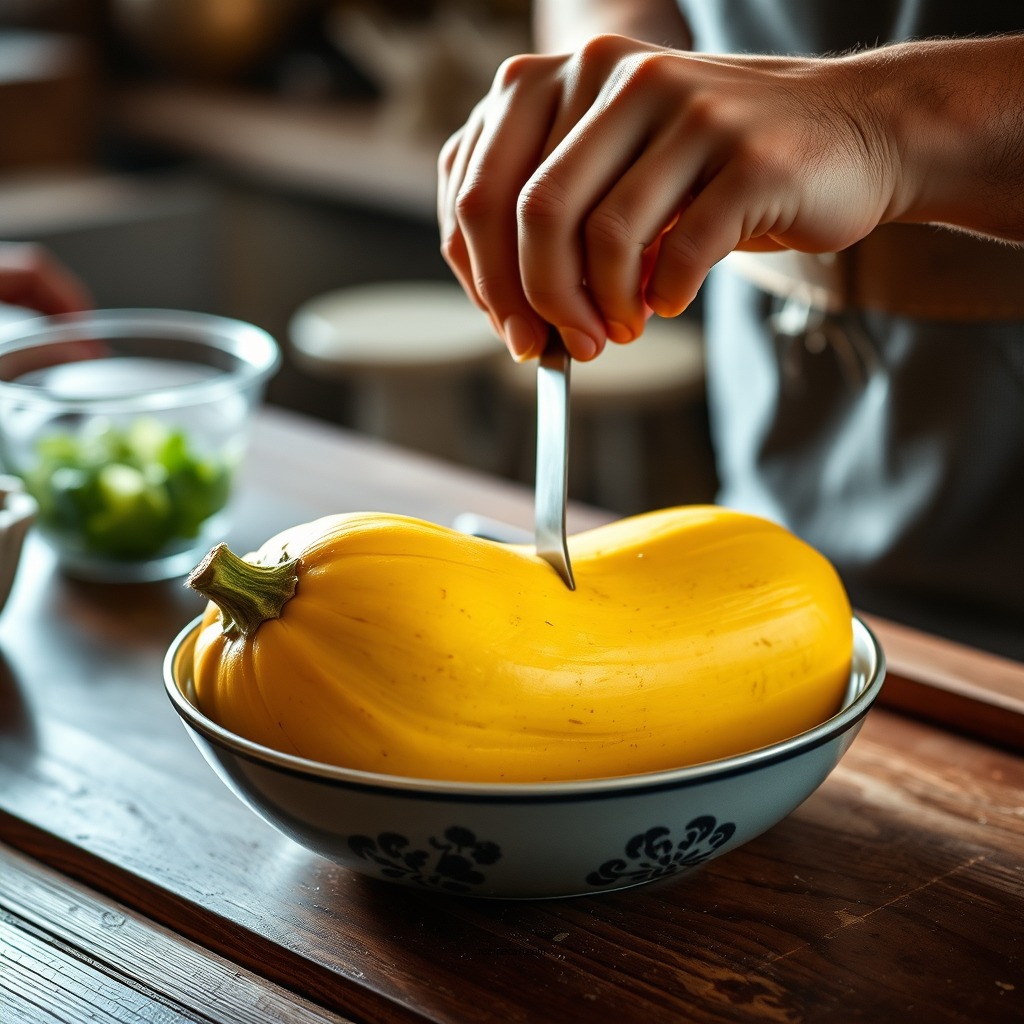
1. Cut and Clean: Carefully cut the spaghetti squash in half lengthwise and scoop out the seeds.
2. Roast: Place the halves cut-side down on a baking sheet and roast in a preheated oven at 400°F (200°C) for about 40-50 minutes, or until the flesh is tender.
3. Shred: Once cooked, use a fork to scrape the flesh into strands that resemble spaghetti.
Butternut Squash
1. Peel and Cube: Peel the butternut squash using a vegetable peeler, then cut it in half and remove the seeds. Cube the flesh into bite-sized pieces.
2. Roast: Toss the cubes with olive oil, salt, and pepper, then roast in the oven at 425°F (220°C) for about 25-30 minutes until tender and slightly caramelized.
By taking these steps, you’ll ensure that your squash is ready to be transformed into a delicious pasta dish without excess moisture affecting the final product.
Cooking the Pasta
Cooking squash pasta requires careful attention to avoid mushiness. Here are techniques for each squash type:
– Zucchini Noodles: After draining, sauté the zoodles in a non-stick skillet over medium heat for 2-4 minutes until they are just tender. Avoid cooking them too long, as they can become soggy.
– Spaghetti Squash: The strands are already cooked from roasting; simply toss them in your sauce of choice and heat them through for about 2-3 minutes.
– Butternut Squash: If cubed, sauté the roasted butternut squash for 3-5 minutes in a sauce or alongside your protein until heated through.
Cooking times will vary, but the goal is to achieve a tender bite without losing the structure of the squash.
Nutritional Comparison of Popular Squash Types (per 100g)
| # | Squash Type | Calories | Carbs (g) | Fiber (g) | Vitamin C (%) |
|---|---|---|---|---|---|
| 1 | Zucchini | 17 | 3.1 | 1.0 | 35% |
| 2 | Spaghetti Squash | 31 | 7.0 | 1.5 | 20% |
| 3 | Butternut Squash | 45 | 12.0 | 2.0 | 44% |
Flavorful Sauce Pairings
To complement your squash pasta, here are some simple and delicious sauce options:
1. Marinara Sauce: A classic choice, marinara adds a rich, tangy flavor to the dish. You can enhance it with sautéed garlic, onions, and fresh basil for an aromatic experience.
2. Pesto: This vibrant green sauce made from basil, garlic, pine nuts, and olive oil pairs wonderfully with zucchini noodles. Consider adding some nutritional yeast for a cheesy flavor without the dairy.
3. Garlic Butter Sauce: A simple mixture of butter, garlic, and parsley can elevate the dish. This sauce works especially well with spaghetti squash, allowing its natural sweetness to shine.
For those looking to add protein, consider grilled chicken, shrimp, or chickpeas. These additions not only enhance the flavor but also make the meal more filling and nutritious.
Serving and Presentation
Presentation can enhance the dining experience, making your squash pasta visually appealing. Here are some tips:
– Plating: Use a large, shallow bowl to present the squash pasta. Twirl the noodles into nests for an elegant look.
– Garnishes: Fresh herbs like basil or parsley can add a pop of color and freshness. Grated cheese, such as Parmesan or a vegan alternative, can provide a savory finish.
– Drizzle: A light drizzle of olive oil or balsamic reduction can add depth and richness to the dish.
By paying attention to the presentation, you can create a visually stunning dish that impresses family and guests alike.
Dietary Considerations
Squash pasta is an excellent option for various dietary lifestyles, including:
– Gluten-Free: As a naturally gluten-free alternative to traditional pasta, squash pasta is suitable for those with gluten sensitivities or celiac disease.
– Vegan: Using vegetable-based sauces and omitting cheese or opting for vegan cheese makes this dish accessible for vegans.
– Low-Carb: With significantly fewer carbohydrates than traditional pasta, squash pasta fits well into low-carb diets, making it a great option for those monitoring their carb intake.
In addition to being versatile, squash is nutrient-dense. It is low in calories while being high in vitamins A and C, potassium, and fiber, contributing to a healthy diet.
In conclusion, preparing squash pasta is both simple and rewarding. From selecting the right squash to creating complementary sauces, this dish offers a healthy twist on traditional pasta that can be customized to suit your preferences. We encourage you to experiment with your own variations and share your creations in the comments below!
Frequently Asked Questions
What ingredients do I need for a basic squash pasta recipe?
For a basic squash pasta recipe, you will need fresh squash, such as butternut or yellow squash, pasta of your choice (like spaghetti or fettuccine), garlic, olive oil, salt, and pepper. You can also add parmesan cheese, fresh herbs, or chili flakes for extra flavor, making this dish both nutritious and delicious.
How do I prepare squash for pasta cooking?
To prepare squash for your pasta dish, start by peeling and seeding the squash, then cut it into small cubes or thin slices depending on your preference. You can either roast the squash in the oven with olive oil until tender or sauté it in a pan with garlic for a quicker option, allowing the flavors to meld beautifully with the pasta.
Why should I use squash in my pasta recipes?
Using squash in your pasta recipes not only adds a rich, buttery flavor but also enhances the nutritional value of the dish. Squash is high in vitamins A and C, fiber, and antioxidants, making it a healthy alternative to heavier sauces or traditional pasta dishes, while also providing a satisfying texture.
What is the best type of pasta to pair with squash?
The best type of pasta to pair with squash includes lighter varieties like fettuccine or penne, which can hold onto the sauce well. For a healthier option, consider using whole grain or gluten-free pasta, as they complement the squash’s flavors while adding additional nutrients to your meal.
Which cooking method enhances the flavor of squash in pasta dishes?
Roasting squash enhances its natural sweetness and deep flavor, making it an ideal cooking method for pasta dishes. By roasting at a high temperature with olive oil, you caramelize the sugars in the squash, creating a delicious contrast with the savory elements of your pasta, resulting in a more flavorful and satisfying dish.
References
- Squash
https://en.wikipedia.org/wiki/Squash - https://www.ncbi.nlm.nih.gov/pmc/articles/PMC6277320/
https://www.ncbi.nlm.nih.gov/pmc/articles/PMC6277320/ - https://www.ncbi.nlm.nih.gov/pmc/articles/PMC7030919/
https://www.ncbi.nlm.nih.gov/pmc/articles/PMC7030919/ - https://www.mayoclinic.org/healthy-lifestyle/nutrition-and-healthy-eating/in-depth/vegetarian-diet/art-20046466
https://www.mayoclinic.org/healthy-lifestyle/nutrition-and-healthy-eating/in-depth/vegetarian-diet/art-20046466 - https://www.healthline.com/nutrition/vegetarian-diet
https://www.healthline.com/nutrition/vegetarian-diet - https://www.sciencedirect.com/topics/agricultural-and-biological-sciences/squash
https://www.sciencedirect.com/topics/agricultural-and-biological-sciences/squash - https://www.bbc.com/food/recipes/squash_pasta_93578
https://www.bbc.com/food/recipes/squash_pasta_93578 - https://www.theguardian.com/food/2020/sep/30/recipe-squash-pasta-vegetarian
https://www.theguardian.com/food/2020/sep/30/recipe-squash-pasta-vegetarian - Google Scholar Google Scholar
https://scholar.google.com/scholar?q=squash+pasta+recipe - Google Scholar Google Scholar
https://scholar.google.com/scholar?q=squash+recipes+nutrition