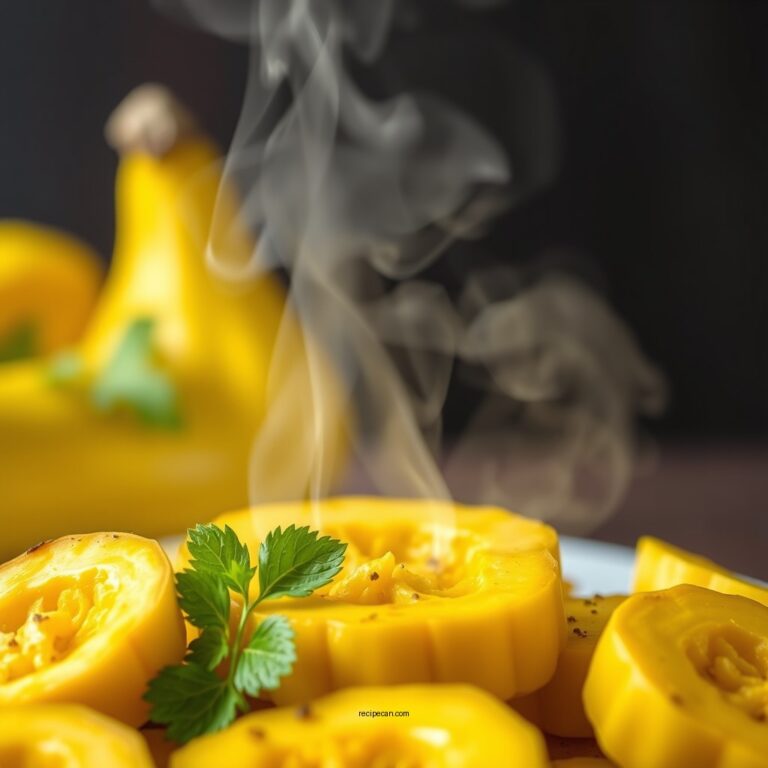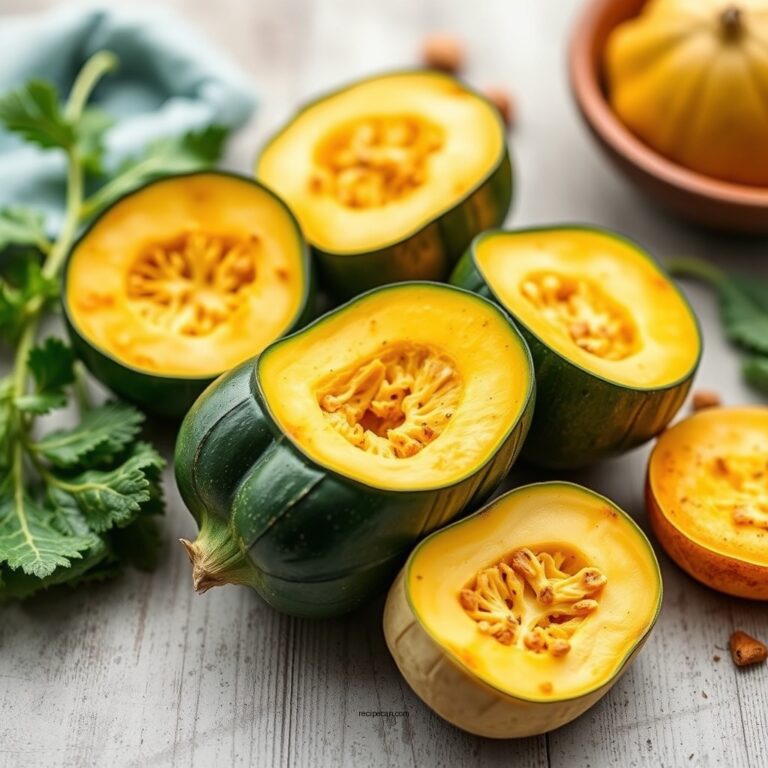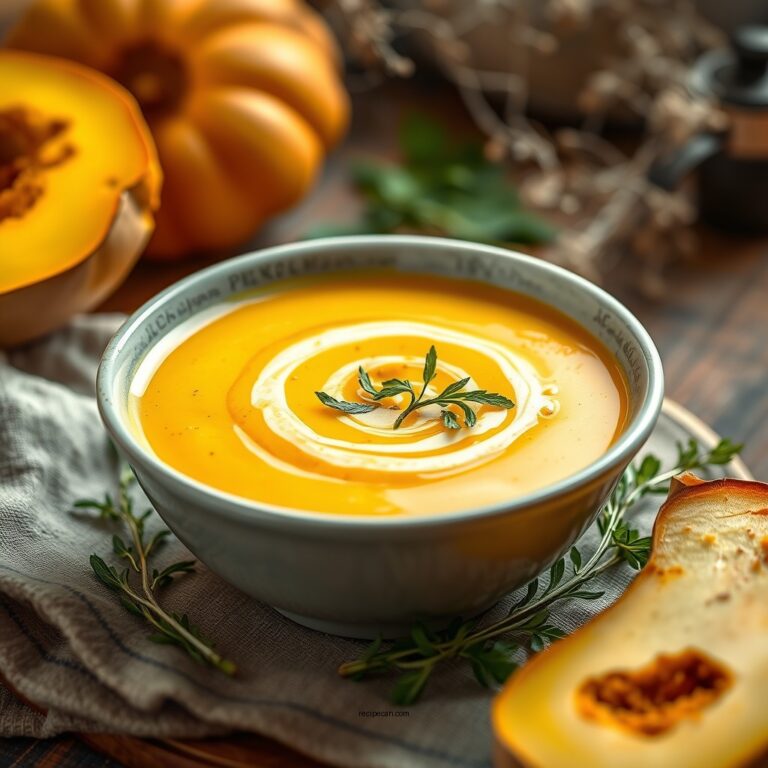
Squash casserole is a comforting dish that perfectly blends the flavors of seasonal squash with creamy textures and savory seasonings. In this post, you will discover a variety of delicious squash casserole recipes, from classic to healthy variations, and creative add-ins to customize your dish. Whether you’re preparing for a family dinner or a gathering with friends, these recipes will ensure you impress your guests with this delightful comfort food.
The Basics of Squash Casserole

At the heart of any squash casserole are three main ingredients: squash, cheese, and seasoning. The most commonly used squash varieties for casseroles include yellow squash and zucchini, both of which bring a mild, sweet flavor and a delightful texture. Cheese adds creaminess and flavor depth, while seasonings such as garlic, onion, and herbs enhance the overall taste profile.
Choosing fresh, quality squash is crucial. Look for squash that feels firm to the touch, has a vibrant color, and is free from blemishes or soft spots. Fresh squash not only tastes better but also retains more nutrients, making your casserole both delicious and nutritious.
Classic Squash Casserole Recipe

To make a traditional squash casserole, follow these step-by-step instructions:
Ingredients:
– 4 cups sliced yellow squash
– 1 cup chopped onion
– 2 cups shredded cheddar cheese
– 1 cup crushed butter crackers
– ½ cup milk
– 2 large eggs
– 2 tablespoons butter
– Salt and pepper to taste
Instructions:
1. Preheat your oven to 350°F (175°C).
2. Sauté the sliced squash and chopped onion in butter over medium heat until the squash is tender, about 5-7 minutes.
3. In a bowl, combine the sautéed squash and onion, milk, eggs, salt, pepper, and 1 cup of cheddar cheese. Mix well.
4. Pour the mixture into a greased 9×13-inch baking dish.
5. Top with remaining cheddar cheese and crushed butter crackers.
6. Bake for 30 to 35 minutes until the top is golden brown and bubbly.
7. Let it cool for a few minutes before serving.
Tips for Achieving the Perfect Texture and Flavor Balance
To ensure a perfect texture, avoid overcooking the squash during the sautéing process. Keeping it slightly firm allows it to maintain its structure during baking. Additionally, using a combination of cheeses can elevate the flavor—consider mixing sharp cheddar with mozzarella for a stretchier texture.
Healthy Variations on Squash Casserole
If you are looking to make a healthier version of squash casserole, consider incorporating whole grains and lean proteins. For instance, substitute traditional breadcrumbs with quinoa or brown rice to add fiber and nutrients.
Alternative Cheese Options
To lighten the dish, use reduced-fat cheese or nutritional yeast as a cheese substitute. Nutritional yeast offers a cheesy flavor without the fat and calories of traditional cheese, making it an excellent option for vegan diets.
Creative Add-ins for Squash Casserole
Enhancing your squash casserole can be as simple as adding a few extra ingredients. Here are some ideas:
Vegetables and Herbs
Consider adding spinach, bell peppers, or mushrooms for additional flavor and nutrients. Fresh herbs like thyme, basil, or dill can also elevate the dish, adding freshness and complexity.
Protein Boosts
To make the casserole more filling, consider adding cooked chicken, turkey, or beans. These additions not only provide extra protein but also make the dish heartier, perfect for a main course.
Popular Ingredients in Squash Casserole (2024)
| # | Ingredient | Usage (%) | Flavor Contribution |
|---|---|---|---|
| 1 | Yellow Squash | 45% | Sweet |
| 2 | Cheddar Cheese | 25% | Creamy |
| 3 | Onion | 15% | Savory |
| 4 | Milk | 10% | Rich |
| 5 | Eggs | 5% | Binding |
| 6 | Butter Crackers | 5% | Crunchy |
| 7 | Salt & Pepper | 5% | Seasoning |
Preparing Squash Casserole in Advance
Making squash casserole ahead of time can save you valuable minutes in the kitchen. Here are some best practices for make-ahead preparation:
1. Prep the Ingredients: Wash, slice, and sauté the squash and onions the day before. Store them in an airtight container in the refrigerator.
2. Assemble the Casserole: You can assemble the whole casserole dish in advance and refrigerate it overnight. Just be sure to add the topping before baking.
3. Baking Later: When ready to bake, you may need to add a few extra minutes to the cooking time if baking directly from the refrigerator.
Storage Tips
If you have leftovers, allow them to cool completely before transferring to an airtight container. Stored properly, squash casserole can last in the refrigerator for up to 4 days. For longer storage, consider freezing it; just note that the texture may change slightly upon reheating.
Baking and Serving Tips
To achieve the perfect squash casserole, maintaining the right baking time and temperature is key. Bake your casserole at 350°F (175°C) for 30-35 minutes, or until the top is golden brown and bubbling. For an extra crispy topping, consider broiling the casserole for the last 2-3 minutes of baking.
Creative Serving Suggestions
Serve your squash casserole warm, garnished with fresh herbs like parsley or chives for a pop of color. Pair it with a simple green salad or crusty bread to complete the meal. For a more festive touch, consider serving it in individual ramekins for personal servings that impress your guests.
Troubleshooting Common Issues
Even the best recipes can sometimes go awry. Here are some common issues you may encounter with squash casserole and how to solve them:
Runny Casserole
If your casserole turns out watery, this could be due to excess moisture in the squash. To avoid this, make sure to sauté the squash long enough to release and evaporate some of its liquid before mixing it into the casserole.
Dry Casserole
A dry casserole may result from overbaking or not enough liquid ingredients. To remedy this, ensure you’re following the recipe closely and check for doneness a few minutes early. If it’s still dry, consider adding a splash of milk or broth before serving.
Adjusting Seasoning and Texture
Taste your mixture before baking and adjust the seasoning to your preference. Adding more salt, pepper, or even spices like paprika can enhance the flavor. If you prefer a creamier texture, consider adding more cheese or a dollop of sour cream.
In summary, squash casseroles are versatile, delicious, and easy to make. By exploring various recipes and variations, you can create a dish that fits any occasion. Don’t hesitate to experiment with ingredients and flavors to make it your own. Try out the recipes shared in this post and enjoy the delightful journey of cooking squash casserole!
Frequently Asked Questions
What are some easy squash casserole recipes for beginners?
For beginners, a simple squash casserole can be made using yellow squash, cheddar cheese, and a buttery cracker topping. Start by sautéing sliced squash with onions, mixing it with cheese and seasonings, then topping it with crushed crackers before baking. This straightforward recipe is not only delicious but also a great way to introduce new cooks to casserole preparation.
How do you make a healthy squash casserole?
To create a healthy squash casserole, opt for whole-grain breadcrumbs or oats instead of traditional crackers, and use low-fat cheese to reduce calories. Additionally, you can incorporate vegetables like zucchini or bell peppers for added nutrition and flavor. A light cream or yogurt can replace heavy sauces, making it a nutritious dish that retains taste without sacrificing health.
Why is my squash casserole watery, and how can I fix it?
A watery squash casserole often results from excess moisture in the squash. To prevent this, you can sauté the squash beforehand to release some of its water, or salt it and let it sit for a while to draw out moisture. Additionally, using a binding ingredient like eggs or flour can help absorb excess liquid during baking.
What is the best type of squash to use in a casserole?
The best types of squash for casserole recipes include yellow squash and zucchini due to their mild flavor and tender texture when baked. Both of these varieties blend well with cheese and seasonings, creating a creamy and satisfying dish. Acorn squash can also be used for a sweeter option, adding a unique twist to your casserole.
Which squash casserole recipes are suitable for potlucks?
For potlucks, consider making a cheesy squash casserole with a crunchy topping, as it is crowd-pleasing and easy to transport. Another great option is a layered squash casserole with pasta or rice, which can be served as a hearty side dish. Both recipes can be made in advance and reheated, making them ideal for gatherings.
References
- Casserole
https://en.wikipedia.org/wiki/Casserole - https://www.ncbi.nlm.nih.gov/pmc/articles/PMC7071874/
https://www.ncbi.nlm.nih.gov/pmc/articles/PMC7071874/ - https://pubmed.ncbi.nlm.nih.gov/30921042/
https://pubmed.ncbi.nlm.nih.gov/30921042/ - https://www.sciencedirect.com/topics/food-science/casserole
https://www.sciencedirect.com/topics/food-science/casserole - https://www.britannica.com/topic/casserole
https://www.britannica.com/topic/casserole - Google Scholar Google Scholar
https://scholar.google.com/scholar?q=squash+casserole+recipes - Google Scholar Google Scholar
https://scholar.google.com/scholar?q=squash+cooking+techniques - https://scholar.google.com/scholar?q=casserole+preparation+methods Google Scholar
https://scholar.google.com/scholar?q=casserole+preparation+methods - https://www.nutrition.gov/topics/food-choices/recipes
https://www.nutrition.gov/topics/food-choices/recipes - https://www.cdc.gov/nutrition/index.html
https://www.cdc.gov/nutrition/index.html