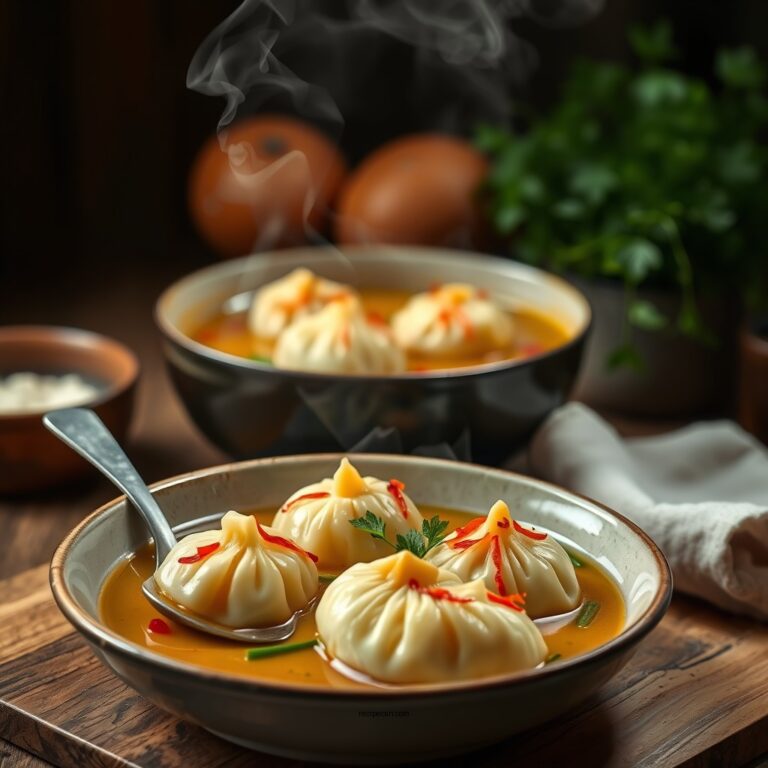
Warm and nourishing, a soul soup is a delightful way to comfort both body and spirit. This recipe will guide you through creating a rich and flavorful soul soup that’s perfect for any occasion. You’ll learn how to select the best ingredients, prepare the soup, and even customize it to suit your taste. By the end of this article, you’ll be equipped to make a heartfelt dish that warms the soul and nourishes the body.
Selecting the Right Ingredients
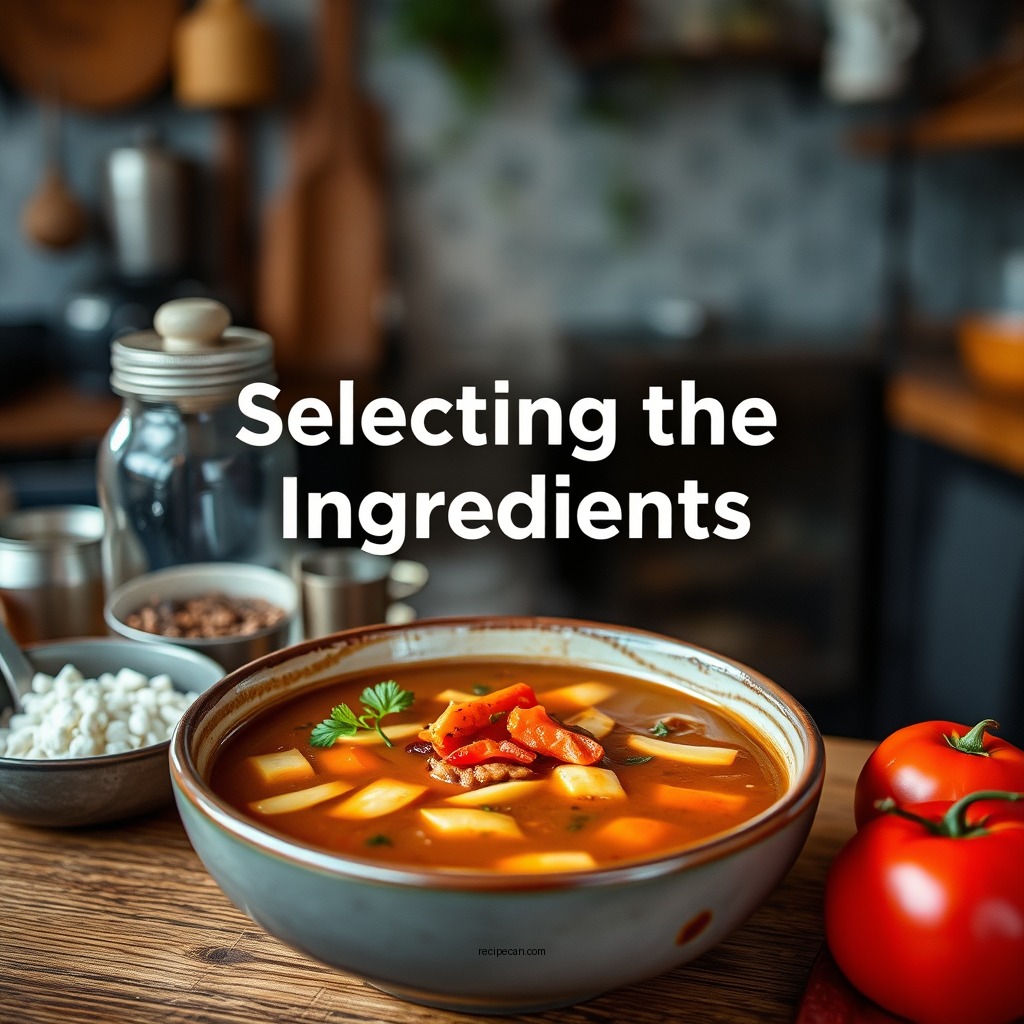
The foundation of any great soup lies in its ingredients. To create a soul soup that is both rich in flavor and nutrition, it’s essential to choose the right components. Start with fresh vegetables such as carrots, celery, and onions. These vegetables not only provide a vibrant color to your soup but also create a robust flavor base. Carrots add a touch of sweetness, celery contributes a subtle earthiness, and onions provide a savory depth.
Incorporating protein is vital for a balanced meal. You have various options, including chicken, beans, or tofu. Chicken is a classic choice, offering a comforting, hearty element to your soup. Alternatively, for a vegetarian or vegan option, beans such as cannellini or black beans can provide a rich source of protein, while tofu adds a nice texture.
Preparing the Base

With your ingredients selected, it’s time to prepare the base of your soul soup. Begin by sautéing your chosen vegetables in olive oil over medium heat. This step enhances their natural flavors and adds a beautiful aroma to your kitchen. Sauté until the onions are translucent and the vegetables begin to soften, which usually takes about 5-7 minutes.
Once your vegetables are ready, gradually add broth or stock. Homemade chicken or vegetable stock will yield the best flavor, but store-bought options can be a convenient alternative. The broth acts as the liquid foundation of your soup, allowing all the flavors to meld beautifully. Aim for a ratio that feels right for your preferred soup consistency; generally, 4-6 cups of broth will work well for a hearty soup.
Adding Flavor and Spice
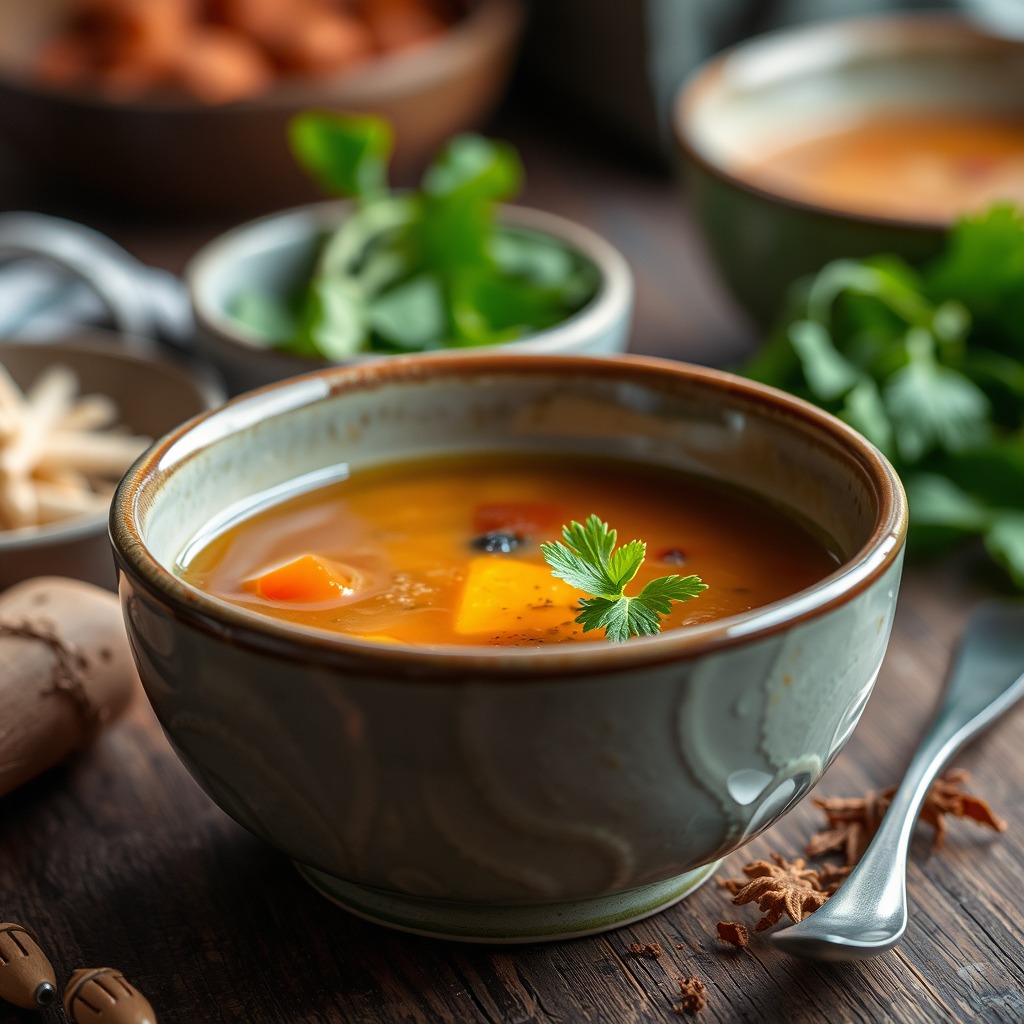
To elevate your soul soup from ordinary to extraordinary, it’s crucial to add layers of flavor and spice. Incorporate fresh herbs such as thyme, rosemary, and bay leaves. These herbs infuse the soup with aromatic notes that will enhance the overall experience. Thyme adds a gentle earthiness, rosemary provides a fragrant intensity, and bay leaves contribute a subtle complexity.
Seasoning is equally important. Start with salt and pepper, adjusting to taste as the soup simmers. A touch of garlic can also add an extra layer of warmth and flavor. Remember to taste as you go; the key to a delicious soup lies in achieving a perfect balance of flavors.
Top Ingredients for Soul Soup (2024)
| # | Ingredient | Nutritional Benefits | Flavor Profile |
|---|---|---|---|
| 1 | Carrots | High in beta-carotene | Sweet and earthy |
| 2 | Celery | Rich in vitamins K and C | Mild and refreshing |
| 3 | Onions | Boosts heart health | Savory and sweet |
| 4 | Chicken | High in protein | Rich and hearty |
| 5 | Beans | High in fiber | Creamy and earthy |
| 6 | Tofu | Rich in protein | Mild and versatile |
| 7 | Herbs | Antioxidant-rich | Aromatic and flavorful |
Cooking the Soup
Once you have prepared your base and added flavorings, it’s time to let the soup come to life. Allow the soup to simmer over low heat for at least 30 minutes. This step is crucial as it allows the flavors to meld together, creating a harmonious blend that is both nourishing and comforting. Stir occasionally to prevent sticking and ensure that everything cooks evenly.
As the soup simmers, you may notice that it thickens slightly. If you prefer a thinner consistency, simply add more broth or water to achieve your desired texture. Additionally, feel free to taste the soup again and adjust the seasoning if necessary. Cooking time can vary based on the proteins and vegetables used, so ensure that everything is cooked through before serving.
Soul Soup Cooking Time Comparison
Customizing Your Soul Soup
One of the best aspects of soul soup is its versatility. Feel free to customize it according to your preferences or dietary restrictions. Adding grains like rice or quinoa can provide a heartier texture and make the soup more filling. These grains not only enhance the nutritional value but also add a pleasant chewiness to the dish.
You can also experiment with different vegetables or spices to create unique variations of your soul soup. For instance, adding sweet potatoes or zucchini can introduce a different flavor profile. Additionally, spices such as cumin or paprika can add warmth and character. Consider incorporating seasonal vegetables to take advantage of freshness and variety. This adaptability ensures that your soup can be a reflection of your personal taste and creativity.
Serving Suggestions
To make your soul soup a complete meal, consider pairing it with crusty bread or a side salad. The texture of the bread complements the soup beautifully, while a fresh salad provides a crisp contrast. For an added touch of elegance, garnish your soup with fresh herbs like parsley or cilantro and a drizzle of olive oil before serving. This not only enhances the presentation but adds a burst of flavor that elevates the dish.
As you enjoy your soul soup, remember that it’s not just a meal; it’s a warm embrace in a bowl. Feel free to modify the recipe as you wish and share your creations with friends and family to spread the comfort!
In conclusion, creating a delicious soul soup is a rewarding experience that nourishes both body and spirit. By selecting the right ingredients, preparing a rich base, adding flavorful spices, and customizing to your liking, you can craft a dish that brings warmth and comfort. Whether enjoyed on a chilly evening or shared with loved ones, soul soup is sure to become a beloved staple in your culinary repertoire.
Frequently Asked Questions
What ingredients do I need for a basic soul soup recipe?
A basic soul soup recipe typically includes ingredients like vegetable or chicken broth, a variety of seasonal vegetables (such as carrots, celery, and potatoes), legumes (like lentils or beans), and herbs such as thyme and bay leaves. You can also add grains like rice or quinoa for extra heartiness. This combination creates a nourishing and comforting dish that is easy to customize.
How can I make my soul soup recipe more nutritious?
To enhance the nutritional value of your soul soup recipe, consider adding dark leafy greens like kale or spinach, which are packed with vitamins. Including a variety of colorful vegetables not only boosts nutrients but also adds flavor. Additionally, you can incorporate healthy fats by drizzling olive oil or adding avocado when serving.
Why is soul soup considered a comfort food?
Soul soup is considered a comfort food because it embodies warmth, nourishment, and familiarity, often evoking memories of family meals or childhood. The combination of flavorful broth and wholesome ingredients makes it satisfying and soothing, especially during colder months or when feeling unwell. Its adaptability allows for personal touches, making it even more comforting.
What are some popular variations of soul soup?
Popular variations of soul soup include chicken noodle soup, minestrone, and split pea soup. Each recipe offers unique flavors and ingredients, catering to different tastes and dietary needs. For a vegetarian option, consider a hearty vegetable soul soup loaded with beans and grains for protein, ensuring everyone can enjoy a comforting bowl.
Which herbs and spices work best in a soul soup recipe?
The best herbs and spices for a soul soup recipe include thyme, rosemary, and bay leaves, which add depth and aroma to the broth. Additionally, spices like cumin and paprika can introduce warmth and complexity. Don’t forget to season with salt and pepper to enhance all the flavors, ensuring a well-rounded and delicious dish.
References
- Soul food
https://en.wikipedia.org/wiki/Soul_food - https://www.ncbi.nlm.nih.gov/pmc/articles/PMC6024617/
https://www.ncbi.nlm.nih.gov/pmc/articles/PMC6024617/ - https://www.nature.com/articles/s41598-018-21383-7
https://www.nature.com/articles/s41598-018-21383-7 - Recipes – BBC Food
https://www.bbc.com/food/recipes - https://www.sciencedirect.com/topics/food-science/soul-food
https://www.sciencedirect.com/topics/food-science/soul-food - Acne scars: What’s the best treatment? – Mayo Clinic
https://www.mayoclinic.org/healthy-lifestyle/nutrition-and-healthy-eating/expert-answers/soul-food/faq-20058101 - https://www.cdc.gov/nutrition/resources-publications/soul-food.html
https://www.cdc.gov/nutrition/resources-publications/soul-food.html - Google Scholar Google Scholar
https://scholar.google.com/scholar?q=soul+soup+recipe - Google Scholar Google Scholar
https://scholar.google.com/scholar?q=soul+food+health+benefits - Google Scholar Google Scholar
https://scholar.google.com/scholar?q=soul+soup+nutrition