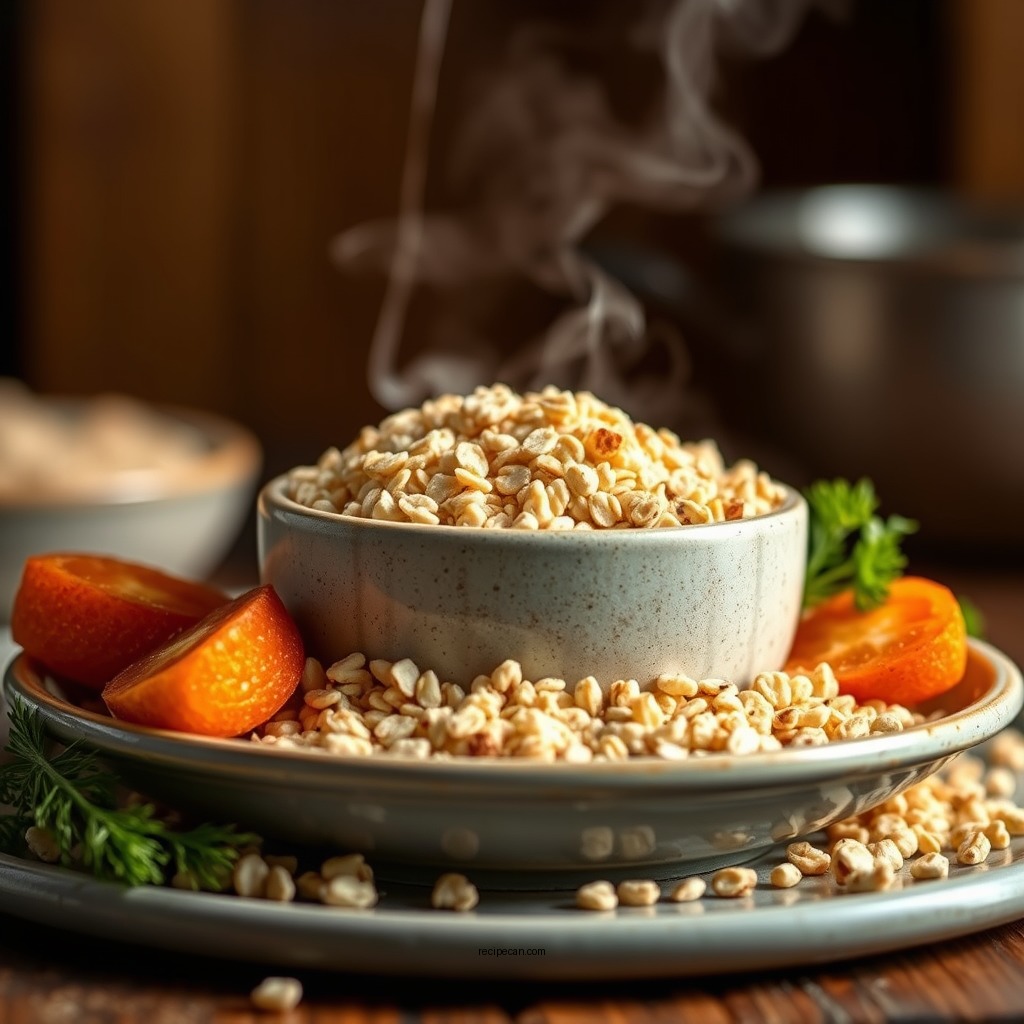
Oat groats are an excellent choice for anyone seeking a nutritious and versatile ingredient that can enhance their meals. This blog post will provide you with a straightforward recipe for cooking oat groats to perfection while highlighting their health benefits and various ways to incorporate them into your diet. By the end, you’ll have a comprehensive understanding of how to enjoy oat groats in both sweet and savory dishes.
What Are Oat Groats?
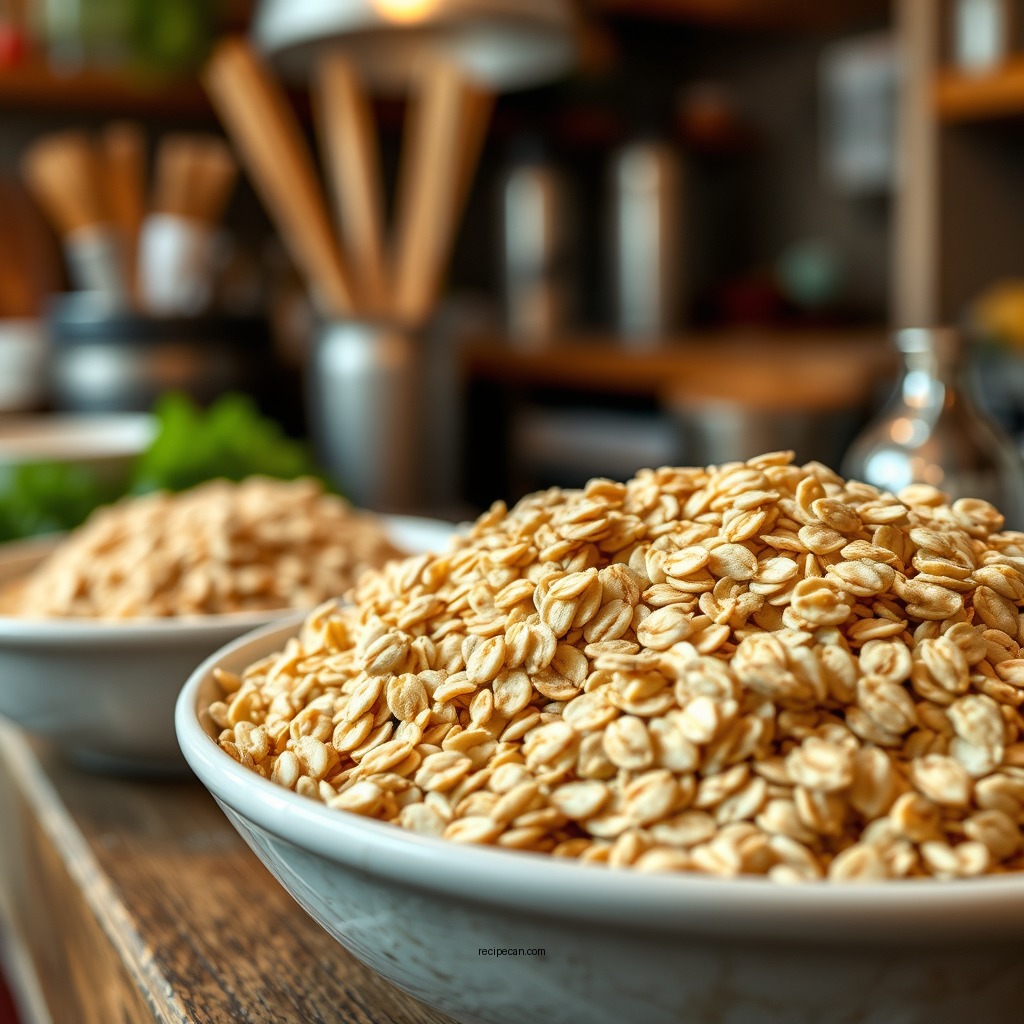
Oat groats are whole, unprocessed oats that retain their bran, germ, and endosperm, making them one of the most nutrient-dense forms of oats available. Unlike instant oats or even rolled oats, which undergo processing that strips away some of their nutritional value, oat groats are minimally processed and considered a whole grain.
They are high in fiber, protein, and essential vitamins, including B vitamins, iron, and magnesium. This nutrient profile makes oat groats an excellent choice for anyone looking to improve their diet, manage weight, or support heart health. Their chewy texture and nutty flavor also make them a delightful addition to various dishes, allowing for culinary creativity.
Cooking Oat Groats
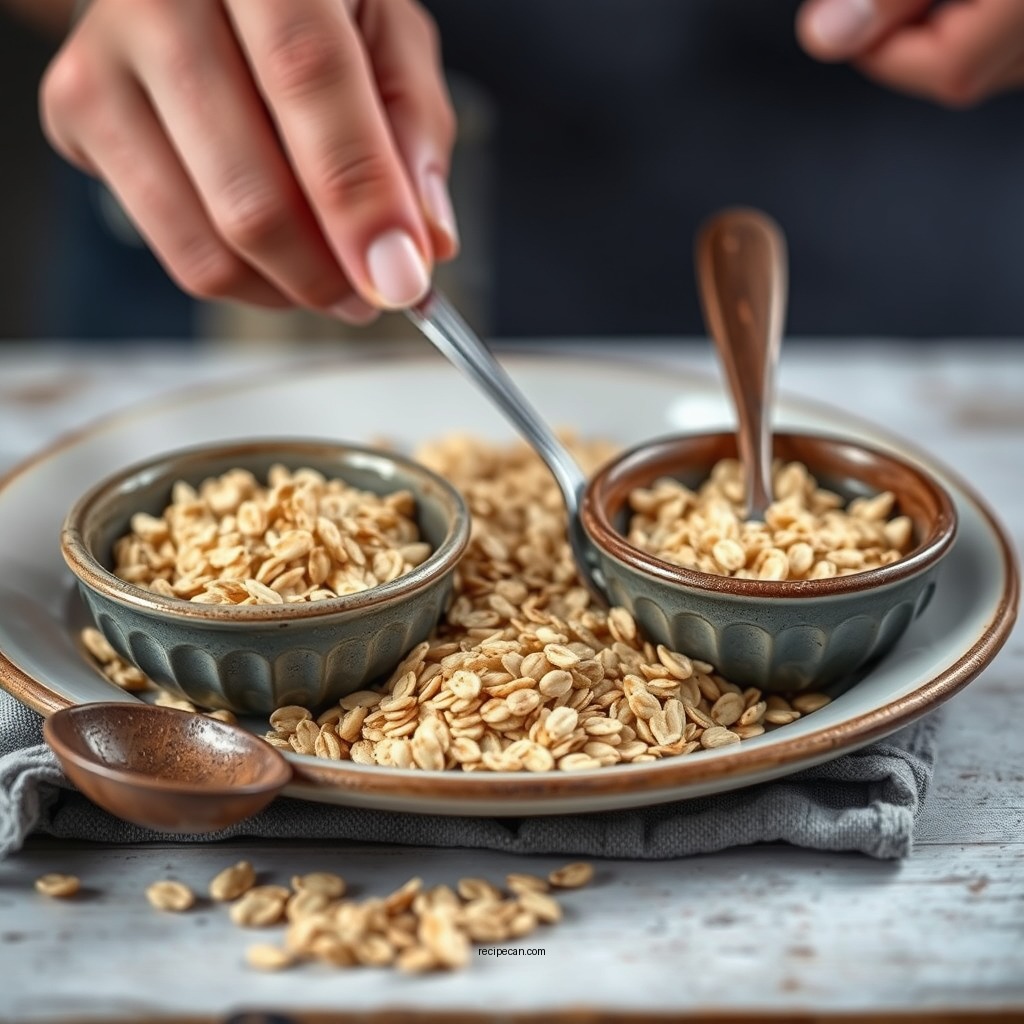
Cooking oat groats may seem intimidating at first, but it is quite simple. Here’s a step-by-step guide to achieving perfectly cooked oat groats:
1. Rinse the Groats: Start by rinsing the oat groats under cold water to remove any dust or impurities. This step is crucial as it ensures the grains are clean and ready for cooking.
2. Boil Water: In a pot, bring 4 cups of water to a boil for every cup of oat groats. The ratio of water to groats is vital to achieve the desired texture.
3. Add the Groats: Once the water is boiling, add the rinsed groats to the pot. Stir them gently to prevent sticking.
4. Simmer: Reduce the heat to low, cover the pot, and let the groats simmer for about 40-50 minutes, or until they are tender but still chewy.
5. Drain and Fluff: After the cooking time, drain any excess water and fluff the groats with a fork to separate the grains.
This straightforward method yields a wholesome base for many dishes.
Flavoring Your Oat Groats
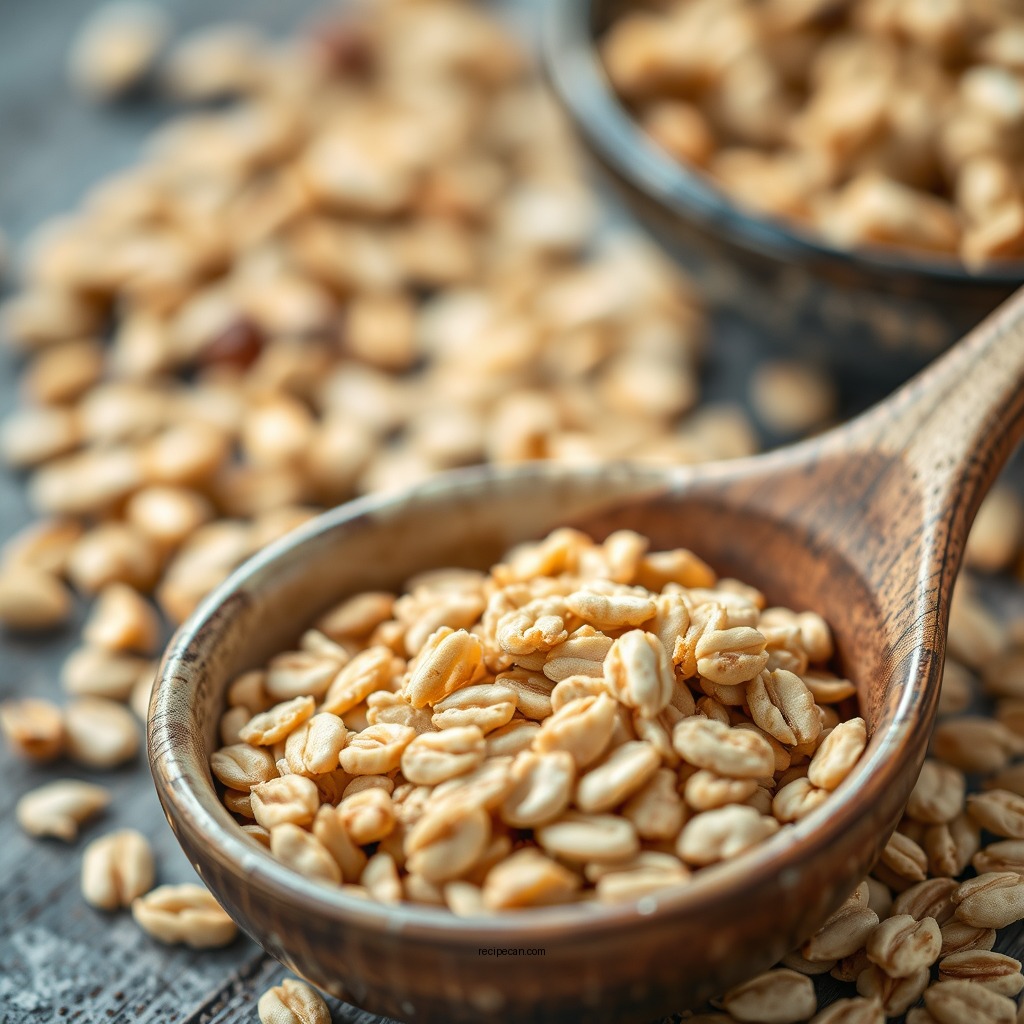
While oat groats are delicious on their own, enhancing their flavor can elevate your meals. Here are some suggestions:
– Basic Seasoning: Adding a pinch of salt during the cooking process not only enhances the flavor but also brings out the natural nuttiness of the oats.
– Sweet Variations: For a breakfast treat, consider mixing in spices like cinnamon or nutmeg. You can also add a splash of vanilla extract or maple syrup for a sweeter profile.
– Savory Touches: If you prefer a savory dish, incorporate herbs such as thyme or rosemary. You can even sauté garlic and onions before adding the oats to the cooking water for an aromatic base.
Nutritional Comparison of Oat Groats
Nutritional Comparison: Oat Groats vs. Other Oat Products (per 100g)
| # | Nutritional Element | Oat Groats | Rolled Oats | Instant Oats |
|---|---|---|---|---|
| 1 | Calories | 389 | 389 | 367 |
| 2 | Protein (g) | 16.9 | 13.2 | 12.5 |
| 3 | Fiber (g) | 8.0 | 7.5 | 6.0 |
| 4 | Fat (g) | 7.0 | 6.5 | 6.0 |
| 5 | Carbohydrates (g) | 66.3 | 66.3 | 66.0 |
| 6 | Iron (mg) | 4.0 | 4.0 | 3.6 |
| 7 | Magnesium (mg) | 177 | 138 | 120 |
Oat Groats for Breakfast
Oat groats make for a wholesome and filling breakfast option. Here are a couple of delicious ways to serve them:
– Breakfast Bowl: Serve your cooked oat groats topped with fresh fruits like berries, banana slices, and a sprinkle of nuts for added crunch. Drizzle with honey or maple syrup for a touch of sweetness.
– Creamy Oat Groats: For a creamier texture, mix in some yogurt or milk, and consider adding a spoonful of nut butter for an extra protein boost. This combination not only enhances flavor but also creates a satisfying meal that will keep you full for longer.
Savory Oat Groats for Lunch or Dinner
Oat groats are incredibly versatile and can be enjoyed for lunch or dinner as well. Here are some savory dish ideas:
– Salad Base: Use cooked oat groats as a hearty base for salads. Top with roasted vegetables, chickpeas, or grilled chicken, and dress with a vinaigrette for a nutritious and filling meal.
– Stir-Fried Groats: Stir-fry cooked oat groats with seasonal vegetables like bell peppers, zucchini, and spinach. Add a splash of soy sauce and sesame oil for an Asian-inspired dish that is both quick and healthy.
Popular Dishes Featuring Oat Groats
Top 5 Dishes Featuring Oat Groats
Storing Leftover Oat Groats
If you have cooked oat groats leftover, proper storage is key to maintaining their freshness and flavor. Here’s how to do it effectively:
1. Cool Completely: Allow the cooked groats to cool completely at room temperature. This step prevents moisture buildup, which can lead to spoilage.
2. Airtight Container: Transfer the cooled groats to an airtight container. Make sure the container is clean and dry to prevent contamination.
3. Refrigeration: Store the container in the refrigerator, where the cooked groats will remain fresh for up to a week.
4. Freezing for Longevity: For longer storage, you can freeze the cooked groats. They can last for up to three months when stored in the freezer. To use, simply thaw in the refrigerator overnight before reheating.
Creative Ways to Use Oat Groats
Beyond the standard applications, oat groats can be creatively incorporated into various dishes:
– Soups and Stews: Add cooked oat groats to soups or stews for a hearty texture. They absorb flavors well and make the dish more filling.
– Smoothies: For a nutrient boost, blend cooked oat groats into your smoothies. They add creaminess and enhance the fiber content of your drink.
– Baking: Ground oat groats can be used as a flour substitute in baking recipes. They are particularly good in muffins and pancakes, providing a wholesome twist to your favorite treats.
Incorporating oat groats into your meals not only enhances flavor and texture but also contributes significantly to your nutritional intake.
By following these steps, you can easily prepare tasty and nutritious oat groats that fit into any meal of the day. Whether you enjoy them sweet or savory, oat groats are an excellent addition to your cooking repertoire. Try out this recipe today and experiment with different flavors and presentations!
Frequently Asked Questions
What are the health benefits of eating oat groats?
Oat groats are a nutrient-dense whole grain that offers numerous health benefits. They are high in fiber, which aids digestion and helps maintain stable blood sugar levels. Additionally, oat groats are rich in essential vitamins and minerals, including magnesium, phosphorus, and B vitamins, which support overall health and wellness.
How do I cook oat groats for a perfect texture?
To cook oat groats, start by rinsing them under cold water to remove any impurities. Use a ratio of 1 part oat groats to 3 parts water or broth, bring to a boil, then reduce heat and simmer for about 50-60 minutes until tender. For best results, let them sit covered for an additional 10 minutes after cooking to achieve a fluffy texture.
Why should I choose oat groats over rolled oats?
Choosing oat groats over rolled oats offers a more wholesome and unprocessed option, retaining the grain’s natural nutrients. Oat groats have a lower glycemic index, making them a better choice for those seeking to control blood sugar levels. Furthermore, their chewy texture adds variety to meals and can enhance satiety.
What are the best recipes to use oat groats in?
The best recipes for oat groats include hearty breakfast bowls, where they can be topped with fruits and nuts, or savory dishes like grain salads with vegetables and a tangy dressing. Oat groats can also be used in soups and stews, adding a nutritious, chewy element that complements various flavors.
Which cooking methods work best for preparing oat groats?
Oat groats can be prepared using various cooking methods, including boiling, pressure cooking, and slow cooking. Boiling is the most common method, while pressure cooking significantly reduces cooking time to around 20 minutes. Slow cooking is ideal for meal prep, allowing the groats to absorb flavors while becoming tender throughout the day.
References
- Oat
https://en.wikipedia.org/wiki/Oat - https://www.ncbi.nlm.nih.gov/pmc/articles/PMC4808644/
https://www.ncbi.nlm.nih.gov/pmc/articles/PMC4808644/ - https://www.ncbi.nlm.nih.gov/pmc/articles/PMC6351146/
https://www.ncbi.nlm.nih.gov/pmc/articles/PMC6351146/ - https://www.sciencedirect.com/topics/agricultural-and-biological-sciences/oat-groats
https://www.sciencedirect.com/topics/agricultural-and-biological-sciences/oat-groats - https://www.healthline.com/nutrition/oat-groats
https://www.healthline.com/nutrition/oat-groats - https://www.theguardian.com/food/2020/jan/18/oat-groats-recipe
https://www.theguardian.com/food/2020/jan/18/oat-groats-recipe - Google Scholar Google Scholar
https://scholar.google.com/scholar?q=oat+groats+recipe - Google Scholar Google Scholar
https://scholar.google.com/scholar?q=oat+groats+nutrition - Google Scholar Google Scholar
https://scholar.google.com/scholar?q=oat+groats+health+benefits - oat groats recipe – Search results
https://en.wikipedia.org/wiki/Special:Search?search=oat+groats+recipe
