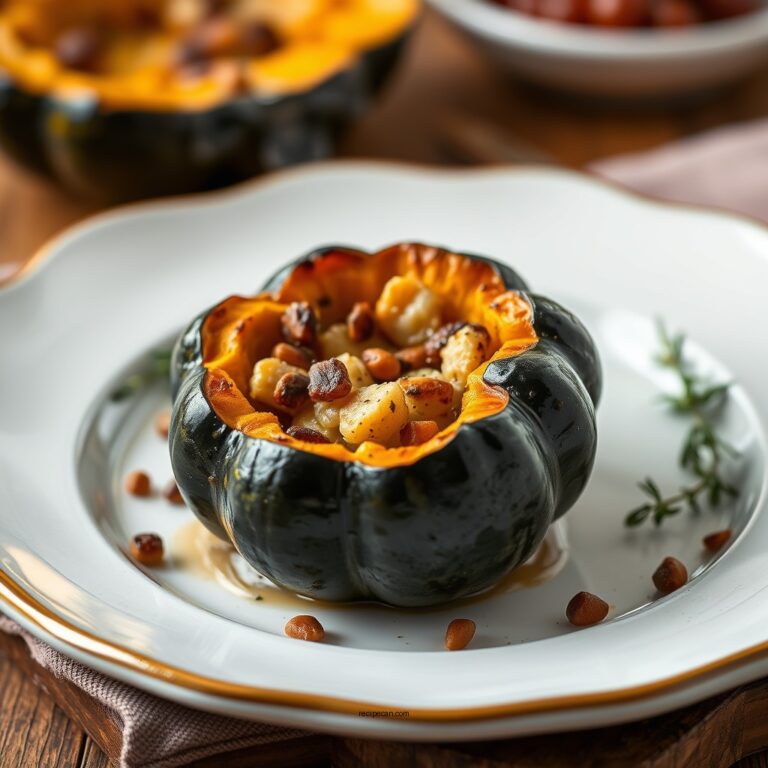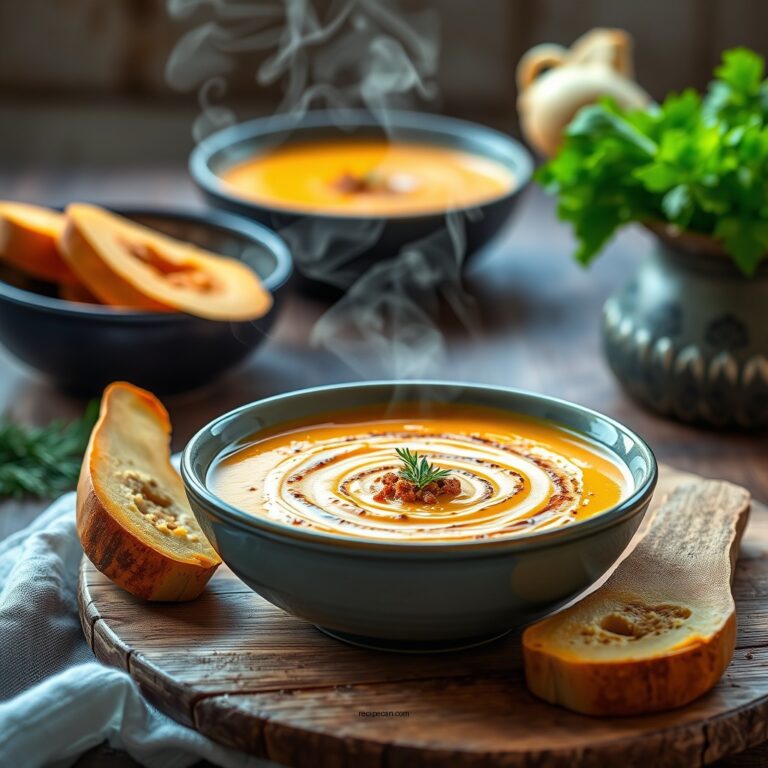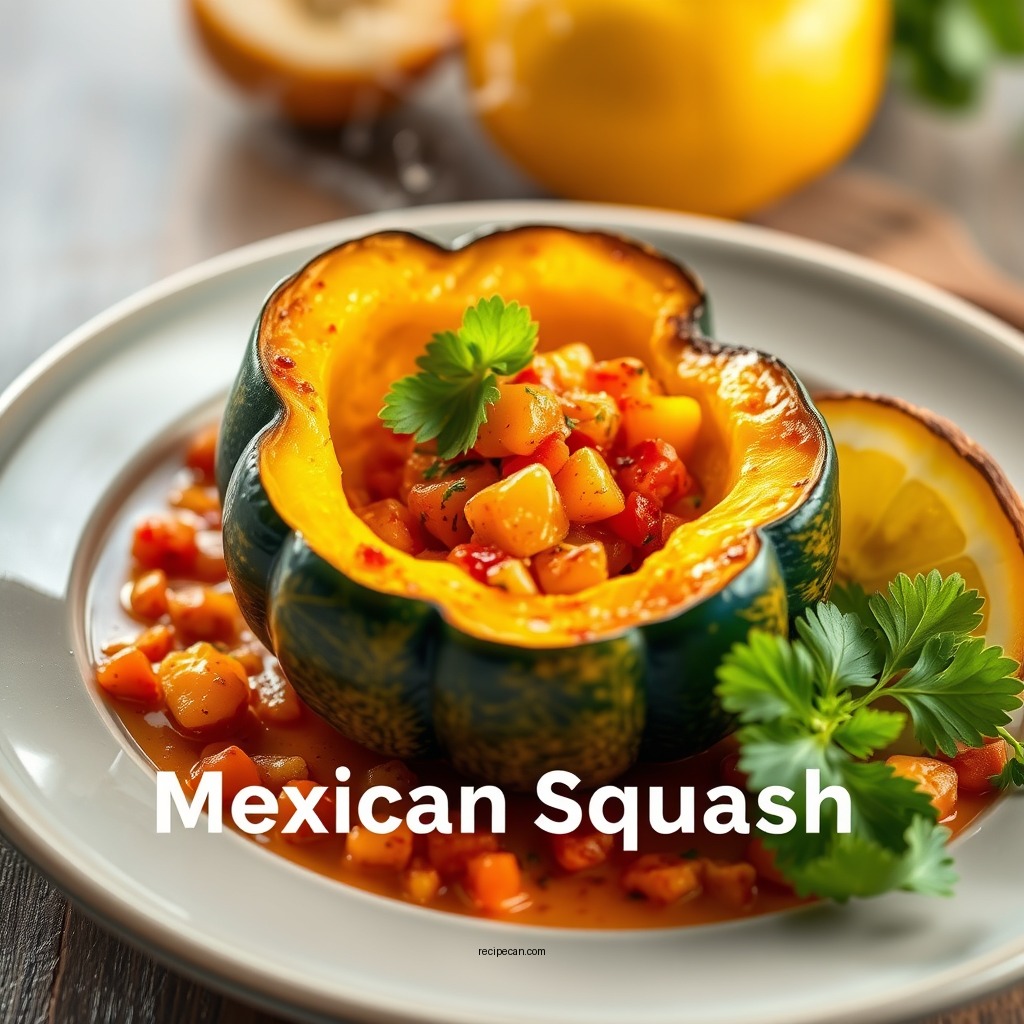
Cooking Mexican squash is a simple yet delicious way to enjoy this nutritious vegetable. Packed with flavor and versatility, Mexican squash can be the star of many dishes, from sautéed sides to hearty casseroles. In this article, you’ll learn how to prepare flavorful Mexican squash dishes, including traditional recipes, cooking methods, and tips for the best results.
Understanding Mexican Squash Varieties
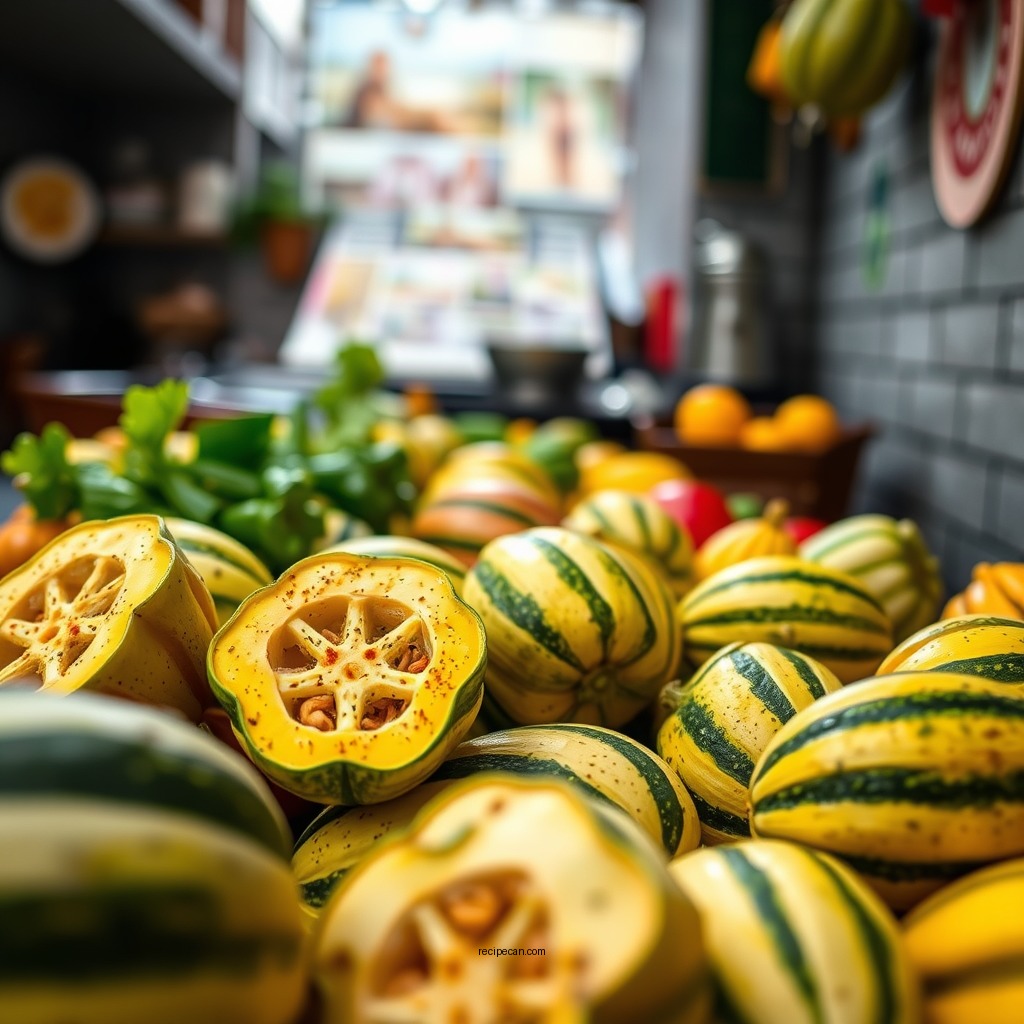
Mexican squash encompasses a variety of types, each offering distinct flavors and culinary uses. The most commonly known varieties include zucchini, calabacitas, and chayote.
– Zucchini: This variety is a staple in many kitchens worldwide, known for its mild flavor and tender texture. It’s versatile and can be used in everything from stir-fries to baked goods.
– Calabacitas: Often referred to as Mexican squash, calabacitas are small, tender, and slightly sweeter than zucchini. They are traditionally used in Mexican cuisine, particularly in sautéed dishes and stews.
– Chayote: This unique variety is more of a fruit than a squash, with a crisp texture and mild taste. It can be eaten raw in salads or cooked in various dishes, absorbing flavors beautifully.
Understanding these varieties helps in selecting the right squash for your recipes, ensuring you highlight their unique textures and flavors effectively.
Essential Ingredients for Mexican Squash Dishes
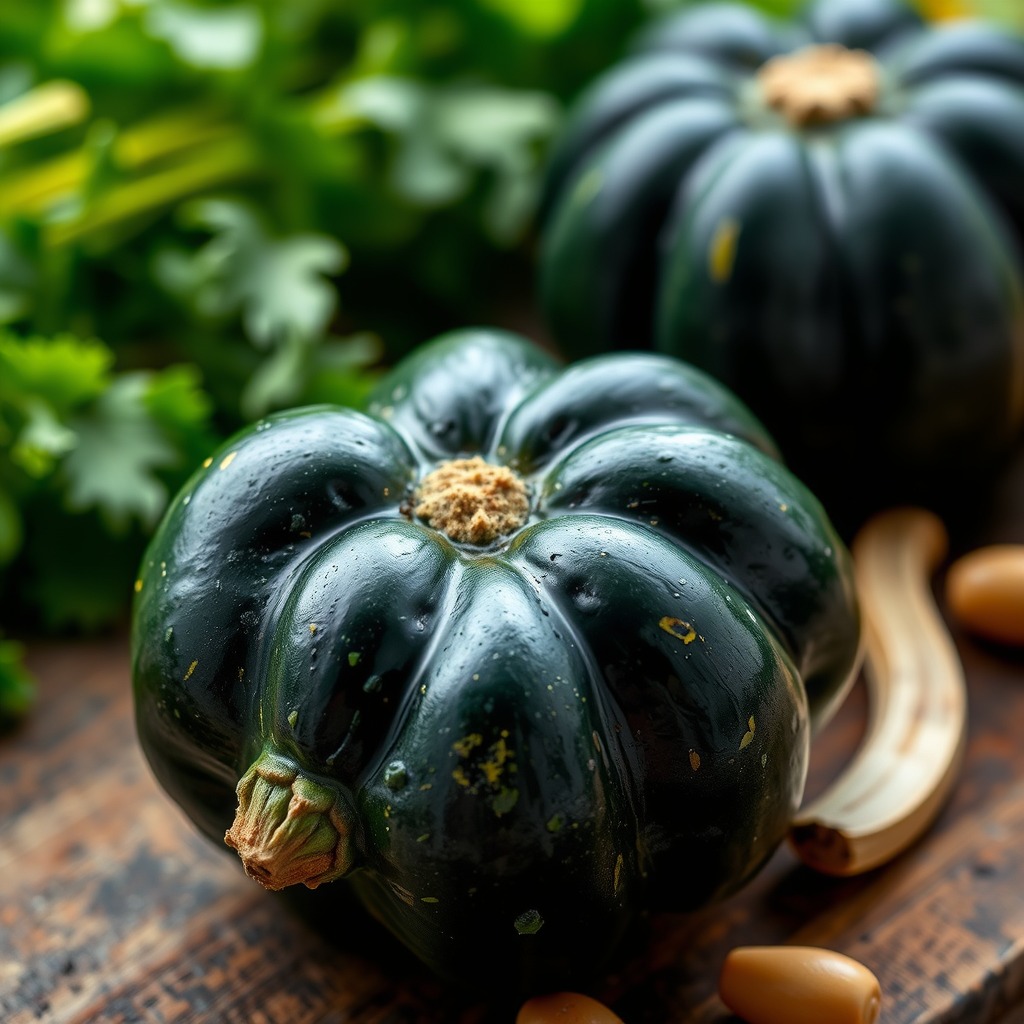
To create flavorful Mexican squash dishes, certain ingredients work harmoniously to enhance their natural taste. Key ingredients include:
– Onions: Onions provide a sweet and savory base, complementing the squash’s flavor. They can be sautéed until translucent to release their natural sugars.
– Garlic: A must-have in many Mexican recipes, garlic adds a robust flavor that elevates the dish. Fresh garlic is preferable for its intense aroma and taste.
– Spices: Common spices like cumin, chili powder, and oregano can add depth and warmth to your dishes. Fresh herbs such as cilantro can provide a refreshing finish.
When selecting your ingredients, opt for fresh, high-quality produce. Look for squash that feels firm and has vibrant color, as this often indicates ripeness and flavor.
Step-by-Step Recipe for Sautéed Mexican Squash
Here’s a simple yet delicious recipe for sautéed Mexican squash that highlights its natural flavors.
Ingredients:
– 2 medium zucchini or calabacitas, sliced
– 1 small onion, chopped
– 2 cloves garlic, minced
– 2 tablespoons olive oil
– Salt and pepper to taste
– Fresh cilantro for garnish (optional)
Instructions:
1. Prep the Ingredients: Wash the squash thoroughly and slice them into rounds. Chop the onion and mince the garlic.
2. Heat the Oil: In a large skillet, heat the olive oil over medium heat.
3. Sauté the Onions and Garlic: Add the chopped onion and sauté for about 2-3 minutes until it becomes translucent. Stir in the minced garlic and cook for another minute until fragrant.
4. Add the Squash: Toss in the sliced squash, season with salt and pepper, and stir well. Cook for about 5-7 minutes, or until the squash is tender but still slightly crisp.
5. Garnish and Serve: Remove from heat, garnish with fresh cilantro if desired, and serve warm.
Cooking Tips:
– Avoid overcooking to maintain a slight crunch in the squash.
– Experiment with additional spices or a splash of lime juice for a zesty twist.
Popular Mexican Squash Varieties and Their Uses
| # | Variety | Flavor Profile | Common Uses |
|---|---|---|---|
| 1 | Zucchini | Mild | Stir-fries, baked goods |
| 2 | Calabacitas | Sweet | Sautéed dishes, stews |
| 3 | Chayote | Mild | Salads, soups |
| 4 | Yellow Squash | Sweet | Gratins, casseroles |
| 5 | Pattypan Squash | Nutty | Stuffed dishes, salads |
| 6 | Crookneck Squash | Sweet | Soups, casseroles |
| 7 | Spaghetti Squash | Mild | Pasta alternatives |
Creative Variations on Traditional Recipes
While sautéed Mexican squash is a delightful dish on its own, there are numerous creative ways to incorporate this vegetable into various recipes:
– Casseroles: Layer sliced squash with cheeses, meats, and sauces for a hearty casserole. Combine with ingredients like black beans and corn for a Mexican twist.
– Soups: Blend cooked squash with vegetable broth, onions, and spices for a creamy soup. Adding a splash of lime juice before serving can brighten the flavors.
– Salads: Toss grilled squash into salads for added texture and flavor. Pair it with fresh greens, avocado, and a citrus vinaigrette for a refreshing dish.
These variations not only enhance the flavor profile of your meals but also allow for more diverse nutritional benefits.
Health Benefits of Mexican Squash
Mexican squash is not only delicious but also packed with health benefits.
– Low in Calories: Most varieties of Mexican squash are low in calories, making them an excellent choice for weight management.
– Rich in Nutrients: They are a good source of vitamins A and C, potassium, and dietary fiber. These nutrients contribute to overall health, including improved vision and digestive health.
– Antioxidant Properties: The antioxidants found in squash can help combat oxidative stress in the body, potentially reducing the risk of chronic diseases.
Incorporating Mexican squash into your diet can promote overall health and wellness, making it a smart addition to any meal plan.
Tips for Storing and Preparing Mexican Squash
To maximize the freshness and flavor of Mexican squash, follow these practical tips:
– Storage: Keep squash in a cool, dry place or in the refrigerator. Use them within a week for the best flavor and texture.
– Preparation Methods: Before cooking, wash the squash thoroughly to remove any dirt. Depending on the recipe, you may choose to peel the squash (especially for larger varieties) or leave the skin on for added nutrients. Cut squash into uniform sizes to ensure even cooking.
By taking care during the storage and preparation stages, you can enhance the flavor and nutritional value of your dishes.
In summary, Mexican squash is a versatile and nutritious ingredient that can elevate a variety of dishes. From understanding different varieties to exploring creative recipe ideas and health benefits, incorporating this vegetable into your cooking can lead to delightful culinary experiences. Don’t hesitate to experiment with the recipes shared, and feel free to share your experiences or any variations you create with Mexican squash in the comments below!
Frequently Asked Questions
What is a traditional Mexican squash recipe?
A traditional Mexican squash recipe often features zucchini or other varieties of squash, sautéed with onions, garlic, and tomatoes, seasoned with cumin and cilantro. This dish, known as “calabacitas,” is popular in Mexican cuisine and serves as a flavorful side dish or a vegetarian main course. It’s easy to prepare and highlights the fresh flavors of the ingredients.
How do you cook Mexican squash to maintain its flavor and texture?
To cook Mexican squash while preserving its flavor and texture, slice the squash into even pieces and sauté it over medium heat with a bit of olive oil. Cook for about 5-7 minutes until tender but still slightly crisp. Adding seasonings like salt, pepper, and lime juice at the end enhances the dish without overpowering the natural taste of the squash.
Why is Mexican squash a healthy addition to my diet?
Mexican squash is a healthy addition to your diet as it is low in calories and high in vitamins and minerals, such as vitamin C and potassium. Its high water content helps with hydration, and it provides dietary fiber, promoting healthy digestion. Incorporating squash into your meals can support overall health and well-being.
What are the best spices to use in a Mexican squash recipe?
The best spices to use in a Mexican squash recipe include cumin, chili powder, and paprika for a warm, earthy flavor. Fresh herbs like cilantro or oregano can also enhance the taste, while a touch of lime juice adds brightness. Experimenting with different spices can create a unique dish that complements your palate.
Which types of squash are commonly used in Mexican cuisine?
Common types of squash used in Mexican cuisine include zucchini, yellow squash, and the more traditional Mexican varieties like “calabacita” and “chayote.” Each type brings its own unique texture and flavor, making them versatile for various dishes. You can use any of these squashes in recipes for soups, stews, or as grilled side dishes.
References
- https://en.wikipedia.org/wiki/Squash_(plant
https://en.wikipedia.org/wiki/Squash_(plant - https://www.ncbi.nlm.nih.gov/pmc/articles/PMC6566797/
https://www.ncbi.nlm.nih.gov/pmc/articles/PMC6566797/ - https://www.sciencedirect.com/topics/agricultural-and-biological-sciences/squash
https://www.sciencedirect.com/topics/agricultural-and-biological-sciences/squash - https://www.britannica.com/topic/squash-vegetable
https://www.britannica.com/topic/squash-vegetable - https://www.healthline.com/nutrition/squash-nutrition
https://www.healthline.com/nutrition/squash-nutrition - https://www.ncbi.nlm.nih.gov/pmc/articles/PMC5003469/
https://www.ncbi.nlm.nih.gov/pmc/articles/PMC5003469/ - https://www.cdc.gov/nutrition/food-basics/vegetables.html
https://www.cdc.gov/nutrition/food-basics/vegetables.html - Google Scholar Google Scholar
https://scholar.google.com/scholar?q=mexican+squash+recipe - Google Scholar Google Scholar
https://scholar.google.com/scholar?q=squash+nutrition+and+recipes - Google Scholar Google Scholar
https://scholar.google.com/scholar?q=cooking+with+squash+recipes