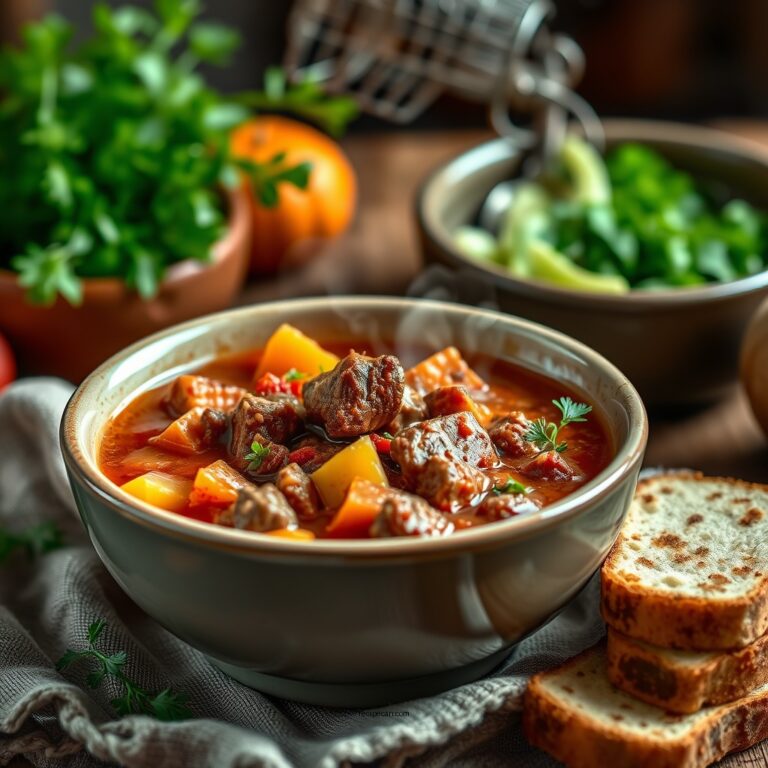
Making a flavorful maitake soup is both simple and rewarding. This recipe highlights the savory umami of maitake mushrooms combined with wholesome ingredients, perfect for a cozy meal or a healthy appetizer. In just a few easy steps, you can create a comforting bowl of soup that warms the soul and delights the palate. Maitake mushrooms, also known as “Hen of the Woods,” offer not only rich flavors but also numerous health benefits, making this dish both delicious and nutritious.
Ingredients You’ll Need
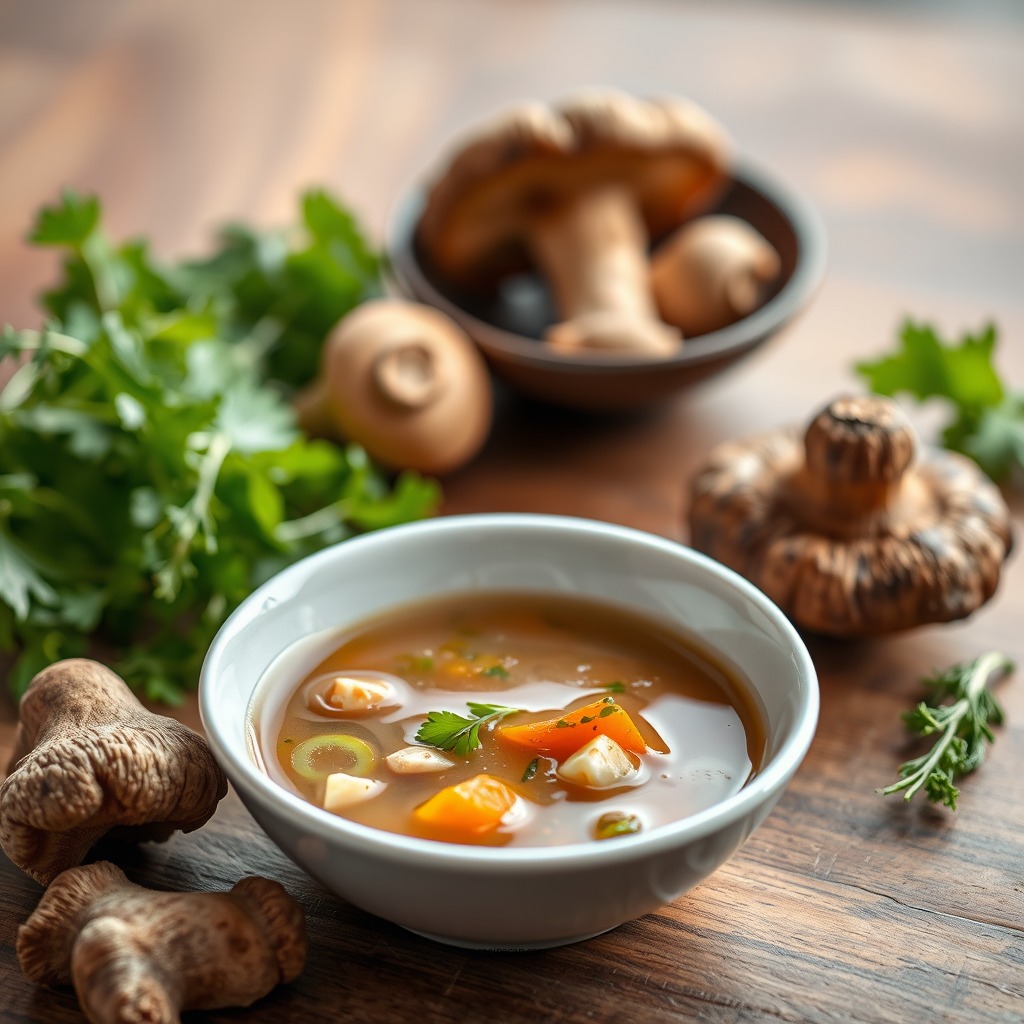
To prepare a delightful maitake soup, you will need the following ingredients:
– Fresh maitake mushrooms: Approximately 200-300 grams, cleaned and torn into pieces.
– Vegetable or chicken broth: About 4 cups, depending on your desired soup thickness.
– Aromatics: 1 medium onion, diced and 2-3 cloves of garlic, minced.
– Olive oil: For sautéing.
– Salt and pepper: To taste.
– Optional herbs: Fresh thyme or parsley for garnish.
These ingredients come together to create a soup that not only tastes amazing but also provides a variety of nutrients, such as vitamins, minerals, and antioxidants.
Preparing the Maitake Mushrooms

Preparing maitake mushrooms properly is essential for maximizing their flavor and texture in the soup.
– Clean the mushrooms gently: Use a damp cloth to wipe off any dirt or debris. Avoid washing them under running water, as this can make them soggy and dilute their flavor.
– Tear the mushrooms into bite-sized pieces: This step not only enhances texture in the soup but also allows for even cooking and better absorption of flavors.
Maitake mushrooms are celebrated for their unique texture and earthy taste, making them an ideal ingredient for soups and stews.
Cooking the Soup Base

Creating a robust soup base is crucial for an unforgettable soup experience.
– Sauté onions and garlic: In a large pot, heat about 2 tablespoons of olive oil over medium heat. Add the diced onions and garlic, cooking until they become fragrant and translucent. This typically takes about 5-7 minutes. This process releases the natural sweetness of the onions and the aromatic qualities of the garlic.
– Add broth and bring to a simmer: Pour in the vegetable or chicken broth and bring the mixture to a simmer. Allow it to cook for about 10 minutes, enabling the flavors to meld together beautifully.
A well-cooked base sets the stage for the maitake mushrooms, allowing their rich umami flavor to shine through.
Nutritional Breakdown of Maitake Mushrooms (per 100g)
| # | Nutrient | Amount | % Daily Value |
|---|---|---|---|
| 1 | Calories | 40 | 2% |
| 2 | Protein | 2.5g | 5% |
| 3 | Carbohydrates | 9.5g | 3% |
| 4 | Fiber | 4.5g | 18% |
| 5 | Fat | 0.5g | 1% |
| 6 | Vitamin D | 7.2mcg | 36% |
| 7 | Potassium | 356mg | 10% |
Adding the Maitake Mushrooms
Once the soup base is prepared, it’s time to incorporate the star ingredient.
– Stir in the prepared maitake mushrooms: Add the torn mushrooms to the simmering broth and cook for approximately 10 minutes. This allows the mushrooms to absorb the flavors of the broth while maintaining their unique texture.
– Season to taste: After the mushrooms have cooked, season the soup with salt, pepper, and any optional herbs such as thyme or parsley. Adjust the seasoning according to your preference.
This step is crucial, as the seasoning enhances the overall flavor profile of the soup, allowing the maitake mushrooms to shine.
Serving Suggestions
Serving your maitake soup can elevate the dining experience and make it even more enjoyable.
– Serve hot: Ladle the soup into bowls and garnish with a sprinkle of fresh herbs on top. A drizzle of good-quality olive oil can also add an extra layer of flavor.
– Pair it wisely: Consider serving the soup with crusty bread or a fresh side salad. This not only complements the flavors of the soup but also adds texture and balance to the meal.
Consider placing freshly baked bread or crackers on the side for dipping, enhancing both flavor and enjoyment during your meal.
Variations to Try
One of the greatest aspects of soup is the versatility it offers. Here are a few variations to explore:
– Add protein: Incorporate tofu or shredded chicken for a heartier soup. This adds nutritional value and makes the dish more filling.
– Include noodles: For a comforting twist, add rice noodles or whole grain pasta. This can transform your soup into a more substantial meal.
– Experiment with vegetables: Consider adding other vegetables, such as carrots, spinach, or bok choy, to enhance flavors and increase the nutritional profile.
Feel free to adjust the seasoning to create a spicier version by incorporating red pepper flakes or a hint of cayenne pepper. A splash of coconut milk can also add a creamy element to the soup.
Storage and Reheating Tips
Proper storage and reheating are essential for maintaining the quality of your maitake soup.
– Store leftovers: Place any remaining soup in an airtight container and refrigerate for up to three days. If you need to store it for a longer period, consider freezing it in freezer-safe bags or containers for up to three months.
– Reheat carefully: To reheat, place the soup in a pot over medium heat, adding a splash of broth if necessary to loosen it up. Stir occasionally until heated through. Alternatively, you can use a microwave, but ensure to heat in short intervals to prevent overcooking.
This ensures that your maitake soup remains flavorful and delicious even after a couple of days in the fridge.
Maitake Mushroom Health Benefits
Enjoying a warm bowl of maitake soup is a delightful way to incorporate nutritious ingredients into your diet. With this easy-to-follow recipe, you’ll impress family and friends with a dish that’s both satisfying and delicious. The health benefits of maitake mushrooms, along with their rich flavor, make them a fantastic addition to your culinary repertoire. Don’t hesitate to try variations and make it your own – your next favorite meal is just a pot away!
Frequently Asked Questions
What are the key ingredients in a traditional maitake soup recipe?
A traditional maitake soup recipe typically features fresh maitake mushrooms, vegetable or chicken broth, garlic, ginger, and green onions. Additional ingredients like tofu, miso paste, and seasonal vegetables can enhance the flavor and nutritional value, making the soup both delicious and healthy.
How do I prepare maitake mushrooms for soup?
To prepare maitake mushrooms for soup, first clean them gently with a damp cloth to remove any dirt. Then, tear or chop them into bite-sized pieces, which will allow them to cook evenly and release their rich flavors into the soup.
Why should I use maitake mushrooms in my soup?
Maitake mushrooms are not only flavorful but also packed with health benefits, including immune-boosting properties and high levels of antioxidants. Incorporating maitake mushrooms into your soup can enhance its taste while providing a nutritious boost to your diet.
What is the best way to enhance the flavor of maitake soup?
To enhance the flavor of maitake soup, consider adding umami-rich ingredients such as soy sauce, miso paste, or a splash of sesame oil. Additionally, incorporating aromatics like garlic and ginger or garnishing with fresh herbs can create a deeper, more complex flavor profile.
Which cooking methods work best for making maitake soup?
The best cooking methods for making maitake soup include simmering and sautéing. Start by sautéing the aromatics and mushrooms to develop their flavors, then simmer them in broth until everything is tender and well combined, ensuring a rich and satisfying soup.
References
- Grifola frondosa
https://en.wikipedia.org/wiki/Maitake - https://www.ncbi.nlm.nih.gov/pmc/articles/PMC6884655/
https://www.ncbi.nlm.nih.gov/pmc/articles/PMC6884655/ - https://www.ncbi.nlm.nih.gov/pmc/articles/PMC7074946/
https://www.ncbi.nlm.nih.gov/pmc/articles/PMC7074946/ - https://www.ncbi.nlm.nih.gov/pmc/articles/PMC6568650/
https://www.ncbi.nlm.nih.gov/pmc/articles/PMC6568650/ - Google Scholar Google Scholar
https://scholar.google.com/scholar?q=maitake+soup+recipe - Google Scholar Google Scholar
https://scholar.google.com/scholar?q=maitake+benefits+recipe - Google Scholar Google Scholar
https://scholar.google.com/scholar?q=maitake+in+cooking - https://www.sciencedirect.com/topics/agricultural-and-biological-sciences/maitake
https://www.sciencedirect.com/topics/agricultural-and-biological-sciences/maitake - https://www.britannica.com/plant/maitake
https://www.britannica.com/plant/maitake - Page Not Found – Site Help – Mayo Clinic
https://www.mayoclinic.org/healthy-lifestyle/nutrition-and-healthy-eating/expert-answers/mushrooms/faq-20057506