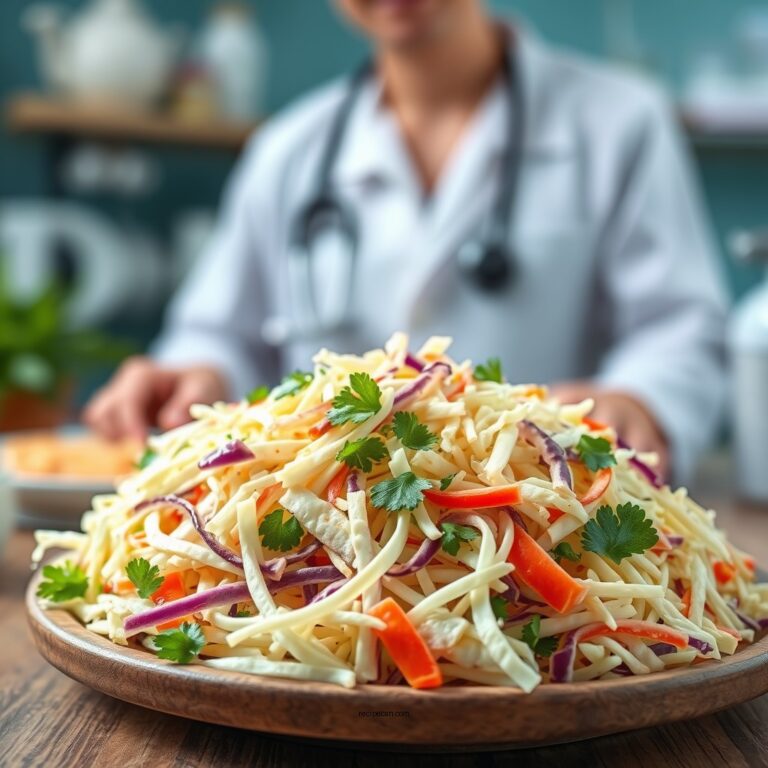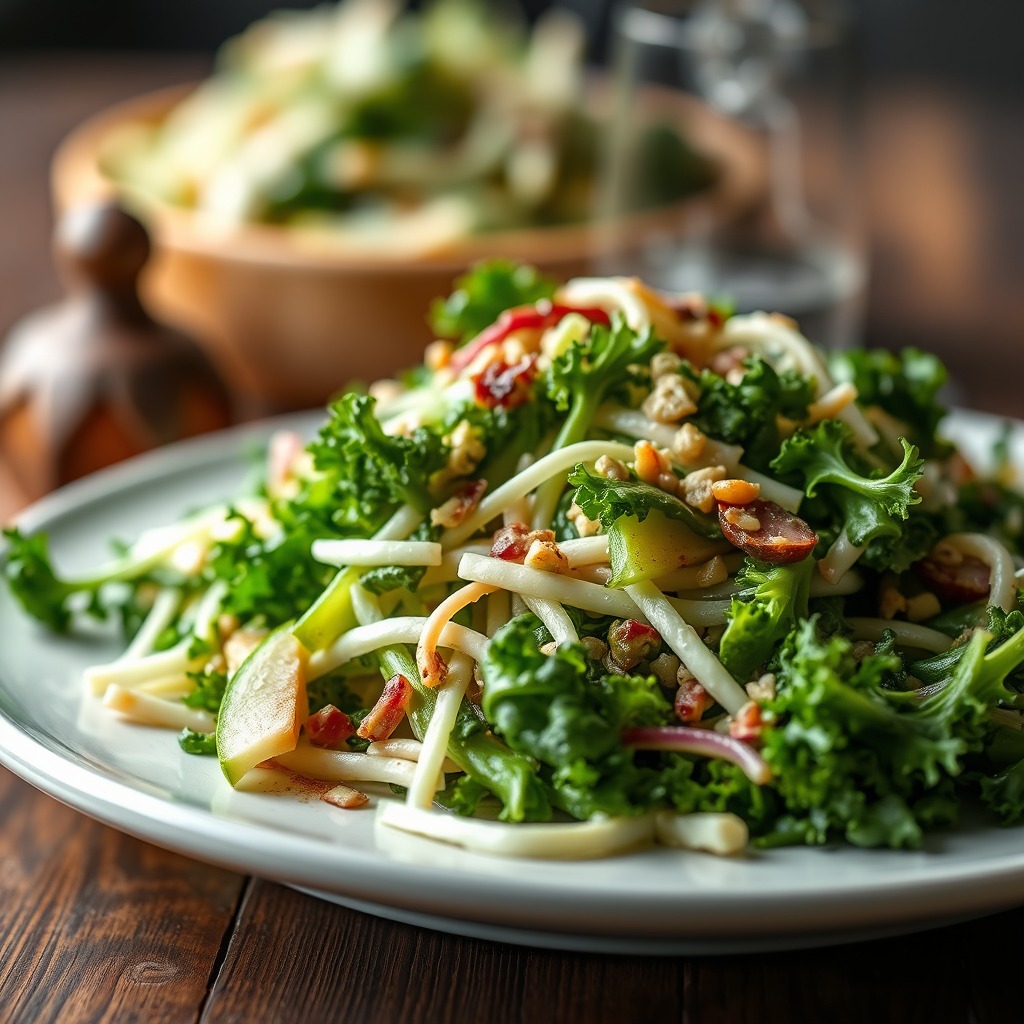
Kale coleslaw is a vibrant and nutritious twist on the classic coleslaw that combines the health benefits of kale with a crunchy, delicious texture. This recipe not only elevates your traditional coleslaw but also infuses it with the superfood qualities of kale, making it a perfect addition to any meal. In this article, you will learn how to prepare a simple yet flavorful kale coleslaw, along with tips for customization and serving suggestions.
Ingredients for Kale Coleslaw

To create a delightful kale coleslaw, you will need a few fresh and vibrant ingredients that enhance both the flavor and nutritional value of the dish:
– Fresh kale leaves: Select young, tender leaves for the best texture. Curly kale or lacinato (dinosaur) kale works beautifully.
– Shredded carrots: These add a splash of color and a natural sweetness that balances the earthy taste of the kale.
– Optional add-ins: Consider incorporating diced apples for a fruity crunch, chopped nuts (such as walnuts or pecans) for added protein and texture, or raisins for a touch of sweetness. These ingredients not only enhance the flavor profile but also provide additional nutritional benefits.
When selecting your ingredients, choosing organic produce can offer superior taste and health benefits. Freshness is key, so aim to purchase your kale and carrots from local farmers’ markets whenever possible.
Dressing Options

The dressing is crucial in bringing all the ingredients together and elevating the coleslaw’s flavor. Here are two popular dressing options that complement kale coleslaw perfectly:
– Tangy vinaigrette: A simple vinaigrette made with high-quality olive oil, freshly squeezed lemon juice, and a drizzle of honey or maple syrup creates a bright and zesty flavor. Add a pinch of salt and pepper to taste. This dressing not only enhances the taste but also provides healthy fats that help absorb the nutrients from the kale.
– Creamy alternatives: For those who prefer a richer dressing, use Greek yogurt or mayonnaise as a base. Combine it with apple cider vinegar, Dijon mustard, and a touch of honey for sweetness. This creamy version adds a comforting element to the coleslaw while still maintaining a health-conscious approach.
Experimenting with different ratios and ingredients in your dressing can lead to a personalized flavor experience that suits your palate.
Step-by-Step Preparation
Creating your kale coleslaw is a straightforward process. Follow these steps for a deliciously crunchy side dish:
1. Prep the kale: Start by removing the tough stems from the kale leaves. Chop the leaves finely, as smaller pieces will blend better with the other ingredients. To soften the leaves and enhance their flavor, consider massaging them with a little olive oil and salt before mixing them with the other ingredients.
2. Combine the ingredients: In a large mixing bowl, combine the chopped kale, shredded carrots, and any optional add-ins you choose. Give everything a good toss to ensure even distribution.
3. Whisk the dressing: In a separate bowl, whisk together your chosen dressing ingredients until well combined. Pour the dressing over the salad mixture and toss everything together thoroughly. This step is essential to ensure that every bite is flavorful.
4. Let it marinate: For optimal flavor, allow the coleslaw to sit for at least 30 minutes before serving. This resting period allows the kale to absorb the dressing and become tender while enhancing the overall flavor.
Nutritional Breakdown of Ingredients
Nutritional Breakdown of Kale Coleslaw Ingredients (per serving)
| # | Ingredient | Calories | Fiber (g) | Vitamin A (% DV) |
|---|---|---|---|---|
| 1 | Kale (1 cup) | 33 | 1.3 | 206% |
| 2 | Carrots (1/2 cup) | 25 | 1.5 | 184% |
| 3 | Olive Oil (1 tbsp) | 119 | 0 | 0% |
| 4 | Lemon Juice (1 tbsp) | 4 | 0.1 | 0% |
| 5 | Honey (1 tsp) | 21 | 0 | 0% |
| 6 | Apple (1/2 medium) | 52 | 2.4 | 1% |
| 7 | Raisins (1 tbsp) | 27 | 0.4 | 1% |
Customization Ideas
One of the best features of kale coleslaw is its versatility. Here are several customization ideas to tailor the dish to your preferences:
– Add proteins: For those looking to make the coleslaw into a complete meal, incorporating grilled chicken or chickpeas can provide a satisfying protein boost. Simply slice the chicken and mix it in or toss in a cup of canned chickpeas (drained and rinsed) for a vegetarian option.
– Experiment with nuts and seeds: Adding different nuts or seeds, such as sunflower seeds or slivered almonds, can provide additional crunch and nutritional value. Toasting the nuts lightly before adding them can enhance their flavor and make them even more appealing.
– Incorporate different vegetables: Feel free to add other vegetables like bell peppers, red cabbage, or even broccoli for added color and flavor. Each additional vegetable contributes its unique texture and taste, making the coleslaw even more interesting.
– Spice it up: If you enjoy a kick of heat, consider adding a pinch of cayenne pepper or some chopped jalapeños to your dressing. This can help create a delightful contrast with the sweetness of the carrots or apples.
Serving Suggestions
Kale coleslaw isn’t just a side dish; it can enhance a variety of meals. Here are some serving suggestions to consider:
– Pair with grilled meats: This coleslaw makes an excellent side dish to grilled chicken, steak, or fish. The freshness of the slaw cuts through the richness of grilled meats, creating a balanced meal.
– Use as a sandwich or wrap filling: For a nutritious lunch option, layer your kale coleslaw in a sandwich or wrap. It pairs beautifully with turkey or hummus, making for a satisfying meal on the go.
– Taco topping: Consider using kale coleslaw as a topping for tacos. Its crunchy texture and refreshing taste make it an ideal complement to spicy fillings, adding a fresh element to each bite.
– Serve at gatherings: This dish is perfect for picnics, barbecues, and potlucks. Its vibrant color and appealing presentation make it a standout dish that can entice even those who aren’t usually fans of coleslaw.
Popularity of Kale Coleslaw
Popularity of Kale Coleslaw in Different Culinary Contexts
Storage Tips
If you find yourself with leftovers, proper storage is essential to maintain the freshness and quality of your kale coleslaw:
– Refrigeration: Store any leftovers in an airtight container in the refrigerator for up to 3 days. This helps preserve the crispness of the kale and the flavor of the dressing.
– Keep dressing separate: To maintain the crunchiness of the kale and other ingredients, consider storing the dressing separately. Add it just before serving to ensure the coleslaw remains fresh and retains its delightful texture.
– Revive wilting kale: If your kale starts to wilt, you can revive it by soaking it in cold water for a few minutes before draining and using it again. This can help restore some of its original crispness.
Enjoy this delightful kale coleslaw recipe that offers a perfect balance of textures and flavors! It’s not only easy to make but also versatile enough to suit various tastes. Try it out today and elevate your next meal with this healthy side dish!
Frequently Asked Questions
What are the essential ingredients for a basic kale coleslaw recipe?
A basic kale coleslaw recipe typically includes finely chopped kale, shredded carrots, and a dressing made from mayonnaise, apple cider vinegar, and a touch of honey or maple syrup. You can also add ingredients like shredded cabbage, sliced almonds, or cranberries for extra flavor and texture.
How can I make my kale coleslaw more flavorful?
To enhance the flavor of your kale coleslaw, consider adding ingredients like diced apples, raisins, or chopped nuts for sweetness and crunch. You can also experiment with spices such as cumin or paprika, or try incorporating a squeeze of lemon juice to brighten the dish.
Why is kale a healthier choice for coleslaw compared to traditional cabbage?
Kale is packed with nutrients, including vitamins A, C, and K, and is lower in calories than traditional cabbage. Its robust texture also holds up well in salads, making it a great option for coleslaw that can be prepared in advance without wilting.
What is the best dressing for kale coleslaw?
The best dressing for kale coleslaw often combines creamy elements like Greek yogurt or mayonnaise with tangy ingredients such as apple cider vinegar or lemon juice. A balanced dressing will not only add flavor but also help soften the kale, making it more palatable.
Which types of kale are best for coleslaw?
Curly kale and Lacinato (Dinosaur) kale are both excellent choices for coleslaw. Curly kale offers a vibrant texture and holds dressing well, while Lacinato kale has a milder flavor and a more tender leaf, making it easier to chew and digest in salads.
References
- Kale
https://en.wikipedia.org/wiki/Kale - https://www.ncbi.nlm.nih.gov/pmc/articles/PMC5564577/
https://www.ncbi.nlm.nih.gov/pmc/articles/PMC5564577/ - https://www.ncbi.nlm.nih.gov/pmc/articles/PMC4843934/
https://www.ncbi.nlm.nih.gov/pmc/articles/PMC4843934/ - https://www.mayoclinic.org/healthy-lifestyle/nutrition-and-healthy-eating/in-depth/kale/art-20046815
https://www.mayoclinic.org/healthy-lifestyle/nutrition-and-healthy-eating/in-depth/kale/art-20046815 - https://www.sciencedirect.com/topics/food-science/kale
https://www.sciencedirect.com/topics/food-science/kale - https://www.cdc.gov/nutrition/resources-publications/healthy-eating.html
https://www.cdc.gov/nutrition/resources-publications/healthy-eating.html - Google Scholar Google Scholar
https://scholar.google.com/scholar?q=kale+coleslaw+recipe - Google Scholar Google Scholar
https://scholar.google.com/scholar?q=kale+nutrition - Google Scholar Google Scholar
https://scholar.google.com/scholar?q=kale+health+benefits - kale coleslaw recipe – Search results
https://en.wikipedia.org/wiki/Special:Search?search=kale+coleslaw+recipe