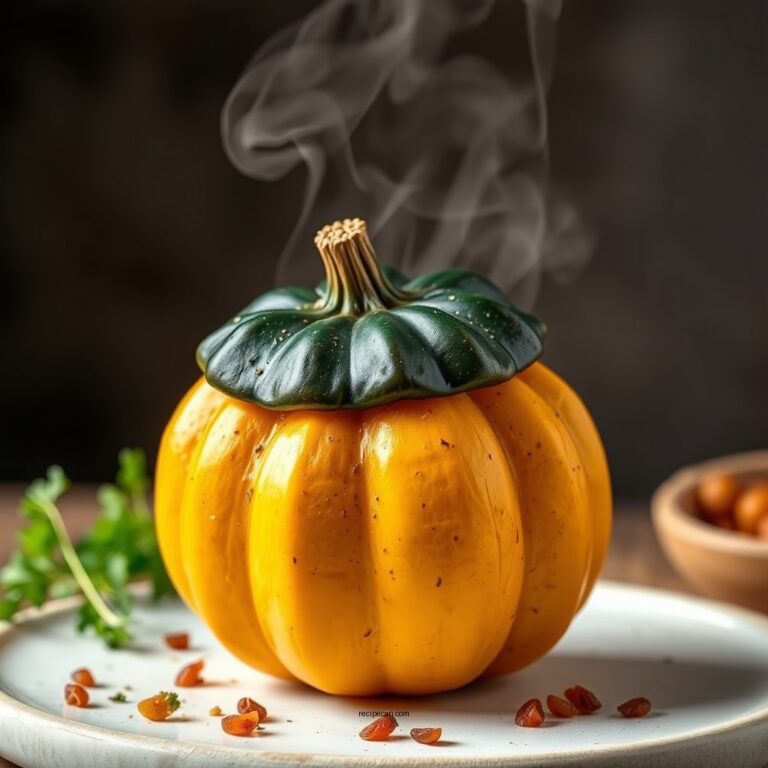
Kabocha squash is a delicious and versatile ingredient that can elevate your culinary creations. With its sweet, nutty flavor and creamy texture, it’s perfect for a variety of dishes. In this article, you’ll learn how to prepare an easy kabocha squash recipe that showcases its natural sweetness, whether you choose to roast, steam, or blend it into a delightful meal. This guide will provide you with everything you need to know to impress your family and friends with this nutritious vegetable.
Benefits of Kabocha Squash
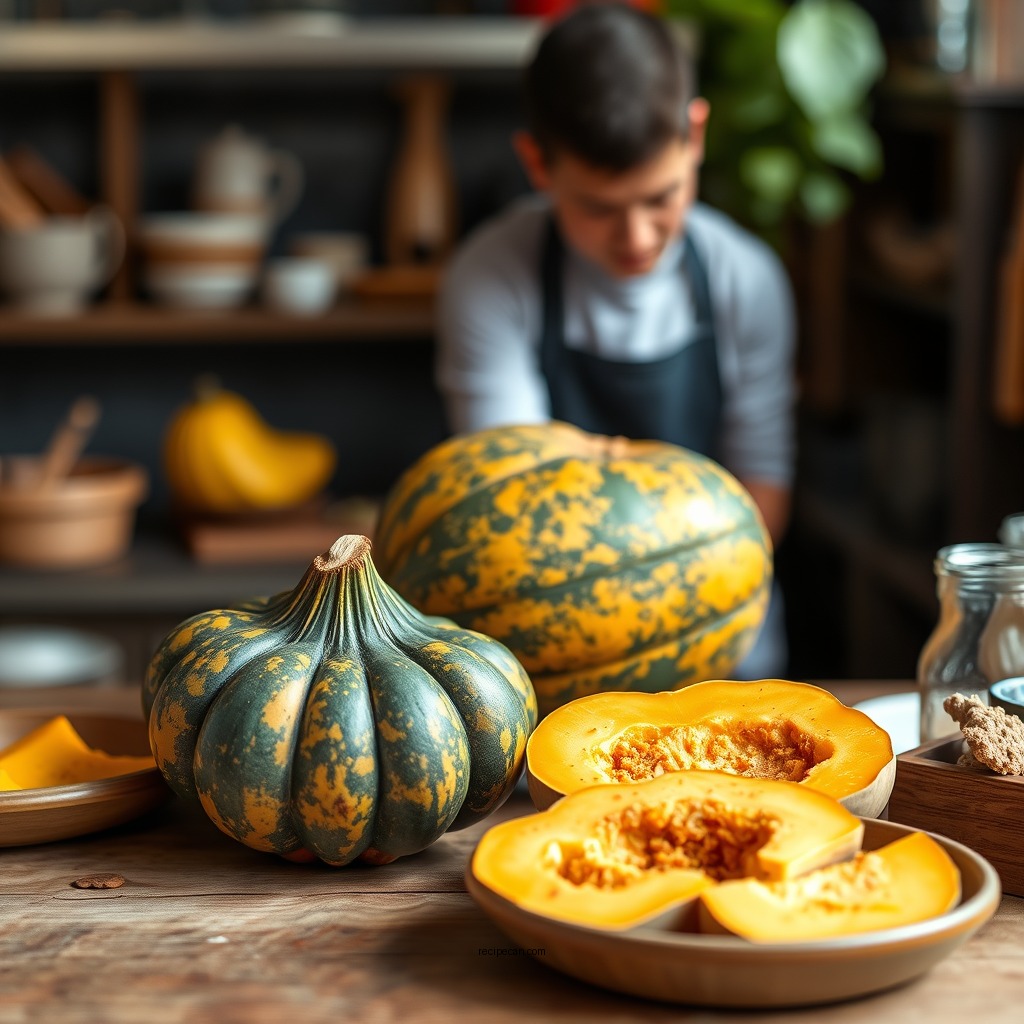
Kabocha squash is not only a tasty addition to your meals but also a powerhouse of nutrients. It is rich in vitamins A and C, both of which are essential for maintaining healthy skin and a robust immune system. The high fiber content aids digestion and promotes a feeling of fullness, making it an excellent choice for those looking to manage their weight. Additionally, antioxidants found in kabocha squash help combat oxidative stress, contributing to overall health and wellness.
Moreover, kabocha squash is low in calories, making it a fantastic option for those aiming to maintain a healthy diet without compromising on flavor. One cup of cooked kabocha squash provides only about 50 calories, and its rich taste can easily satisfy your cravings for comfort food.
Choosing the Right Kabocha Squash
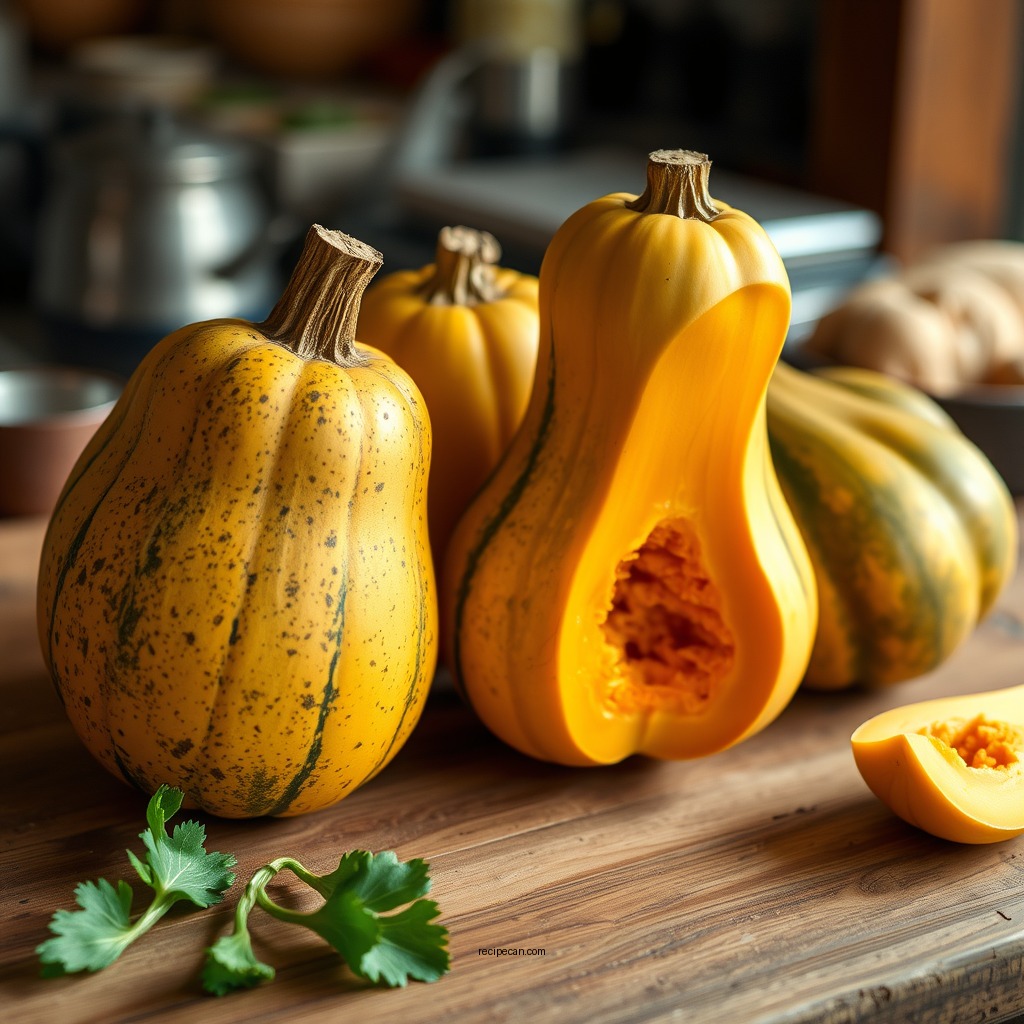
Selecting the perfect kabocha squash is crucial to ensuring the best flavor and texture. Here are some tips to help you choose wisely:
– Look for firm skin: A good kabocha squash should have hard, unblemished skin. Avoid any that show signs of softness or blemishes, as these may indicate overripeness or decay.
– Check the weight: The squash should feel heavy for its size, which indicates ripeness and moisture content. A heavier squash typically contains more flesh and will have a better flavor.
When purchasing kabocha squash, consider buying it from a local farmer’s market or a reputable grocery store to ensure quality.
Preparing Kabocha Squash
Before cooking kabocha squash, proper preparation is essential to enhance its flavor and texture:
– Wash thoroughly: Start by cleaning the skin thoroughly to remove any dirt or pesticides. A simple rinse under running water will suffice, followed by wiping it with a cloth.
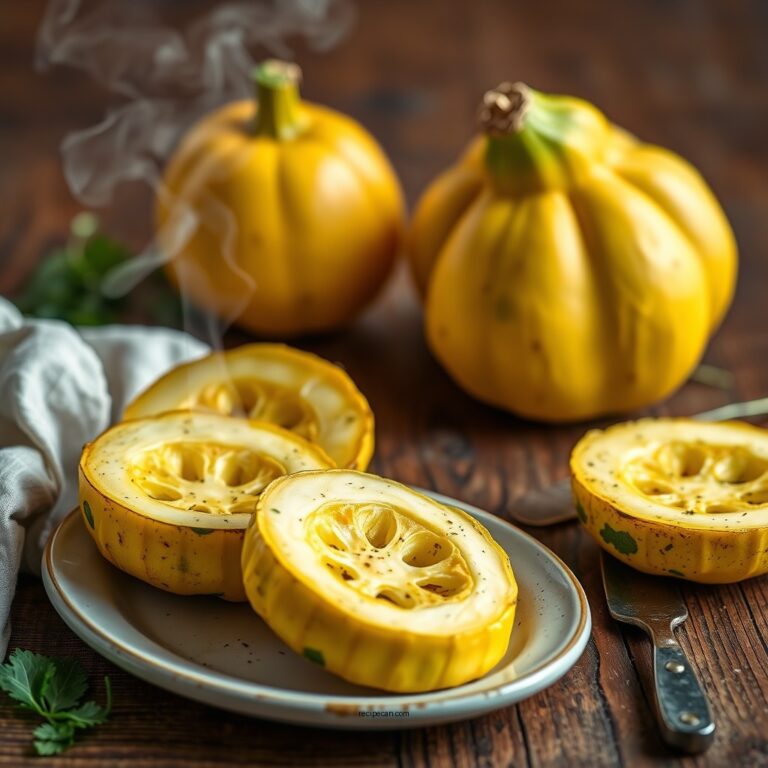
– Cut safely: Use a sharp knife to halve the squash. Take care when cutting, as the skin can be quite tough. Once halved, scoop out the seeds using a spoon. You can save the seeds for roasting if you enjoy snacking on them later.
After preparing kabocha squash, it’s ready for various cooking methods, allowing you to explore different flavors and textures.
Nutritional Comparison of Kabocha Squash
| # | Nutrient | Amount per 100g | % Daily Value |
|---|---|---|---|
| 1 | Calories | 50 | 2% |
| 2 | Fiber | 4g | 16% |
| 3 | Vitamin A | 850 IU | 17% |
| 4 | Vitamin C | 9mg | 15% |
| 5 | Potassium | 300mg | 9% |
| 6 | Magnesium | 18mg | 5% |
| 7 | Calcium | 18mg | 2% |
Cooking Methods for Kabocha Squash
Kabocha squash can be prepared using various cooking methods, each highlighting its distinctive qualities:
– Roasting: This method enhances the squash’s natural sweetness. Cut the squash into wedges, drizzle with olive oil, and season with salt and pepper. Roast in a preheated oven at 400°F (200°C) for 25-30 minutes, or until the edges are caramelized and tender.
– Steaming: A great option for a healthier preparation. Cut the squash into cubes and steam for about 15 minutes until tender. This method helps retain more nutrients compared to boiling.
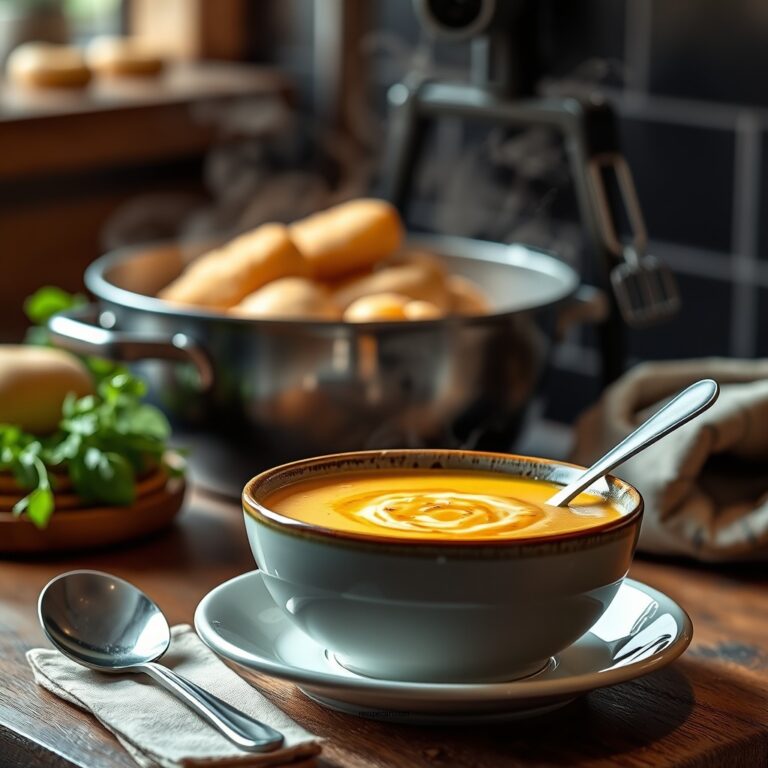
– Blending: For a creamy soup or puree, cooked kabocha squash can be blended with broth and seasonings. This creates a velvety texture that is perfect for soups or sauces.
Each method brings out the unique flavors of kabocha squash, allowing you to choose based on your meal preferences.
Cooking Times for Kabocha Squash
Flavor Pairings and Seasonings
Enhancing the flavor of kabocha squash can elevate your dish to new heights. Here are some recommended pairings:
– Sweet options: If you’re aiming for a dessert-like dish, consider pairing kabocha squash with warm spices such as cinnamon or nutmeg. A drizzle of maple syrup can add an extra layer of sweetness, perfect for a fall-inspired dish.
– Savory options: For a heartier meal, incorporate savory seasonings. Garlic, fresh sage, or chili powder can create a robust flavor profile. Roasted kabocha squash seasoned with these spices makes an excellent side dish.
Experiment with different combinations to discover your favorite flavor profiles.
Serving Suggestions
There are numerous ways to serve kabocha squash, making it a versatile ingredient for any meal:
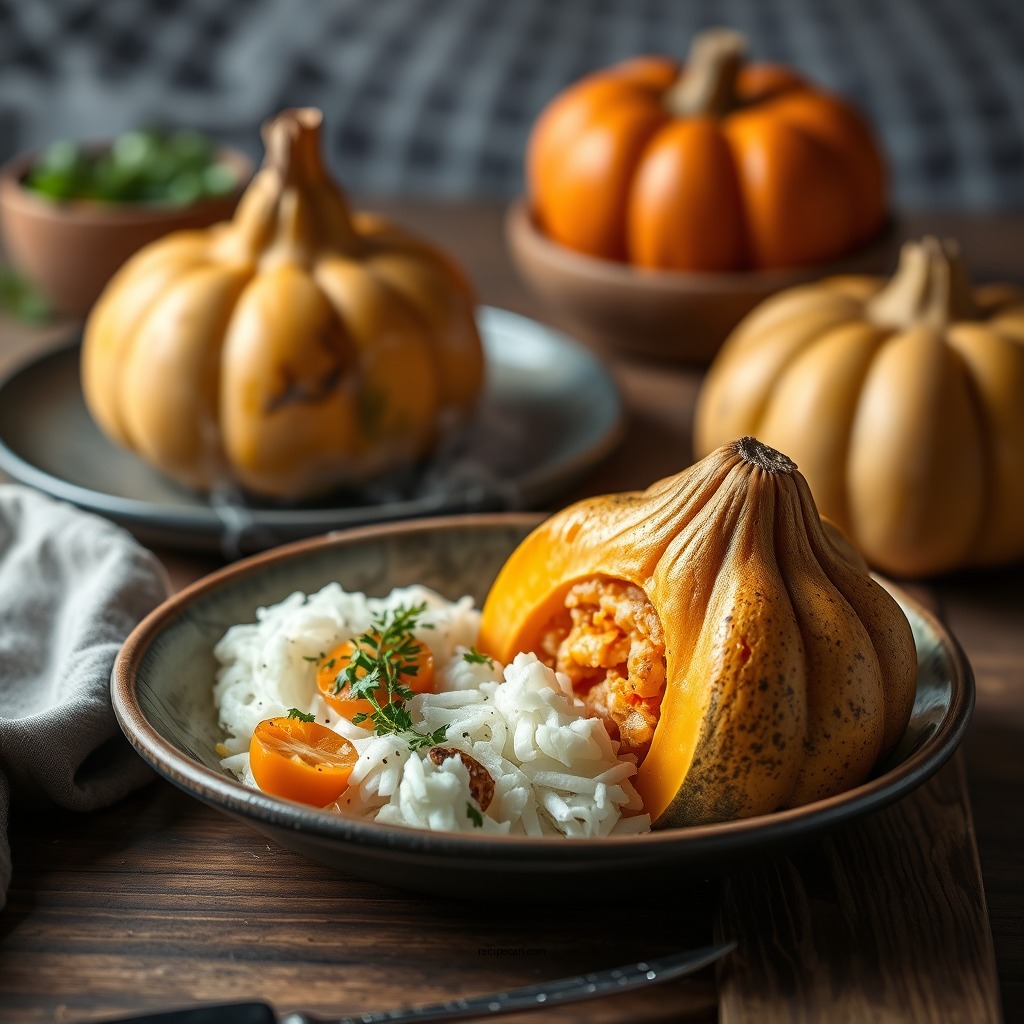
– As a side dish: Roasted kabocha squash pairs wonderfully with grilled meats or fish. Its natural sweetness complements the savory flavors of proteins, making it a delightful addition to any plate.
– In soups and stews: Kabocha squash can be blended into creamy soups or added to hearty stews. Its texture and flavor enhance the overall dish, providing both nutrition and comfort.
– In salads: For a nutritious boost, add roasted kabocha squash cubes to salads. They provide a sweet contrast to the greens and can be paired with nuts, seeds, or a tangy vinaigrette.
Storing Leftover Kabocha Squash
Proper storage of leftover kabocha squash can help you reduce waste and enjoy it later:
– Refrigeration: Keep cooked squash in an airtight container in the refrigerator for up to a week. This makes it easy to incorporate into meals throughout the week.
– Freezing: If you have more squash than you can use, consider freezing it. Cut cooked kabocha squash into portions and store them in freezer-safe bags. This allows for easy and quick additions to future recipes.
By following these simple storage tips, you can maximize the use of kabocha squash and enjoy its deliciousness well beyond its initial preparation.
In conclusion, kabocha squash is a remarkably versatile and nutritious ingredient that can enhance a variety of dishes. Whether you roast, steam, or blend it, this squash offers numerous health benefits while satisfying your taste buds. By choosing the right squash, preparing it properly, and exploring different cooking methods and flavor pairings, you can create delicious meals that everyone will love. Don’t hesitate to experiment with this unique vegetable; your culinary adventures await! Enjoy your cooking with kabocha squash today!
Frequently Asked Questions
What are the best ways to prepare kabocha squash for a recipe?
The best ways to prepare kabocha squash include roasting, steaming, or making it into soup. To roast, slice the squash, remove the seeds, and bake it at 400°F until tender. Steaming preserves more nutrients, while soups allow the squash to blend with flavors, creating a creamy texture.
How do I choose a ripe kabocha squash for my recipe?
When selecting a ripe kabocha squash, look for one that is heavy for its size with a firm, unblemished skin. The color should be a deep green or bright orange, and the stem should be dry. A ripe squash will also have a dull sheen, indicating it is ready for cooking.
Why should I include kabocha squash in my diet?
Including kabocha squash in your diet is beneficial due to its high nutritional value; it is rich in vitamins A and C, fiber, and antioxidants. This nutrient-dense squash can help improve digestion and boost your immune system. Additionally, its naturally sweet flavor makes it a delicious addition to various recipes.
Which kabocha squash recipe is best for beginners?
The best kabocha squash recipe for beginners is roasted kabocha squash with olive oil, salt, and pepper. Simply cut the squash into wedges, toss with olive oil, season, and roast at 400°F for about 30 minutes. This method is straightforward and highlights the natural sweetness of the squash.
How can I store leftover kabocha squash after cooking?
To store leftover kabocha squash, let it cool completely, then place it in an airtight container in the refrigerator. It can last for up to five days when stored properly. For longer storage, consider freezing the cooked squash in freezer-safe bags, which can last for several months and be used in future recipes.
References
- Kabocha
https://en.wikipedia.org/wiki/Kabocha - https://www.nytimes.com/2021/10/06/dining/kabocha-squash-recipes.html
https://www.nytimes.com/2021/10/06/dining/kabocha-squash-recipes.html - https://www.sciencedirect.com/topics/agricultural-and-biological-sciences/kabocha-squash
https://www.sciencedirect.com/topics/agricultural-and-biological-sciences/kabocha-squash - https://www.mayoclinic.org/healthy-lifestyle/nutrition-and-healthy-eating/expert-answers/squash-nutrition/faq-20058577
https://www.mayoclinic.org/healthy-lifestyle/nutrition-and-healthy-eating/expert-answers/squash-nutrition/faq-20058577 - https://www.healthline.com/nutrition/kabocha-squash-benefits
https://www.healthline.com/nutrition/kabocha-squash-benefits - https://pubmed.ncbi.nlm.nih.gov/?term=kabocha+squash
https://pubmed.ncbi.nlm.nih.gov/?term=kabocha+squash - Google Scholar Google Scholar
https://scholar.google.com/scholar?q=kabocha+squash+recipe - Google Scholar Google Scholar
https://scholar.google.com/scholar?q=nutritional+benefits+of+kabocha+squash - Google Scholar Google Scholar
https://scholar.google.com/scholar?q=preparation+of+kabocha+squash+recipes - kabocha squash recipe – Search results
https://en.wikipedia.org/wiki/Special:Search?search=kabocha+squash+recipe