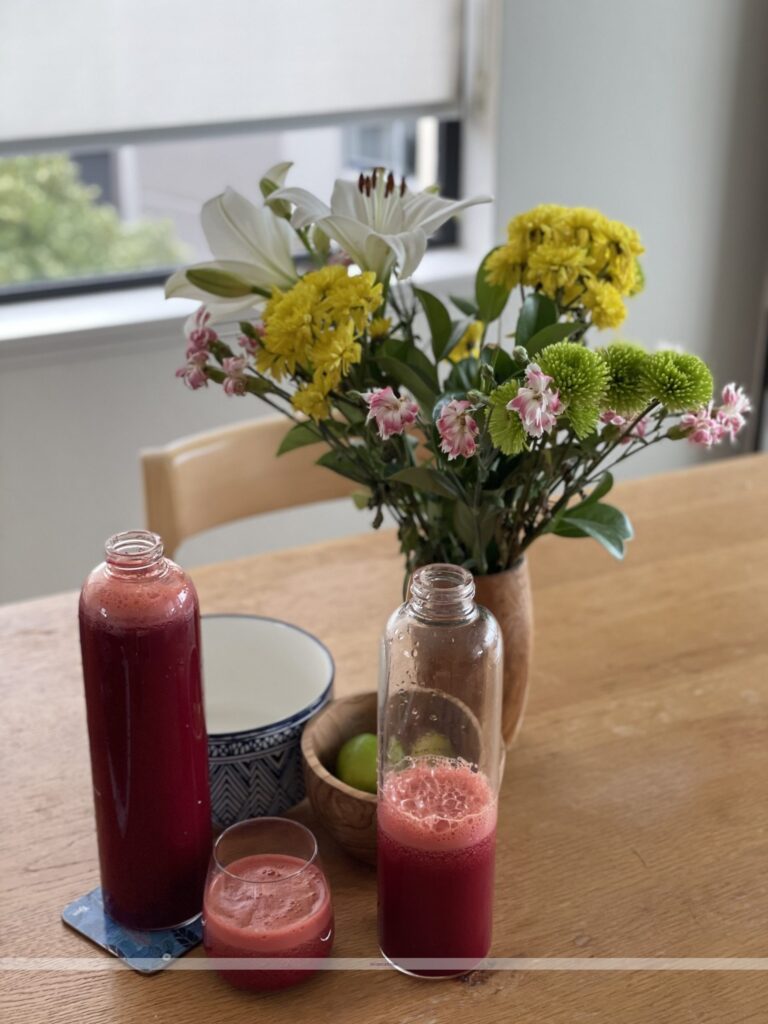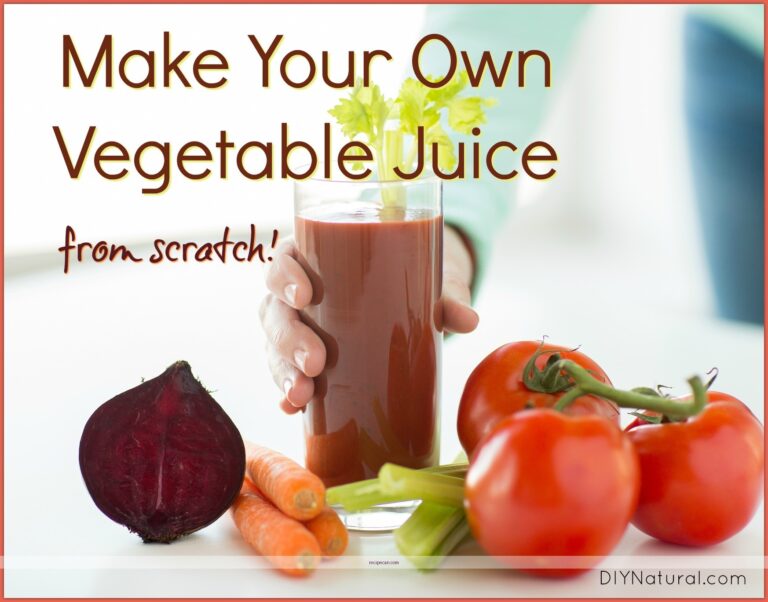
Delicious juice cleanse recipes can transform your detox experience, delivering refreshing flavors while supporting your health goals. Whether you’re seeking to boost your energy or reset your body, these recipes offer a clear path to revitalization. Discover the best combinations for effective cleansing that satisfy both your taste buds and your wellness needs. This guide answers the question: which juice cleanse recipes truly stand out for a refreshing detox?
Looking for a rejuvenating way to cleanse your system? These delicious juice cleanse recipes will help flush out toxins while providing your body with essential nutrients. Each recipe is simple to make and packed with flavor, making your detox journey enjoyable and satisfying. By incorporating a variety of fruits and vegetables, you can create nourishing juices that not only taste great but also invigorate your body and mind.
Recipe Overview
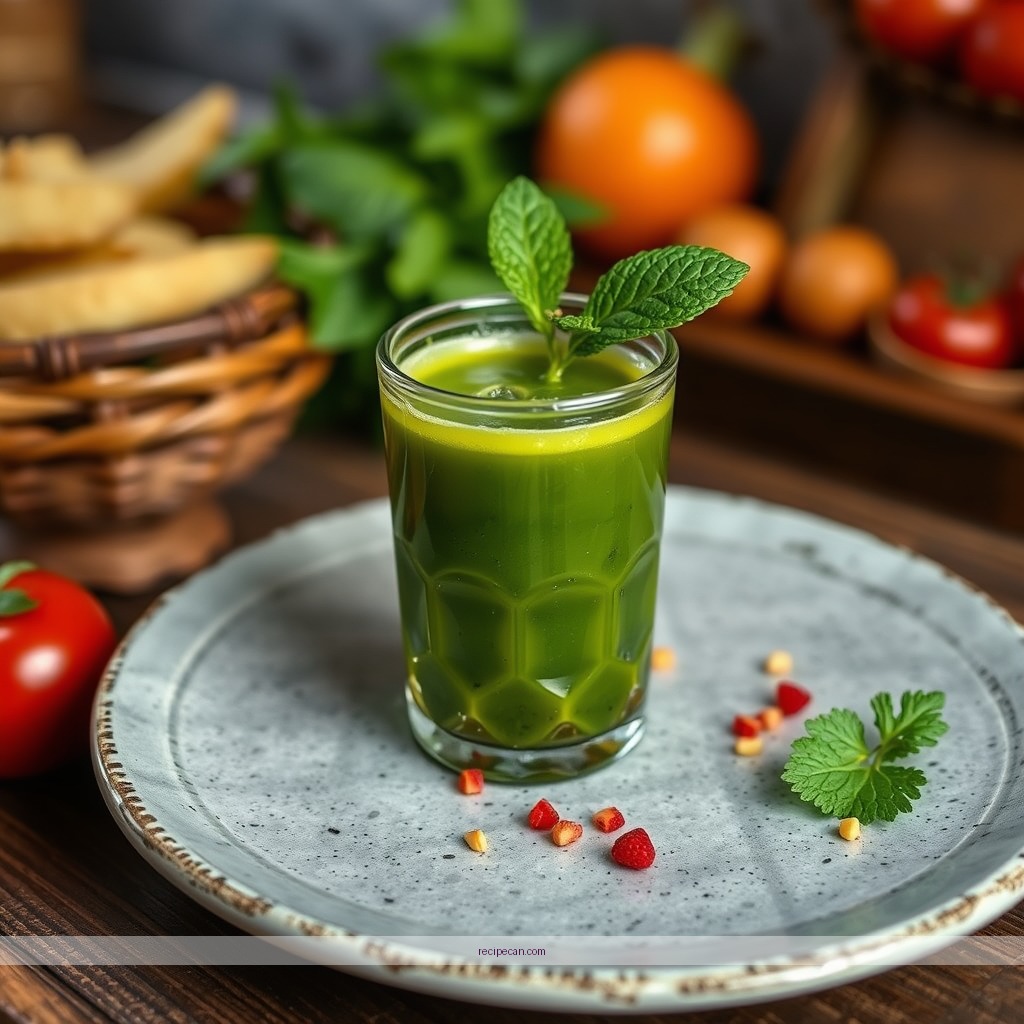
Juice cleansing is a popular way to reset your body and boost your energy levels. These recipes feature a variety of fruits and vegetables that not only taste great but also contribute to your overall health. Perfect for beginners, these juice cleanse recipes serve about 2-4 people and can easily fit into your daily routine. Whether you are looking to detox after a long week or want to jumpstart a healthier lifestyle, these juices will help you feel refreshed and revitalized.
Time Required
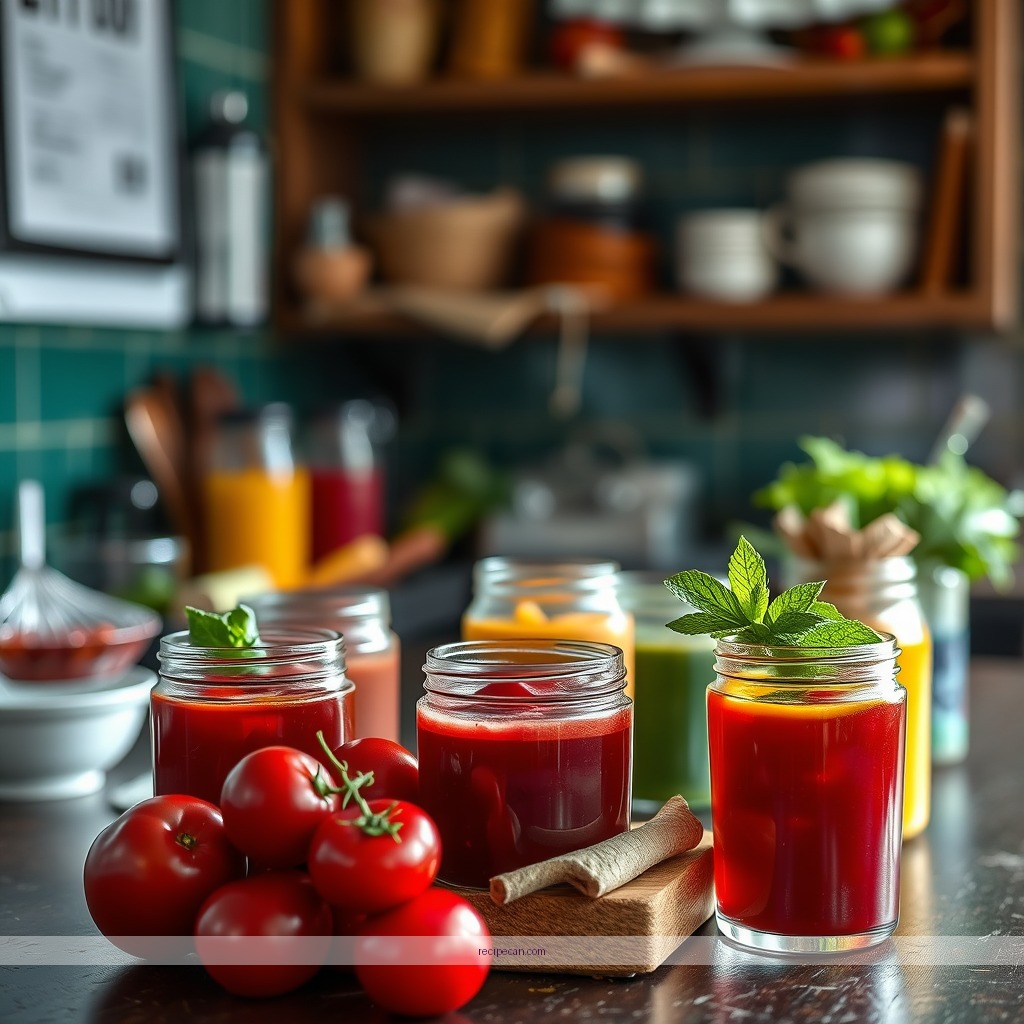
– 🕐 Prep Time : 10 minutes
– 🍳 Juice Time : 5 minutes
– ⏱ Total Time : 15 minutes
Ingredients
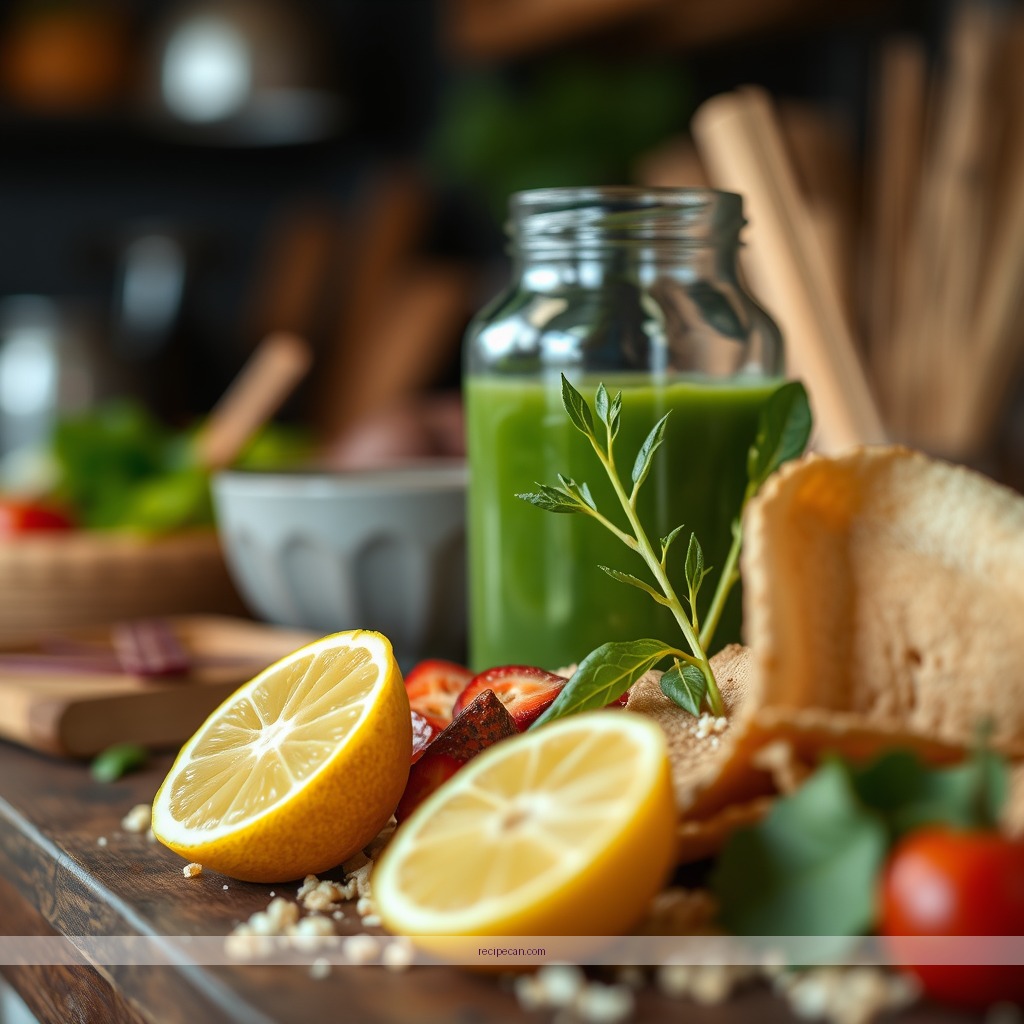
The key to a successful juice cleanse lies in using fresh, high-quality ingredients. Opt for organic produce when possible, as it ensures you’re getting the best nutrients without harmful pesticides. Here are some of the main ingredients you’ll need:
Main Ingredients
– 2 apples, cored and chopped
– 1 cucumber, peeled and chopped
– 2 carrots, peeled and chopped
– 1-inch piece of ginger, peeled
– 1 lemon, juiced
– 4 cups of spinach or kale
Optional Add-ins
– 2 stalks of celery for extra hydration
– 1 beet for a natural sweetness
– A handful of mint leaves for a refreshing twist
Step-by-Step Instructions

1. Begin by washing all your fruits and vegetables thoroughly. This step is crucial to remove any dirt or pesticides, which can compromise the quality of your juice.
2. Chop the ingredients into smaller pieces to make juicing easier. The smaller the pieces, the smoother your juice will be when it’s finished.
3. Feed the chopped items into your juicer, starting with the leafy greens followed by the harder fruits and veggies. This method helps to extract maximum juice from the ingredients.
4. Collect the juice in a large container, and squeeze in the lemon juice for added flavor and vitamin C. The acidity of the lemon brightens the overall taste of the juice.
5. Taste your juice and adjust sweetness if necessary. If you prefer a sweeter flavor, consider adding a bit of honey or an additional apple.
6. Strain the juice through a fine sieve if you prefer a smoother texture without pulp. This will enhance your drinking experience, especially for those who dislike fibrous juice.
How to Serve
Plating & Presentation
Serve your juice in clear glasses to showcase its vibrant color. You can garnish with a slice of lemon or a sprig of mint on top for an elegant and refreshing look. This simple touch adds a visual appeal that makes the juice even more inviting.
What Goes Well With It
Pair your juice with light snacks like nuts or whole-grain crackers for a balanced cleanse day. These foods complement the juice without overwhelming your palate, providing a satisfying experience.
Storage & Reheating
Fresh juice is best consumed immediately to retain its nutrients and freshness. However, if stored, it can be kept in an airtight container in the fridge for up to 24 hours. Be sure to shake well before serving to mix any settled ingredients.
Common Mistakes & How to Fix Them
It’s common to make a few missteps while preparing juice cleanses. Here are some pitfalls to avoid:
Overlooking Ingredient Quality
Using low-quality fruits and vegetables can lead to less flavorful juice. Always choose fresh and organic produce when possible for the best results.
Not Straining the Juice
Some people prefer a smoother juice, so remember to strain if you find the pulp unappealing. It’s an easy fix that can enhance your drinking experience, particularly for those who enjoy a cleaner texture.
Skipping the Lemon Juice
Adding lemon juice not only boosts flavor but also helps to preserve the freshness of the juice. Don’t skip this step as it is essential for flavor enhancement.
Not Cleaning Your Juicer Properly
Juicers can harbor bacteria if not cleaned immediately after use. Make it a habit to wash your juicer parts right after juicing to keep everything safe and hygienic.
Nutritional Benefits of Key Ingredients
Incorporating various ingredients into your juice can amplify its health benefits. Here’s a closer look at some of the main ingredients and their advantages:
| Ingredient | Benefits |
|————|———-|
| Apples | Rich in fiber and vitamin C, apples improve gut health and boost immunity. |
| Cucumber | Provides hydration and is low in calories, making it great for detox. |
| Carrots | High in beta-carotene, carrots support eye health and provide antioxidants. |
| Ginger | Known for its anti-inflammatory properties, ginger aids digestion and boosts metabolism. |
| Spinach/Kale | Packed with vitamins A, C, and K; these greens enhance overall health and detoxification. |
| Lemon | A natural detoxifier that aids liver function and adds flavor. |
Nutritional Benefits of Juice Ingredients
| Ingredient | Key Benefits | Nutritional Value (per serving) |
|---|---|---|
| Apples | Rich in fiber, aids digestion | 95 calories, 25g carbs |
| Cucumber | Hydrating, low in calories | 16 calories, 4g carbs |
| Carrots | High in beta-carotene | 41 calories, 10g carbs |
| Ginger | Anti-inflammatory properties | 4 calories, 1g carbs |
| Spinach | Rich in vitamins A, C, K | 7 calories, 1g carbs |
| Lemon | Natural detoxifier | 17 calories, 5g carbs |
By following these tips, you’ll create delicious and refreshing juice cleanses that support your detox journey.
Embrace these juice cleanse recipes to kickstart your health journey today! With just a few fresh ingredients and a little prep time, you’ll be on your way to feeling lighter and more energized. Enjoy the process and happy juicing!
Frequently Asked Questions
What are the best juice cleanse recipes for beginners?
For beginners, simple juice cleanse recipes like a classic green juice made with kale, cucumber, apple, and lemon can be very effective. Another great option is a beetroot juice with carrots and ginger, which not only tastes great but also provides a range of nutrients. Starting with these recipes allows your body to adjust to juicing while still receiving essential vitamins.
How long should I do a juice cleanse for optimal results?
Most experts recommend a juice cleanse duration of 3 to 7 days for optimal results. This timeframe allows your body to detoxify without experiencing excessive fatigue or nutritional deficiencies. It’s also important to listen to your body; if you feel unwell, consider shortening the cleanse or consulting a healthcare professional.
Why should I consider a juice cleanse in my diet?
A juice cleanse can help reset your digestive system, increase your nutrient intake, and promote detoxification. Many people find that it boosts their energy levels and leads to clearer skin. Incorporating juice cleanses into your diet can also encourage healthier eating habits post-cleanse.
Which fruits and vegetables are best for a juice cleanse?
The best fruits and vegetables for a juice cleanse include leafy greens like spinach and kale, hydrating vegetables like cucumber, and nutrient-dense fruits like apples and citrus. These ingredients not only provide essential vitamins and minerals but also help to detoxify the body effectively. Experimenting with different combinations can keep your juices exciting and flavorful.
What should I prepare before starting a juice cleanse?
Before starting a juice cleanse, it’s crucial to prepare your body by gradually reducing caffeine, processed foods, and sugar intake. Stock up on fresh, organic produce to ensure your juices are nutrient-rich. Additionally, plan your juice recipes in advance and consider having a hydration schedule to maintain optimal hydration levels throughout your cleanse.
References
- Juice fasting
https://en.wikipedia.org/wiki/Juice_cleanse - Inactivation of Cyclic AMP Response Element Transcription Caused by Constitutive p38 Activation I…
https://www.ncbi.nlm.nih.gov/pmc/articles/PMC6469919/ - Protein and Proteome Atlas for Plants under Stresses: New Highlights and Ways for Integrated Omic…
https://www.ncbi.nlm.nih.gov/pmc/articles/PMC6834174/ - Page Not Found – Site Help – Mayo Clinic
https://www.mayoclinic.org/healthy-lifestyle/nutrition-and-healthy-eating/expert-answers/juice-cleanse/faq-20057883 - https://www.health.harvard.edu/staying-healthy/the-truth-about-juice-cleanses
https://www.health.harvard.edu/staying-healthy/the-truth-about-juice-cleanses - https://www.cdc.gov/nutrition/resources-publications/juice.html
https://www.cdc.gov/nutrition/resources-publications/juice.html - Healthy diet
https://www.who.int/news-room/fact-sheets/detail/healthy-diet - Google Scholar Google Scholar
https://scholar.google.com/scholar?q=juice+cleanse+recipe - Google Scholar Google Scholar
https://scholar.google.com/scholar?q=juice+cleanses+health+effects - Google Scholar Google Scholar
https://scholar.google.com/scholar?q=dietary+patterns+juice+cleanse