Making hot pepper sauce at home is simple and rewarding. With just a few ingredients, you can create a flavorful sauce that adds a spicy kick to your meals. This article will guide you through the process of making your own hot pepper sauce, including tips on ingredient selection, preparation, and storage. You’ll soon discover that crafting this condiment not only enhances your culinary creations but also allows you to customize flavors and heat levels according to your preferences.
Ingredients You’ll Need
To create a delicious hot pepper sauce, you’ll need the following ingredients:
– Fresh hot peppers: Options include jalapeño, habanero, or cayenne. Each variety brings its own unique flavor and heat level, so choose according to your taste preferences.
– Vinegar: White vinegar or apple cider vinegar works best as they provide the acidity necessary for balancing flavors and preserving the sauce.
– Salt: This is essential for enhancing the flavors of the peppers.
– Optional spices: Ingredients like garlic powder, onion powder, or herbs can add depth and complexity to the sauce.
Choosing high-quality, fresh ingredients is critical to achieving the best flavor. Look for peppers that are firm and brightly colored, as these are indicators of freshness.
Preparing the Peppers
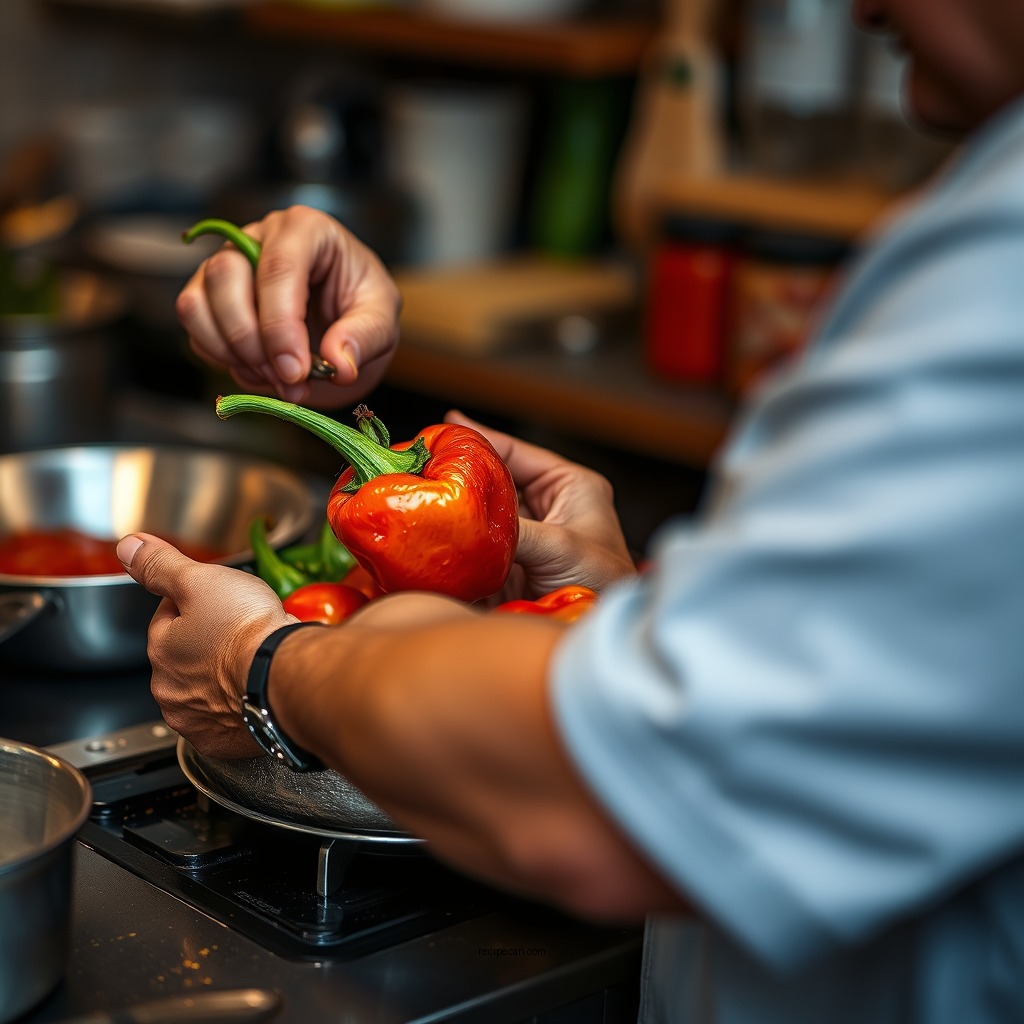
Preparation is key to a successful hot pepper sauce. Here are some steps to follow:
– Wear gloves: Hot peppers can irritate the skin, so it’s essential to protect your hands while handling them.
– Remove the stems and seeds: If you prefer a milder sauce, removing the seeds and white membranes inside the peppers is advisable. However, for those who enjoy intense heat, leaving the seeds intact will maximize the spiciness of your sauce.
After preparing the peppers, chop them into smaller pieces to facilitate even cooking during the simmering process.
Cooking Process
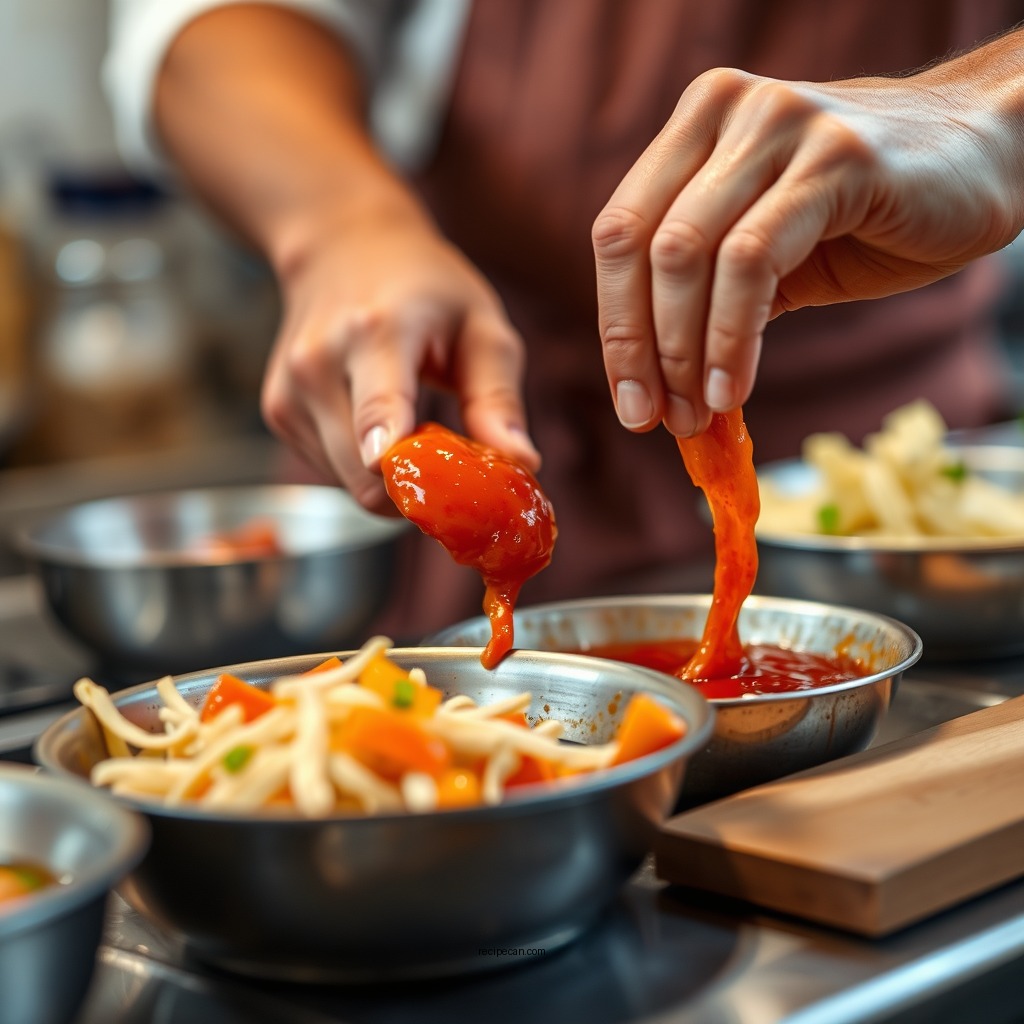
The cooking process is straightforward and involves creating a flavorful base for your sauce.
– Combine ingredients: In a saucepan, combine the chopped peppers, vinegar, and salt. The ratio of vinegar to peppers can be adjusted according to your desired acidity and thickness.
– Simmer the mixture: Bring the mixture to a gentle simmer over medium heat. Allow it to cook for about 10-15 minutes. This step is crucial as it helps meld the flavors and soften the peppers.
During simmering, you may choose to add optional spices to enhance the sauce further. The longer you simmer, the more pronounced the flavor will become.
Top 7 Pepper Varieties for Hot Sauce (2024)
| # | Pepper Variety | Heat Level (Scoville) | Flavor Notes |
|---|---|---|---|
| 1 | Habanero | 100,000 – 350,000 | Fruity, citrusy |
| 2 | Cayenne | 30,000 – 50,000 | Earthy, smoky |
| 3 | Jalapeño | 2,500 – 8,000 | Fresh, grassy |
| 4 | Serrano | 2,500 – 5,000 | Crisp, bright |
| 5 | Tabasco | 30,000 | Vinegary, tangy |
| 6 | Poblano | 1,000 – 2,000 | Mild, slightly sweet |
| 7 | Bird’s Eye | 50,000 – 100,000 | Fruity, sharp |
Blending the Sauce
After simmering, it’s time to blend the mixture into a sauce.
– Use a blender or food processor: Carefully transfer the hot mixture into a blender or food processor. Blend until the sauce is smooth. If you prefer a chunkier texture, you can blend it for a shorter duration.
– Adjust the consistency: If the sauce is too thick for your liking, add a bit more vinegar to achieve the desired thickness and acidity.
Blending not only creates a uniform texture but also helps to incorporate all the flavors, resulting in a well-rounded hot pepper sauce.
Storing Your Sauce
Proper storage is essential to maintain the freshness and flavor of your hot pepper sauce.
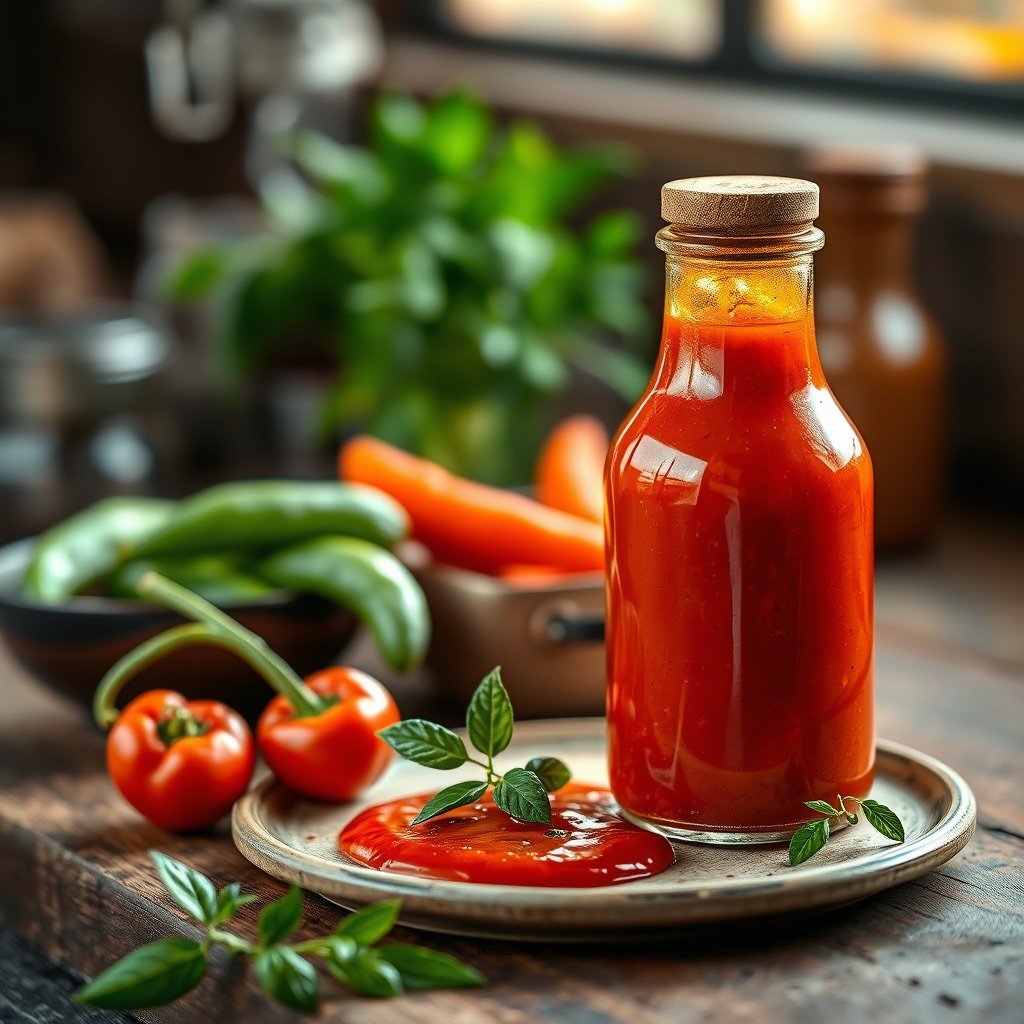
– Transfer to sterilized bottles or jars: Pour the blended sauce into clean, sterilized containers. This helps prevent any bacterial growth and extends the shelf life of your sauce.
– Refrigerate: Store the sauce in the refrigerator where it can last for several months. The flavors tend to intensify and meld over time, creating a richer taste.
Make sure to label your containers with the date of preparation so you can keep track of its freshness.
Heat Level of Popular Peppers Used in Sauces
Variations to Try
Once you’ve mastered the basic hot pepper sauce, the possibilities for variation are endless. Here are some ideas to inspire your creativity:
– Experiment with different types of peppers: Each pepper brings its own flavor and heat. Consider using ghost peppers for an extra kick or sweet peppers for a milder sauce.
– Add fruits: Incorporating fruits such as mango, pineapple, or peaches can create a sweet-and-spicy sauce that pairs well with grilled meats and seafood.
– Infuse herbs: Adding fresh herbs like cilantro or basil can provide a refreshing twist to your sauce, enhancing its complexity and aroma.
These variations allow you to tailor your hot pepper sauce to complement a wide array of dishes.
Serving Suggestions
Your homemade hot pepper sauce is versatile and can elevate various dishes. Here are some serving suggestions:
– Condiment: Use the sauce as a condiment for tacos, burritos, or grilled meats to add a delicious kick.
– Pizza topping: Drizzle it over pizza or mix it into marinades for a spicy touch.
– Dipping sauce: Pair the sauce with appetizers like chicken wings or shrimp for a flavorful dip.
Feel free to get creative; the spicy goodness of your hot pepper sauce can enhance numerous culinary experiences.
Your homemade hot pepper sauce is now ready to elevate your culinary creations! This versatile recipe not only allows you to customize the heat level but also offers a fresh alternative to store-bought sauces. Share your creations and enjoy the spicy goodness with friends and family.
Frequently Asked Questions
What are the basic ingredients for a hot pepper sauce recipe?
A traditional hot pepper sauce recipe typically includes fresh hot peppers, vinegar, salt, and garlic. You can customize your sauce by adding ingredients like fruits, spices, or herbs to enhance the flavor profile. Using quality ingredients is key to achieving a delicious homemade hot pepper sauce.
How do I make a hot pepper sauce that isn’t too spicy?
To create a milder hot pepper sauce, start with peppers that have a lower Scoville rating, such as poblano or Anaheim peppers. You can also balance the heat by adding more vinegar and sugar, which will help to tone down the spiciness while still providing flavor. Experimenting with different ratios will help you achieve the perfect balance.
Why is vinegar important in a hot pepper sauce recipe?
Vinegar acts as a preservative in hot pepper sauce, extending its shelf life while also contributing acidity that enhances the overall flavor. The tanginess of vinegar helps to cut through the heat of the peppers, making the sauce more palatable. Additionally, it aids in the fermentation process if you choose to ferment your sauce for added depth.
What is the best way to store homemade hot pepper sauce?
The best way to store homemade hot pepper sauce is in a clean, airtight glass jar or bottle, kept in the refrigerator. This will help maintain its flavor and freshness for several months. If properly sealed and stored, some hot pepper sauces can even improve in flavor over time as the ingredients meld together.
Which peppers are best for making a hot pepper sauce?
The best peppers for making a hot pepper sauce depend on your desired level of heat and flavor. Popular choices include habaneros for a fiery kick, jalapeños for moderate heat, and serranos for a balanced flavor. Consider combining different types of peppers to create a unique sauce that suits your taste preferences.
References
- Hot sauce
https://en.wikipedia.org/wiki/Hot_sauce - https://www.ncbi.nlm.nih.gov/pmc/articles/PMC7070000/
https://www.ncbi.nlm.nih.gov/pmc/articles/PMC7070000/ - https://www.ncbi.nlm.nih.gov/pmc/articles/PMC6073751/
https://www.ncbi.nlm.nih.gov/pmc/articles/PMC6073751/ - https://www.sciencedirect.com/science/article/pii/S2212670817300069
https://www.sciencedirect.com/science/article/pii/S2212670817300069 - https://www.ncbi.nlm.nih.gov/pmc/articles/PMC5871255/
https://www.ncbi.nlm.nih.gov/pmc/articles/PMC5871255/ - https://www.cdc.gov/foodsafety/communication/hotsauce.html
https://www.cdc.gov/foodsafety/communication/hotsauce.html - https://www.health.harvard.edu/staying-healthy/the-health-benefits-of-hot-peppers
https://www.health.harvard.edu/staying-healthy/the-health-benefits-of-hot-peppers - Google Scholar Google Scholar
https://scholar.google.com/scholar?q=hot+pepper+sauce+recipe - Google Scholar Google Scholar
https://scholar.google.com/scholar?q=hot+sauce+recipe - Google Scholar Google Scholar
https://scholar.google.com/scholar?q=hot+pepper+sauce+health+benefits