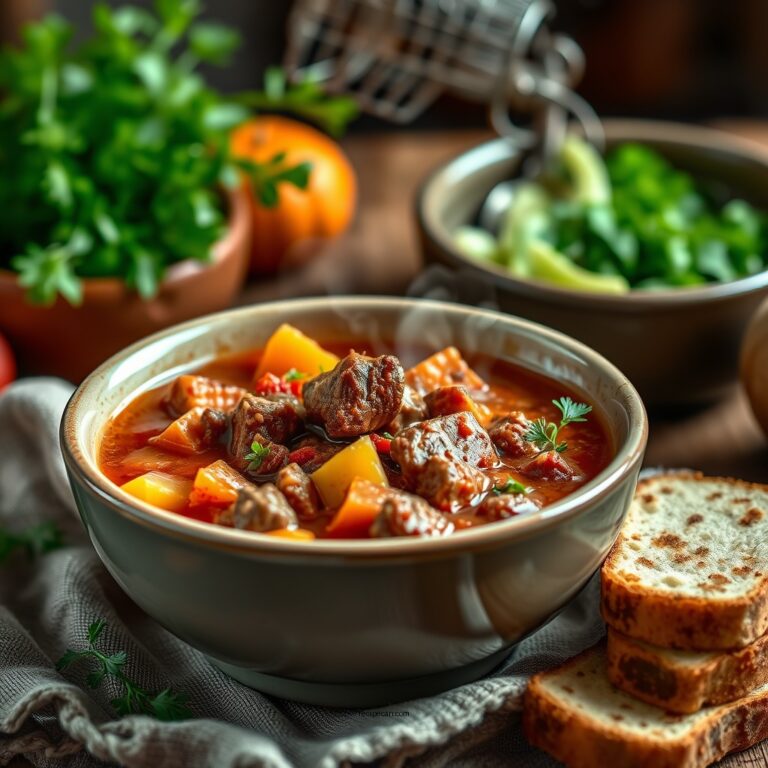
Whether you’re managing diabetes or simply looking for nutritious meal options, diabetic vegetable soup recipes are a fantastic choice. These soups are not only low in carbohydrates but also packed with vitamins and minerals that support overall health. In this article, you’ll discover a variety of tasty recipes that are easy to prepare, ensuring you have delicious meals ready to enjoy.
Benefits of Vegetable Soups for Diabetics

Vegetable soups offer a multitude of benefits for individuals managing diabetes. Firstly, they are low in calories and carbohydrates, making them ideal for blood sugar management. This is particularly important as maintaining stable blood sugar levels is crucial for diabetes control. Secondly, these soups are packed with fiber, which aids digestion and helps you feel full longer. This can prevent overeating and assist in weight management, both of which are vital for diabetic health. Finally, vegetable soups are incredibly versatile and customizable to suit individual tastes and dietary needs. You can easily modify the ingredients to incorporate seasonal vegetables or personal preferences, ensuring you never tire of the same flavor profiles.
Key Ingredients for Diabetic Vegetable Soups
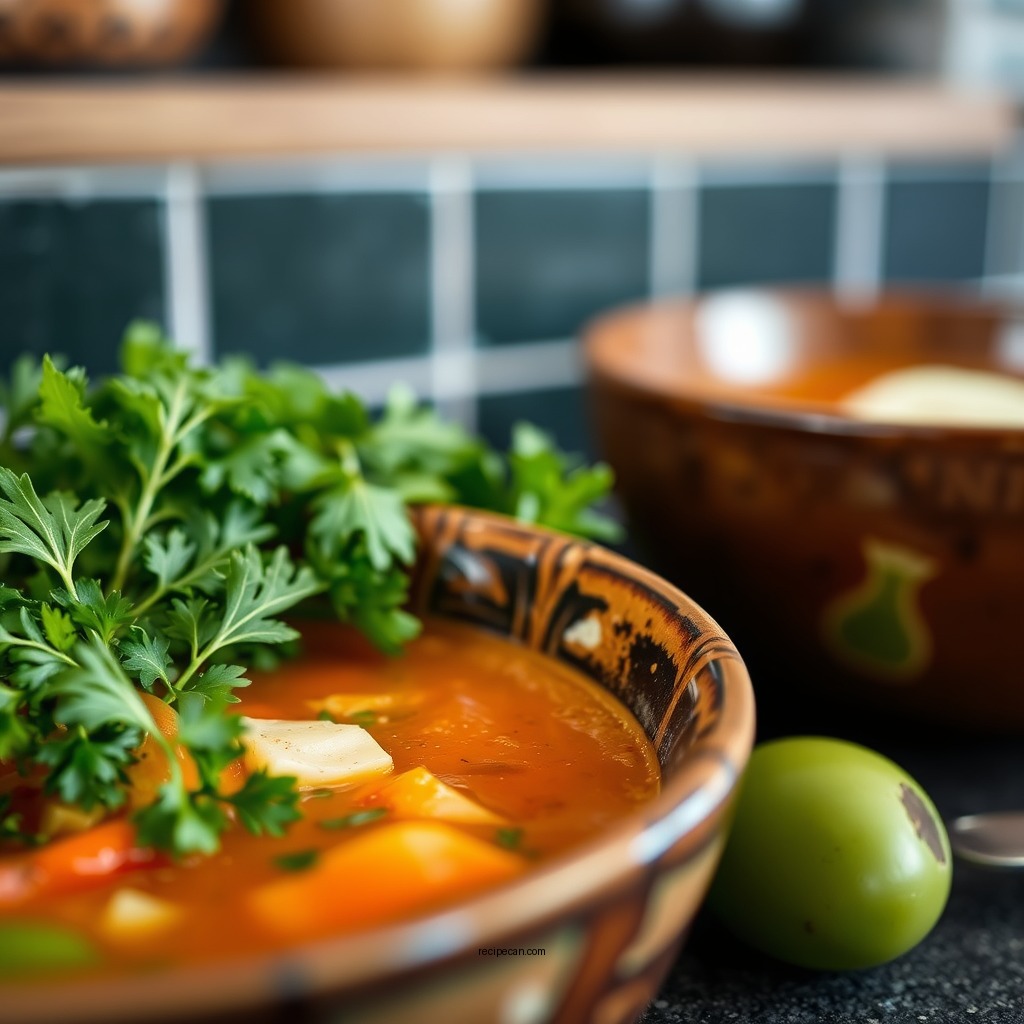
Creating a diabetic-friendly vegetable soup requires careful selection of ingredients to maximize health benefits while minimizing sugars and carbohydrates. Here are some key components to consider:
– Non-starchy vegetables: Vegetables such as spinach, zucchini, bell peppers, and broccoli are low in sugars and rich in nutrients. They provide essential vitamins and minerals without spiking blood glucose levels.
– Healthy fats: Incorporating healthy fats from sources like olive oil or avocado can enhance flavor and provide necessary nutrients. These fats are beneficial for heart health, which is particularly important for those with diabetes.
– Lean proteins: Adding lean proteins such as chicken, turkey, or beans creates a balanced meal that helps maintain satiety. Beans, in particular, are high in fiber and protein, making them an excellent choice for blood sugar control.
Simple Diabetic Vegetable Soup Recipes

Here are three delicious and easy diabetic vegetable soup recipes that you can try at home:
– Classic Vegetable Soup: This is a timeless recipe that blends your favorite vegetables, such as carrots, celery, and tomatoes, simmered in low-sodium vegetable broth. Season with herbs like basil and thyme to elevate the flavor without adding salt.
– Creamy Cauliflower Soup: Blend steamed cauliflower with vegetable broth, garlic, and a splash of almond milk for a creamy texture without the carbs. This soup is rich in vitamins and can be garnished with fresh chives or a sprinkle of nutmeg for added flavor.
– Spicy Lentil Soup: Combine lentils with diced tomatoes, carrots, and spices like cumin and chili powder for a hearty, flavorful dish. Lentils provide a great source of protein and fiber, making this soup filling and nutritious.
Top 7 Vegetables for Diabetic Soups (Nutritional Value per 100g)
| # | Vegetable | Calories | Carbs (g) | Fiber (g) |
|---|---|---|---|---|
| 1 | Spinach | 23 | 3.6 | 2.2 |
| 2 | Zucchini | 17 | 3.1 | 1.0 |
| 3 | Bell Pepper | 20 | 4.7 | 1.5 |
| 4 | Broccoli | 34 | 6.6 | 2.6 |
| 5 | Cauliflower | 25 | 4.97 | 2.0 |
| 6 | Carrots | 41 | 9.6 | 2.8 |
| 7 | Tomatoes | 18 | 3.9 | 1.2 |
Tips for Making Diabetic-Friendly Soups
When making diabetic-friendly soups, a few tips can help ensure that your meals remain healthy and delicious:
– Opt for homemade stock: Using homemade stock or low-sodium options allows you to control sodium intake, which is particularly important for those managing blood pressure alongside diabetes.
– Use herbs and spices: Instead of relying on salt for flavor, experiment with herbs and spices such as garlic, rosemary, and cumin. This not only enhances the taste but also adds additional health benefits.
– Batch cooking: Prepare large batches of soup and freeze portions. This ensures you have healthy meals readily available, making it easier to stick to your dietary goals.
Serving Suggestions for Diabetic Soups
To create a complete meal, consider these serving suggestions for your diabetic vegetable soups:
– Whole-grain accompaniments: Pair your soup with whole-grain bread or a side salad to enhance fiber content and create a more balanced meal.
– Add protein: A dollop of Greek yogurt can add creaminess while providing additional protein, which helps with satiety.
– Fresh garnishes: Garnishing with fresh herbs not only improves presentation but also adds flavor. Consider parsley, cilantro, or basil for a fresh touch.
Nutritional Benefits of Key Ingredients in Diabetic Soups
Storage and Reheating Tips
To ensure your soups maintain their flavor and nutritional integrity, follow these storage and reheating tips:
– Proper storage: Store soups in airtight containers in the fridge for up to 4 days. If you plan to keep them longer, freezing is an excellent option.
– Freezing: When freezing, allow the soup to cool completely before transferring to freezer-safe containers. Portioning them out makes for convenient meals later.
– Reheating: For best results, reheat soups on the stove over medium heat. This helps maintain texture and flavor. Microwaving can lead to uneven heating and may alter the soup’s consistency.
Incorporating diabetic vegetable soups into your diet can offer numerous health benefits, from better blood sugar management to increased nutrient intake. These soups are not only delicious but also provide a satisfying way to nourish your body. We encourage you to try out the recipes shared and experiment with your own variations. Share your favorite soup creations in the comments below, and let’s continue to explore healthy eating together!
Frequently Asked Questions
What are some healthy vegetable soup recipes suitable for diabetics?
Healthy vegetable soup recipes for diabetics often include low-sodium broth, a variety of non-starchy vegetables like spinach, zucchini, and carrots, and lean proteins such as chicken or beans. A simple recipe could be a tomato and spinach soup, seasoned with herbs like basil and oregano, making it both flavorful and diabetic-friendly.
How can I make a diabetic-friendly vegetable soup without using salt?
To make a diabetic-friendly vegetable soup without salt, you can enhance the flavor by using herbs and spices such as garlic, onion powder, cumin, and black pepper. Additionally, incorporating fresh herbs like parsley or cilantro can add depth and aroma, while using low-sodium vegetable broth helps maintain flavor without the added sodium.
Why is vegetable soup a good choice for people with diabetes?
Vegetable soup is an excellent choice for people with diabetes because it is low in calories and carbohydrates while being high in fiber and nutrients. The high fiber content helps regulate blood sugar levels, making it a filling option that can aid in weight management and overall health.
What are the best vegetables to include in a diabetic soup?
The best vegetables to include in a diabetic soup are non-starchy options such as leafy greens (spinach, kale), cruciferous vegetables (broccoli, cauliflower), and colorful vegetables (bell peppers, carrots). These vegetables are low in carbohydrates and rich in vitamins, minerals, and antioxidants, providing a nutritious base for any diabetic soup.
Which cooking methods are best for preparing diabetic vegetable soup?
The best cooking methods for preparing diabetic vegetable soup include simmering and steaming, as these techniques help retain the nutrients in the vegetables. Using a slow cooker can also enhance flavor while allowing for a variety of ingredients to meld together, making it convenient for those managing diabetes.
References
- https://www.mayoclinic.org/healthy-lifestyle/nutrition-and-healthy-eating/in-depth/diabetes-diet/art-20044226
https://www.mayoclinic.org/healthy-lifestyle/nutrition-and-healthy-eating/in-depth/diabetes-diet/art-20044226 - https://www.ncbi.nlm.nih.gov/pmc/articles/PMC6117750/
https://www.ncbi.nlm.nih.gov/pmc/articles/PMC6117750/ - https://www.healthline.com/nutrition/diabetic-soup-recipes
https://www.healthline.com/nutrition/diabetic-soup-recipes - https://www.cdc.gov/diabetes/basics/food.html
https://www.cdc.gov/diabetes/basics/food.html - Diabetes
https://www.who.int/news-room/fact-sheets/detail/diabetes - https://www.nutrition.gov/recipes/vegetable-soup-diabetic-friendly
https://www.nutrition.gov/recipes/vegetable-soup-diabetic-friendly - Google Scholar Google Scholar
https://scholar.google.com/scholar?q=diabetic+vegetable+soup+recipes - Google Scholar Google Scholar
https://scholar.google.com/scholar?q=diabetes+diet+vegetable+soup - Google Scholar Google Scholar
https://scholar.google.com/scholar?q=health+benefits+vegetable+soup+diabetes - https://www.health.harvard.edu/staying-healthy/a-diabetes-friendly-diet
https://www.health.harvard.edu/staying-healthy/a-diabetes-friendly-diet