Indulging in a delicious custard and cream dessert is easier than you think. This article will guide you through a simple yet exquisite recipe that combines rich custard with smooth cream, perfect for any occasion. You’ll learn how to make the custard from scratch, whip up the cream, and explore serving suggestions that will impress your guests.
Understanding Custard
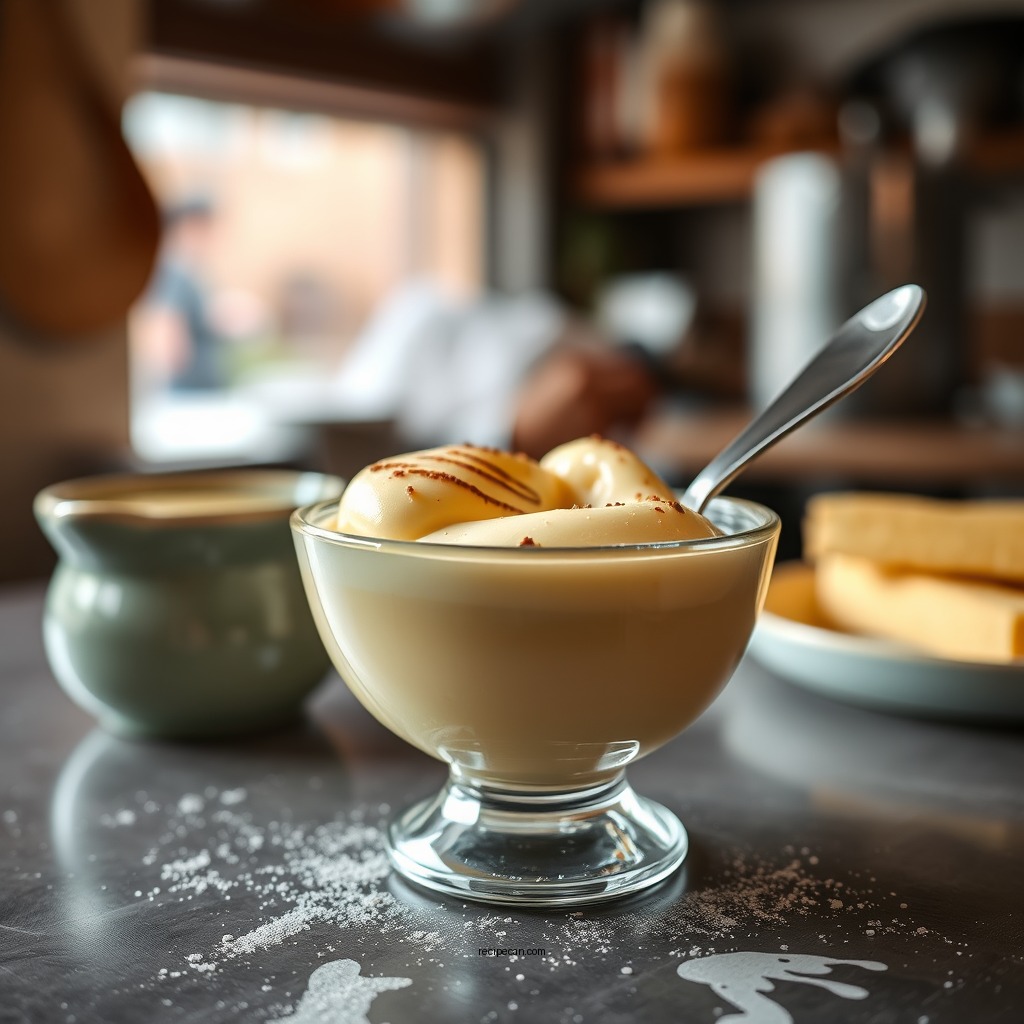
Custard is a classic dessert base that consists primarily of milk or cream thickened with eggs, resulting in a luxurious, creamy texture. The versatility of custard makes it a staple in many culinary traditions around the world. There are two main types of custard: stirred custard and baked custard. Stirred custard, like crème anglaise, is typically cooked on the stovetop and is often used as a sauce or base for other desserts. Baked custard, on the other hand, is thickened in the oven and can be served as a standalone dish, such as flan or crème brûlée. Both varieties offer unique flavors and textures, making custard a delightful choice for dessert enthusiasts.
Ingredients You’ll Need
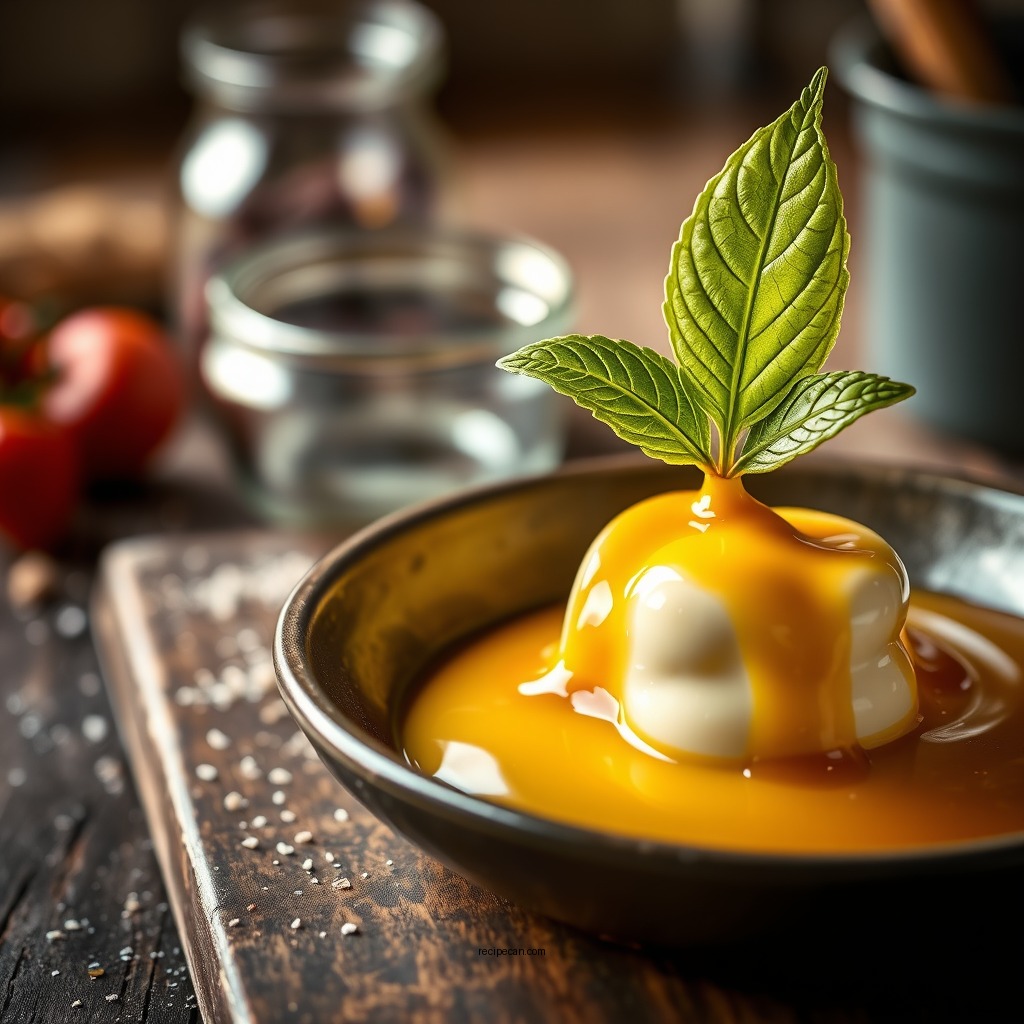
To create a perfect custard and cream, you will need the following fresh ingredients:
– Eggs: Provide structure and richness.
– Milk: Offers a creamy base; whole milk is recommended for the best flavor.
– Heavy Cream: Adds richness and a smooth texture to the final product.
– Sugar: Sweetens the custard; adjust based on your taste.
– Vanilla Extract: Enhances the flavor profile.
Optional flavorings can take your custard to the next level. Consider adding chocolate for a decadent twist, fruit purees for a refreshing note, or spices like cinnamon or nutmeg to introduce warmth and depth.
Step-by-Step Custard Preparation
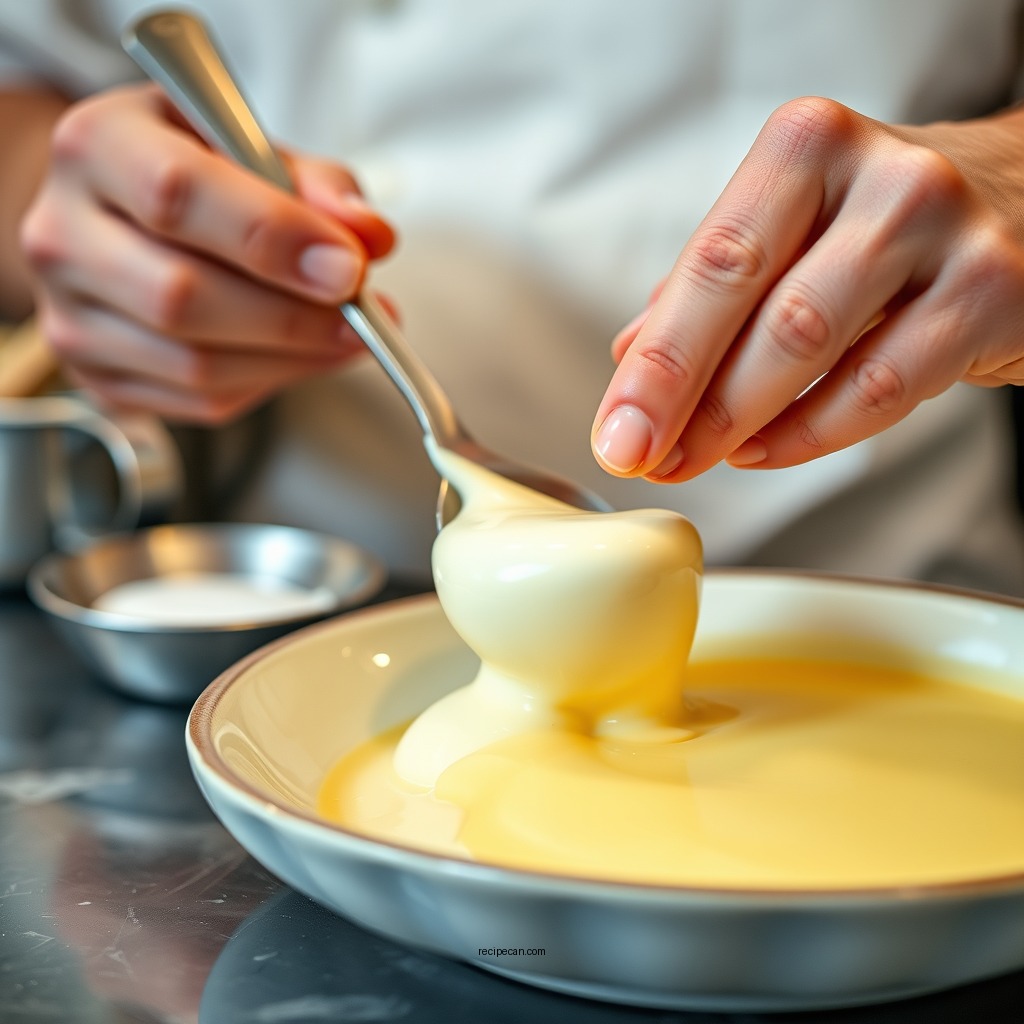
Creating custard from scratch is straightforward, and following these steps will ensure a perfect result:
1. Heat the Milk and Sugar: Begin by pouring the milk and sugar into a saucepan. Heat over medium heat, stirring occasionally, until the mixture is warm but not boiling. This step helps dissolve the sugar and infuses the milk with sweetness.
2. Whisk the Eggs: In a separate bowl, whisk together the eggs until they are fully blended and slightly frothy. This aeration will contribute to the custard’s texture.
3. Combine Gradually: Gradually pour the warm milk mixture into the eggs while whisking continuously. This technique, known as tempering, prevents the eggs from scrambling. Once combined, return the mixture to the saucepan.
4. Cook the Custard: Continue cooking over low to medium heat, stirring constantly, until the custard thickens enough to coat the back of a spoon. This usually takes about 5 to 10 minutes. Ensure that the mixture does not boil, as this can curdle the eggs.
5. Strain and Cool: Once thickened, strain the custard through a fine sieve to remove any lumps or cooked egg bits. Allow it to cool before using it in your dessert.
Whipping the Cream
Whipped cream is an essential component that adds lightness and volume to your custard dessert. Follow these steps for perfect whipped cream:
1. Chill Your Equipment: Start with chilled heavy cream and a cold mixing bowl. This step is crucial as it helps the cream whip up faster and increases volume.
2. Whip the Cream: Using an electric mixer, beat the cream on medium speed until soft peaks form. This means that when you lift the beaters, the cream should hold its shape but still be smooth and velvety.
3. Add Flavor: Once soft peaks are achieved, add sugar and vanilla extract to taste. Continue whipping until stiff peaks form, meaning the cream holds its shape firmly without drooping.
Combining Custard and Cream
The final step to creating your luscious dessert is combining the custard and whipped cream:
1. Fold Gently: Using a spatula, gently fold the whipped cream into the cooled custard. It’s essential to do this carefully to maintain the airy texture of the whipped cream.
2. Taste and Adjust: Before serving, taste the mixture and adjust the sweetness if necessary. You can also add additional flavorings at this stage.
Creative Serving Suggestions
There are countless ways to serve custard and cream. Here are some creative ideas:
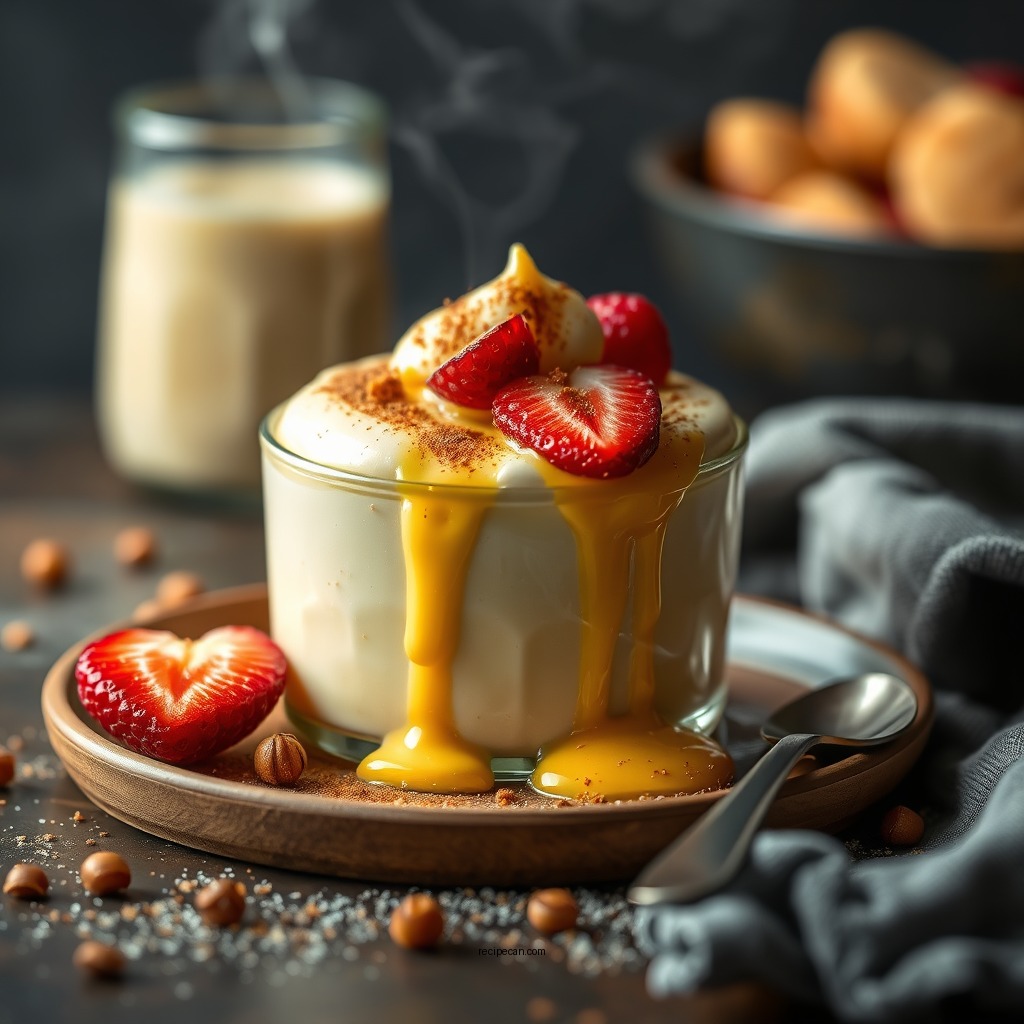
– Individual Servings: Serve in small cups or bowls, topped with fresh fruits such as berries, a drizzle of chocolate sauce, or a dusting of cocoa powder.
– Layered Desserts: Use the custard and cream as layers in trifles, alternating with ladyfingers or sponge cake for a beautiful presentation.
– Pastry Filling: Use the mixture as a filling for pastries, such as éclairs or cream puffs, for a delightful treat.
– Standalone Dessert: Enjoy it on its own, chilled or at room temperature, garnished with a mint leaf or a sprinkle of nuts for added texture.
Storage Tips
To enjoy your custard and cream after the initial serving, follow these storage tips:
– Refrigerate: Store any leftover custard and cream in airtight containers in the refrigerator to maintain freshness.
– Consume Quickly: For optimal flavor and texture, consume within 2-3 days. The custard may begin to separate if stored for too long.
Top 7 Custard Dessert Variations
| # | Dessert | Main Flavor | Preparation Method | Popularity (%) |
|---|---|---|---|---|
| 1 | Crème Brûlée | Vanilla | Baked | 85% |
| 2 | Panna Cotta | Cream | Chilled | 78% |
| 3 | Flan | Caramel | Baked | 72% |
| 4 | Crème Anglaise | Vanilla | Stirred | 68% |
| 5 | Custard Pie | Eggnog | Baked | 65% |
| 6 | Bread Pudding | Cinnamon | Baked | 60% |
| 7 | Chocolate Custard | Chocolate | Stirred | 55% |
Popularity of Custard Variations
Enjoy your homemade custard and cream as a delightful treat that’s sure to impress! This delicious recipe is not only simple but also versatile, allowing you to experiment with flavors and presentations. Don’t hesitate to share your creations or ask questions in the comments below!
Frequently Asked Questions
What are the key ingredients for a basic custard and cream recipe?
A basic custard and cream recipe typically requires eggs, milk or cream, sugar, and vanilla extract. For a richer flavor, you can use heavy cream instead of milk, and adding a pinch of salt enhances the overall taste. These ingredients work together to create a smooth and creamy texture that is essential for delicious custard.
How do I prevent my custard from curdling while cooking?
To prevent custard from curdling, it’s crucial to cook it slowly over low heat, stirring constantly. Additionally, tempering the eggs by gradually adding a small amount of hot milk to them before combining with the rest of the mixture helps maintain a smooth consistency. Using a double boiler can also provide gentle heat, reducing the risk of curdling.
Why is my custard not thickening, and how can I fix it?
If your custard is not thickening, it may be due to insufficient cooking time or the temperature being too low. To fix this, return the custard to the heat and cook it a bit longer while continuously stirring until it reaches the desired thickness. Adding a cornstarch slurry can also help thicken the custard more quickly if needed.
What is the best method to serve custard and cream?
The best method to serve custard and cream is to chill it in the refrigerator until it’s fully set, then spoon it into individual serving dishes. You can garnish with fresh fruits, chocolate shavings, or a sprinkle of nutmeg for added flavor and presentation. Serving it alongside pastries or as a filling for desserts can elevate the overall enjoyment of the dish.
Which types of desserts pair well with custard and cream?
Custard and cream pair beautifully with a variety of desserts, including pies, tarts, and cakes. Classic options include fruit tarts, chocolate éclairs, and bread pudding. Additionally, serving custard as a sauce over desserts like brownies or sponge cake enhances their richness and adds a creamy texture that complements the flavors.
References
- Custard
https://en.wikipedia.org/wiki/Custard - https://www.bbc.co.uk/food/recipes/custard_81822
https://www.bbc.co.uk/food/recipes/custard_81822 - https://www.bbc.co.uk/food/recipes/cream_90042
https://www.bbc.co.uk/food/recipes/cream_90042 - Google Scholar Google Scholar
https://scholar.google.com/scholar?q=custard+and+cream+recipe - Google Scholar Google Scholar
https://scholar.google.com/scholar?q=custard+recipes - Google Scholar Google Scholar
https://scholar.google.com/scholar?q=cream+recipes - https://www.sciencedirect.com/topics/food-science/custard
https://www.sciencedirect.com/topics/food-science/custard - https://www.jstor.org/stable/10.5325/jfoodscience.66.8.1150
https://www.jstor.org/stable/10.5325/jfoodscience.66.8.1150 - NYT Cooking – Recipes and Cooking Guides From The New York Times
https://www.nytimes.com/recipes/12165/custard - Custard | Definition, Ingredients, & Preparation | Britannica
https://www.britannica.com/topic/custard