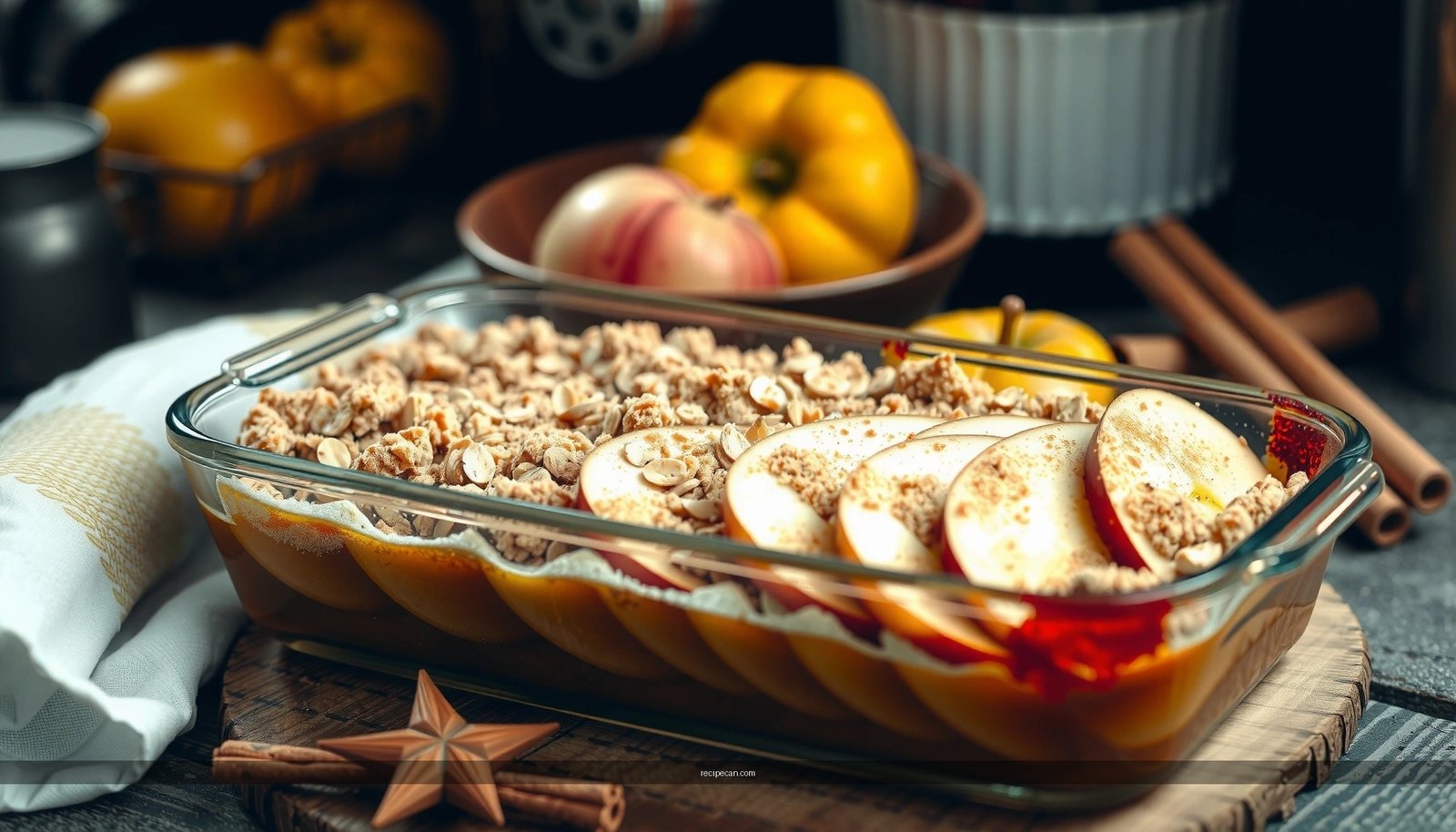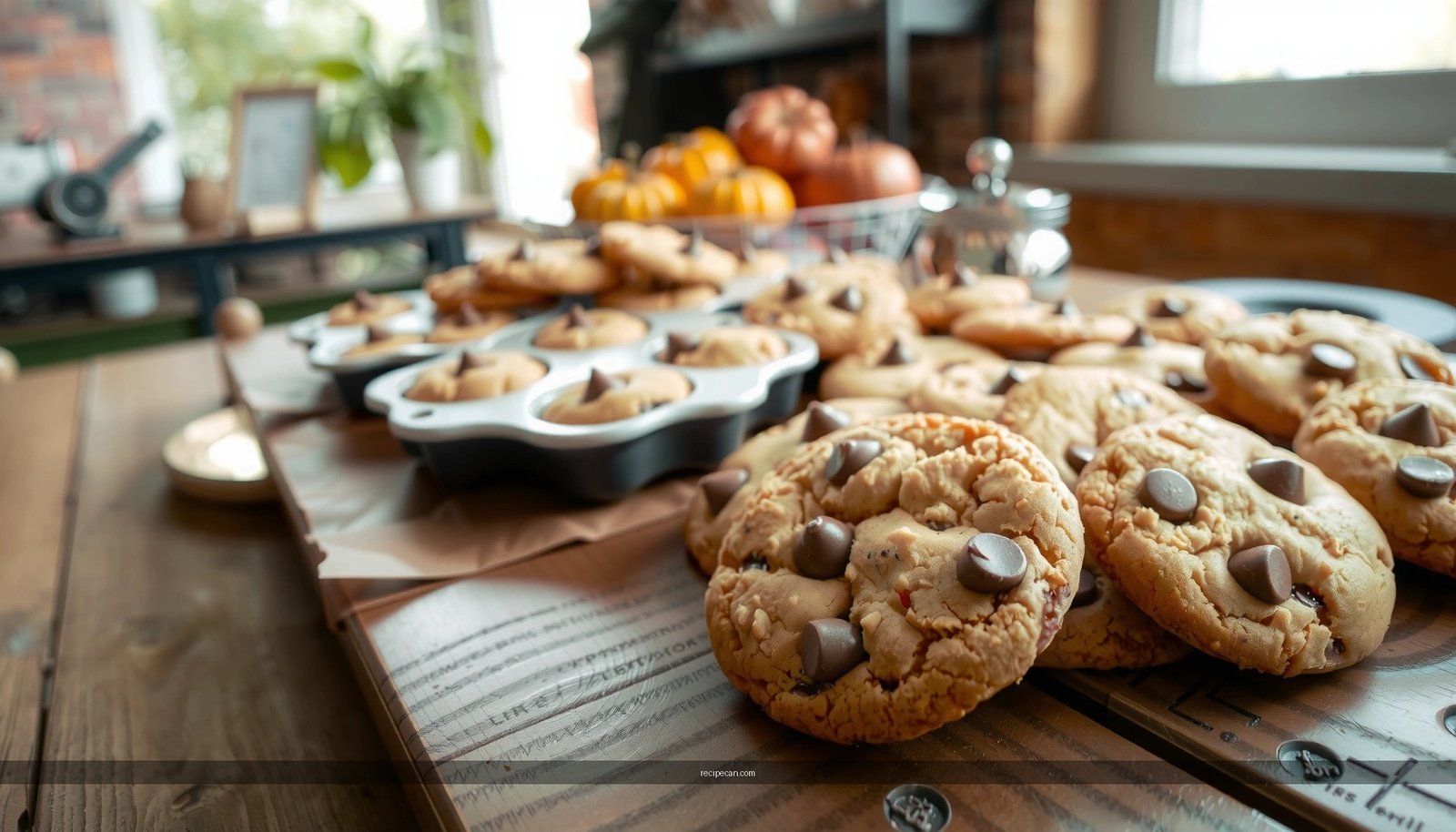
Looking for a crumble cookie recipe you can make at home with reliable results? This easy step-by-step guide shows you the fastest way to bake homemade crumble cookies—right down to the crumbly topping and the perfect texture. If you want crisp edges, a tender center, and a cookie that tastes like bakery-style without the fuss, this is the version to follow.
This crumble cookie recipe delivers tender, buttery cookies topped with a crisp, crunchy crumble—if you control two variables: crumble texture (coarse crumbs, not paste) and bake time (golden edges, slightly underdone centers). The steps below walk you through the exact mixing, chilling, assembling, and doneness cues you need for reliable homemade crumble cookies every time.
What You’ll Need for Crumble Cookies
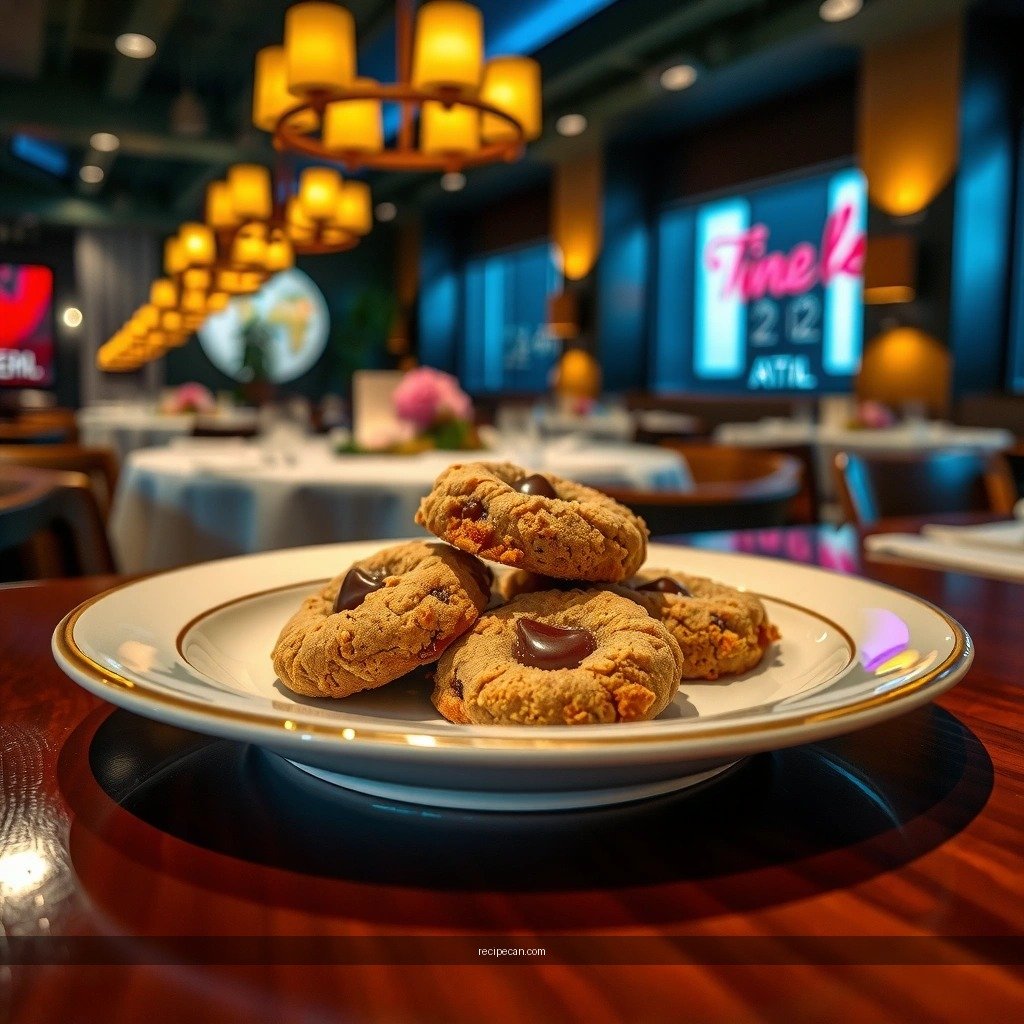
A great crumble cookie starts with balanced components: a soft cookie base that bakes up tender, plus a topping that turns crisp without burning. Below is a practical ingredient list covering the core cookie dough, the crumb topping, and optional add-ins for variety.
Core ingredients for the cookie dough (typical batch: ~12–16 cookies)
– Unsalted butter (softened): Provides flavor and helps the cookie spread properly.
– Granulated sugar (and often brown sugar): Improves tenderness and supports a deeper caramel note.
– Eggs: Binds the dough and adds structure.
– Vanilla extract: Rounds out the flavor profile.
– All-purpose flour: Forms the dough base (accuracy matters—too much flour yields dry cookies).
– Leavening: Baking soda or baking powder (choose one type and use it consistently).
– Salt: Enhances sweetness and prevents the dough from tasting flat.
Ingredients for the crumble topping
– Unsalted butter (cold or softened depending on method): When mixed with flour, it creates crumbly clusters.
– All-purpose flour: Gives the crumble body so it doesn’t melt into a glaze.
– Granulated sugar (and/or brown sugar): Drives crunch and browning.
– Optional spices: Cinnamon or nutmeg for a warm, bakery-style profile.
– Optional pinch of salt: Makes flavors pop, especially with chocolate or browned butter.
Optional add-ins
– Chocolate chips (semi-sweet or dark): Adds melty pockets and a slightly richer contrast to the crumble.
– Chopped nuts (walnuts or pecans): Offers crunch beyond the topping.
– Shredded coconut (lightly toasted if desired): Adds texture and a “bakery” vibe.
– Toffee bits: Provides caramel crunch that pairs well with the buttery crumble.
> Pro note: If you use salty add-ins (like salted nuts or salted caramel pieces), reduce the cookie dough salt slightly to avoid over-salting.
Crumble Topping Texture Targets (Bakery-Style Results)
| # | Topping Goal | Butter Level | Sugar Level | Expected Outcome |
|---|---|---|---|---|
| 1 | Coarse crumble clusters | 1:2 (butter:flour by weight) | Medium | Crunchy topping without pooling |
| 2 | Maximum crispness | Low | High | Fast browning and sharp edges |
| 3 | Larger “streusel” clumps | Medium-high | Medium | Bakery look; crisp bites in every cluster |
| 4 | Slightly softer topping | High | Low-medium | More tenderness; less “snap” after baking |
| 5 | Prevent topping from melting | Correct (not excessive) | Correct | Chill helps hold shape during bake |
| 6 | Avoid under-browning | Medium | Medium-high | More caramelization for a golden top |
| 7 | Avoid burning the crumble | Medium | Medium | Too much sugar/butter can darken quickly |
Make the Crumble Topping
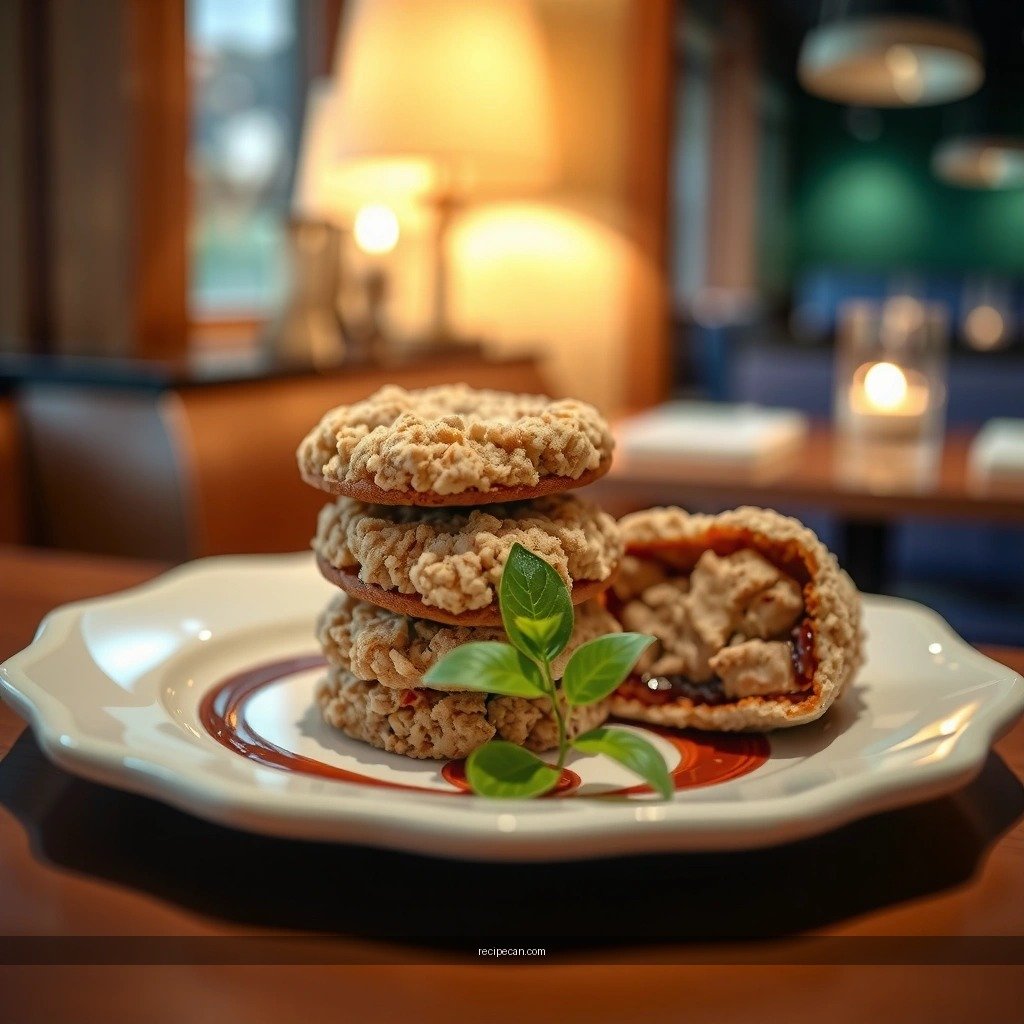
The crumb topping is what transforms a standard cookie into a true crumble cookie. The goal is coarse, irregular crumbs that can bake into crisp clusters rather than forming a smooth, oily layer.
1. Mix butter with flour and sugar until coarse crumbs form
– Start by combining cold butter with flour and sugar.
– Rub or stir until the mixture looks like wet sand with visible chunks.
– If it becomes paste-like, you likely added too much warmth or overworked the butter—chilling will help, but it’s easier to correct early.
2. Chill the crumble briefly to keep it from melting too fast
– Chill for 10–20 minutes.
– This firms up the fat, helping the crumble retain shape while the cookie dough finishes baking.
3. Adjust texture to match your preference
– More sugar (within reason) typically increases browning and crunch.
– More butter increases clumping and tenderness in the topping—but too much reduces crispness.
– If you like “extra-crunch” cookies, aim for coarser crumbs and a slightly sugar-forward topping.
Practical troubleshooting (common outcomes)
– Topping melted into a glossy layer: crumble wasn’t chilled enough or butter was too warm.
– Topping is too dry and falls off: add-ins or uneven pressure may be preventing adhesion—pressing firmly helps.
– Burnt crumble before cookie sets: bake time too long or oven too hot—use a thermometer if you can.
Prepare the Cookie Dough
Once the topping is ready, you’ll create the cookie base that stays tender under the crumble. The technique here is about light mixing and consistent hydration.
1. Cream butter and sugars until light and fluffy
– Creaming incorporates air, which contributes to a more tender interior.
– Mix until the mixture looks paler and slightly expanded, not just “combined.”
2. Mix in eggs and vanilla, then combine dry ingredients gently
– Add eggs one at a time.
– Scrape the bowl, then mix in vanilla.
– When adding flour and leavening, mix just until you no longer see dry streaks. Overmixing develops gluten and can make cookies tough.
3. Fold in add-ins (if using) without overmixing
– Chocolate chips and chopped nuts should be folded in by hand or on low speed.
– Keep the dough cohesive; you want chips distributed, not broken or overly mixed.
4. Optional: control spread
– If your kitchen is warm or your dough looks loose, chill the dough 20–30 minutes before baking.
– This helps homemade crumble cookies maintain defined edges and supports topping adhesion.
Assemble the Crumble Cookies
Assembly is where consistency becomes visible. Even crumble coverage leads to uniform baking and reliable crunch.
1. Scoop dough onto a baking tray with space between cookies
– Use a cookie scoop for consistent sizes.
– Leave enough room for spreading—typically 2 inches (5 cm) between dough mounds.
2. Press crumble topping onto each cookie for even coverage
– Flatten the dough mound slightly if needed, then apply topping.
– Press gently but firmly so crumbs adhere during the first minutes of baking.
3. Keep topping thickness consistent
– A thicker layer may need more bake time to crisp fully, while a thinner layer can burn faster.
– Aim for the same coverage across the tray for predictable results.
Bake-sheet technique that improves outcomes
– Use parchment paper to prevent sticking and promote even bottom browning.
– If you bake multiple batches, let the tray cool between runs to avoid accelerating spread.
Bake Time and Doneness Tips
Crumble cookies are a timing-sensitive bake: the topping must be golden and crisp while the cookie interior remains tender. Overbaking is the most common reason crumble cookies lose their soft center.
1. Bake until edges are set and centers look slightly underdone
– You want edges to appear firm and lightly browned.
– Centers should still look a touch soft (they finish setting as the cookies cool).
2. Cool on the tray briefly, then move to a rack
– Let cookies rest on the tray for 5–10 minutes to stabilize.
– Transfer to a rack to stop additional cooking from residual heat, which keeps texture right.
3. Watch color: golden-brown crumble means peak crunch
– The crumble should be visibly browned, not pale beige.
– If you see the topping darkening rapidly, your oven may run hot—rotate the tray halfway through baking.
Quick doneness cues by texture
– Perfect: topping crisp, cookie edges set, center slightly soft.
– Too pale: crumble lacks crunch; cookies may taste “doughy.”
– Too dark: crisp but dry interior; topping may taste bitter.
Storage and Reheating for Fresh Crumble
Storage determines whether your cookies retain crunch or turn soft. Fortunately, crumble cookies can be revived with simple reheating.
1. Store airtight at room temperature for 2–3 days
– Use an airtight container to prevent moisture pickup.
– If your home is humid, consider refrigerating for longer freshness, though texture may firm up.
2. Freeze baked cookies or crumble topping
– Baked cookies: freeze once fully cooled, layered with parchment.
– Crumble topping: freeze in a sealed container, then thaw slightly before pressing onto dough.
3. Re-crisp in the oven or toaster oven
– For best results, reheat at 300°F / 150°C for 4–7 minutes until the topping regains crispness.
– Avoid long heating—chasing crunch too aggressively can dry the cookie interior.
Best method for “next day bakery feel”
If you’re reheating for maximum crispness, try this workflow:
– Bring cookies to cool room temperature first.
– Reheat briefly until the topping crackles.
– Let cool for 1 minute to re-set the crumb crunch.
Crisp crumble cookies start with the right topping texture and careful bake time. Use this recipe to create coarse crumbs, assemble evenly, and bake until golden for peak crunch. Make a batch now and tweak your favorite add-ins—then try reheating the next day for maximum freshness.
When you nail the crumble’s coarseness, chill briefly, and pull cookies when centers still look slightly underdone, you get the signature contrast every crumble cookie lover wants: a tender base, a buttery aroma, and a crunchy top that holds up from tray to snack.
Frequently Asked Questions
What’s the best crumble cookie recipe for soft centers and crispy edges?
Look for a crumble cookie recipe that balances butter for flavor with enough flour to set the cookie structure. Use a thicker scoop of dough and a generous layer of crumb topping so the edges crisp while the center stays soft. Bake until the edges are golden and the centers look slightly underdone, then let the cookies finish setting on the tray for the ideal texture.
How do you make a crumble topping for cookies that doesn’t melt away?
Combine flour, brown sugar, butter, and a pinch of salt to form clumps, then chill the crumb mixture before sprinkling. Use cold butter and cold crumb topping so it firms up and holds texture during baking. If your kitchen is warm, assemble the cookies and bake promptly, or chill assembled cookies briefly to prevent the crumble from spreading too much.
Why is my crumble cookie dough turning out too dry or crumbly?
Dry crumble cookie dough is usually caused by too much flour, not enough butter, or overmixing after adding dry ingredients. Weigh your flour (rather than scooping) and mix just until combined to keep the dough tender. If the dough feels dry, add 1–2 teaspoons of milk or melted butter at a time until it comes together.
Which baking temperature and time work best for a crumble cookie?
For most crumble cookie recipes, bake at about 350°F (175°C) to get evenly browned crumbs and a chewy-soft cookie center. Start checking at 9–11 minutes—cookies are done when the edges are golden and the middle still looks slightly soft. Let them cool on the baking sheet for 5 minutes before transferring, because the crumb topping continues to set as the cookies cool.
What’s the easiest way to store and reheat crumble cookies so they stay fresh?
Store crumble cookies in an airtight container at room temperature for up to 3–4 days, separating layers with parchment to prevent the crumb topping from absorbing moisture. For longer storage, freeze cookies in a sealed bag or container for up to 2–3 months. To reheat, warm in a 300°F (150°C) oven for 3–5 minutes to re-crisp the crumble while keeping the cookie center soft.