Want the Crumbl cornbread cookie recipe that tastes like the real deal? This copycat version nails the buttery cornbread flavor, tender crumb, and the sweet-salty finish you expect from Crumbl. Follow the steps for the right thickness, bake time, and topping so the cookies come out golden and soft every time.
Crumbl’s cornbread cookie is best recreated by balancing three things—cornmeal “cornbread” flavor, a soft, buttery dough, and precise bake-and-cool timing. If you follow the ingredient ratios and bake until the edges set while the center stays tender, you can achieve a copycat Crumbl-style texture at home with minimal guesswork.
This guide breaks down what makes the cookie taste “like cornbread” without turning into dry cornbread cake, explains the dough method that produces that signature softness, and shares practical adjustments (sweetness, warmth, and mix-ins) so you can tailor it to your own preferences.
Ingredients for Crumbl Cornbread Cookie
– Gather cornbread-style staples (cornmeal and cornbread notes) plus baking basics
– Include the sweet creamy components for the cookie’s signature taste
The key to a successful cornbread cookie copycat is understanding that you’re building two flavor tracks at once: cornbread flavor (from cornmeal and complementary ingredients) and dessert richness (from butter, sugars, and a creamy or vanilla-forward backbone).
Core cornbread-inspired ingredients
– Cornmeal (fine or medium grind): Provides the toasted corn aroma and grainy-but-tender texture. Fine cornmeal blends more smoothly and is closer to cookie “crumb,” while medium grind adds more chew and corn pops.
– Flour: Gives the cookie structure so it bakes up as a soft, sliceable cookie rather than crumbling like cornbread.
– Leavening (baking powder and/or baking soda): Supports lift; keep it moderate so the cookie remains dense-soft rather than cakey.
Buttery, “dessert-cookie” ingredients
– Unsalted butter (softened): The primary contributor to that creamy, Crumbl-like mouthfeel. Browned butter can work if you want extra depth, but softened butter is the safest starting point for consistency.
– Granulated sugar and brown sugar: Brown sugar adds caramel notes (which mirror cornbread’s warm sweetness), while granulated sugar supports spread and crisp edge formation.
– Egg(s): Binds the dough and helps maintain a tender interior.
– Vanilla extract: Makes the cookie taste more “baked and warm,” even before any optional cinnamon.
– Milk or buttermilk (optional): Buttermilk is especially effective in cornbread-adjacent desserts because its tang brightens sweetness and enhances flavor complexity.
Flavor enhancers that make it taste “cornbready”
– Cinnamon (optional): A small amount increases warmth without making the cookie taste like a cinnamon roll.
– Salt: Critical for balance. Without enough salt, the cornbread sweetness can read flat.
– Honey or maple syrup (optional): Works well if you want more cornbread sweetness; use sparingly so the cookie doesn’t become sticky or overly dark before fully baking.
What “copycat” means in practice
Crumbl is known for a soft center, lightly set edges, and a rich finish. That finish is largely the result of fat (butter), sugar type (brown sugar), and bake control (timing and doneness thresholds)—not just flavoring.
Below is a practical reference for choosing your cornmeal style and what it tends to do to texture—use it as a quick decision tool when tailoring your copycat cornbread cookie.
Cornmeal Choice Impact on Texture (Copycat Cornbread Cookie)
| # | Cornmeal type | Texture effect | Best for | Texture match rating |
|---|---|---|---|---|
| 1 | Fine yellow cornmeal | Softer crumb, less noticeable grit | Closest Crumbl-style “cookie crumb” | ★★★★☆ |
| 2 | Medium yellow cornmeal | Light chew, visible corn texture | More “corn pop” and bite | ★★★★☆ |
| 3 | Stone-ground coarse cornmeal | Grainier bite, denser interior | Hearty cornbread flavor | ★★★☆☆ |
| 4 | Cornmeal + 1–2 tsp flour blend | Softer bite, better spread | When coarse meal feels too rough | ★★★★☆ |
| 5 | Instant/quick cornmeal | Smoother dough, less rustic texture | Maximum softness target | ★★☆☆☆ |
| 6 | White cornmeal | Slightly milder, softer sweetness | If you prefer lighter corn flavor | ★★★☆☆ |
| 7 | Cornmeal soaked in milk (10 min) | More tenderness, reduced dryness | Fixes “too dry” batches | ★★★★☆ |
Step-by-Step Dough Instructions
– Cream butter and sugars, then mix in cornbread-inspired ingredients
– Fold in dry ingredients just until combined for a tender crumb
A copycat cornbread cookie is less about “mixing everything together” and more about controlling fat distribution and gluten development. Softer cookies come from mixing only until combined and stopping at the moment the dough looks uniform.
Step 1: Cream the base for structure and softness
1. Beat softened butter until smooth.
2. Add granulated sugar and brown sugar and cream until the mixture looks lighter and fluffy (usually 2–3 minutes).
3. Mix in egg and vanilla until glossy.
This stage matters: creaming traps air and creates a cookie that bakes up tender rather than dense.
Step 2: Add cornbread flavor ingredients
– Stir in cornmeal and any cornbread-adjacent components (for example, a small amount of honey/maple, or a splash of buttermilk if you’re using it).
– If your cornmeal is coarse, consider resting the dough (even 10–20 minutes) so the grains hydrate slightly.
Step 3: Combine dry ingredients without overmixing
– In a separate bowl, whisk together:
– flour
– baking powder (and/or baking soda)
– salt
– optional cinnamon
– Add dry ingredients to the wet ingredients and mix just until you no longer see dry flour.
Stop early. Even if the dough looks a bit shaggy, it will come together as you portion it. Overmixing increases gluten and can lead to a tougher crumb—one of the most common reasons homemade cornbread cookies miss the Crumbl softness.
Baking Tips for the Right Texture
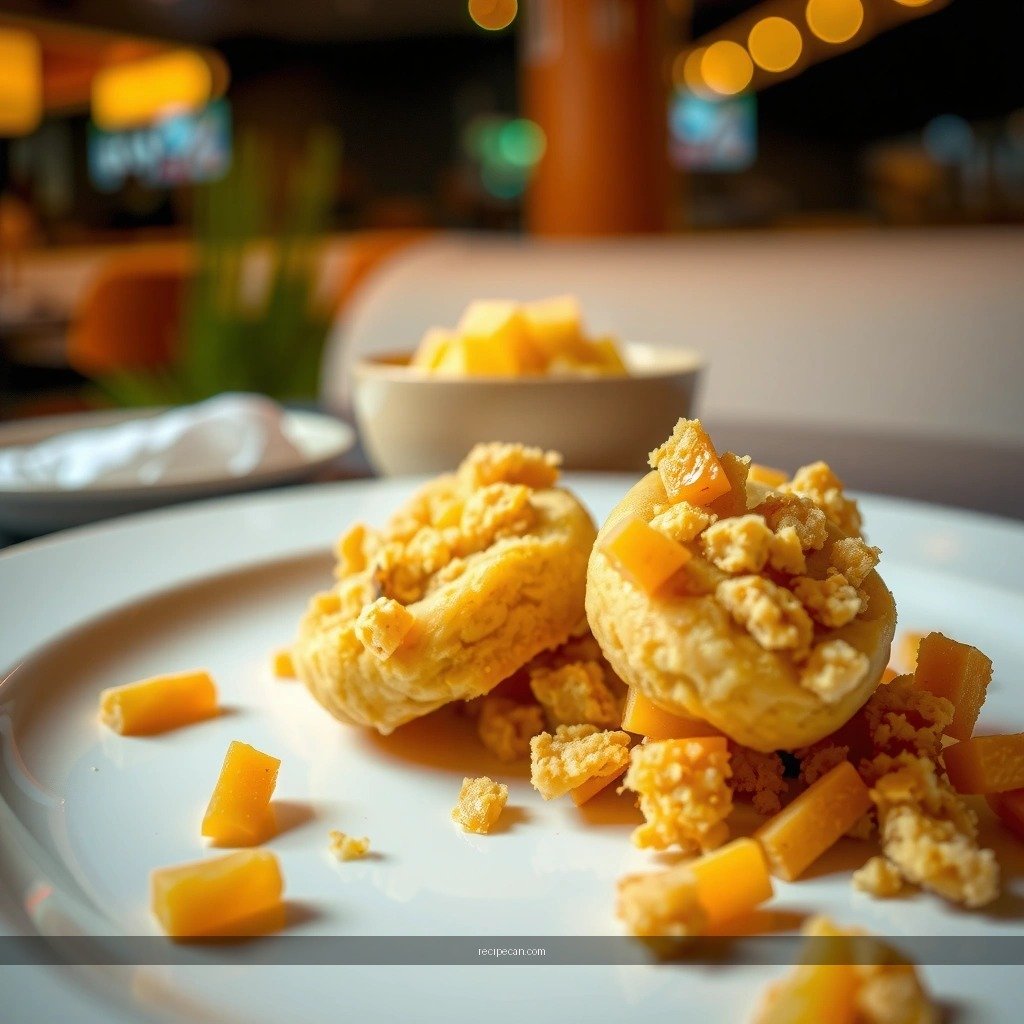
– Bake until set around the edges while keeping the center soft
– Cool properly so the cookie firms up without drying out
Texture is the whole game. Crumbl-style cookies are typically baked so the outside sets while the center remains tender, then the cookie finishes “setting” during cooling.
Doneness target (how it should look)
– Edges: lightly golden and set.
– Center: still slightly underdone or soft (not wet, but not fully firm).
– Top: should look set, with a mild sheen.
Because ovens vary, rely on visual cues more than time alone. Use time as a starting point, then adjust per your oven.
Bake temperature and timing guidance
– Use a preheated oven and place the tray in the center rack.
– If cookies brown too fast, lower the temperature slightly next batch (for example, by 10–15°F / 5–8°C) rather than pulling them too early.
Cooling is part of the recipe
– Cool on the baking sheet for a short window (commonly 5–10 minutes).
– Then transfer to a rack to finish cooling.
If you move them too soon, they can break. If you leave them too long, residual heat can overbake the center, shifting from soft to dry.
Flavor Boosters and Mix-In Options

– Add vanilla or a pinch of cinnamon for deeper warm flavor
– Try optional mix-ins (like sweet corn or subtle add-ins) for extra cornbread vibes
Once the base cornbread cookie is dialed in, enhancements should support—not overpower—the cornbread profile.
Warmth boosters (simple and effective)
– Vanilla: Even if you already include it, a small increase in vanilla extract can raise perceived sweetness and aroma.
– Cinnamon: Start with a pinch. Cornbread already has natural warmth; too much cinnamon can push the cookie into “pumpkin spice” territory.
Cornbread-vibe mix-ins (strategic additions)
– Sweet corn kernels (drained well): Adds bursts of corn sweetness and texture. Use sparingly so the dough doesn’t become watery.
– Toasted corn bits or crushed corn chips (optional): If you want a more savory-sweet cornbread angle, small amounts work well.
– Butter-toffee pieces or a touch of brown sugar swirl: Adds a rich caramel finish similar to what people associate with dessert-cookie topping styles.
Pro tip: Mix-ins should be dry and well-managed. Add too much wet ingredient and you’ll get uneven baking and spread.
Serving Ideas and Storage
– Serve warm or room temp with your favorite topping or drizzle
– Store airtight and reheat briefly to restore softness
Serving: how to maximize that “Crumbl moment”
– Warm (best): Softens the crumb and enhances buttery aroma.
– Room temp: Still tender if you baked correctly, but slightly more structured.
Topping ideas that suit cornbread flavor
– A light vanilla glaze or cream-cheese drizzle (tang + sweetness pairs naturally with corn notes).
– Honey drizzle for extra cornbread authenticity.
– A sprinkle of flaky salt to sharpen the sweet finish.
Storage that preserves texture
– Cool completely, then store in an airtight container.
– For best results, reheat in the microwave for 8–15 seconds—just enough to restore softness without making the cookie soggy.
If you bake a full batch and want them to stay fresh, avoid stacking while hot (steam accelerates drying).
Common Mistakes to Avoid
– Overmixing the dough can lead to a tougher cookie
– Baking too long will remove the soft, Crumbl-style center
Mistake 1: Overmixing the dough
When you overmix after adding flour, gluten tightens and the cookie loses the tender, cake-like softness you’re targeting. The fix is simple:
– Mix dry into wet until just combined.
– Use a gentle hand during final mixing.
Mistake 2: Baking too long
Even 1–3 extra minutes can shift the cookie from “soft center” to “fully set and dry.” Watch for:
– Edges set and lightly golden
– Center still soft when removed
Mistake 3: Skipping cooling control
Pulling cookies too late or cooling incorrectly changes internal doneness. Use:
– Short cooling on the tray
– Transfer to a rack soon after edges set
Mistake 4: Wrong cornmeal grind (or no adjustment)
Coarse cornmeal can make cookies feel gritty or dense. If you only have coarse meal, you can:
– Reduce cornmeal slightly (for example, use a small portion of flour instead), or
– Hydrate cornmeal by resting it briefly in the wet mix
Crumbl cornbread cookie is all about nailing that soft texture and warm cornbread flavor—using the right mix, bake time, and cooling steps. Follow the sections above to make a reliable copycat at home, then bake a batch and adjust sweetness or mix-ins to match your perfect version.
In short: choose cornmeal that won’t turn gritty, cream butter and sugars for a tender crumb, mix dry ingredients minimally, and bake until edges are set but the center remains soft. Do that, and your homemade cornbread cookie will deliver the same comforting, buttery finish that makes the Crumbl version so memorable.
Frequently Asked Questions
What makes the Crumbl cornbread cookie recipe taste like the original?
The signature flavor comes from combining cornmeal with a sweet cornbread-style base, then balancing it with butter, vanilla, and a touch of salt. Many versions also rely on a simple batter texture and proper baking time so the cookie stays soft while still tasting “bready.” If you’re aiming for a true Crumbl cornbread cookie, focus on accurate corn-to-butter ratio and don’t overbake.
How do I make a Crumbl-style cornbread cookie with the right cookie texture?
Start with creaming butter and sugar thoroughly to help the cookie hold a tender crumb. Use cornmeal in the dough (not just corn flavoring) and keep the dough slightly thick so it bakes up soft in the center. For best texture, chill the dough briefly if your kitchen is warm, and remove cookies when the edges look set but the centers still look slightly underdone.
Why does my cornbread cookie turn out dry or crumbly, and how can I fix it?
Dry cookies usually come from too much flour, overbaking, or using fine cornmeal incorrectly without enough fat or moisture. Measure flour by weight if possible, and bake only until the edges are lightly golden—carryover heat will finish the center. If your dough feels tight, add a small splash of milk or buttermilk to keep the Crumbl cornbread cookie soft.
What’s the best frosting or topping to pair with a Crumbl cornbread cookie recipe?
A classic pairing is a sweet, creamy topping like cream cheese frosting or a vanilla glaze that complements the warm corn flavor. Choose a frosting that isn’t too stiff so it spreads easily and adds moisture—this helps the cookie taste more like a dessert. To match the “cornbread” vibe, consider adding a hint of honey or a touch of cinnamon in the frosting, but keep it subtle.
Which cornmeal should I use for the best Crumbl cornbread cookie results?
For the most authentic “cornbread cookie” bite, use regular yellow cornmeal (medium grind) rather than ultra-fine flour-like cornmeal. Medium grind gives texture similar to cornbread while still baking evenly. If you only have fine cornmeal, expect a smoother dough—add a little extra moisture or slightly reduce bake time to prevent dryness.