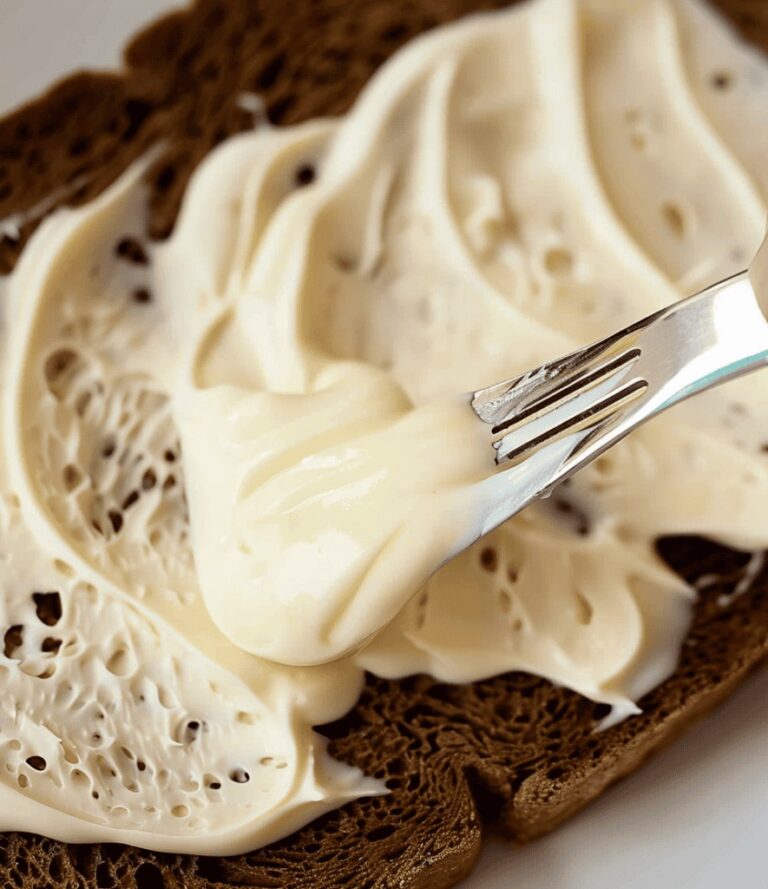
Creamy avocado oil mayonnaise is the healthiest and most flavorful alternative to traditional mayonnaise, and making it at home is both simple and rewarding. This recipe guarantees a rich, velvety texture that enhances any dish while providing the nutritional benefits of avocado oil. Discover how to whip up this delicious condiment that elevates your culinary creations without sacrificing health.
Making avocado oil mayonnaise at home is simple and rewarding. This creamy condiment is not only delicious but also healthier than traditional mayonnaise. With its rich texture and versatile flavor, you can elevate your sandwiches, salads, and dips. In this article, you’ll learn how to whip up your own avocado oil mayonnaise with just a few ingredients, plus some tips for customizing it to suit your taste preferences.
Ingredients You’ll Need

To create a delightful avocado oil mayonnaise, you will need a few basic ingredients that are easily accessible.
– Avocado oil: This is the primary ingredient that gives your mayonnaise its creamy texture and rich flavor. Opt for high-quality avocado oil, preferably cold-pressed, as it retains more nutrients and provides a robust taste.
– Egg: Fresh, large eggs are ideal for emulsifying the mixture, ensuring that your mayonnaise achieves that perfect consistency. The egg yolk acts as an emulsifier, binding the oil and other ingredients together seamlessly.
– Dijon mustard: This ingredient adds a tangy flavor and aids in the emulsification process. Dijon mustard not only enhances the taste but also contributes to the overall stability of the mayonnaise.
Step-by-Step Preparation

Creating your own mayonnaise at home is straightforward. Here’s how to prepare it:
1. Combine ingredients: Start by adding the egg, Dijon mustard, and a pinch of salt into a blender or food processor. The salt not only enhances the flavor but also helps in the emulsification process.
2. Blend and emulsify: Begin blending the mixture at a low speed. Gradually add the avocado oil in a slow, steady stream while continuously blending. This slow addition is crucial; it allows the oil to emulsify properly with the egg and mustard. Continue blending until the mixture thickens and takes on a creamy consistency, which usually takes about 30 seconds to a minute.
3. Taste and adjust: Once the mayonnaise has reached the desired thickness, taste it and adjust the seasoning if necessary. You can add more salt, a squeeze of lemon juice for acidity, or additional mustard for a tangier flavor.
Flavor Enhancements
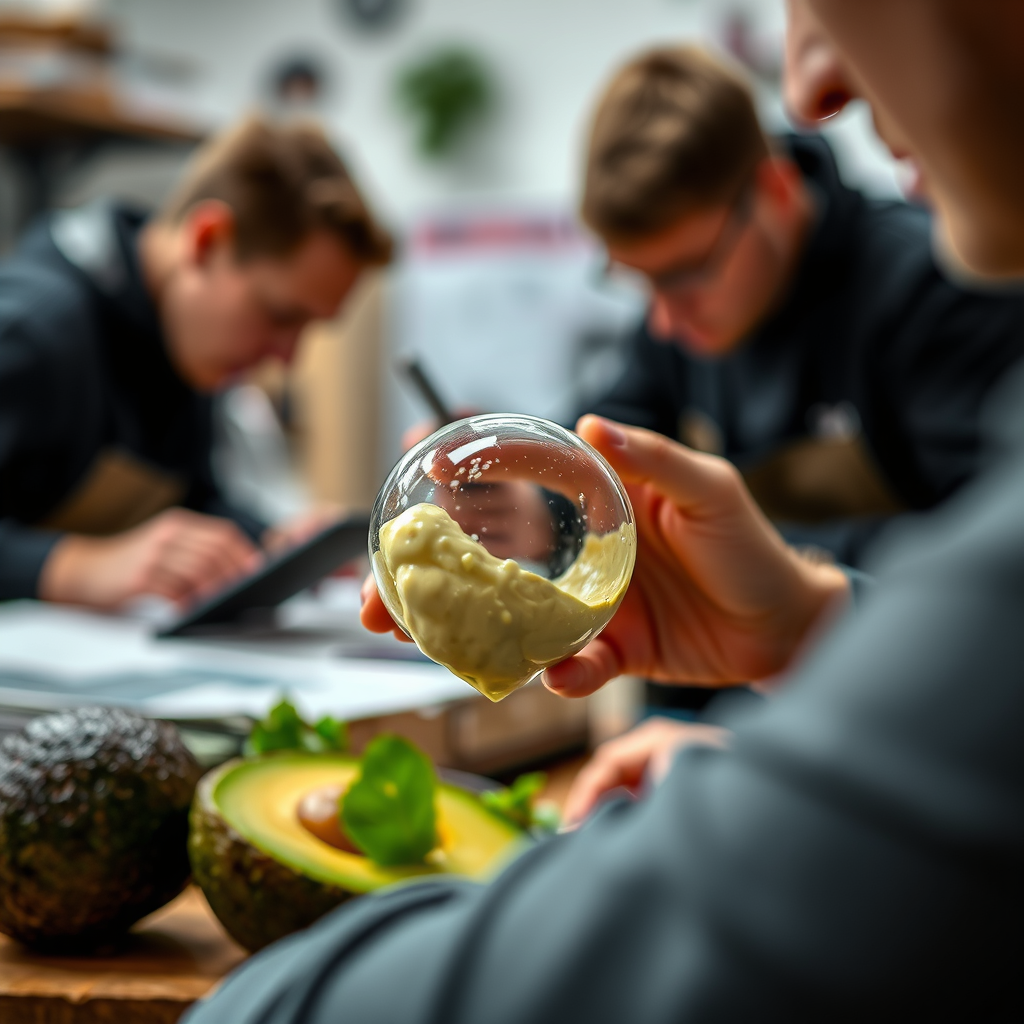
To make your avocado oil mayonnaise uniquely yours, consider these flavor enhancements:
– Add-ins: Incorporate garlic powder for a subtle garlic flavor, fresh herbs like dill or basil for a burst of freshness, or a splash of lemon juice to brighten the taste. These additions can complement your dishes beautifully.
– Spices: Experiment with spices to give your mayonnaise a kick. Paprika will add smokiness, while cayenne pepper can introduce a spicy heat. A touch of curry powder can also transform it into a delightful dip for chips or veggies.
Nutritional Comparison of Mayonnaise Types (per 1 tablespoon)
| # | Type | Calories | Fat (g) | Protein (g) | Carbs (g) | Additives |
|---|---|---|---|---|---|---|
| 1 | Traditional Mayo | 94 | 10 | 0 | 0 | Preservatives |
| 2 | Avocado Oil Mayo | 100 | 11 | 0 | 0 | None |
| 3 | Olive Oil Mayo | 90 | 10 | 0 | 0 | None |
| 4 | Vegan Mayo | 80 | 9 | 0 | 1 | Stabilizers |
| 5 | Low-Fat Mayo | 50 | 5 | 0 | 0 | Additives |
| 6 | Chipotle Mayo | 100 | 11 | 1 | 2 | None |
| 7 | Herbed Mayo | 95 | 10 | 0 | 1 | None |
Storage Tips

Proper storage is key to maintaining the freshness and quality of your homemade avocado oil mayonnaise:
– Container choice: Store your mayonnaise in an airtight container to prevent air exposure, which can lead to spoilage. Glass jars with tight-fitting lids are ideal, as they are non-reactive and easy to clean.
– Shelf life: Homemade avocado oil mayonnaise can last for about a week in the refrigerator. To ensure safety, always check for any signs of spoilage, such as off smells or changes in texture before use.
Common Mistakes to Avoid

While making mayonnaise is generally straightforward, there are a few common pitfalls you should watch out for:
– Wrong oil temperature: Ensure that your ingredients are at room temperature before you start blending. Cold ingredients can hinder the emulsification process, leading to a runny mayonnaise that won’t thicken properly.
– Over-blending: Once the mayonnaise has thickened, stop blending immediately. Over-blending can cause the mixture to separate, resulting in a less appealing texture.
Nutritional Benefits
Homemade avocado oil mayonnaise boasts several nutritional advantages:
– Healthy fats: Avocado oil is rich in monounsaturated fats, which are known to support heart health. These healthy fats can help lower bad cholesterol levels and reduce the risk of heart disease.
– Low in additives: By making your mayonnaise at home, you have complete control over the ingredients. This means no preservatives, artificial flavors, or unhealthy additives, making it a cleaner choice compared to many store-bought options.
Customizing Your Mayonnaise
Personalizing your mayonnaise is part of the fun! Here are some suggestions:
– Vegan option: For a plant-based version, replace the egg with silken tofu or aquafaba (the liquid from canned chickpeas). Both alternatives can effectively create a creamy texture without compromising on taste.
– Flavor variations: Explore different herbs or spices to create unique mayo flavors that suit different dishes. For instance, adding fresh cilantro and lime juice can give your mayo a zesty, southwestern twist, while smoked paprika can add depth and a subtle smokiness.
Homemade avocado oil mayonnaise is not only easy to make but also a nutritious addition to your meals. By following this simple recipe and tips, you can create a delicious and creamy condiment that elevates your dishes. Give it a try, and enjoy the benefits of making your own mayonnaise today!
Frequently Asked Questions
What ingredients do I need for an avocado oil mayonnaise recipe?
To make avocado oil mayonnaise, you’ll need one large egg, one cup of avocado oil, one tablespoon of lemon juice or apple cider vinegar, a teaspoon of Dijon mustard, and salt to taste. Ensure the egg is at room temperature for the best emulsion, and feel free to add herbs or spices for extra flavor.
How do I make avocado oil mayonnaise from scratch?
To prepare avocado oil mayonnaise, combine the egg, mustard, lemon juice, and salt in a tall container. Using an immersion blender, blend the mixture while slowly adding the avocado oil until it emulsifies and thickens. This process typically takes about 30 seconds, resulting in a creamy, homemade mayonnaise.
Why should I use avocado oil instead of regular oil for mayonnaise?
Avocado oil is rich in healthy monounsaturated fats and has a high smoke point, making it a nutritious choice for mayonnaise. It also adds a mild flavor that complements various dishes without overpowering them, making it a great alternative for those seeking a healthier, homemade condiment.
What is the best way to store homemade avocado oil mayonnaise?
The best way to store homemade avocado oil mayonnaise is in an airtight container in the refrigerator. It typically lasts for about one week, but always check for any off smells or changes in texture before using. Labeling the container with the date can help you keep track of its freshness.
Which recipes pair well with avocado oil mayonnaise?
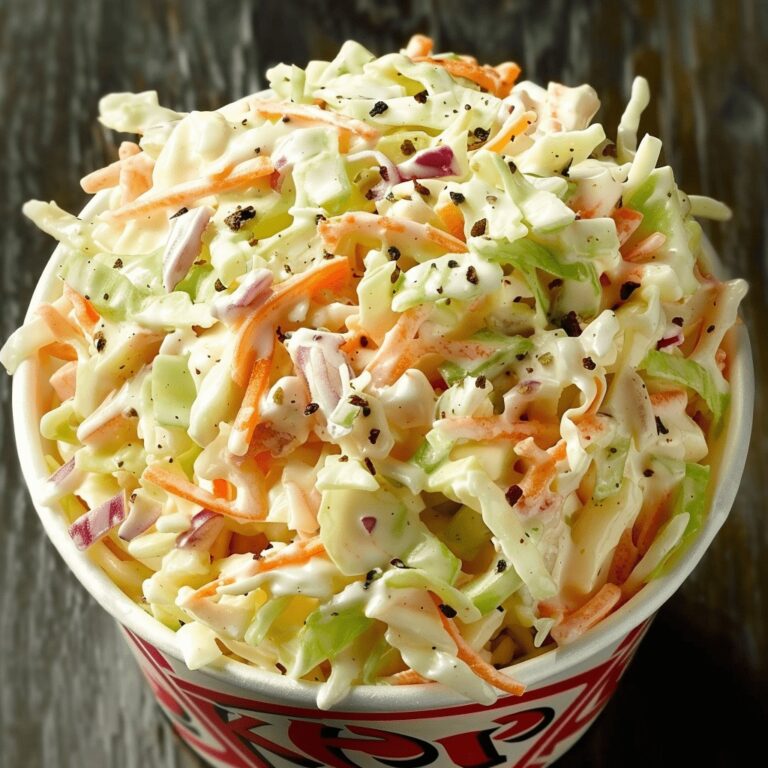
Avocado oil mayonnaise pairs wonderfully with salads, sandwich spreads, and as a dip for fresh vegetables. It can also enhance the flavor of coleslaw, potato salad, or as a base for sauces and dressings, making it a versatile addition to your culinary repertoire.
References
- Mayonnaise
https://en.wikipedia.org/wiki/Mayonnaise - In Vitro Enhanced Skin Permeation and Retention of Imiquimod Loaded in β-Cyclodextrin Nanosponge …
https://www.ncbi.nlm.nih.gov/pmc/articles/PMC6471382/ - https://www.sciencedirect.com/topics/food-science/mayonnaise
https://www.sciencedirect.com/topics/food-science/mayonnaise - Page Not Found – Site Help – Mayo Clinic
https://www.mayoclinic.org/healthy-lifestyle/nutrition-and-healthy-eating/expert-answers/mayonnaise/faq-20058350 - https://www.healthline.com/nutrition/avocado-oil
https://www.healthline.com/nutrition/avocado-oil - https://www.ncbi.nlm.nih.gov/pmc/articles/PMC5632530/
https://www.ncbi.nlm.nih.gov/pmc/articles/PMC5632530/ - Google Scholar Google Scholar
https://scholar.google.com/scholar?q=avocado+oil+mayonnaise+recipe - Google Scholar Google Scholar
https://scholar.google.com/scholar?q=health+benefits+of+avocado+oil - Google Scholar Google Scholar
https://scholar.google.com/scholar?q=mayonnaise+recipes+with+healthy+oils - https://en.wikipedia.org/wiki/Special:Search?search=avocado+oil+mayonnaise+recipe
https://en.wikipedia.org/wiki/Special:Search?search=avocado+oil+mayonnaise+recipe