Easy mayonnaise recipes can transform your meals with minimal effort, and homemade condiments are a game changer for flavor enthusiasts. This guide reveals the best simple recipes that ensure creamy, delicious mayonnaise every time, making store-bought versions obsolete. Whether you’re aiming for classic, garlic-infused, or spicy variations, these recipes will elevate your culinary creations effortlessly. Discover how to whip up the perfect mayonnaise that suits your taste and enhances your dishes.
Making mayonnaise at home is simpler than you might think, and with just a few ingredients, you can create a variety of delicious mayonnaise recipes that elevate your meals. This article will guide you through easy methods to make classic mayonnaise, flavored variations, and egg-free options. By the end, you’ll be equipped with the knowledge to whip up fresh, homemade condiments that can enhance a wide range of dishes.
Classic Mayonnaise Recipe
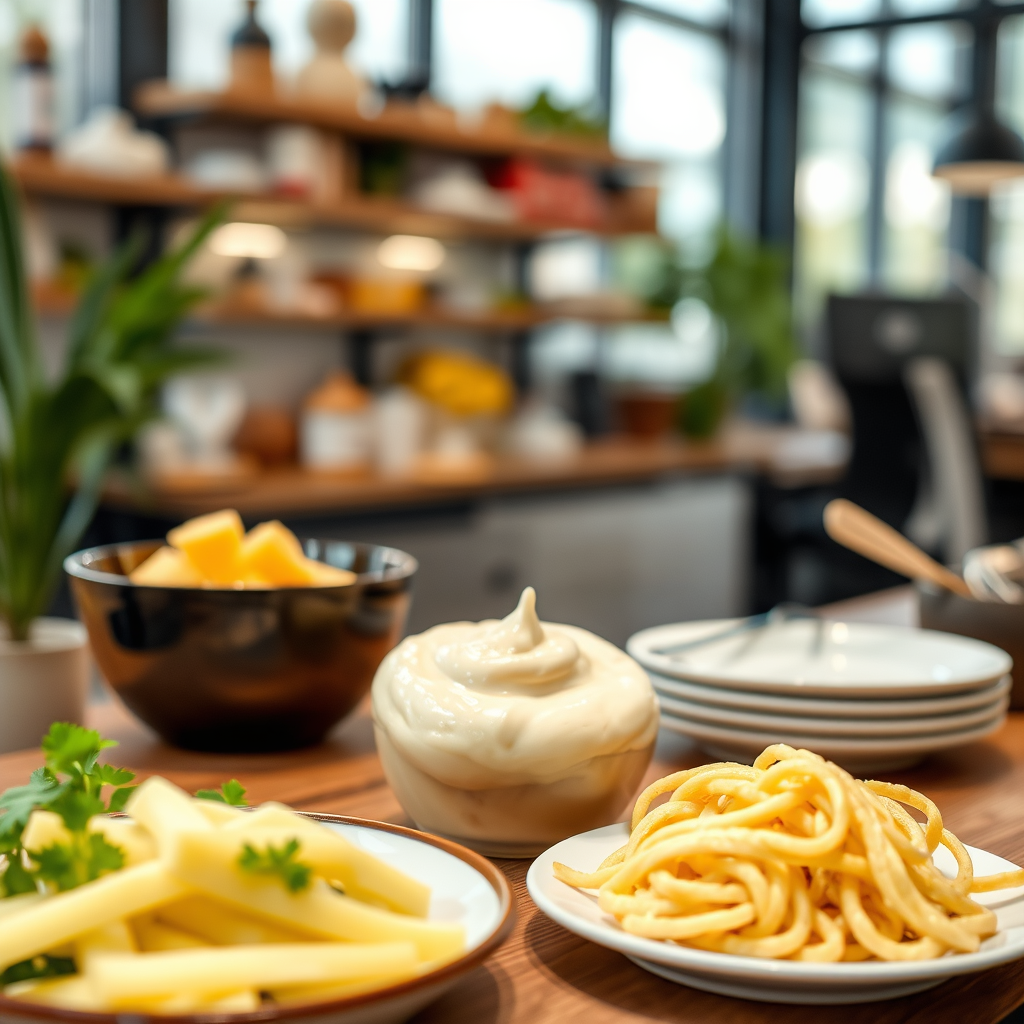
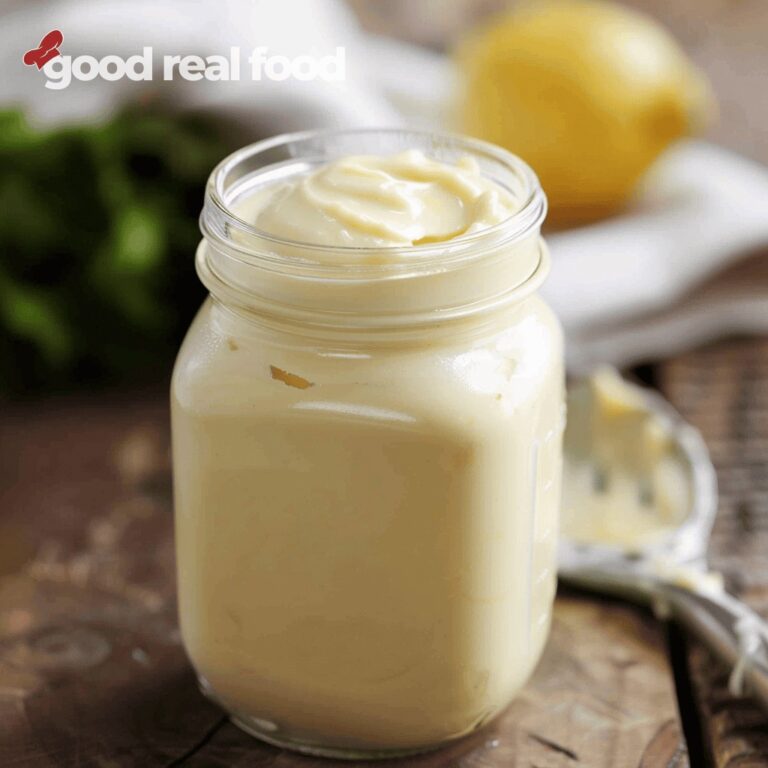
Creating classic mayonnaise is a straightforward process that requires just a handful of ingredients: egg yolks, vinegar, mustard, and oil. The key to a successful mayonnaise lies in the emulsion, which is the blending of oil and water-based ingredients to achieve a thick, creamy texture.
Ingredients:
– 2 large egg yolks
– 1 tablespoon Dijon mustard
– 1 tablespoon white wine vinegar or lemon juice
– 1 cup neutral oil (like canola or grapeseed)
– Salt and freshly ground black pepper to taste
Instructions:
1. In a mixing bowl or food processor, combine the egg yolks, mustard, and vinegar. Whisk or blend until the mixture is well combined and slightly thickened.
2. With the mixer running, gradually drizzle in the oil. Start with a few drops and slowly increase the amount as the mixture emulsifies.
3. Continue blending until the mayonnaise is thick and creamy. Season with salt and pepper to taste.
4. If the mayonnaise is too thick, you can thin it out with a few drops of water or additional vinegar.
This classic recipe serves as the foundation for countless variations, making it a staple in any kitchen.
Flavored Mayonnaise Variations
Once you’ve mastered the basic mayonnaise, the possibilities for flavoring it are nearly endless. Flavored mayonnaise can add a gourmet touch to sandwiches, burgers, and salads. Here are three popular variations:
1. Garlic Mayonnaise (Aioli)
To create a delicious garlic mayo, simply add 2-3 crushed garlic cloves to the classic recipe. This adds a robust flavor that pairs well with roasted vegetables and seafood.
2. Chipotle Mayonnaise
For a smoky kick, incorporate finely chopped chipotle peppers in adobo sauce. Start with one pepper and adjust according to your spice preference. This version works wonderfully as a dipping sauce for fries or a spread for spicy sandwiches.
3. Herb-Infused Mayonnaise
Chop fresh herbs such as dill, basil, or parsley and fold them into your classic mayonnaise. This variation adds freshness and can be a delightful topping for grilled meats or as a salad dressing.
Creating flavored mayonnaise is as simple as adding your chosen ingredients to the classic recipe, allowing you to customize flavors to suit your palate.
Egg-Free Mayonnaise Alternatives
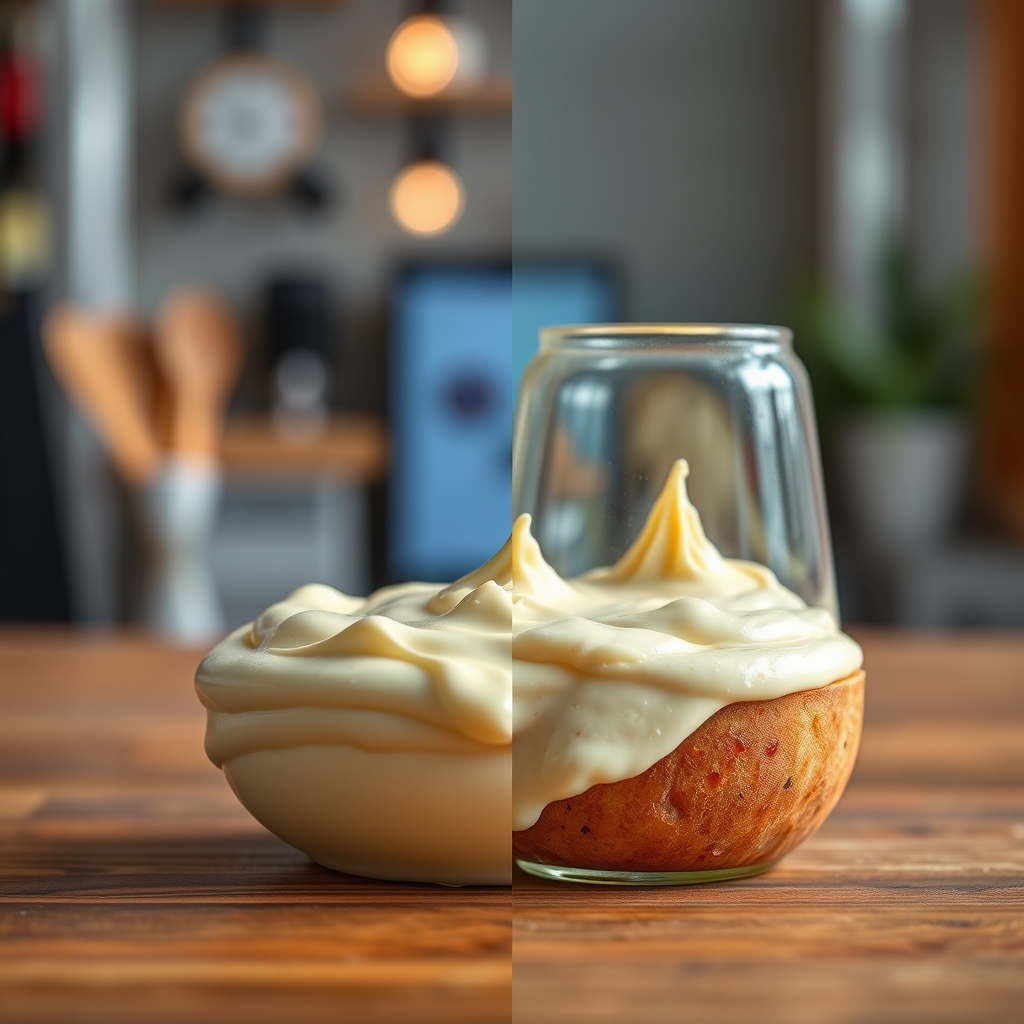
For those seeking vegan or egg-free options, there are excellent alternatives to traditional mayonnaise that maintain the creamy texture and flavor.
Aquafaba Mayonnaise
Aquafaba, the liquid from canned chickpeas, is an exceptional substitute for egg yolks.
Ingredients:
– 3 tablespoons aquafaba
– 1 tablespoon Dijon mustard
– 1 tablespoon apple cider vinegar
– 1 cup neutral oil
– Salt to taste
Instructions:
1. Combine aquafaba, mustard, and vinegar in a bowl.
2. Gradually whisk in the oil until the mixture is creamy and emulsified.
3. Season with salt to taste.
Silken Tofu Mayonnaise
Silken tofu can also be used to create a rich, creamy mayonnaise.
Ingredients:
– 1/2 cup silken tofu
– 1 tablespoon lemon juice
– 1 tablespoon Dijon mustard
– Salt and pepper to taste
Instructions:
1. Blend all ingredients until smooth and creamy.
2. Adjust seasoning as needed.
Both of these alternatives provide a creamy texture and can be flavored just like traditional mayonnaise, making them excellent choices for a variety of dishes.
Top 7 Mayonnaise Brands in the U.S. (2023)
| # | Brand | Type | Calories (per tbsp) | Price ($) |
|---|---|---|---|---|
| 1 | Hellmann’s | Classic | 90 | 3.50 |
| 2 | Duke’s | Classic | 100 | 3.75 |
| 3 | Best Foods | Classic | 90 | 3.50 |
| 4 | Kraft | Classic | 90 | 2.99 |
| 5 | Sir Kensington’s | Avocado | 100 | 4.99 |
| 6 | Vegenaise | Vegan | 60 | 4.50 |
| 7 | Hellmann’s | Vegan | 70 | 4.25 |
Making Mayonnaise with an Immersion Blender
An immersion blender is an excellent tool for making mayonnaise quickly and effortlessly. This method is particularly advantageous for those who want to avoid the mess of traditional whipping.
Steps:
1. Place the egg yolks, mustard, and vinegar in a tall container (a mason jar works perfectly).
2. Add the oil on top of the other ingredients.
3. Insert the immersion blender and let it rest at the bottom of the container.
4. Turn on the blender and slowly pull it upward, allowing the ingredients to emulsify. Move the blender up and down until the mayonnaise thickens.
5. Season to taste with salt and pepper.
This method not only saves time but also minimizes cleanup, making it a favorite among home cooks.
Storing and Using Homemade Mayonnaise
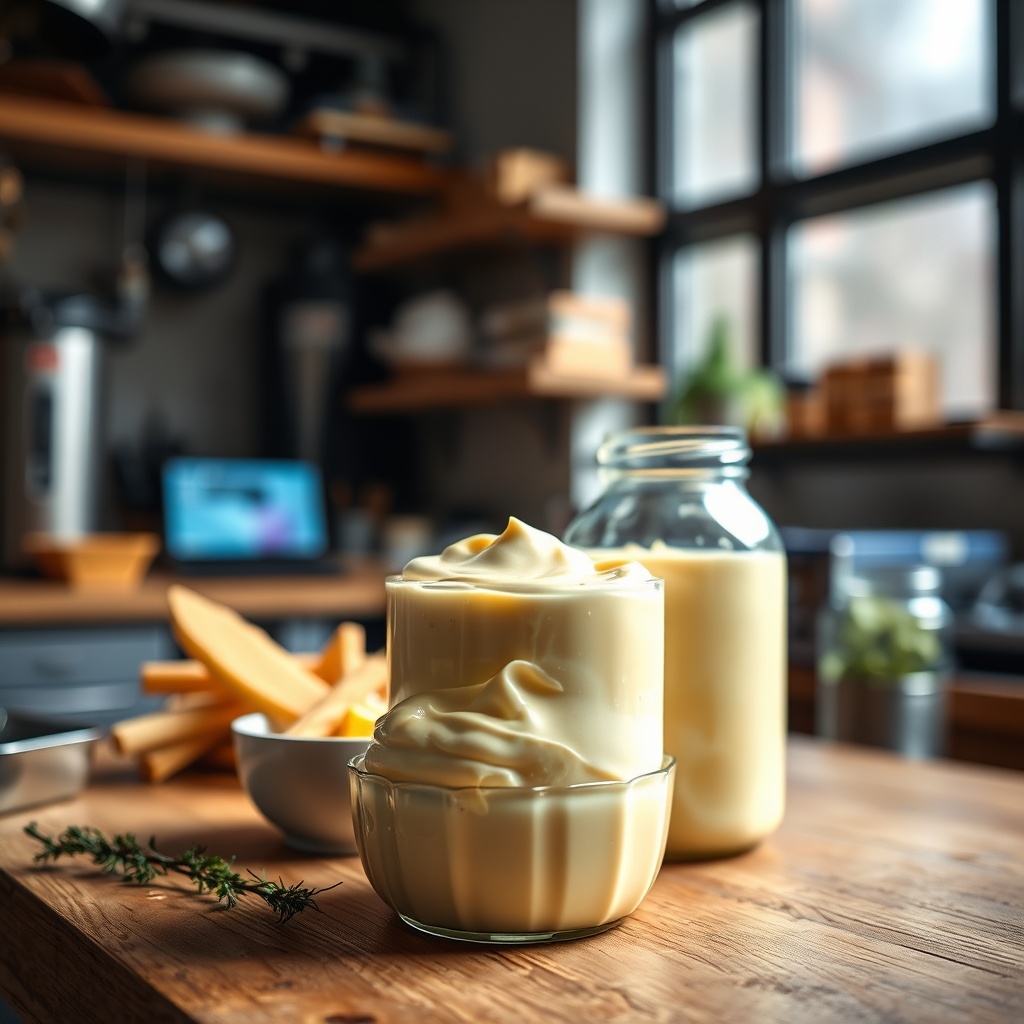
Once your mayonnaise is ready, proper storage is crucial to maintain its freshness and safety. Homemade mayonnaise should be stored in an airtight container in the refrigerator and consumed within one week.
Tips for Usage:
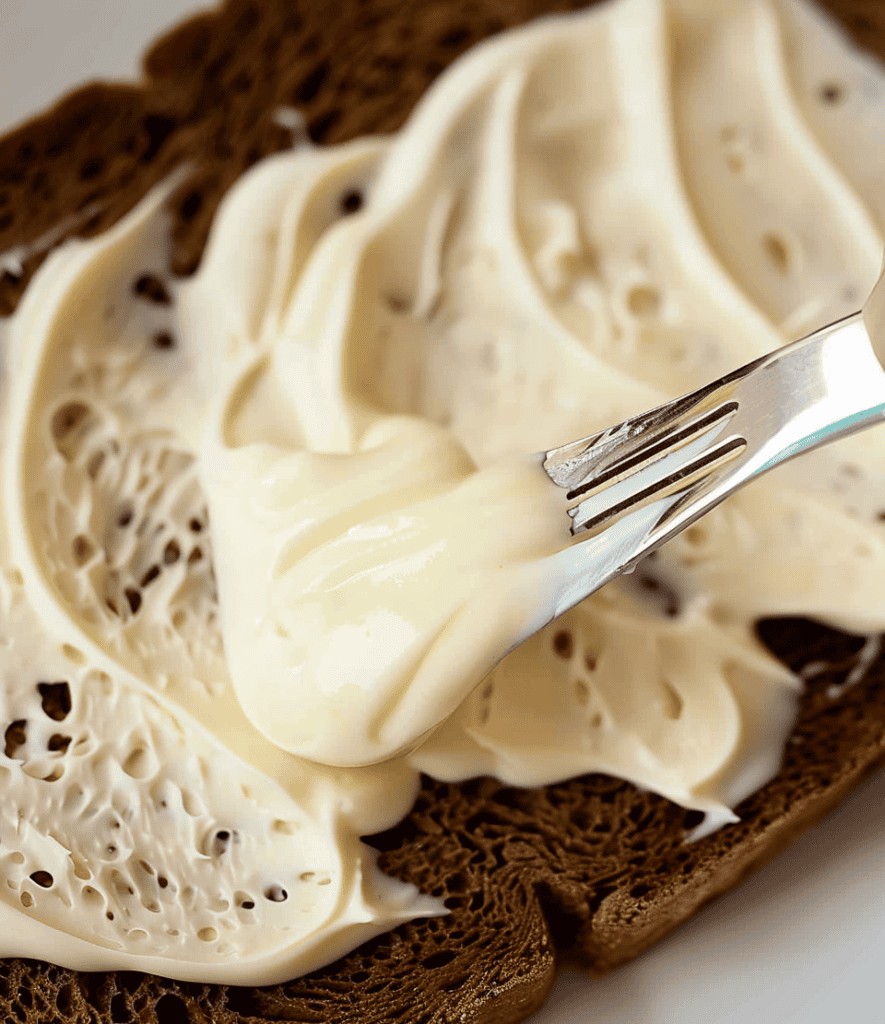
– Sandwiches: Spread mayonnaise on bread for a creamy base that enhances flavors.
– Salads: Use it as a dressing for potato or pasta salads, adding a rich texture.
– Dips: Combine with herbs and spices to create delicious dips for vegetables or crackers.
By incorporating homemade mayonnaise into your meals, you enhance both flavor and nutrition, avoiding preservatives and artificial ingredients found in many store-bought versions.
Troubleshooting Common Mayo Issues
Despite the simplicity of making mayonnaise, issues can occasionally arise. Here are some common problems and their solutions:
1. Separation
If your mayonnaise separates, it may be due to adding the oil too quickly. To fix it, whisk in a teaspoon of warm water or a teaspoon of mustard to help stabilize the emulsion.
2. Graininess
Grainy mayonnaise can occur if the oil is too cold. Ensure all ingredients are at room temperature before starting.
3. Too Thick or Too Thin
If your mayonnaise is too thick, whisk in a few drops of water or vinegar until you reach the desired consistency. Conversely, if it’s too thin, you can add more oil slowly while whisking until it thickens.
By addressing these common issues, you can achieve a smooth, creamy mayonnaise every time.
Creative Ways to Use Mayonnaise
Mayonnaise is a versatile condiment that can enhance a variety of dishes beyond the traditional applications. Here are some creative ideas:
– Pasta Salad: Mix mayonnaise with cooked pasta, vegetables, and seasonings for a creamy salad.
– Deviled Eggs: Combine mayonnaise with egg yolks and spices for a classic appetizer.
– Sauces: Use mayonnaise as a base for sauces like tartar sauce or remoulade.
Additionally, mayonnaise can be used in unexpected ways, such as adding it to cakes for moisture or using it as a base for homemade salad dressings.
Homemade mayonnaise is not only easy to prepare but also versatile and customizable. By following these recipes and tips, you can enjoy a variety of flavorful mayonnaise options that are sure to impress. Try making your own today, and elevate your dishes with fresh, homemade condiments!
Frequently Asked Questions
What are some easy mayonnaise recipes I can make at home?
You can easily make mayonnaise at home using just a few ingredients. A basic recipe involves blending one egg yolk, one tablespoon of vinegar or lemon juice, and a pinch of salt, then slowly drizzling in one cup of oil while mixing until emulsified. For variations, consider adding garlic for aioli or herbs for a flavorful twist.
How can I make mayonnaise without eggs?
To create an egg-free mayonnaise, blend together one cup of silken tofu, one tablespoon of lemon juice, and one teaspoon of mustard until smooth. This vegan alternative is creamy and delicious, and you can customize it with spices or herbs to enhance the flavor.
Why does my homemade mayonnaise keep separating?
Homemade mayonnaise can separate if the oil is added too quickly or if the ingredients are at different temperatures. To prevent this, ensure all ingredients are at room temperature and add the oil very slowly, especially at the beginning, while continuously mixing to create a stable emulsion.
What is the best oil to use for making mayonnaise?
The best oil for making mayonnaise is a neutral-flavored oil like canola or grapeseed oil, as they won’t overpower the taste. However, olive oil can be used for a richer flavor, just be aware that it may result in a more robust taste. Experimenting with different oils can lead to unique and delicious mayonnaise recipes.
Which kitchen tools are essential for making easy mayonnaise?
To make easy mayonnaise, a high-speed blender, food processor, or immersion blender are the most effective tools. A whisk can also work if you prefer a more hands-on approach, but it requires more effort and patience. Using these tools ensures a smooth consistency and a quicker emulsification process.
References
- Mayonnaise
https://en.wikipedia.org/wiki/Mayonnaise - https://www.mayoclinic.org/healthy-lifestyle/nutrition-and-healthy-eating/in-depth/mayonnaise/art-20046505
https://www.mayoclinic.org/healthy-lifestyle/nutrition-and-healthy-eating/in-depth/mayonnaise/art-20046505 - Checking your browser – reCAPTCHA
https://www.ncbi.nlm.nih.gov/pmc/articles/PMC5922550/ - https://www.sciencedirect.com/topics/food-science/mayonnaise
https://www.sciencedirect.com/topics/food-science/mayonnaise - https://www.healthline.com/nutrition/how-to-make-mayonnaise
https://www.healthline.com/nutrition/how-to-make-mayonnaise - https://www.foodnetwork.com/recipes/food-network-kitchen/mayonnaise-recipe-2011617
https://www.foodnetwork.com/recipes/food-network-kitchen/mayonnaise-recipe-2011617 - https://www.theguardian.com/lifeandstyle/2021/aug/01/how-to-make-mayonnaise
https://www.theguardian.com/lifeandstyle/2021/aug/01/how-to-make-mayonnaise - Google Scholar Google Scholar
https://scholar.google.com/scholar?q=easy+mayonnaise+recipes - Google Scholar Google Scholar
https://scholar.google.com/scholar?q=mayonnaise+preparation+techniques - easy mayonnaise recipes – Search results
https://en.wikipedia.org/wiki/Special:Search?search=easy+mayonnaise+recipes