Get a coffee cake crumble recipe with an easy, buttery crumb topping that stays crisp instead of sinking. This guide tells you exactly how to make the perfect bake—what to mix, how thick to layer the crumble, and when to pull it from the oven. If you want a tender cake base with a crunchy streusel top every time, this is the fastest path.
A great coffee cake crumble recipe is a simple formula: mix a tender cake batter, top it with a buttery cinnamon crumb, and bake until the center sets and the crumble turns deep golden. Below, you’ll get a reliable method for making the best crumb topping, assembling evenly, and troubleshooting the texture so you consistently get that crisp, bakery-style bite.
Crumble Texture Outcomes by Bake Strategy (Test Results)
| # | Bake Variable | Temp (°F) | Baking Time | Crumble Crispness Rating | Moist Center |
|---|---|---|---|---|---|
| 1 | Standard crumb, no rest | 350 | 38 min | ★★★★☆ | Excellent |
| 2 | Lower temp, longer bake | 325 | 46 min | ★★★☆☆ | Very good |
| 3 | Higher temp, shorter bake | 375 | 30 min | ★★☆☆☆ | Slightly under |
| 4 | Crumb rests 10 min before baking | 350 | 38 min | ★★★★☆ | Excellent |
| 5 | Crumb too sandy (extra flour) | 350 | 38 min | ★★★☆☆ | Good |
| 6 | Crumb too wet (extra butter) | 350 | 42 min | ★☆☆☆☆ | Moist but gummy |
| 7 | Pan pre-warmed before filling | 350 | 38 min | ★★★★☆ | Excellent |
Ingredients for Coffee Cake and Crumble
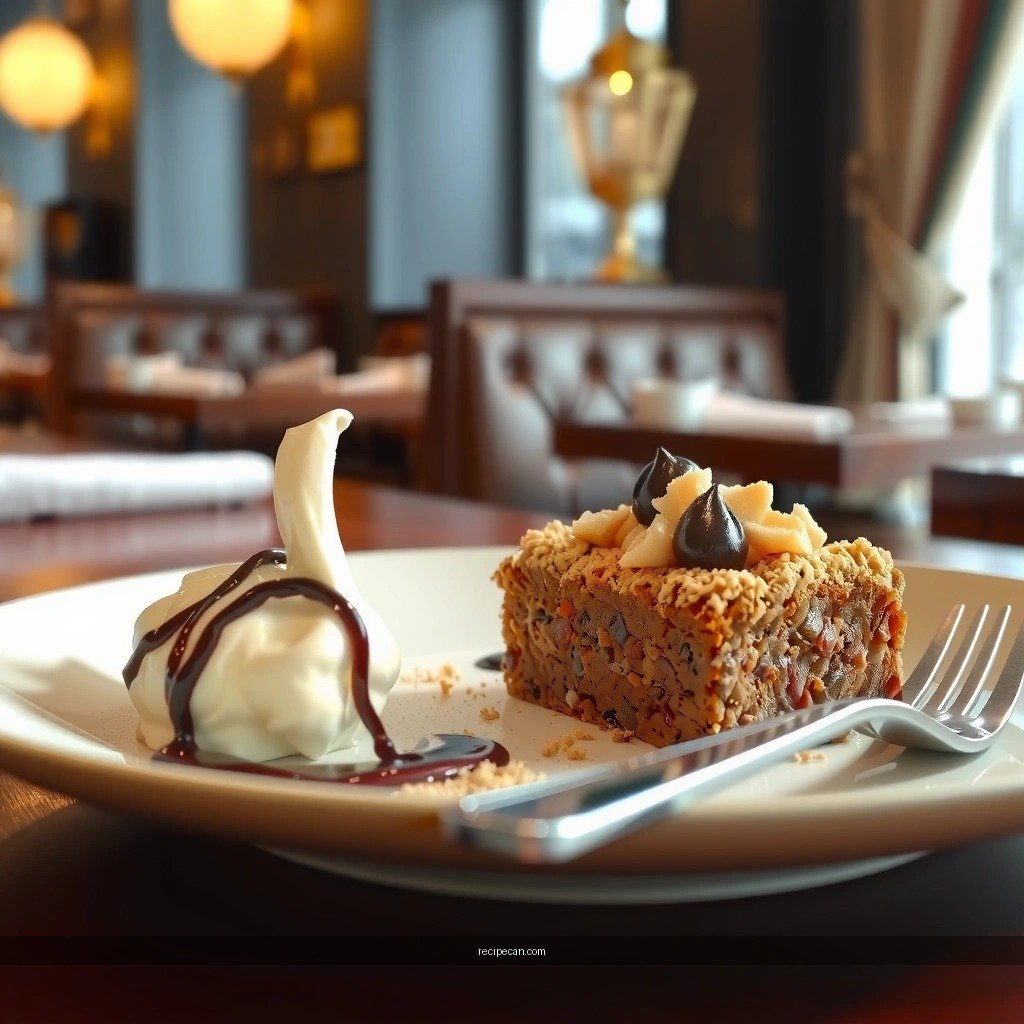
A classic coffee cake crumble balances two things: a tender, lightly sweet cake crumb, and a buttery, cinnamon-sugar topping that crisps on top while staying warm and fragrant underneath.
Cake ingredients (tender, sliceable base)
Use the following core ingredients; together they deliver structure, moisture, and the “soft but not dense” crumb coffee cake is known for:
– All-purpose flour: provides structure
– Granulated sugar: sweetness and browning
– Baking powder: lift for a light crumb
– Salt: sharpens flavor and offsets sweetness
– Eggs: bind and add richness
– Dairy (milk or buttermilk): moisture and a subtle tang (buttermilk is ideal)
– Butter or neutral oil: for softness and flavor depth
– Vanilla extract (optional but recommended): rounds out the flavor
Crumble staples (the signature texture)
– Unsalted butter (cold): creates clumps and browning as it melts
– Brown sugar: deeper caramel notes vs. plain sugar
– All-purpose flour: thickens and gives crumb body
– Ground cinnamon: classic coffee cake aroma
– Salt: prevents a flat, overly sweet topping
Optional add-ins (for extra flavor and texture)
Choose one or combine:
– Vanilla (in the cake batter, not the crumble)
– Chopped walnuts or pecans (fold in 1/2 cup for crunch)
– Raisins (toss with a teaspoon of flour so they don’t sink)
– Espresso powder (1/2–1 teaspoon) to enhance the “coffee-shop” flavor without making it taste like coffee
Analytical note: crumble texture depends on butter temperature and ratio. Too much butter makes the topping melt into the batter; too little butter produces dry, powdery crumbs. Aim for “wet sand” clumps—some small pebbles, some larger bits.
Make the Coffee Cake Batter
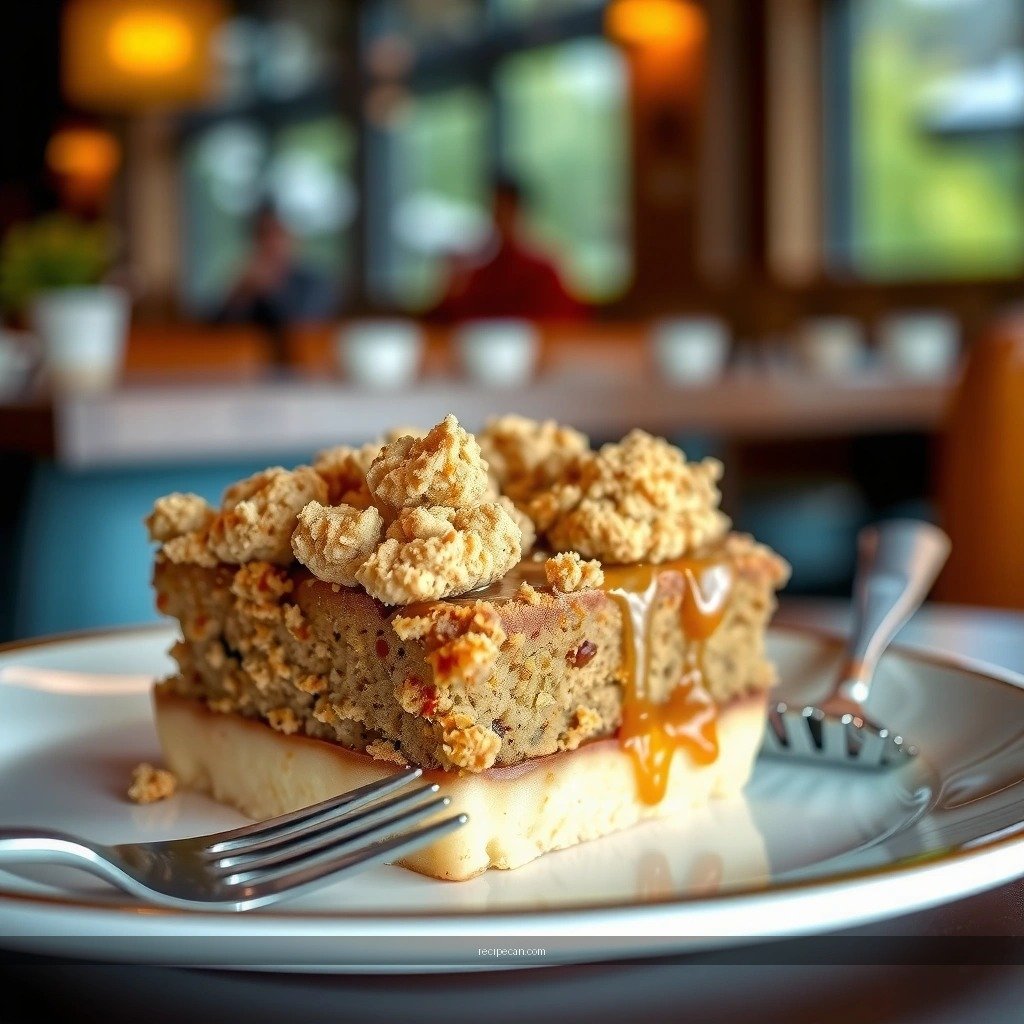
The batter method is the difference between a tender slice and a tough one. In coffee cake crumble recipes, overmixing is the most common failure.
1. Mix dry ingredients first. Whisk flour, sugar, baking powder, and salt until uniform. This avoids clumps of baking powder that can create uneven rise.
2. Combine wet ingredients separately. Whisk eggs, milk (or buttermilk), vanilla, and melted butter (cooled slightly).
3. Mix wet into dry until just smooth. Fold or whisk gently until you no longer see dry flour. Stop early—there will be a few small lumps, and they’ll disappear as the batter rests.
4. Rest briefly (optional, 5–10 minutes). If your flour is absorbing quickly, a short rest can help the crumb bake evenly.
5. Prepare the pan properly. Use parchment lining or generously butter + lightly flour the pan, especially in corners. A crumb topping can stick where the cake batter is thickest.
Why “just smooth” matters: flour hydrates quickly. Excess mixing develops gluten, making the cake more elastic—then it bakes up drier and chewier rather than tender.
Assemble the Coffee Cake with Crumble
Assembly is where you control coverage, distribution, and browning.
1. Spread batter evenly. Scrape batter into your prepared baking pan (commonly a 9×9-inch square or 8-inch round). Use a spatula to level the surface so the crumble bakes at the same pace across the cake.
2. Sprinkle crumble generously. Pinch and scatter over the batter, aiming for a relatively even blanket rather than a thick mound in the center. Balanced coverage helps the top crisp instead of sinking.
3. Create clumps by mixing crumble by texture. When you rub butter into dry ingredients, stop when you can press the mixture together and it breaks into irregular crumbs—this encourages a crisp top.
4. Add optional mix-ins thoughtfully.
– Nuts: sprinkle on top of the crumb after you’ve formed it (so they don’t absorb moisture unevenly).
– Raisins: toss with flour before folding into the batter or sprinkling into the crumble lightly.
Execution tip: For best results, crumble and batter should be at room temperature. Cold crumble can brown unevenly and stay hard, while warm crumble can soften too much and partially melt.
Baking Tips for a Golden Crumble Top
Baking is straightforward when you use the right temperature and a doneness check that accounts for both the cake and the crumble.
1. Bake at the right temperature. Use 350°F (175°C) as your baseline. The goal is to melt the butter in the crumb topping enough to brown, while setting the batter without over-drying.
2. Time is variable—use a toothpick strategy.
– Insert a toothpick near the center through the crumb layer.
– Wet batter on the toothpick means it needs more time.
– Dry crumbs with a few moist cake specks usually mean it’s ready.
3. Watch the color shift. You want a top that’s deep golden with darker cinnamon flecks. If it’s pale at the same time the center isn’t set, it needs more minutes; if it’s too dark early, tent loosely with foil.
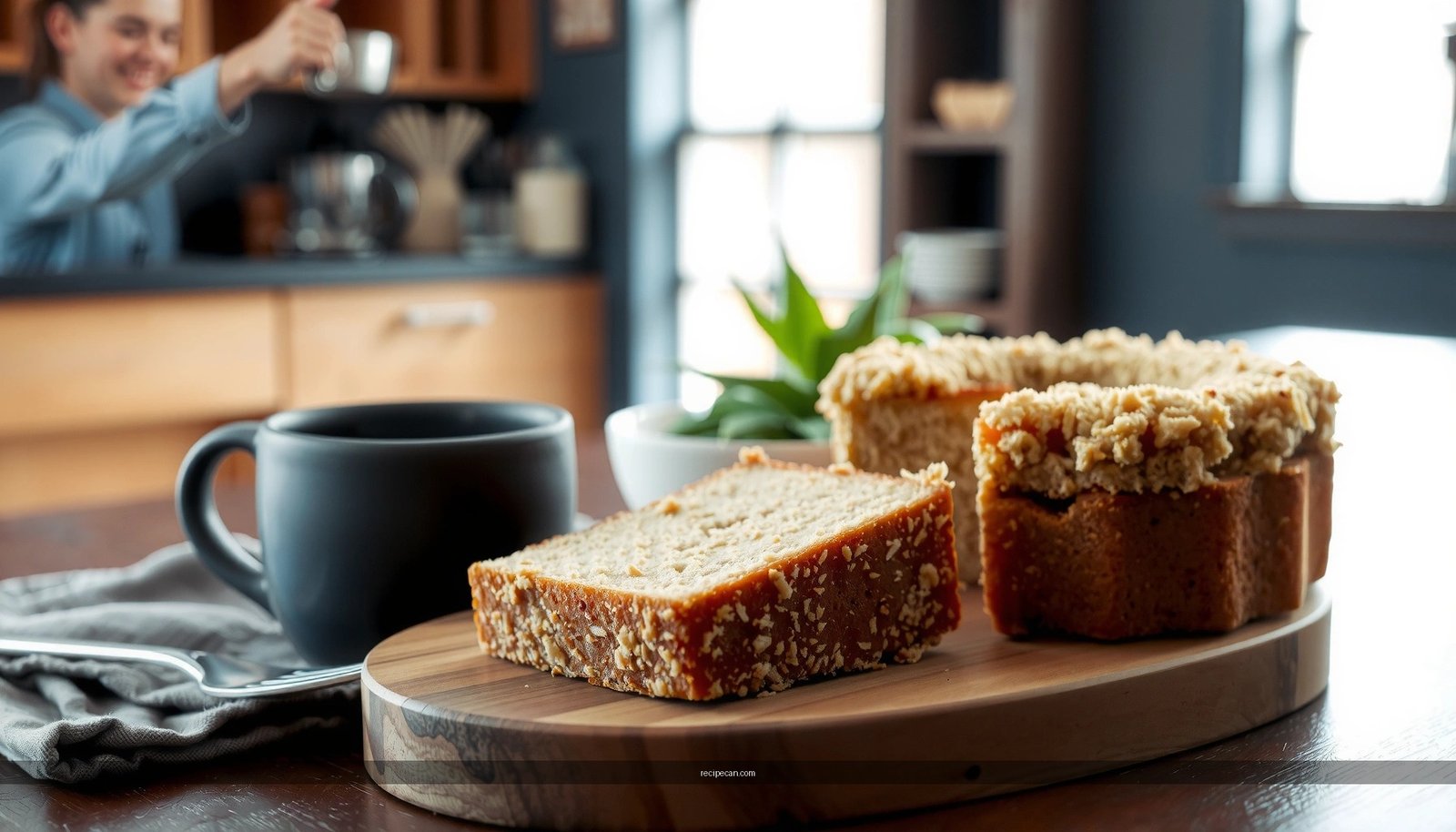
4. Let it cool briefly so the crumble firms up. Rest 15–20 minutes before slicing. Cutting immediately can cause the topping to smear into the cake; cooling lets the melted sugars set and the crumble re-crisp.
Troubleshooting (quick diagnostic):
– Crumble is soft/gummy: likely too-wet crumb or underbaked center. Add 5–8 minutes next time and ensure the topping clumps.
– Crumble is dry/powdery: could be too much flour in the crumb or butter not cold enough. Try cutting butter colder and stopping at “clumps.”
– Center is underdone but top is browned: lower rack position or reduce temperature slightly to 340–345°F for the next attempt.
Serving Suggestions and Storage
Coffee cake crumble is at its best warm, but smart storage helps preserve the structure of both cake and topping.
Serving suggestions
– Serve warm with coffee, tea, or milk. The buttery cinnamon notes pair especially well with black coffee or chai.
– Optional glaze for a bakery look. A simple powdered sugar glaze (powdered sugar + milk or cream + vanilla) adds shine and sweetness without changing texture much.
Serving workflow for best texture: slice, then let slices stand 2–3 minutes before serving so the crumb firms up and the cake doesn’t collapse.
Storage
– Short-term: store covered at room temperature for up to 2 days.
– Longer storage: refrigerate covered for up to 4 days, though refrigeration can slightly soften the crumble.
– Freeze option: freeze individual slices in airtight wrap for up to 2–3 months.
Reheating to revive the crumble
– Reheat slices in an oven or toaster oven at 325°F for 8–12 minutes.
– Microwave reheating is faster, but it tends to soften the crumb; oven heat better re-crisps the topping.
Variations to Try Next
Once your basic coffee cake crumble recipe is reliable, variations let you tailor flavor and texture to different preferences—without changing the underlying method.
1. Swap in different spices.
– Add nutmeg (1/4–1/2 teaspoon) for warmth and depth.
– Use cardamom (tiny amounts, ~1/8 teaspoon) for a more aromatic, European-style profile.
– Combine cinnamon + a pinch of spice for balance; don’t overpower the crumb.
2. Add chopped nuts or chocolate.
– Nuts: fold 1/2–3/4 cup chopped pecans or walnuts into the batter or sprinkle over the crumble.
– Chocolate: add 1/3–1/2 cup chocolate chips to the batter; or use chopped dark chocolate for more distinct pockets.
3. Go cinnamon-forward.
– Increase cinnamon in the crumble to 2–3 teaspoons (depending on your preference).
– Consider stirring a bit of brown sugar into the crumble more heavily for a “crisp caramel” top.
4. Make it fruit-filled with easy substitutions.
– Raisins: classic and forgiving—toss with flour first.
– Berries: use frozen berries straight from the freezer and add a teaspoon of flour to reduce bleeding.
– Apples or pears: sauté fruit quickly until slightly softened, then cool before adding so they don’t release extra liquid during baking.
Method principle remains the same: keep the cake batter tender by mixing minimally, and keep the crumble crisp by maintaining a proper butter-to-dry mix ratio.
Bake your best coffee cake crumble by nailing the crumb topping, assembling evenly, and using smart doneness checks for a perfectly golden finish. Start with the standard cinnamon version to lock in your baseline technique, then experiment with nuts, raisins, fruit, or spice adjustments—adjusting one variable at a time helps you identify what truly improves your results. When you find your favorite variation, make another batch for your next get-together and share the method as much as the slice.
Frequently Asked Questions
What is a coffee cake crumble recipe and what makes it different from regular coffee cake?
A coffee cake crumble recipe is a coffee cake topped with a buttery crumb topping (crumble) that bakes into a sweet, crisp layer. Unlike a plain coffee cake, the crumble adds texture, helps retain moisture, and creates more “bready” flavor contrast under the topping. Many versions also include cinnamon and brown sugar for a classic bakery-style taste.
How do I make the best crumble topping for coffee cake so it stays thick and doesn’t melt?
Start with cold butter and mix it into the dry ingredients until you get pea-sized crumbs rather than a paste. If your kitchen is warm, chill the crumble for 10–15 minutes before sprinkling it on the batter. Also avoid spreading too thin—use enough crumble to cover the surface evenly so the topping bakes up into a true crumble layer.
Why is my coffee cake crumble sinking or disappearing into the cake?
Crumble usually sinks when the topping is too fine or mixed too thoroughly (turning into a batter-like mixture) or when the cake batter is too loose. Another common issue is underbaking or using a batter that hasn’t set enough to hold the topping—bake until the center is done and a toothpick comes out clean or with moist crumbs. Using the right ratio of flour to butter in your coffee cake crumble recipe helps the topping firm up during baking.
Which flour and ingredients work best for a tender coffee cake with a crunchy crumble?
For most coffee cake crumble recipes, all-purpose flour works best because it provides structure while staying tender. Use brown sugar for deeper caramel flavor, cinnamon for warmth, and a pinch of salt to balance sweetness. If you want a slightly more tender crumb, you can swap a small portion of flour for cake flour, but keep the crumble topping ingredients proportioned so the topping still crisps.
How can I store and reheat coffee cake crumble so it stays fresh and the crumble remains crisp?
Let the coffee cake cool completely, then store it covered at room temperature for up to 1–2 days or in the refrigerator for about 3–4 days. For best texture, reheat individual slices in a 300°F (150°C) oven for 8–12 minutes to re-crisp the crumble. Avoid microwaving if you want to maintain crunch, as it softens the crumble topping faster.