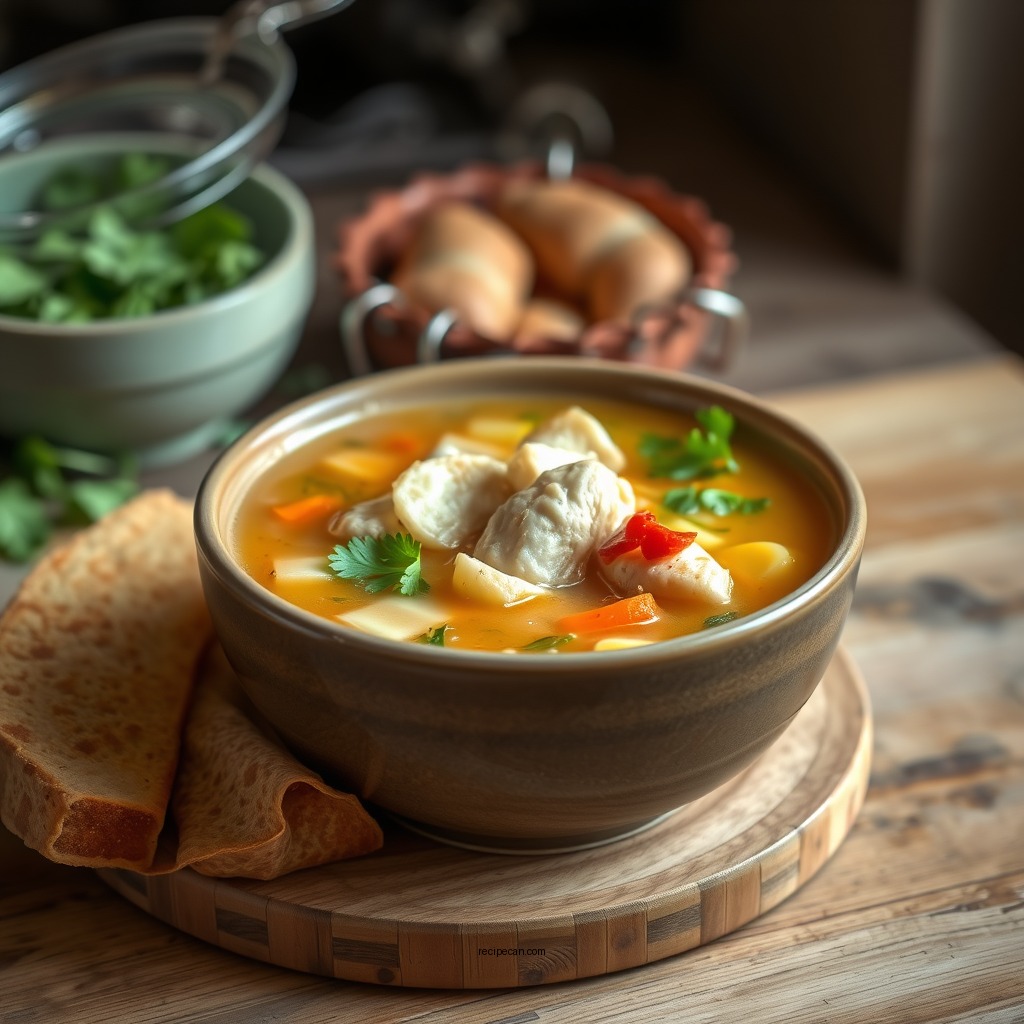
If you’re searching for a nourishing and comforting meal, look no further than this chicken soup recipe without noodles. This dish delivers all the warmth and flavor of traditional chicken soup, but without the carbs of noodles. In this article, you’ll learn how to prepare a rich and flavorful chicken soup that highlights the deliciousness of fresh ingredients, making it a perfect choice for any occasion.
Ingredients You’ll Need

To create a truly memorable chicken soup, it’s essential to use quality ingredients that contribute to both taste and nutrition. Here’s what you’ll need:
– Fresh Chicken: You can use a whole chicken for a richer flavor, or opt for chicken parts (like thighs or breasts) for convenience. The bones add depth to the broth.
– Assorted Vegetables: Carrots, celery, and onions are classic choices that provide essential nutrients and flavor. Feel free to include other vegetables like garlic, bell peppers, or peas for variety.
– Herbs and Spices: Fresh herbs such as thyme and rosemary, along with bay leaves, enhance the soup’s aroma and taste. Salt and pepper are also necessary to season the dish to perfection.
Preparing the Chicken
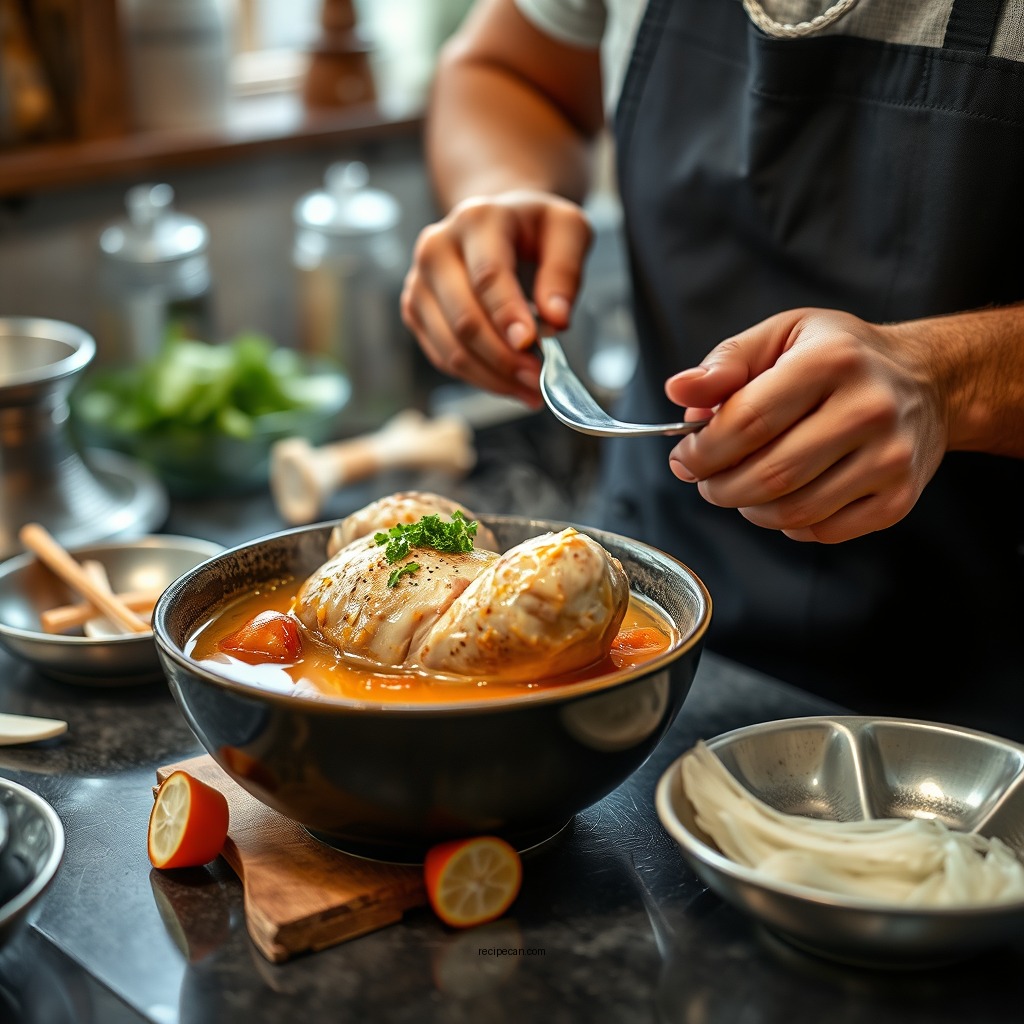
Begin your soup by preparing the chicken properly. Rinse the chicken under cold water to remove any residual blood or impurities, then pat it dry with paper towels. If you’re using a whole chicken, consider roasting or searing it in a hot pan for a few minutes on each side before placing it in the pot. This step not only locks in juices but also adds a complex flavor profile to your broth.
Making the Broth
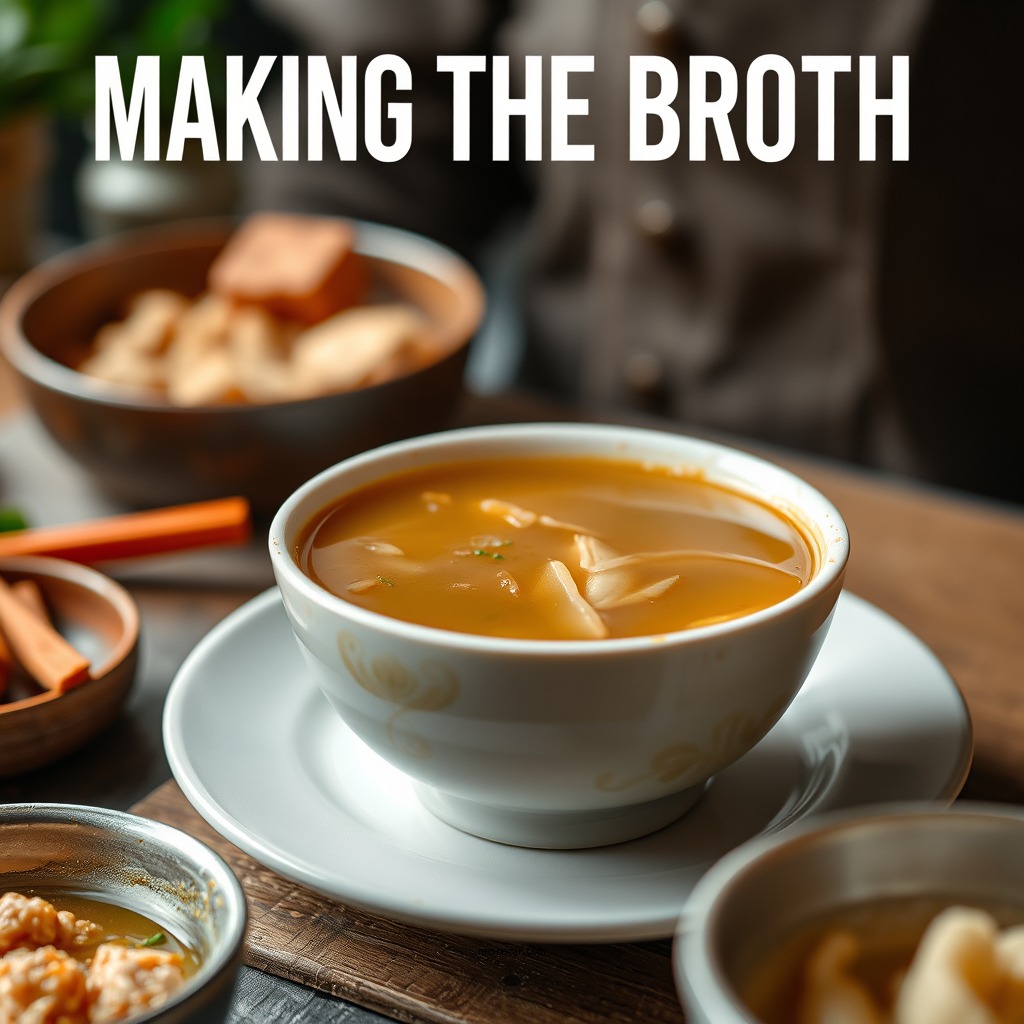
The broth is the heart of your chicken soup. Place the prepared chicken in a large stockpot and cover it with enough water to fully submerge the meat. Bring the water to a boil over high heat, then reduce the heat to maintain a gentle simmer. As the soup begins to cook, you’ll notice foam rising to the surface; be sure to skim this off with a ladle to keep the broth clear and clean-tasting.
Top 7 Vegetables for Chicken Soup (Nutritional Value per 100g)
| # | Vegetable | Calories | Protein (g) | Fiber (g) |
|---|---|---|---|---|
| 1 | Carrots | 41 | 0.9 | 2.8 |
| 2 | Celery | 16 | 0.7 | 1.6 |
| 3 | Onions | 40 | 1.1 | 1.7 |
| 4 | Garlic | 149 | 6.4 | 2.1 |
| 5 | Bell Peppers | 20 | 0.9 | 1.7 |
| 6 | Peas | 81 | 5.4 | 5.7 |
| 7 | Spinach | 23 | 2.9 | 2.2 |
Adding Vegetables and Seasonings
Once your chicken has simmered for about 30 minutes, it’s time to add the vegetables. Start by chopping your selected vegetables into bite-sized pieces. Add them to the pot along with the fresh herbs and seasonings. Season with salt and pepper according to your taste. The vegetables should be added at this stage to ensure they maintain some texture and do not become overly mushy during the cooking process.
Simmering the Soup
Allow the soup to simmer gently for at least one hour. This not only helps develop the flavors but also ensures that the chicken becomes tender enough to shred easily. Check the chicken periodically; it should be fully cooked and easily fall off the bone when it’s ready. If you’re using boneless chicken, it should also be tender and juicy.
Simmering Time vs. Flavor Development
Serving Suggestions
Once your soup is ready, serve it hot, garnished with freshly chopped parsley for a burst of color and flavor. You can enjoy this soup on its own, or pair it with a side of crusty bread or a simple salad for a complete meal. A squeeze of lemon over the soup can brighten the flavors, making it even more delightful.
Storing and Reheating
To enjoy your chicken soup later, store any leftovers in an airtight container in the refrigerator for up to four days. When reheating, do so gently on the stove or in the microwave, adding a splash of water if the soup has thickened. This will help maintain the texture and flavor of your comforting dish.
In conclusion, this chicken soup recipe without noodles offers a wholesome meal filled with flavor and nutrition. Perfect for chilly days or when you’re feeling under the weather, this dish embodies comfort and warmth. Don’t hesitate to share your own experiences or variations of this recipe in the comments below! Enjoy your cooking!
Frequently Asked Questions
What are the essential ingredients for a chicken soup recipe without noodles?
The essential ingredients for a chicken soup recipe without noodles typically include chicken (preferably bone-in for flavor), vegetables such as carrots, celery, and onions, garlic, herbs like thyme and parsley, and chicken broth. You can also add seasonings such as salt and pepper to enhance the taste while keeping it healthy and noodle-free.
How can I make my chicken soup without noodles more flavorful?
To enhance the flavor of your chicken soup without noodles, consider roasting the chicken first to develop a deeper taste. Adding fresh herbs, lemon juice, or even a splash of white wine can elevate the soup’s profile. Don’t forget to simmer the broth longer for richer flavors, and adjust seasonings towards the end for a balanced taste.
Why should I choose a chicken soup recipe without noodles?
Choosing a chicken soup recipe without noodles can be beneficial for those seeking a low-carb or gluten-free option. It allows the focus to be on the nutritious ingredients like vegetables and chicken, providing a healthier alternative that is still comforting and satisfying, especially during cold weather or when you’re feeling under the weather.
What are some good substitutes for noodles in chicken soup?
Some excellent substitutes for noodles in chicken soup include vegetables like zucchini noodles, cauliflower rice, or even chickpeas for added protein. You can also use grains like quinoa or barley, which complement the soup well while delivering additional nutrients without the carbs associated with traditional noodles.
Which cooking method is best for a chicken soup recipe without noodles?
The best cooking method for a chicken soup recipe without noodles is to use the stovetop or slow cooker. The stovetop method allows for quicker cooking and flavor development, while the slow cooker method provides a convenient way to let the ingredients meld together over several hours, resulting in a rich and satisfying soup.
References
- How to Make Chicken Soup: 15 Steps (with Pictures) – wikiHow Life
https://www.wikihow.com/Make-Chicken-Soup - https://www.healthline.com/nutrition/chicken-soup-recipe
https://www.healthline.com/nutrition/chicken-soup-recipe - https://www.mayoclinic.org/healthy-lifestyle/nutrition-and-healthy-eating/in-depth/chicken-soup/art-20046640
https://www.mayoclinic.org/healthy-lifestyle/nutrition-and-healthy-eating/in-depth/chicken-soup/art-20046640 - https://www.ncbi.nlm.nih.gov/pmc/articles/PMC7310504/
https://www.ncbi.nlm.nih.gov/pmc/articles/PMC7310504/ - https://www.sciencedirect.com/topics/agricultural-and-biological-sciences/chicken-soup
https://www.sciencedirect.com/topics/agricultural-and-biological-sciences/chicken-soup - https://www.journalofethnicfoods.com/article/S2352-0246(20)30024-0/fulltext
https://www.journalofethnicfoods.com/article/S2352-0246(20)30024-0/fulltext - Google Scholar Google Scholar
https://scholar.google.com/scholar?q=chicken+soup+recipe+no+noodles - Google Scholar Google Scholar
https://scholar.google.com/scholar?q=benefits+of+chicken+soup - Google Scholar Google Scholar
https://scholar.google.com/scholar?q=chicken+soup+without+noodles+health+benefits - chicken soup recipe no noodles – Search results
https://en.wikipedia.org/wiki/Special:Search?search=chicken+soup+recipe+no+noodles