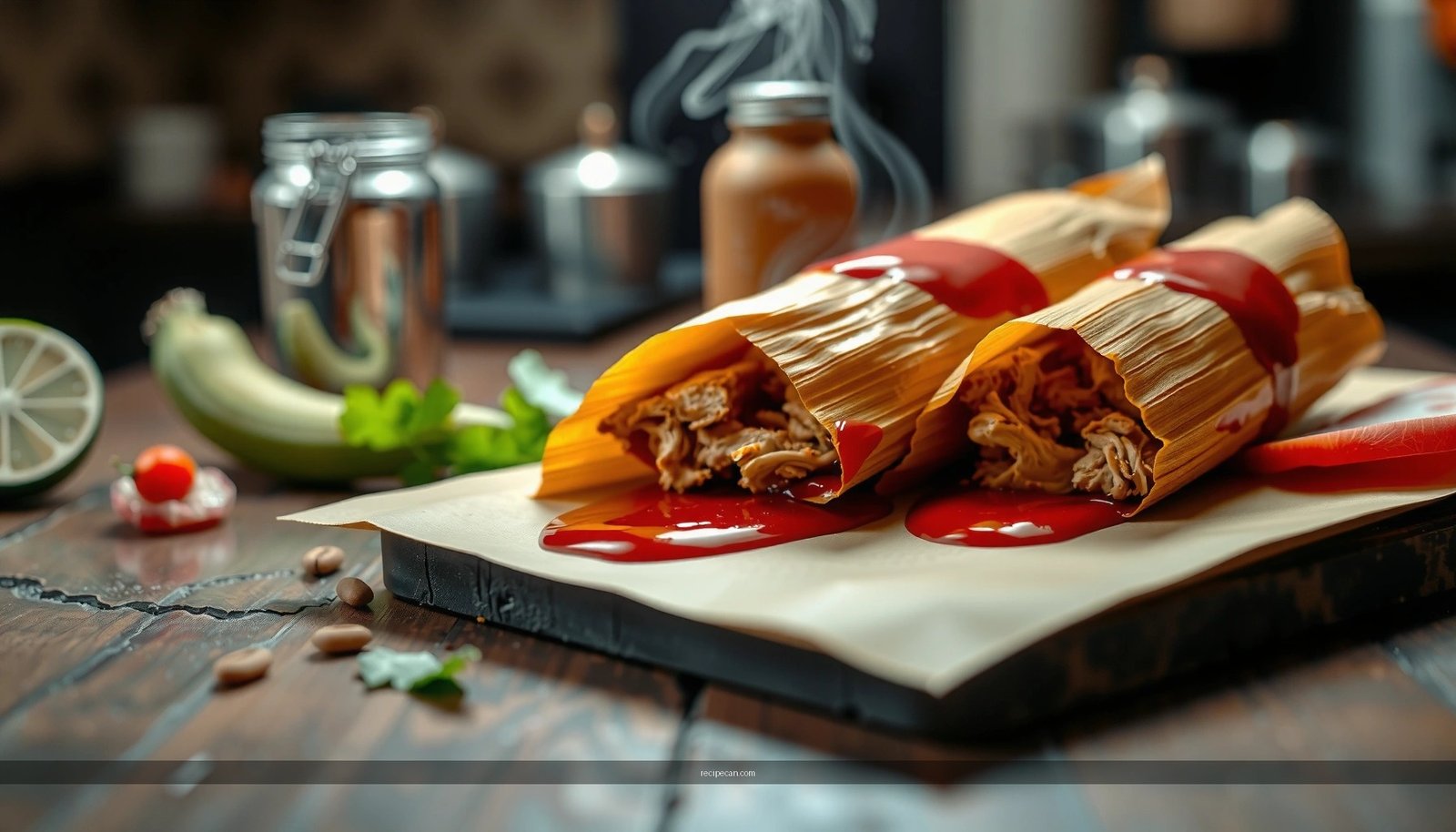
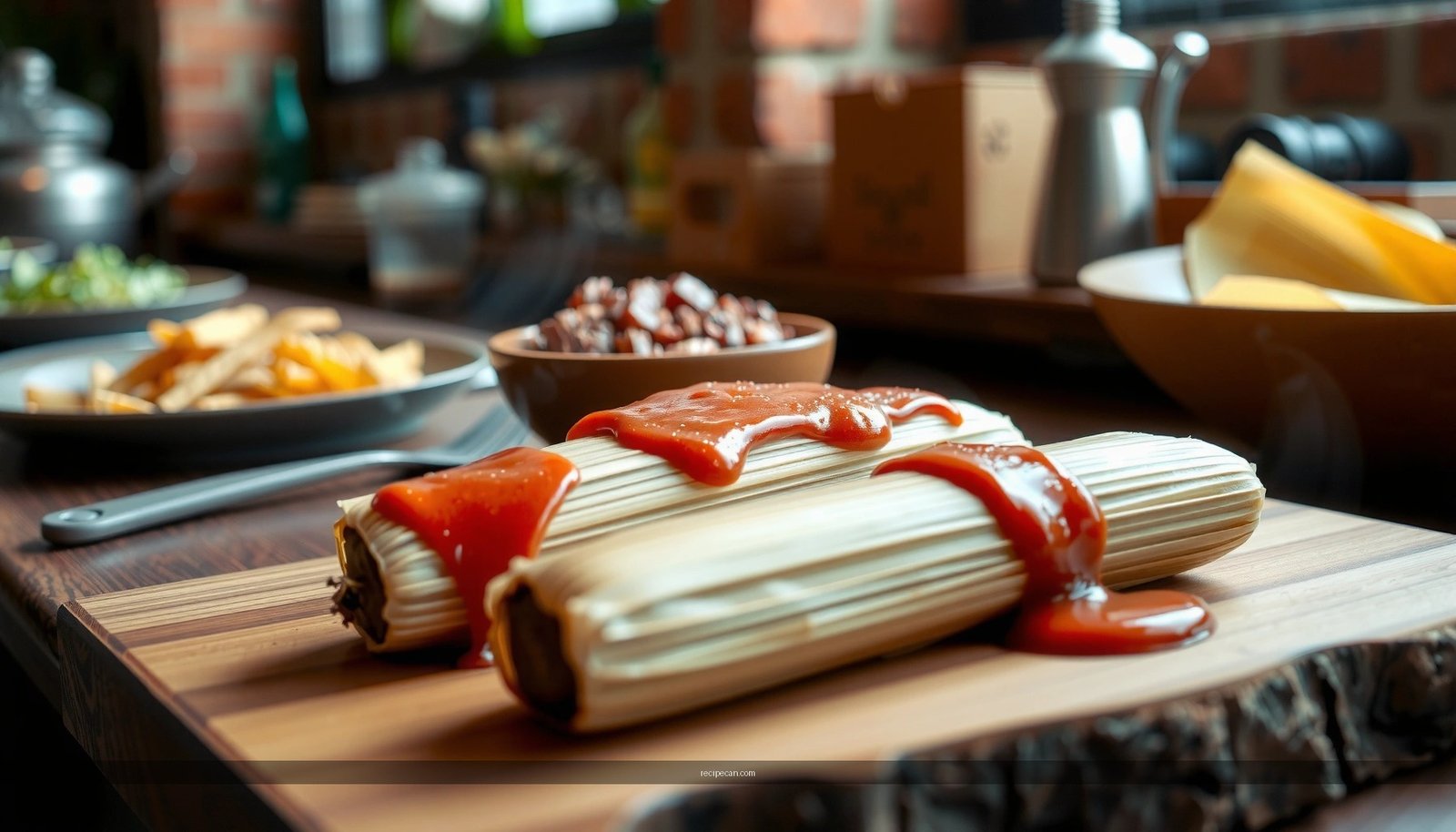
This chicken Mexican tamales recipe tells you exactly how to make tender, flavorful tamales at home, from masa to filling to steaming, without guesswork. You’ll get the clearest method to ensure the masa sets properly and the chicken stays juicy with the right seasonings. If you want the most reliable way to make tamales from scratch, this is the winner to follow.
Make chicken Mexican tamales at home by cooking flavorful seasoned chicken, spreading smooth masa on softened corn husks, and steaming until the masa firms and releases cleanly. If you follow the right order—especially getting the masa consistency and steam time correct—you’ll produce tamales with tender filling and the signature, sliceable texture that holds up when served.
Gather Ingredients for Chicken Mexican Tamales
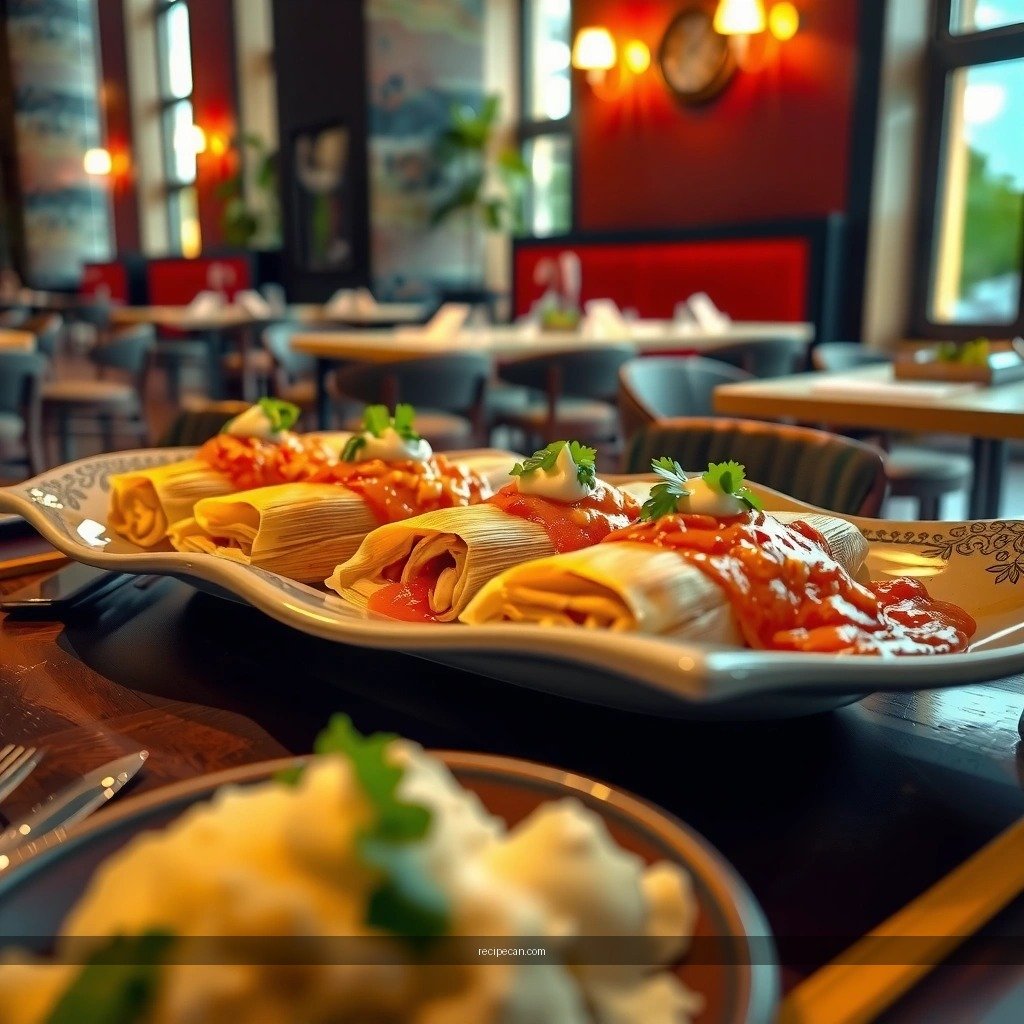
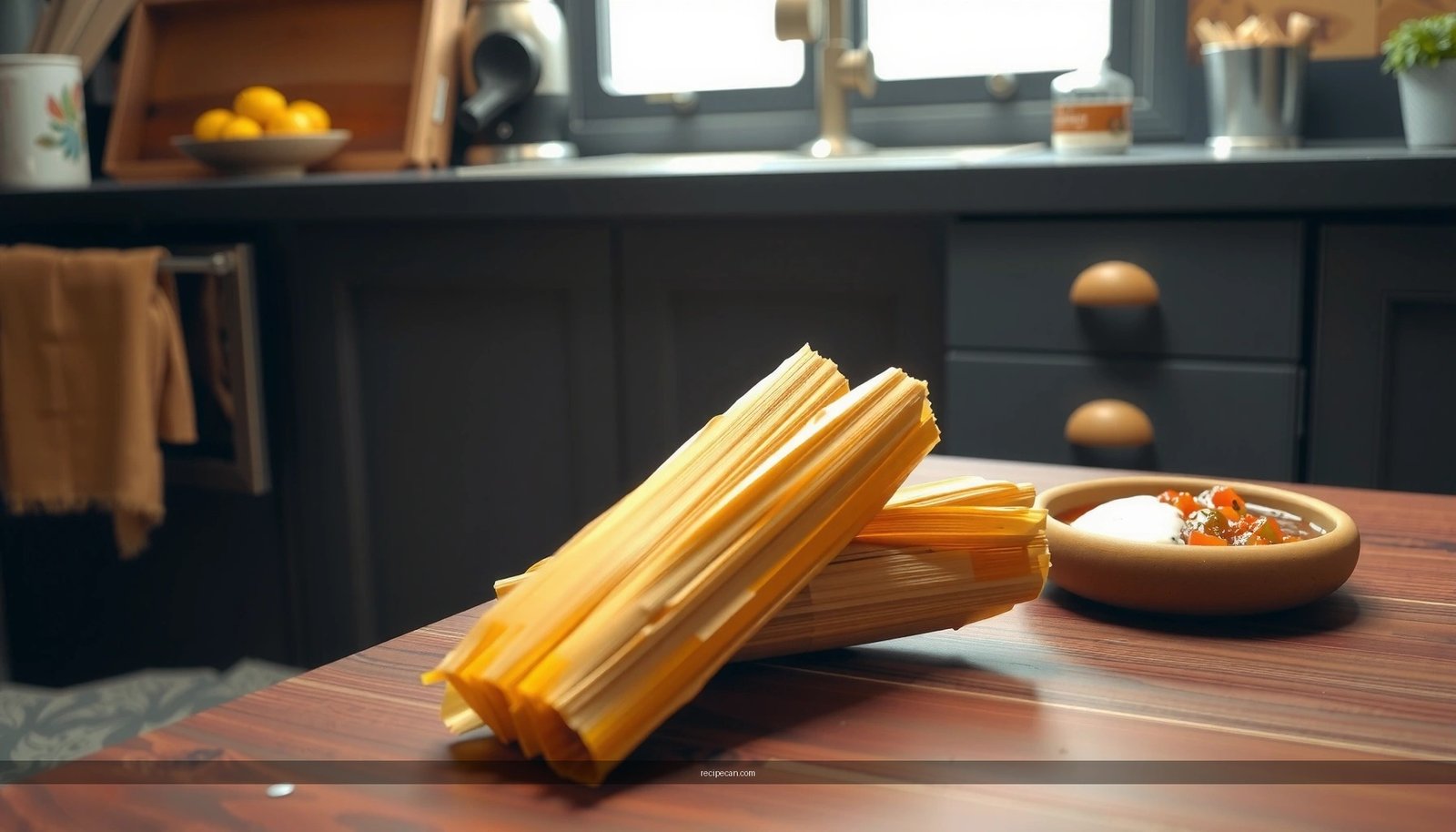
– Collect corn husks, masa harina, chicken, and Mexican seasonings
– Plan for broth/stock and lard or oil for rich masa texture
Before you start, treat tamales like a process rather than a single recipe. Quality masa and a well-seasoned filling are the two levers that most influence flavor and texture. Start by assembling everything so you can work continuously while husks soften and dough rests.
Key ingredients and why they matter
– Corn husks: Choose dried husks for classic flavor and structure. They should be flexible after soaking/steaming, not brittle.
– Masa harina: This is your tamale dough base. Masa harina is nixtamalized corn flour; it’s what creates the tender, slightly earthy corn flavor that tamales are known for.
– Fat (lard or neutral oil): Traditional tamales use lard, which contributes tenderness and a richer mouthfeel. High-quality neutral oil works if you’re aiming for a different flavor profile, but lard is the benchmark for classic results.
– Stock/broth: Broth hydrates the masa and helps the dough taste seasoned rather than plain.
– Chicken + seasonings: Use bone-in or boneless chicken thighs or breasts. Thighs stay juicier during simmering.
Flavor building blocks (common in Mexican chicken tamales)
– Aromatics: onion and garlic
– Chili heat and depth: dried chiles (often guajillo and/or ancho) or chili powder with a touch of cumin and oregano
– Acidity: a small amount of lime juice or tomato-based chili blend helps brighten the filling
– Salt: tamales need sufficient salt to taste “complete,” especially once wrapped and steamed
Tamale Success Factors: What Drives Best Texture at Home
| # | Factor | Typical Home Target | Why It Matters | Impact on Texture |
|---|---|---|---|---|
| 1 | Masa consistency | Spreadable, holds shape | Prevents cracking or dense tamales | ★★★★★ |
| 2 | Fat quality (lard vs oil) | Use fresh, adequate amount | Improves tenderness and binding | ★★★★☆ |
| 3 | Steaming time | Masa sets fully (no wet pull) | Ensures clean release and firmness | ★★★★☆ |
| 4 | Filling moisture balance | Moist, not soupy | Prevents gummy masa and leaks | ★★★☆☆ |
| 5 | Husk prep | Soak until pliable | Improves folding and sealing | ★★★☆☆ |
| 6 | Seasoning depth (chicken) | Well-salted, spiced, balanced | Makes tamales taste “finished” | ★★★★★ |
| 7 | Rest after steaming | Rest before opening | Improves set and sliceability | ★★★☆☆ |
Cook the Chicken Filling
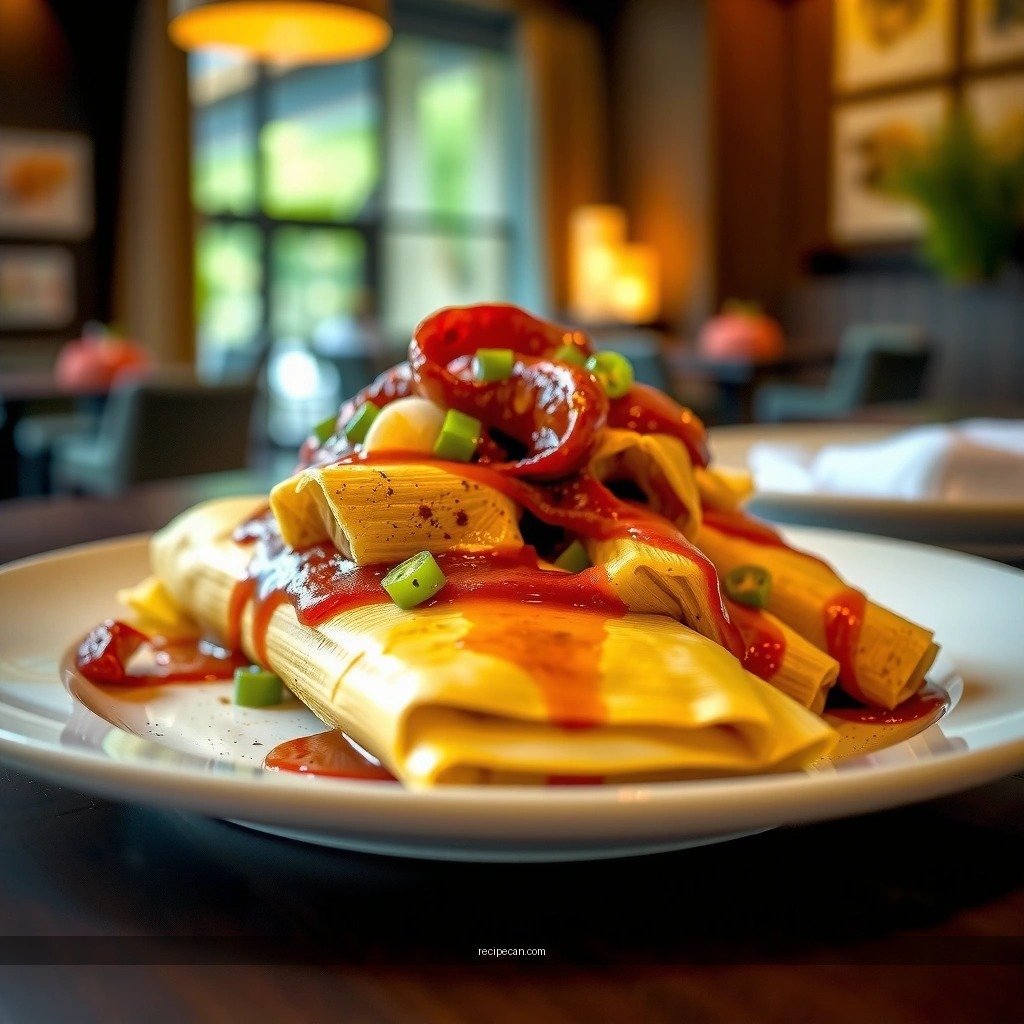
– Simmer shredded chicken with onions, garlic, chili, and spices
– Keep the filling moist by using enough broth and letting it reduce slightly
The filling should be flavorful, cohesive, and spoonable—not watery. If it’s too wet, the masa can turn heavy or gummy. If it’s too dry, the tamales taste flat and the filling pulls moisture out of the dough during steaming.
A practical approach for deep Mexican flavor
1. Simmer chicken with onion and garlic until tender.
2. Build the chili base: If using dried chiles, toast lightly, soften in hot water, blend with broth, then cook briefly to remove raw chile flavors.
3. Season and balance: Add cumin, oregano, salt, and a pinch of sugar if your chili blend tastes sharp. Finish with lime juice for brightness.
Moisture control technique
– Start with enough broth to simmer the chicken.
– After shredding, reduce the sauce until it coats the chicken. A good sign: when you drag a spoon through the filling, it leaves a trail that slowly fills back in.
Consistency check (use this while cooking)
– Spoon a small amount into a bowl. If it looks like thin soup, keep simmering.
– If it’s thick like stew, you’re ready to assemble.
Heat customization
– For a mild “family-friendly” version, use a smaller portion of guajillo and rely more on warm spices than chili heat.
– For a spicier tamale, add a pinch of cayenne or include more chile de árbol (careful—tree chiles are potent).
Prepare the Masa (Tamale Dough)
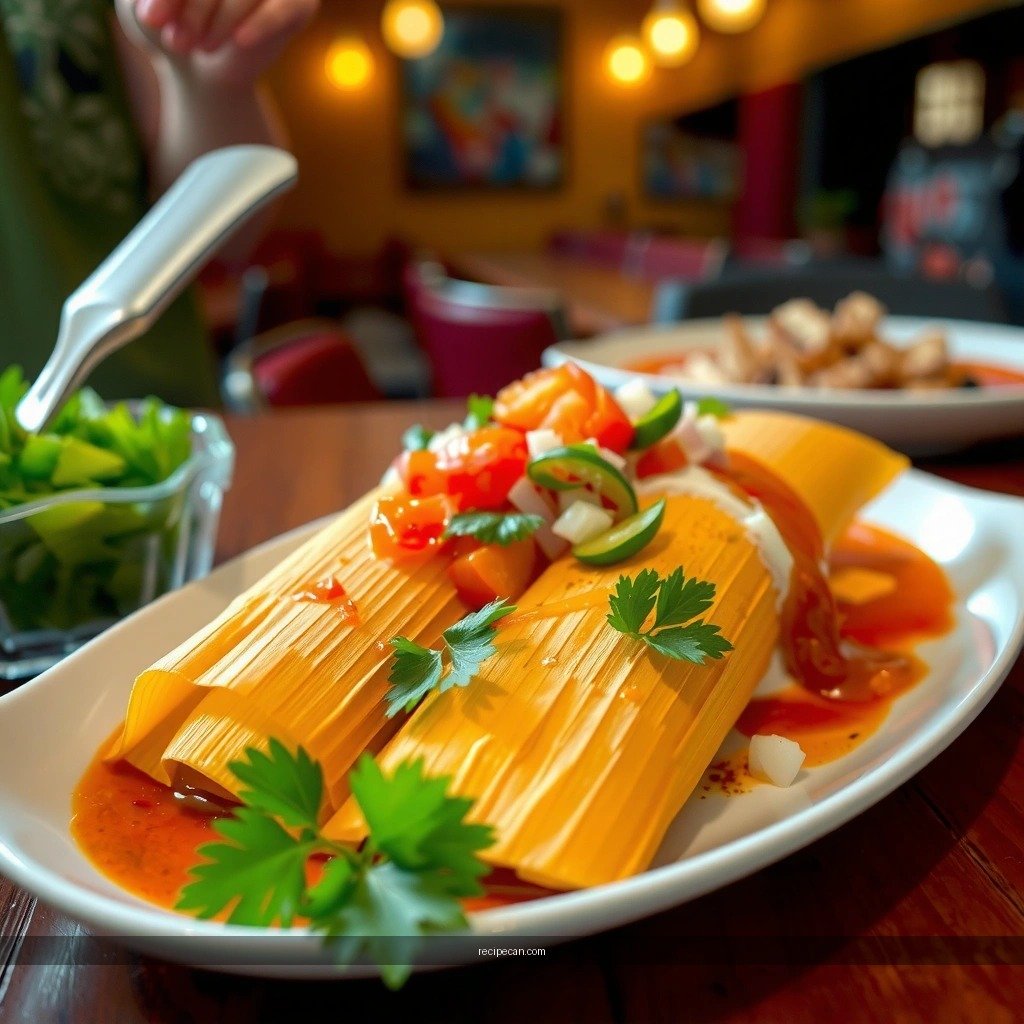
– Mix masa harina with broth and fat until spreadable and smooth
– Test consistency so it holds shape when spread on husks
Masa is where most home tamale attempts succeed or fail. The goal is a dough that is soft but not runny—it should spread into a thin layer and set into a tender, springy texture after steaming.
Basic method (analytical and repeatable)
1. Bloom/rehydrate masa harina gradually with warm broth. Adding hot liquid helps the dough absorb more evenly and reduces lumps.
2. Add fat (lard or oil) for tenderness and spreadability.
3. Whip or mix thoroughly until smooth. Many cooks whip until lighter in texture; it improves aeration and helps the masa cook evenly.
Critical: adjust broth in small increments
– If the masa breaks or won’t spread, it’s too thick—add broth a tablespoon at a time.
– If it slumps and tears on the husk, it’s too thin—add masa harina a teaspoon at a time and remix.
The “shape test”
– Spread a little masa on a husk. It should level naturally but stay in place.
– When you stop spreading, the surface should look smooth and cohesive—not watery at the edges.
Assemble the Tamales
– Soften corn husks, then spread masa in a thin, even layer
– Add chicken filling, fold, and secure tamales for steaming
Assembly is efficient when you set up a repeatable workstation. Lay out husks, keep a small bowl of water nearby to prevent tearing, and use a consistent portion size of filling.
Husk prep
– Soak corn husks in warm water until pliable (they should bend without snapping).
– Dry the surface briefly so excess water doesn’t interfere with the masa layer.
Spreading the masa
– Use a spoon or offset spatula to spread masa into a thin, even rectangle.
– Leave a small border so folding seals well.
Adding filling
– Place a line or small mound of chicken filling where it will sit in the folded center.
– Don’t overfill. Too much filling creates gaps, which can cause leaks and uneven cooking.
Folding and securing
– Fold the husk to enclose the filling and create a seam that stays closed.
– Tie with strips of soaked husk or kitchen twine if your method requires it.
Batch efficiency tips
– Assemble 10–15 at a time, then move them directly into the steamer so they stay organized and ready for steaming.
– Keep your hands lightly moistened if masa starts sticking.
Steam Until Fully Cooked
– Arrange tamales upright or folded seam-side up with steam flow
– Steam until masa pulls cleanly and feels set, then rest before serving
Steaming is both a timing and a technique problem. You want consistent steam and enough time for the masa to cook through and firm up.
Steaming setup
– Add water to the steamer pot below the rack level. Keep it at a steady simmer.
– Arrange tamales with airflow in mind—don’t overcrowd.
Positioning
– Many cooks steam tamales upright or seam-side up so moisture doesn’t pool at the fold.
– If you steam flat, rotate occasionally to promote even cooking.
How to know they’re done
– The key indicator is that the masa pulls cleanly from the husk.
– The tamale should feel set, not soft or damp in the center.
– When pressed lightly through the husk, the masa should spring back rather than squish.
Resting matters
– After steaming, let tamales rest before unwrapping. This final setting step improves texture and reduces breakage.
Make Ahead Tips and Storage
– Cool, store, and reheat tamales without drying out
– Freeze assembled tamales or cooked batches for easy future meals
Tamales are ideal for meal prep because their flavor deepens after resting. Proper cooling and reheating are what prevent dryness and maintain the tender masa texture.
Cooling
– Cool tamales to room temperature before refrigerating to reduce condensation.
– If you plan to reheat soon, keep them covered so they don’t dry out on the surface.
Reheating without losing moisture
– Best method: steam again briefly until hot throughout.
– Microwave can work for smaller portions, but wrap in a damp paper towel and reheat in short intervals to avoid drying.
– If reheating from frozen, extend steaming time and don’t open tamales until fully heated.
Refrigeration
– Store in an airtight container. Most home batches hold well for about 3–4 days for best quality.
1. Freeze assembled (uncooked) tamales for convenience—wrap tightly and label with date.
2. Freeze cooked tamales for faster future meals; reheat by steaming until warmed through.
Quality-preservation practices
– Portion into meal-sized servings before freezing.
– Avoid repeated thaw/refreeze cycles; it affects texture.
If you want a reliable “first time” benchmark: assemble and freeze a smaller batch, then evaluate texture after steaming—this helps you dial in masa hydration and steaming time for your equipment.
Steaming, proper masa consistency, and a well-seasoned chicken filling are the keys to great chicken Mexican tamales. Follow the steps above, steam until fully set, and then reheat or freeze for quick, delicious meals—try your first batch today and adjust spice level to your taste.
Frequently Asked Questions
What is the best chicken mexican tamales recipe for beginners?
A beginner-friendly chicken Mexican tamales recipe uses simple, recognizable masa (corn dough), a shredded chicken filling seasoned with chili powder, cumin, garlic, and onion, and a reliable lard-based or oil-based masa. Look for masa consistency that spreads easily without cracking, and keep fillings evenly distributed so each tamal cooks through at the same rate. If you’re new, start with smaller batches and follow a steamer timing guide rather than guessing.
How do you make chicken tamales masa that doesn’t tear or dry out?
For smooth chicken tamales masa, beat the fat (lard or a neutral oil blend) with salt until lighter, then gradually mix in masa harina and warm broth. The key is hydration—add broth slowly until the masa is soft and spreadable, then test with a small spoonful; it should hold shape without being crumbly. Cover the masa while assembling and steam promptly to prevent drying, which can cause tearing in the husks.
Why do your tamales come out gummy or uneven when steaming chicken tamales?
Gummy tamales usually happen when the masa is undercooked or the steamer isn’t maintaining consistent steam. Make sure water isn’t touching the tamales, keep a steady boil/steam level, and avoid opening the steamer too often. Uneven cooking can also come from inconsistent masa thickness or overpacking too much filling—use similar portion sizes for each tamal.
Which chili sauce or salsa is best for chicken tamales?
Many people prefer a mild-to-medium red chili sauce made from dried chiles blended with garlic, onion, and broth, then strained for a smoother chicken tamales filling. If you like more heat, add chipotle in adobo or a few extra chile pieces, but balance it so the masa doesn’t taste bitter. You can also use a verde-style sauce (tomatillo-based) for a tangier chicken tamales recipe, depending on your flavor preference.
How long should you steam chicken Mexican tamales, and how do you know they’re done?
Chicken Mexican tamales typically need about 60–90 minutes of steaming, but timing depends on tamal size and how quickly your steamer reaches full heat. They’re usually done when the masa pulls away from the husk easily and the center feels set (not doughy). Let them rest for 10–15 minutes after steaming so the masa firms up, making them easier to unwrap and serve.
References
- Google Scholar Google Scholar
https://scholar.google.com/scholar?q=chicken+tamales+recipe - Google Scholar Google Scholar
https://scholar.google.com/scholar?q=Mexican+tamales+masa+preparation+corn+dough+nixtamalization - Google Scholar Google Scholar
https://scholar.google.com/scholar?q=food+safety+chicken+cooked+to+165F+guidelines+USDA+CDC - Tamale
https://en.wikipedia.org/wiki/Tamale - https://www.britannica.com/topic/tamale
https://www.britannica.com/topic/tamale - Masa
https://en.wikipedia.org/wiki/Masa_harina - Mole (sauce)
https://en.wikipedia.org/wiki/Mole_poblano - https://www.cdc.gov/foodsafety/chicken.html
https://www.cdc.gov/foodsafety/chicken.html - https://www.fsis.usda.gov/food-safety/safe-food-handling-and-preparation/food-safety-basics/poultry
https://www.fsis.usda.gov/food-safety/safe-food-handling-and-preparation/food-safety-basics/poultry - Food safety
https://www.who.int/news-room/fact-sheets/detail/food-safety