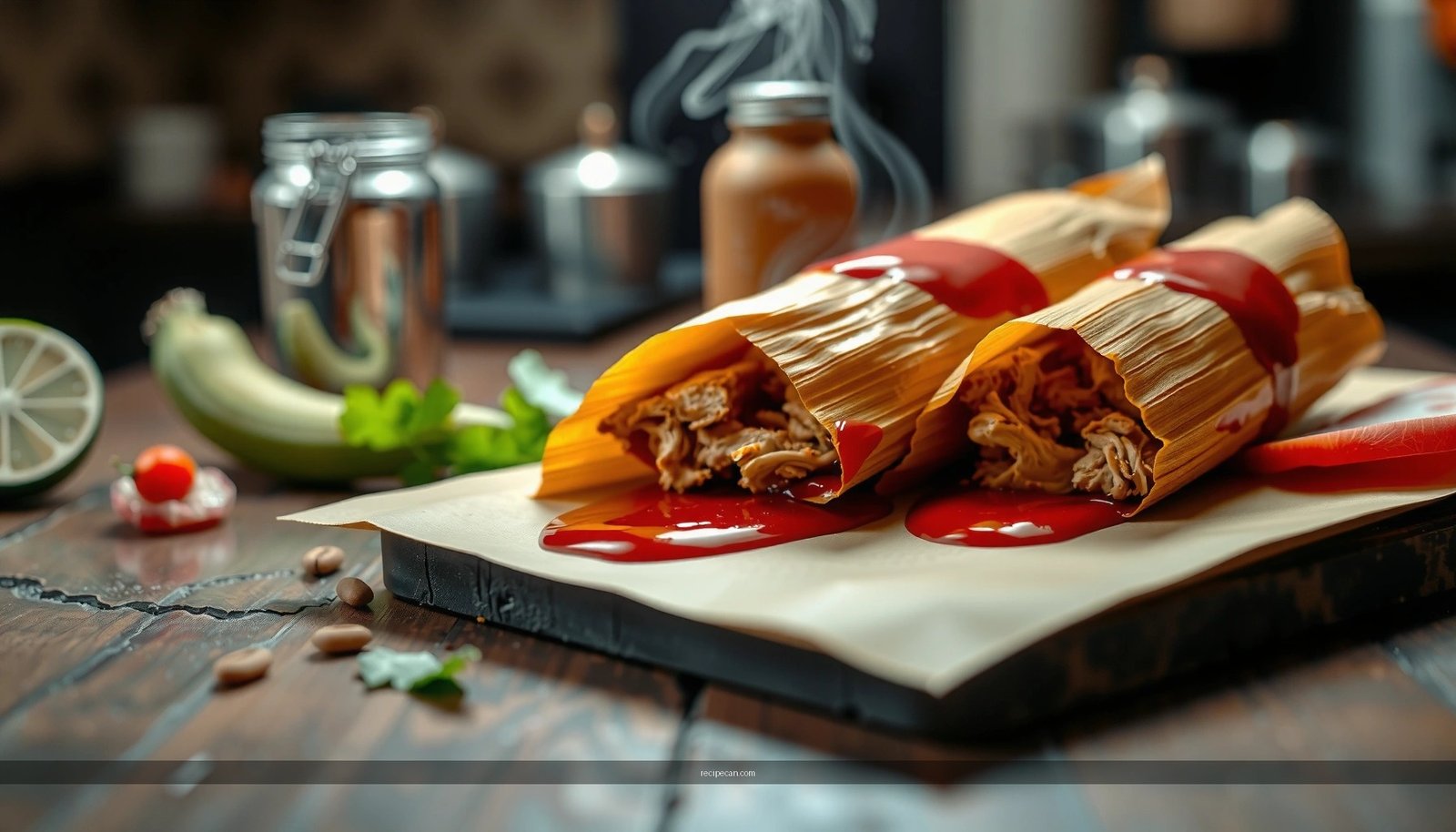
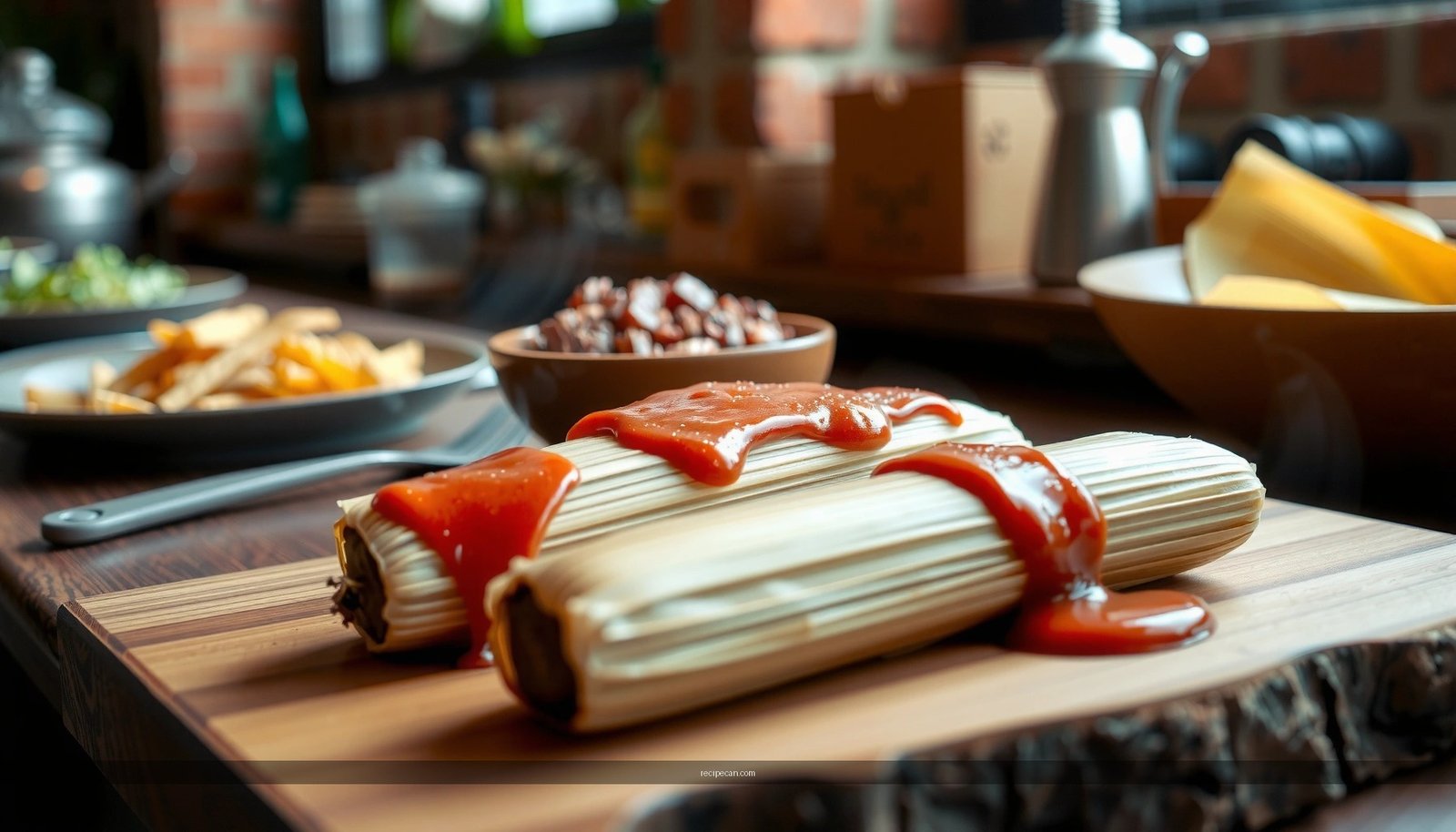
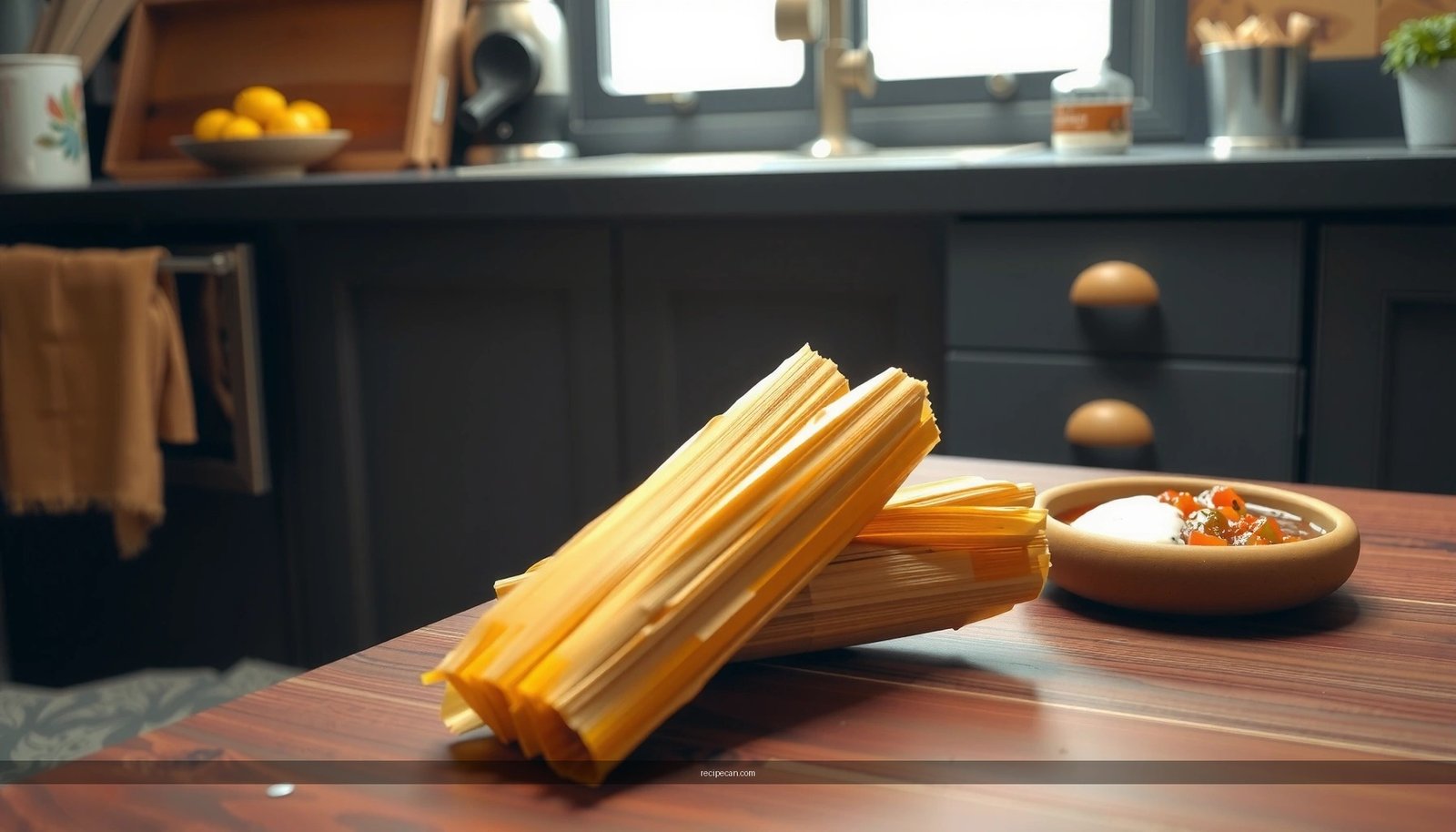
This cheese tamales recipe delivers the easiest path to homemade tamales without complicated steps or guesswork. You’ll get clear instructions for making the masa, assembling the filling, and steaming them until they’re tender and fully set. If your goal is reliable, cheesy, crowd-pleasing tamales you can make at home, this is the winner recipe.
Cheese tamales are easy to master once you get three fundamentals right: smooth masa, well-soaked corn husks, and steady steaming until the masa is set. Follow this step-by-step guide to assemble melty cheese tamales with tender, sliceable masa and reliable results every batch—whether you’re cooking for a family gathering or building a repeatable homemade tamale routine.
Ingredients for Cheese Tamales
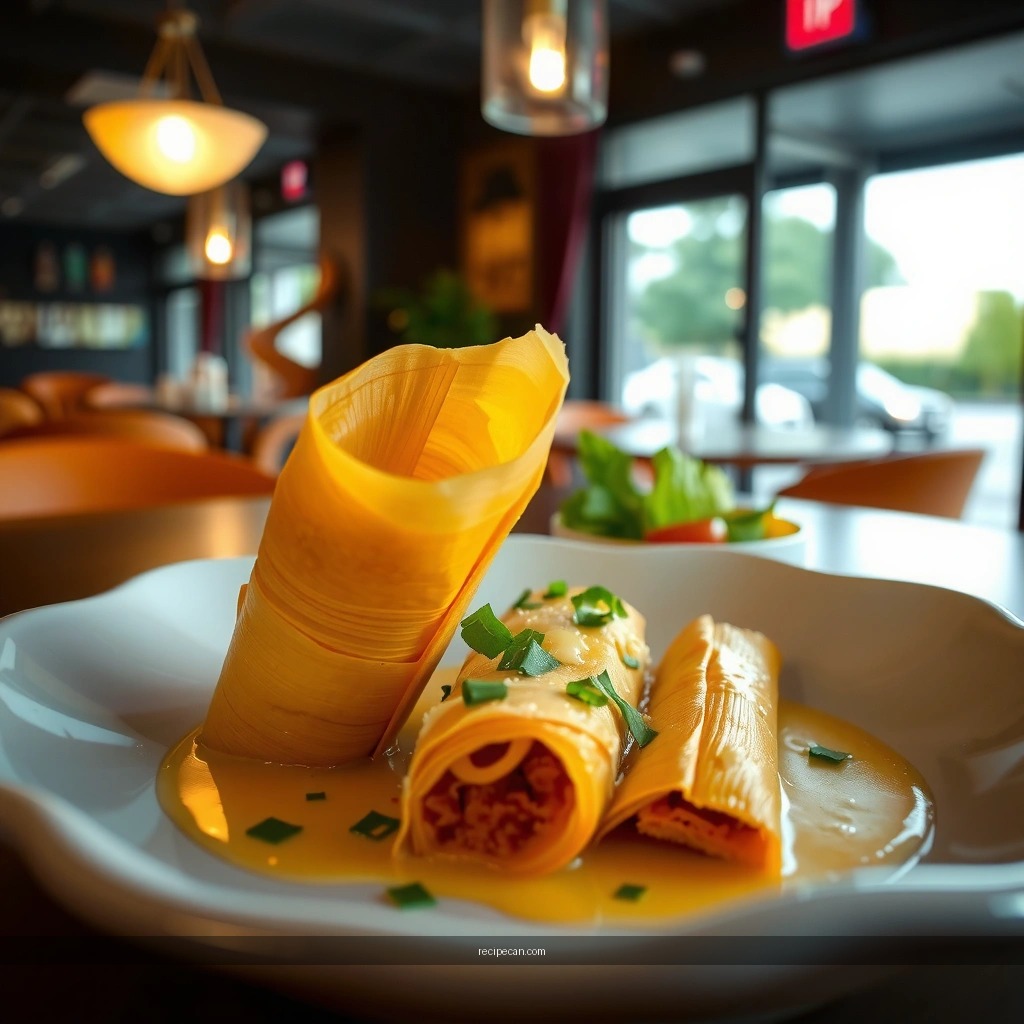
Before you start, treat tamale-making like a small production: measure accurately, choose ingredients that behave consistently, and plan your flavor profile. Cheese tamales rely on masa harina plus a fat and liquid base to create a pliable dough that steams into a soft, cohesive cake. The cheese choice determines whether you get a gooey pull, a creamy bite, or a more restrained melt.
– Choose the right cheese (like Oaxaca, queso fresco, or a melty blend)
– Oaxaca cheese: classic “stretchy” melt; often labeled “queso Oaxaca.”
– Queso fresco: mild and creamy, but crumbles more than Oaxaca—best when paired with a meltier cheese.
– Melty blend: Monterey Jack, Chihuahua, or a cheese blend (often pre-shredded) for consistent gooey filling.
– Pro tip (structure + melt): Mix one “stretch” cheese with one “hold” cheese to prevent cheese from soaking out of the tamale.
– Gather masa harina, broth/stock, baking powder, salt, and corn husks
– Masa harina (not cornmeal): the tamale base.
– Broth/stock (or warm water): adds savory depth; chicken or vegetable works well.
– Fat: traditional recipes use lard; high-quality vegetable shortening or butter works for many home kitchens.
– Baking powder: gives tamales a lighter, more tender bite after steaming.
– Salt: essential—masa can taste flat without it.
– Corn husks: act as a natural wrapper and help the masa steam evenly.
– Use options for add-ins like jalapeños or garlic for extra flavor
– Jalapeño: finely chopped or thinly sliced; remove seeds for less heat.
– Garlic: minced and either mixed into the masa or added to the cheese filling.
– Roasted poblano or mild green chiles: good if you want flavor without overpowering the cheese.
– Cilantro: optional; use sparingly to avoid a soapy or overly strong aroma.
Once your ingredient list is set, you can plan portioning so each tamale is consistent—this matters because inconsistent filling size can cause uneven steaming and cheese leakage.
Cheese & Texture Guide for Homemade Cheese Tamales
| # | Cheese Option | Melt/Stretch Rating | Flavor Intensity | Best Use in Tamales | Cheese Stability |
|---|---|---|---|---|---|
| 1 | Oaxaca (queso Oaxaca) | ★★★★★ | Mild | Classic gooey pull | High |
| 2 | Chihuahua-style | ★★★★☆ | Mild | Reliable melt | High |
| 3 | Monterey Jack | ★★★★☆ | Mild-medium | Great “melty base” | Medium-High |
| 4 | Queso fresco (alone) | ★★★☆☆ | Mild | Creamy, less stretch | Low-Medium |
| 5 | Oaxaca + queso fresco mix | ★★★★☆ | Mild | Balanced stretch + cream | Medium-High |
| 6 | Pre-shredded “Mexican blend” | ★★★★☆ | Mild-medium | Fast prep, consistent results | Medium-High |
| 7 | Fresh mozzarella (modified) | ★★★☆☆ | Mild | Use with extra masa thickness | Low |
Prep the Corn Husks
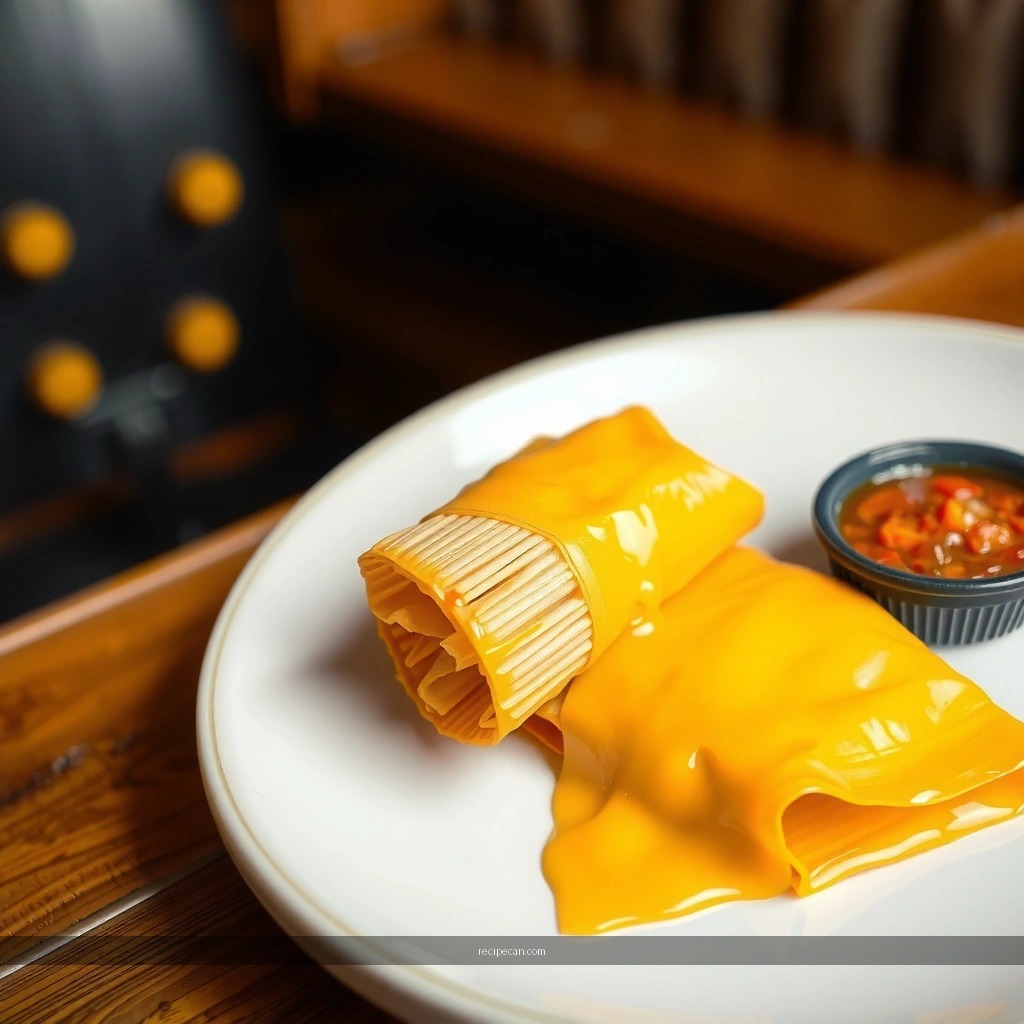
Corn husks are not optional for tamales—they are the cooking vessel and the wrapper that protects masa while it steams. If husks are brittle, you’ll tear them during wrapping, and you’ll lose the tight seal that helps cheese stay inside.
– Soak husks until pliable so they fold without tearing
– Submerge husks in warm water and soak until flexible (typically 30–60 minutes, depending on thickness).
– If you’re short on time, use warm (not boiling) water and check every 10–15 minutes.
– Rinse and trim for easier handling during wrapping
– Rinse to remove dust or stray fibers.
– Trim thick hard ends and any broken sections so wrapping stays neat and doesn’t create gaps.
– Keep husks covered to prevent drying while you work
– Work in batches: take out only what you need, keep the rest submerged or under a damp towel.
– Dry husks crack and can leave steam channels, which can make masa cook unevenly.
A simple production mindset helps: once your husks are soaked, keep a “wrapping station” set up—damp husks, a spoon/offset spatula, and a clear work surface—so you don’t pause mid-assembly.
Make the Masa Dough
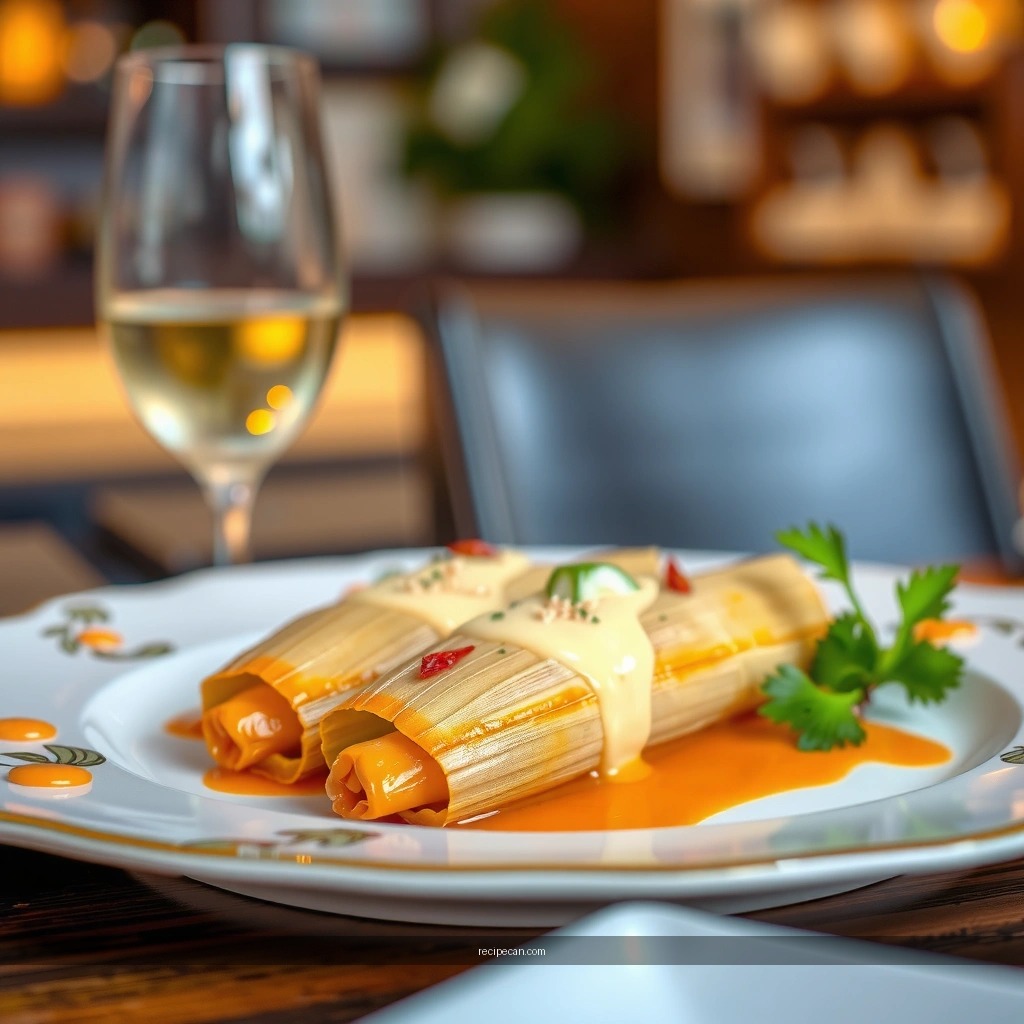
Masa dough quality is the difference between tamales that slice cleanly and tamales that feel dense or break apart. The goal is a smooth, spreadable texture that holds shape while still cooperating with the husk.
– Mix masa harina with warm broth and fat until smooth and spreadable
– Warm liquid helps masa harina hydrate evenly.
– Mix fat into the dough so it becomes tender and cohesive.
– Aim for a batter-like consistency, not dry crumbs and not watery soup.
– Fold in baking powder for light, tender tamales
– Baking powder contributes to a lighter structure during steaming.
– Mix thoroughly to avoid pockets that create uneven texture.
– Test the texture—masa should spread easily and hold shape
– A reliable test: masa should spread with a spoon to about a 1/4-inch layer on the husk and remain in place.
– If it tears or cracks when spread: it’s too dry—add a small splash of warm broth and mix.
– If it drips: it’s too wet—add a bit more masa harina and re-test.
For consistent results, measure and mix until smooth. Under-mixed masa can lead to grainy texture, while overly mixed masa can become dense. Treat this stage like dough work: steady, controlled, and deliberate.
Assemble the Tamales
Assembly is where your technique controls the final bite. For cheese tamales, the critical factor is creating a tight, even roll that traps cheese and steam inside without overstuffing.
– Spread a thin layer of masa on each husk
– Use a spoon to spread an even layer—thin enough to steam through, thick enough to fully enclose filling.
– Keep one side slightly more “finished” to help create a seam that stays closed.
– Add a strip of cheese and fold/roll tightly
– Place cheese in a single line down the center or slightly offset so you can fold evenly.
– Use a controlled amount: too much cheese can leak and reduce structural integrity.
– If using jalapeños, keep pieces small and distribute lightly to avoid hot spots and moisture pockets.
– Arrange seam-side down to help them steam evenly
– Seam-side down supports a secure closure and helps any melting cheese stay inside.
– If your husk is wide, trim so the roll stays compact—compact tamales steam more uniformly.
A practical approach: assemble 6–8 tamales at a time, especially if it’s your first batch. This reduces time husks sit drying on the board and makes the process more repeatable.
Steam the Tamales
Steaming is the “set and transform” step: masa hydrates further, fat emulsifies, baking powder helps lift structure, and the cheese reaches its ideal melt without collapsing the roll.
– Steam with enough water to maintain steady heat
– Keep water at a steady simmer; avoid letting it run dry.
– Use a steamer insert or rack so tamales aren’t sitting in boiling water directly.
– Cook until masa pulls slightly from the husk and feels firm
– Doneness is typically signaled when masa releases slightly from the husk and the tamale feels set to the touch.
– Timing varies with tamale size and steam intensity—focus on texture cues rather than only the clock.
– Re-steam if needed, checking doneness after initial steaming
– If masa still clings to husks or feels soft in the center, re-steam in 10–15 minute increments.
– Small adjustments prevent overcooking the outer layers while leaving the center underdone.
For best results, avoid opening the steamer frequently; each lift changes steam temperature and can extend cook time. If you’re batch cooking, keep the lid on and plan your “check points.”
Serving and Storage Tips
Cheese tamales are best served hot, with toppings that balance richness and add brightness. Storage and reheating are also where tamales either shine again—or turn rubbery.
– Serve hot with salsa, crema, or a squeeze of lime
– Salsa roja adds acidity and sweetness.
– Crema or Mexican crema softens heat and complements the cheese.
– Lime enhances flavor by cutting through fat—especially with mild cheese varieties.
– Garnish with chopped cilantro or pickled onions if you want a restaurant-style finish.
– Store in the fridge and reheat by steaming or microwave
– Let tamales cool slightly before storing to reduce condensation.
– Reheat by steaming for the most tender, “just made” texture (best for multiple tamales).
– Microwave works for single portions; cover to retain moisture and heat in short intervals.
– Freeze for longer storage—wrap well and thaw before reheating
– Freeze individually if possible so you can reheat just what you need.
– Thaw in the fridge overnight when you can, then steam until hot.
– Properly wrapped tamales protect masa texture and prevent freezer burn.
When you reheat correctly, the masa rehydrates and the cheese returns to a melty state—especially if you used an Oaxaca or melty blend. If you prefer a stretchier center, avoid over-microwaving and prioritize steaming.
Cheese tamales come out best when your masa is smooth, the husks are properly soaked, and the tamales steam until fully set. Follow the steps above, make a batch, and try reheating leftovers to enjoy the same melty texture—then share your results or experiment with different cheeses next time.
Frequently Asked Questions
What is the best cheese to use for a cheese tamales recipe?
For a classic cheese tamales recipe, use cheeses that melt smoothly and taste great with masa, such as Oaxaca, Monterey Jack, queso quesadilla, or a mild cheddar. If you want extra flavor, blend Oaxaca with Monterey Jack or add a little queso fresco for tang. Avoid very oily cheeses that can separate, and use shredded or crumbled cheese so it distributes evenly inside each tamale.
How do you make cheese tamales without them being dry?
Start with properly hydrated masa and follow your masa’s instructions for moisture, then mix until spreadable but not runny. When assembling, add enough cheese and a small amount of sauce (like salsa verde) to keep the filling moist. Steam cheese tamales until the masa fully cooks and sets—over-steaming can dry them out, so check for doneness by testing if the masa pulls away slightly from the husk.
How long should you steam cheese tamales, and how do you know they’re done?
Most cheese tamales take about 60–90 minutes to steam, depending on tamale size and how thick your masa layer is. You’ll know they’re done when the masa is firm, cooked through, and easily releases from the husk. If you’re unsure, cut one open—if the center looks doughy or wet, steam 10–15 minutes longer and recheck.
Why do my tamales crack or break when I assemble them?
Cracking often happens when the masa is too dry or when you overpack the filling, which puts pressure on the masa. To fix this in a cheese tamales recipe, make sure the masa is correctly hydrated and spread in an even layer, then use a moderate amount of cheese. If your masa seems dry, add warm broth or cooking liquid a little at a time until it becomes smooth and spreadable.
Which salsa pairs best with a cheese tamales recipe?
Green salsa verde is a popular choice because its tang complements the richness of melted cheese tamales. Red salsa with mild to medium heat also works well if you want a deeper, roasted flavor. For best results, choose a salsa you can simmer slightly so it thickens, then use a spoonful to season the masa or drizzle lightly over the cheese before sealing.
References
- Google Scholar Google Scholar
https://scholar.google.com/scholar?q=cheese+tamales+recipe - Google Scholar Google Scholar
https://scholar.google.com/scholar?q=tamales+de+queso+recipe - Google Scholar Google Scholar
https://scholar.google.com/scholar?q=tamales+masa+nixtamalization+cheese - Tamale
https://en.wikipedia.org/wiki/Tamale - Masa
https://en.wikipedia.org/wiki/Masa_harina - White cheese
https://en.wikipedia.org/wiki/Queso_fresco - Nixtamalization
https://en.wikipedia.org/wiki/Nixtamalization - https://www.britannica.com/topic/tamale
https://www.britannica.com/topic/tamale - https://pubmed.ncbi.nlm.nih.gov/?term=tamales
https://pubmed.ncbi.nlm.nih.gov/?term=tamales - https://pubmed.ncbi.nlm.nih.gov/?term=nixtamalization+masa+harina
https://pubmed.ncbi.nlm.nih.gov/?term=nixtamalization+masa+harina