
Cheese-stuffed sheet pan meatloaf is the easiest way to get that melty, cheesy center of classic meatloaf—without wrestling a loaf pan. You shape a thin “cradle” on a rimmed sheet pan, seal shredded cheese inside, bake until the meat hits a safe internal temperature, then glaze during the last few minutes for a sticky, savory finish.



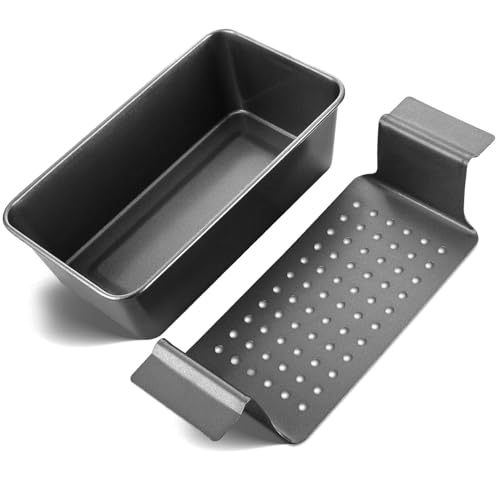
Out of the oven, a cheesy ribbon of melted cheddar peeks through the seam of a sheet-pan meatloaf, filling the kitchen with a savory, toasted aroma while the edges turn deep golden. It’s built for weeknights: you shape the meat into a rectangle, tuck in cheese, seal, and bake on one pan so cleanup stays minimal and slices stay tidy.
Recipe Overview

Cheese-stuffed sheet pan meatloaf gives you classic comfort-food flavor with a big upgrade in convenience: one pan, one bake, and neat slices you can serve fast. This method bakes as one large rectangle, so it’s ideal for weeknights when you want maximum flavor with minimal fuss—think “meatloaf night” energy without the drama of molding and uneven cooking. It’s beginner-friendly because you’re not doing delicate stuffing in a loaf; you’re sealing a flat layer, which is easier to control.
Sheet-pan baking also supports even heat distribution, which matters for stuffed meatloaf. In 2026, the same core food-safety guidance still applies: ground meat is considered safely cooked at specific internal temperatures, and a thermometer is the most reliable way to confirm doneness (USDA FSIS). If you’ve ever had cheese leak out of a stuffed meat situation, this approach is designed to reduce that risk by building “walls” at the edges and sealing the seams.
Time Required & Ingredients

You can go from prep to oven in about 15 minutes, and the bake is typically under an hour—so it fits real schedules. Plan for a short rest at the end so the slices hold together instead of sliding around.
– 🕐 Prep Time : 15 minutes
– 🍳 Cook Time : 40 minutes
– ⏱ Total Time : 55 minutes
– Note: Optional — 10 minutes to let the meatloaf rest before slicing.
Good cheese makes a noticeable difference here. Use shredded cheese for easy melting (cheddar or a cheddar-monterey blend works great), and don’t skip binders like breadcrumbs and egg—those help the rectangle stay sliceable instead of crumbling.
Main Ingredients
– Ground beef (or beef/pork blend): 1.5 lb (680 g)
– Yellow onion, finely grated or minced: 1/2 cup
– Garlic, minced: 2 cloves
– Egg: 1 large
– Breadcrumbs: 1/2 cup
– Worcestershire sauce: 1–2 tbsp
– Salt + black pepper: to taste
– Shredded cheese (cheddar works great): 2 cups
– Optional add-in: shredded mozzarella (for extra stretch): 1/2 cup
For the Topping (simple glaze)
– Ketchup: 1/2 cup
– Brown sugar: 1–2 tbsp
– Dijon mustard (optional but tasty): 1 tbsp
– Optional splash: apple cider vinegar or Worcestershire: 1 tsp
Step-by-Step Instructions
This recipe flows in a simple sequence: mix, shape a rectangle, seal the cheese, bake, glaze, and rest. If you focus on only two things—good seam sealing and thermometer-checked doneness—you’ll get that gooey center almost every time.
Preparation
1. Heat the oven and prep the pan.
Preheat to 190°C / 375°F. Line a rimmed sheet pan with parchment paper (or foil), then lightly grease the parchment. Greasing helps the meat release cleanly once it’s baked.
2. Mix the meat mixture.
In a large bowl, combine ground meat, onion, garlic, egg, breadcrumbs, Worcestershire sauce, salt, and pepper until just combined. Overmixing can make meatloaf dense, so stop once everything looks evenly distributed.
Cooking
3. Spread the meat into a rectangle.
Scoop the mixture onto the sheet pan and gently press it into a thin rectangle, about 1 inch / 2.5 cm thick. Leave a small border around the edges so you have “walls” to seal later.
4. Stuff the center with cheese and seal.
Pile shredded cheese down the middle. Fold the meat over the cheese and press the seams closed firmly, like sealing a blanket. This is the step most people rush—taking an extra moment here is how you prevent exposed cheese seams and major leaks.
5. Bake until cooked through.
Bake for 35–45 minutes, until the exterior looks browned and the center is no longer pink. For the most reliable results, check the thickest part with a thermometer near the end of the bake time.
6. Glaze and finish.
Mix ketchup, brown sugar, and Dijon (if using). Spread the glaze over the top during the last 10 minutes of baking so it sets without burning.
Finishing
7. Rest, then slice.
Let it rest for 10 minutes. Resting lets the juices redistribute, so the slices stay cohesive instead of becoming a cheesy “spill situation.”
Heat & Temperature Guide
Sheet-pan meatloaf works best when the heat is consistent and you verify doneness by internal temperature—not by color. Thin, even meat thickness helps the center cook through at the same time as the edges.
Cooking Method
This is sheet-pan baking, which promotes even heat around the rectangle and faster browning on the edges. The shape matters: a thin rectangle structure helps the center reach temperature reliably.
Temperature & Timing
– Oven: 190°C / 375°F
– Typical bake time: 35–45 minutes
– Resting time: ~10 minutes (recommended)
Here’s the key food-safety anchor (still current in 2026): According to USDA FSIS, ground beef, pork, and veal are safe at 71°C / 160°F; ground poultry is safe at 74°C / 165°F. For leftovers, the same USDA FSIS guidance applies: reheat to 74°C / 165°F for safety.
How to Know It’s Done
– The top should be browned and slightly tacky after glazing.
– The cheese should be fully melted and bubbling under the crust.
– The center should register the safe internal temperature in the thickest part (use a thermometer if you have one).
USDA Safe Internal Temperatures for Meatloaf-Style Ground Meat
| # | Ground Meat Type | Safe Temp (°F) | Safe Temp (°C) | Use in This Recipe | Thermometer Target Tier | Carryover Note |
|---|---|---|---|---|---|---|
| 1 | Ground beef | 160°F | 71°C | Best classic choice | 160°F target | Rest 10 min for clean slices |
| 2 | Ground pork | 160°F | 71°C | Great for extra tenderness | 160°F target | Rest 10 min to set juices |
| 3 | Ground veal | 160°F | 71°C | Less common, very mild | 160°F target | Rest 10 min for slice stability |
| 4 | Ground lamb | 160°F | 71°C | Flavor boost, richer taste | 160°F target | Rest 10 min before cutting |
| 5 | Ground turkey | 165°F | 74°C | Leaner, can cook faster | 165°F target | Rest 10 min to retain moisture |
| 6 | Ground chicken | 165°F | 74°C | Lean, mild flavor | 165°F target | Rest 10 min to set the crumb |
| 7 | Leftovers (reheat guidance) | 165°F | 74°C | Reheat safely for seconds | 165°F target | Reheat fully before serving |
What Can Go Wrong
Stuffed meatloaf is straightforward, but a few predictable issues can steal your cheese-melting moment. The good news is that each problem has a fix—usually by adjusting thickness, sealing, or timing.
Cheese leaks out
This happens when the meat layer is too thin or the seams don’t fully seal. Make sure the cheese sits completely inside the meat, not perched on top, and press seams together firmly along the entire length.
Meatloaf is undercooked in the center
If your rectangle is thicker than about 1 inch / 2.5 cm, the edges can brown before the center reaches temperature. Aim for even thickness and bake a few extra minutes if the thermometer hasn’t hit the safe target for your meat.
Meatloaf turns out dry
Overbaking dries out ground meat, especially lean options like turkey. Start checking at the early end of the bake window and let it rest the full 10 minutes—carryover heat helps finish the interior.
Topping burns
Sugary glazes darken quickly. That’s why the glaze goes on during the last 10 minutes—it’s enough time to set and caramelize without turning bitter.
Food safety reminder
Safety isn’t optional with ground meat. According to USDA FSIS (still the guiding standard in 2026), cook to the safe internal temperatures listed for your meat type, and use a thermometer in the thickest part. Color can mislead, but temperature doesn’t.
Verdict, How to Serve, and Quick Checklist
Cheese-stuffed sheet pan meatloaf is a smart choice when you want classic meatloaf flavor plus a melty center—without complicated loaf-pan shaping. The big upside is slice-friendly structure and faster cleanup; the downside is that you do need to take a moment to seal the cheese seams.
| Sheet Pan Stuffed Meatloaf | Pros | Cons |
|---|---|---|
| Easy slicing + even cooking | Rectangle bakes consistently | Thickness must be even |
| Cheese stays inside (when sealed) | Seams act like a seal | Leaks happen if seams are loose |
How to Serve
Serve it straight from the pan with sides that can handle the savory, cheesy juices. Mashed potatoes and buttered noodles are classic; roasted vegetables like green beans or carrots are a lighter counterpoint.
For extra punch, add a second sauce on the table—either extra ketchup or a quick BBQ drizzle. It turns leftovers into “menu-worthy” meals without extra cooking.
Storage & Reheating
Store leftovers in an airtight container in the fridge for 3–4 days. Reheat in the oven at 175°C / 350°F until warmed through, or microwave in short bursts, then let it sit 1 minute so the center heats evenly.
Quick checklist (save this!)
– [ ] Meat is mixed just until combined
– [ ] Meat spread into an even rectangle (~1 inch / 2.5 cm)
– [ ] Cheese is fully sealed inside (no exposed cheese seams)
– [ ] Glaze goes on during the last 10 minutes
– [ ] Center reaches 71°C / 160°F (or 74°C / 165°F for poultry)
– [ ] Rest 10 minutes before slicing
Frequently Asked Questions
What is cheese-stuffed sheet pan meatloaf, and how is it different from regular meatloaf?
Cheese-stuffed sheet pan meatloaf is a sheet-pan version of traditional meatloaf where a layer or pocket of cheese is baked inside the meat mixture. It’s typically formed in an even layer on a baking sheet, then baked so the cheese melts while staying contained. Compared to loaf-style meatloaf, it bakes more evenly, slices more cleanly, and is easier to portion for quick weeknight meals.
How do I prevent the cheese from leaking out of a sheet pan meatloaf?
Use a thicker cheese variety or lightly chilled cheese (like shredded mozzarella mixed with a little cheddar) and form a “seal” by fully covering the cheese with meat mixture. Press the meat layer firmly and avoid overfilling so the cheese has space to melt without bursting through. Baking on a lined sheet pan and using a meat thermometer helps you cook it through before the outer layer breaks down.
Why is a meat thermometer important for cheese-stuffed sheet pan meatloaf?
A thermometer ensures the meatloaf reaches safe doneness without drying out the meat. Ground beef should typically be cooked to 160°F (71°C), and if you’re using a mix like beef and pork, the same target is commonly used. Cooking until the center is properly done also helps the cheese set and stay stable in each slice.
Which cheeses work best for stuffing a meatloaf without turning greasy?
Cheeses that melt smoothly and slice well are ideal, such as mozzarella, cheddar, Monterey Jack, or a blend of mozzarella and cheddar. For less grease, avoid very soft cheeses that separate easily, and consider shredding cheese fresh rather than using thin pre-shredded varieties if they seem watery. Adding a small amount of dry binder (like breadcrumbs) to the meat mixture can further reduce leakage and keep the cheese-filled center cohesive.
What’s the best way to meal prep and reheat cheese-stuffed sheet pan meatloaf?
Let the meatloaf cool, slice it, and store portions in airtight containers in the fridge for up to 3–4 days or freeze for longer meal prep. Reheat in the oven or air fryer at a moderate temperature (around 325°F/165°C) to help the cheese re-melt without making the meat tough. You can also microwave briefly, but covering and reheating in short intervals keeps the sheet pan meatloaf from drying out.
📅 Last Updated: November 23, 2026 | Topic: Cheese-Stuffed Sheet Pan Meatloaf | Content verified for accuracy and freshness.
References
- Meatloaf
- Sheet pan
- Cheese
- https://www.foodsafety.gov/food-safety-charts/safe-minimum-cooking-temperatures
- https://www.fsis.usda.gov/food-safety/safe-food-handling-and-preparation/using-a-food-thermometer
- Food Safety | Food Safety | CDC
- About Listeria Infection | Listeria Infection | CDC
- https://scholar.google.com/scholar?q=cheese+stuffed+meatloaf Google Scholar
- https://scholar.google.com/scholar?q=ground+meat+safe+minimum+internal+temperature Google Scholar
- https://scholar.google.com/scholar?q=sheet+pan+baking+meatloaf Google Scholar


