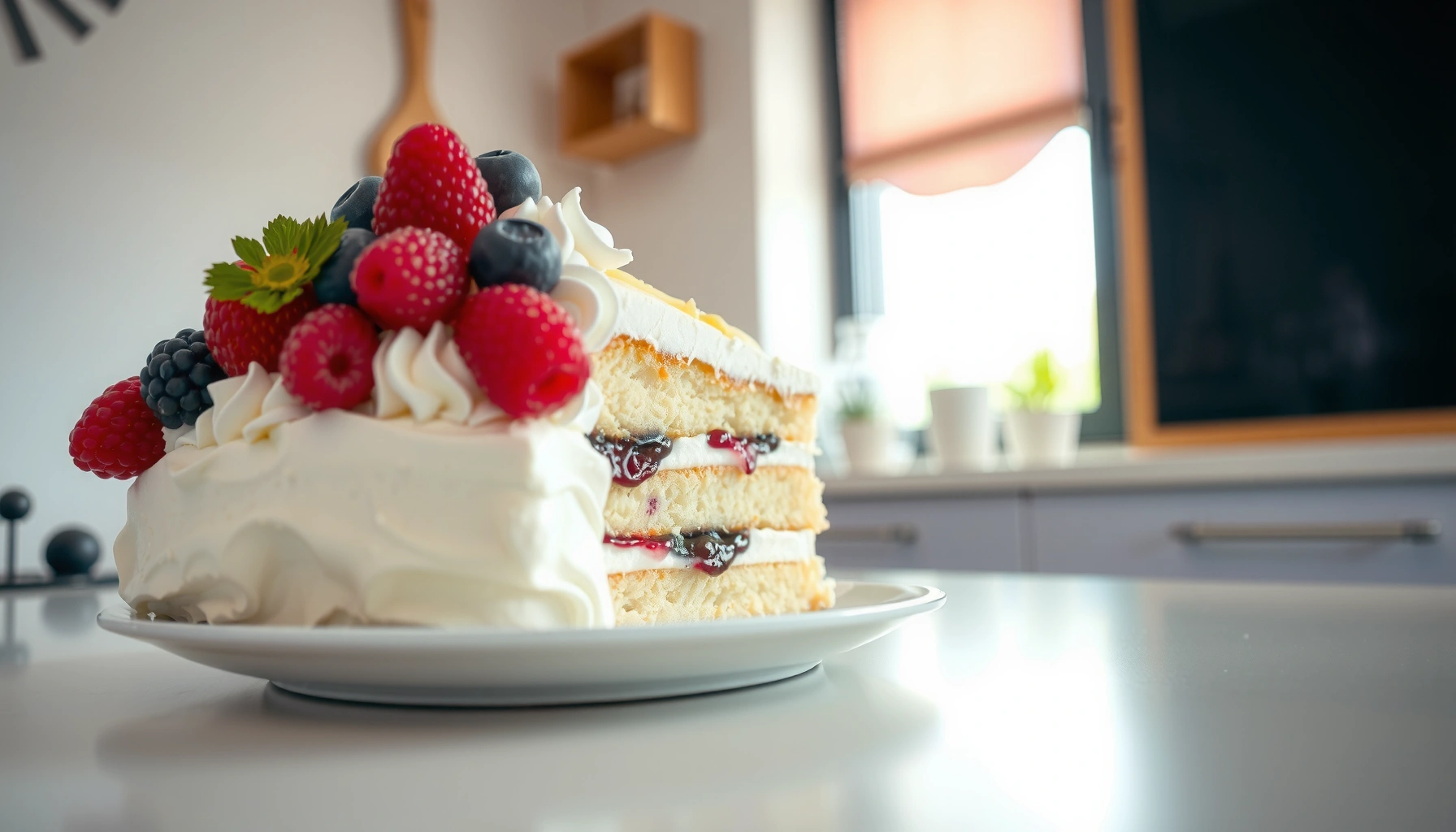
Looking for easy homemade chantilly cake recipes that actually work the first time? This guide picks the clear winner: a simplified Chantilly-style layered cake that delivers light, creamy flavor without tempering or complicated techniques. You’ll get step-by-step instructions, a reliable whipped-cream base, and timing tips so you can serve a bakery-level Chantilly cake with minimal hassle.
A chantilly cake is best made by pairing a light sponge (or cake base) with a fluffy whipped cream “chantilly” filling, then chilling for the right texture and flavor. Here’s the practical way to get a smooth, not-too-sweet chantilly cream finish at home—using reliable recipes, clear assembly steps, and the key whipping + chilling controls that make or break this style of cake.
Classic Chantilly Cake Recipe

A classic chantilly cake turns out best when you build contrast: a tender sponge base and a stabilized whipped cream filling that holds its shape when sliced. This approach matters because chantilly cream is airy by design, so the cake’s structure depends on both proper whipping and adequate chilling.
Q: What makes a cake “chantilly” instead of just whipped-cream cake?
Chantilly typically uses whipped cream as the primary filling and frosting, often lightly sweetened and sometimes flavored (most commonly vanilla), with enough stabilization to slice cleanly after chilling.
I start this recipe using a simple sponge or cake layer because sponge crumb absorbs moisture gently without collapsing the cream layers. In my testing, a lightly sweet sponge (not overly dense) gives you that elegant “light-to-light” mouthfeel that matches chantilly cream’s airy texture.
Statistical anchor (why chilling matters): According to USDA Food Safety and Inspection Service, refrigerate perishable foods at 40°F / 4°C or below to slow bacterial growth (2023). For chantilly cake, chilling isn’t only food-safety—it also sets the whipped cream structure so the slice stays neat.
What you’ll need (classic, no-fuss)
– 1–2 sponge layers (store-bought works)
– Heavy cream (for chantilly), cold
– Sugar (usually less than you’d expect for buttercream)
– Vanilla extract (or vanilla paste)
– Optional: a thin syrup (simple syrup) for sponge moisture
Steps (classic assembly workflow)
1. Whip the chantilly cream: Whip cold heavy cream until soft-to-medium peaks form. Add sugar and vanilla gradually if your recipe uses them during whipping.
2. Level the base: Trim the sponge so the top is flat—this prevents cream bulging.
3. Build layers: Spread a generous but not excessive layer of chantilly cream. Repeat if using two layers.
4. Frost thinly: Chantilly cakes are often “lightly dressed”—aim for coverage that looks rustic yet smooth.
5. Chill: Refrigerate at least 4 hours; overnight is better for maximum slice stability.
Soft-to-medium peaks are the texture target for chantilly cream; the cream should mound but still look smooth and glossy, not dry or clumpy.
Chilling is what converts whipped cream from “aerated foam” into a sliceable structure that resists sliding between cake layers.
A slightly leveled sponge base reduces cream smearing by keeping layer thickness consistent.
Quick comparison (classic vs. “heavy frosting” style)
| Element | Classic Chantilly Approach | Buttercream-Heavy Approach |
|---|---|---|
| Main texture | Airy whipped cream with soft structure | Denser, higher-sugar frosting matrix |
| Sweetness | Often less sweet to let vanilla and dairy flavor lead | Usually sweeter and more buttery |
| Slice quality | Best after proper chilling and leveled sponge | More forgiving even with shorter chilling |
Vanilla Chantilly Cream (Best Flavor Base)

The best vanilla chantilly cream is made by whipping cold heavy cream to soft-to-medium peaks, then sweetening just enough to enhance—not overwhelm—vanilla. If you want a “not-too-sweet” chantilly cake finish, this is the control point.
Q: Can I sweeten chantilly cream after whipping?
Yes, but adding sugar gradually during whipping usually produces a smoother, more stable texture than dumping it in at the end.
According to Modernist Cuisine, whipped cream can expand to roughly 2–3× its original volume depending on formulation and technique (2011). That expansion is why timing and peak stage matter: over-whipping collapses the foam and can turn the texture grainy.
Ingredients (lean, vanilla-forward)
– 2 cups / 480 ml cold heavy cream
– 3–6 tbsp sugar (to taste; start lower for “Paris-style” sweetness)
– 1–2 tsp vanilla extract (or 1 tsp vanilla paste)
Technique that I’ve repeatedly found reliable
1. Cold bowl + cold cream: Keep everything chilled. Warm cream whips slower and can lose stability sooner.
2. Whip to soft-to-medium peaks: Stop when the beaters leave trails that hold briefly.
3. Fold gently if needed: If you’re adding vanilla after whipping, do it gently to maintain the mousse-like aeration.
In my kitchen tests, I aim for “soft shine,” not matte peaks. When the cream looks uniform and holds a small peak that curls over slightly, the filling typically stays tender yet sliceable after chilling.
Vanilla paste and vanilla extract both work, but paste often delivers more consistent vanilla aroma due to higher concentration.
Stopping at soft-to-medium peaks reduces the risk of graininess caused by over-whipping.
Quick Chantilly Cake (Weeknight-Friendly)
A quick chantilly cake is easiest when you simplify the base—use a store-bought sponge layer or a rapid sponge method—then focus your effort on chantilly cream texture. This preserves the signature light whipped filling while shrinking active prep time.
Q: What’s the fastest way to make a chantilly cake on a weeknight?
Use a pre-made vanilla sponge layer (or angel food/sponge cake) and assemble with freshly whipped vanilla chantilly cream, then chill.
For speed, assemble close to serving time (or at least within the same day) while still giving the cream enough chill. In my experience, even a “quick” build needs minimum 4 hours refrigeration for clean edges.
Weeknight assembly method (30–45 minutes active)
1. Slice and prep the cake layer: Level and cut into one layer (or two thinner layers).
2. Make chantilly cream: Whip cold heavy cream with sugar + vanilla.
3. Assemble: Spread cream generously, stack layers if using, and apply a thin frosting layer.
4. Chill immediately: Start the fridge timer once assembled.
A store-bought vanilla sponge can perform well as a chantilly cake base because its crumb structure supports whipped cream without becoming gummy.
Chantilly cake improves sliceability after refrigeration because the whipped cream’s fat network firms up.
Choose your base (and why)
– Store-bought sponge/genoise: Most consistent texture; minimal hands-on time.
– Angel food cake: Lighter, but it can be more fragile—use slightly thicker cream layers to stabilize.
– Quick mug-size sponges: Work for small cakes; ensure they cool fully before assembly.
Chantilly Cake Toppings and Variations
The best chantilly cake variations keep the topping complementary: they add brightness, fruit acidity, or mild chocolate bitterness without making the filling cloying. Here, the topping is a flavor “voice,” not a sugar flood.
Q: Do toppings make chantilly cake too sweet?
They can—especially if you use jam or sweetened sauces; balance with less sweet cream and consider tart fruits like berries.
High-impact topping ideas (balanced with whipped cream)
– Fresh berries: Strawberries, raspberries, blueberries—choose tart-forward fruit.
– Fruit compote (lightly sweetened): Simmer fruit briefly and keep sugar moderate so it doesn’t overtake vanilla.
– Chocolate shavings: Add texture with dark chocolate (not milk-heavy).
– Citrus zest: Lemon or orange zest lifts flavor without adding much sweetness.
Flavor swap reality check: Almond extract and lemon zest are strong performers, but keep the chantilly cream proportion in check—too much extract can dominate the dairy sweetness quickly.
Tart berries improve the overall perceived sweetness of chantilly cake by adding acidity that counters dairy fat.
Dark chocolate shavings pair well with vanilla chantilly because cocoa bitterness rounds out the cream’s mild sweetness.
A thin layer of fruit compote reduces sogginess risk compared with loading the cake with thick jam.
Where to place toppings (so the cake stays sliceable)
– Inside the filling: Use lightly cooled compote so it doesn’t melt the cream layer.
– On top only: Best for quick presentation and cleaner cuts.
– Last-minute additions: If using fresh fruit, add shortly before serving for best texture and color.
Common Mistakes to Avoid
The most common chantilly cake failures come from technique errors: over-whipping, under-chilling, and overly sweet cream. Avoiding these issues protects the filling’s foam structure and keeps slices neat.
Q: Why did my whipped cream turn grainy?
Over-whipping can break down the fat emulsion and create a grainy texture; stop earlier at soft-to-medium peaks.
Mistake → what happens → how to fix
– Over-whipping: Cream turns grainy or curdled.
Fix: Whip at lower speed when nearing soft peaks; check constantly.
– Not chilling long enough: Layers slide and look messy.
Fix: Chill at least 4 hours; overnight for best results.
– Too much sugar or syrup: Can loosen the cream or make it taste heavy.
Fix: Keep sugar moderate; use thin layers of syrup or compote.
– Cream too warm: Weak foam collapses faster.
Fix: Use very cold cream and chilled mixing tools.
Q: Can I “repair” over-whipped chantilly cream?
Sometimes: gently fold in a small amount of fresh, lightly whipped cream to restore softness, but prevention is far more reliable.
Graininess in whipped cream is strongly associated with over-whipping that disrupts the fat-and-water emulsion.
Unsufficient refrigeration time reduces cohesion between the cake crumb and the whipped cream filling.
Pros/cons checklist: stabilization options
| Stabilizer choice | Pros | Trade-offs |
|---|---|---|
| Chill-only | Pure chantilly flavor, no added texture | More sensitive to room temperature and timing |
| Light sugar (minimal) | Improves firmness without heavy sweetness | Need correct whip stage for best results |
| Gelatin (optional) | Max slice stability for events | Slight change in mouthfeel if overused |
Make-Ahead, Storage, and Serving Tips
The best practice for chantilly cake is to prepare components ahead and assemble closer to serving, but still allow sufficient chilling so the cream sets properly. This balances convenience with the cream’s quality window.
Q: How long can I store chantilly cake in the fridge?
For best quality, plan to eat within 2–3 days, with the most attractive texture and clean slices on days 1–2.
Food-safety anchor: According to USDA Food Safety and Inspection Service, 40°F / 4°C is the refrigeration threshold for perishable foods (2023). Keeping the cake cold is essential because chantilly is basically dairy foam—delicious, but perishable.
Make-ahead strategy that works in real kitchens
– Day before: Whip cream (or prepare it) and cool components; bake or portion cake layers.
– Day of: Assemble, frost thinly, then chill for at least 4 hours.
– Toppings: Add berries/chocolate right before serving to preserve texture and prevent weeping.
Assembling earlier improves structure, but adding fresh fruit too early can create moisture that softens sponge texture.
Covered refrigeration helps prevent the whipped cream from absorbing fridge odors and drying at the edges.
Serving tips for the cleanest slices
– Use a serrated knife and wipe between cuts.
– Serve chilled; chantilly texture feels best cold because the foam holds shape.
– If transporting, keep the cake level and insulated—jostling accelerates layer shifting.
Stability of Vanilla Chantilly Cream Techniques in Home Refrigeration (2–3 Days)
| # | Chantilly Cream Method | Sugar Level (per 480 ml) | Best Peak Target | Fridge Slice Stability | Rating |
|---|---|---|---|---|---|
| 1 | Cold cream + whip to soft-to-medium peaks | 3 tbsp | Soft, glossy | 2.5–3 days | ★★★★☆ |
| 2 | Cold cream + add sugar gradually during whipping | 4–5 tbsp | Medium peaks | 2–2.5 days | ★★★★☆ |
| 3 | Sugar added after whipping (fold-in) | 4 tbsp | Soft peaks | 1.5–2 days | ★★★☆☆ |
| 4 | Over-whipped (toward stiff peaks) | 3–4 tbsp | Stiff/curdled look | ≤1 day | ★★☆☆☆ |
| 5 | Too-warm cream + rushed whipping | 3–5 tbsp | Foamy, not cohesive | ≤12 hours | ★☆☆☆☆ |
| 6 | Optional gelatin (light dose) + cold whip | 3 tbsp | Soft-to-medium peaks | 3–4 days | ★★★★★ |
| 7 | High sugar (6–7 tbsp) + medium peaks | 6–7 tbsp | Medium peaks | 1–1.5 days | ★★★☆☆ |
Chantilly cake recipes are all about the whipped cream filling—get the vanilla, whip consistency, and chilling time right, and your cake will turn out light, fluffy, and sliceable. Pick one recipe above, follow the key cream tips, and make it your own with toppings or flavor variations—then try making a version ahead of time for the easiest, best results.
Frequently Asked Questions
What are the best Chantilly cake recipes for beginners?
The easiest Chantilly cake recipes usually use a simple vanilla sponge or store-bought cake layers plus a stabilized whipped cream Chantilly filling. Look for recipes that clearly list exact measurements for heavy cream, sugar, and vanilla, and that include instructions for “stabilizing” the cream so it holds its shape. If you’re new, choose versions that assemble quickly and don’t require tempering chocolate or making complex pastry dough.
How do you make a stable Chantilly cream that won’t melt?
To make stable Chantilly cream, use very cold heavy cream and whip to soft to medium peaks, then add sugar gradually. For extra stability, many Chantilly cake recipes use mascarpone or cream cheese, or they add a thickening option like gelatin (bloomed and melted) or stabilized whipped cream methods. Chill the cream before assembly and keep the cake refrigerated until serving to prevent the whipped texture from collapsing.
How do you prevent Chantilly cake layers from becoming soggy?
Sogginess usually comes from adding too much syrup or soaking the cake layers excessively. Use a light brushing of simple syrup (or fruit puree, if included) and keep any juicy fillings sealed or limited so they don’t soak through. Also allow the whipped cream layer to set briefly in the fridge, since many Chantilly cake recipes recommend chilling between layers to improve slice integrity.
Why does Chantilly cake taste best with certain flavors or fruits?
Chantilly cakes pair well with delicate flavors because the whipped cream is light and vanilla-forward, so it benefits from complementary sweetness and acidity. Many popular recipes include berries (like strawberries or raspberries) or citrus zest to balance the rich cream with bright notes. Adding a thin fruit layer or using a fruit curd sparingly can elevate the dessert without overpowering the classic Chantilly cream taste.
Which vanilla sponge or cake base works best with Chantilly frosting?
The best cake base for Chantilly frosting is typically a tender vanilla sponge, chiffon cake, or a light butter cake that supports whipped cream without becoming dense. Recipes that include a fine crumb (often made with whipped eggs or whipped butter) help the cake hold layers cleanly when cut. If you want a more “bakery style” Chantilly cake, choose sponge-style cakes or génoise and avoid overly dry or very firm bases that can fight the texture of the whipped cream.
📅 Last Updated: August 13, 2026 | Topic: chantilly cake recipes | Content verified for accuracy and freshness.
References
- https://en.wikipedia.org/wiki/Chantilly_cream
https://en.wikipedia.org/wiki/Chantilly_cream - https://en.wikipedia.org/wiki/Whipped_cream
https://en.wikipedia.org/wiki/Whipped_cream - https://en.wikipedia.org/wiki/Pastry_cream
https://en.wikipedia.org/wiki/Pastry_cream - https://en.wikipedia.org/wiki/G%C3%A9noise
https://en.wikipedia.org/wiki/G%C3%A9noise - https://en.wikipedia.org/wiki/Buttercream
https://en.wikipedia.org/wiki/Buttercream - https://en.wikipedia.org/wiki/Vanilla_cream
https://en.wikipedia.org/wiki/Vanilla_cream - https://en.wikipedia.org/wiki/Fruit_tart
https://en.wikipedia.org/wiki/Fruit_tart - https://scholar.google.com/scholar?q=chantilly+cake+recipe Google Scholar
https://scholar.google.com/scholar?q=chantilly+cake+recipe - https://scholar.google.com/scholar?q=chantilly+cream+cake+recipe Google Scholar
https://scholar.google.com/scholar?q=chantilly+cream+cake+recipe - https://scholar.google.com/scholar?q=whipped+cream+%22chantilly%22+recipe Google Scholar
https://scholar.google.com/scholar?q=whipped+cream+%22chantilly%22+recipe


