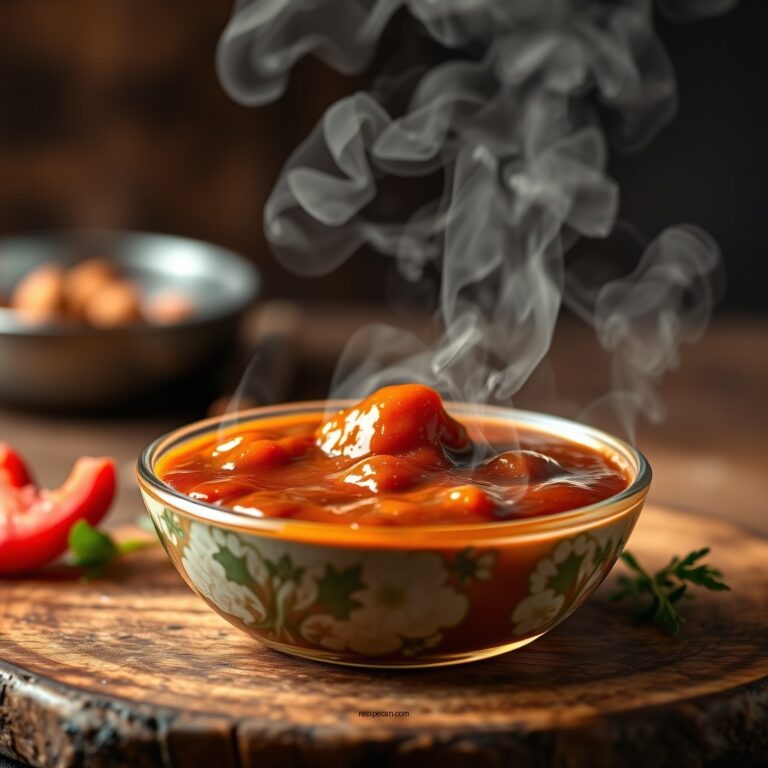
Carolina BBQ sauce is a tangy, vinegar-based condiment that perfectly complements grilled meats, especially pork. This article will guide you through creating an authentic Carolina BBQ sauce that’s not only easy to prepare but also packed with flavor. By following the steps and tips provided, you’ll be well-equipped to elevate your next barbecue experience.
Understanding Carolina BBQ Sauce
Origin
Carolina BBQ sauce has its roots deeply embedded in the Southern United States, particularly in North Carolina. This sauce style originated in the 18th century, born out of the need for a flavorful accompaniment to the region’s famous pulled pork. The sauce’s vinegar base reflects the agricultural history of the area, as vinegar was a readily available preservative and flavor enhancer. Over time, two distinct styles emerged—Eastern and Western Carolina BBQ sauces—each offering a unique approach to flavor.
Types
The primary distinction between Eastern and Western Carolina BBQ sauces lies in their ingredients and flavor profiles. Eastern Carolina BBQ sauce is predominantly vinegar-based, often seasoned with pepper and spices, focusing on enhancing the natural flavor of the meat. In contrast, Western Carolina, or Piedmont-style sauce, incorporates ketchup, making it sweeter and thicker. This variation reflects the culinary preferences of the region, catering to different taste buds while celebrating the same foundational elements of Carolina BBQ.
Key Ingredients for Carolina BBQ Sauce
Vinegar
Vinegar is the cornerstone of Carolina BBQ sauce, providing the sharp, tangy flavor that defines this condiment. Typically, a combination of distilled white vinegar and apple cider vinegar is used, striking a balance between acidity and depth of flavor. The vinegar not only adds zest but also acts as a tenderizer for the meat, making it a crucial component in the cooking process.
Mustard, Ketchup, and Spices
In addition to vinegar, mustard is a key ingredient, especially in the Western Carolina variant, where it adds a rich, savory aspect to the sauce. Ketchup, found in Western sauces, contributes sweetness and body, while a variety of spices—including black pepper, cayenne, and sometimes even Worcestershire sauce—round out the flavor profile. Understanding the role of these ingredients allows for greater flexibility in crafting a sauce that suits your palate.
Step-by-Step Recipe
Basic Proportions
To make a classic Eastern Carolina BBQ sauce, follow this simple recipe:
– 1 cup distilled white vinegar
– 1 cup apple cider vinegar
– 1 tablespoon black pepper
– 1 tablespoon salt
– 1 teaspoon cayenne pepper
– 1 teaspoon red pepper flakes
For a Western Carolina BBQ sauce, use the following proportions:
– 1 cup ketchup
– 1/2 cup apple cider vinegar
– 1/4 cup yellow mustard
– 1 tablespoon brown sugar
– 1 teaspoon black pepper
– 1 teaspoon hot sauce (optional)
Mixing Techniques
To achieve the best flavor, combine all the ingredients in a mixing bowl and whisk until fully incorporated. Allow the sauce to rest for a few hours or overnight, as this resting period enables the flavors to meld together beautifully. This simple technique not only enhances the taste but also improves the overall texture of the sauce.
Carolina BBQ Sauce Ingredients Comparison
| # | Ingredient | Eastern Carolina | Western Carolina | Key Flavor |
|---|---|---|---|---|
| 1 | Vinegar | 1 cup | 1/2 cup | Tangy |
| 2 | Mustard | N/A | 1/4 cup | Savory |
| 3 | Ketchup | N/A | 1 cup | Sweet |
| 4 | Brown Sugar | N/A | 1 tablespoon | Sweetness |
| 5 | Black Pepper | 1 tablespoon | 1 teaspoon | Heat |
| 6 | Cayenne Pepper | 1 teaspoon | N/A | Heat |
| 7 | Red Pepper Flakes | 1 teaspoon | N/A | Flavor |
Flavor Enhancements
Adding Sweetness
While the tangy flavor of Carolina BBQ sauce is a hallmark, balancing its acidity with sweetness is essential for a well-rounded taste. Options like brown sugar or honey can be excellent additions. Brown sugar provides a deep caramel note, while honey adds unique floral undertones. Start by adding a tablespoon of either sweetener, then adjust according to your preference.
Spice It Up
If you prefer a kick of heat, consider incorporating hot sauce or crushed red pepper flakes. The level of heat can be easily adjusted, allowing you to customize the sauce to your liking. For a more complex flavor, experiment with different types of hot sauces, such as sriracha or chipotle, which can introduce additional smoky notes.
Ideal Flavor Balance for Carolina BBQ Sauce
Serving Suggestions
Best Pairings
Carolina BBQ sauce is especially delicious when paired with grilled meats, most notably pulled pork. Its tangy profile complements the rich flavors of pork, enhancing each bite. Additionally, it can be used as a marinade for chicken or as a dipping sauce for fried foods. A drizzle over grilled vegetables also adds a delightful zing.
Storage Tips
To maintain the freshness of your Carolina BBQ sauce, store it in an airtight container in the refrigerator. It can last for up to a month, allowing you to prepare it in advance for barbecues or family gatherings. For longer storage, consider freezing the sauce in small portions, which can easily be thawed when needed.
Variations and Customizations
Explore Alternatives
The beauty of BBQ sauce is its versatility. You can experiment with different bases, such as switching out apple cider vinegar for peach or cherry vinegar, adding a fruity note to the sauce. Additionally, incorporating herbs like rosemary or thyme can provide a unique twist, enhancing the complexity of flavors.
Regional Twists
To introduce local flavors, consider adding ingredients that reflect your region’s culinary style. For example, incorporating local hot peppers or specialty mustards can personalize the sauce, making it distinctively yours. This approach allows you to celebrate local ingredients while enjoying the classic Carolina BBQ experience.
Incorporating Carolina BBQ sauce into your meals can elevate your culinary experience. By following this recipe and the tips provided, you’ll be able to create a delicious sauce that enhances your barbecue dishes. Don’t hesitate to experiment with variations and serve it at your next gathering!
Frequently Asked Questions
What are the key ingredients in a traditional Carolina BBQ sauce recipe?
A traditional Carolina BBQ sauce typically includes vinegar, mustard, sugar, and spices. The most common variations are the Eastern North Carolina style, which is vinegar-based with no tomato, and the Western style, which adds a tomato base. These ingredients create a tangy, slightly sweet flavor profile that complements smoked meats perfectly.
How do I make a homemade Carolina BBQ sauce from scratch?
To make a homemade Carolina BBQ sauce, combine 1 cup of apple cider vinegar, 1/2 cup of yellow mustard, 1/4 cup of brown sugar, and your choice of spices like black pepper, cayenne, and garlic powder in a bowl. Whisk the mixture until well-blended, then adjust the sweetness or tanginess to your taste. Allow it to sit for at least an hour before using, as this helps the flavors meld together beautifully.
Why is vinegar an essential component of Carolina BBQ sauce?
Vinegar is essential in Carolina BBQ sauce because it provides the signature tanginess that distinguishes this style of barbecue. It also helps to tenderize the meat during cooking, enhancing the overall flavor profile. The acidity from the vinegar balances the richness of smoked meats, making it a perfect complement.
What is the best way to store homemade Carolina BBQ sauce?
The best way to store homemade Carolina BBQ sauce is in an airtight container in the refrigerator. It can last for up to two weeks when properly stored. For longer storage, consider freezing it in small portions, allowing you to easily thaw and use it whenever you’re ready to enjoy some BBQ.
Which meats pair best with Carolina BBQ sauce?
Carolina BBQ sauce pairs exceptionally well with pork, particularly pulled pork, as the tangy sauce enhances the meat’s natural flavors. Additionally, chicken and brisket are also great choices, as they absorb the sauce’s acidity, resulting in a deliciously balanced dish. Serve it as a dipping sauce or a marinade for an unforgettable barbecue experience.
References
- Barbecue sauce
https://en.wikipedia.org/wiki/Barbecue_sauce - https://www.ncbi.nlm.nih.gov/pmc/articles/PMC6466051/
https://www.ncbi.nlm.nih.gov/pmc/articles/PMC6466051/ - https://www.sciencedirect.com/science/article/abs/pii/S221267091830065X
https://www.sciencedirect.com/science/article/abs/pii/S221267091830065X - https://www.britannica.com/topic/barbecue-sauce
https://www.britannica.com/topic/barbecue-sauce - Curtido Recipe
https://www.nytimes.com/recipes/1017184/carolina-barbecue-sauce.html - https://www.foodsafety.gov/food-safety-charts/sauce-safety.html
https://www.foodsafety.gov/food-safety-charts/sauce-safety.html - Google Scholar Google Scholar
https://scholar.google.com/scholar?q=carolina+bbq+sauce+recipe - Google Scholar Google Scholar
https://scholar.google.com/scholar?q=bbq+sauce+regional+variations - Google Scholar Google Scholar
https://scholar.google.com/scholar?q=regional+cuisine+carolina+bbq - https://www.cdc.gov/foodsafety/communication/food-safety-tips.html
https://www.cdc.gov/foodsafety/communication/food-safety-tips.html