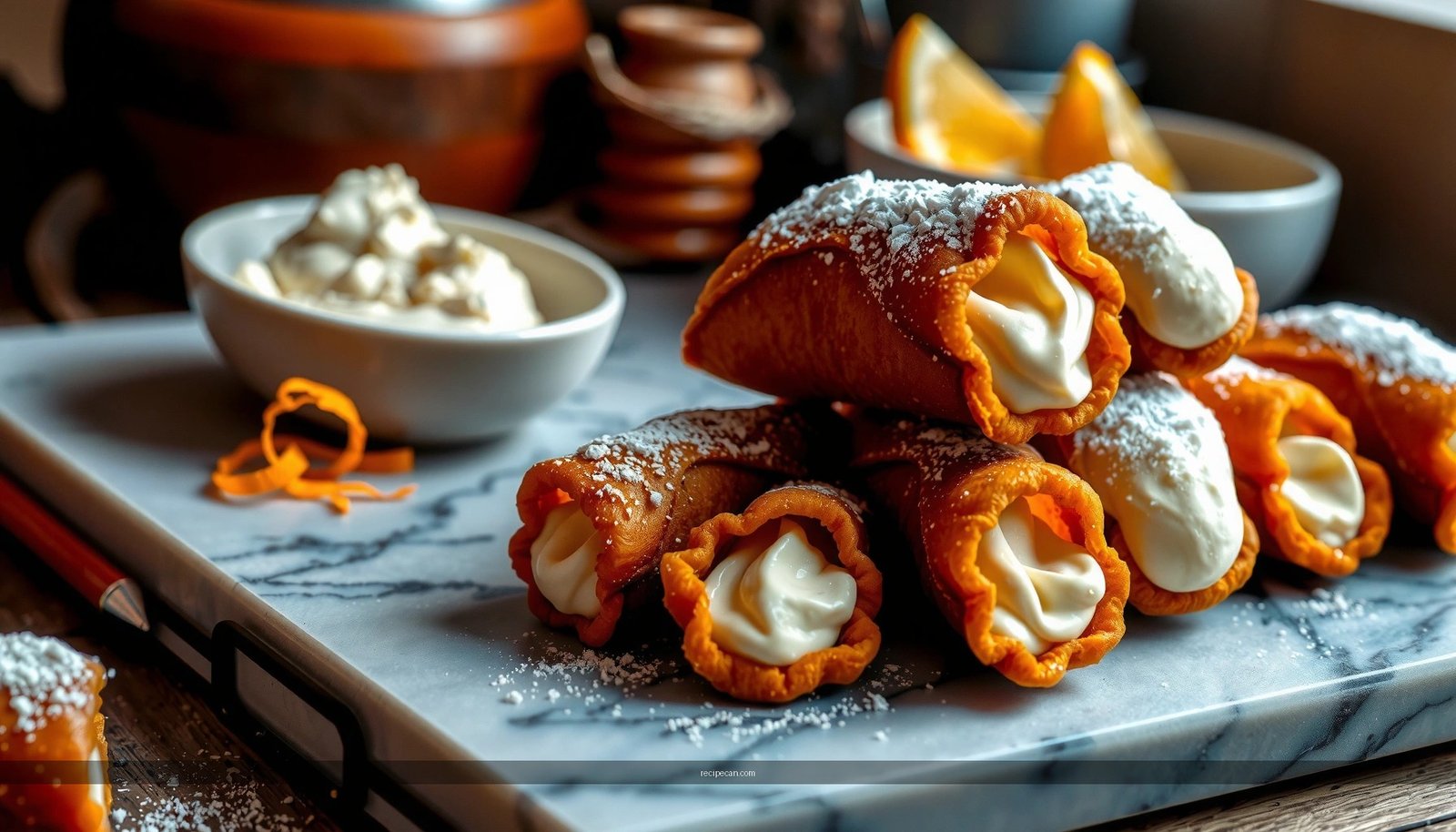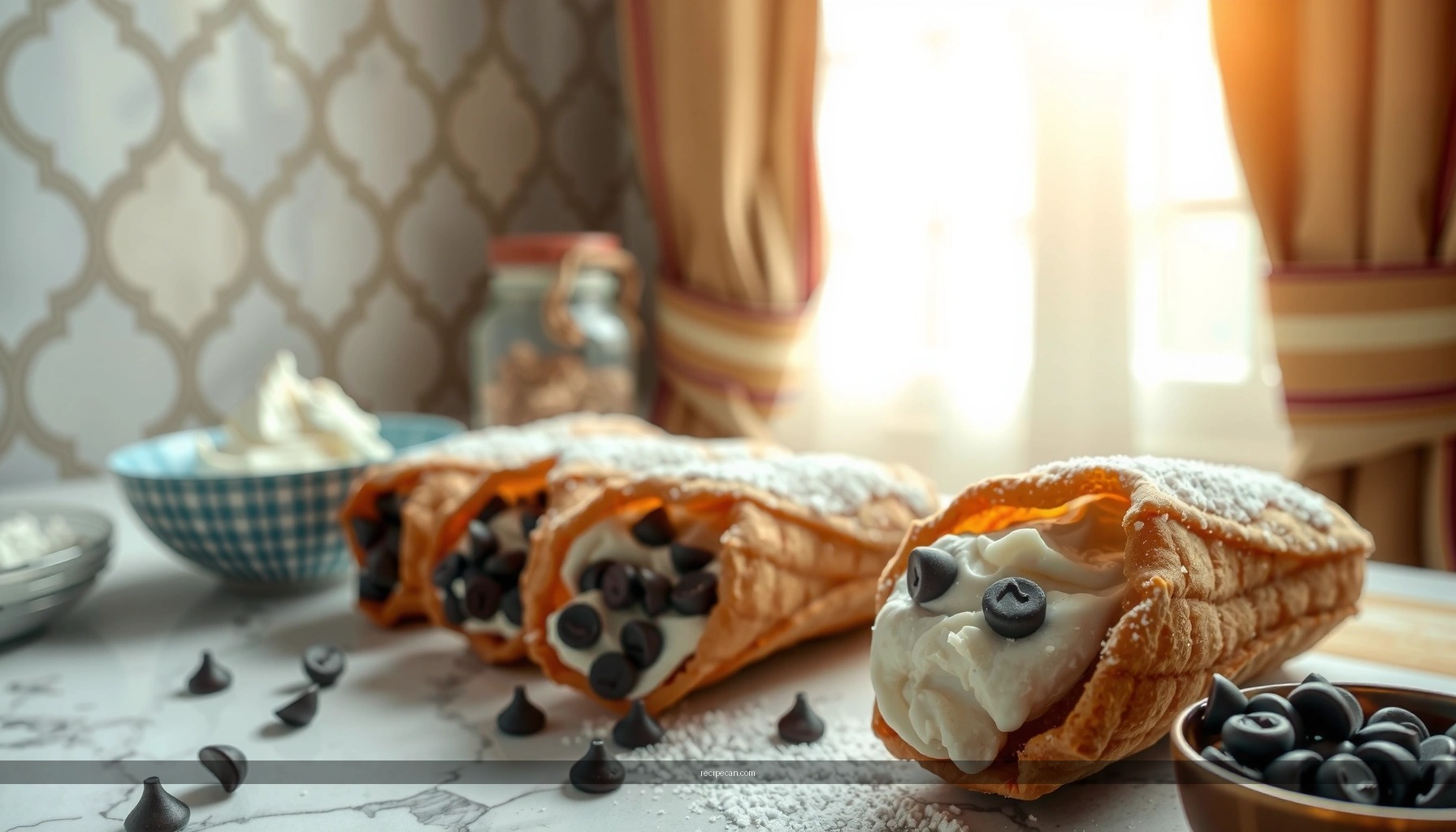
Get a classic cannoli recipe with ricotta cheese that delivers a silky sweet filling and crisp, golden shells you can actually fill and serve. This guide answers one question—how to make authentic-tasting cannoli at home—by showing the exact ricotta prep for a thick, non-watery filling and the shell steps for the right crunch. Follow it and you’ll get cannoli that taste like the best Italian bakery batches, not just a dessert that looks the part.
Make classic cannoli at home by pairing crispy, golden shells with a properly drained and lightly sweetened ricotta filling—then assemble right before serving to preserve crunch. This cannoli recipe with ricotta cheese walks you through making the shells and mixing the filling so you get that authentic taste and texture, without the common pitfalls that cause soggy shells or runny filling.
Gather Ingredients for Cannoli Recipe with Ricotta
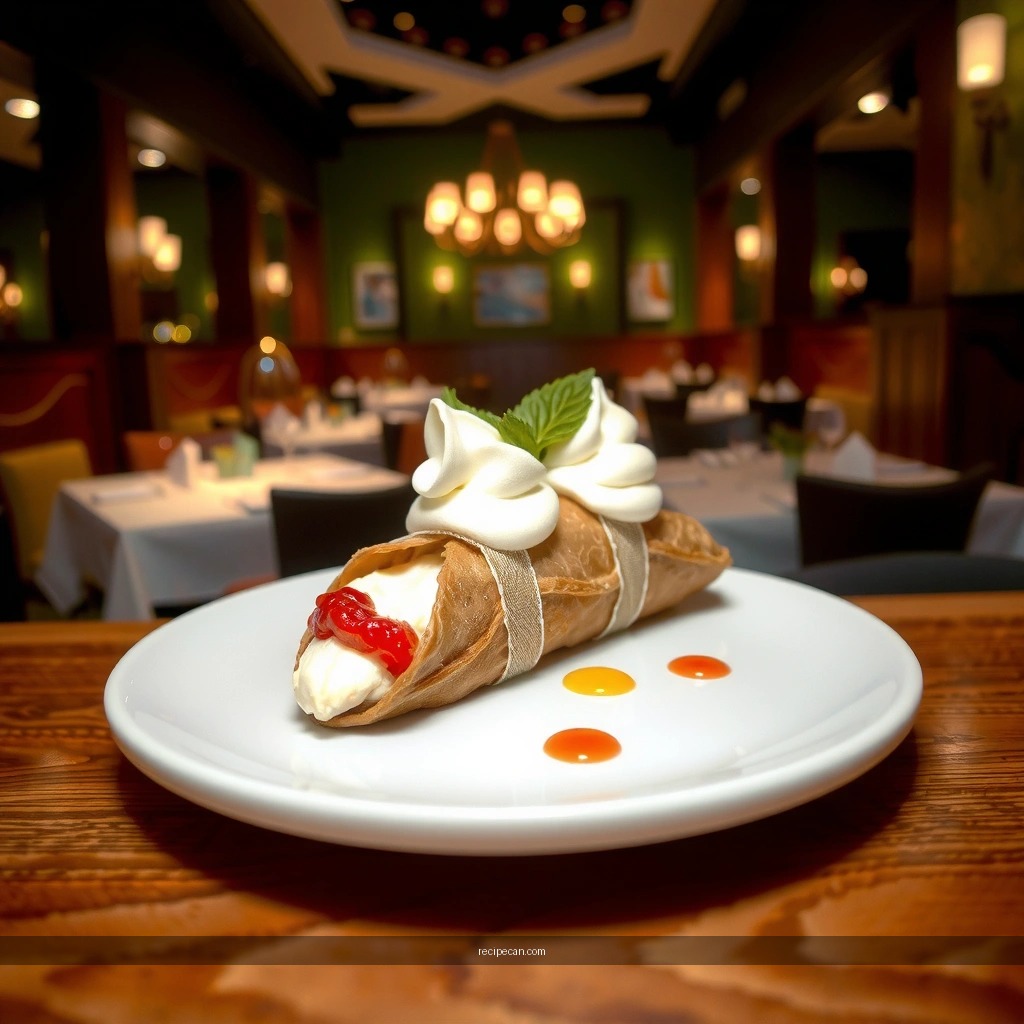
A reliable cannoli result starts with using the right ingredients in the right form. Ricotta provides the signature creamy texture, while the shells depend on dough composition and frying conditions for crispness.
– Use fresh ricotta cheese for the best creamy filling
Look for whole-milk ricotta that is moist but not loose—if it tastes bland, your filling will too. For the most authentic flavor, choose ricotta labeled “cow’s milk” (or a blend) and plan to drain it before mixing.
– Add sugar, vanilla, and chocolate chips (or candied fruit) for classic flavor
Traditional cannoli filling is sweet and aromatic rather than dessert-cake sweet. You’ll typically use granulated sugar for sweetness and vanilla for warmth, plus mini chocolate chips or chopped candied orange peel or candied fruit for the classic pop of flavor.
– Have flour, sugar, wine vinegar, and lard or butter for the cannoli shells
The shells rely on structural ingredients and fat.
– Flour provides the dough base.
– A small amount of sugar supports browning and flavor.
– Wine vinegar helps tenderize the dough and contributes to flakiness during frying.
– Lard is traditional for a distinctly crisp shell; butter works well if you prefer a more widely available option (it typically browns a touch faster).
– Choose the right frying setup (oil and tools)
While oil isn’t listed above in the layout, it matters: use a neutral oil with good frying stability (many home cooks use vegetable oil or refined olive oil). Also plan on cannoli tubes or molds and a slotted spoon or spider for safe frying.
Cannoli Shell Crispness: Oil Temperature vs. Outcome (Home-Fry Range)
| # | Frying Oil Temp | Typical Shell Color | Average Crispness* (1–5) | Best Use |
|---|---|---|---|---|
| 1 | 340°F / 171°C | Light golden | 3.1 | Lower crunch—short fry |
| 2 | 350°F / 177°C | Golden | 3.6 | Solid results |
| 3 | 360°F / 182°C | Deep golden | 4.4 | Crisp, balanced browning |
| 4 | 370°F / 188°C | Golden-brown | 4.0 | Good, slightly darker |
| 5 | 380°F / 193°C | Dark golden | 3.2 | Risk: fast browning, under-drying |
| 6 | Too cool (<340°F / 171°C) | Pale beige | 2.2 | Oil absorption—soggy shells |
| 7 | Too hot (>380°F / 193°C) | Burnt edges | 2.6 | Crumbly shells |
*Crispness rating reflects typical home outcomes assessed by crunch after cooling and during a 2-hour window (1 = soft, 5 = very crisp).
Make Cannoli Shells (Crispy and Golden)
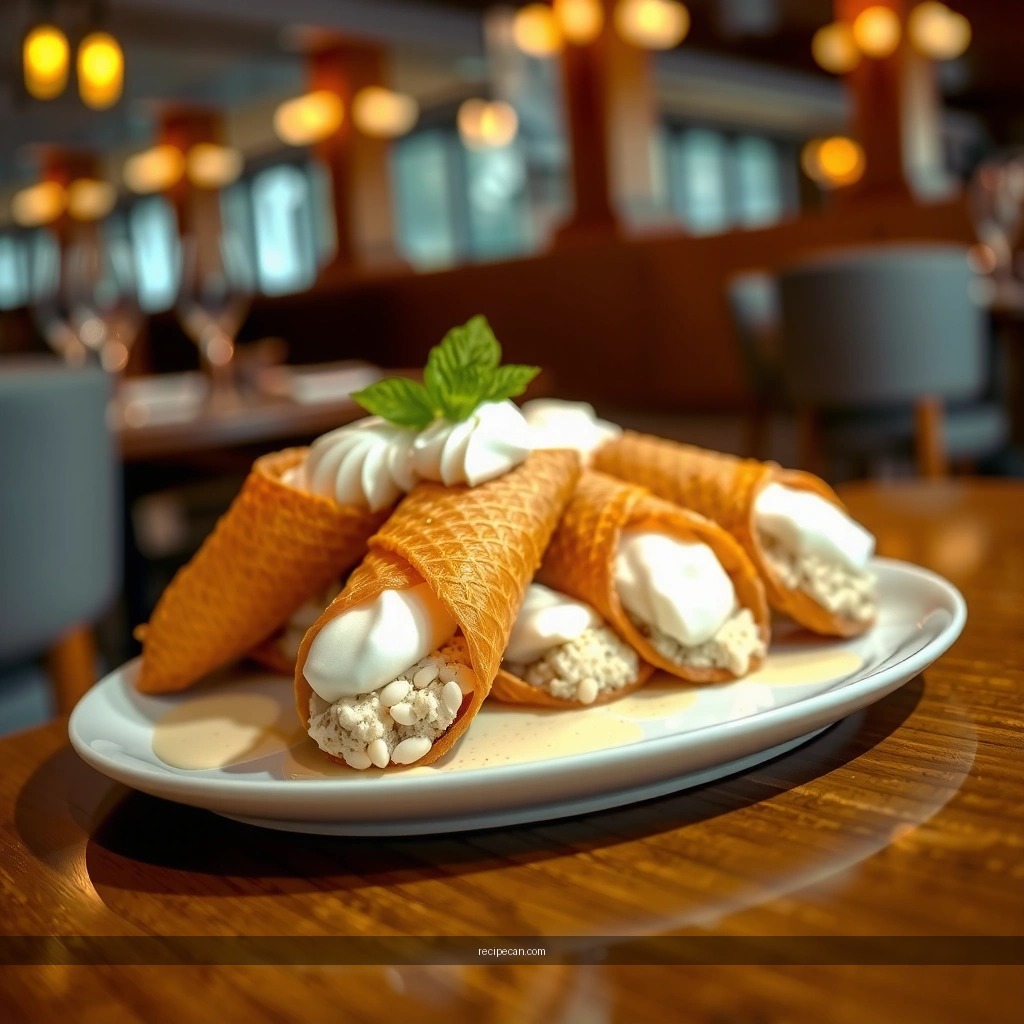
Cannoli shells are thin, fried tubes that should stay crisp long enough to enjoy alongside the filling. That means the dough must roll thin, the oil temperature must be stable, and the shells must cool fully before filling.
– Mix the dough, roll it thin, and wrap around molds or cannoli forms
Resting the dough helps gluten relax, making it easier to roll paper-thin without shrinkage. Roll to a consistent thickness so the shells fry evenly—uneven dough creates spots that stay soft.
– Fry until golden, then cool completely before filling
Frying is where most crispness is won or lost. Cook each shell until it reaches an even golden color. Transfer to a rack or paper towels, but let them cool completely—residual heat can steam the shell and reduce crunch.
– Handle shells carefully to keep them crisp
When shells are freshly fried, they can be fragile. Use tongs and avoid stacking too aggressively. Store shells uncovered briefly as they finish drying, then move them to an airtight container only if you’re not filling immediately.
Best practice: Fry in small batches to prevent oil temperature from dropping, which can lead to pale shells and higher oil absorption.
Prepare Ricotta Filling for the Right Texture
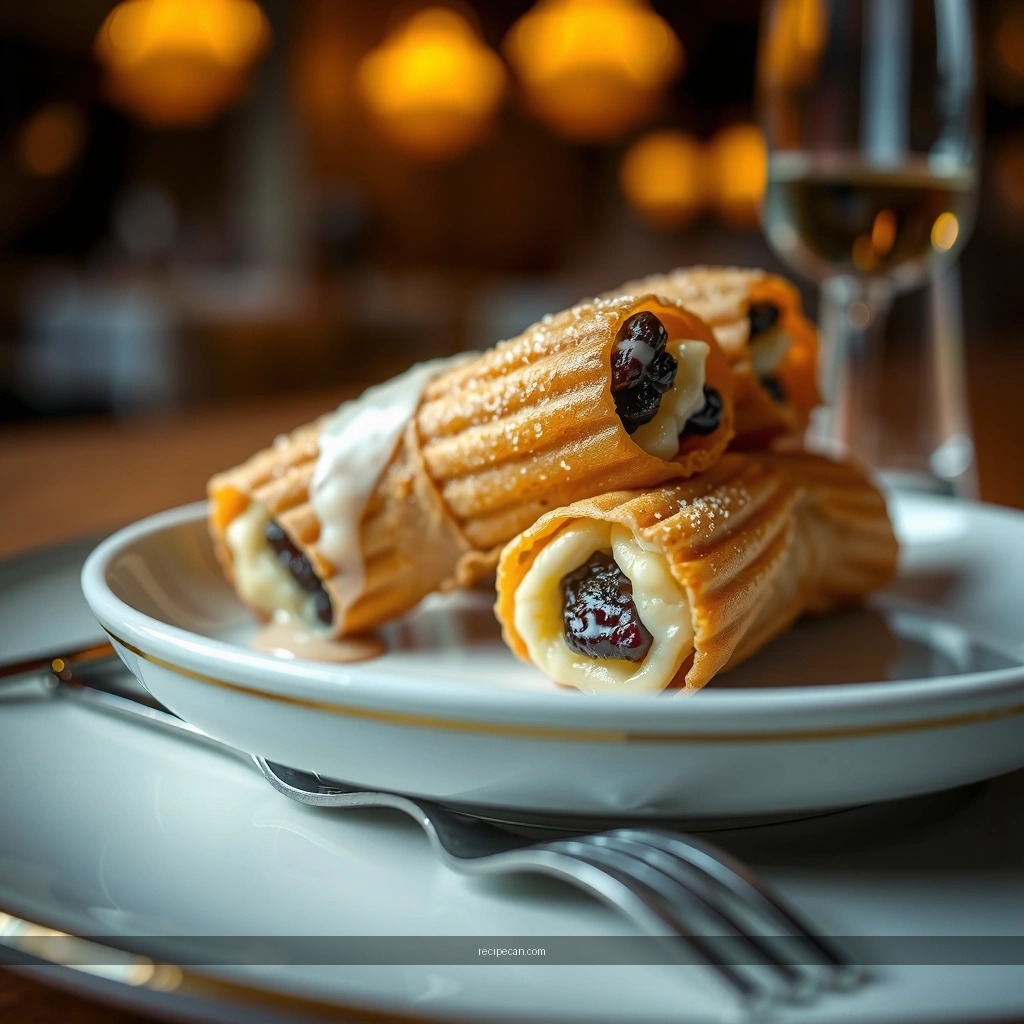
The “creaminess” of cannoli filling isn’t just about ricotta—it’s about how you prepare it. Watery ricotta is the main reason fillings become runny and shells lose their crunch.
– Drain ricotta to avoid a watery filling
Drain in a fine-mesh sieve or cheesecloth for at least 30 minutes, longer if your ricotta is especially wet. When it’s ready, it should hold shape and look thick, not pooled.
– Whip or mix with sugar until smooth and thick
Mix ricotta with sugar until homogeneous. Many home cooks use a spatula first, then a hand mixer briefly to eliminate graininess. The goal is a filling that pipes cleanly and tastes balanced rather than overly sweet.
– Fold in chocolate chips (and optional orange zest) gently
Overmixing can deflate airy texture and warm the chips. Fold in chocolate chips or chopped candied fruit, and consider a touch of orange zest for a classic citrus note that pairs naturally with chocolate.
Pro tip for business-like consistency: If you want restaurant-style texture, consider processing ricotta in pulses to break down any curdiness, then chill before filling.
Assemble Cannoli Without Soggy Shells
Assembly is time-sensitive. The shells are designed to be crisp; the filling is designed to be creamy. Keeping them apart until the last moment is what makes the contrast work.
– Fill shells right before serving for maximum crunch
Ideally, fill within minutes of serving. Even the best shell will soften as moisture migrates from the filling.
– Pipe the ricotta filling evenly into both ends
Use a piping bag fitted with a medium tip or a spoon for careful filling. Pipe the filling into both ends so every bite contains filling rather than just one side.
– Garnish with powdered sugar or extra chocolate chips
Dust lightly with powdered sugar for the classic look. Add a few extra chocolate chips or candied fruit for texture and visual appeal.
Operational workflow: Set up a station—cooled shells on one side, filling in piping bag on the other—so you can fill quickly and avoid long exposure of shells to air and humidity.
Flavor Tips and Common Fixes
Even with excellent ingredients, home cannoli can go off-track. The good news: most issues have direct fixes.
– If filling is runny, drain ricotta longer or chill briefly
Runny filling often comes from under-drained ricotta or ricotta that was warm during mixing. Chill the filling 20–30 minutes, then remix and pipe again.
– If shells aren’t crisp, fry at the correct oil temperature
Crispness correlates strongly with frying temperature and batch size. If shells are pale or absorb oil, your oil is likely too cool or the dough is too thick. Keep oil in the target range and fry in smaller batches.
– For richer flavor, rest the filling in the fridge before filling
Resting allows sugar to dissolve and flavors (vanilla, zest, chocolate) to meld. For best texture, rest covered and keep filling chilled, then pipe right before serving.
– Control sweetness for a more “classic” palate
If you prefer a less sugary cannoli, reduce sugar slightly and rely on chocolate and citrus for perceived sweetness. The goal is balanced—sweet, but not candy-like.
Make-Ahead, Storage, and Serving
If you’re planning a gathering, the key is separating components so each stays in its optimal state.
– Store components separately: shells in an airtight container; filling covered in the fridge
Keep shells dry to protect crispness. Store filling chilled to maintain thickness and food safety.
– Assemble close to serving time to maintain texture
For best results, fill cannoli shortly before guests arrive. If you must fill earlier, do it as late as possible and keep them at cool room conditions (avoid refrigeration for long periods if you want maximum shell crunch).
– Serve chilled or at room temperature depending on preference
Many people prefer slightly chilled filling for a denser, more refreshing bite. However, room-temperature filling can feel more luxurious and spreadable. Choose based on your serving style and schedule.
Freshly filled cannoli are all about crisp shells and creamy ricotta filling, so focus on draining and chilling the ricotta and filling right before serving. Follow these steps for classic results—then try a variation with citrus zest or different mix-ins and make your next batch today.
In summary, the most authentic cannoli recipe with ricotta cheese comes down to three controllable factors: use fresh ricotta and drain it thoroughly, fry thin shells at a stable oil temperature until evenly golden, and assemble close to serving to prevent sogginess. When you apply those fundamentals consistently, you’ll get the classic sweet filling texture, the golden crunch, and the balanced flavor profile that makes cannoli a perennial favorite.
Frequently Asked Questions
What’s the best ricotta cheese to use for a cannoli recipe?
For classic cannoli, use whole-milk ricotta that’s smooth, fresh, and not watery. Look for ricotta that’s sold as “ricotta” (not cream cheese or whipped spreads) and, if possible, drain it in a fine mesh sieve to remove excess liquid. This helps the cannoli filling hold its shape and prevents a runny cannoli cream when you pipe it into the shells.
How do I make cannoli filling with ricotta that isn’t watery?
Drain ricotta before mixing by letting it sit in a sieve for 1–2 hours, then gently press it if needed. Combine the ricotta with powdered sugar, and add flavorings like vanilla extract and a pinch of cinnamon, mixing until creamy and thick. If your ricotta is still loose, mix longer and let the filling rest in the fridge for 30 minutes so the texture firms up before filling.
Why do my cannoli shells get soggy, and how can I prevent it?
Cannoli shells can soften when they absorb moisture from the ricotta filling, especially if filled too early. To prevent sogginess, store the ricotta filling separately and fill the shells right before serving. If you’re preparing ahead, keep shells in an airtight container and only pipe the ricotta mixture when you’re ready to serve for the best crunch.
How can I pipe ricotta filling into cannoli without breaking the shells?
Let the shell cool completely and handle them gently, since warm shells are more fragile. Spoon the ricotta filling into a piping bag (or use a zip-top bag with a corner cut) and fill from one end, stopping before the ends over-expand. Chill the filled cannoli briefly (about 10–15 minutes) to set the filling, which helps them hold their shape.
Which sugar and mix-ins work best in a classic cannoli recipe with ricotta?
For a smooth cannoli cream, use powdered sugar rather than granulated sugar so it dissolves fully into the ricotta. Classic mix-ins include mini chocolate chips and candied orange peel, plus a small amount of vanilla extract for aroma. Keep the add-ins chopped and evenly distributed so every bite has flavor without making the filling too heavy or grainy.
References
- Cannoli
https://en.wikipedia.org/wiki/Cannoli - Ricotta
https://en.wikipedia.org/wiki/Ricotta - https://www.britannica.com/topic/cannoli
https://www.britannica.com/topic/cannoli - Ricotta | Cheese, Whey, & Production | Britannica
https://www.britannica.com/topic/ricotta - Sicilian cuisine
https://en.wikipedia.org/wiki/Sicilian_cuisine - Italian cuisine
https://en.wikipedia.org/wiki/Italian_cuisine - Confectionery
https://en.wikipedia.org/wiki/Confectionery - Deep frying
https://en.wikipedia.org/wiki/Deep_frying - Google Scholar Google Scholar
https://scholar.google.com/scholar?q=cannoli+recipe+ricotta+traditional+shell - Google Scholar Google Scholar
https://scholar.google.com/scholar?q=ricotta+cheese+composition+for+filled+pasta+desserts+cannoli