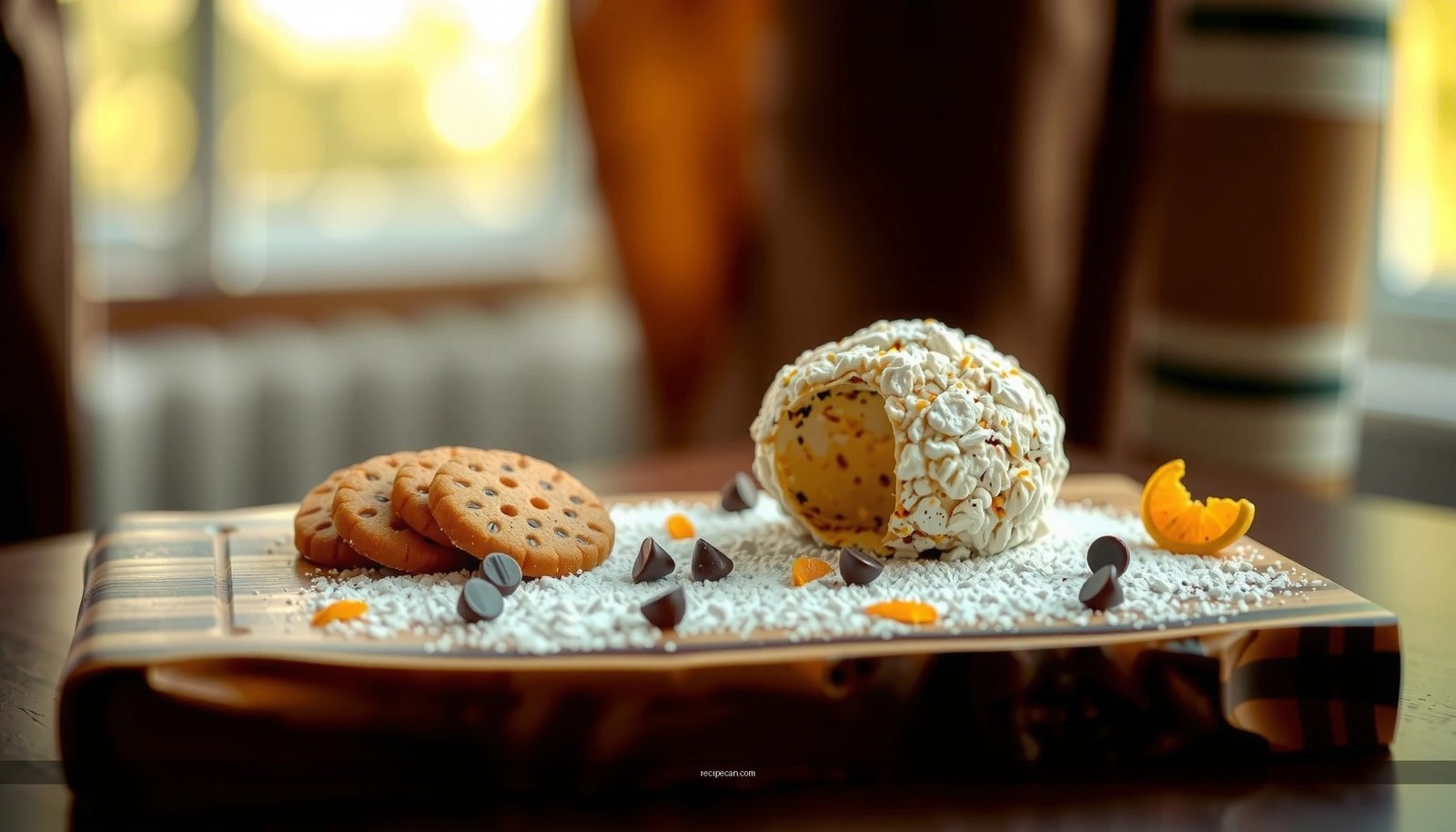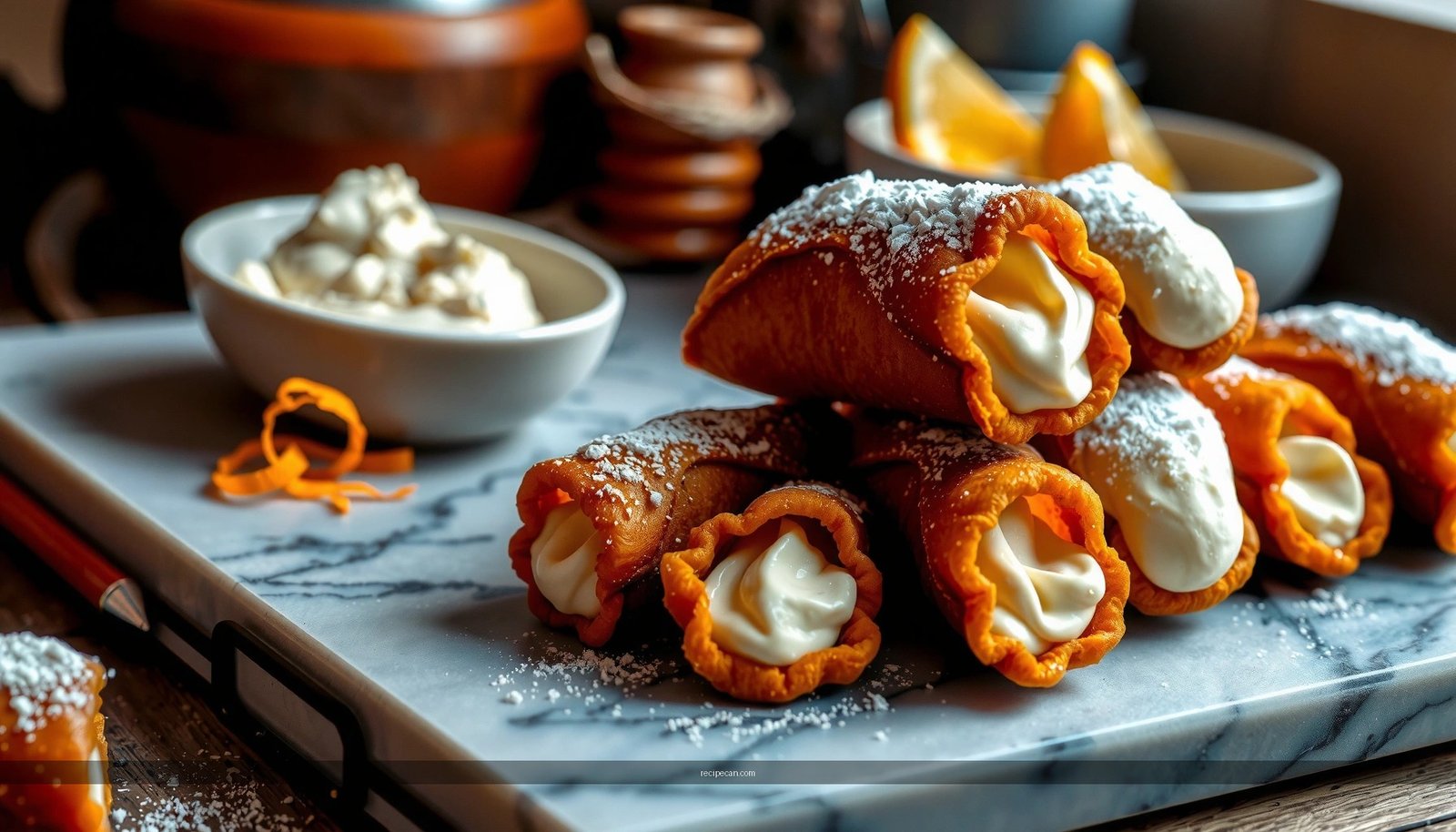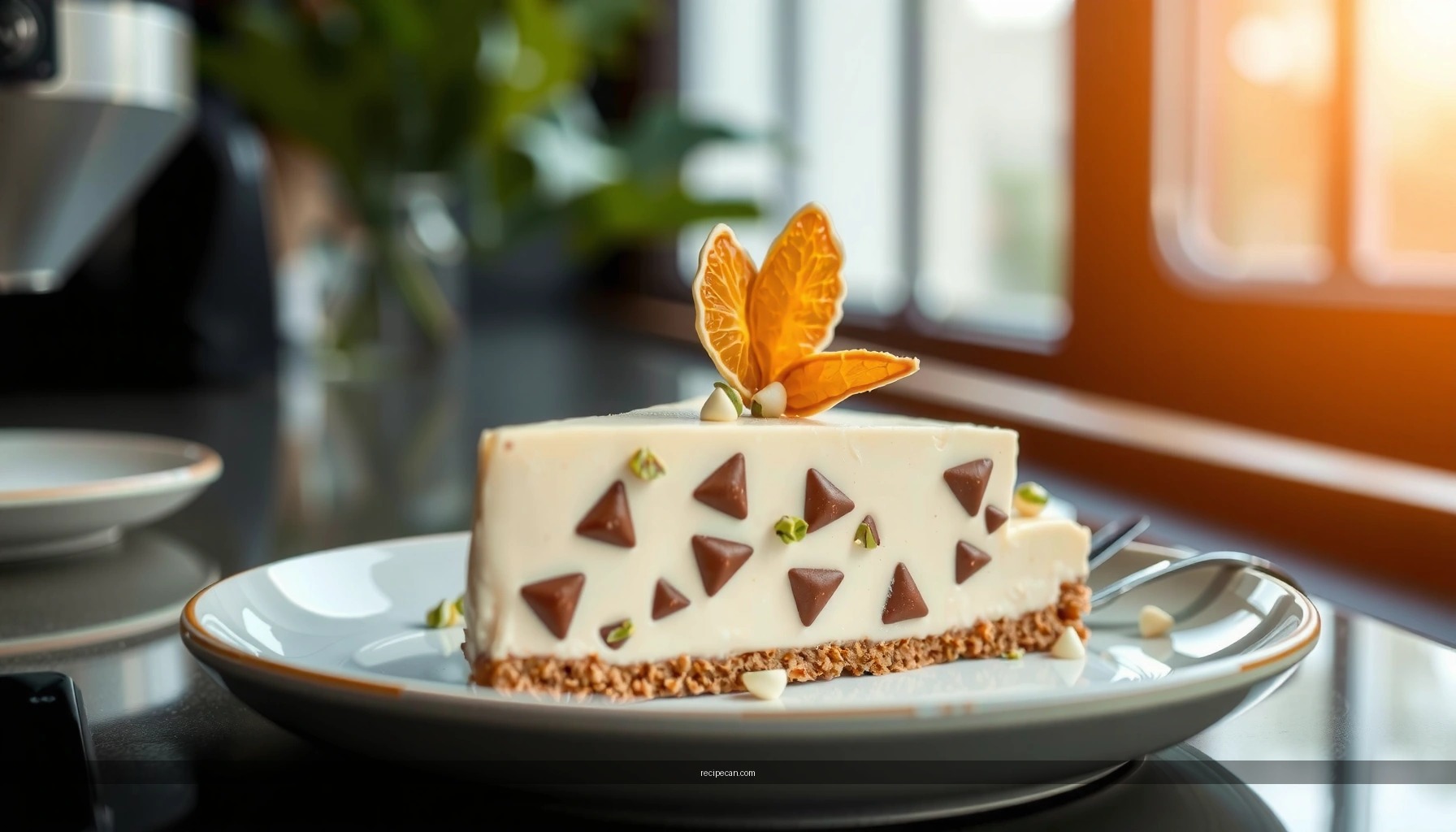
Want a cannoli cheesecake recipe that beats the usual fuss—easy to make and reliably creamy? This guide hands you the best cannoli cheesecake variations for maximum flavor with minimal effort, from classic ricotta-style filling to effortless mix-in upgrades. It also answers the key question—how to get make-ahead cheesecake results—so you can prep the crust and filling, chill, and serve without last-minute stress.
Make cannoli cheesecake by folding a ricotta filling into a creamy cheesecake base, then finishing with mini chocolate chips and crushed cannoli shells (or crunchy wafer cookies). Below are reliable baked and no-bake cannoli cheesecake recipes plus texture, flavor, and make-ahead tips so the result tastes unmistakably “classic cannoli,” but in creamy cheesecake form.
Essential Ingredients for Cannoli Cheesecake
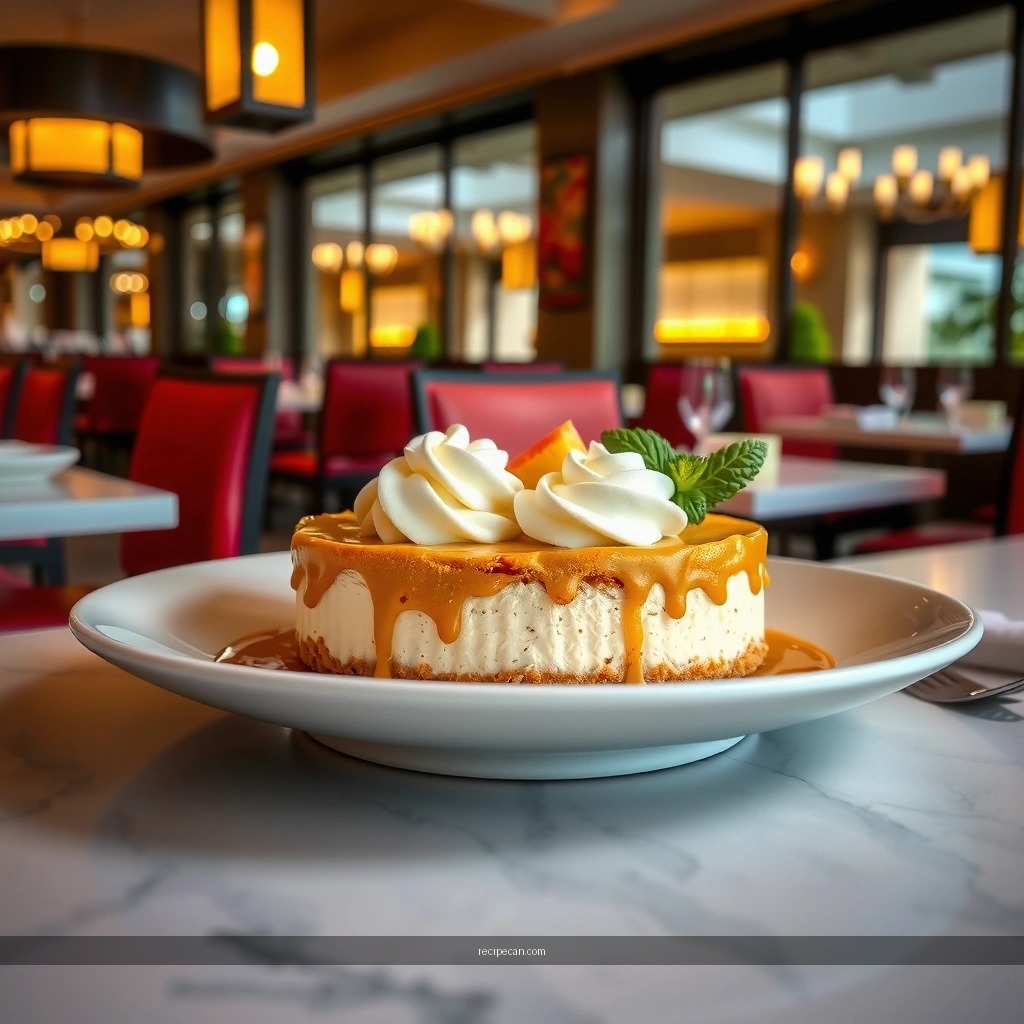
– Use ricotta for the classic cannoli-style flavor and creamy filling
Ricotta is the backbone of cannoli cheesecake because its mild, slightly tangy dairy profile mimics the filling of traditional cannoli. For the smoothest texture, choose whole-milk ricotta in tubs (not whipped) and drain it well before mixing. This prevents excess whey from loosening the batter or causing graininess.
– Add mini chocolate chips and/or candied fruit for traditional cannoli sweetness
Cannoli is known for chocolate dots and pops of sweetness. Mini chocolate chips distribute more evenly than larger chips and help prevent “hot spots” of chocolate during slicing. Candied citrus peel or candied cherries are optional, but if you want that classic cannoli experience, add a modest amount (too much fruit can mute the ricotta flavor and add extra moisture).
Actionable ingredient checklist (practical for consistent results):
– Cheesecake base: cream cheese + sugar (and often a touch of vanilla)
– Cannoli signature: ricotta + mini chocolate chips (+ optional candied fruit)
– Structure: eggs for baked; gelatin or whipped stability for no-bake (depending on your variation)
– Crunch: crushed cannoli shells or crisp wafer cookies (added near serving for best texture)
No-Bake vs. Baked Cannoli Cheesecake
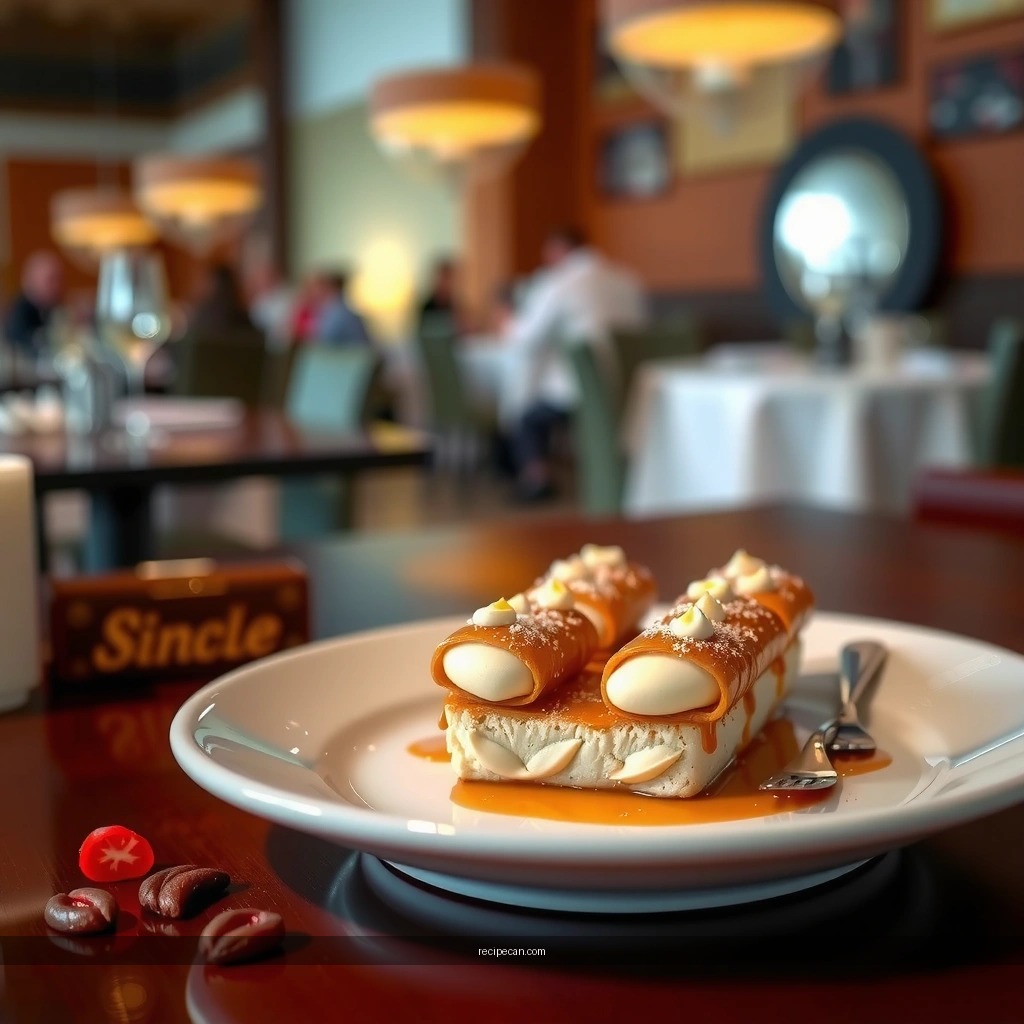
– Choose baked for a firmer slice and more classic cheesecake structure
A baked cannoli cheesecake sets through gentle heat and gives you the cleanest slice and most “classic cheesecake” body. If you’re aiming for a plated dessert that holds up well (events, catering, or serving with clean edges), baked is your best default. The tradeoff is time: it needs baking plus cooling and chilling.
– Choose no-bake for faster prep and a softer, spoonable texture
No-bake cannoli cheesecake is ideal when you want quicker results, minimal technique, and a dessert that leans more mousse-like. It’s also forgiving—provided you follow chilling times and stabilize properly. The main tradeoff is that no-bake versions can soften more quickly at warmer serving temperatures.
How to decide quickly:
– If you want straight slices and firmer presentation, choose baked.
– If you want easy assembly and a creamy, spoonable texture, choose no-bake.
Practical note for both styles: add the crunchy cannoli-shell topping right before serving. The topping absorbs moisture over time, which is great for flavor but not for crunch.
Step-by-Step Cannoli Cheesecake Recipe
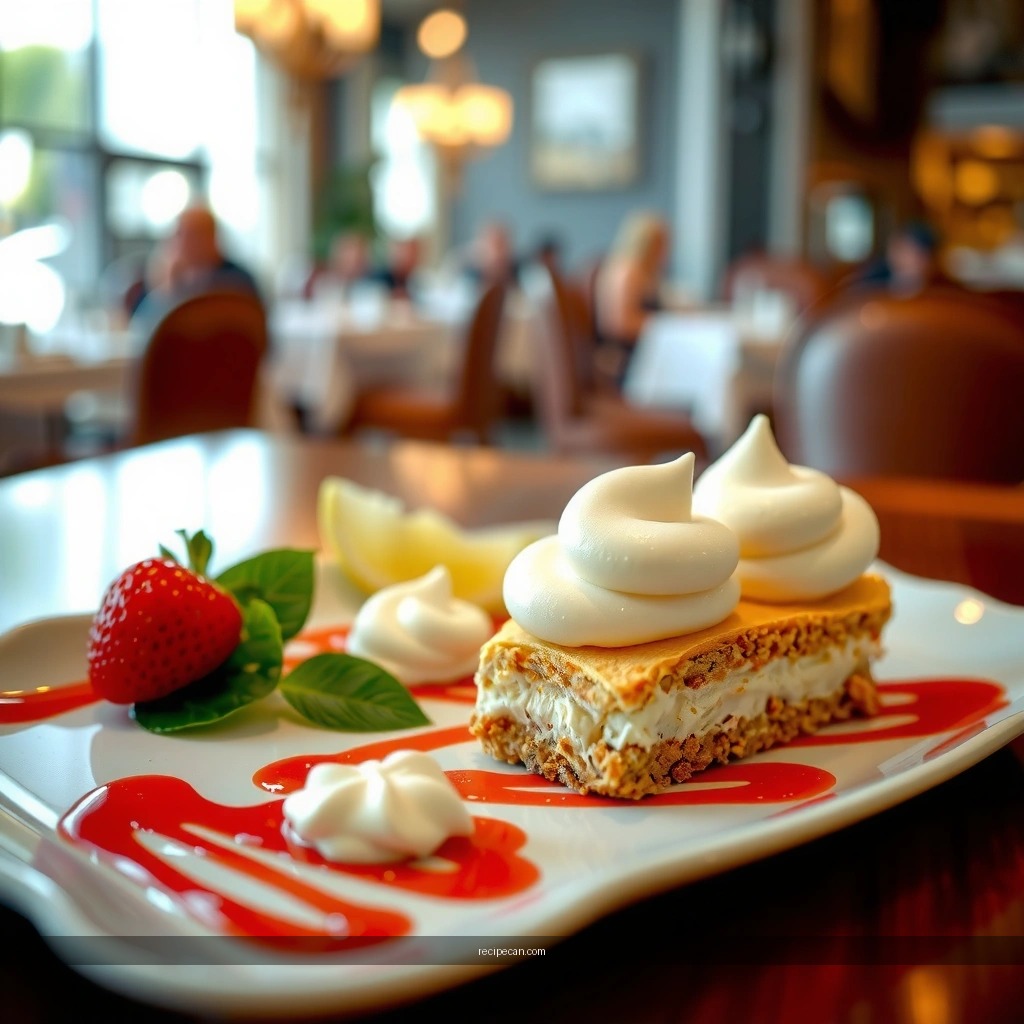
– Mix the cheesecake filling until smooth, then fold in chocolate chips gently
A smooth cheesecake filling comes from two steps: (1) thoroughly combining your base ingredients and (2) folding in inclusions gently so you don’t knock out air or overdevelop the mixture. For cannoli cheesecake, mix your cream cheese and sugar until silky, then add ricotta until just combined. Finally, fold in mini chocolate chips (and candied fruit, if using) with a spatula.
Baked method—key steps that improve reliability:
1. Prep the crust: press crumbs firmly into your pan (a tight press helps slice stability).
2. Drain ricotta first: if it looks wet, drain it—this is the most common cause of watery or grainy filling.
3. Mix base to smooth: beat cream cheese and sugar until creamy (scrape bowl sides).
4. Add ricotta slowly: mix until smooth but don’t keep beating after it’s combined.
5. Add eggs last (only for baked): mix on low until eggs disappear; overmixing increases crack risk.
6. Bake to set with a slight jiggle: the center should still have a gentle wobble.
7. Chill thoroughly: refrigerate for best slicing and flavor.
– Bake until set with a slight jiggle, then chill thoroughly for clean slices
Overbaking is the biggest quality killer. Cheesecake continues to firm up as it cools and chills. Bake until the edges are set and the center still has a mild jiggle. Then cool to room temperature (not hot) before refrigerating. Chill time matters: the longer it chills, the smoother and more cohesive the cannoli cheesecake becomes.
Simple baked timing (rule of thumb):
– Bake until edges set + center jiggles slightly (start checking early; ovens vary).
– Cool, then chill at least 4–6 hours; overnight is best for clean cuts.
Cannoli-Style Toppings and Garnishes
– Crush cannoli shells (or wafer cookies) and sprinkle right before serving
Crushed cannoli shells deliver authentic texture and a flavor echo of traditional cannoli. If you can’t find shells, crisp wafer cookies (including cannoli-style wafers) work well. The critical technique: crush finely enough to distribute, but not so fine that it becomes powder—think “short, crunchy crumble.”
– Finish with a dusting of powdered sugar and extra chocolate chips
Powdered sugar adds that classic bakery look, while extra mini chocolate chips reinforce the cannoli identity visually. For best results, dust lightly right before serving so the sugar doesn’t dissolve into the creamy surface.
Pro serving idea:
Make your cannoli cheesecake fully ready (including chilling), but keep toppings separate. Add shell crumbs, powdered sugar, and extra chips at the last moment for a “fresh-from-the-case” experience.
Texture Tips: Prevent Cracks and Grainy Filling
– Avoid overmixing after adding eggs to reduce cracks
Cracks typically come from too much mixing (introducing excess air), rapid temperature changes, or overbaking. Once eggs are added, mix only until incorporated—think “just combined,” not “fluffy.” Also, bake gently and avoid opening the oven door repeatedly.
Crack prevention checklist:
– Use low speed after adding eggs
– Bake to slight jiggle rather than fully firm center
– Cool gradually (don’t chill immediately while hot)
– Use well-drained ricotta (and cool filling) to prevent a watery or grainy texture
Graininess often traces back to watery ricotta or mixing mishandled curds. Drain ricotta until it’s thick and scoopable. If your ricotta seems especially wet, drain it longer (and/or refrigerate drained ricotta so it’s cold and stable when mixed). For the creamiest mouthfeel, cool your filling slightly before assembly so the mixture doesn’t loosen.
When your ricotta is too wet:
– Drain for longer and pat off excess whey with a clean spoon (no squeezing that forces ricotta through too aggressively).
– Mix on low after draining until smooth; then stop.
📊 DATA: Make-Ahead Reliability by Ricotta Handling Method
Ricotta Prep Methods vs. Make-Ahead Consistency (Cannoli Cheesecake)
| # | Ricotta Handling Method | Drain Time | Best For Texture | Make-Ahead Reliability |
|---|---|---|---|---|
| 1 | Refrigerate drained ricotta (covered) | 2–4 hours | Smooth + cohesive | ★★★★★ |
| 2 | Drain on mesh (no squeezing) | 1–2 hours | Creamy, less watery filling | ★★★★☆ |
| 3 | Drain briefly + temperature-cool mix | 30–60 minutes | Good for same-day bake | ★★★☆☆ |
| 4 | Use ricotta straight from tub | None | Can be slightly loose | ★★☆☆☆ |
| 5 | Over-squeeze ricotta in cloth | Fast (≤20 min) | May add graininess | ★★☆☆☆ |
| 6 | Freeze ricotta then thaw | Thaw 8–12 hours | Inconsistent texture | ★☆☆☆☆ |
| 7 | Drain + quick re-mix aggressively | 1 hour | Can overwork filling | ★★☆☆☆ |
Use this table as a planning guide: if your goal is maximum make-ahead consistency, prioritize drained ricotta followed by chilling before mixing.
Make-Ahead, Storage, and Serving Best Practices
– Chill at least 4–6 hours (or overnight) for the best flavor and consistency
Cheesecake flavors deepen as it chills, and the structure tightens. For cannoli cheesecake specifically, overnight chilling helps the ricotta and cream cheese fully hydrate together, yielding a creamier, more uniform slice. If you’re serving the next day, bake (or assemble no-bake) the day before and top with crunchy elements close to serving.– Store covered in the fridge and add crunchy toppings close to serving
To prevent dryness and flavor transfer, cover tightly with plastic wrap or a lid. Store in the refrigerator and keep toppings separate until serving time. Chocolate chips are stable, but crushed shells and wafer crumbs soften if left on too long—so add them right before you cut and plate.
Serving workflow that works in real kitchens:
1. Bake/assemble and chill overnight.
2. Prepare toppings in separate containers (crushed shells, powdered sugar, extra chips).
3. Right before serving: unmold (if needed), add toppings, dust sugar, and slice.
Optional swaps that still taste “cannoli”:
– For chocolate: swap mini chips with chopped dark chocolate for a slightly more intense finish.
– For sweetness: use candied orange peel instead of mixed candied fruit to keep the flavor profile classic.
– For richness: add a splash of vanilla or a small amount of citrus zest (lemon or orange) to amplify the cannoli aroma without overpowering ricotta.
A great cannoli cheesecake comes down to a smooth ricotta filling, careful baking or chilling, and classic toppings like chocolate chips and crushed shells. Pick the baked or no-bake version that fits your schedule, follow the texture tips to nail your slice, and then make it your own—try a topping twist and serve it chilled for maximum impact.
Frequently Asked Questions
What is a cannoli cheesecake and how is it different from traditional cheesecake?
A cannoli cheesecake combines the creamy texture of classic cheesecake with classic cannoli flavors like ricotta, vanilla, and hints of cinnamon. Many recipes also fold in mini chocolate chips and top with crunchy cannoli shell pieces or crushed wafers for that iconic cannoli contrast. Because it’s built on cheesecake, it typically uses cream cheese as the base while layering in sweetened ricotta for a cannoli-inspired filling.
How do you make cannoli cheesecake with ricotta so it doesn’t turn out grainy or watery?
Start by draining ricotta (especially if it’s watery) and mixing it until smooth before folding into the cheesecake batter. Use room-temperature ingredients so the cannoli cheesecake filling blends evenly, and avoid overmixing once eggs are added to reduce texture issues. For a thicker result, consider using full-fat ricotta and gently incorporating it with a spatula, then bake in a water bath if your recipe recommends it.
How do you bake cannoli cheesecake without cracking on top?
To minimize cracks in cannoli cheesecake recipes, bake at a moderate temperature and stop when the center is slightly jiggly—carryover heat will finish the set. Mix gently and don’t overbeat the batter, since too much air can cause expansion and cracking. Cooling matters too: let it cool at room temperature, then refrigerate for several hours (or overnight) before slicing.
Which toppings work best for a cannoli cheesecake—chocolate chips, candied fruit, or cannoli shells?
Most cannoli cheesecake recipes taste best with a mix of creamy and crunchy elements, so mini chocolate chips and crushed chocolate or vanilla wafers are popular. Candied orange or citron can add a traditional cannoli note, but use it sparingly so it doesn’t overpower the ricotta filling. If you want extra drama, add crushed cannoli shells or cookie “shell” pieces right before serving to keep them crisp.
What’s the best way to store cannoli cheesecake and keep the crust from getting soggy?
Store cannoli cheesecake covered in the refrigerator and keep slices in an airtight container to prevent drying. For the crust, chill the cake fully before covering, and place parchment between slices if stacking—this reduces moisture transfer. It’s best eaten within 3–5 days for peak flavor and texture, and you can freeze individual slices for longer storage (wrap well, then thaw in the fridge overnight).
References
- Google Scholar Google Scholar
https://scholar.google.com/scholar?q=cannoli+cheesecake+recipe - Google Scholar Google Scholar
https://scholar.google.com/scholar?q=cannoli+cheesecake+ricotta+mascarpone - Google Scholar Google Scholar
https://scholar.google.com/scholar?q=cheesecake+recipe+technique+ricotta+mascarpone - Cannoli
https://en.wikipedia.org/wiki/Cannoli - Cheesecake
https://en.wikipedia.org/wiki/Cheesecake - Ricotta
https://en.wikipedia.org/wiki/Ricotta - Mascarpone
https://en.wikipedia.org/wiki/Mascarpone - Sicilian cuisine
https://en.wikipedia.org/wiki/Sicilian_cuisine - https://www.britannica.com/topic/cannoli
https://www.britannica.com/topic/cannoli - Cheesecake | Dessert, Cream Cheese, Graham Cracker | Britannica
https://www.britannica.com/topic/cheesecake