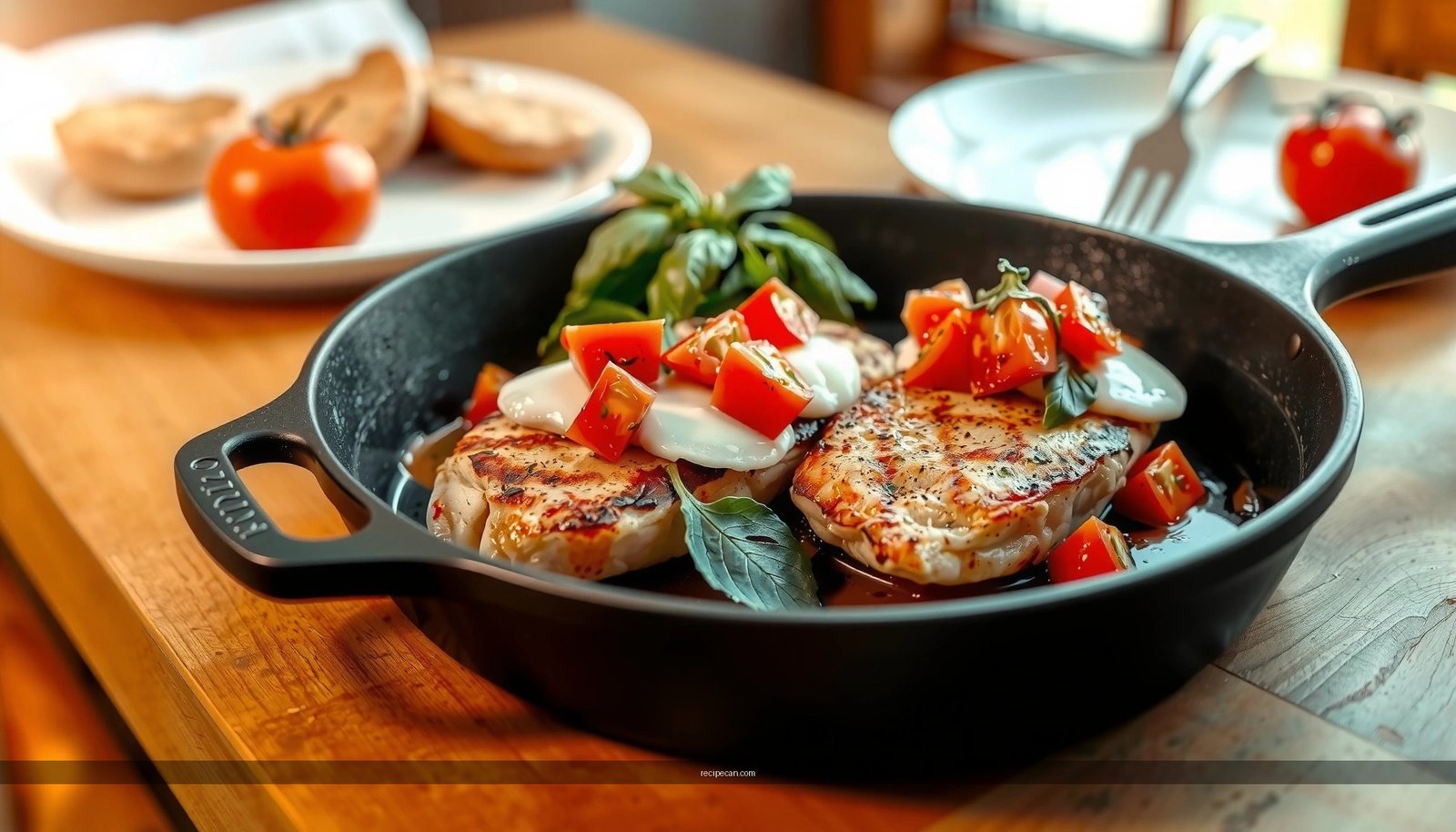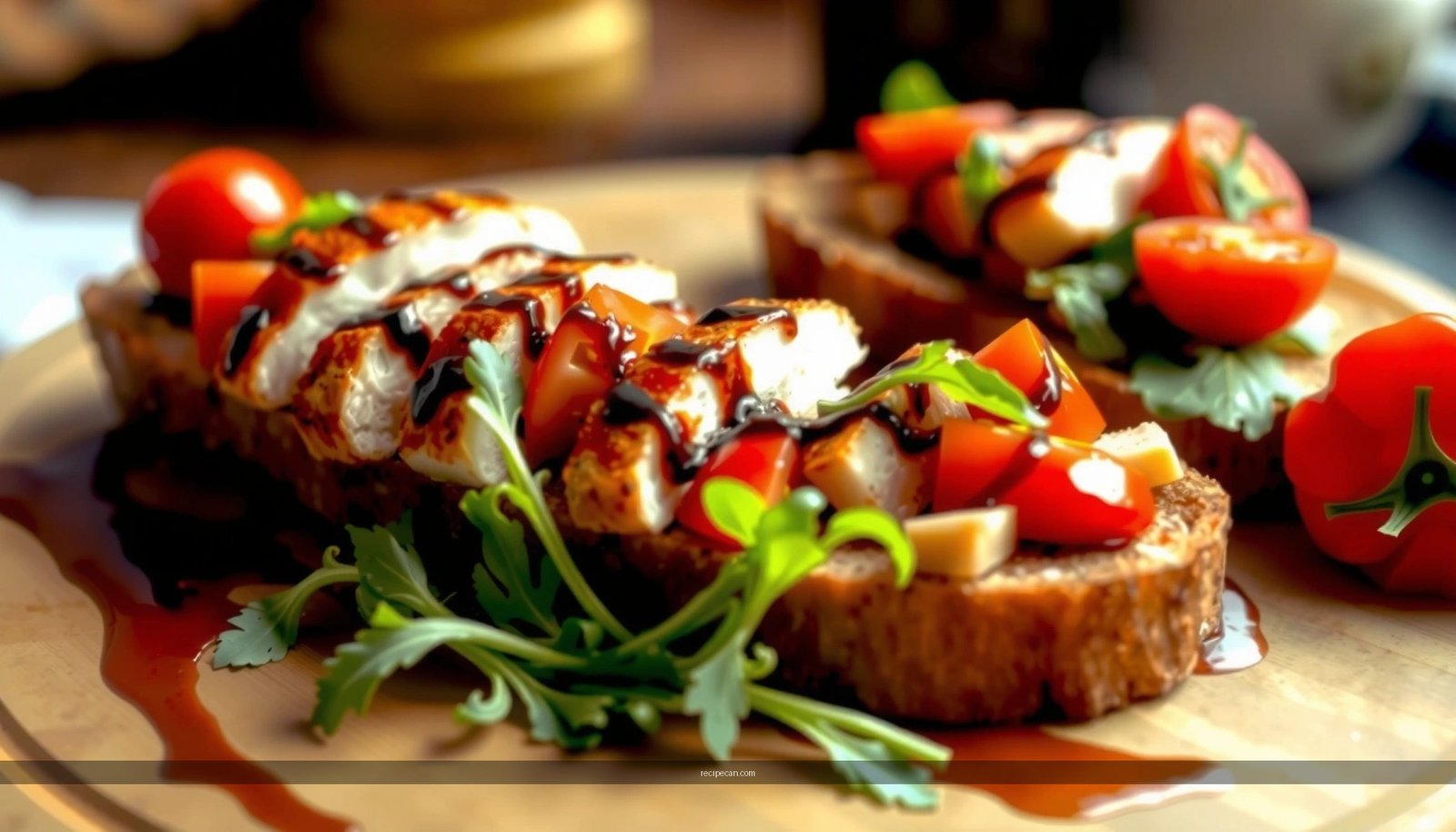
Get a canned bruschetta recipe that tastes like restaurant bruschetta without the stress: this easy starter delivers bold tomato-garlic flavor straight from a can. It answers the key question—how to turn canned ingredients into a crisp, topping-ready bruschetta in minutes. If you want the fastest way to serve something flavorful for guests or weeknight snacking, this is the clear winner.
Canned bruschetta is an instant, restaurant-style appetizer: warm your jarred bruschetta topping, spoon it onto crisp toast, and serve immediately for peak crunch. This recipe turns pantry jars into a polished starter in minutes, while also addressing the two common failure points—watery topping and soggy bread—so your canned bruschetta reads “fresh” even when it isn’t.
Choose the Right Canned Bruschetta
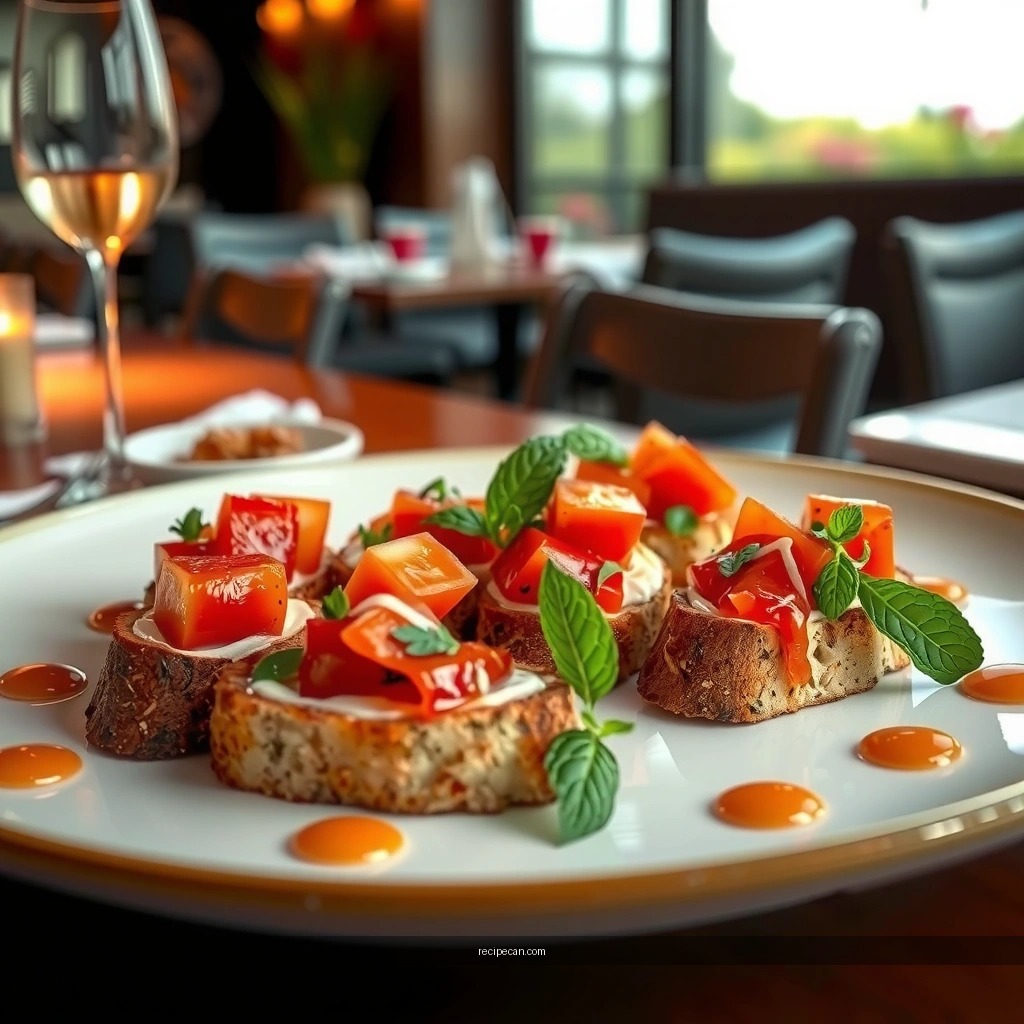
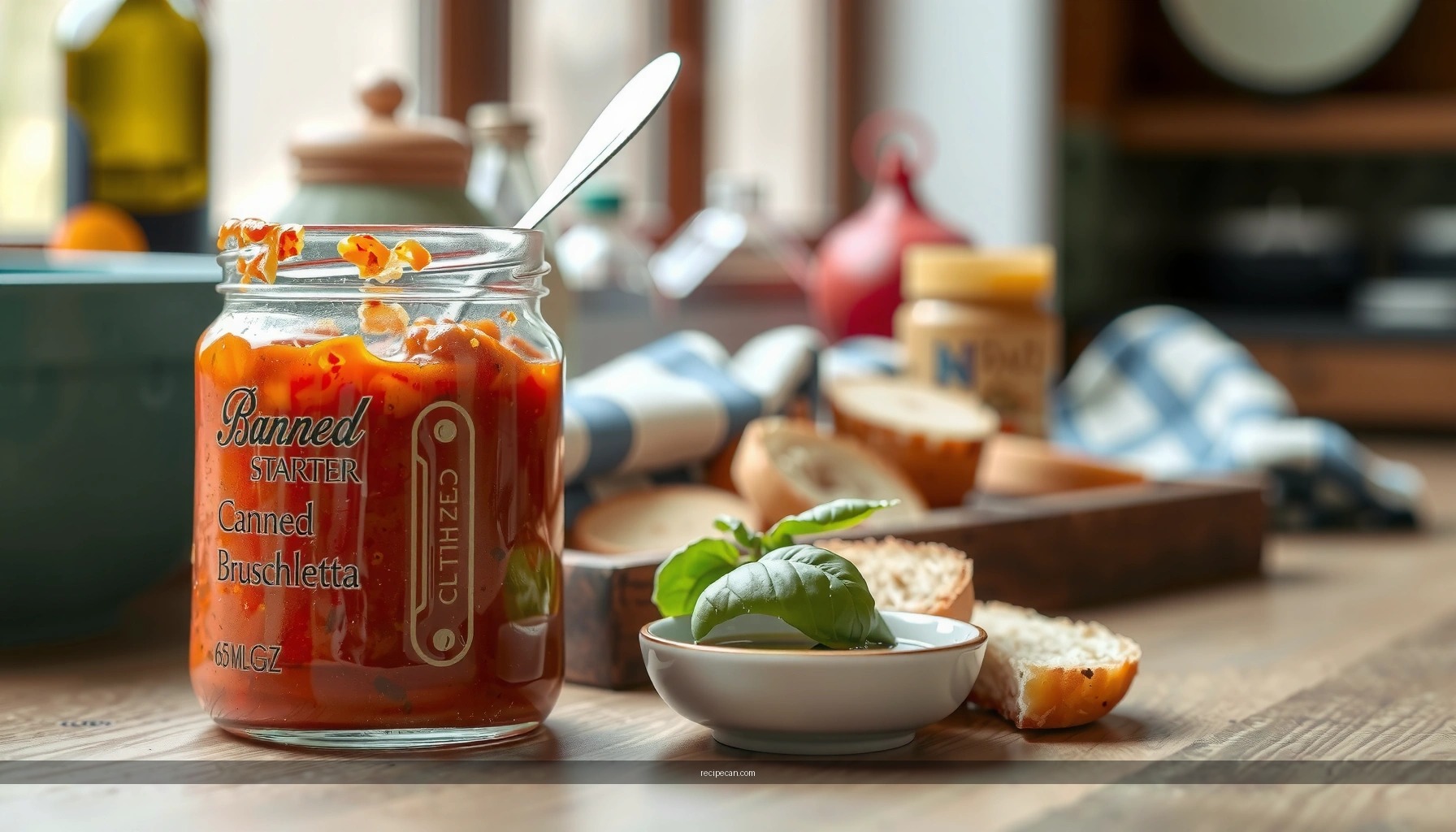
The quality of your final bruschetta depends on the jar you start with. When brands vary, it’s usually due to ingredient balance (tomatoes vs. oil vs. seasonings) and texture (chopped vs. uniformly blended). To get the “Italian deli” feel, choose products that are clearly intended for bruschetta, not repurposed pizza sauces.
– Pick a jar or can labeled “bruschetta topping” (not just pizza sauce)
Bruschetta topping is typically formulated to stand up on bread—meaning the pieces are cut to a size that won’t disappear once warmed. Pizza sauce is often smoother and thinner, which can make your toast taste flooded rather than layered.
– Check for flavor balance: tomatoes, garlic, and herbs
Look for a label where tomatoes are the main ingredient, with garlic and basil/oregano clearly referenced. A balanced jar should taste like a small, concentrated salad—tangy tomatoes, savory garlic, and aromatic herbs—rather than just sweetness.
– Use oil-packed varieties for richer taste
Oil-packed bruschetta topping usually has better mouthfeel once heated. The oil helps distribute flavor and improves cling to toasted bread, which is how you get that “restaurant spoonful” effect instead of a topping that slides off.
Best Jarred Bruschetta Topping Buying Signals (What to Compare)
| # | Buying Signal | What It Does on Toast | Practical Target | Impact |
|---|---|---|---|---|
| 1 | Label says “Bruschetta topping” | Piece-holding texture | Chunks/chopped pieces visible | ★ ★ ★ ★ ★ |
| 2 | Tomato-first ingredient list | Tastes “fresh” when heated | Tomatoes appear in top 2–3 | ★ ★ ★ ★ ★ |
| 3 | Garlic + herb references (basil/oregano) | Aroma reads Italian | Visible seasoning notes on label | ★ ★ ★ ★ ★ |
| 4 | Oil-packed or oil-forward texture | Improves cling + mouthfeel | Oil visible on top or listed prominently | ★ ★ ★ ★ ☆ |
| 5 | No “sauce-forward” thin consistency | Less bread soaking | Topping holds shape when stirred | ★ ★ ★ ☆ ☆ |
| 6 | Sodium level not excessive | Better flavor accuracy | Aim for “moderate” nutrition panel | ★ ★ ★ ★ ☆ |
| 7 | Chopped pepper/texture inclusions | Adds bite and variance | Peppers/veg pieces not pureed | ★ ★ ★ ★ ☆ |
Prep the Bread for Perfect Bruschetta

Bruschetta is fundamentally a bread-and-topping system. If you nail the toast, a jarred topping becomes dramatically more convincing because the texture contrast does the heavy lifting.
– Toast sliced baguette or bread until crisp and sturdy
Don’t just warm it—toast it until the surface is dry and the bread feels firm. Thin slices can burn quickly, so watch the edges. For a business-style “crowd-ready” approach, toast in batches and keep the rest wrapped in foil until it’s time to serve.
– Rub warm toast with a cut garlic clove for extra aroma
This step turns canned bruschetta into something that tastes like it was built from scratch. Lightly rub the cut side of the garlic over the toast; the heat releases garlic oils without needing raw bite.
– Keep bread hot so it stays crunchy under the topping
Crunch declines when bread cools and absorbs moisture. If you’re serving many guests, hold toast in a low oven (about 200°F / 95°C) and assemble immediately at the end—this is the single biggest determinant of “restaurant” texture.
Heat and Season the Canned Bruschetta
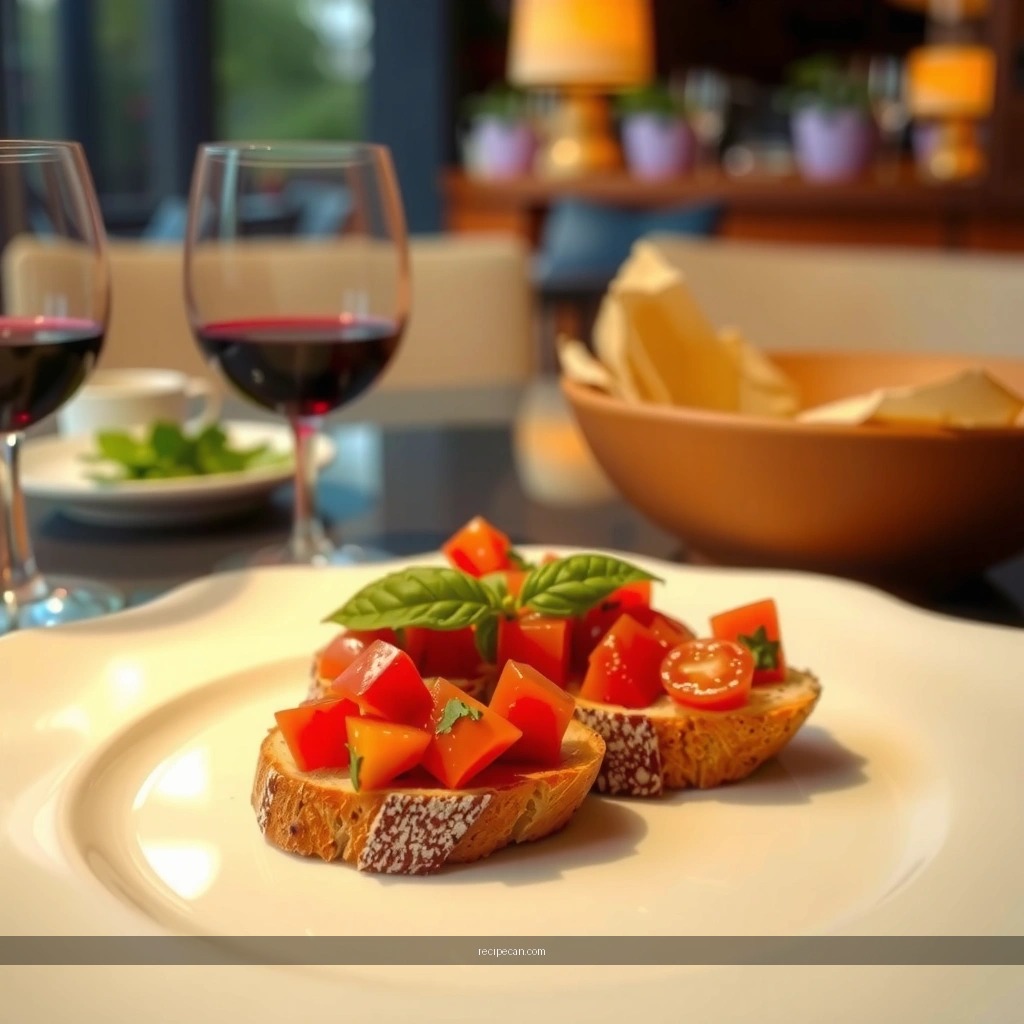
Warming canned bruschetta is not about boiling it—it’s about coaxing flavor forward while preserving pieces. Overheating can dull herbs and turn tomato into something more watery.
– Warm the canned bruschetta in a small pan or microwave
On the stove, simmer gently and stir often, usually 3–6 minutes depending on jar size. In the microwave, heat in short bursts and stir between rounds so the topping warms evenly.
– Stir in a splash of olive oil if it seems dry
Some jars are thick; others separate. If the topping looks matte or clings poorly to a spoon, add 1–2 teaspoons of good olive oil. This improves gloss, helps herbs bloom, and reduces the “clumped” feel.
– Add optional flavor boosters like black pepper or chili flakes
Finish seasoning right before assembling. A few grinds of black pepper elevate tomato sweetness, and chili flakes add controlled heat without dominating garlic. If the jar tastes flat, a tiny pinch of salt can also help—but adjust cautiously.
Assemble for the Best Texture
This is where most home attempts lose the “bruschetta” character. Assembly timing and method determine whether guests experience layered flavors or a soft, fused bite.
– Spoon bruschetta onto toast right before serving
Think of bruschetta topping like a topping, not a spread. Spoon it when your guests are ready for the first wave, especially for events where multiple minutes pass between batches.
– Avoid soaking—serve immediately after topping
If you leave topped bread sitting, moisture migrates into the crumb. Serve as soon as topping hits toast; if you must hold, keep topped toast in a very warm environment for the shortest time possible.
– Garnish with fresh basil or grated Parmesan if desired
Fresh basil adds bright green aroma that jarred herbs sometimes lack. Parmesan, meanwhile, adds umami and salt. Use both sparingly so the jarred tomato remains the center of gravity.
Flavor Variations (Quick Upgrades)
You don’t need complicated cooking to create variety—just targeted additions that change texture, temperature, or acidity.
– Add mozzarella or burrata for a creamy twist
For a “pizzeria” version, add small cubes or torn mozzarella and let the residual heat slightly soften it. Burrata is richer; pair it with slightly more acidity (a squeeze of lemon or a small drizzle of balsamic) so it doesn’t become heavy.
– Mix in chopped olives or roasted red peppers for more complexity
Olives bring salinity and depth; roasted red peppers bring sweetness and smokiness. Stir these into the warmed topping rather than only topping the bread—uniform mixing creates consistent flavor bites.
– Try a balsamic drizzle for a sweet-tangy finish
Balsamic is strongest in small amounts. Drizzle lightly right before serving so it stays aromatic. This upgrade also makes the appetizer feel “intentional,” which matters for presentation.
Serving Ideas and Pairings
Canned bruschetta works for casual weeknight snacking, but it also scales well for gatherings because it’s component-based: toast can be prepped, and topping can be warmed on demand.
– Serve as an appetizer with olive oil–crisped garlic bread
If you’re offering multiple bread options, keep it simple: toasted baguette is your base, and you can supplement with garlic bread if your guests expect variety. The goal is a cohesive flavor theme, not a competing menu.
– Pair with white wine, sparkling water, or a light salad
Tomato-forward bruschetta pairs well with crisp acidity in white wine (or a dry sparkling option). A light salad—arugula with lemon or a simple vinaigrette—cuts through the oil and keeps the meal feeling fresh.
– Great for parties: prep components ahead, assemble last
For efficient hosting, do the work in stages:
1) Toast bread ahead and re-warm briefly.
2) Warm canned bruschetta right before the guests arrive or between courses.
3) Assemble in a short window so everything stays crisp.
When executed with this pacing, your canned bruschetta recipe becomes a reliable, low-stress centerpiece for any gathering.
After a quick toast and a warm-up of your canned bruschetta, you can serve a crispy, flavorful appetizer with minimal effort. Follow the bread-to-topping timing tips and try one variation—mozzarella, olives, or a balsamic drizzle—for a personalized touch, then repeat it for your next weeknight snack or party starter.
Frequently Asked Questions
What’s the best canned bruschetta recipe for a quick weeknight appetizer?
Start by draining and chopping your canned bruschetta topping, then combine it with minced garlic, olive oil, and a pinch of salt and black pepper. Toast bread slices until crisp, spoon the mixture on top, and finish with fresh basil and a drizzle of balsamic vinegar. For extra flavor, add shredded mozzarella or grated Parmesan and warm briefly until melted. This canned bruschetta recipe keeps prep fast while still tasting fresh and bright.
How do you use canned bruschetta topping so it doesn’t turn soggy on the bread?
The key is controlling moisture: drain the canned bruschetta topping well and let it sit in a colander for a few minutes. Toast your bread thoroughly so it’s crisp all the way through, and assemble right before serving. If the topping seems watery, simmer it for 2–3 minutes to reduce, then cool slightly before piling onto the toasted bread. This approach helps your canned bruschetta recipe stay crunchy.
Why does canned bruschetta taste different than homemade, and how can you fix it?
Canned bruschetta often has less pronounced fresh-herb aroma and a sweeter or more acidic balance than homemade. To fix this, stir in extra minced garlic, fresh basil (or parsley), and a little olive oil to round out flavor. Taste and adjust with salt, black pepper, and a small splash of balsamic vinegar or lemon juice to brighten. These upgrades make your canned bruschetta recipe taste like a homemade topping.
Which bread works best for a canned bruschetta recipe—baguette, ciabatta, or pita?
For classic bruschetta, a sturdy baguette or ciabatta works best because it toasts well and holds the canned bruschetta topping without collapsing. If you prefer something faster, use toasted pita triangles, but keep the topping portion lighter to prevent sogginess. For a more rustic option, try Italian bread slices or sourdough, aiming for crusty edges and a firm interior. Choosing the right bread makes a big difference in how good your canned bruschetta recipe tastes.
Best tips for seasoning canned bruschetta so it’s packed with flavor?
Season in layers: begin with garlic and olive oil, then add oregano, red pepper flakes, and black pepper to match your heat preference. If the canned tomatoes taste flat, enhance with a pinch of sugar (optional) and a splash of balsamic vinegar for depth. You can also mix in grated Parmesan or a little mozzarella for a savory, more “bruschetta-like” finish. These seasoning tips ensure your canned bruschetta recipe is flavorful every time.
References
- Bruschetta
https://en.wikipedia.org/wiki/Bruschetta - https://www.britannica.com/topic/bruschetta
https://www.britannica.com/topic/bruschetta - https://nchfp.uga.edu/publications/publications_usda.html
https://nchfp.uga.edu/publications/publications_usda.html - https://www.fsis.usda.gov/food-safety/safe-food-handling-and-preparation/food-safety-basics/botulism
https://www.fsis.usda.gov/food-safety/safe-food-handling-and-preparation/food-safety-basics/botulism - Botulism
https://www.who.int/news-room/fact-sheets/detail/botulism - https://pubmed.ncbi.nlm.nih.gov/?term=canned+tomatoes+heat+processing
https://pubmed.ncbi.nlm.nih.gov/?term=canned+tomatoes+heat+processing - https://pubmed.ncbi.nlm.nih.gov/?term=botulism+home+canning
https://pubmed.ncbi.nlm.nih.gov/?term=botulism+home+canning - Google Scholar Google Scholar
https://scholar.google.com/scholar?q=canned+tomatoes+bruschetta - Google Scholar Google Scholar
https://scholar.google.com/scholar?q=home+canning+tomatoes+acidification+food+safety - Google Scholar Google Scholar
https://scholar.google.com/scholar?q=botulism+home+canning+tomatoes+heat+processing