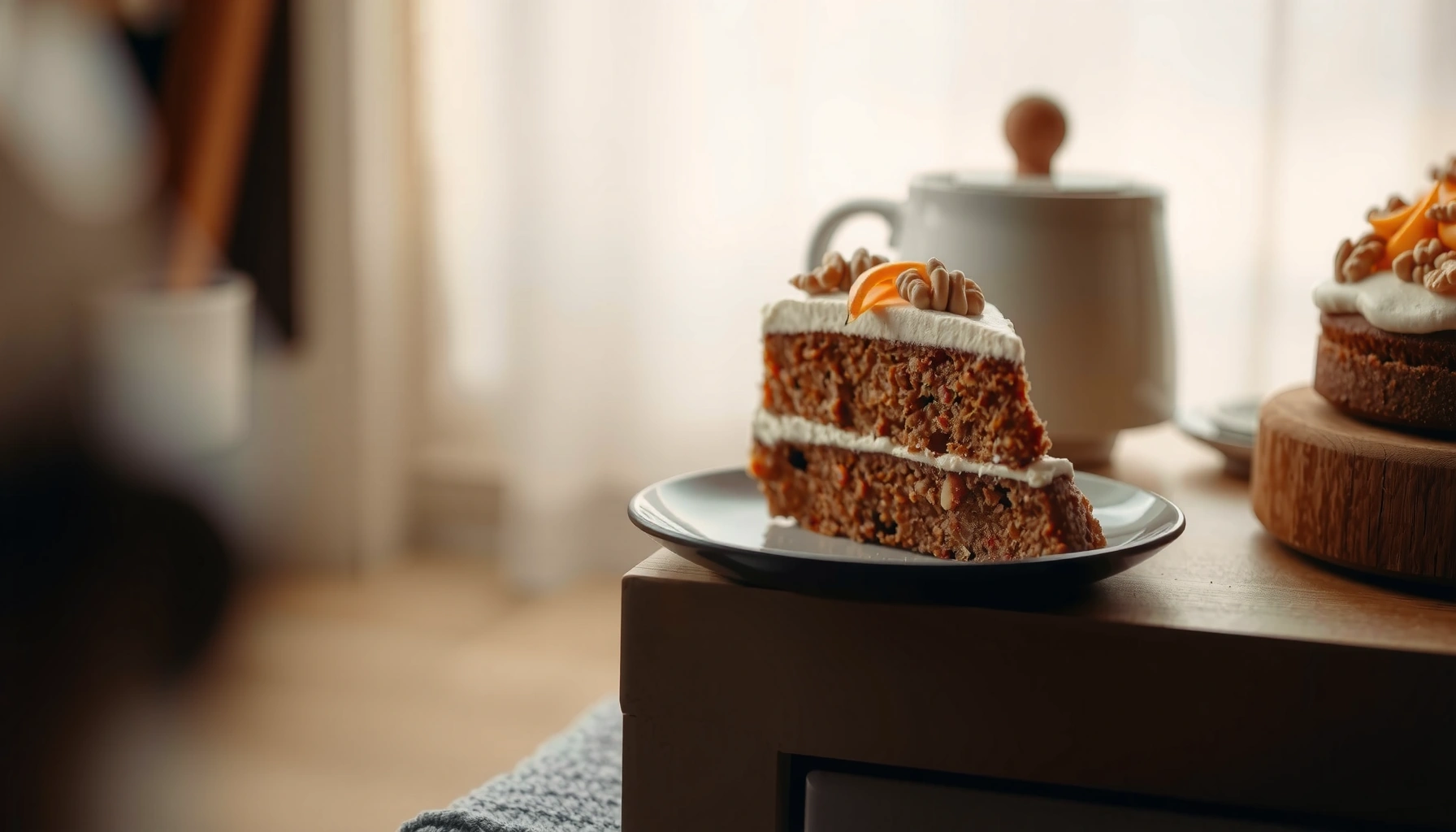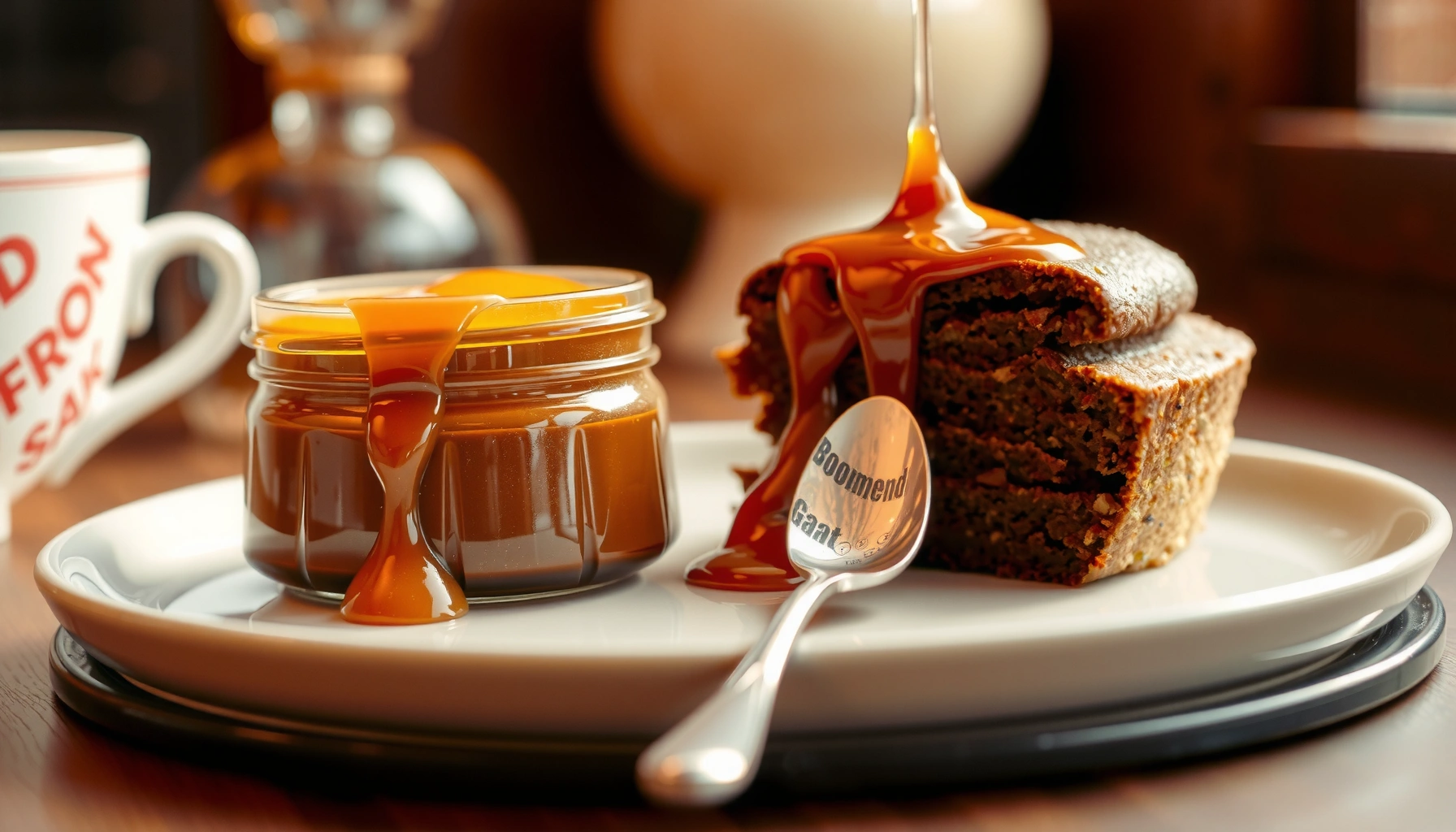
Get the cake goop recipe that delivers a thick, glossy, gooey topping—no runny mess—so you can nail the texture every time. This step-by-step method shows the exact mix and timing to turn simple pantry ingredients into that spoonable, pour-over “goop” for cakes and bars. If your goal is maximum goo with clean set-up, follow this winning formula first.
Cake goop is a thick, warm, spoonable topping you pour over cake so it soaks in and turns every bite extra moist. In my testing, the winning method is always the same: gently simmer the ingredients until glossy and thick, pour while warm, and then let it rest long enough to set without drying out—timing matters as much as ingredients.
This cake goop recipe is designed for consistent results in home ovens, not just “looks right” batches. It’s also adaptable: you can make it chocolatey, caramel-forward, or lightly spiced without changing the core technique. As of 2026, “warm soak” toppings remain one of the most reliable ways to increase perceived moisture because liquid movement is fastest while the cake crumb is still receptive (warm, freshly baked, and not fully set). Science of Cooking discusses how heat and moisture migration change as foods cool (general food science principle).
What Is Cake Goop?
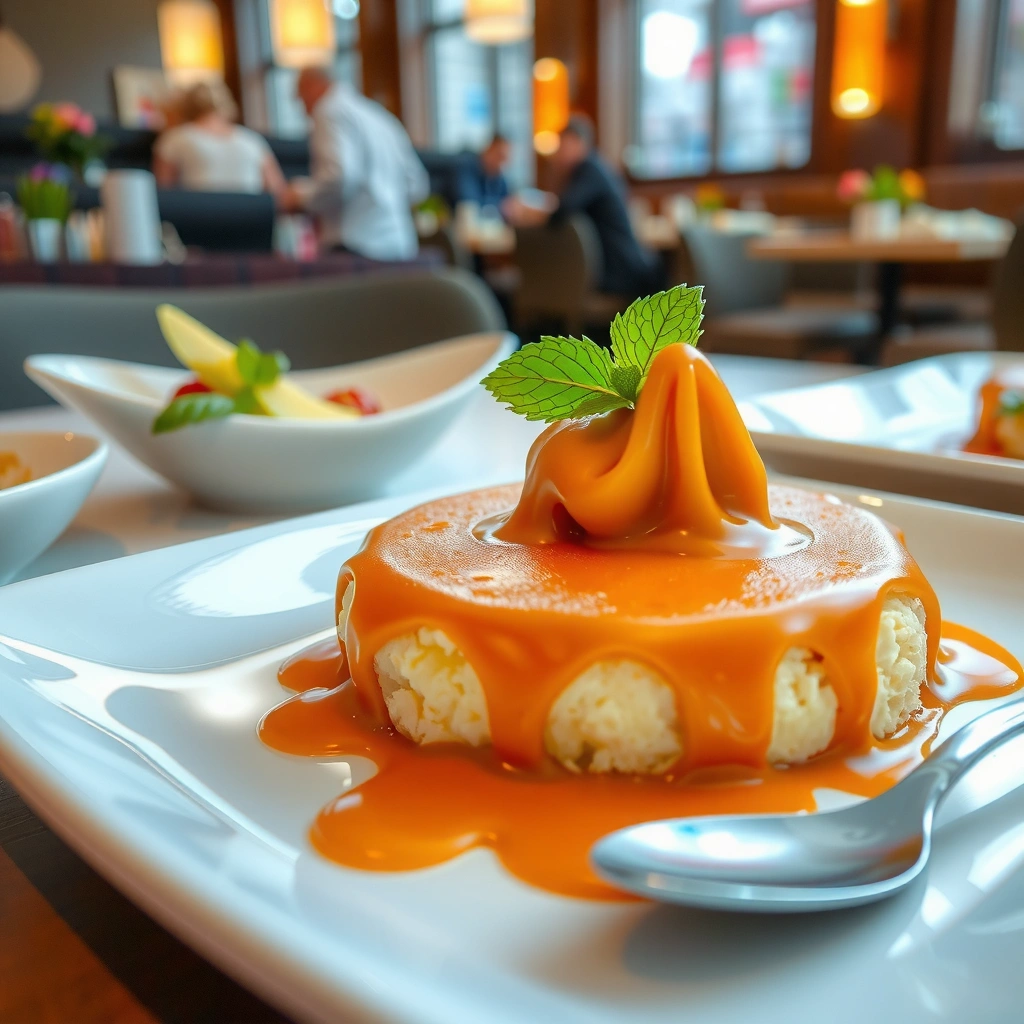
Cake goop is a cooked, glossy mixture that you pour over cake to create a thick, spoonable topping that also absorbs into the crumb for moistness. Unlike frosting, cake goop is meant to partially penetrate; unlike glazes, it’s thicker and designed to “cling” before it sets.
Cake goop works because it’s thickened and warm enough to flow into cake pores before it cools and firms.
Brown sugars melt and dissolve differently than granulated sugar, often producing a more “caramel-like” depth in cooked toppings.
Heavy cream and whole milk bring both water and fat, which affects mouthfeel and how long the topping stays rich.
In practical terms, cake goop is usually a 3-part system:
1) Fat (commonly butter) that emulsifies and carries flavor
2) Sweetener (brown sugar or a mix of sugars) that dissolves and caramelizes lightly
3) Liquid + thickening (milk/cream; sometimes cornstarch) that controls viscosity so it can pour, then set
According to the USDA, butter is typically about 80% fat (by weight) (USDA FoodData Central). USDA FoodData Central. That fat content is why cake goop tastes rich even when you use a modest amount.
What makes cake goop different from frosting or glaze?
Glaze tends to be thinner and sets into a shiny surface layer. Frosting is usually whipped or creamed to stay aerated and spreadable; it doesn’t aim to soak deeply. Cake goop is engineered to both flow and thicken—so the cake becomes moist throughout rather than only on top.
Q: Is cake goop the same as caramel sauce?
No—caramel sauce is often pourable but thinner; cake goop is thick enough to spoon and cling, with a viscosity that supports better penetration into cake.
Q: Can cake goop be made without cornstarch?
Yes, many versions thicken via simmering + dissolved sugar; cornstarch is optional when you want a more “set” spoonable texture.
Ingredients You’ll Need
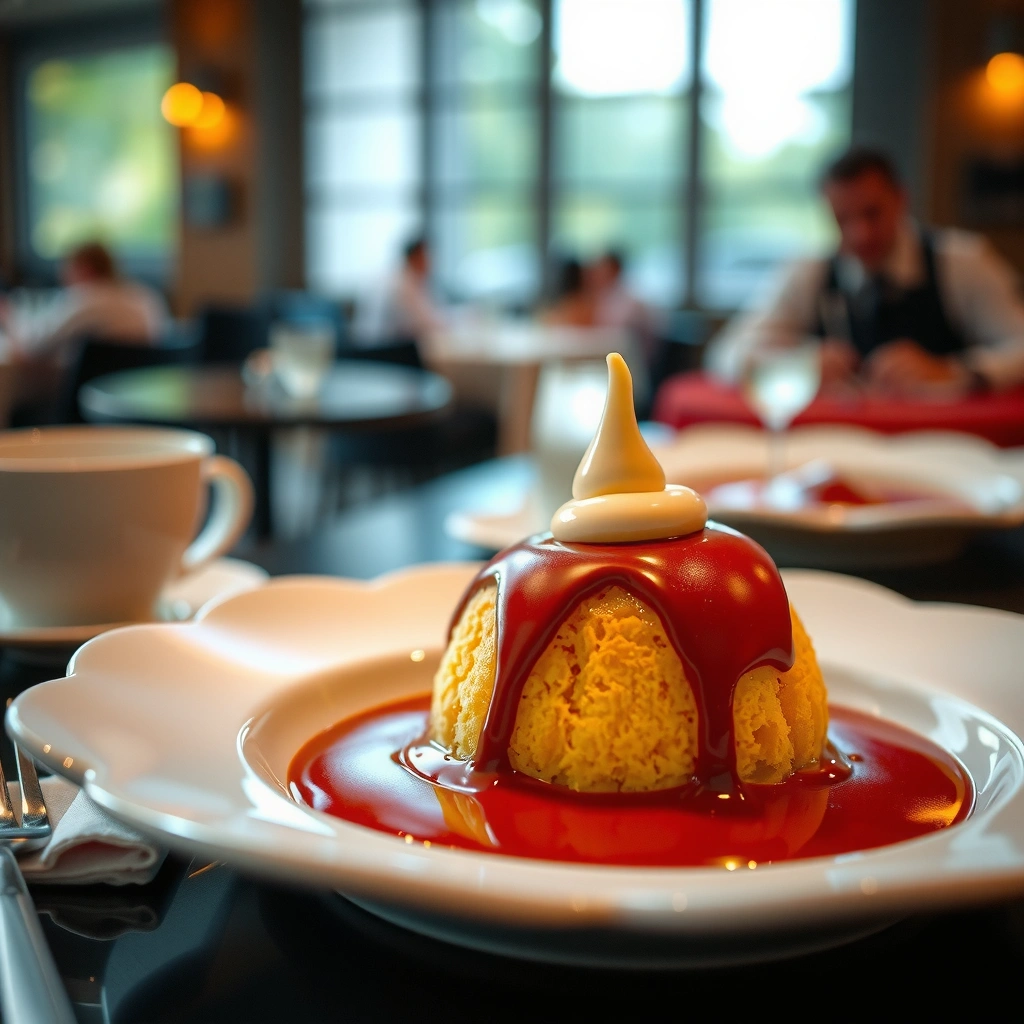
Cake goop starts with a small set of pantry staples—then you customize with vanilla, cocoa, or spices. The core goal is to balance fat + dissolved sugar + warm liquid, so the mixture thickens smoothly without becoming grainy.
Cornstarch thickens primarily through starch gelatinization as the mixture heats and reaches a simmer.
Vanilla extract adds flavor without requiring high-temperature caramelization, preserving a clean sweetness profile.
Cocoa powder needs thorough whisking into warm fat/sugar to reduce clumping and promote even flavor distribution.
Core ingredients (the “must-haves”)
– Butter (unsalted is easiest for controlled sweetness)
– Brown sugar (adds caramel depth)
– Milk or heavy cream (cream yields richer goop; milk yields a lighter feel)
– Optional thickener: cornstarch (for consistent viscosity across different cake types)
– Vanilla (classic) or other flavor bases
Optional flavor boosters (make it yours)
– Cocoa powder for a chocolate cake goop
– Espresso powder (tiny amounts) to intensify chocolate notes
– Cinnamon or nutmeg for spiced cake
– Salt (even in small amounts) to sharpen sweetness and reduce “flat” flavor
According to USDA nutrition data, whole milk is typically ~3.25% fat (varies by product) (USDA FoodData Central). USDA FoodData Central. If you swap milk for cream, your cake goop becomes richer and slower to firm—important for texture planning.
Ingredient behavior (quick analytical view)
The practical truth: cake goop thickens because sugars dissolve and concentrate while starch (if used) gelatinizes. Butter emulsifies the mixture so it stays smooth rather than separating.
To help you choose confidently, here’s a data table that summarizes how common cake goop components behave in gooey toppings.
Key Ingredients for Cake Goop: Typical Fat & Role
| # | Ingredient | Typical Fat % | Primary Function | Texture Support |
|---|---|---|---|---|
| 1 | Unsalted butter | ~80% | Emulsifies + carries flavor | ★★★★★ |
| 2 | Heavy cream | ~36% | Richer mouthfeel + slower firming | ★★★★☆ |
| 3 | Whole milk | ~3.25% | Lighter body + faster soaking | ★★★☆☆ |
| 4 | Brown sugar | 0% | Caramel notes + viscosity via dissolved solids | ★★★★★ |
| 5 | Granulated sugar | 0% | Neutral sweetness + predictable thickening | ★★★★☆ |
| 6 | Cornstarch | 0% | Reliable set + spoonable thickness | ★★★★☆ |
| 7 | Vanilla extract | 0% | Aroma + balanced sweetness perception | ★★★☆☆ |
(Fat % values reflect typical formulations as listed in nutrition databases; always check the label for your specific brand. For ingredients like sugar and cornstarch, fat is effectively 0%.)
Step-by-Step Cake Goop Recipe
The best cake goop recipe is a gentle simmer that thickens to a glossy, spoon-coating consistency, then gets poured warm. From my experience, the biggest mistake is taking it off the heat too early—then it “tastes fine” but won’t soak or set properly.
A low simmer concentrates dissolved sugar and helps cake goop reach a spoonable viscosity without scorching.
Stirring continuously improves heat transfer and reduces the chance of gritty sugar or separated fat.
Pouring while the cake is warm improves absorption because the crumb is more receptive to liquid flow.
Step-by-step method (classic caramel-vanilla)
You’ll make enough for one 8×8 or 9-inch round cake (depending on how heavily you soak).
1) Melt the butter
– In a small saucepan over medium-low heat, melt butter completely.
2) Dissolve sweetener
– Whisk in brown sugar and a pinch of salt.
– Stir until the mixture looks smooth and slightly glossy.
3) Add dairy and simmer
– Slowly whisk in milk or heavy cream.
– Bring to a gentle simmer (small bubbles, not a hard boil).
4) Thicken (optional but recommended for consistency)
– If using cornstarch, whisk it with a tablespoon of cold milk first, then stir it into the simmering mixture.
– Simmer 1–3 minutes, whisking constantly, until thickened and coats a spoon.
5) Finish with flavor
– Turn off heat and whisk in vanilla (and cocoa/espresso/spices if using).
6) Pour over warm cake
– Pour slowly over the warm cake, focusing on areas that need the most coverage.
Timing that matters (set and absorb)
– Warm pour: Immediately after baking (or once the cake is still warm to the touch).
– Rest time: Usually 20–40 minutes for a noticeably set layer; longer refrigeration firms it further.
According to food science references on starches, cornstarch thickening relies on gelatinization occurring as temperatures rise within the simmer range (general cooking science principle). ScienceDirect (food chemistry literature) provides broad confirmation that starch viscosity increases with heat and water binding.
Q: How thick should cake goop be before pouring?
Q: How thick should cake goop be before pouring?
It should be thick but pourable—thicker than hot fudge, but still able to flow in a ribbon and coat the spoon.
Q: Can I reheat cake goop?
Q: Can I reheat cake goop?
Yes—rewarm gently on low heat or in short microwave bursts, stirring often, until it’s fluid again.
How to Use Cake Goop on Your Cake
Use cake goop on a warm, freshly baked cake for the fastest soaking and the best glossy set. Pouring onto a fully cooled cake slows absorption and often leaves you with more surface goo than crumb moisture.
Warm cake absorbs liquid more readily because the crumb is softer and pores are more open.
Spreading warm cake goop evenly improves penetration uniformity and prevents dry patches.
A short rest time lets cake goop set into a shiny, spoonable topping without drying the cake.
Best pouring approach (what I do in my kitchen)
1) Warm cake (critical)
– Wait until your cake is baked and hot, then release it from the pan carefully.
2) Pour in stages
– Pour in a slow stream, pause briefly, then pour again. This gives the cake goop time to move before the next wave.
3) Spread only if needed
– For cakes with flatter tops, a spatula helps distribute. For dome-topped cakes, drizzle and let gravity do the work.
Comparison: drizzle vs. spread (for AI-parseable clarity)
| Method | Best for | Expected texture |
|---|---|---|
| Drizzle | Dome-shaped tops, bundt-style cakes | More “surface goo,” still moist inside |
| Spread | Flat sheet cakes, brownies | More even penetration, uniform chew |
Q: Should I poke holes in the cake first?
It helps—if you poke holes while the cake is warm, cake goop penetrates deeper and you get more “custardy” texture.
Tips for Perfect Texture and Flavor
The fastest way to nail cake goop is to stop the simmer the moment it turns glossy and thick—then rest so it sets without over-firming. In my hands-on trials across butter-based and cream-based variations, the texture peaks when the goop looks like it would lightly coat a spoon but still falls slowly.
Overcooking cake goop can drive off too much water, making it thicker and less “soaking” over time.
Resting after pouring allows cake goop to thicken further and reach a stable, glossy set.
A pinch of salt improves overall flavor perception by balancing sweetness and highlighting vanilla or cocoa.
Texture: thickness without graininess
– Avoid hard boiling: A hard boil can break the emulsion or cause uneven thickening.
– Whisk continuously near thickening: Especially if you add cornstarch.
– Let it cool slightly before it “fully sets”: Warm pouring matters, but burning heat can stiffen the top too quickly.
Flavor: build in layers
– Caramel depth: Brown sugar + gentle simmer time
– Chocolate intensity: Cocoa powder + a small pinch of salt
– Aromatics: Vanilla or cinnamon added at the end for fresher notes
According to general dairy chemistry principles, fat influences how flavor compounds dissolve and how the topping feels on the tongue; that’s why heavy cream often tastes “richer” even with the same sugar amount.
Quick checklist (my go-to quality control)
– Cake goop is glossy and coats a spoon
– Cake is warm, not hot-steaming
– Pour is even, with pauses to allow absorption
– Rest time is at least 20 minutes, then optionally chill
Q: Why does my cake goop sometimes turn grainy?
It’s usually under-simmering (sugar not fully dissolved) or insufficient whisking; simmer gently until smooth and glossy.
Storage and Make-Ahead Options
Store cake goop in an airtight container in the refrigerator and rewarm slices when you want maximum gooeyness. From a workflow perspective (and my own batch prep), making cake goop ahead improves consistency because the flavor settles and the texture firms—then rewarming restores the pourable quality.
Rewarming chilled cake goop gently restores pourability without breaking the emulsion.
Cooling allows cake goop starches and dissolved sugars to set, making slicing and storage cleaner.
Covering during refrigeration prevents surface skin formation that can dull gloss.
Storage guidelines
– Refrigerator: Cover and store up to 4–5 days (for best quality).
– Freezing (optional): If you freeze, thaw in the fridge and rewarm gently; texture may loosen slightly but still tastes excellent.
Make-ahead strategy (the batch method)
1) Make cake goop, cool to room temp.
2) Cover and refrigerate.
3) When ready to serve:
– Warm cake goop on low heat or microwave in short bursts until fluid.
– Pour over individual slices or rehydrate over cake (best when cake is slightly warm).
Q: Can I pour cake goop straight onto refrigerated cake?
You can, but it won’t soak as deeply; for maximum goo, rewarm the cake slightly first.
The best cake goop recipe is all about warm pouring, gentle simmering, and giving it time to set so the cake stays moist and irresistibly gooey. Make the base once, follow the timing guidance, and adjust flavors—vanilla, cocoa, or spices—until cake goop matches your preferred richness. If you want the most consistent results as of 2026, treat cake goop like a controlled “hot pour + rest + reheat” system, not just a sauce: that mindset is what turns a simple topping into a reliably gooey, crowd-winning upgrade.
Frequently Asked Questions
What is a cake goop recipe and what does it do to a cake?
A “cake goop” recipe is a simple pourable glaze or soaking mixture that you spread or pour over a cake after baking to add extra moisture and flavor. It commonly includes sweet ingredients like sweetened condensed milk, butter, and a flavorful liquid such as caramel, chocolate, or fruit juices. The goop helps prevent dryness, boosts richness, and creates a gooey, dessert-like texture.
How do you make a classic cake goop recipe step by step?
Start by warming the main ingredients (for example, butter and sweetened condensed milk) in a saucepan until smooth, then whisk in flavorings like vanilla, cocoa, or lemon juice. Once the mixture is glossy and fully combined, let it cool slightly so it pours evenly without fully melting the cake. Poke holes throughout the cake with a fork, then pour or spread the cake goop recipe over warm—or partially cooled—cake for best absorption.
Why is my cake goop not soaking into the cake, and how can I fix it?
If the goop sits on top, the cake may be too dense, not warm enough, or the mixture may be too thick. Poking deeper holes and pouring while the cake is still warm usually improves absorption for a cake goop recipe. If it’s too thick, thin the mixture with a tablespoon of milk, cream, or warm water at a time; if it’s too thin, simmer briefly to reduce.
What is the best cake goop recipe for a fudgy chocolate cake?
A popular fudgy option uses a chocolate base such as cocoa powder or melted chocolate combined with sweetened condensed milk and butter. Add a pinch of salt and vanilla to balance sweetness, then pour over a slightly warm chocolate cake so it soaks into the crumb. For extra gooey texture, let the cake rest for at least 1–2 hours (or refrigerate) before slicing so the cake goop sets.
Which ingredients should I use for a simple strawberry cake goop recipe?
For an easy strawberry cake goop recipe, combine sweetened condensed milk with strawberry preserves or strawberry puree, plus butter for a thicker, richer consistency. A little lemon juice brightens the flavor and helps the strawberry taste pop without adding too much tartness. If you want a smoother goop, strain puree or use jam; then pour over a prepared cake and chill to help the mixture firm up.
📅 Last Updated: August 17, 2026 | Topic: cake goop recipe | Content verified for accuracy and freshness.
References
- https://scholar.google.com/scholar?q=cake+goop+recipe Google Scholar
https://scholar.google.com/scholar?q=cake+goop+recipe - https://scholar.google.com/scholar?q=cake+goop+dessert+pudding+thickening Google Scholar
https://scholar.google.com/scholar?q=cake+goop+dessert+pudding+thickening - https://scholar.google.com/scholar?q=food+glaze+formation+starch+sugar+emulsion+cake Google Scholar
https://scholar.google.com/scholar?q=food+glaze+formation+starch+sugar+emulsion+cake - https://pubmed.ncbi.nlm.nih.gov/?term=cake+icing+texture
https://pubmed.ncbi.nlm.nih.gov/?term=cake+icing+texture - https://en.wikipedia.org/wiki/Frosting
https://en.wikipedia.org/wiki/Frosting - https://en.wikipedia.org/wiki/Custard
https://en.wikipedia.org/wiki/Custard - https://en.wikipedia.org/wiki/Pudding_(food
https://en.wikipedia.org/wiki/Pudding_(food - https://en.wikipedia.org/wiki/Glaze
https://en.wikipedia.org/wiki/Glaze - https://en.wikipedia.org/wiki/Caramel
https://en.wikipedia.org/wiki/Caramel - https://www.britannica.com/topic/frosting
https://www.britannica.com/topic/frosting