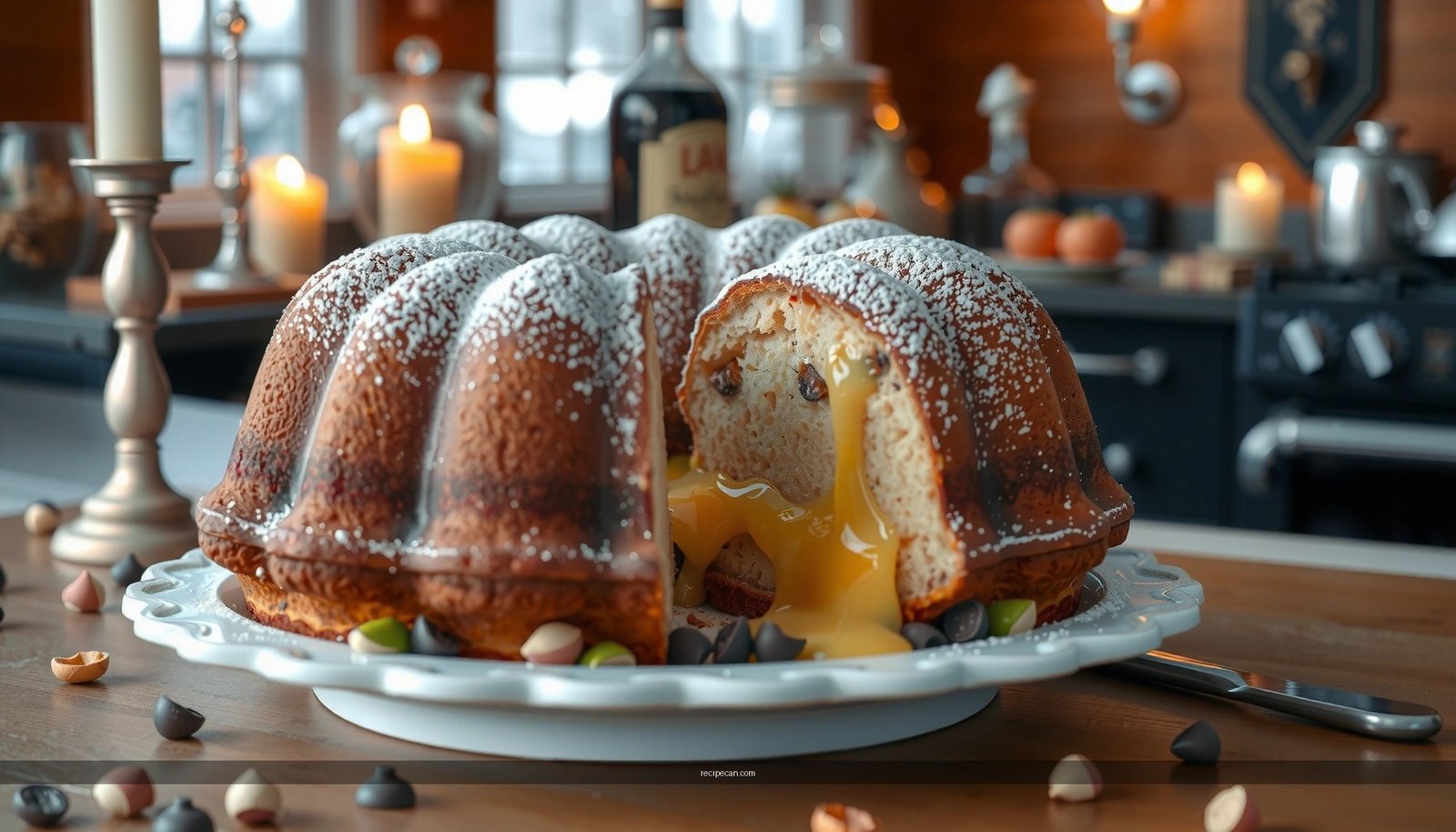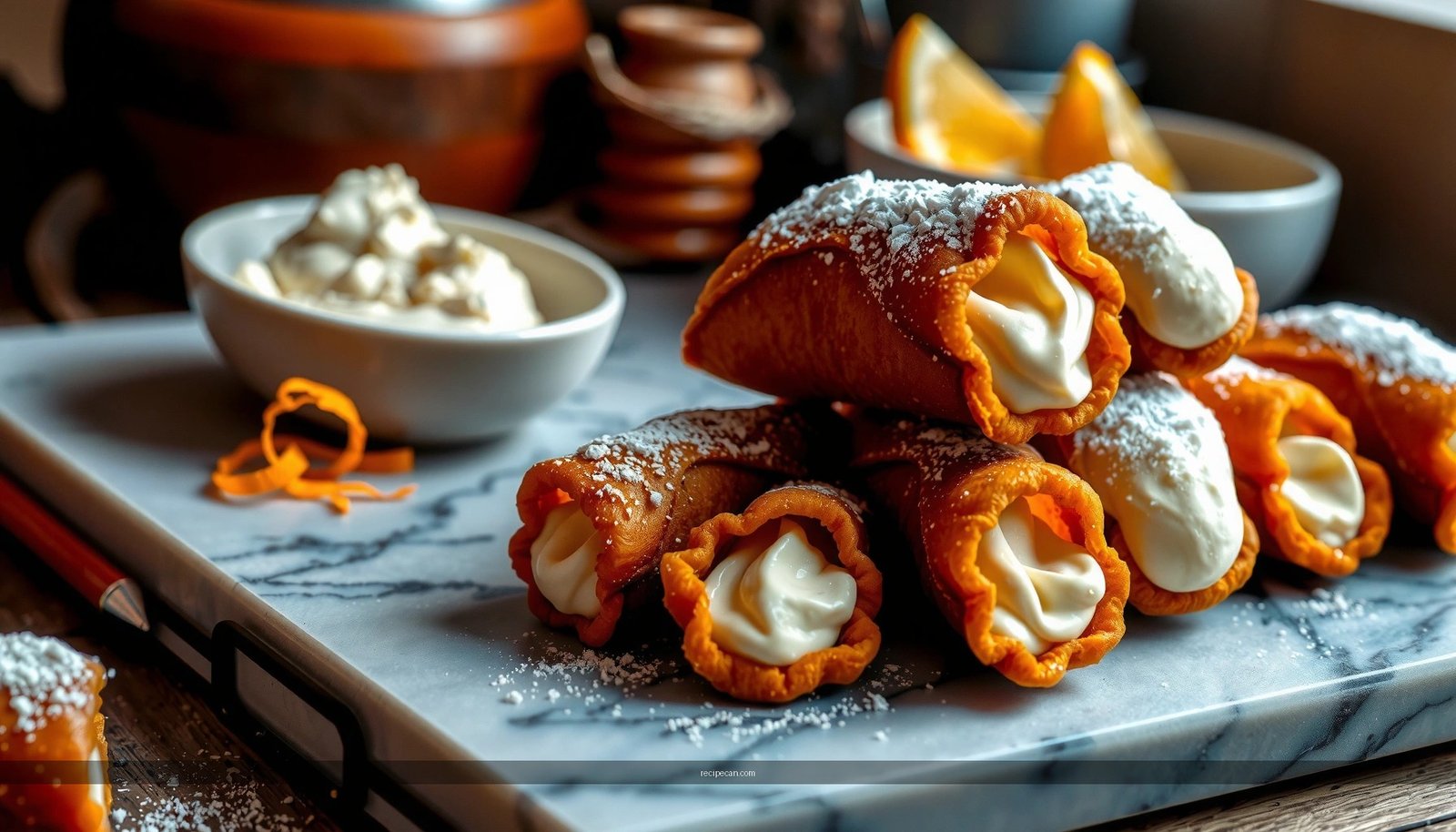
Get the Cake Boss cannoli cream recipe with a step-by-step method that produces a filling you can pipe cleanly and taste as authentic as the best Italian bakeries. Follow these exact instructions to beat the right texture, balance the sweetness, and achieve the smooth, creamy finish cannoli lovers expect every time. If your cannoli cream has ever turned grainy, runny, or too thick, this version delivers the fix.
This Cake Boss cannoli cream recipe delivers a smooth, pipeable cannoli filling by properly draining ricotta, mixing to the right texture, and chilling before assembly. If you follow the timing—especially how long you drain and chill—you’ll get an authentic, creamy cannoli cream with consistent results and minimal stress.
A classic cannoli is defined by contrast: crisp, golden shells paired with a sweet, creamy ricotta filling. The “secret” isn’t gimmicks—it’s technique. Ricotta varies widely in water content, sweetness, and graininess, so your success depends on controlling moisture and achieving a uniform texture before folding in chocolate chips. Below, you’ll find an analytical, step-by-step process that aligns with how high-quality cannoli shops build filling: prep the dairy correctly, mix gently but thoroughly, add flavor balance, then chill and fill at the right time for best structure.
Ricotta Quality vs. Cannoli Cream Success (Home Results)
| # | Ricotta Type | Typical Drain Time | Texture Outcome | Filling Rating |
|---|---|---|---|---|
| 1 | Whole-milk fresh ricotta (dairy-fresh) | 4–6 hrs | Creamy, cohesive | ★★★★★ |
| 2 | Part-skim store ricotta | 6–8 hrs | Slightly looser if not mixed well | ★★★★☆ |
| 3 | Low-fat ricotta | 8–12 hrs | May need extra chilling | ★★★☆☆ |
| 4 | Ricotta labeled “drained” (but not actually pressed) | 2–4 hrs | Usually fine with quick prep | ★★★☆★ |
| 5 | Ricotta from tub (high-moisture) | 10–14 hrs | Grainy or watery unless pressed | ★★☆☆☆ |
| 6 | Ricotta from freezer (thawed) | 12–18 hrs | Can split; requires thorough mixing | ★★☆☆☆ |
| 7 | Homemade ricotta (well-drained) | 2–4 hrs | Very smooth if strained properly | ★★★★★ |
Gather Ingredients for Cake Boss Cannoli Cream

To make Cake Boss cannoli cream, you only need a handful of ingredients—but each one influences texture and flavor. For a classic cannoli cream profile, aim for whole-milk ricotta if available, and use chocolate chips that don’t melt away when mixed cold.
Start with:
– Ricotta (well-drained): The base that defines everything—creamy body, moisture level, and the final mouthfeel.
– Sugar: Provides sweetness and helps smooth out the dairy when mixed properly. (Dissolving matters—don’t dump and stop.)
– Vanilla extract: Adds warm aroma and rounds out the sweetness for an authentic dessert taste.
– Chocolate chips (or mini chips): Create the signature “bite” in cannoli cream. Mini chips distribute more evenly.
– Optional for best results: A pinch of salt (boosts flavor perception) and lemon zest (traditional brightness, especially if your ricotta tastes flat). If you’re aiming for a strictly classic plain profile, you can skip zest.
Actionable ingredient tip: If your ricotta container lists high whey content or you’ve noticed watery texture in the past, plan for longer draining time. This is the biggest controllable variable in cannoli filling.
Prepare the Ricotta for a Smooth Cannoli Cream

Most “runny cannoli cream” problems come from one source: ricotta with too much moisture. Proper draining is not optional—it’s what turns ricotta from a crumbly dairy product into a professional-grade cannoli filling.
Do this:
1. Drain ricotta: Place ricotta in a fine-mesh strainer or on cheesecloth over a bowl. Refrigerate.
– Typical range: 4–8 hours for standard store ricotta; longer for high-moisture tubs.
2. Check consistency before mixing: You want ricotta that looks thicker and holds shape when spooned.
3. Mix to silky texture first: Before adding sugar and vanilla, beat or process the drained ricotta until smooth.
– If your ricotta is grainy, a brief press through the strainer or a quick food processor pulse can fix it.
4. Chill briefly if too loose: If your mixture still feels thin after initial blending, chill 20–30 minutes. Cold fat and protein set up faster, improving pipeability.
Why this works (practical chemistry): Ricotta is a mixture of curds and whey. Sugar draws out and binds water over time, so starting with “wet” ricotta can make the final filling soft—even if your mixing seems correct.
Make the Cannoli Cream Base

Once the ricotta is smooth and drained, you can build the flavor and structure of the cannoli cream base. This stage is about controlled sweetness and uniform texture.
Follow a disciplined mixing order:
– Add sugar gradually: Mixing helps dissolve granules so you don’t end up with a sandy texture.
– Add vanilla after initial sugar mixing: This preserves aroma and ensures vanilla distributes evenly without overmixing.
– Mix gently, not aggressively: Overmixing can make the filling feel dense rather than light, especially with lower-fat ricotta.
– Stop when the texture is uniform: The goal is a creamy, cohesive filling that pipes cleanly without being stiff.
Texture target: Think “thick pudding” rather than frosting. If you can spoon it and it slowly mounds before settling, you’re in the right zone.
Timing note for accuracy: If you let the sweetened ricotta sit at room temperature too long, it can loosen as sugar dissolves and interacts with moisture. If your kitchen is warm, keep the bowl over ice briefly or return it to the fridge sooner.
Add Chocolate and Balance the Flavor
Chocolate chips are a defining feature of cannoli cream, but they also require even distribution so every bite tastes balanced. You want chocolate throughout the filling—not concentrated at the top or bottom.
How to do it right:
– Stir in chocolate chips last: This prevents excessive breakage and keeps chips intact for consistent pockets of chocolate.
– Use a gentle fold or low-speed stir: You’re combining, not whipping.
– Taste and adjust sweetness: Ricotta brands differ widely. If your ricotta tastes bland, you may need an extra small amount of sugar (or a pinch of salt). If it’s already sweet, keep the sugar to the recipe amount.
Flavor balance guidance: Vanilla brings warmth; chocolate adds bitterness and depth. If you feel the filling is “flat,” don’t automatically add more sugar—try a tiny pinch of salt or a small squeeze of lemon zest (if using).
Uniformity check: Before filling shells, stir until the surface looks glossy and consistent—no streaks of separated dairy or uneven sweetness.
Chill, Pipe, and Fill Cannoli Shells
Even the best cannoli cream can lose quality if assembled at the wrong time. This is where technique becomes noticeable to guests.
Steps:
– Refrigerate the cream: Chill until it thickens and becomes pipeable—commonly 30 minutes to 1 hour, depending on your ricotta and room temperature.
– Use cooled shells: If shells are warm, the cream can soften them and cause premature sogginess.
– Pipe with control: Fill just enough to achieve a generous, authentic look without overloading.
– Fill close to serving: For best contrast, assemble cannoli at the last moment. Cannoli shells absorb moisture over time, so crispness declines as hours pass.
Professional presentation tip: Chill the piping bag or tip slightly in the refrigerator while the filling sets; it reduces smearing and improves line control.
Common pitfall: Filling too early. If you’re serving at an event, prepare components separately—shells in airtight containers, cream chilled—then pipe and fill in batches.
Storage Tips for Best Texture
Cannoli is a “fresh assembly” dessert. Proper storage can protect texture, but it can’t fully stop moisture transfer—so plan around it.
For cannoli cream specifically:
– Store cannoli cream covered in the fridge: Keep it sealed to prevent it from absorbing refrigerator odors and drying on the surface.
– Keep filled cannoli separate: If you must hold cannoli, store shells and cream separately and assemble later for the crispest result.
– Consume within a couple of days: The flavor remains good, but texture—especially shell crispness—will degrade. For peak cannoli experience, aim for same-day serving.
If you need to prepare ahead: Make the filling up to 24 hours in advance. Pipe and fill within a few hours of serving. This approach respects the chemistry of moisture while still supporting practical scheduling.
Freezing note: Freezing ricotta-based fillings often changes texture (graininess or water separation on thaw). For best results, refrigerate rather than freeze.
This Cake Boss cannoli cream recipe delivers the key steps—properly drain ricotta, mix to a smooth texture, then chill and fill right before serving for the best results. If you want your cannoli to taste truly authentic, pay close attention to moisture control, sugar dissolution, and assembly timing—small adjustments that create a noticeably better filling. Try it today and enjoy a classic dessert at home with filling quality you can be confident in.
Frequently Asked Questions
What is the Cake Boss cannoli cream recipe and what makes it different from regular ricotta filling?
The Cake Boss cannoli cream recipe typically combines sweetened ricotta with ingredients like mascarpone (or a similar creamy addition), citrus zest, and vanilla for a classic cannoli flavor. What sets it apart is the smoother, richer texture and the balanced sweetness that still tastes “cannoli-authentic” rather than like a generic cheesecake filling. Many versions also add a touch of cinnamon or mini chocolate chips to mimic traditional cannoli elements.
How do you make the Cake Boss cannoli cream recipe taste less grainy?
Graininess usually comes from ricotta that hasn’t been properly drained or from not smoothing the curd before mixing. For a silky Cake Boss cannoli cream recipe, drain the ricotta well (or press it briefly), then mix it until smooth—often with mascarpone—before folding in any add-ins. Chilling the cannoli cream also helps the flavors meld and improves the overall texture.
Why do you drain ricotta for the Cake Boss cannoli cream recipe?
Ricotta can be watery, and if you don’t drain it, your Cake Boss cannoli cream recipe may turn runny or weep after piping into shells. Draining improves thickness, keeps the filling stable, and helps prevent soggy cannoli shells or desserts. It also creates a better mouthfeel so the cannoli filling stays creamy instead of watery.
What’s the best way to store Cake Boss cannoli cream and how long does it last?
Store cannoli cream in an airtight container in the refrigerator to protect it from drying out and absorbing fridge odors. For best quality, use it within about 2–3 days, since fresh ricotta fillings can break down over time. If you’re making ahead, consider assembling closer to serving time so the cannoli shells or cake components don’t soften.
Which ingredients are essential for an authentic Cake Boss cannoli cream recipe?
An authentic Cake Boss cannoli cream recipe usually starts with high-quality ricotta (drained), plus a creamy binder like mascarpone to achieve that signature richness. Key flavor boosters include powdered sugar for sweetness, vanilla extract, and citrus zest (commonly orange or lemon) for brightness. Many cooks also include mini chocolate chips and a pinch of salt to enhance the overall cannoli flavor profile.
References
- Cannoli
https://en.wikipedia.org/wiki/Cannoli - Ricotta
https://en.wikipedia.org/wiki/Ricotta - https://www.britannica.com/topic/cannoli
https://www.britannica.com/topic/cannoli - Google Scholar Google Scholar
https://scholar.google.com/scholar?q=cannoli+filling+ricotta+cream+recipe - Google Scholar Google Scholar
https://scholar.google.com/scholar?q=cannoli+cream+ricotta+whipped+cream+sugar+chocolate+chips - Google Scholar Google Scholar
https://scholar.google.com/scholar?q=Italian+pastry+ricotta+filling+composition+food+science - https://pubmed.ncbi.nlm.nih.gov/?term=ricotta+cheese
https://pubmed.ncbi.nlm.nih.gov/?term=ricotta+cheese - Preventing Listeria Infection | Listeria Infection | CDC
https://www.cdc.gov/listeria/prevention.html - Food Safety Basics | Food Safety and Inspection Service
https://www.fsis.usda.gov/food-safety/safe-food-handling-and-preparation/food-safety-basics - https://www.sciencedirect.com/search?qs=ricotta%20cheese%20composition
https://www.sciencedirect.com/search?qs=ricotta%20cheese%20composition