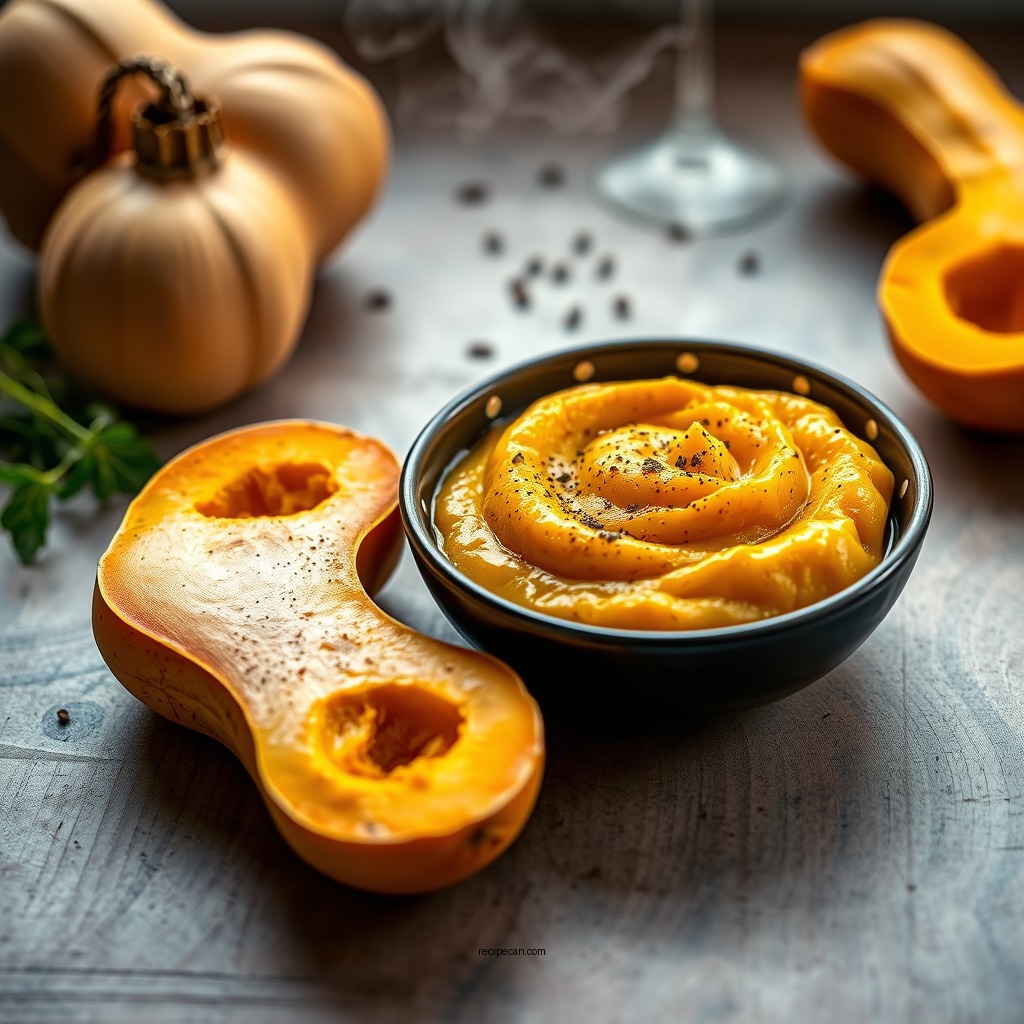
Looking to make a creamy and flavorful butternut squash puree? This easy recipe will guide you through making the perfect puree that can be used in soups, desserts, or as a side dish. In just a few simple steps, you can create a versatile ingredient that enhances any meal. Butternut squash puree is not only delicious but also packed with nutrients, making it an ideal addition to a variety of dishes.
Choosing the Right Butternut Squash

The first step in creating an exquisite butternut squash puree is selecting the right squash. Look for a squash with a smooth, tan-colored skin, as this indicates that it’s ripe and flavorful. A ripe butternut squash should feel heavy for its size; this density is a sign that the flesh inside is full of moisture and sweetness. Avoid squashes with blemishes or soft spots, as these may indicate spoilage. If possible, opt for organic varieties to ensure the best taste and quality, as they are typically grown without harmful pesticides.
Preparing the Butternut Squash

Once you’ve chosen the perfect butternut squash, it’s time for preparation. Begin by cutting the squash in half lengthwise. This can require some effort, so be sure to use a sharp knife and take caution. After halving, scoop out the seeds and stringy fibers with a spoon. To enhance the flavor of the puree, roast the halves cut-side down on a baking sheet at 400°F (204°C) for about 30 to 40 minutes, or until the flesh is tender. Roasting caramelizes the natural sugars in the squash, resulting in a deeper, richer flavor profile for your puree.
Making the Puree
After roasting, let the squash cool for a few minutes before scooping the flesh into a blender or food processor. For optimal creaminess, add a pinch of salt and a small touch of butter or olive oil. The fat not only contributes to a richer mouthfeel but also helps to balance the sweetness of the squash. Blend the mixture until smooth, adjusting the consistency with a bit of water or broth if necessary. The end result should be a velvety, creamy puree ready to elevate your dishes.
Nutritional Comparison of Butternut Squash Puree (Per 100g)
| # | Nutrient | Amount | Daily Value | Health Benefit |
|---|---|---|---|---|
| 1 | Calories | 45 | 2% | Weight Management |
| 2 | Carbohydrates | 11g | 4% | Energy Source |
| 3 | Fiber | 2g | 8% | Digestive Health |
| 4 | Vitamin A | 1,100 IU | 22% | Vision Health |
| 5 | Vitamin C | 21mg | 35% | Immune Support |
| 6 | Potassium | 340mg | 10% | Heart Health |
| 7 | Magnesium | 18mg | 5% | Bone Health |
Flavor Variations
One of the remarkable aspects of butternut squash puree is its adaptability to various flavors. You can experiment with spices such as cinnamon, nutmeg, or ginger for added warmth, making this puree an excellent choice for fall-inspired dishes. A sprinkle of cinnamon can evoke the essence of autumn, while nutmeg adds a touch of sweetness and depth. If you’re looking for a savory twist, consider incorporating sautéed garlic or onion into the puree. These ingredients can elevate the dish and complement the natural sweetness of the squash, creating a balance of flavors that will please any palate.
Storage Tips
Proper storage of your butternut squash puree ensures that you can enjoy it at your convenience. Store leftover puree in an airtight container in the refrigerator for up to one week. If you want to prolong its shelf life, consider freezing the puree. Pouring the puree into ice cube trays allows for easy portioning in future recipes. Once frozen, transfer the cubes to a freezer bag and label them with the date. This method not only preserves the freshness but also allows you to use the exact amount needed in your next dish.
Using Butternut Squash Puree
The versatility of butternut squash puree opens up a world of culinary possibilities. You can add it to soups for a rich texture and flavor boost, creating a creamy base that enhances the overall taste of your favorite recipes. For example, a butternut squash soup can be made by combining the puree with vegetable broth, spices, and cream for a luxurious meal. Additionally, butternut squash puree can be used in baking recipes like muffins or pancakes for a healthy twist, providing moisture and natural sweetness without the need for excessive sugar.
Butternut Squash Puree Usage in Recipes (2024)
Making butternut squash puree is quick and straightforward, and it opens up many culinary possibilities. Whether you’re using it in savory dishes or sweet treats, this puree is sure to delight. By following the simple steps outlined in this article, you can create a delicious and nutritious ingredient that not only enhances your meals but also contributes to your overall well-being. Try out the recipe today and elevate your cooking with this delicious ingredient!
Frequently Asked Questions
What are the best methods for cooking butternut squash before making puree?
The best methods for cooking butternut squash include roasting, boiling, or steaming. Roasting enhances the flavor and sweetness, while boiling or steaming can be quicker. Cut the squash in half, scoop out the seeds, and either roast it cut-side down at 400°F for about 40-50 minutes or boil the cubes for 15-20 minutes until tender for a smooth puree.
How do I make butternut squash puree from scratch?
To make butternut squash puree from scratch, start by cooking the squash using your preferred method until tender. Once cooked, scoop out the flesh and place it in a blender or food processor. Blend until smooth, adding a little water or broth if needed to achieve the desired consistency. This homemade puree is perfect for soups, baking, or baby food.
Why is my butternut squash puree watery, and how can I fix it?
Watery butternut squash puree can result from overcooking or using too much water during blending. To fix it, strain the puree through a fine mesh sieve or cheesecloth to remove excess moisture. Alternatively, you can simmer the puree on low heat to evaporate some of the liquid, achieving a thicker consistency.
What are some popular recipes that use butternut squash puree?
Popular recipes that incorporate butternut squash puree include creamy soups, risottos, pancakes, and baked goods like muffins and breads. You can also use it as a healthy addition to pasta sauces or as a base for smoothies. Its versatility makes it an excellent ingredient in both sweet and savory dishes.
Which spices pair well with butternut squash puree for added flavor?
Spices that pair well with butternut squash puree include cinnamon, nutmeg, ginger, and sage. These spices enhance the natural sweetness of the squash and add depth to your dishes. Experimenting with these flavors can elevate your recipes, making your butternut squash puree even more delicious and aromatic.
References
- Butternut squash
https://en.wikipedia.org/wiki/Butternut_squash - https://www.ncbi.nlm.nih.gov/pmc/articles/PMC6520952/
https://www.ncbi.nlm.nih.gov/pmc/articles/PMC6520952/ - https://www.sciencedirect.com/topics/agricultural-and-biological-sciences/butternut-squash
https://www.sciencedirect.com/topics/agricultural-and-biological-sciences/butternut-squash - https://www.mayoclinic.org/healthy-lifestyle/nutrition-and-healthy-eating/in-depth/squash/art-20045904
https://www.mayoclinic.org/healthy-lifestyle/nutrition-and-healthy-eating/in-depth/squash/art-20045904 - https://www.bbc.co.uk/food/recipes/butternut_squash_pasta_13169
https://www.bbc.co.uk/food/recipes/butternut_squash_pasta_13169 - https://www.theguardian.com/food/2020/nov/14/butternut-squash-recipes
https://www.theguardian.com/food/2020/nov/14/butternut-squash-recipes - NYT Cooking – Recipes and Cooking Guides From The New York Times
https://www.nytimes.com/recipes/12025/butternut-squash-puree - Google Scholar Google Scholar
https://scholar.google.com/scholar?q=butternut+squash+puree+recipe - Google Scholar Google Scholar
https://scholar.google.com/scholar?q=butternut+squash+nutrition+and+health+benefits - Google Scholar Google Scholar
https://scholar.google.com/scholar?q=butternut+squash+cooking+methods