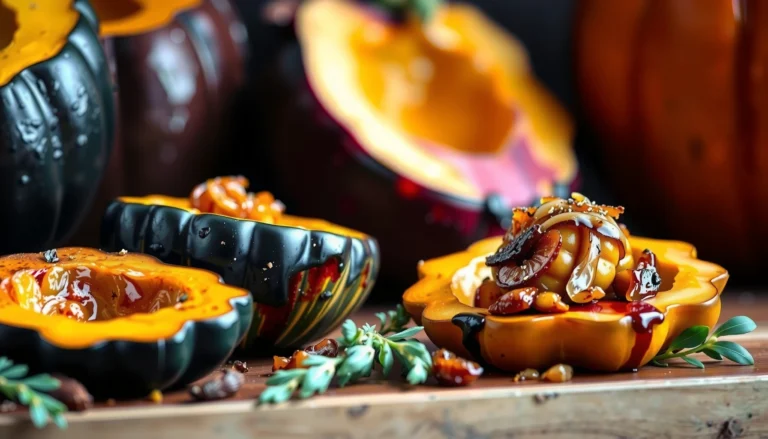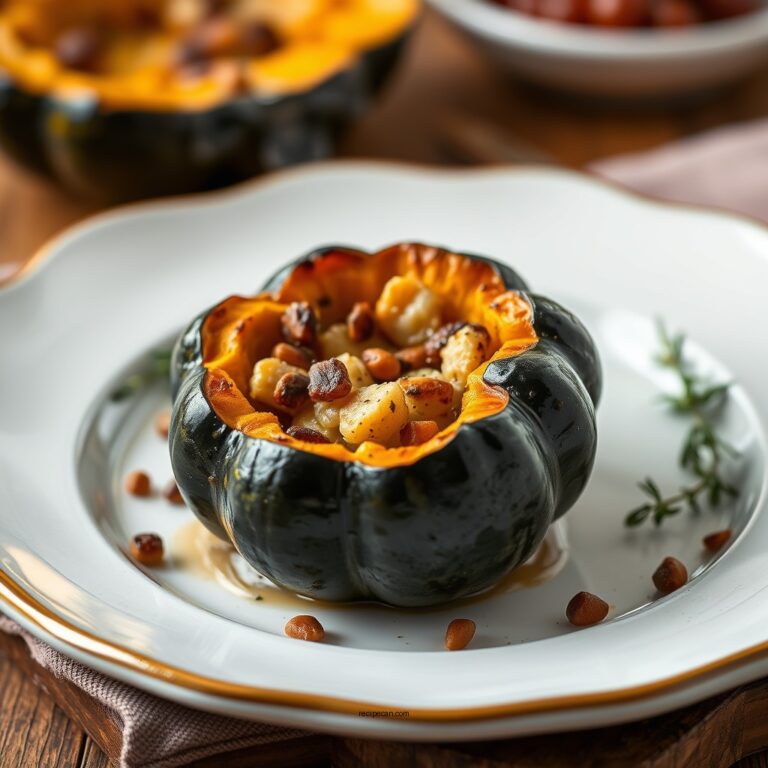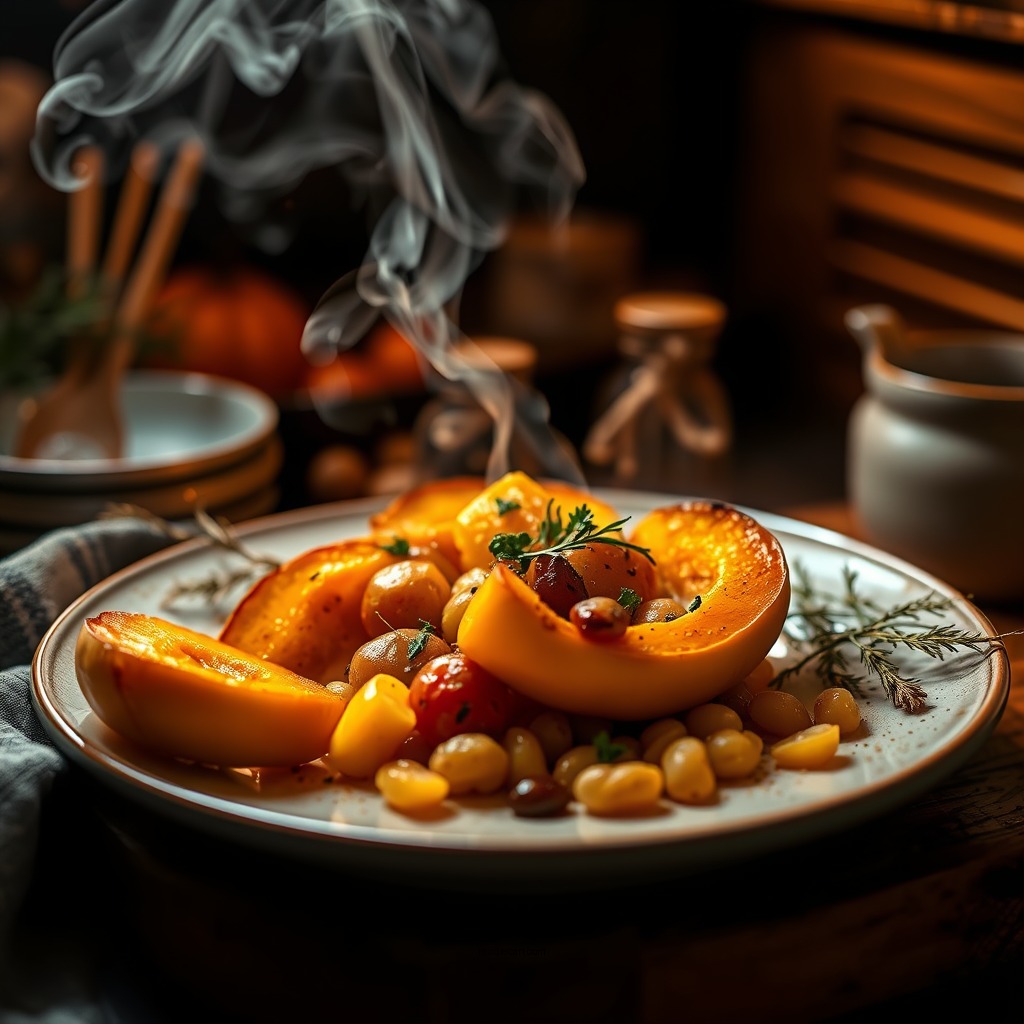
Roasting butternut squash in the oven is one of the easiest and most flavorful ways to prepare this nutritious vegetable. In just a few simple steps, you can create a delicious side dish or a hearty addition to salads and grain bowls. This article will guide you through the process, from selecting the right squash to serving suggestions, ensuring you achieve perfect results every time.
Selecting the Right Butternut Squash
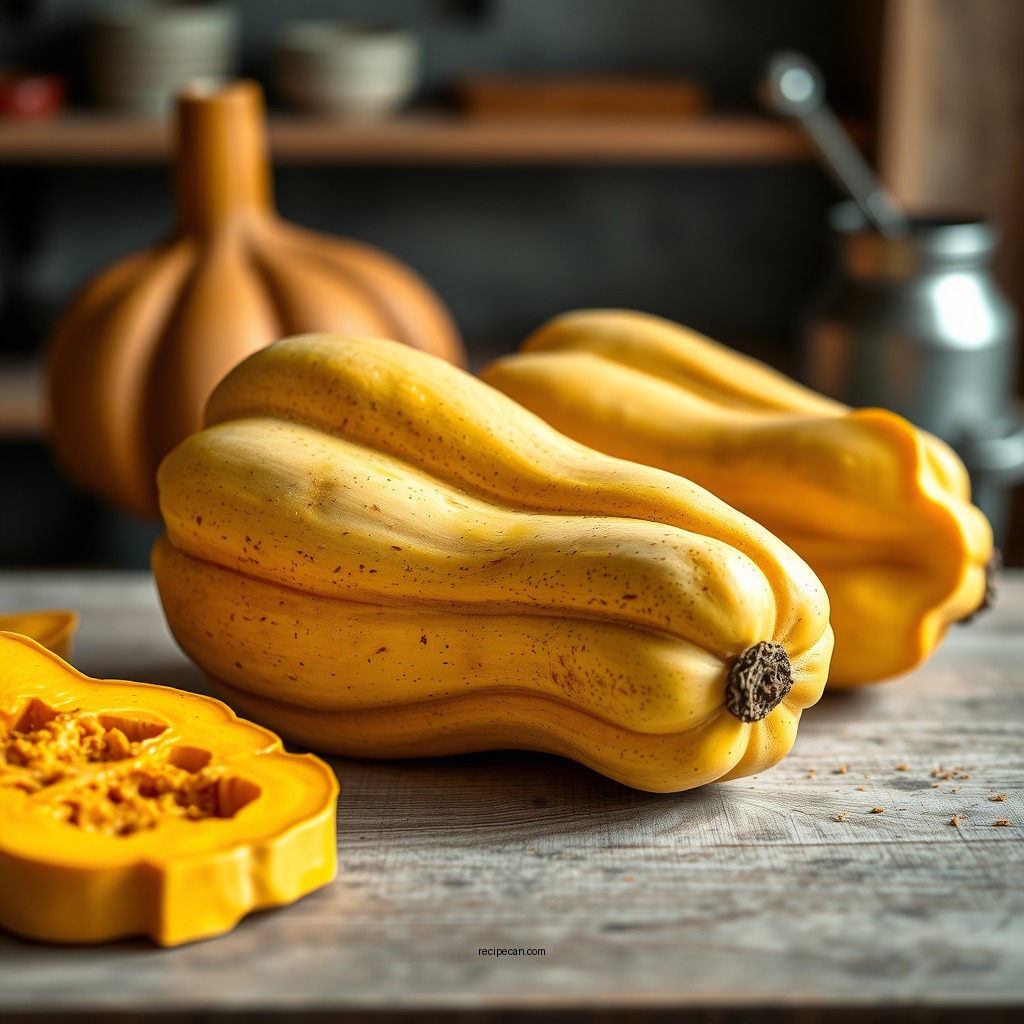
Choosing the right butternut squash is crucial for getting the best flavor and texture in your dish. When selecting a squash, look for one that feels heavy for its size, which indicates it is full of moisture and flavor. The skin should be smooth and tan, free of blemishes or soft spots, which can signal overripeness or decay.
A squash with a long neck is preferable, as it generally contains fewer seeds and more flesh, which is the part you want to eat. The flesh of butternut squash is sweet and nutty, making it versatile for various dishes. Make sure to select a squash that is firm to the touch, as this is a sign of freshness.
Preparing Your Butternut Squash
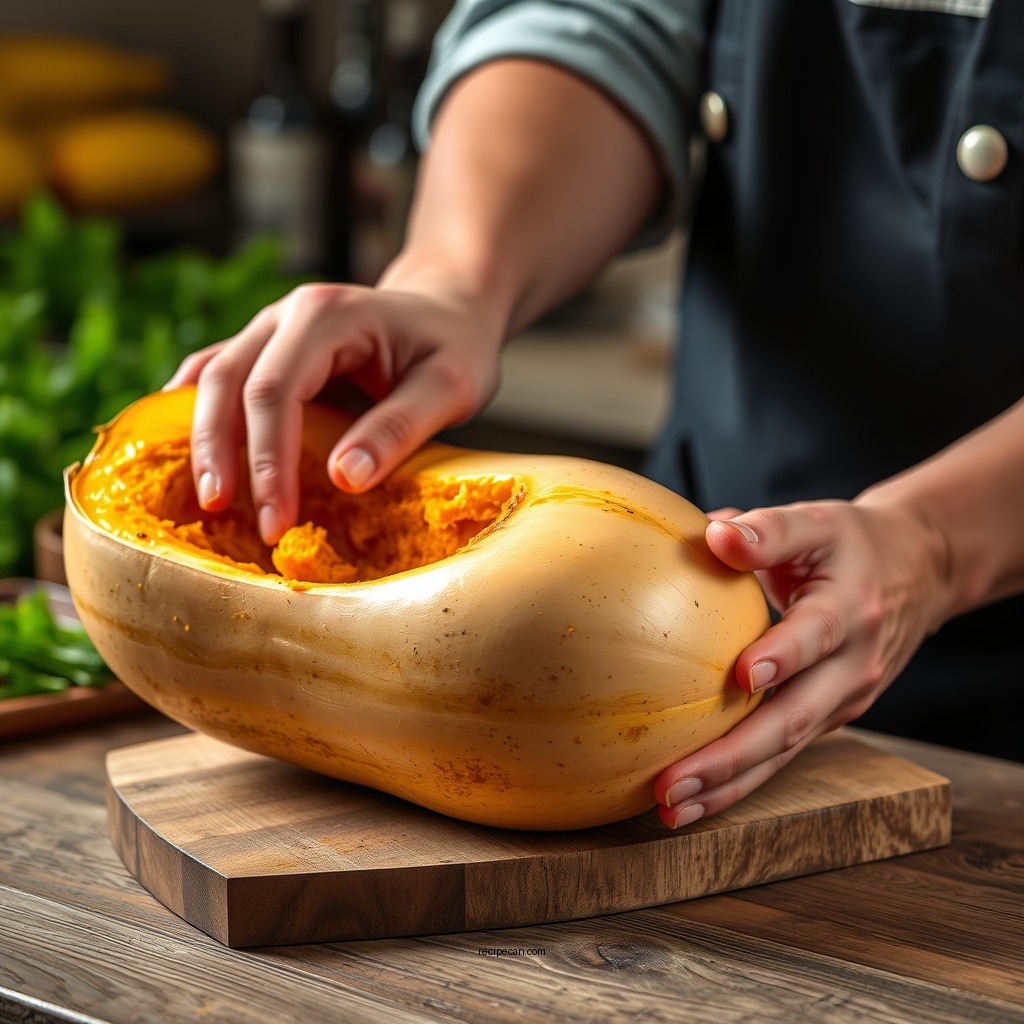
Once you have selected the perfect butternut squash, it’s time to prepare it for roasting. Start by washing the squash thoroughly under running water to remove any dirt or residue. This step is essential to ensure that no contaminants are transferred during the cutting process.
Using a sharp knife, carefully cut off both ends of the squash. This will create a stable base for slicing. Next, slice the squash in half lengthwise. You can use a spoon to scoop out the seeds and stringy fibers from the cavity. These seeds can be saved and roasted separately for a crunchy snack! After cleaning the squash, you’re ready to move on to seasoning.
Seasoning and Flavoring
The flavoring of butternut squash can be tailored to suit your taste preferences and the overall theme of your meal. A simple yet effective way to season the squash is to drizzle it with olive oil, ensuring that it is evenly coated. Olive oil not only adds flavor but also helps in the caramelization process during roasting.
Sprinkle with salt and freshly cracked black pepper to enhance the natural sweetness of the squash. For added depth, consider incorporating fresh herbs such as rosemary or thyme. These herbs complement the squash beautifully and infuse it with aromatic flavors. If you prefer a sweeter profile, spices like cinnamon or nutmeg can be added for a delightful twist.
To give your squash a unique touch, you might also experiment with balsamic vinegar or maple syrup, which can provide a rich contrast to the earthy flavors.
Top 7 Health Benefits of Butternut Squash
| # | Health Benefit | Nutritional Value per Cup | Recommended Serving | Health Rating |
|---|---|---|---|---|
| 1 | Rich in Vitamins | Vitamin A: 450% DV | 1 Cup Cooked | ★★★★☆ |
| 2 | High in Fiber | 7g Fiber | 1 Cup Cooked | ★★★★☆ |
| 3 | Low in Calories | 82 Calories | 1 Cup Cooked | ★★★★★ |
| 4 | Antioxidant Properties | Beta-Carotene | 1 Cup Cooked | ★★★★☆ |
| 5 | Supports Eye Health | High Vitamin A | 1 Cup Cooked | ★★★★★ |
| 6 | Enhances Immunity | Rich in Vitamins | 1 Cup Cooked | ★★★★☆ |
| 7 | Promotes Heart Health | Potassium Rich | 1 Cup Cooked | ★★★★☆ |
Roasting Instructions
Roasting butternut squash is a straightforward process that allows its natural flavors to shine. Start by preheating your oven to 400°F (200°C). This temperature is ideal for achieving a tender interior while developing a beautifully caramelized exterior.
Once the oven is preheated, place the squash halves cut-side down on a baking sheet lined with parchment paper. This positioning optimizes caramelization and prevents sticking. For added flavor, you can scatter some garlic cloves or sliced onions around the squash on the baking sheet, enhancing the overall aroma and taste as they roast together.
Cooking Time and Checking Doneness
The cooking time for butternut squash typically ranges from 25 to 30 minutes, depending on the size of the squash halves. To check for doneness, simply pierce the flesh with a fork. When it’s tender, it’s ready to come out of the oven.
For added browning and a slightly crispy texture, consider flipping the squash halfway through the cooking process. This will allow both sides to caramelize evenly, contributing to a delightful flavor profile.
Cooking Time Versus Tenderness Check for Butternut Squash
Serving Suggestions
Roasted butternut squash can be enjoyed in numerous ways, making it a versatile addition to any meal. It can be served as a standalone side dish, perhaps garnished with a sprinkle of freshly grated Parmesan cheese or a drizzle of balsamic glaze for an elevated presentation.
For a creamy texture, consider mashing the roasted squash with a bit of butter and cream, creating a delicious puree that pairs well with grilled meats or fish. Additionally, roasted squash can be chopped and tossed into salads, providing a sweet contrast to bitter greens. It can also be added to pasta dishes or grain bowls, where its unique flavor enhances the overall dish.
Storage and Reheating Tips
If you have leftover roasted butternut squash, store it in an airtight container in the refrigerator for up to five days. This makes it a great option for meal prep, allowing you to incorporate it into various dishes throughout the week.
When it comes to reheating, the oven is the best option for maintaining texture. Simply preheat the oven to 350°F (175°C) and place the squash on a baking sheet for about 10-15 minutes, or until heated through. For a quicker method, you can use the microwave; however, be aware that this may affect the squash’s texture.
Roasting butternut squash is a straightforward process that yields delicious results perfect for any meal. Whether enjoyed on its own or as part of a larger dish, this recipe is sure to impress. Try it today and explore the versatility of butternut squash in your cooking!
Frequently Asked Questions
What is the best way to prepare butternut squash for roasting in the oven?
To prepare butternut squash for roasting, first, peel the skin using a vegetable peeler, then cut off the ends. Next, slice the squash in half lengthwise and scoop out the seeds with a spoon. Cut the squash into cubes or slices, depending on your recipe, and toss with olive oil, salt, and your choice of spices for optimal flavor.
How long should I roast butternut squash in the oven for perfect tenderness?
For perfectly tender butternut squash, roast it in the oven at 400°F (200°C) for about 25 to 30 minutes. Make sure to spread the squash evenly on a baking sheet and flip the pieces halfway through to ensure even cooking. This roasting time allows the natural sugars to caramelize, enhancing the flavor.
Why is it important to season butternut squash before roasting?
Seasoning butternut squash before roasting is crucial because it enhances the natural sweetness and flavor of the squash. Using a combination of olive oil, salt, pepper, and spices like cinnamon or nutmeg can elevate the dish and create a more delightful eating experience. Proper seasoning also helps to achieve that delicious caramelization during roasting.
What are some popular spices to use when roasting butternut squash in the oven?
Popular spices for roasting butternut squash include cinnamon, nutmeg, garlic powder, and paprika. You can also experiment with herbs like thyme or rosemary for a savory twist. Combining these spices with olive oil not only adds depth of flavor but also helps in achieving a beautiful golden-brown color.
Which oven temperature is ideal for roasting butternut squash to achieve a caramelized texture?
The ideal oven temperature for roasting butternut squash to achieve a caramelized texture is 400°F (200°C). This temperature allows the outside to crisp up while the inside becomes tender, resulting in a deliciously sweet and savory dish. Adjust the cooking time slightly based on the size of your squash pieces for best results.
References
- Butternut squash
https://en.wikipedia.org/wiki/Butternut_squash - https://www.ncbi.nlm.nih.gov/pmc/articles/PMC6519776/
https://www.ncbi.nlm.nih.gov/pmc/articles/PMC6519776/ - https://www.mayoclinic.org/healthy-lifestyle/nutrition-and-healthy-eating/in-depth/healthy-eating/art-20046036
https://www.mayoclinic.org/healthy-lifestyle/nutrition-and-healthy-eating/in-depth/healthy-eating/art-20046036 - https://www.sciencedirect.com/science/article/pii/S2352618118301261
https://www.sciencedirect.com/science/article/pii/S2352618118301261 - https://www.healthline.com/nutrition/butternut-squash-benefits
https://www.healthline.com/nutrition/butternut-squash-benefits - Google Scholar Google Scholar
https://scholar.google.com/scholar?q=butternut+squash+oven+recipe - Google Scholar Google Scholar
https://scholar.google.com/scholar?q=butternut+squash+cooking+methods - Google Scholar Google Scholar
https://scholar.google.com/scholar?q=butternut+squash+nutritional+value - Butternut Squash Soup | Good Food
https://www.bbcgoodfood.com/recipes/butternut-squash-soup - https://www.theguardian.com/food/2021/sep/14/butternut-squash-recipes-vegetable-autumn
https://www.theguardian.com/food/2021/sep/14/butternut-squash-recipes-vegetable-autumn