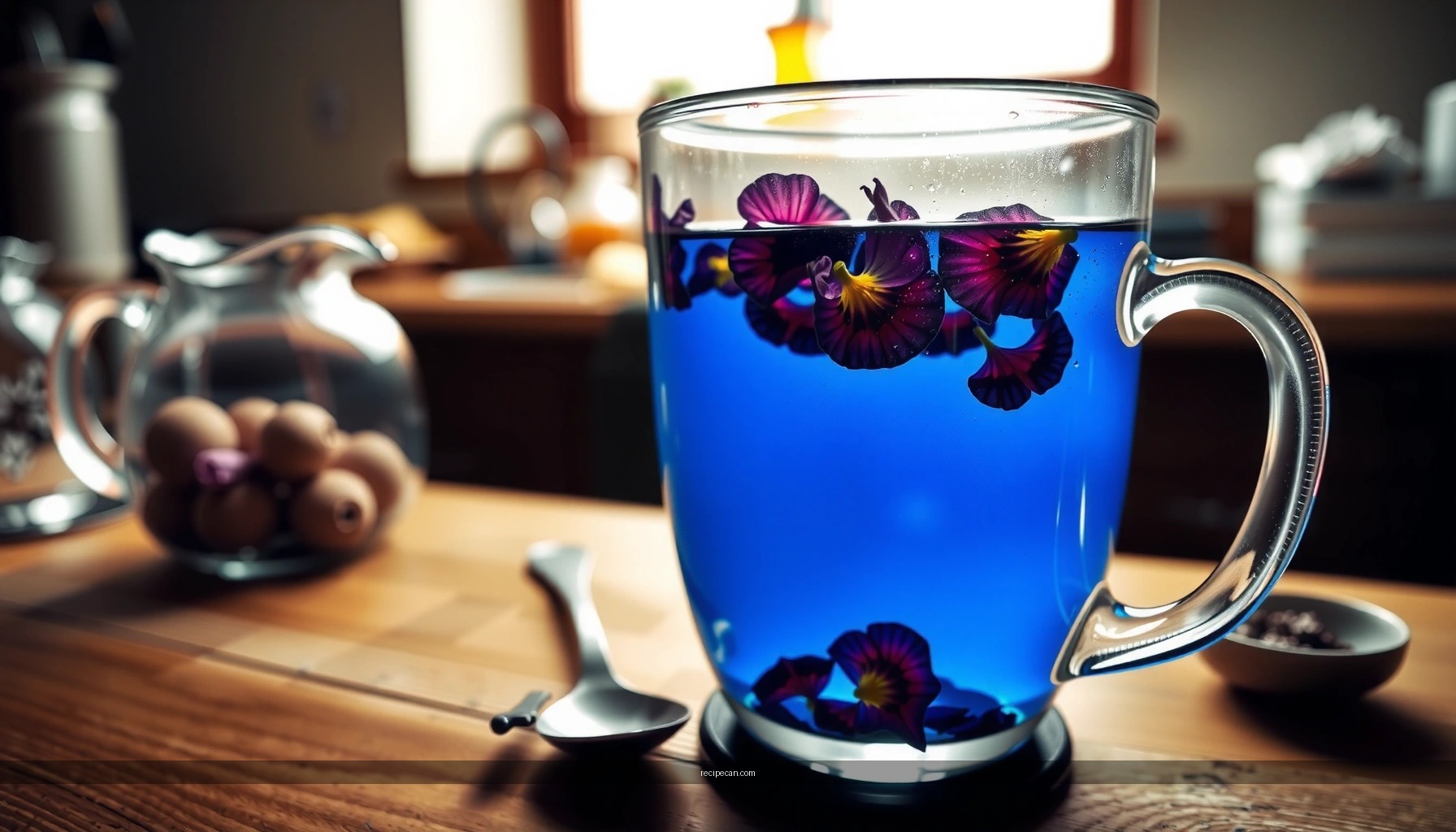
You can make a vivid, naturally blue butterfly pea tea recipe at home with simple steps that take only minutes. This guide answers whether the tea stays vibrant—showing you the exact amount of dried butterfly pea flowers, water temperature, and steeping time to get that signature color. Follow these instructions and you’ll reliably pour a bright blue cup every time.
Make butterfly pea tea by steeping dried butterfly pea flowers (or tea bags) in hot water until the liquid turns vivid blue; then enjoy it hot or chilled. This recipe gives you precise steeping times, flavor customization ideas, and a reliable way to shift the color from blue to purple using lemon or lime.
What You Need for Butterfly Pea Tea
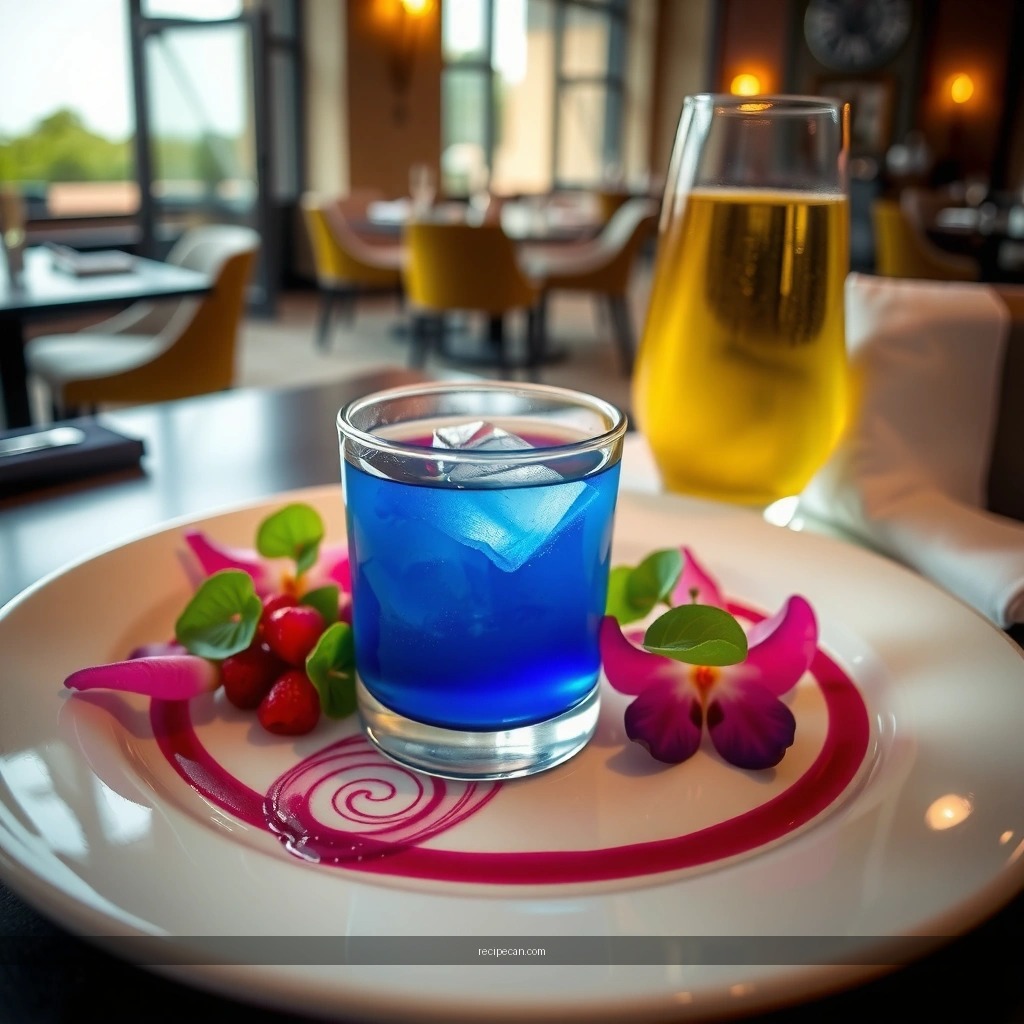
Butterfly pea tea is prized for two things: (1) the naturally striking blue color produced by anthocyanin compounds in the petals, and (2) its mild, earthy flavor that takes well to citrus, honey, and warm spices. You can brew it from loose dried flowers or convenient butterfly pea tea bags—both work, but the timing and intensity may vary.
– Dried butterfly pea flowers (or butterfly pea tea bags)
Loose petals typically create deeper color with slightly more variability, while tea bags offer repeatable results.
– Hot water and an optional sweetener (honey or sugar)
Use hot (not vigorously boiling) water so the flavor stays smooth and the delicate aromatics don’t get harsh.
– Lemon/lime juice for color-changing blue-to-purple
Adding citrus alters the tea’s pH, shifting pigment expression toward purple/red-purple hues.
If you’re optimizing for consistency—especially for serving guests—consider brewing loose flowers for maximum control, then using a measured amount of citrus per glass for repeatable blue-to-purple transitions.
Estimated Flavor & Color Intensity by Steeping Source (per 250 ml)
| # | Butterfly Pea Input | Suggested Amount | Color Intensity (1–5) | Flavor Strength (1–5) | Best Use |
|---|---|---|---|---|---|
| 1 | Loose dried petals | 1.5–2 g | ★★★★★ | ★★★☆☆ | Deep blue for hot or iced |
| 2 | Loose dried petals (small grind) | 1.2–1.8 g | ★★★★☆ | ★★★★☆ | Quick brewing and bolder taste |
| 3 | Standard tea bag | 1 bag (≈2–3 g) | ★★★★☆ | ★★★☆☆ | Repeatable office-friendly drinks |
| 4 | Large-format tea bag | 1 bag (≈3–4 g) | ★★★★★ | ★★★★☆ | Serving batches with consistent color |
| 5 | Petals + cinnamon stick | 1.5 g petals + 1 small stick | ★★★★☆ | ★★★★☆ | Warm, spiced blue tea |
| 6 | Petals + fresh ginger slices | 1.5 g petals + 3–5 slices | ★★★★☆ | ★★★☆☆ | Zesty, aromatic profile |
| 7 | Petals infused first, then reused (2nd steep) | Reuse the same petals | ★★★☆☆ | ★★☆☆☆ | Best for lighter color or quick chai-style mixing |
How to Make Butterfly Pea Tea (Step-by-Step)
Butterfly pea tea is simple, but the “secret” is consistency: keep your water temperature and steep time controlled, then adjust by taste for the exact blue intensity you want. Below is a reliable method for both loose flowers and tea bags.
– Steep flowers in hot water for 3–7 minutes, depending on desired intensity
Start with 3–4 minutes for a lighter, lively blue. For a deeper, more saturated blue (great for photos or “wow” reveals), steep 5–7 minutes.
Practical guide: If you’re using loose petals, start at 4 minutes; with tea bags, start at 3–4 minutes.
– Strain (if using loose flowers) and taste for flavor strength
Once steeped, remove petals or bag(s). Taste the base tea plain. Butterfly pea tea is naturally mild and slightly earthy, so you can confidently add citrus, ginger, honey, or vanilla without overpowering it.
– Serve immediately or let it cool for iced tea
For hot tea: pour into your cup and serve.
For iced tea: cool the brewed tea briefly, then pour over ice. If you want maximum color stability, chill quickly rather than letting it sit warm for a long time.
Suggested baseline (1 serving, ~250 ml):
– 1.5–2 g dried petals or 1 tea bag
– Water: hot, about 85–95°C / 185–205°F (avoid vigorous boiling)
Best Water, Time, and Flavor Tips
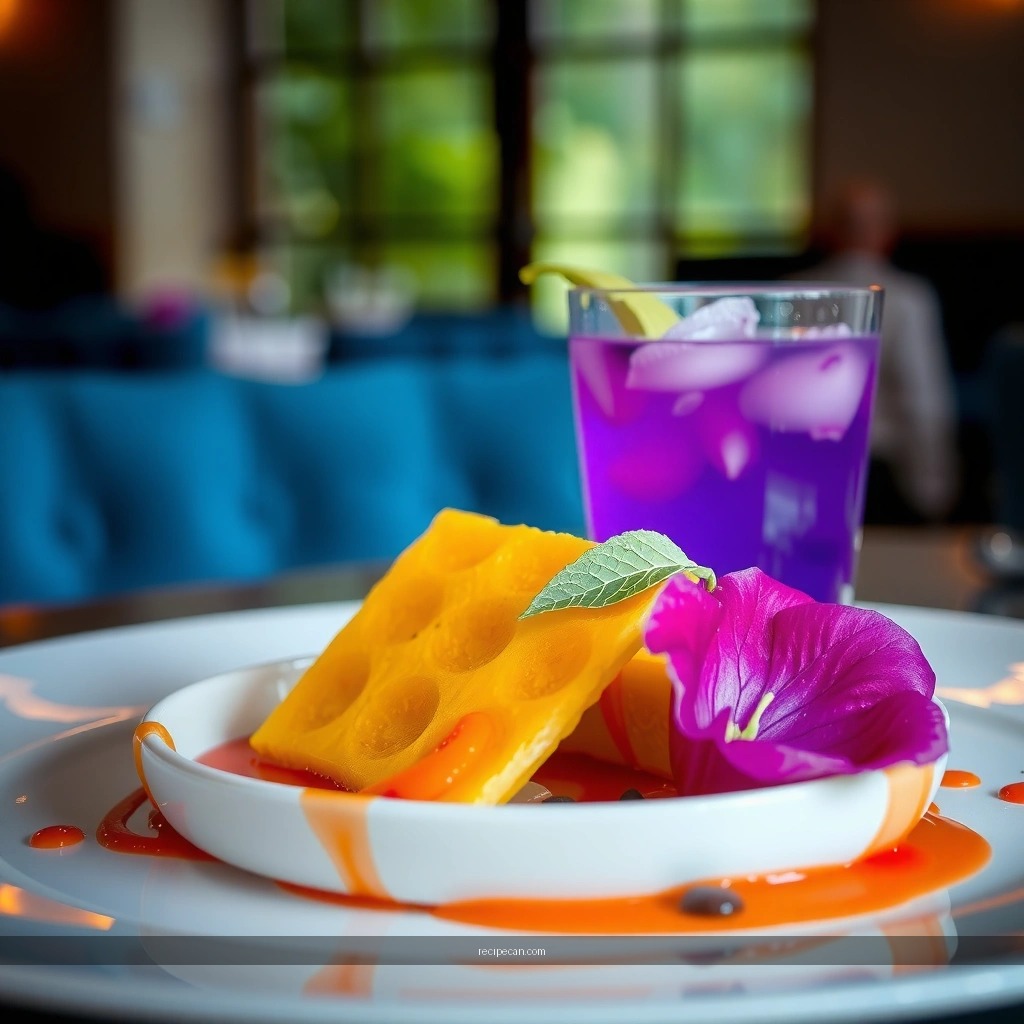
To consistently produce vibrant blue tea, treat butterfly pea tea like a “color extraction” problem as much as a beverage. Temperature and time govern how quickly the pigment leaches into the water; flavor comes along with it, so balance matters.
– Use hot (not boiling) water for a smoother flavor
Boiling water can make the tea taste more vegetal or “steeped” than floral. If you want that clean, modern drink profile—especially in iced or citrus-forward recipes—use hot water around the mid-to-high 80s to low 90s °C.
– Adjust steep time for lighter blue or deeper color
Short steeping = more translucent blue and a milder taste. Longer steeping = richer blue and slightly stronger earthy notes. Your best timing depends on your input form (loose petals extract differently than tea bags).
– Add ginger, mint, or vanilla for subtle flavor boosts
Keep additions light so the tea’s natural profile stays present:
– Ginger: 2–4 thin slices, steep with the tea for a clean zing.
– Mint: Add a few leaves after steeping (or steep briefly) to prevent bitterness.
– Vanilla: A drop of vanilla extract or a small pinch of vanilla powder adds fragrance without heavy sweetness.
Flavor strategy: First dial in the base blue color, then layer flavors after the tea is brewed and strained. This reduces the risk that additives alter extraction timing or muddy clarity.
How to Color-Change Butterfly Pea Tea
The signature “blue-to-purple” transformation is driven by acidity. When you add lemon or lime juice, the tea pH shifts and the anthocyanin pigments display a different color spectrum.
– Keep tea plain for vibrant blue
Don’t add citrus until you’re ready. Plain butterfly pea tea typically reads as a vivid blue when properly steeped.
– Add lemon or lime gradually to shift toward purple
Start with a small squeeze or 5–10 ml per glass. Stir and watch the hue change from blue to purple as acidity increases.
– For consistent results, add citrus to individual glasses
If you’re serving multiple people, the most repeatable approach is to keep your pitcher of blue tea unmodified, then add the measured citrus to each glass. That way, one guest can prefer a deeper purple while another keeps it bluer.
Operational tip for entertaining: Use a citrus ratio (e.g., “one tablespoon lemon per glass”) so you can recreate the same shade quickly.
Iced Butterfly Pea Tea Variations
Iced butterfly pea tea is a high-impact option—especially because the color remains visually prominent against light and ice. The main challenge is balancing intensity with dilution.
– Brew stronger tea, then pour over ice for maximum color
If you normally steep for 4 minutes for hot tea, consider steeping 5–7 minutes for iced drinks so the color doesn’t fade after dilution.
– Sweeten after brewing (or use simple syrup) to balance tartness
Honey can be added once the tea is warm enough to dissolve, while sugar dissolves best when the tea is hot. For the smoothest iced texture, use simple syrup (1:1 sugar to water) and add to taste.
– Garnish with citrus slices or fresh herbs
Lemon wheel slices, lime wedges, mint sprigs, or even thin ginger coins make the drink look intentional and elevate aroma.
Iced “blue-to-purple” serving idea:
Pour blue tea over ice first, then add lemon/lime juice at the table for a visible color reveal.
Common Mistakes to Avoid
Even a simple recipe can fail when a few variables drift. These are the most common issues and what to do instead.
– Over-steeping can make the tea taste overly strong or bitter
If you taste dryness or bitterness, shorten steeping time by 1–2 minutes next batch.
– Using too-cool water may lead to weak color extraction
If your tea looks pale blue, your water likely wasn’t hot enough or wasn’t fresh. Re-steep with hotter water and a controlled time.
– Forgetting to strain (if needed) can affect clarity and texture
Loose petals can continue to release color and compounds while sitting, potentially pushing bitterness and reducing the clean “tea” texture.
Quality control habit: Brew a small sample first, note the color at your target steep time, then scale up. This prevents large-batch surprises.
Quick Decision Table: Choose Your Ideal Butterfly Pea Tea Profile
| What You Want | Steep Time (hot) | Citrus Add (per glass) | Best Flavor Add-on |
|---|---|---|---|
| Bright blue (classic look) | 3–4 min | 0 ml (no citrus) | Optional: honey |
| Deep blue (strongest color) | 5–7 min | 5–10 ml lemon/lime | Ginger (2–3 slices) |
| Balanced blue-to-purple | 4–5 min | 10–15 ml citrus | Mint (add after steep) |
| Purple-forward (most dramatic) | 4 min | 15–20 ml citrus | Vanilla (tiny amount) |
| Iced maximum color | 5–7 min | Add at table as desired | Citrus zest |
Butterfly pea tea is easy to scale, but best results come from controlled variables. Brew a small batch first, steep to your preferred color, and try a lemon-lime color change for a fun twist. Make your next cup today—hot, iced, or citrus-adapted—to find your perfect balance.
Frequently Asked Questions
What is the best way to make butterfly pea tea at home?
To make butterfly pea tea, steep dried butterfly pea flowers in hot (not boiling) water for about 5–10 minutes. Start with 1–2 teaspoons of dried flowers per cup (or 1–2 tea bags), then strain or remove the flowers. For a stronger butterfly pea tea recipe, let it steep longer or use more flowers. You can serve it hot or iced, and many people enjoy it plain to highlight the natural deep blue color.
How long should I steep butterfly pea flowers for the best color and flavor?
For most butterfly pea tea recipes, steep butterfly pea flowers for 5–10 minutes to achieve a vivid blue. Short steeping (around 3–5 minutes) can taste lighter and slightly less vibrant, while longer steeping (10–15 minutes) usually deepens both color and flavor. Avoid boiling the flowers, since overly hot water can make the flavor more bitter. If you’re adjusting taste, scale steep time first before changing flower amounts.
Why does butterfly pea tea turn purple when you add lemon?
Butterfly pea tea naturally contains anthocyanins, which change color depending on acidity. When you add lemon juice, lime juice, or another acidic ingredient, the blue solution typically shifts to a purple or violet hue. This is why many people search for a butterfly pea tea with lemon color-changing effect. Keep lemon added gradually so you can control how vivid the purple becomes.
Which ingredients pair well with butterfly pea tea if I want it sweeter?
Butterfly pea tea has a naturally mild, earthy flavor, so it pairs well with honey, sugar, agave, or simple syrup. For extra depth, try adding ginger slices or a cinnamon stick during steeping, then sweeten to taste. If you want a refreshing drink, combine it with cold brew-style ice and a small squeeze of citrus for brightness. You can also blend it into mocktails with sparkling water for a lighter, aromatic finish.
Best practices for making butterfly pea tea (hot vs. iced) and storing it?
For hot butterfly pea tea, steep the flowers in hot water for 5–10 minutes and serve immediately for the best aroma and color. For iced butterfly pea tea, chill the brewed tea quickly (or pour over ice) to preserve flavor and avoid a cloudy look. Store leftover butterfly pea tea in an airtight container in the refrigerator for up to 2–3 days, and re-stir or gently shake before serving. If you’re making butterfly pea tea in batches, add lemon or other acidity at serving time to keep the color consistent.
References
- Clitoria ternatea
https://en.wikipedia.org/wiki/Clitoria_ternatea - https://www.britannica.com/plant/Clitoria-ternatea
https://www.britannica.com/plant/Clitoria-ternatea - Google Scholar Google Scholar
https://scholar.google.com/scholar?q=butterfly+pea+tea+recipe - Google Scholar Google Scholar
https://scholar.google.com/scholar?q=Clitoria+ternatea+tea+infusion+preparation - Google Scholar Google Scholar
https://scholar.google.com/scholar?q=Clitoria+ternatea+anthocyanin+stability+aqueous+solution - https://pubmed.ncbi.nlm.nih.gov/?term=butterfly+pea+tea
https://pubmed.ncbi.nlm.nih.gov/?term=butterfly+pea+tea - https://pubmed.ncbi.nlm.nih.gov/?term=Clitoria+ternatea+anthocyanins+aqueous
https://pubmed.ncbi.nlm.nih.gov/?term=Clitoria+ternatea+anthocyanins+aqueous - https://pubmed.ncbi.nlm.nih.gov/?term=Clitoria+ternatea+infusion
https://pubmed.ncbi.nlm.nih.gov/?term=Clitoria+ternatea+infusion - https://www.sciencedirect.com/search?qs=butterfly%20pea%20tea
https://www.sciencedirect.com/search?qs=butterfly%20pea%20tea - https://pubmed.ncbi.nlm.nih.gov/?term=Clitoria+ternatea+blue+tea+anthocyanin
https://pubmed.ncbi.nlm.nih.gov/?term=Clitoria+ternatea+blue+tea+anthocyanin