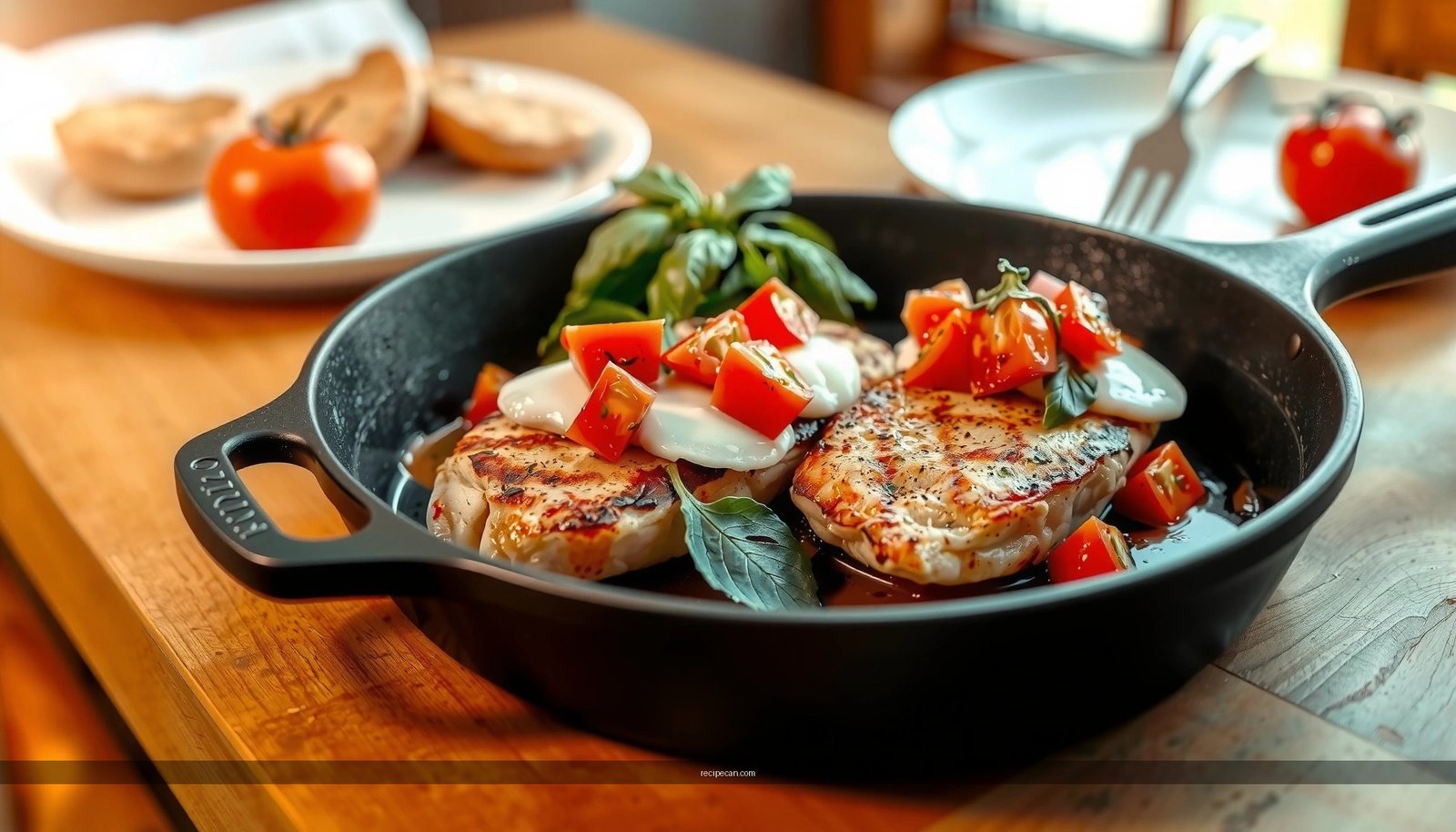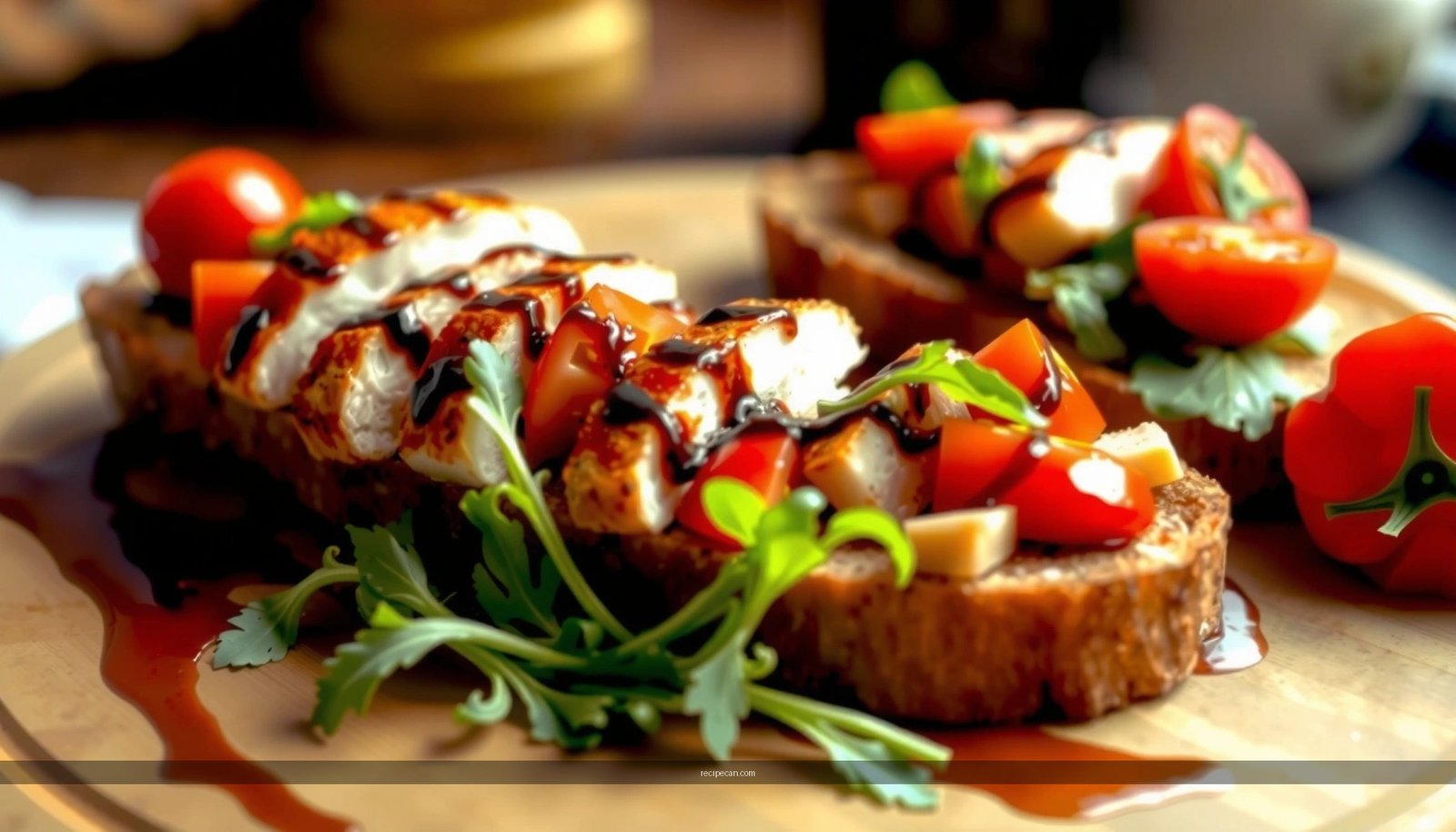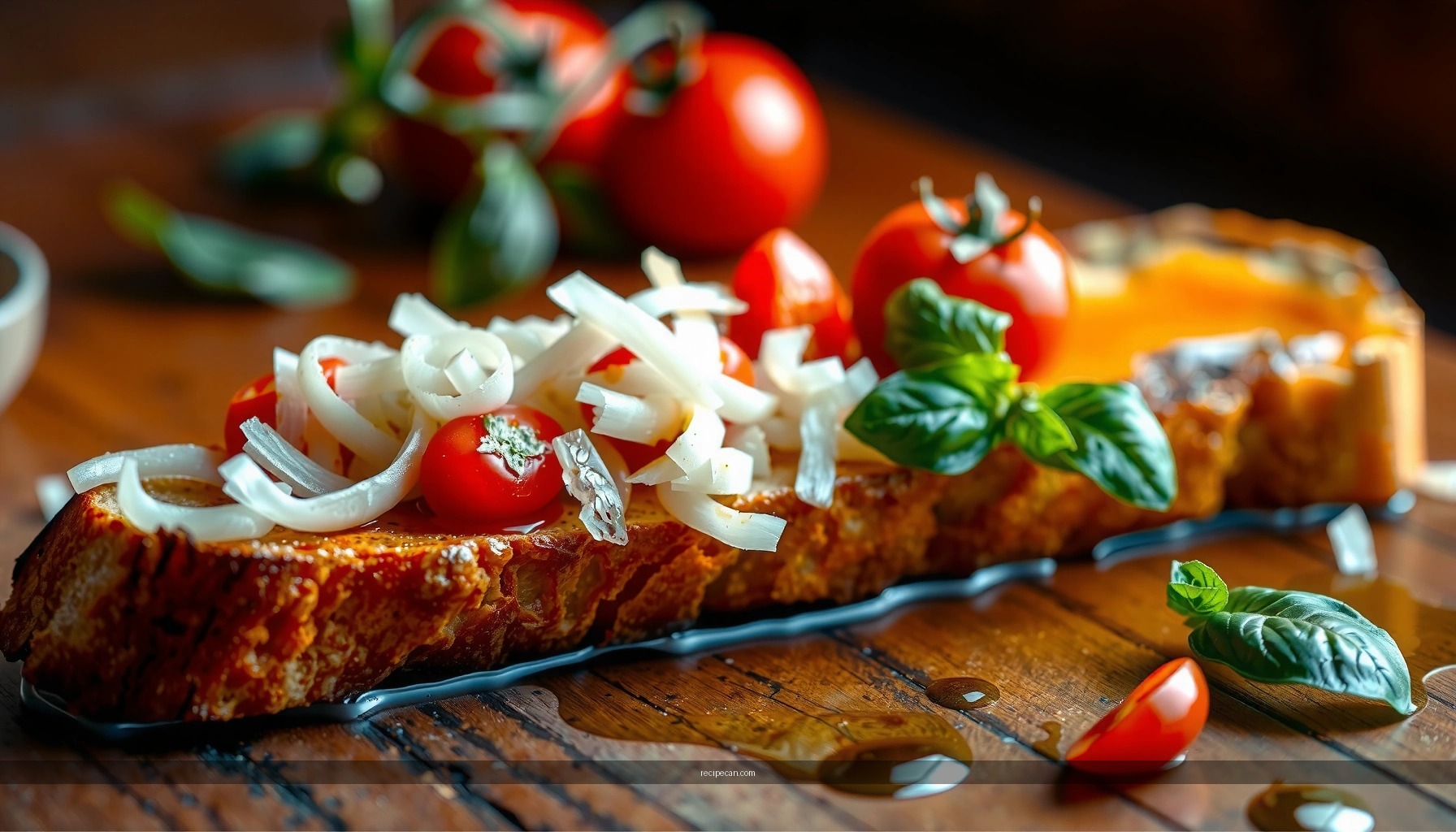
This bruschetta recipe with onion delivers the best results when you want bold, caramelized flavor without complicated steps. You’ll learn exactly how to sauté the onion, toast the bread, and finish with a simple topping that keeps the crunch and tastes unmistakably savory. If you need the quickest way to turn onion into a standout bruschetta topping, this is the one.
Broil or toast crusty bread, then top it with a quick onion mixture plus tomato, olive oil, and garlic—so you get a bright, savory bite fast. This bruschetta recipe with onion balances sweet-savory onion, juicy tomato, and aromatic garlic, and it’s designed to be assembled right before serving for maximum crunch and flavor.
Choose the Right Bread for Bruschetta
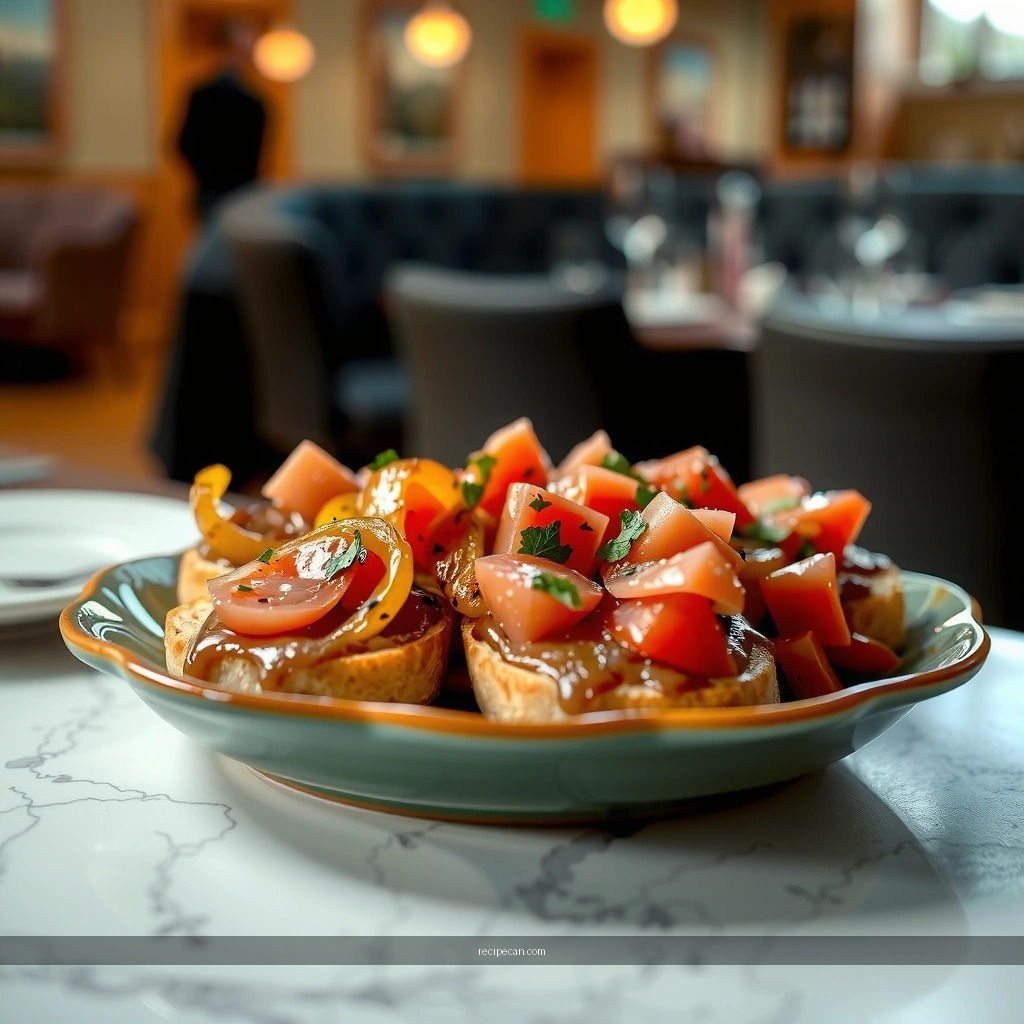
The foundation of great bruschetta with onion is bread that can handle heat and hold toppings without turning limp. Thick slices are essential: aim for slices about 1 to 1.5 inches (2.5–4 cm) thick, with a sturdy crust and an airy interior.
– Use thick slices of crusty bread (baguette or ciabatta work well)
– Toast until crisp on the outside and sturdy enough to hold toppings
– Rub warm bread with garlic for instant flavor
What to choose (and why):
– Baguette: Classic, especially if you want a crisp, shattering edge. Slice on the diagonal for a restaurant-style footprint.
– Ciabatta: Slightly more porous and absorbent; it toasts beautifully and captures olive oil and garlic without becoming gummy.
– Sourdough or country bread: Great flavor depth. If your loaf is very soft, toast a bit longer so it withstands tomato juices.
Best toast technique:
– Oven broiler: Quick and high-impact. Toast just until golden and firm (usually 1–3 minutes per side depending on thickness).
– Toaster oven or skillet: Control is easier. A cast-iron skillet or grill pan gives even browning and nice grill marks.
– Oil-first vs. dry toast: For traditional bruschetta, toast bread dry, then finish with olive oil. This helps keep the crust crisp instead of steaming.
Garlic rub timing: Rub garlic on the hot toast immediately after toasting. The heat blooms garlic aroma and mellows harsh notes—key for a balanced onion-tomato topping.
Best-On-the-Clock Bread Toast Times for Bruschetta (Per Slice)
| # | Bread Type | Toast Method | Target Doneness | Time per Side |
|---|---|---|---|---|
| 1 | Baguette (thick cut) | Oven broil | Deep golden, firm | 2–3 min |
| 2 | Ciabatta | Oven broil | Crisp edges, dry center | 2–4 min |
| 3 | Sourdough | Skillet (medium-high) | Golden crust, springy | 3–4 min |
| 4 | Country bread | Toaster oven | Hard crust, no softness | 4–6 min |
| 5 | Focaccia (plain) | Skillet (low-medium) | Light toast, not dry | 2–3 min |
| 6 | Rye (thick) | Toaster oven | Dry surface, fragrant | 3–5 min |
| 7 | Baguette (thin cut) | Oven broil | Golden, no burning | 1–2 min |
Prepare the Onion Topping
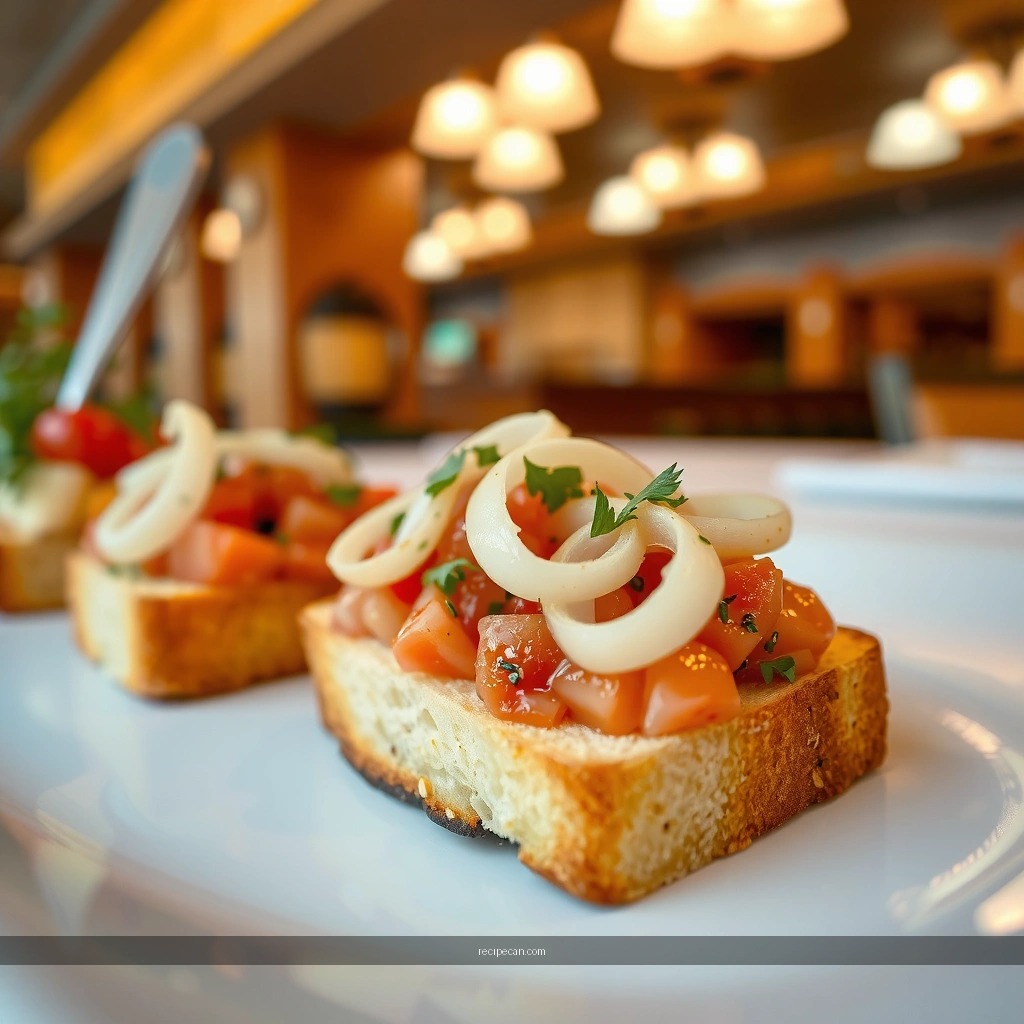
Onion is the star in this version of bruschetta—so your technique determines whether it tastes sweet and mellow or sharp and punchy. You have two strong paths: sautéed onion for classic sweetness, or fresh raw onion for brightness and bite.
– Sauté diced onion in olive oil until softened and slightly sweet
– Or use finely chopped raw onion for a sharper, fresher taste
– Season the onion with salt, pepper, and a pinch of sugar if needed
Sautéed onion (recommended for broad appeal):
1. Dice onion small (about 1/4 inch / 6 mm) so it softens quickly and distributes evenly.
2. Warm olive oil over medium heat; add onion and cook 6–10 minutes.
3. Stir until translucent with light golden edges—this is where the sweetness develops.
4. Season with salt and pepper. If your onions are very pungent, add a pinch of sugar to round the flavor (not sweeten).
Raw onion (for a fresher, more “lively” bite):
– Use finely chopped onion to reduce toughness.
– For less bite, toss raw onion with a small pinch of salt and let it sit 5–10 minutes, then drain excess liquid.
– This helps keep the topping juicy from tomato and olive oil rather than watery from onion.
Balance matters:
Because tomato adds acidity and water, onion needs seasoning but not excess moisture. If your onion topping seems wet, let it cool slightly and spoon off any liquid before combining.
Add the Tomato Base (Classic Bruschetta Style)

A classic bruschetta onion topping relies on tomato as a bright, juicy counterpoint—not a watery layer. The best results come from dicing tomatoes properly and draining excess juice so the bread stays crisp longer.
– Dice fresh tomatoes and drain excess juice to avoid sogginess
– Mix with onion, olive oil, minced garlic, and chopped basil
– Optional: add a splash of balsamic vinegar for extra depth
How to prep tomatoes to prevent sogginess:
– Choose ripe but firm tomatoes (Roma/Vine varieties often work well).
– Dice and place on a paper towel or in a fine mesh strainer.
– Let them drain 5–15 minutes depending on ripeness.
– You’ll still get juicy flavor, but less pooling.
Flavor build order (helps aroma distribution):
1. Combine drained tomatoes with onion (sautéed or raw).
2. Add olive oil and minced garlic.
3. Toss in chopped basil right before topping the bread (fresh herbs lose aroma if they sit too long).
4. Taste and adjust salt and pepper.
Balsamic option:
A small splash (about 1/2 to 1 teaspoon per cup of tomato mixture) can add complexity and a subtle sweetness—especially helpful when using raw onion. Avoid overdoing it; the goal is depth, not a dessert-like note.
Assemble and Top the Toasted Bread
Assembly is where this recipe becomes reliably successful for weeknights and gatherings. The rule: toast crisp, then top quickly. If you assemble too early, tomato juices and olive oil migrate into the bread and reduce crunch.
– Spoon the onion-tomato mixture evenly over toasted bread
– Add toppings right away for best crunch and juiciness
– Finish with extra olive oil and a sprinkle of salt to taste
Professional assembly workflow (fast and consistent):
– Keep toasted bread on a tray at room temperature (not covered) so steam can escape.
– Portion toppings with a spoon: aim for enough to cover the surface but not overflow.
– Finish with:
– Extra-virgin olive oil for fragrance and shine.
– A pinch of salt if needed (often, tomatoes and onion respond well to a final micro-adjustment).
– If using basil leaves for garnish, place them on top for visual and aromatic freshness.
Portioning guidance:
For each slice, use roughly 1 to 2 tablespoons of topping depending on bread thickness. Over-topping is the most common reason bruschetta becomes soggy—less is more.
Broil or Bake for the Best Finish
Most people think bruschetta is “no-cook,” but a brief heat step can elevate the onion mixture and make everything taste more cohesive. Choose your method based on whether your onion topping is sautéed or raw.
– Broil briefly to warm toppings and slightly caramelize onion
– Or skip heat if using raw onion for a fresher texture
– Keep an eye on it—bruschetta can brown quickly
Option A: Broil (best for sautéed onion):
– Place assembled bruschetta under the broiler for 30–90 seconds.
– Look for slight caramelization on onion edges and warm tomato aromas.
– Remove immediately to prevent bread from drying too much.
Option B: Skip heat (best for raw onion):
– Raw onion retains crisp brightness and a more “fresh” profile.
– Serve immediately after assembly to keep the bread crisp.
If you bake instead:
Bake at 425°F / 220°C for 5–8 minutes, but check often. Broilers are faster; baking can over-dry the bread if toppings are wet.
Serving and Flavor Variations
Bruschetta with onion is naturally flexible—making it ideal for parties, meal prep, and menu planning. Serve it as an appetizer, add-on topping, or even a component in a larger antipasto spread.
– Serve immediately as an appetizer or party snack
– Try adding mozzarella, olives, or red pepper flakes
– Make-ahead: prep the onion-tomato mixture, then assemble just before serving
Serving ideas that scale well:
– Appetizer platter: Arrange slices on a board, garnish with basil, and finish with a drizzle of olive oil just before guests arrive.
– Party snack format: Provide small forks/napkins and keep the topping separate if your group eats slowly.
Flavor variations (choose one or combine thoughtfully):
– Mozzarella: Add small torn pieces right before broiling to create a soft, melty layer.
– Olives: Chop green or Kalamata olives and mix lightly into the topping for briny contrast.
– Red pepper flakes: A pinch amplifies garlic and onion warmth without changing the overall profile.
– Citrus lift: A squeeze of lemon can brighten the tomato-and-onion base, especially in late-season tomatoes.
Make-ahead strategy (to protect crunch):
– You can prepare the onion-tomato mixture in advance, cover, and refrigerate up to 24 hours.
– Stir before using and taste for salt; cold flavors mute seasoning.
– Toast bread last, then assemble shortly before serving.
Broiling crisp bread and topping it with a well-seasoned onion mixture (with tomato, garlic, and olive oil) is the key to great bruschetta with onion. Follow the steps above, choose sautéed or raw onion based on your desired intensity, and assemble right before eating for the best crunch and juiciness—then make a batch for your next gathering.
Frequently Asked Questions
What’s the best bruschetta recipe with onion and tomatoes?
Start with toasted baguette slices rubbed with garlic, then top with a mixture of finely diced onion, chopped ripe tomatoes, olive oil, salt, and black pepper. Let the tomato-onion mixture sit for 10–20 minutes so the onion softens and the flavors meld. Finish with fresh basil and a drizzle of extra virgin olive oil for a classic bruschetta recipe with onion that’s bright and savory.
How do I keep onion from tasting too strong in bruschetta?
Use red onion or soak diced onion in cold water for 5–10 minutes, then pat it dry before mixing with tomatoes. You can also gently sauté the onion for a minute or two to mellow the bite while still keeping some texture. This helps ensure your bruschetta with onion tastes balanced rather than harsh, especially if your onions are spicy.
How do I make bruschetta with onion without getting soggy bread?
Toast the bread until crisp and golden, then assemble just before serving. Keep the onion-tomato mixture slightly dry by draining excess juice from the tomatoes or adding it in portions rather than flooding the bread. For extra protection, rub the toast with garlic and drizzle a thin layer of olive oil before topping.
Why do you need to marinate the onion and tomatoes for bruschetta?
Marinating allows the salt and olive oil to draw out tomato juices and coat the onion, which improves sweetness and reduces sharpness. It also helps the garlic, basil, and seasoning distribute evenly across the topping. Even a quick 10–20 minute rest can make your onion bruschetta taste more cohesive and flavorful.
Which onions are best for bruschetta, and should you use raw or cooked?
For a bright, fresh flavor, choose red onion or sweet yellow onion, and keep it raw if you want a crisp bite. If you prefer a milder, softer topping, lightly cook the onion (sauté or blanch briefly) before mixing with tomatoes. Either way, the goal is a well-seasoned onion topping that complements the toasted bread without overpowering it.
References
- Bruschetta
https://en.wikipedia.org/wiki/Bruschetta - Onion
https://en.wikipedia.org/wiki/Onion - https://www.britannica.com/topic/bruschetta
https://www.britannica.com/topic/bruschetta - https://www.bbcgoodfood.com/recipes/collection/bruschetta
https://www.bbcgoodfood.com/recipes/collection/bruschetta - https://www.bbc.com/food/topics/bruschetta
https://www.bbc.com/food/topics/bruschetta - https://www.theguardian.com/food/bruschetta
https://www.theguardian.com/food/bruschetta - https://www.nytimes.com/guides/cooking/how-to-make-bruschetta
https://www.nytimes.com/guides/cooking/how-to-make-bruschetta - Google Scholar Google Scholar
https://scholar.google.com/scholar?q=bruschetta+recipe+onion - Google Scholar Google Scholar
https://scholar.google.com/scholar?q=caramelised+onion+bruschetta - Google Scholar Google Scholar
https://scholar.google.com/scholar?q=onion+flavor+transfer+in+toasted+bread+garlic+tomato+bruschetta