Looking for a bruschetta recipe with simple, classic steps for perfect toasts? This guide gives you the one best method to nail crisp, golden bread every time, with the right olive-oil, garlic-rub, and tomato topping balance. You’ll know exactly how to assemble and serve bruschetta so it stays crunchy instead of soggy.
Bruschetta is best when crisp toasted bread meets fresh toppings added at the last moment—so toast first, top last, and season each component deliberately. Below is a classic tomato-and-basil method with practical quality controls (bread choice, tomato prep, garlic finishing, and assembly timing) to help you consistently produce restaurant-style texture at home.
In professional kitchens, bruschetta succeeds or fails on one variable: texture contrast. The toast must be dry and crunchy enough to stand up to juicy tomatoes, while the topping must taste vibrant rather than watery or flat. This guide breaks the process into logical stages so you can control moisture, aroma, and crunch without guesswork.
Typical Bruschetta Components & Performance Targets (Home/Restaurant Benchmarks)
| # | Component (Classic Bruschetta) | Goal Texture/Taste | Best Practice Timing | Execution Score |
|---|---|---|---|---|
| 1 | Rustic Italian bread / ciabatta | Crunchy exterior, tender interior | Toast 2–5 min before serving | ★★★★★ |
| 2 | Tomatoes (ripe, firm) | Juicy but not watery | Dice 10–25 min ahead; drain lightly if needed | ★★★★☆ |
| 3 | Salt (finishing + tomato seasoning) | Bright, not harsh | Season tomatoes 5–15 min before topping | ★★★★☆ |
| 4 | Olive oil (extra-virgin preferred) | Fragrant, not greasy | Dress tomatoes, then drizzle after assembly | ★★★★★ |
| 5 | Garlic rub (fresh) | Aroma-forward, mild heat | Rub toast immediately after toasting | ★★★★☆ |
| 6 | Basil (fresh) | Perfumed, vivid green | Fold in last 0–10 min before serving | ★★★★☆ |
| 7 | Assembly timing (critical variable) | Maximum crunch at first bite | Top within 3 minutes of toast | ★★★★★ |
Choose the Right Bread for Bruschetta

The bread is the structural element of your bruschetta recipe. If the bread is too soft or thin, it will collapse under tomato juices; if it’s too dense or oily, the topping may sit on top instead of integrating.
– Use rustic Italian bread (or ciabatta) for sturdy, crunchy bites
Rustic Italian loaves and ciabatta have an open crumb and a firmer crust—both help create a crisp exterior and a pleasant chew. For consistent results, choose bread that feels slightly dry (not freshly steamed) and has enough thickness to toast without burning quickly.
– Slice thick enough to toast well without becoming soggy
A practical guideline is 1 to 1.5 inches (2.5–4 cm) thick for full slices, or half-slices if you prefer smaller bites. Thick slices:
1) toast evenly,
2) develop a golden crust, and
3) resist moisture absorption.
Pro control points (optional but effective):
– If your bread is very fresh and soft, toast it a little longer and let it cool briefly on a rack—this prevents steam from softening the crumb.
– Avoid sandwich bread; it toasts quickly but loses structure, leading to a “soft toast” experience rather than crisp bruschetta.
Prepare the Tomato Topping

The classic tomato topping should taste bright and seasoned, not watery or cooked. The goal is to keep tomato flavor front-and-center while controlling liquid so your toast stays crisp.
– Dice ripe tomatoes and season with salt, pepper, and olive oil
Use ripe tomatoes that still hold their shape. Roma/plum tomatoes often perform well because they contain less excess juice than very watery slicers. Dice into small, even pieces so every bite has tomato, oil, and seasoning in balanced proportions.
Seasoning with salt early can draw out moisture; however, in a controlled window (see timing below), it improves flavor.
– Add minced garlic and fresh basil for classic bruschetta flavor
Garlic should be present but not overpowering. Finely mince it and fold it into the tomato mixture so it disperses evenly. Basil should go in near the end to preserve its aroma. Fresh basil also adds subtle sweetness and fragrance that make the classic combination feel “complete.”
Actionable technique to reduce sogginess:
1. Dice tomatoes.
2. Toss with salt and olive oil.
3. Wait 10–25 minutes.
4. If the bowl has noticeable liquid, gently spoon off some excess (or lightly blot the surface of tomatoes with a spoon).
This maintains a flavorful, juicy topping while preventing excess runoff onto the bread.
Toast the Bread to the Perfect Crunch
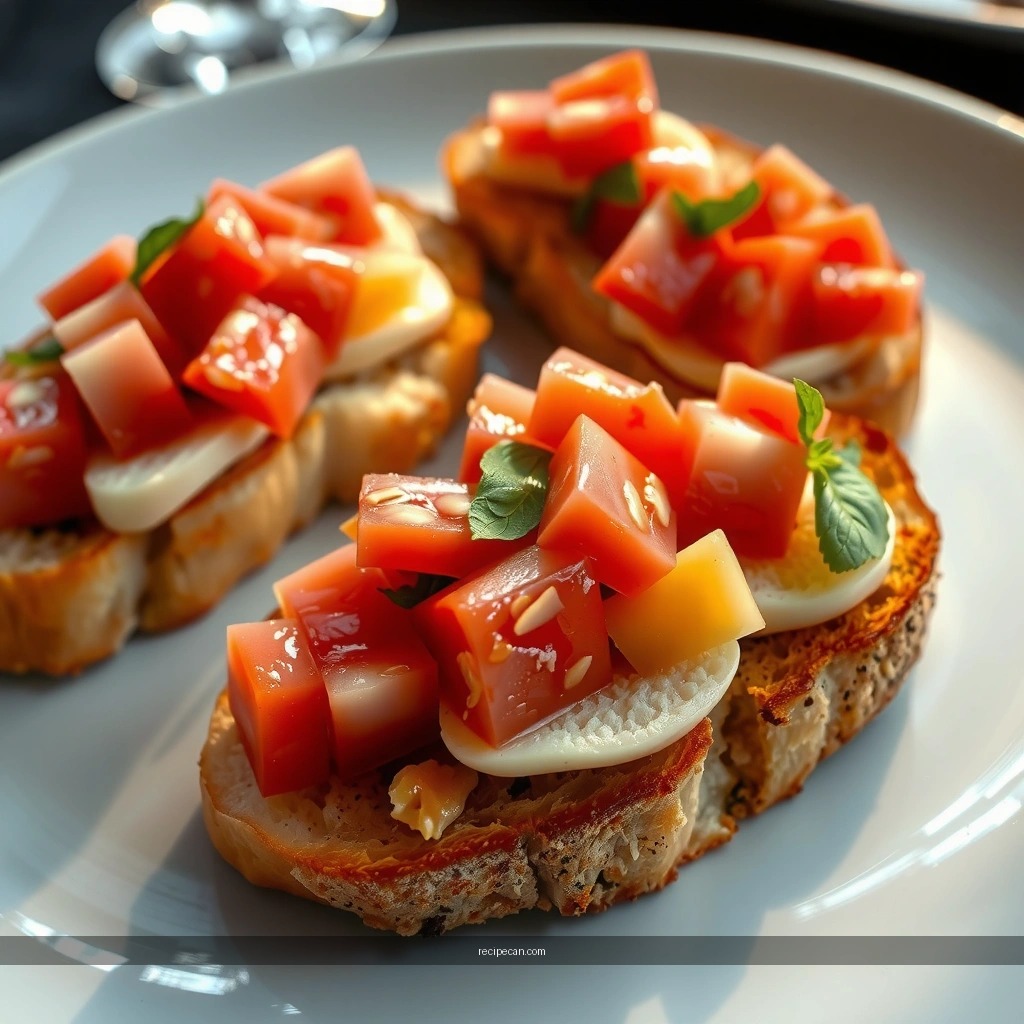
Crispness is not an accident—it’s a controlled browning process plus smart finishing. The way you toast (and when you rub garlic) directly affects both texture and aroma.
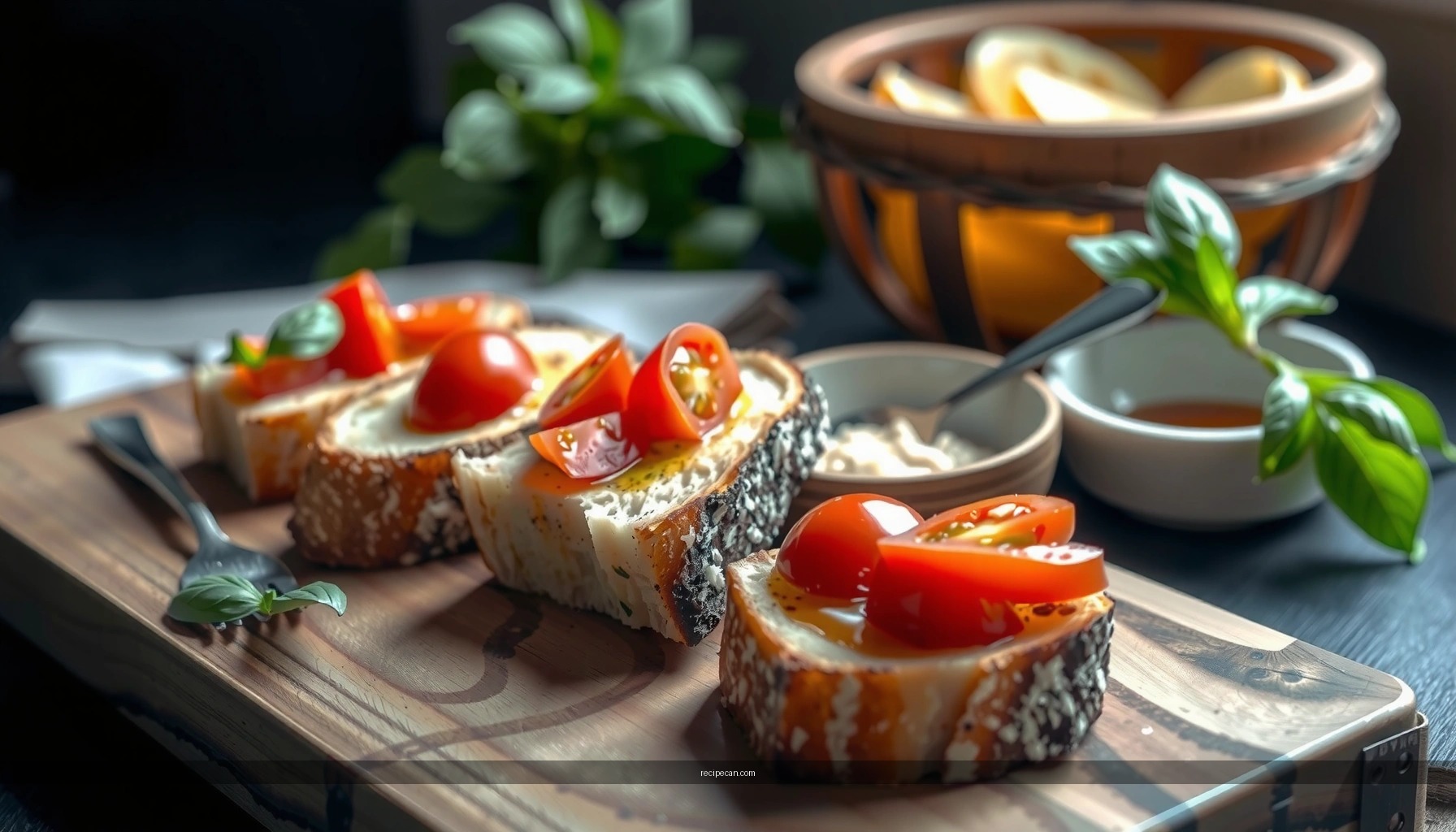
– Toast until golden and crisp, preferably on a grill or skillet
A grill or hot skillet gives you the right combination of browning and direct heat. Toasting on a grill can add attractive char lines, while a skillet provides even contact. Aim for golden edges and a crisp surface. If you’re doing multiple batches, use a cooling rack—don’t pile slices directly on a plate, or steam will soften them.
– Rub toasted bread lightly with garlic for extra aroma
The garlic rub should happen immediately after toasting, while the toast surface is hot. This technique perfumes the bread without turning garlic bitter.
Lightly rub a halved clove across the surface (don’t soak it). If you apply too much garlic or too long, it can overwhelm the delicate tomato-basil balance.
Timing note: To keep toast crisp, minimize the time between toasting and topping. Think in minutes, not tens of minutes.
Assemble Bruschetta for Best Texture
Assembly is where many home bruschetta attempts fail—usually because topping is added too early or too heavily. For best texture, treat assembly as a “service moment.”
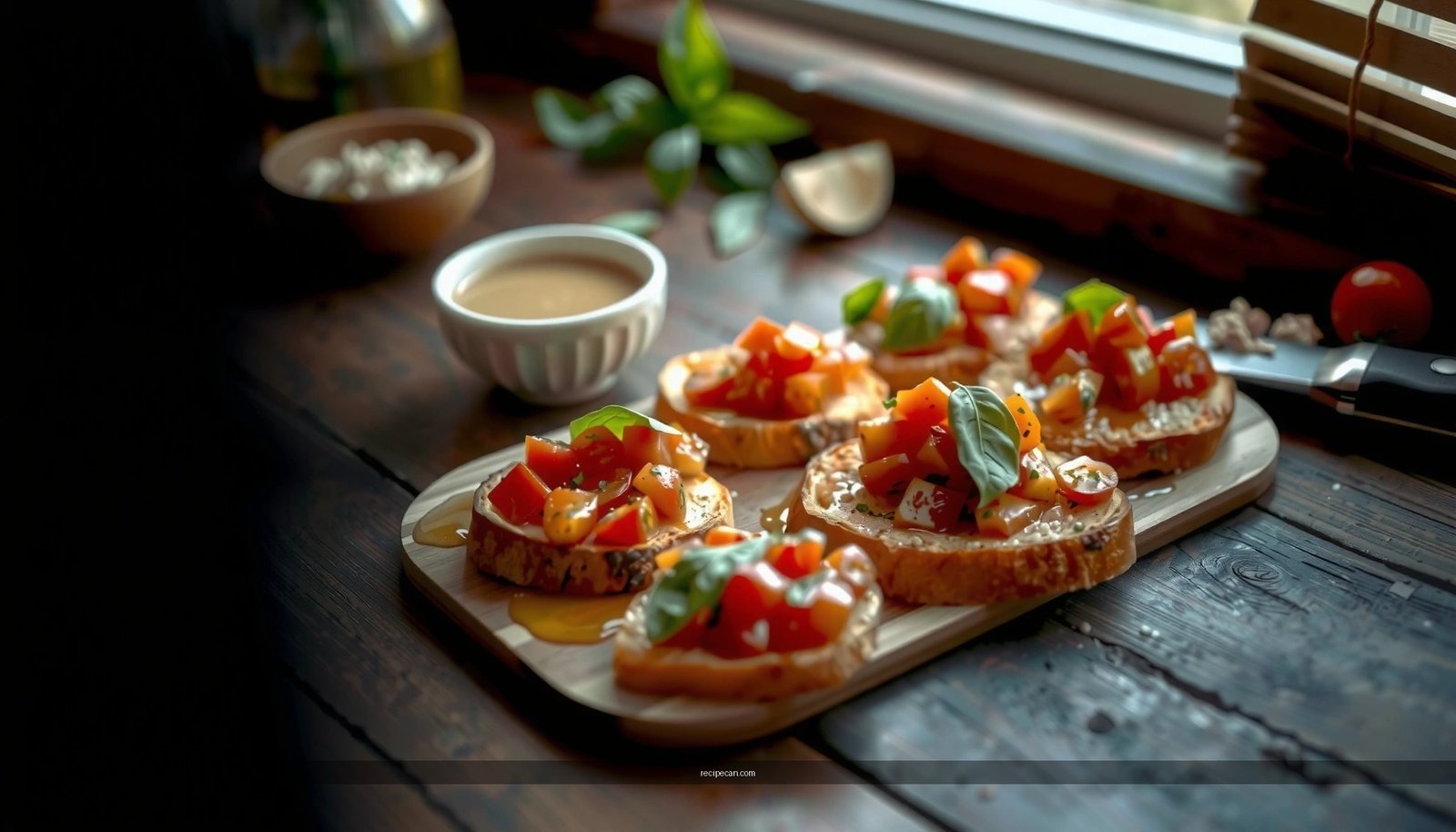
– Spoon topping onto toast just before serving
Put topping on at the last possible moment. This preserves crunch and prevents tomatoes from soaking in. For portion control, spoon a moderate amount so each slice has a high flavor concentration without becoming a puddle.
– Drizzle with extra olive oil to finish and boost flavor
A final drizzle of extra-virgin olive oil does two things: it amplifies aroma and makes the topping taste cohesive. Finish with a gentle hand—too much oil can make bread feel slick instead of crisp.
Service strategy (useful for entertaining):
– Pre-toss tomatoes and keep the topping chilled.
– Toast bread in batches right before guests arrive.
– Assemble in a quick sequence—one or two slices at a time—so every bite lands at peak crunch.
If you must hold assembled bruschetta briefly, keep it in a warm, dry environment (not covered) to reduce moisture buildup.
Optional Variations to Try
Once you master classic tomato-and-basil bruschetta, variations become an exercise in balance: add richness, acidity, or sweetness without breaking the crisp-to-tender contrast.
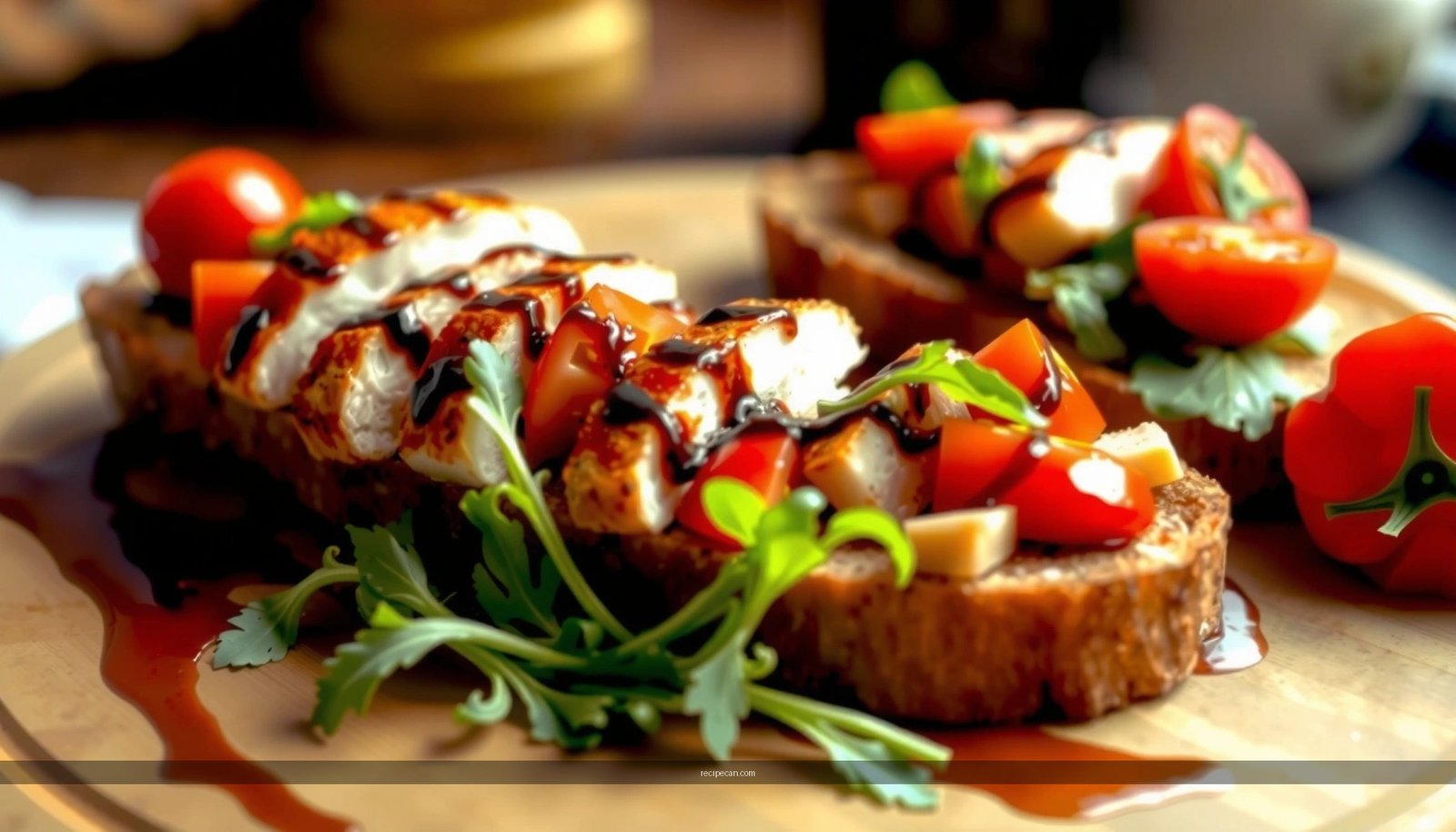
– Add mozzarella or burrata for a creamy twist
Mozzarella adds mild, stretchy creaminess; burrata adds a buttery, luxurious center. For best results:
– Use small portions and consider adding it to the toast immediately after toasting (so it warms lightly).
– Avoid overly wet mozzarella—pat it dry if it’s brined.
– Try balsamic glaze, roasted peppers, or white beans for new flavors
These variations can shift the flavor profile toward sweet, smoky, or hearty:
– Balsamic glaze: adds tangy sweetness; drizzle lightly to avoid overpowering tomatoes.
– Roasted peppers: bring a smoky sweetness; pair well with garlic and basil.
– White beans: create a creamy foundation; mash with olive oil and lemon for brightness.
The key is to maintain seasoning discipline. Even in variations, salt, pepper, olive oil, and timing still govern quality.
Storage and Serving Tips
Bruschetta is freshest immediately after assembly. Storage is mostly about planning—keeping components separated so texture survives.
– Eat immediately for the crunchiest results
Once tomatoes contact toast, moisture transfer starts. For the crispest results, serve right away. If you’re hosting, plan for a service window rather than making a full tray and waiting.
– Prep toppings ahead, but keep bread and toppings separate until serving
You can prep the tomato topping in advance (and chill it). Keep bread un-topped and toast close to serving time. This workflow makes bruschetta a dependable option for events because it minimizes last-minute cooking stress while preserving the signature texture contrast.
Practical workflow for smooth execution:
1. Dice and season tomatoes; add basil at the end.
2. Chill topping until service.
3. Toast bread right before serving.
4. Rub garlic immediately after toasting.
5. Top and finish with olive oil.
Bruschetta is at its best when crisp toast meets fresh, well-seasoned toppings—so follow the order: toast first, top last. Use the classic tomato-and-basil mix to nail the flavor, then try one variation to make it your own. Make your next appetizer a hit by serving immediately after assembly—then share your favorite combo!
Frequently Asked Questions
What are the best ingredients for a classic bruschetta recipe?
A classic bruschetta recipe uses crusty bread (like Italian ciabatta or baguette), ripe tomatoes, fresh garlic, extra-virgin olive oil, and salt. For the topping, add basil, plus optional balsamic vinegar for brightness and depth. Use high-quality olive oil and fresh ingredients so the tomato bruschetta topping tastes vibrant and not watery.
How do I make bruschetta without soggy bread?
Start by toasting or grilling the bread until it’s crisp and sturdy, then rub it with garlic right after to prevent moisture from soaking in. For the tomato topping, dice tomatoes, then let them drain in a colander for a few minutes and only dress with olive oil and salt immediately before serving. Assemble bruschetta just before eating so the bread stays crunchy.
Why should I salt the tomatoes in a tomato bruschetta topping?
Salting helps draw out excess tomato juices, which improves texture and reduces sogginess on the toasted bread. After draining, the tomatoes hold their shape better and concentrate flavor, making each bite more balanced. This is especially helpful if you’re using very juicy tomatoes or preparing ahead.
What is the best way to season tomatoes for bruschetta?
Toss the diced tomatoes with olive oil, salt, black pepper, and fresh basil, then taste and adjust seasoning before topping the bread. For extra flavor, consider adding a splash of balsamic vinegar, a pinch of sugar (only if tomatoes are very acidic), or a bit of garlic. Keeping the seasoning simple lets the tomato flavor in your bruschetta recipe shine.
Which bread works best for bruschetta, and how should it be toasted?
Use thick, sturdy bread like ciabatta, sourdough, or rustic Italian loaf so it can hold the tomato mixture without becoming floppy. Toast it in a hot oven or on a grill until golden and crisp, then brush with olive oil and rub with garlic for aroma. This method creates the ideal crunchy base for an authentic bruschetta recipe.
References
- Bruschetta
https://en.wikipedia.org/wiki/Bruschetta - https://www.britannica.com/topic/bruschetta
https://www.britannica.com/topic/bruschetta - https://www.nytimes.com/2024/08/21/dining/bruschetta.html
https://www.nytimes.com/2024/08/21/dining/bruschetta.html - https://www.theguardian.com/food/2023/aug/17/classic-bruschetta-recipe
https://www.theguardian.com/food/2023/aug/17/classic-bruschetta-recipe - Google Scholar Google Scholar
https://scholar.google.com/scholar?q=bruschetta+recipe - Google Scholar Google Scholar
https://scholar.google.com/scholar?q=italian+bruschetta+antipasto+bread+topping+study - Google Scholar Google Scholar
https://scholar.google.com/scholar?q=bruschetta+tomato+olive+oil+garlic+recipe - bruschetta recipe – Search results
https://en.wikipedia.org/wiki/Special:Search?search=bruschetta+recipe - https://www.ncbi.nlm.nih.gov/search/research-articles/?term=bruschetta+recipe
https://www.ncbi.nlm.nih.gov/search/research-articles/?term=bruschetta+recipe