Want the best bruschetta artichoke recipe that delivers big flavor with minimal effort? This easy, step-by-step version shows how to build crisp, garlicky bruschetta piled with artichokes, tangy tomatoes, and melty cheese in one quick session. If you’re deciding whether this appetizer is worth making at home, it answers yes—fast prep, reliable results, and a crowd-pleasing finish.
Make bruschetta artichoke by spreading a creamy, garlicky artichoke mixture over crisp toasted bread, then finishing with cheese and a light drizzle of olive oil or balsamic—ready for a crowd in under an hour. This recipe focuses on building a flavorful topping (without watery texture) and assembling quickly so your appetizer tastes fresh at scale.
Choose the Right Ingredients
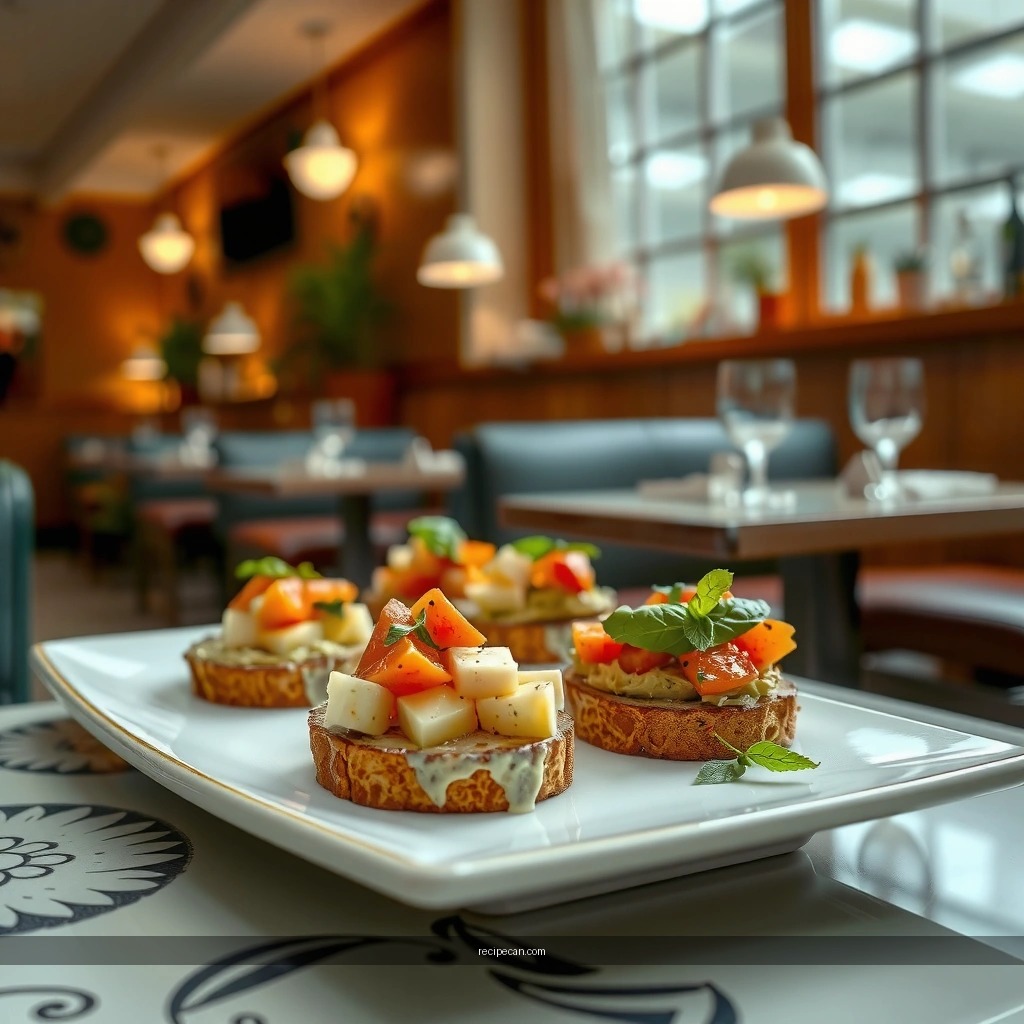
A great bruschetta artichoke is less about fancy techniques and more about disciplined ingredient selection. The artichoke topping should be bold, creamy, and cohesive enough to cling to toast; the bread should be sturdy enough to support the topping without becoming soggy.
– Use marinated artichoke hearts for faster, bolder flavor
Marinated artichokes bring ready-made acidity and seasoning, which reduces prep time and improves consistency. Look for hearts packed in oil with herbs/garlic, or those labeled “marinated” rather than plain/canned. When drained well, they deliver big flavor without the “waterlogged” topping risk that can happen with unseasoned artichokes.
– Pick good bread (ciabatta or baguette) for sturdy, crispy toasts
Ciabatta and baguette are ideal because their structure holds up when topped and eaten immediately. For optimal texture, cut slices thick enough to toast to a crisp exterior while maintaining a chewable interior. Thin bread can fracture or bend once the creamy artichoke mixture is added.
– Choose cheese strategically (for flavor and performance)
Parmesan provides savory depth and helps the mixture “set” slightly as it warms. Mozzarella (or an additional Parmesan pass) adds melt and visual appeal if you broil briefly. The goal is flavor that reads clearly on the toast, not just cheese overload.
– Use quality olive oil and fresh herbs
Even with minimal ingredients, olive oil quality shows up in the finish—especially if you drizzle after assembling. If using herbs, fresh (or frozen in a pinch) elevates aroma and balances the richness of ricotta/cream cheese.
Make the Artichoke Topping
The topping is the centerpiece. For a restaurant-style result at home, you want three traits: seasoning clarity, creamy binding, and moisture control. That last one is key—artichokes contain liquid, so draining and mashing correctly protects crunch.
1. Drain the artichokes thoroughly (and pat if needed).
Squeeze or gently press drained artichokes between paper towels if the jar has a lot of oil or brine. You’re not trying to remove all moisture; you’re trying to prevent the mixture from turning runny.
2. Build flavor with garlic + herbs, then add cream.
Start by sautéing or gently warming minced garlic in olive oil for 30–60 seconds—just until fragrant. Stir in chopped artichokes, then fold in creamy elements like ricotta (lighter, softer texture) or cream cheese (more robust, thicker body). This combination creates a spreadable topping that doesn’t immediately slide off the bread.
3. Add Parmesan for structure and savory depth.
Parmesan is not only flavor—it’s also texture. It helps thicken the mixture slightly and makes the topping taste “complete,” especially on crisp bread. If you’re broiling later, Parmesan can also contribute to a lightly golden finish.
4. Adjust with seasoning and acidity.
Taste before assembling. You may need a little salt (depending on the artichokes), black pepper, and—if the artichokes are relatively mild—a squeeze of lemon or a splash of balsamic vinegar. This prevents the topping from feeling heavy.
Here’s a practical view of how ingredient choices affect the final bruschetta artichoke experience:
How Topping Ingredients Influence Texture & Flavor (Per ~20–24 Toasts)
| # | Ingredient Choice | Primary Role | Expected Impact | Result Rating |
|---|---|---|---|---|
| 1 | Marinated artichoke hearts | Flavor base | More intense seasoning, less additional prep | ★★★★★ |
| 2 | Ricotta (vs. only yogurt) | Creaminess | Smoother spread, better “cling” to toast | ★★★★☆ |
| 3 | Cream cheese (small amount) | Binding | Thicker topping that holds under cheese | ★★★★☆ |
| 4 | Parmesan | Savory depth + texture | Better balance and slight thickening effect | ★★★★★ |
| 5 | Bread toasted before topping | Crispness control | Less sogginess during service | ★★★★★ |
| 6 | Drizzle after assembly | Aroma + finish | Brighter flavor without softening toast | ★★★★☆ |
| 7 | Skipping drainage/patting | Moisture management | Higher chance of watery topping | ★★☆☆☆ |
Toast and Assemble the Bruschetta
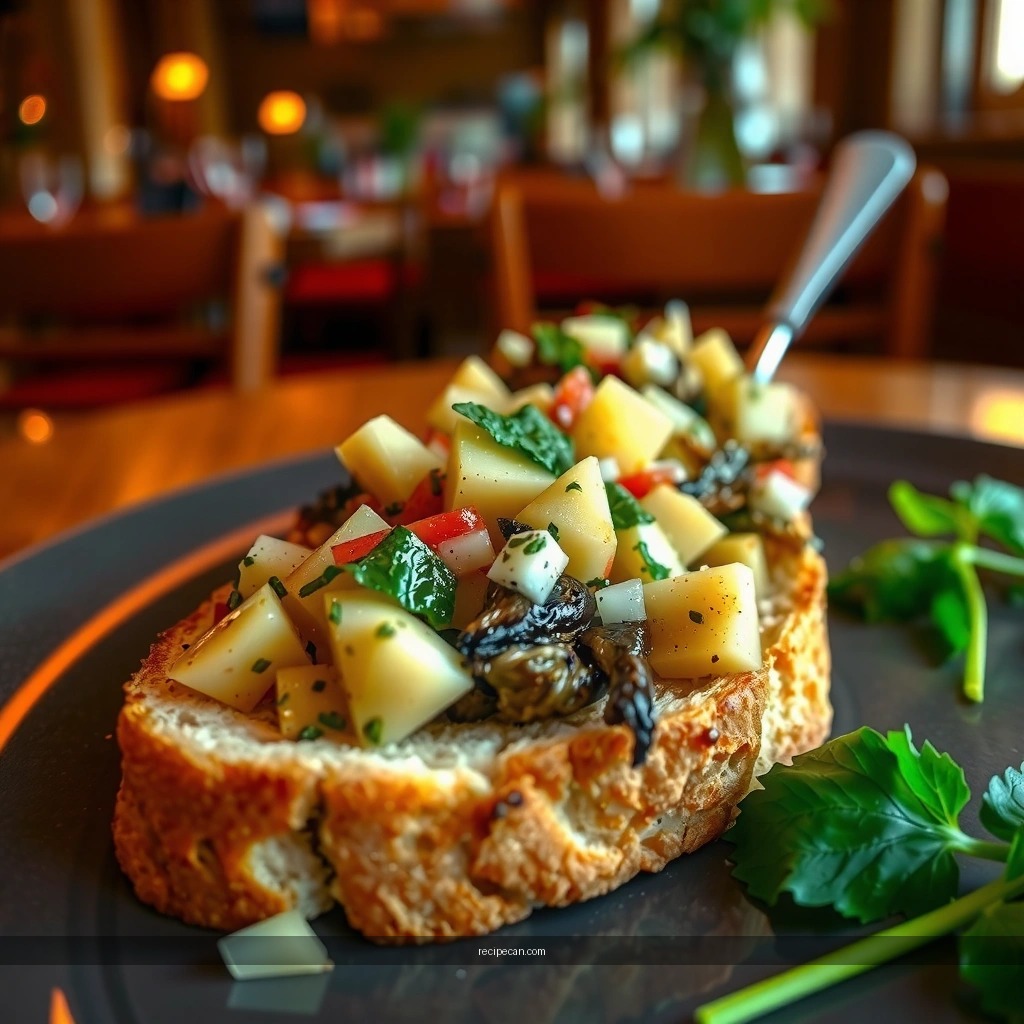
This is where timing matters. The best bruschetta artichoke is assembled close to serving so you keep toast crisp and cheese (if used) at peak texture.
– Toast bread until crisp, then rub lightly with garlic if desired
Toasting can be done in a hot oven, toaster oven, or skillet. Aim for a golden, dry surface. If you want a classic garlic note, rub a halved garlic clove over the warm toast—this distributes aroma without making the bread greasy. For corporate catering or meal prep, this step can be done in batches and held until topping.
– Spoon the artichoke mixture generously onto each slice
Use a spoon to create a mound rather than a thin smear. Thicker coverage improves flavor distribution and prevents dry bread edges from feeling bland.
– Optional: warm the topping slightly before assembling
If your kitchen is cool, warming the topping for 1–2 minutes helps it spread smoothly and makes cheese melt faster. Avoid overheating, though, because an overly hot mixture can soften the toast prematurely.
– If broiling for cheese melt, portion with control
Add cheese in a moderate layer. Too much cheese can slide or pool, especially on thicker slices.
Add Flavorful Finishing Touches
Finishing touches are what transform “tasty” into “memorable.” Think of them as sensory calibration: melt, aroma, acidity, and a clean peppery finish.
– Finish with mozzarella or extra Parmesan for a melty top (if broiling)
If you’re broiling, add mozzarella (for stretchy melt) or an extra Parmesan dust (for savory crunch). Broil briefly—usually 1–3 minutes—just until bubbly and lightly golden. Keep a close watch; broilers can go from perfect to burnt quickly.
– Drizzle olive oil and add cracked pepper or a splash of balsamic
Add olive oil right before serving. It carries herbal and garlic aroma and enhances perceived richness without soaking the toast. Cracked pepper adds contrast, while balsamic offers a sweet-tart counterpoint that complements the artichokes’ tang.
– Pro service tip: finish in phases
If you’re feeding a group, assemble and broil in batches, then drizzle/season immediately at the final stage. This approach maximizes crispness across the entire platter.
Optional Variations to Try
Customizing bruschetta artichoke is one of the recipe’s strengths. The base topping is forgiving—add-ins can be adjusted based on dietary needs, seasonal ingredients, or audience preferences.
– Add sun-dried tomatoes or roasted red peppers for extra sweetness and color
Sun-dried tomatoes bring concentrated sweetness and a red/orange pop that signals “premium” to guests. Chop them finely so they integrate rather than creating bulky bites.
– Stir in chopped spinach or chili flakes for a richer, spicier twist
Spinach can be folded in if squeezed well (to prevent water). Chili flakes add heat and complexity without overpowering the creaminess. For balanced spice, start with a conservative amount and taste.
– Swap in complementary herbs depending on your flavor direction
Basil leans bright and fresh; oregano and thyme lean savory and Italian; dill can add a unique aromatic note. Choose one herb direction to avoid muddy flavor.
Serve and Store Like a Pro
Serving strategy determines whether bruschetta artichoke remains crisp and appetizing. For an appetizer that performs under real-world timing, separate what needs to stay fresh from what can be prepped ahead.
– Serve immediately for best crunch and melt
Bread is at its peak crispness right out of the oven/toaster. Cheese (especially mozzarella) is also most appealing when just melted. If you’re hosting, plan to assemble a batch 5–15 minutes before guests arrive at the table.
– Store leftover topping separately and re-toast bread when ready to eat
The topping keeps well covered in the refrigerator for a few days (check freshness of dairy). Store it separately from toasted bread to prevent sogginess. When reheating, warm the topping gently, re-toast the bread, then reassemble.
– Reheating guidance
For leftovers, avoid microwaving already-topped bruschetta unless you’re okay with softer toast. Better options: re-toast bread quickly, then spoon warm topping and cheese.
– Scalability approach for a crowd
To feed many people, make one large batch of artichoke topping, slice/toast bread in stages, and set up a finishing station (cheese + oil + pepper/balsamic). This reduces bottlenecks and ensures every slice tastes intentional.
Bruschetta artichoke is an easy appetizer that delivers big flavor with minimal effort—build a creamy, well-seasoned topping; toast sturdy bread until crisp; and finish with cheese and a bright olive oil or balsamic drizzle. If you follow the key principles—proper drainage, thoughtful seasoning, and assembling close to serving—you’ll consistently get a crowd-pleasing result that looks impressive and tastes fresh. Try this version tonight, and feel free to customize with sun-dried tomatoes, roasted peppers, spinach, or chili flakes to match your guests’ preferences.
Frequently Asked Questions
What is a classic bruschetta artichoke recipe?
A classic bruschetta artichoke recipe combines toasted bread (bruschetta) with a flavorful artichoke topping made from chopped or marinated artichokes, garlic, olive oil, lemon juice, and often Parmesan or mozzarella. The mixture is spooned onto crisp bread and sometimes finished with fresh herbs like parsley or basil. It’s typically served warm or at room temperature, making it a popular appetizer for gatherings.
How do I make bruschetta with artichoke topping that isn’t watery?
To avoid watery bruschetta artichoke, drain artichokes very well and pat them dry before mixing. If you’re using marinated artichokes, consider squeezing out excess liquid or using less added oil. For extra insurance, sauté the artichoke mixture briefly so moisture cooks off, then let it cool slightly before topping the bread.
Why does my artichoke bruschetta taste bland, and how can I fix it?
Bland flavor usually comes from under-seasoning or not balancing acidity and salt. Boost your bruschetta artichoke recipe with garlic, black pepper, a pinch of red pepper flakes, and enough salt; then brighten it with lemon juice or a splash of vinegar. Adding Parmesan for umami and using quality extra-virgin olive oil can also make the topping taste richer and more cohesive.
What is the best bread for bruschetta with artichokes?
The best bread for a bruschetta artichoke recipe is something sturdy with a crisp crust, such as a baguette, ciabatta, or rustic Italian bread. Slice it thick enough to support the artichoke topping without becoming soggy, then toast until golden. If you want extra flavor, rub toasted bread with a cut clove of garlic and finish with a light drizzle of olive oil.
Which ingredients work best in an easy bruschetta artichoke topping?
For an easy bruschetta artichoke topping, use canned or jarred artichoke hearts, garlic, olive oil, and lemon juice for brightness. Many recipes also include chopped sun-dried tomatoes, Parmesan cheese, and fresh herbs like parsley for a more vibrant, savory profile. If you like creamy texture, stir in a small amount of ricotta or cream cheese, but keep the portion modest so the mixture stays spreadable and flavorful.
References
- https://scholar.google.com/scholar?q=bruschetta+artichoke+recipe Google Scholar
https://scholar.google.com/scholar?q=bruschetta+artichoke+recipe - Google Scholar Google Scholar
https://scholar.google.com/scholar?q=artichoke+bruschetta - Google Scholar Google Scholar
https://scholar.google.com/scholar?q=italian+bruschetta+with+artichokes - https://en.wikipedia.org/wiki/Bruschetta
https://en.wikipedia.org/wiki/Bruschetta - Artichoke
https://en.wikipedia.org/wiki/Artichoke - Artichoke | Description, Plant, Cultivation, Nutrition, History, & Facts | Britannica
https://www.britannica.com/plant/artichoke - Garlic
https://en.wikipedia.org/wiki/Garlic - Olive oil
https://en.wikipedia.org/wiki/Olive_oil - Crostini
https://en.wikipedia.org/wiki/Crostini - Toast
https://en.wikipedia.org/wiki/Toasting