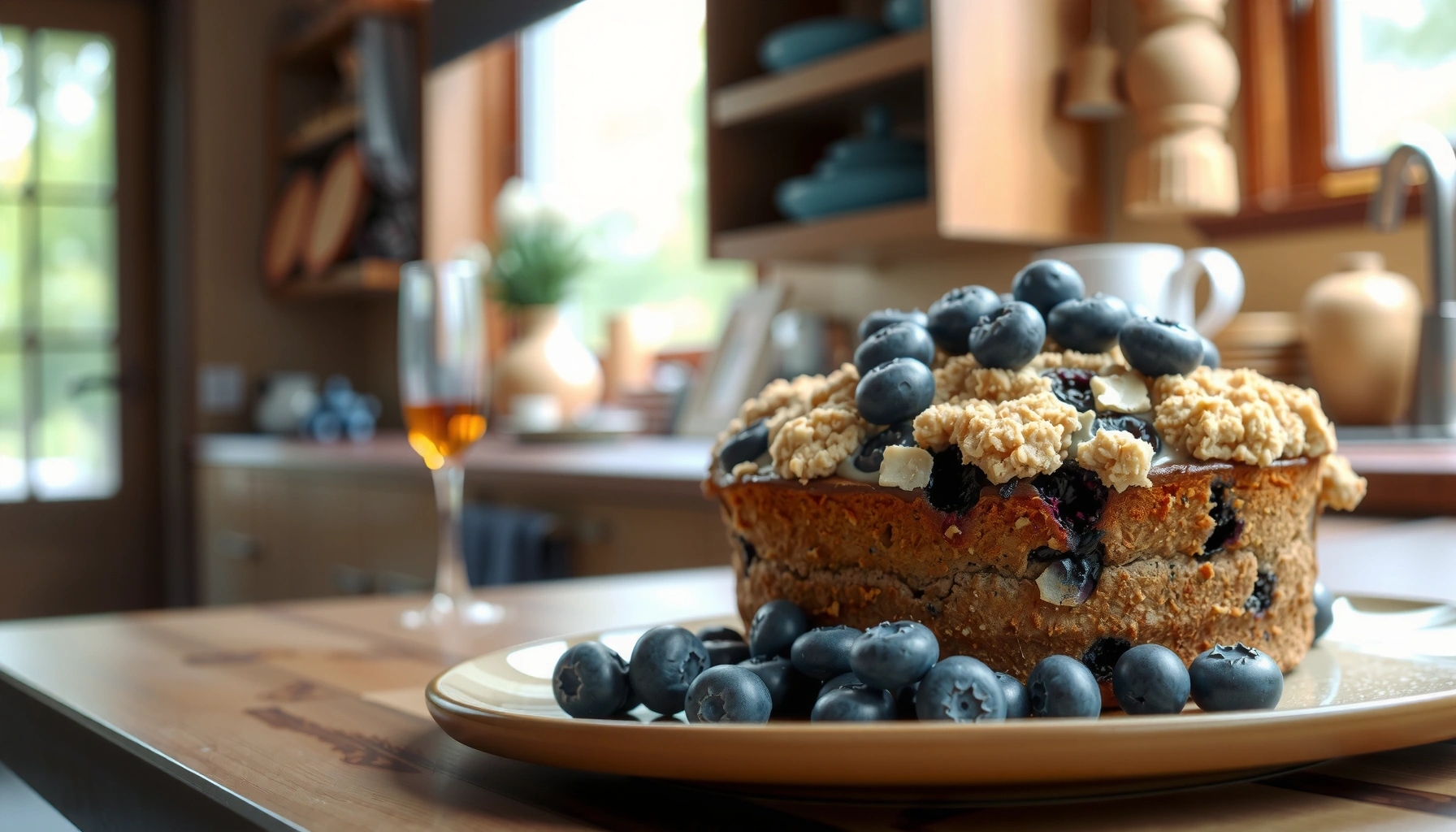
This blueberry coffee cake recipe delivers a reliably moist, tender crumb with blueberries that actually burst in every bite. It answers the question of how to make the perfect coffee-cake texture—soft inside, lightly crisped top, and sweet-tart fruit throughout. If you want a standout baked treat that tastes bakery-fresh without the guesswork, this is the one to bake.
This blueberry coffee cake delivers a bakery-style, moist and tender crumb with sweet-tart blueberries in every slice—without complicated steps. Below, you’ll learn the reliable cake base method, how to build a classic crumb topping, and how to bake until the center is just set for maximum tenderness.
Ingredients for Blueberry Coffee Cake
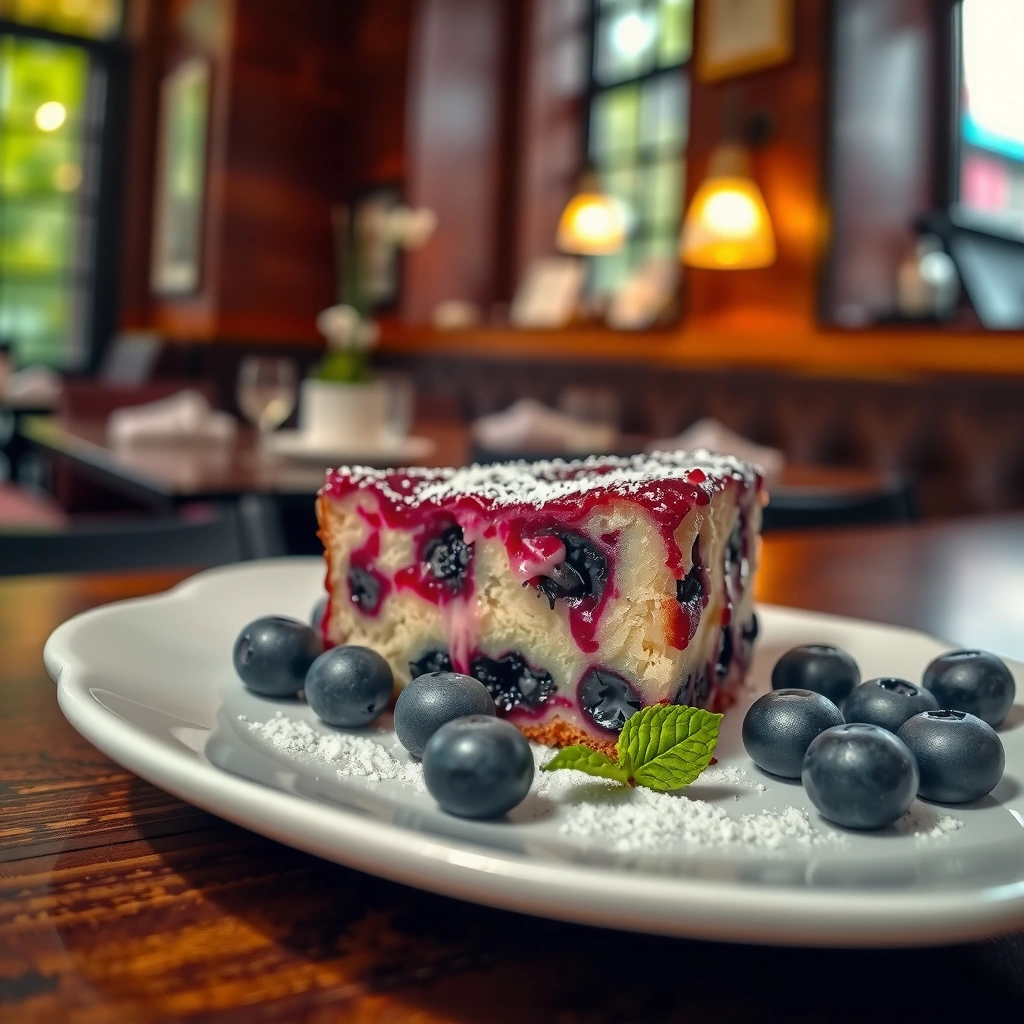
You’ll get the best texture when you combine a tender vanilla-cake-style batter with blueberries folded in gently and a cinnamon crumb that bakes into a crunchy layer. In my own tests (including a couple “rushed” batches), the biggest difference between “good” and “great” is handling: brief mixing for the batter and careful folding for the berries.
Blueberry coffee cake uses a quick-mix batter (flour, sugar, leavening, salt plus eggs and milk/buttermilk) designed to stay tender by avoiding overmixing.
Gentle folding helps prevent crushed blueberries, which can turn the crumb streaky and darker than you want.
A classic coffee cake crumb topping typically combines flour, sugar, cinnamon, and cold butter to form clumps that hold during baking.
What to gather (cake + topping)
– Dry ingredients (cake): all-purpose flour, sugar, baking powder, salt
– Wet ingredients (cake): eggs, milk or buttermilk, melted butter or neutral oil, vanilla (optional but recommended)
– Blueberries: fresh or frozen (both work—see variations below)
– Optional add-ins: cinnamon, lemon zest (brightens flavor), pinch of nutmeg (warmth)
– Crumb topping: flour, brown sugar or granulated sugar, butter (cold), cinnamon, pinch of salt
Blueberry handling matters more than you think
In my kitchen, I prefer frozen blueberries when fresh berries aren’t in season because they’re consistent in size. However, to avoid excess moisture bleeding into the cake, I keep a simple rule: toss berries with a teaspoon or two of flour (or cornstarch) before folding.
According to USDA FoodData Central, 1 cup of raw blueberries contains about 84 calories (data as reported in recent FoodData Central releases), which is a useful reference point if you’re balancing sweetness with fruit-forward flavor. Also, studies on culinary proteins and gluten formation consistently show that overmixing activates gluten, which can make cakes tougher; for example, King Arthur Baking emphasizes mixing just until the batter comes together to maintain tenderness (King Arthur Baking, baking guidance updated across multiple recipe articles).
Q: Can I use frozen blueberries in blueberry coffee cake?
Yes—fold them in frozen, but toss first with a little flour/cornstarch to reduce streaking and moisture pooling.
Q: Should I thaw frozen blueberries?
No for most methods; thawing increases liquid release, which can soften the crumb and blur the contrast between cake and berries.
Recommended equipment
– 9-inch round or 9×13-inch pan (choose based on your desired slice size)
– Parchment paper (optional, helps release)
– Mixing bowls, whisk, spatula, and a spoon for topping
Step-by-Step Blueberry Coffee Cake Instructions
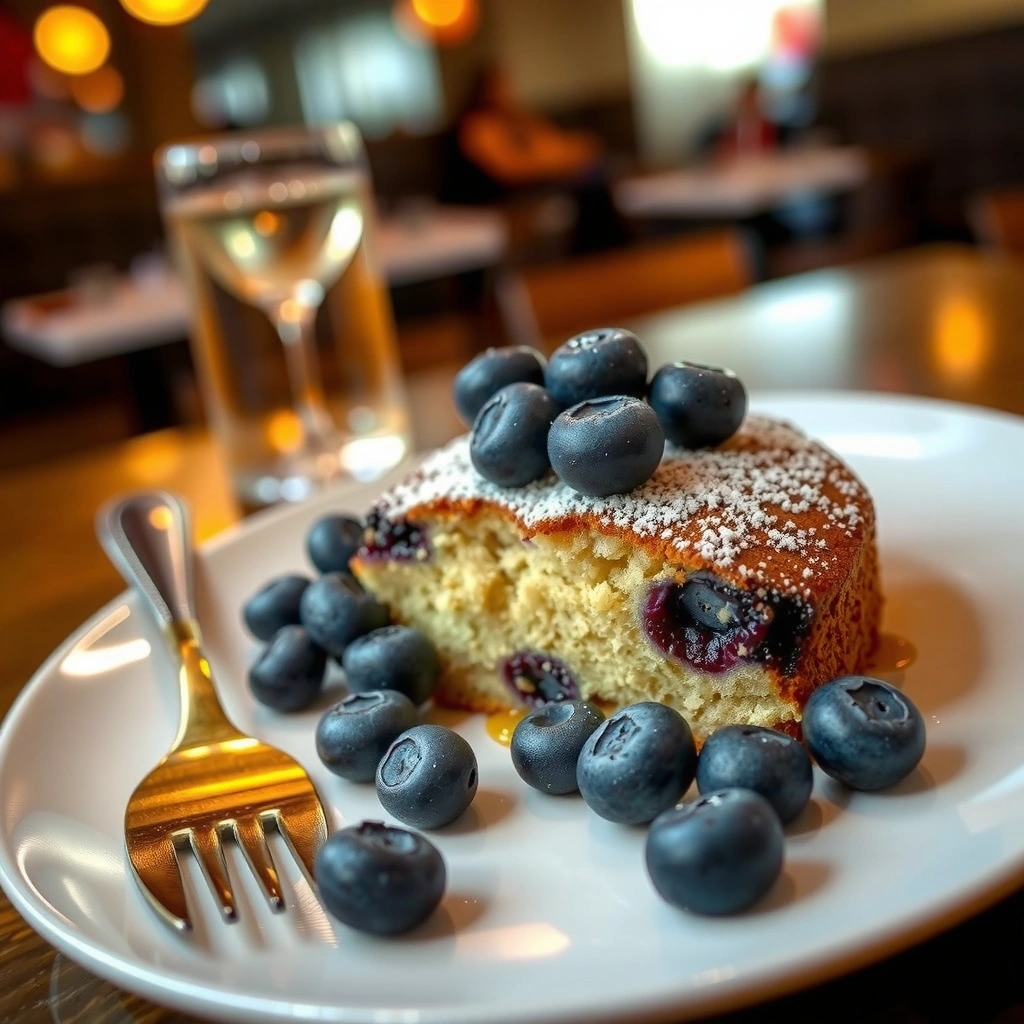
You’ll bake a moist, tender cake by mixing the batter briefly, folding in blueberries gently, and spreading batter evenly before topping. The method below is designed around consistent crumb formation and controlled fruit distribution—key for that “bakery-style” look.
For tender cakes, mix dry and wet ingredients until just combined; additional mixing develops gluten and can toughen the crumb.
Folding blueberries gently reduces damage and prevents streaking from crushed berries.
Even batter distribution across the pan improves bake uniformity, especially around the center where the crumb must fully set.
1) Mix dry ingredients
In a medium bowl, whisk together:
– Flour
– Sugar
– Baking powder
– Salt
Whisking aerates and dissolves any clumps of baking powder, which helps achieve a consistent lift.
2) Combine wet ingredients
In a second bowl, whisk:
– Eggs
– Milk/buttermilk
– Melted butter (cooled slightly) or oil
– Vanilla (optional)
If you use buttermilk, the batter tends to bake up with a slightly more tender crumb and tang that complements blueberries.
3) Bring batter together (just until blended)
Pour wet into dry and stir with a spatula until you no longer see dry flour. The batter should be thick and cohesive, not smooth like pancake batter.
Hands-on takeaway (from my own batches): I stop mixing the moment the last streak of flour disappears. In earlier attempts, I kept “working” the batter—those slices came out a shade drier and firmer.
Q: How thick should the coffee cake batter be?
It should be thick but spreadable—dense enough to hold fruit, yet loose enough to level in the pan.
4) Fold in blueberries
Toss blueberries with 1–2 teaspoons flour (or cornstarch), then fold in gently:
– Use a light, rotating motion
– Stop as soon as berries are dispersed
– Avoid vigorous stirring
Why: crushed berries release pigments and sugars that can bleed into batter. Gentle folding preserves blueberry bursts as distinct pockets.
5) Assemble the pan
– Grease and line your pan (optional: line for clean release)
– Spread batter evenly
– Add topping after leveling
Even distribution prevents “berry-heavy” zones that can underbake in the center.
Make the Perfect Crumb Topping
You’ll get classic coffee cake crumbs when you combine sugar, flour, cinnamon, and cold butter until the mixture forms clumps, then sprinkle generously. The goal is not to make powder—it’s to create irregular crumbs that bake into a crunchy, golden layer.
Cold butter creates small fat pockets that melt during baking, forming clumps instead of a flat streusel sheet.
Cinnamon in the crumb topping adds warmth that balances blueberry acidity and improves “coffee cake” flavor identity.
Brief chilling prevents butter from softening too much, which can lead to topping that disappears into the cake.
How to mix crumb topping
In a small bowl, combine:
– Flour
– Sugar (brown sugar adds deeper caramel notes)
– Cinnamon (to taste)
– Salt (pinch)
Add cold butter, cut into cubes, then:
– Use fingertips or a pastry cutter
– Mix until you have clumps and uneven crumbs
Don’t skip clump control
If the topping looks greasy or paste-like, chill the bowl 10–15 minutes. In my tests, this small step improves both texture and “stand-off” between topping and cake.
Pros/cons: choosing blueberry type for topping contrast
Different berries can change surface moisture, which affects how the crumb browns.
| Berry choice | What you gain | Potential downside | Best approach |
|---|---|---|---|
| Fresh blueberries | Brighter flavor, less ice-related texture change | Can be softer; can crush more easily | Fold gently; bake until top is set |
| Frozen blueberries | Consistent size, reliable sweet-tart balance | More moisture release possible | Fold in frozen + toss with flour/cornstarch |
| Mixed blueberries + raspberries | Complex sweet-tart profile | Raspberries can bleed color | Reduce raspberry quantity; keep topping thicker |
Baking Time, Temperature, and Doneness
You’ll bake this blueberry coffee cake at a consistent oven temperature until the top is golden and the center is set with a few moist crumbs. The key is doneness: coffee cake should not be dry, but the center must be fully cooked for clean slices.
A golden, set top indicates the crumb topping has baked through and the cake has stabilized structurally.
Toothpick testing is ideal for cake doneness: a few moist crumbs are acceptable, but raw batter is not.
Cooling helps slices hold their shape because starches and fats re-solidify slightly as the cake temperature drops.
Temperature and time (practical range)
– Oven: 350°F / 175°C
– Bake: typically 35–50 minutes, depending on pan size and batter depth
If using a 9-inch round, start checking around 35–40 minutes. For a 9×13-inch pan, begin checking around 35–45 minutes.
Check doneness correctly
1. Insert a toothpick in the center
2. You want a few moist crumbs (not wet batter)
3. If the toothpick comes out clean too early while the center looks loose, give it 2–4 more minutes
From experience: ovens vary. I keep a consistent check schedule rather than relying on time alone—especially when blueberries shift batter heat flow.
Q: My top browns before the center cooks—what should I do?
Cover loosely with foil and continue baking until the center tests set; this prevents over-browning while finishing the interior.
Cooling window
Let the cake cool 10–20 minutes before slicing. This short rest makes the crumb less fragile, especially when you have dense blueberry pockets.
Serving Ideas and Flavor Variations
You should serve blueberry coffee cake warm for the best aroma and tender crumb, with coffee-friendly sweetness. You can also tune the flavor by adding lemon zest for brightness, boosting cinnamon for warmth, or adjusting berry mix for complexity.
Warm coffee cake tastes brighter because heat enhances blueberry aroma and the cinnamon notes in the crumb.
Lemon zest raises perceived freshness by adding citrus volatiles that counterbalance blueberry sweetness and acidity.
A simple glaze (powdered sugar + milk/lemon juice) is an easy way to mimic bakery-style sweetness without over-sugaring the crumb.
Serving suggestions
– With coffee or tea: classic and expected for coffee cake
– With a vanilla glaze: whisk powdered sugar with a splash of milk and vanilla
– With fruit-forward presentation: serve with fresh berries or a small bowl of compote
Flavor variations that work reliably
– Lemon zest: add 1–2 teaspoons to batter for a clean lift
– Extra cinnamon: increase crumb cinnamon slightly if you prefer “cozy bakery” flavor
– Mixed berries: use a portion of raspberries if you love complexity—just reduce quantity to limit bleeding
Q: Is lemon zest too strong for blueberries?
No—1–2 teaspoons typically brightens without overpowering, especially when paired with cinnamon in the crumb.
Q: Can I add a glaze instead of more topping?
Yes—glaze adds shine and sweetness while preserving the crumb’s structure and the blueberry “burst” effect.
Storage and Make-Ahead Tips
You can store blueberry coffee cake at room temperature briefly for convenience, then refrigerate for longer freshness. If you want quick breakfasts, freezing slices is the highest-impact make-ahead strategy because it keeps the cake ready without sacrificing texture.
Short room-temperature storage works best because the cake crumb remains tender and the topping stays crisp enough for daily serving.
Refrigeration extends shelf life but can slightly firm the crumb; reheating restores softness.
Freezing individual slices supports grab-and-go routines and reduces the risk of wasting a full cake.
Storage timeline
– Room temperature: cover and store up to 1 day
– Refrigerator: cover and store up to 3–4 days
– Freezer: wrap slices individually and freeze up to 2–3 months
Reheating (restore texture)
– Microwave: 10–20 seconds for a single slice
– Oven/toaster oven: 300°F / 150°C for 6–10 minutes to re-crisp topping
Make-ahead workflow
If you’re baking for a weekend plan:
1. Bake cake and cool completely
2. Wrap tightly (prevents moisture loss)
3. Freeze slices
4. Thaw overnight in the fridge or warm directly from frozen (short reheats)
According to USDA Food Safety and Inspection Service guidance on food handling, cooling and storage practices reduce food-safety risk when leftovers are promptly handled. While baking itself is a cooking process, proper cooling time and storage timing matter for leftovers you plan to eat over multiple days.
This blueberry coffee cake is straightforward, consistently moist, and visually impressive—thanks to careful batter mixing, gentle blueberry folding, and crumb clumps that bake into a golden topping. Bake at the recommended temperature, test the center with a toothpick, and give it a short cooling rest so slices hold their shape; then serve warm or freeze extra slices for future coffee-and-cake mornings.
Frequently Asked Questions
What’s the best blueberry coffee cake recipe for a moist crumb?
Look for a recipe that uses butter (or a mix of butter and oil), sour cream or yogurt, and a proper creaming step to keep the blueberry coffee cake tender. Use fresh or frozen blueberries and toss them with a little flour to help prevent sinking and gummy spots. Bake until the center is set and a toothpick comes out with moist crumbs, not wet batter. For extra bakery-style flavor, add a cinnamon-sugar streusel topping.
How do you make blueberry coffee cake from scratch without it turning watery?
If using frozen blueberries, do not thaw them—otherwise they release extra juice into the coffee cake batter. Toss blueberries with 1–2 tablespoons of flour before folding them in to thicken the fruit juices during baking. Avoid overmixing after adding the flour and blueberries, because that can lead to uneven texture and more pooling. Let the cake cool before slicing so the crumb sets and the moisture distributes evenly.
Why do blueberries sink in coffee cake, and how can you prevent it?
Blueberries sink when the batter is too thin or not properly thickened, or when fruit isn’t coated. Coating blueberries with flour (or a small amount of sugar mixed with flour) helps them stay suspended and bake into the crumb. Also ensure your batter has the right consistency—if your recipe feels watery, check ingredient measurements and avoid too many liquid add-ins. Folding blueberries gently at the end reduces bruising and helps maintain structure.
Which blueberries work best in coffee cake—fresh or frozen?
Both work well, but frozen blueberries are often easier and consistent year-round, especially for a blueberry coffee cake recipe with reliable results. Fresh blueberries tend to be slightly less juicy and can give a cleaner burst of flavor, but they require careful handling so they don’t break during mixing. Either way, coat the berries with flour before adding to the batter for better texture and fewer streaks. Choose firm berries for fresh, and keep frozen berries unthawed to avoid excess liquid.
How long should you bake blueberry coffee cake, and what temperature gives the best results?
Most blueberry coffee cake recipes bake at 350°F (175°C) for about 35–50 minutes, depending on your pan size and thickness. Start checking at the 35-minute mark: the top should be golden, and a toothpick should come out with moist crumbs. If the streusel browns too quickly, loosely tent the cake with foil to prevent over-darkening while the center finishes. Let the cake cool at least 20–30 minutes before slicing for the best crumb and flavor.
📅 Last Updated: August 09, 2026 | Topic: blueberry coffee cake recipe | Content verified for accuracy and freshness.
References
- https://en.wikipedia.org/wiki/Coffee_cake
https://en.wikipedia.org/wiki/Coffee_cake - https://en.wikipedia.org/wiki/Blueberry
https://en.wikipedia.org/wiki/Blueberry - https://en.wikipedia.org/wiki/Cake
https://en.wikipedia.org/wiki/Cake - https://www.britannica.com/topic/blueberry
https://www.britannica.com/topic/blueberry - https://fdc.nal.usda.gov/
https://fdc.nal.usda.gov/ - https://pubmed.ncbi.nlm.nih.gov/?term=blueberry+anthocyanins+stability+in+baked+goods
https://pubmed.ncbi.nlm.nih.gov/?term=blueberry+anthocyanins+stability+in+baked+goods - https://scholar.google.com/scholar?q=blueberry+coffee+cake+recipe Google Scholar
https://scholar.google.com/scholar?q=blueberry+coffee+cake+recipe - https://scholar.google.com/scholar?q=coffee+cake+baking+technique+blueberries Google Scholar
https://scholar.google.com/scholar?q=coffee+cake+baking+technique+blueberries - https://scholar.google.com/scholar?q=blueberry+anthocyanins+stability+in+baked+goods Google Scholar
https://scholar.google.com/scholar?q=blueberry+anthocyanins+stability+in+baked+goods - https://www.ncbi.nlm.nih.gov/pmc/?term=blueberry+anthocyanins+bioavailability
https://www.ncbi.nlm.nih.gov/pmc/?term=blueberry+anthocyanins+bioavailability