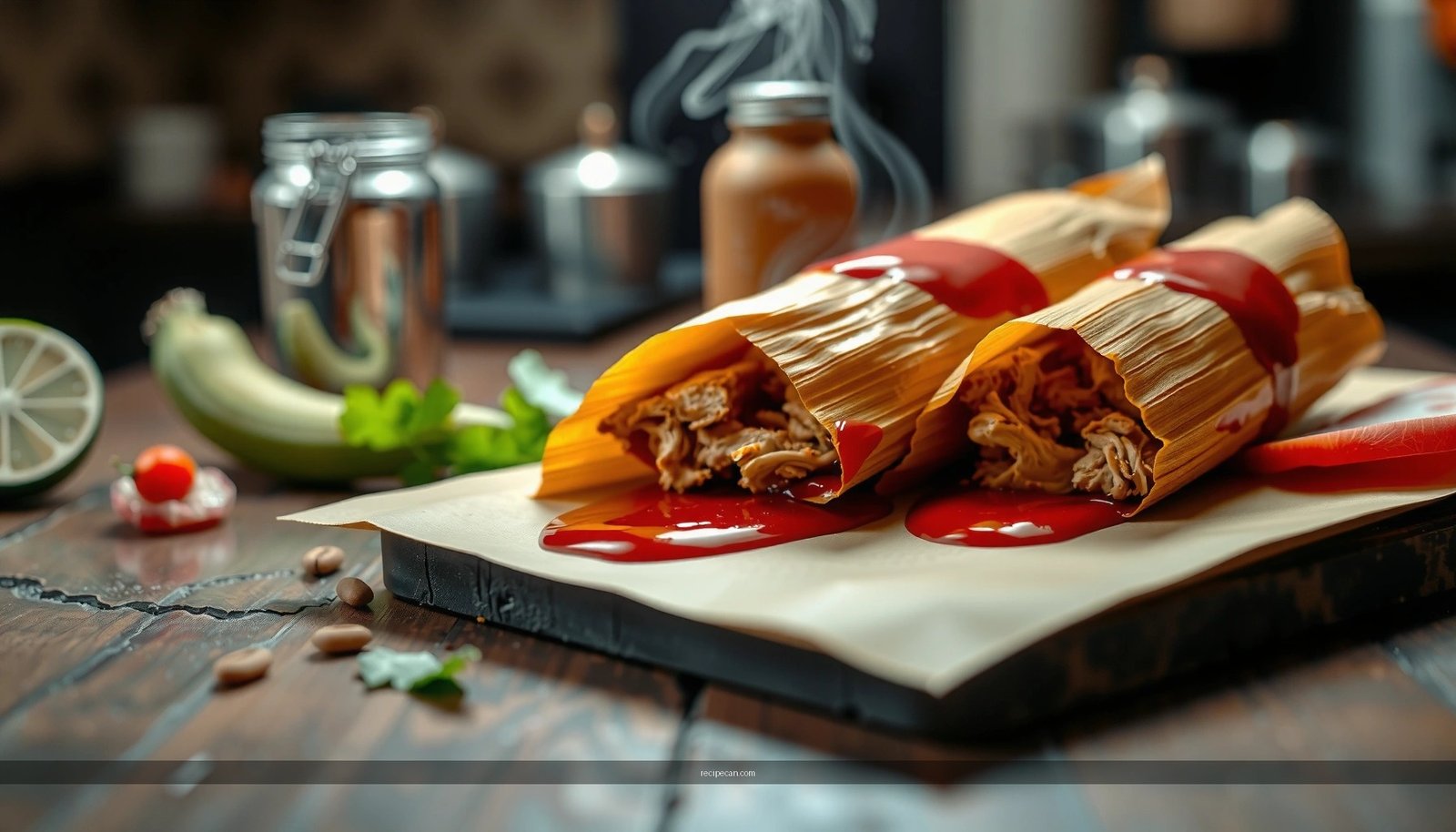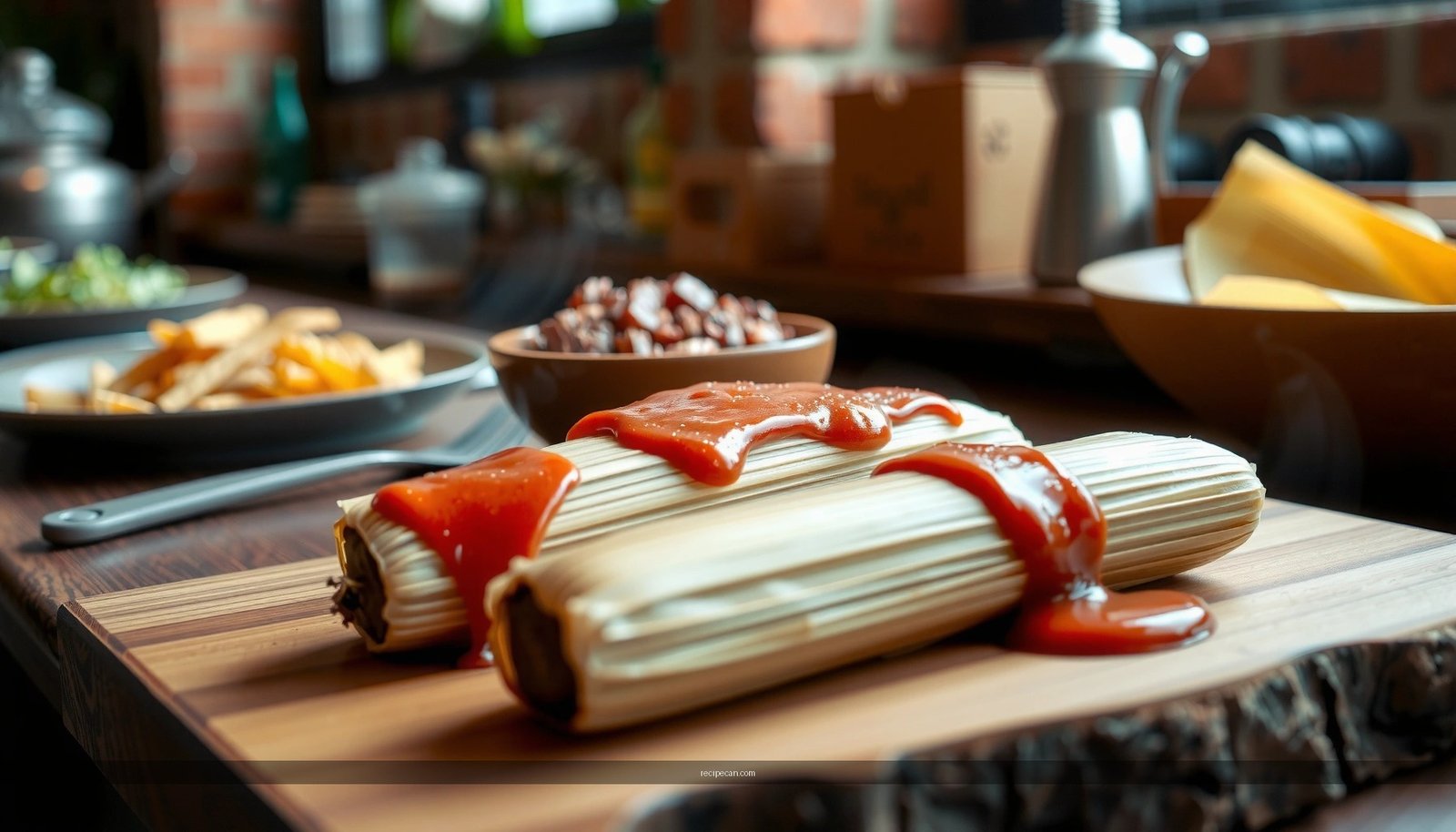
This best tamales recipe delivers perfectly tender tamales with masa that stays smooth and flavorful, using a step-by-step method you can follow from prep to steam. It answers the one question that matters—how to make tamales right the first time—so every batch holds together and tastes like a classic. If you want the winning approach, this guide walks you through each stage with clear timing and technique.
The fastest way to guarantee excellent tamales is to nail the masa consistency and steam long enough for the dough to fully set—then season your filling so every bite tastes complete. In this guide, you’ll learn how to make flavorful masa, properly cook and season pork (or chicken/vegetarian fillings), assemble with corn husks that fold cleanly, and steam until tender and ready to serve.
The best tamales recipe is all about the right masa consistency and perfectly cooked pork (or filling) wrapped in ready-to-use corn husks. In this guide, you’ll learn how to make flavorful masa, season your filling, assemble, and steam tamales until tender and ready to serve.
Choose Your Tamales Ingredients
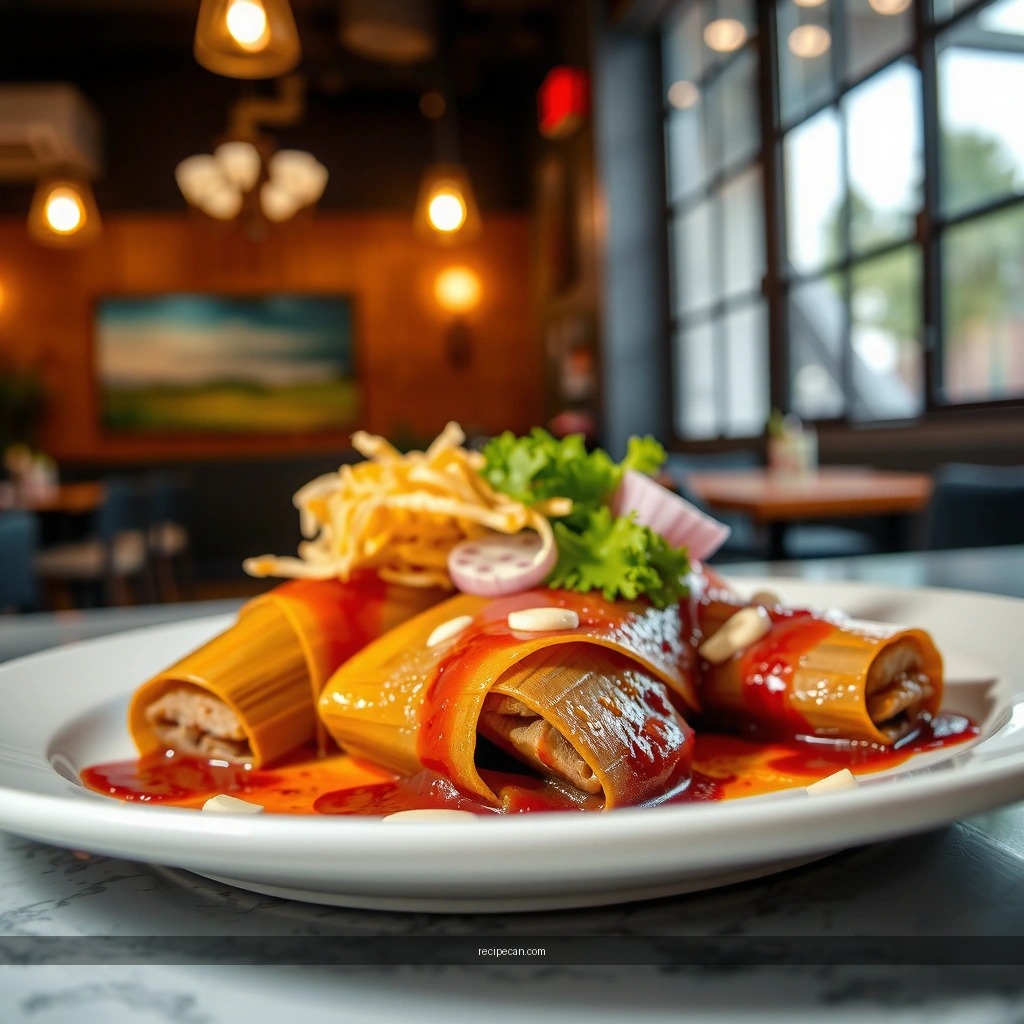
– Pick your filling (pork, chicken, or vegetarian) and gather seasonings
– Use fresh masa or high-quality masa harina for the best texture
Start by deciding your filling first—because your seasoning strategy should match the fat, moisture level, and cooking time you’re planning. Traditional pork tamales are rich and deeply savory; chicken tamales are lighter but still bold; vegetarian tamales need extra attention to seasoning because beans, vegetables, and mushrooms can otherwise taste “muted” compared with meat.
What to buy (and why it matters):
– Masa harina (masa dough base): Use fresh masa if available, but if you buy masa harina, choose a high-quality brand intended specifically for tamales. Consistency depends on the masa brand and grind.
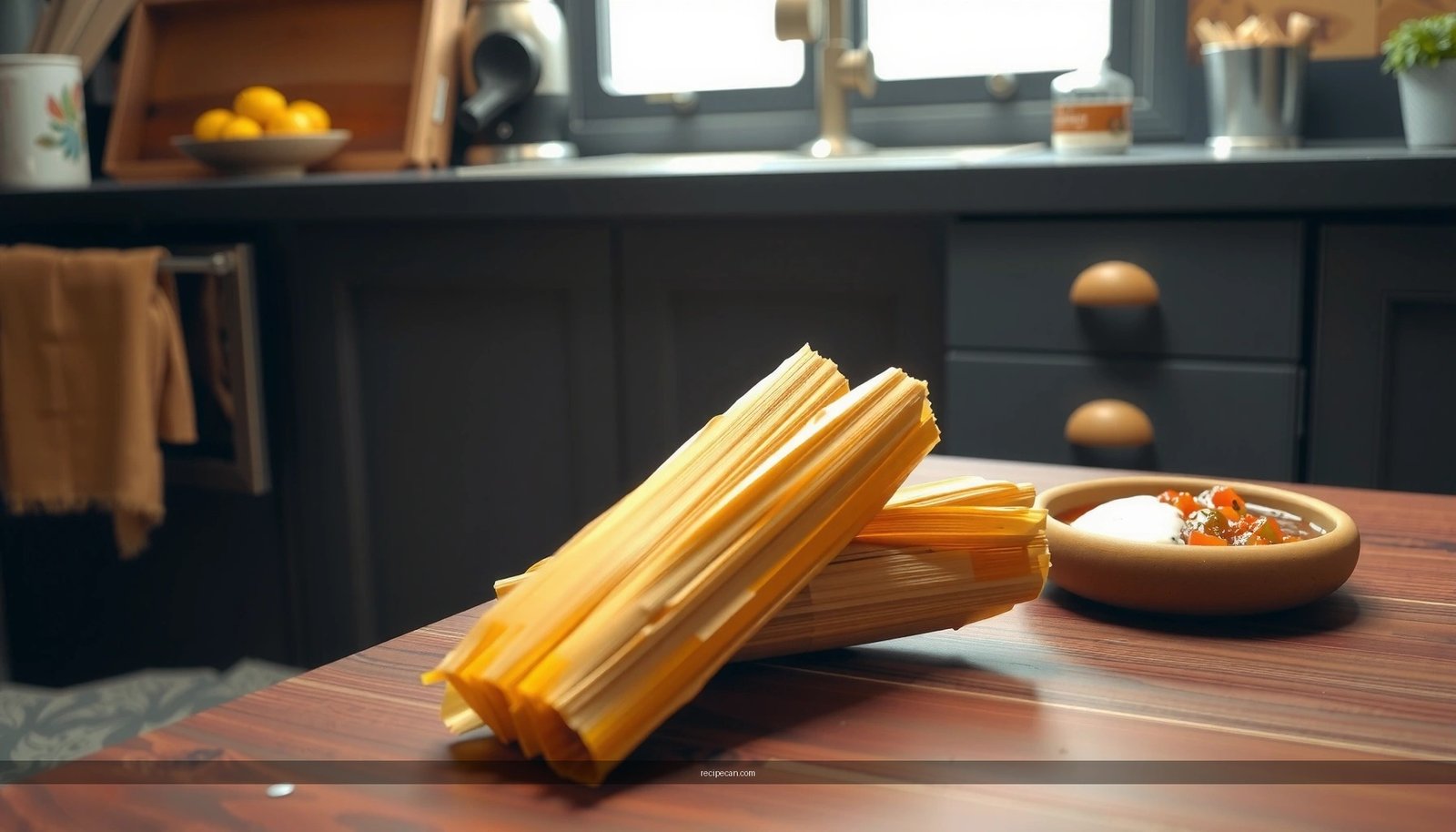
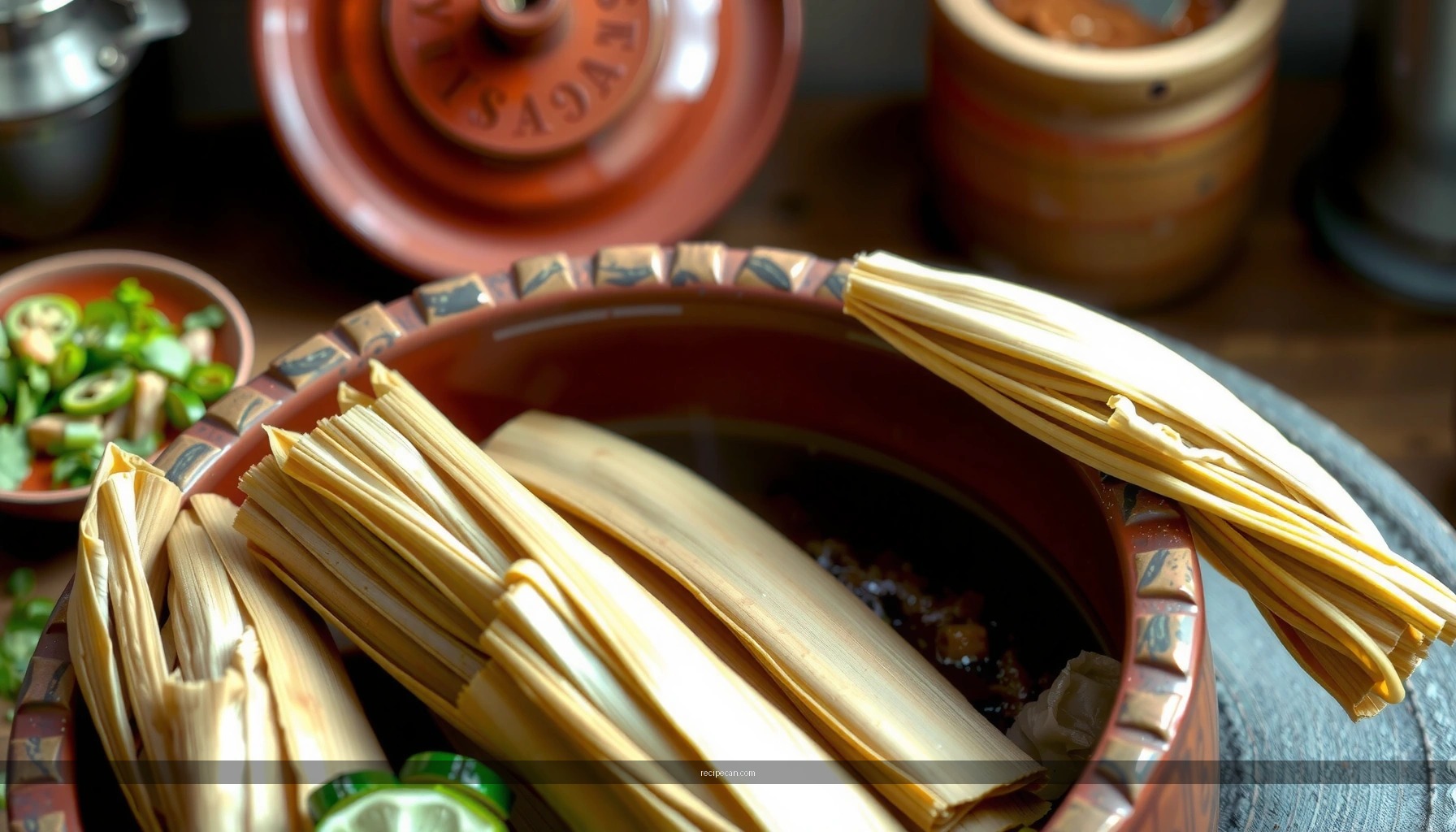
– Corn husks: Use dried husks (classic) or pre-soaked/ready corn husks. If husks tear or don’t soften, tamales won’t assemble cleanly, which can lead to uneven steaming.
– Fat for masa: Lard or a high-quality neutral fat is what gives tamales their traditional tender texture. Fat also helps carry chile and spice flavors through the dough.
– Broth instead of plain water: Broth (chicken or pork) improves aroma and reduces the “bland dough” problem that happens when masa isn’t seasoned.
Filling seasoning essentials to plan:
– Chiles + aromatics: Chile-based sauces (like red chile) and aromatics (garlic, onion) create the tamales’ signature depth.
– Acid and balance: A small amount of vinegar or citrus (or a sauce with natural tang) keeps the filling from tasting heavy.
– Salt early, taste late: You want a seasoned filling at the end, but salt should be added in stages to build flavor without oversalting.
Quick sourcing checklist:
– Masa harina or fresh masa
– Corn husks
– Pork shoulder (or chicken thighs) / or vegetarian filling mix
– Chiles (dried or chile paste), garlic, onion, broth
– Bay leaf or Mexican oregano (optional but effective)
– Salt, pepper, cumin/paprika (to taste)
Make the Masa (Dough) Correctly
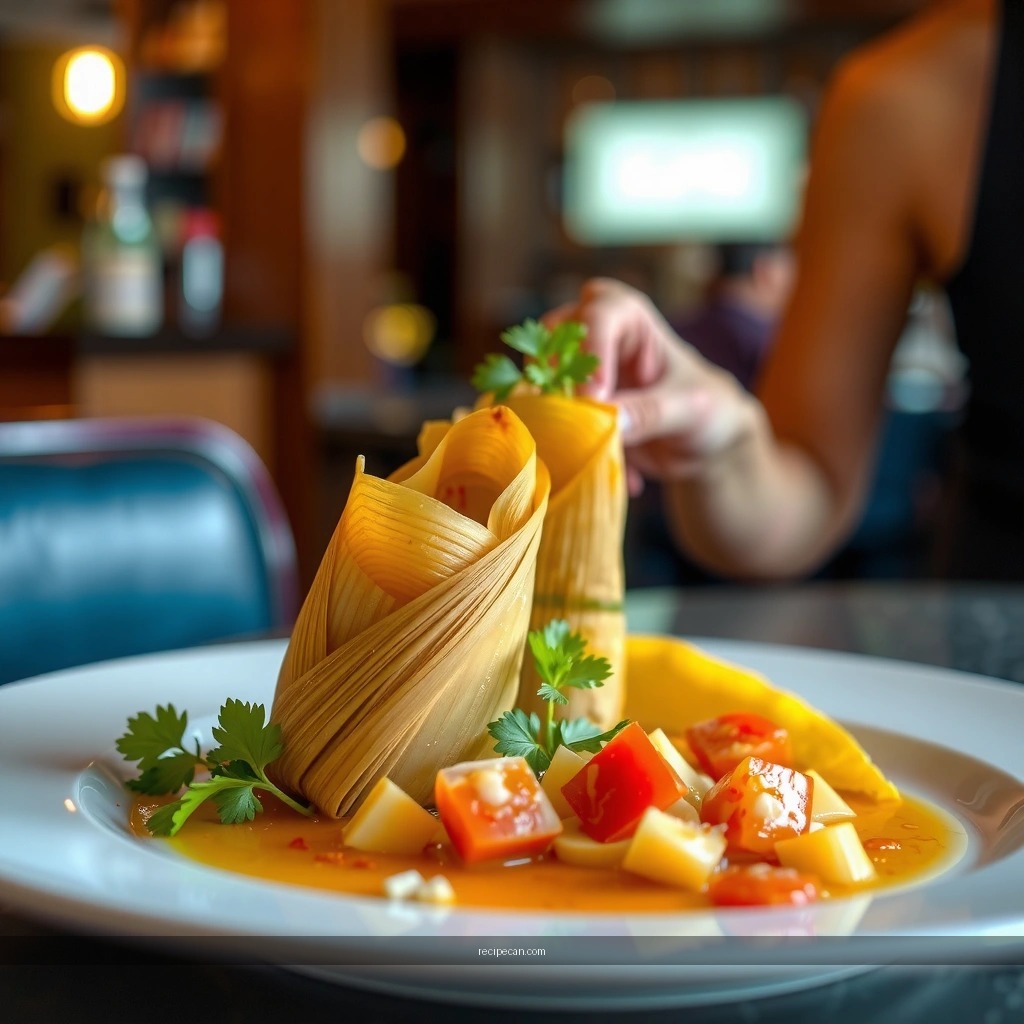
– Mix masa with broth and fat until smooth and spreadable
– Season the masa well and adjust consistency as needed
The masa is the core of a perfect tamales recipe. If your masa is too stiff, it will steam poorly and feel dense; if it’s too loose, it can smear, tear, or fail to set correctly. Think “spreadable frosting,” not bread dough.
A reliable masa workflow:
1. Start with hydration: Mix masa harina with warm broth (not boiling). Warm liquid helps the masa hydrate faster and reduces lumps.
2. Add fat gradually: Beat in lard (or your chosen fat) until the dough becomes lighter and smoother. This step improves both texture and flavor distribution.
3. Season with intention: Salt is essential, and you should also season with subtle spices (often ground cumin, Mexican oregano, or mild garlic/onion notes depending on your filling).
Consistency test (do this every batch):
– Spread test: When you spread masa on a softened husk, it should form a smooth layer without breaking.
– Thickness target: Aim for about 3–5 mm (¼ inch) thick where you’ll place filling.
– Spoon/paddle feel: If you lift the spoon or spatula, well-mixed masa should hold a shape briefly before relaxing into a smooth, even surface.
Common masa issues (and fast fixes):
– Too thick: Add warm broth a tablespoon at a time, then re-beat for 30–60 seconds.
– Too loose: Add masa harina in small amounts, then re-mix. (Avoid adding flour—masa harina is the correct base.)
– Lumpy: Continue beating. If you still see dry granules, let the dough rest 10 minutes, then beat again.
Seasoning tip for business-level consistency:
Taste the masa mixture before assembling. Many home cooks skip this step, but it’s the simplest way to prevent “salty filling, bland dough” or “great dough, under-seasoned interior.” Your goal: masa that tastes slightly more seasoned than you’d expect from a plain side dish, because mild flavors read even more softly once steamed.
Prepare the Filling
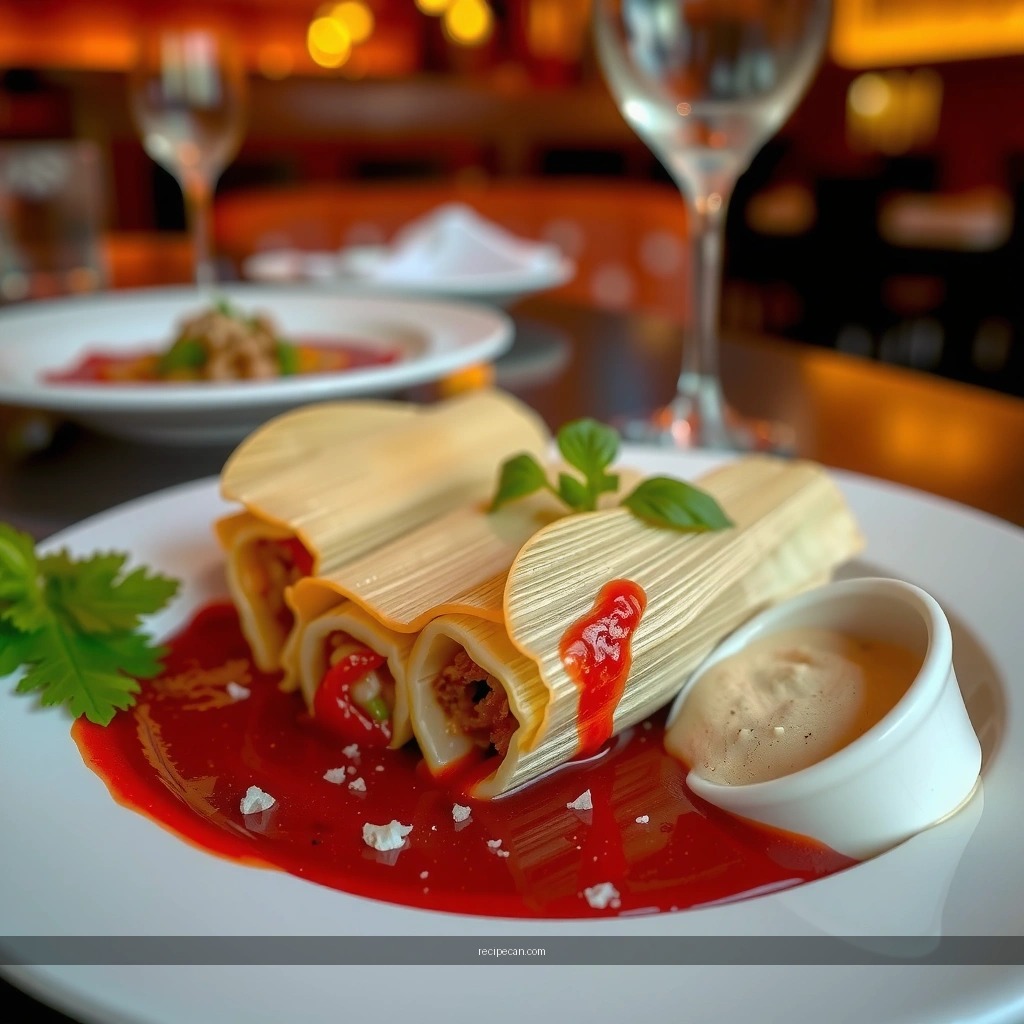
– Cook and season your meat until tender, then shred and combine with sauce
– Taste and fine-tune seasoning before assembling tamales
Filling quality determines whether your tamales taste “authentic” or merely “assembled.” Pork shoulder (or pork butt) is ideal because it becomes tender enough to shred, then holds chile sauce well.
For chicken tamales, use thighs for better moisture and shredding consistency. For vegetarian tamales, your filling should be saucy enough to distribute flavor but thick enough to stay contained in the husk.
Pork filling method (classic braise approach):
1. Brown for flavor: Sear pork to deepen color and build foundational savoriness.
2. Simmer with aromatics: Add onion, garlic, bay leaf, and a chile sauce base or chile-infused liquid.
3. Cook until shreddable: You want pork that shreds without resistance and feels moist.
4. Shred and combine: Shred, then mix with sauce until the filling looks glossy and cohesive.
5. Taste and adjust: This is your final seasoning checkpoint. Add salt, and if needed, add a small pinch of sugar to tame chile heat.
Use doneness targets to avoid bland or dry filling.
Below is a practical guide for braised pork used in tamales, based on how pork texture changes across internal temperature ranges and what it means for shredding and saucing.
Braised Pork Doneness Guide for Tamale Filling (Practical Targets)
| # | Pork Internal Temp (°F) | Texture Result | Shreddability for Tamales | Tamale Filling Outcome |
|---|---|---|---|---|
| 1 | 160–165 | Moist but firm | Low | Can feel chewy |
| 2 | 165–170 | Beginning to break down | ★★☆☆☆ | Shreds unevenly |
| 3 | 170–175 | Tenderizing improves | ★★★☆☆ | Acceptable, but longer best |
| 4 | 175–185 | Very tender, moist | ★★★★☆ | Great shredding |
| 5 | 185–190 | Pull-apart texture | ★★★★★ | Best tamale filling |
| 6 | 190–198 | Extremely tender | ★★★★★ | Excellent if not dried |
| 7 | ≥200 | Can become dry/stringy | Risky | Salvage with extra sauce |
Sauce thickness matters:
If the filling is too watery, it can leak during steaming. If it’s too thick, it may not distribute evenly. Your goal is a sauce that clings to shredded meat—think “stir and coats,” not “pool and separate.”
Assemble and Wrap Tamales
– Soften corn husks so they fold easily and don’t tear
– Spread masa, add filling, and fold securely for even steaming
Assembly is where careful technique turns good ingredients into truly consistent tamales. Uneven wrapping causes uneven steam exposure—so aim for uniform thickness and clean seals.
Soften husks properly:
– Soak dried corn husks in warm water until pliable (often 30–60 minutes depending on thickness).
– Remove husks and pat lightly so excess water doesn’t dilute the masa on contact.
Assemble with a repeatable method:
1. Lay husk smooth side up and remove any thick, hard edge if needed.
2. Spread masa into an even layer (about 3–5 mm thick).
3. Add a line or small mound of filling near the center (don’t overstuff).
4. Fold sides inward, then roll or fold into your chosen shape.
5. If tying isn’t part of your style, press seams gently to help them stay closed.
Filling amount guidance:
– Overfilling is the #1 assembly mistake. If filling pushes out, it can create gaps and impede steam penetration.
– Underfilling may lead to a tamale that’s mostly dough—great masa but disappointing flavor distribution.
Performance tip for groups:
If you’re producing many tamales, keep a consistent “assembly rhythm.” Batch your steps: soak husks, portion masa, portion filling, then wrap. This reduces variation in masa hydration and prevents husks from drying out mid-assembly.
Steam Tamales for Tender Results
– Steam in batches with water maintained at a steady level
– Check doneness using the masa pulling away from the husk
Steaming is where timing precision matters. If the pot runs dry or temperature dips, tamales cook unevenly. If steaming is too short, masa can feel pasty and clingy to the husk.
Set up for stable steam:
– Use a steamer insert and a tight-fitting lid.
– Keep water at a steady level—enough to generate continuous steam but not so much that water reaches the top tamales.
– Steam in batches if your steamer is crowded; overcrowding lowers effective heat and extends cook time unpredictably.
How to test doneness (visual + tactile):
– The most reliable sign is when the masa pulls away from the husk edges.
– Masa should feel fully set when pressed gently through the husk.
– If masa still looks wet or sticks tightly, steam longer (often 15–30 minutes) and re-check.
Typical cook time ranges (real-world expectations):
– Many pork tamales finish in roughly 1.5–2.5 hours, depending on size, masa thickness, and pot capacity.
– Chicken tamales often run similar times, especially if the filling has been pre-cooked and shredded. Vegetarian tamales can vary more depending on how saucy the filling is.
Batch-to-batch control:
Start a timer when the steamer returns to a steady boil/active steam. For consistent results, avoid repeatedly opening the lid. If you must check, do it quickly.
Serve and Store Your Tamales
– Let tamales rest briefly, then serve with salsa, crema, or sauce
– Cool, refrigerate, or freeze for easy reheating later
Proper serving and storage preserve the texture you worked for. Tamales can look “done” while still finishing texture development as they rest.
Serving best practices:
– Rest tamales 10–15 minutes after steaming so steam settles and masa firms slightly.
– Serve with classic toppings:
– Salsa (red or salsa verde): adds brightness
– Crema or Mexican crema: rounds heat and adds richness
– Extra chile sauce: for deeper flavor cohesion
– If you’re hosting, keep tamales wrapped and covered to slow heat loss.
– Refrigerate: Cool completely, then store airtight. Tamales typically keep for several days.
– Freeze: Wrap individually or in meal-size portions, then freeze airtight.
– Reheat without drying: Steam or reheat gently. Microwaving can work, but steaming helps prevent the masa from stiffening.
Quality control when reheating:
– Add a light touch of sauce when warming (especially for pork or chicken) to rehydrate the filling’s top layer.
– Avoid overheating—your goal is warmed-through, not dried-out.
The best tamales recipe comes down to well-seasoned masa, flavorful filling, and consistent steaming time. Follow these steps, taste as you go, and you’ll get tamales that are tender, fragrant, and ready for any gathering—try your first batch this week and tweak flavors to your liking.
Frequently Asked Questions
What is the best tamales recipe for beginners?
A great beginner best tamales recipe uses pork in a simple chili sauce, masa harina with warm broth, and clear step-by-step assembly. Focus on making smooth masa (not too wet or dry) and seasoning the filling well so the flavor is balanced. Using corn husks that have been soaked and then drained prevents tearing and helps tamales steam evenly. If you’re new, plan for extra time and test doneness with a quick “pull” on the husk once the tamales are fully steamed.
How do I make authentic-tasting tamales from scratch at home?
Start by soaking corn husks, then cook your filling—commonly pork or chicken—with spices and a chile sauce like guajillo or ancho for authentic flavor. For the masa, mix masa harina with warm broth and fat (lard or vegetable shortening) until the texture is spreadable and holds shape. Spread masa on the husk, add filling, fold, and steam until firm and fragrant. Proper steaming is key: keep steady water level and avoid opening the pot too often.
Why do my tamales turn out dry or dense?
Dry or dense tamales usually come from masa that’s too dry, insufficient fat, or under-steaming. Make sure you mix masa harina with warm broth gradually and stop when the dough feels soft and pliable, not crumbly. If the masa breaks or doesn’t spread well, add a little more warm broth; if it feels sticky, add small amounts of masa harina. Also, steam long enough so the masa fully sets and binds with the filling.
Which chile sauce is best for pork tamales?
Many people consider a guajillo–ancho chile sauce one of the best options because it delivers a balanced smoky, mild-to-medium heat profile. Toast chiles lightly, rehydrate them in hot water, then blend with garlic, onion, salt, and a bit of broth to make a smooth sauce. Simmer the sauce with the cooked pork until thickened so it clings well to the filling. Taste and adjust salt and consistency—an overly thin sauce can make tamales watery.
What’s the best way to tell when tamales are done steaming?
Tamales are typically done when the masa firms up and pulls away slightly from the husk edges, and the center feels set rather than doughy. A common method is to open one tamale and check the masa texture—if it’s fully hydrated and not gummy, they’re ready. Keep steaming in 15–30 minute increments if needed, since steaming times vary by tamale size and pot size. Once done, let them rest for a short time before serving so the best tamales hold their shape.
References
- Tamale
https://en.wikipedia.org/wiki/Tamale - Masa
https://en.wikipedia.org/wiki/Masa_harina - Nixtamalization
https://en.wikipedia.org/wiki/Nixtamalization - Hominy
https://en.wikipedia.org/wiki/Nixtamal - Husk
https://en.wikipedia.org/wiki/Corn_husk - https://en.wikipedia.org/wiki/Masa_(food
https://en.wikipedia.org/wiki/Masa_(food - https://www.britannica.com/topic/tamale
https://www.britannica.com/topic/tamale - Google Scholar Google Scholar
https://scholar.google.com/scholar?q=best+tamales+recipe - Google Scholar Google Scholar
https://scholar.google.com/scholar?q=how+to+make+tamales+masa+nixtamalization - Google Scholar Google Scholar
https://scholar.google.com/scholar?q=traditional+tamales+corn+dough+cooking+techniques