The best mayonnaise recipe is a simple and delicious homemade version that elevates any dish. This guide reveals how to create creamy, flavorful mayonnaise that outshines store-bought options. With just a few ingredients and minimal effort, you’ll achieve a rich texture and taste that takes your culinary creations to the next level. Say goodbye to bland condiments and embrace the unbeatable freshness of homemade mayonnaise.
Making the best mayonnaise at home is easier than you might think, and it only requires a few simple ingredients. This creamy, rich condiment can elevate your sandwiches, salads, and dips to a whole new level. In this article, you’ll learn how to create the perfect homemade mayonnaise, plus tips and variations to customize it to your taste.
Essential Ingredients for Homemade Mayonnaise
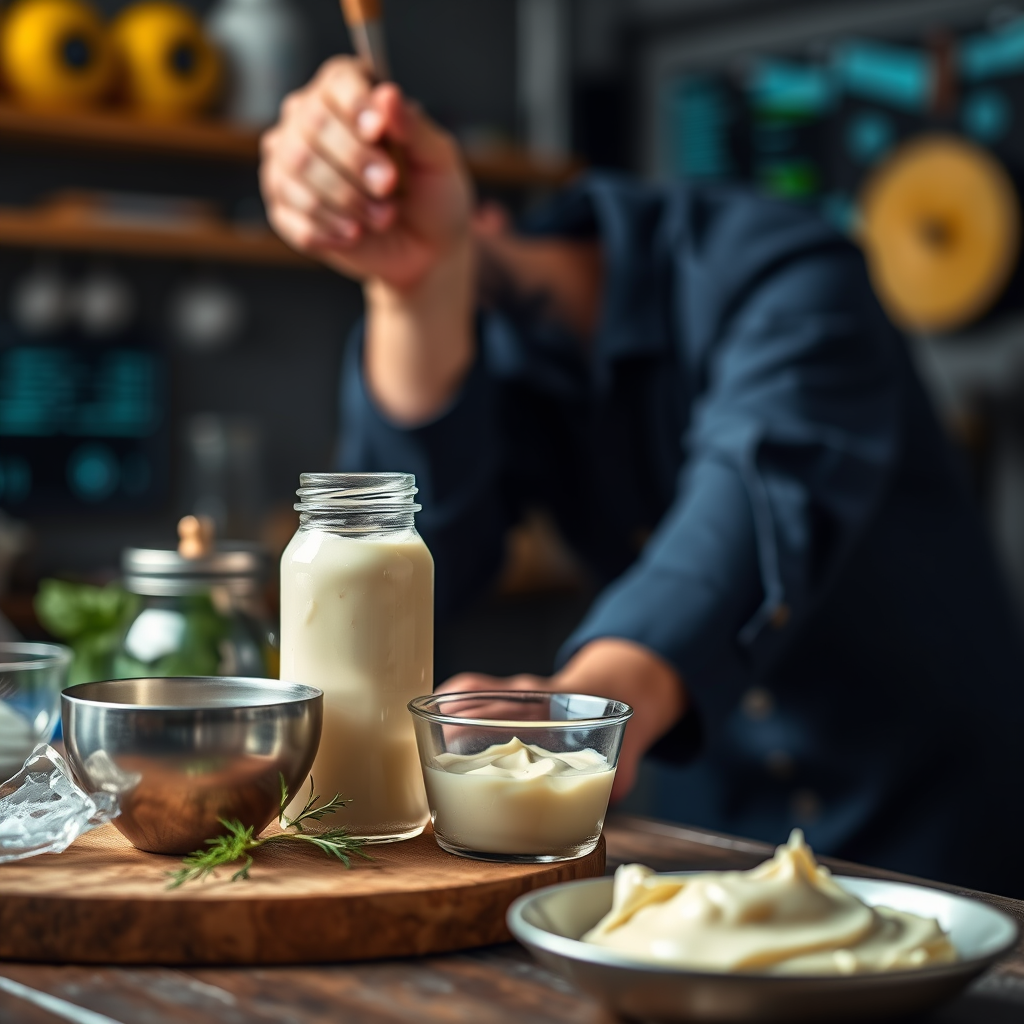
To create a delicious mayonnaise, it’s crucial to use high-quality ingredients. Here are the essentials:
– Fresh Eggs: Use room temperature eggs to facilitate better emulsification. The yolk acts as an emulsifier, helping to blend the oil and acid smoothly.
– Oil Choice: Opt for a neutral oil like canola or a light olive oil. These oils provide the necessary fat content without overpowering the flavor of the mayonnaise. Extra virgin olive oil can also be used for a richer flavor, but it should be balanced with a neutral oil to prevent bitterness.
– Acid: A splash of acid, like lemon juice or vinegar, adds brightness and enhances the overall flavor profile. This acidity not only contributes to taste but also helps prevent the mayonnaise from becoming too fatty.
Step-by-Step Instructions

Creating homemade mayonnaise is a straightforward process when you follow these steps:
– Whisking: Begin by whisking the egg yolk and acid together in a bowl until they are well combined. This initial step is critical as it prepares the yolk to emulsify the oil effectively.
– Gradually Add Oil: With continuous whisking, slowly drizzle in the oil. It’s important to add the oil very gradually, especially at the beginning. This allows the oil to emulsify with the egg yolk and acid, forming a stable mixture.
– Season: Once the mixture thickens to your desired consistency, season with salt and adjust the acidity with more lemon juice or vinegar to taste. The seasoning is essential to enhance the overall flavor of your mayonnaise.
Common Mistakes to Avoid
When making mayonnaise, it’s essential to be aware of common pitfalls that can hinder your success:
– Using Cold Ingredients: Always ensure your eggs and oils are at room temperature. Cold ingredients can inhibit emulsification, leading to a broken mayonnaise.
– Adding Oil Too Quickly: Pouring oil too fast can disrupt the emulsification process and result in a runny mixture. A slow and steady addition is key.
– Not Whisking Enough: Proper mixing is crucial for achieving the desired creamy texture. Insufficient whisking can lead to a separation of ingredients.
Flavor Variations to Try

Once you master the basic mayonnaise recipe, consider these delicious variations to enhance your homemade condiment:
– Garlic Mayo: For an aioli twist, simply add minced garlic or garlic powder to your base recipe. This is perfect for sandwiches or as a dip for fries.
– Herbs: Incorporate fresh herbs like basil, dill, or parsley for a vibrant, garden-fresh flavor. These can be added directly to the mayonnaise for a herb-infused taste.
– Spices: Experiment with spices such as paprika, cayenne pepper, or curry powder to give your mayonnaise a unique kick. These additions can transform your mayo into a flavorful spread for various dishes.
Top 7 Mayonnaise Brands by Popularity (2024)
| # | Brand | Type | Calories per Serving | Popularity Rating |
|---|---|---|---|---|
| 1 | Hellmann’s | Classic | 90 | ★★★★☆ |
| 2 | Duke’s | Southern | 100 | ★★★★★ |
| 3 | Best Foods | Classic | 90 | ★★★★☆ |
| 4 | Kraft | Zesty | 80 | ★★★☆☆ |
| 5 | Sir Kensington’s | Organic | 100 | ★★★★☆ |
| 6 | Hellmann’s Vegan | Vegan | 70 | ★★★★☆ |
| 7 | Paleo Mayo | Paleo | 150 | ★★☆☆☆ |
Storage Tips for Homemade Mayonnaise

Proper storage is essential to ensure the freshness and safety of your homemade mayonnaise:
– Refrigeration: Store your mayonnaise in an airtight container in the refrigerator. It is best consumed within one week for optimal freshness.
– Freezing: While freezing is generally not recommended due to potential changes in texture, you can freeze mayonnaise for longer storage if necessary. Just be aware that it may separate upon thawing.
– Use Clean Utensils: To prevent contamination and extend the shelf life of your mayonnaise, always use clean utensils when scooping it out of the container.
Serving Suggestions
Homemade mayonnaise can be used in various delightful ways:
– Sandwiches: Use mayonnaise as a spread to add creaminess and flavor to your sandwiches. It pairs beautifully with meats, vegetables, and cheeses.
– Dips: Mix mayonnaise with herbs, spices, or even yogurt to create a quick and delicious dip for your favorite vegetables or chips.
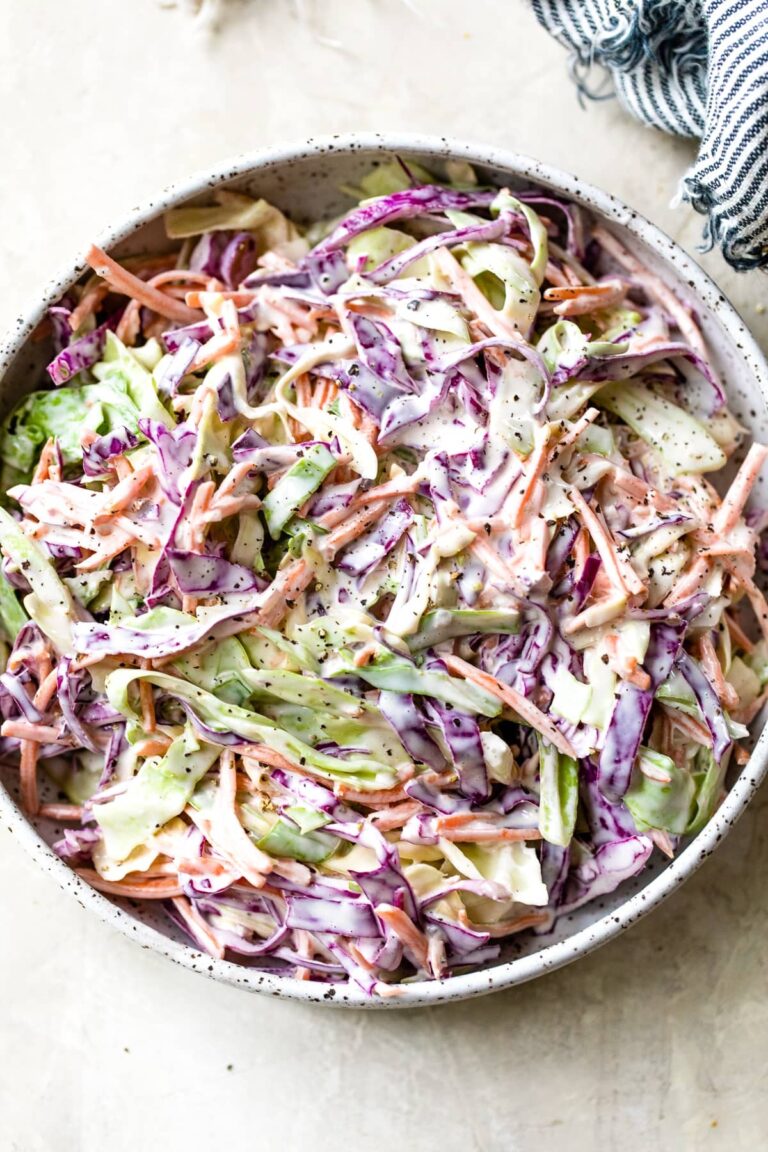
– Salad Dressings: Combine your mayonnaise with other ingredients like mustard, honey, or yogurt to create a creamy dressing for salads or coleslaw.
Homemade mayonnaise is a simple yet versatile condiment that can elevate many dishes. By following these steps and tips, you can create a delicious version right in your kitchen. Don’t hesitate to experiment with flavors and enjoy the satisfaction of making your own mayo!
Frequently Asked Questions
What are the key ingredients for the best mayonnaise recipe?
The best mayonnaise recipe typically includes just a few key ingredients: fresh egg yolks, a neutral oil (such as canola or sunflower), Dijon mustard, vinegar or lemon juice, and salt. The combination of these ingredients creates a creamy texture and rich flavor, making homemade mayonnaise superior to store-bought versions.
How can I make homemade mayonnaise without eggs?
To make an eggless mayonnaise, you can use silken tofu or aquafaba (the liquid from canned chickpeas) as a base. Blend these alternatives with oil, vinegar or lemon juice, mustard, and seasonings until smooth. This approach provides a similar creamy consistency and flavor, perfect for those with egg allergies or dietary restrictions.
Why does my homemade mayonnaise keep separating?
Homemade mayonnaise can separate if the oil is added too quickly or if the mixture is not emulsified properly. To prevent this, add the oil very slowly at first while whisking or blending continuously to allow the ingredients to emulsify fully. Ensuring all ingredients are at room temperature can also help achieve a stable emulsion.
What is the best oil to use for making mayonnaise?
The best oil for making mayonnaise is a neutral-flavored oil, such as canola, vegetable, or grapeseed oil, as they won’t overpower the taste of your mayonnaise. However, if you prefer a more robust flavor, you can use extra virgin olive oil, keeping in mind that it will impart a distinct taste to your mayonnaise.
Which kitchen tools are essential for making the best mayonnaise?
To make the best mayonnaise, you’ll need a whisk or an immersion blender for emulsifying the ingredients, along with a mixing bowl. A food processor can also be useful for achieving a smooth consistency quickly. Additionally, having a measuring spoon and a spatula on hand will help you accurately measure and mix your ingredients.
References
- Mayonnaise
https://en.wikipedia.org/wiki/Mayonaisse - https://www.bbc.co.uk/food/recipes/mayonnaise_92698
https://www.bbc.co.uk/food/recipes/mayonnaise_92698 - https://www.nytimes.com/2020/05/06/dining/mayonnaise-recipe.html
https://www.nytimes.com/2020/05/06/dining/mayonnaise-recipe.html - https://www.theguardian.com/food/2020/jul/04/how-to-make-mayonnaise-recipe
https://www.theguardian.com/food/2020/jul/04/how-to-make-mayonnaise-recipe - https://www.sciencedirect.com/topics/food-science/mayonnaise
https://www.sciencedirect.com/topics/food-science/mayonnaise - X-ray ptychographic mode of self-assembled CdSe/CdS octapod-shaped nanocrystals in thick polymers…
https://www.ncbi.nlm.nih.gov/pmc/articles/PMC7312151/ - https://www.cdc.gov/nutrition/food-safety/food-safety.html
https://www.cdc.gov/nutrition/food-safety/food-safety.html - Google Scholar Google Scholar
https://scholar.google.com/scholar?q=best+mayonnaise+recipe - Google Scholar Google Scholar
https://scholar.google.com/scholar?q=homemade+mayonnaise+health+benefits - Google Scholar Google Scholar
https://scholar.google.com/scholar?q=mayo+recipe+historical+perspective