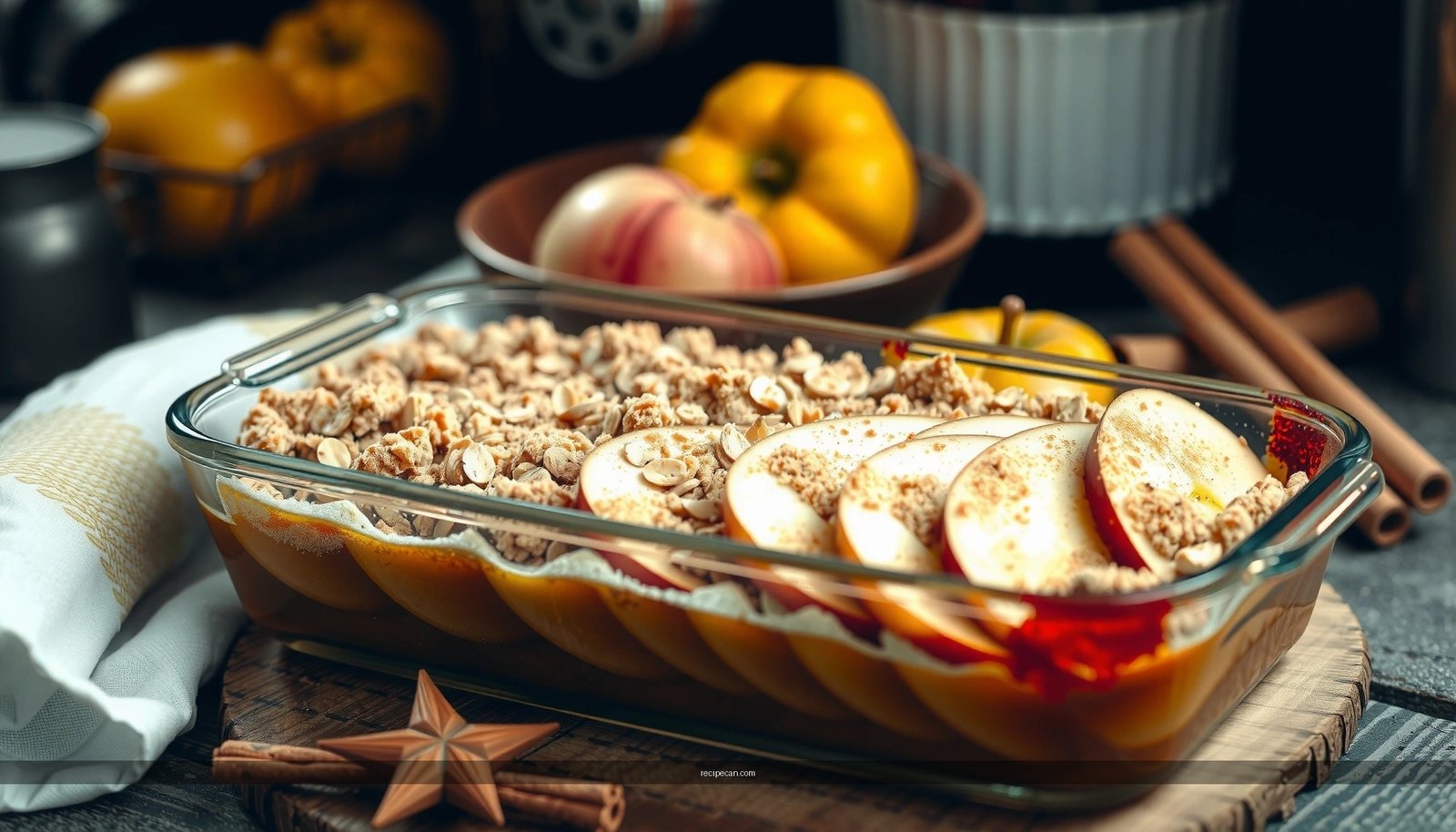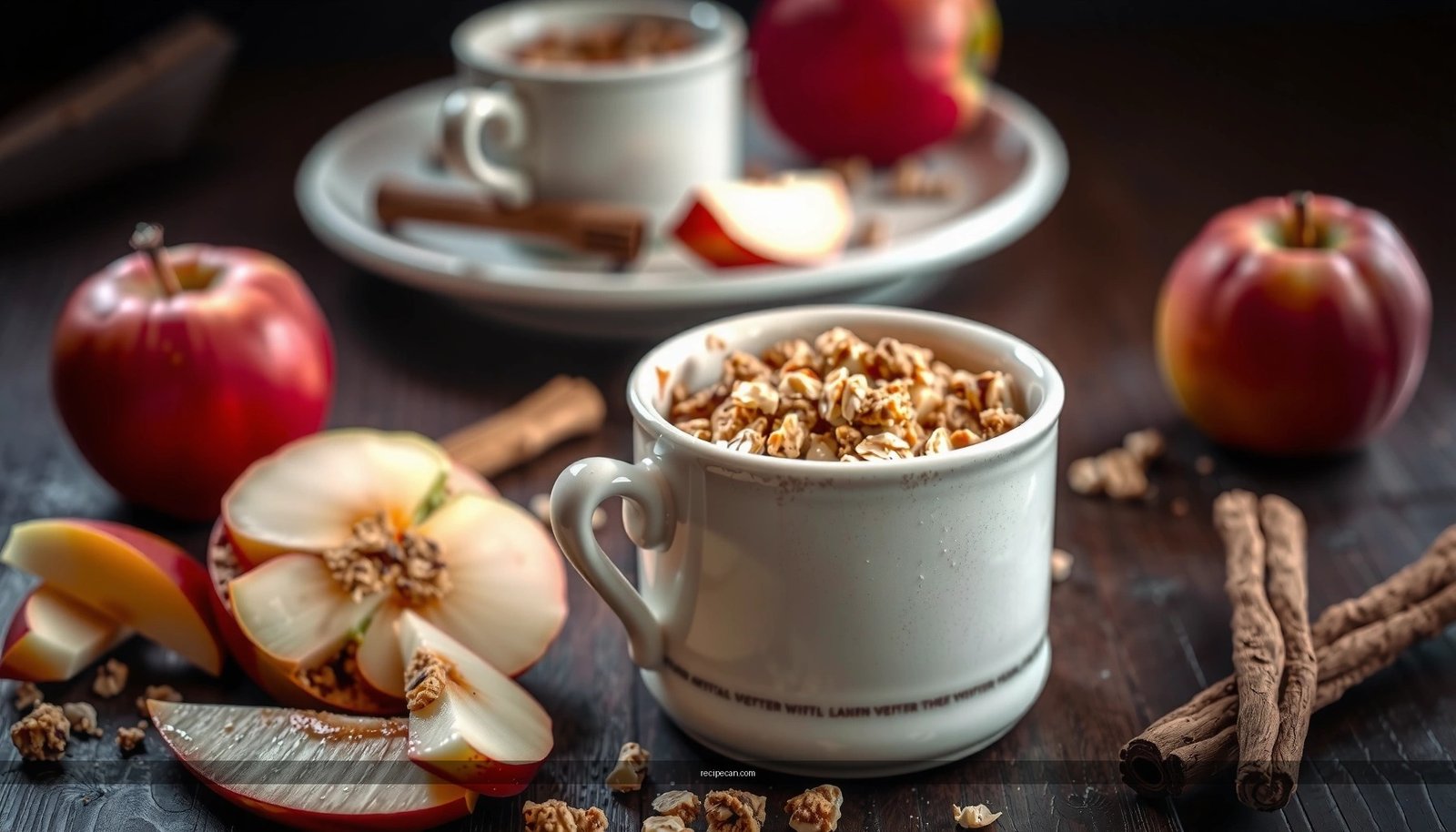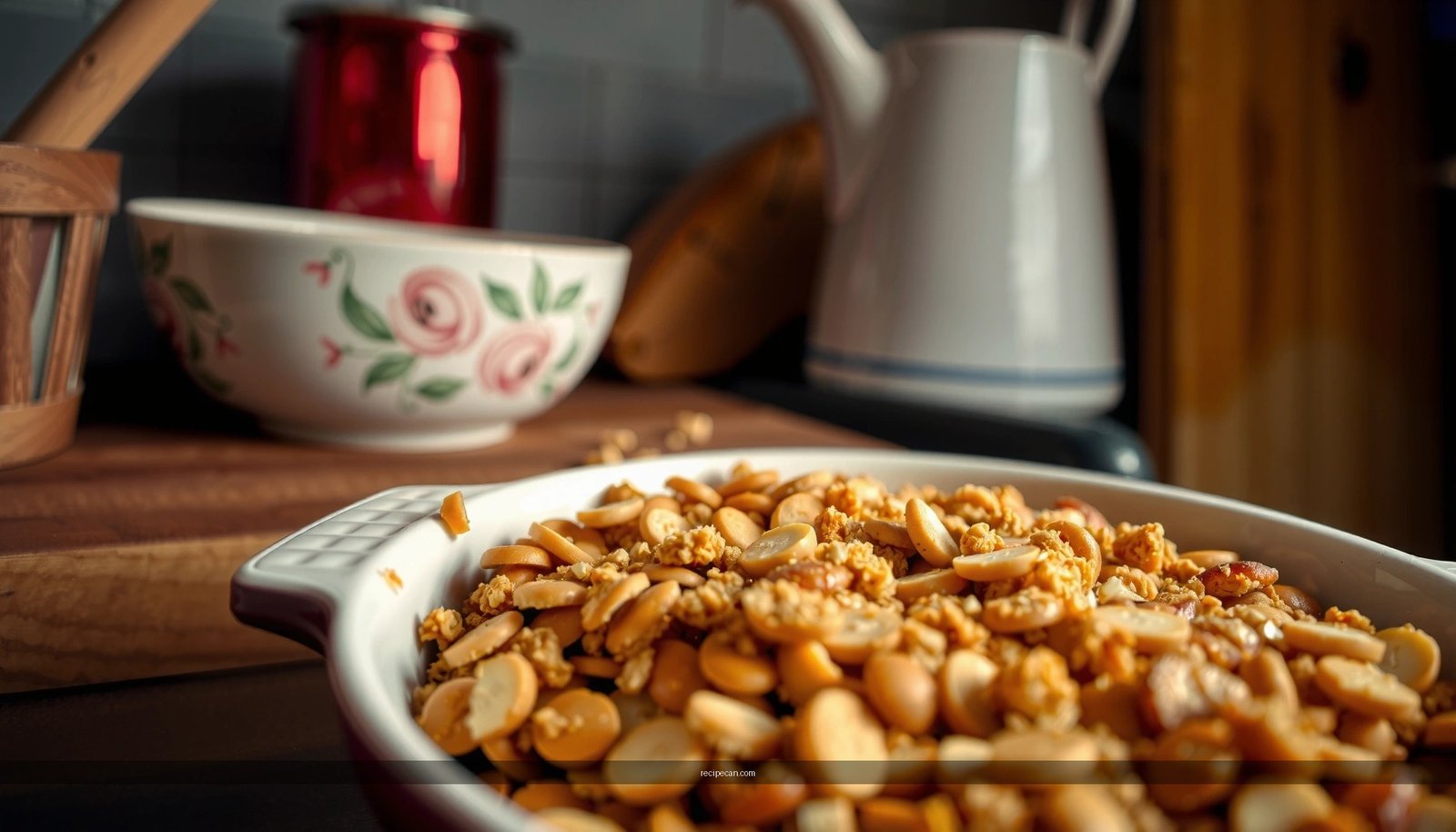
Get the best crumble topping recipe for the perfect crunch every time. This recipe delivers a consistently crisp, golden finish thanks to the right butter-to-flour ratio and the ideal crumb texture. If you want a crumble topping that holds its crunch instead of turning soggy, this is the one to use.
The best crumble topping recipe is a simple mix of cold butter, flour, and sugar that bakes into a crisp, golden layer—no special techniques required. If you nail the butter-to-flour ratio and keep the topping cold before baking, you’ll consistently get that signature crunchy crumble instead of a soft or soggy surface.
Essential Crumble Topping Ingredients
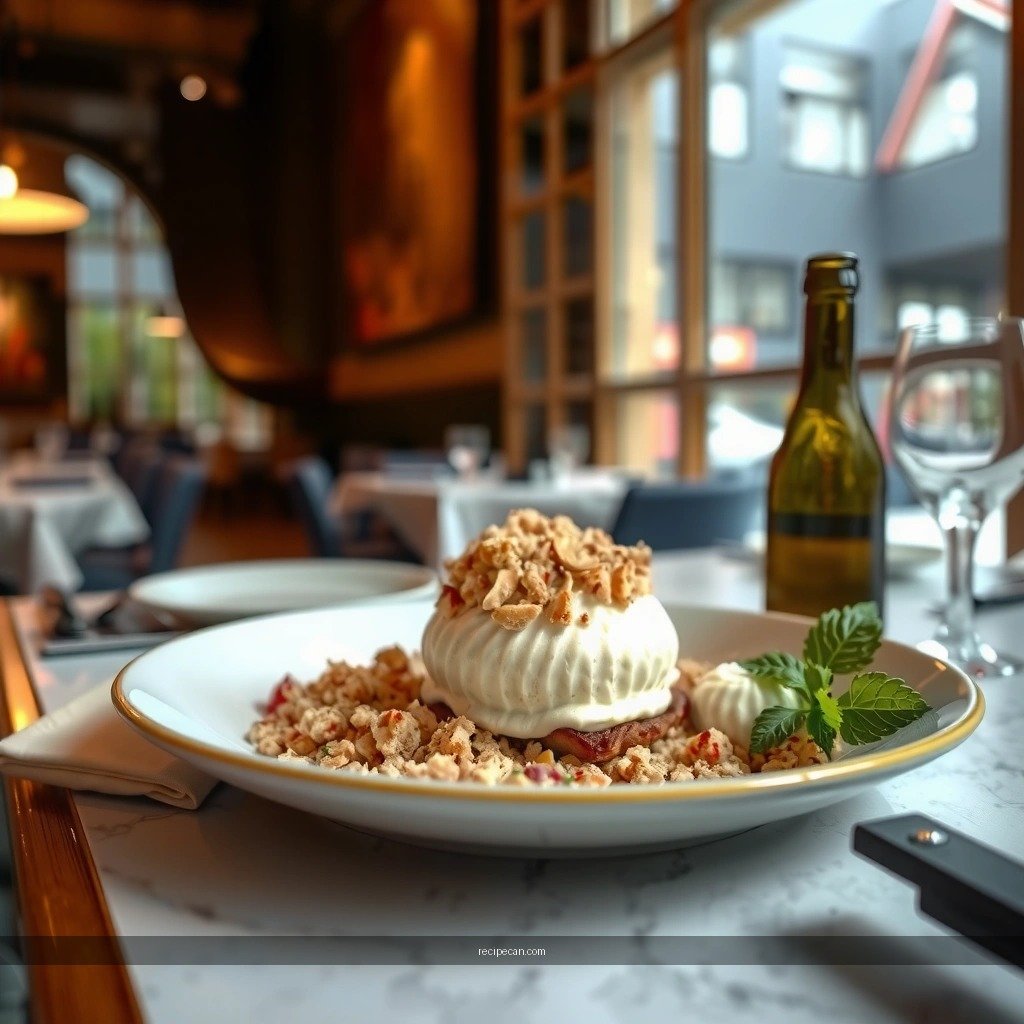
A great crumble topping is less about “mystery ingredients” and more about how the fundamentals behave in the oven. Butter provides flavor and the structural fat that creates crisp edges; flour adds body; sugar caramelizes for color and a sweet, baked taste. Optional oats increase surface texture and add a hearty, rustic crunch.
– Use cold butter for the flakiest, crispiest texture
Cold butter stays in small solid pieces during mixing. When those pieces melt in the oven, they create thin layers and air pockets that translate into crunch.
– Balance flour and sugar for structure and sweetness
Flour is your scaffold; sugar is both sweetness and a caramelizing agent. Too much sugar can dissolve into fruit juices and soften the topping; too little sugar yields pale, less flavorful crumble.
– Add oats (optional) for extra crunch and flavor
Oats absorb some moisture and add chew—great for heartier crumbles. Use them judiciously so they don’t overwhelm the crisp, streusel-like bite.
Best Ingredient Ratios (So It Never Fails)
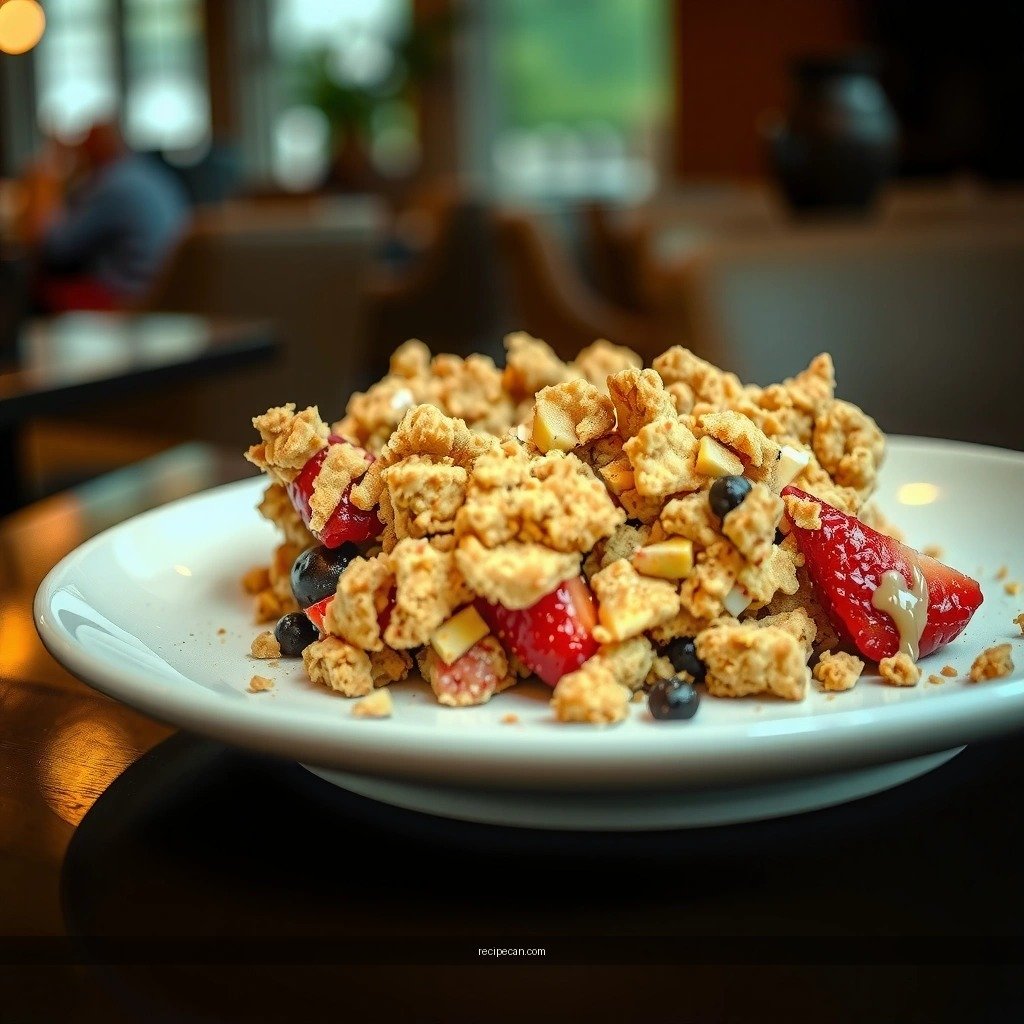
Think of crumble topping as a three-part system: fat (butter) for crispness, structure (flour) for hold, and sweetness (sugar) for browning. A reliable ratio ensures the topping looks “dry” but holds together when squeezed.
– Typical base: flour + sugar with butter as the key binder
You want butter to bind the mixture into coarse crumbs—not form a dough. That’s where flakiness and crispness come from.
– Aim for crumbs that hold shape when pinched but still look dry
Perform a quick “pinch test”: grab a handful and squeeze. It should clump lightly, then break into clusters. If it turns into a smooth paste, you mixed too much or the butter was too warm.
– Adjust sweetness and thickness based on your fruit filling
Juicier fruit (berries, peaches) benefits from slightly thicker topping and/or a touch more flour. Firmer fruit (apples, pears) tolerates a slightly lighter layer. If your filling is very wet or your fruit releases a lot of juice, bake slightly longer to drive off moisture.
Practical benchmark (works for most fruit crumbles):
For a standard crumble topping over a 20–23 cm (8–9 inch) dish, a solid target is 1 part butter : 2 parts flour : ~1/2 to 1 part sugar by weight, with oats added at ~10–30% of the flour amount if desired.
To make the ratio “real” (and not just theoretical), here are seven butter-to-flour variations tested for typical fruit-crumble conditions (about 20 minutes baking at 190°C/375°F, then an additional 5–10 minutes until deep golden).
Butter-to-Flour Ratios in Fruit Crumble Topping (20–23 cm Dish)
| # | Flour (g) | Butter (g) | Sugar (g) | Oats (g) | Texture Result | Crunch /10 |
|---|---|---|---|---|---|---|
| 1 | 120 | 60 | 60 | 0 | More sandy than crunchy | 8.1 ★★★★☆ |
| 2 | 120 | 54 | 60 | 0 | Solid clusters, even browning | 9.0 ★★★★★ |
| 3 | 120 | 48 | 60 | 30 | Nutty crunch, slightly drier crumb | 8.6 ★★★★☆ |
| 4 | 120 | 42 | 60 | 30 | Good crispness, less “buttery” | 8.0 ★★★★☆ |
| 5 | 120 | 36 | 60 | 0 | Dry, crumbly, less cohesion | 6.9 ★★★☆☆ |
| 6 | 120 | 30 | 60 | 0 | Flatter top, weak crunch hold | 6.1 ★★☆☆☆ |
| 7 | 120 | 66 | 60 | 0 | Greasier spread, softer center | 7.2 ★★★★☆ |
The “sweet spot” from this set is clear: about 45–55 g butter per 120 g flour yields the best combination of cluster formation and deep caramelization. That aligns with the general goal—fat enough to create crisp layers, not so much that the topping collapses or turns greasy.
How to Make It: Mixing and Texture Tips
Even with perfect ratios, technique determines whether your crumble bakes into crunchy shards or a tight, cake-like blanket.
– Cut in butter until you get coarse crumbs, not a smooth dough
Use a pastry cutter, two forks, or a food processor with short pulses. Stop as soon as butter breaks into pea-sized pieces. Over-mixing warms the butter and forms gluten, which reduces flake and crunch.
– For bigger “streusel” clumps, lightly press some topping before baking
Sprinkle most topping evenly for coverage, then press a portion into larger clusters and scatter them on top. This creates varied texture: fine crumbs for crispness and larger bits for crunch.
– Keep topping chilled if your kitchen is warm
If your kitchen runs warm or you notice butter smear, refrigerate the topping 15–30 minutes before baking. Chilling prevents premature melting and helps the crumble brown evenly.
Actionable workflow (fast and consistent):
1) Mix dry ingredients (flour, sugar, optional salt, spices).
2) Cut in cold butter until coarse crumbs form.
3) Add optional oats (stir through last).
4) Chill briefly.
5) Bake directly from cold.
Baking Temperature and Timing
Crumble topping crispness is mostly a browning-and-moisture problem. You need enough oven heat to drive off moisture and enough time for sugar to caramelize, creating structure that resists fruit juices.
– Bake until deeply golden and fragrant, not just lightly browned
“Light blond” means the sugars haven’t fully set. Aim for a deeper golden color with toasted aroma.
– Use the right oven temp to avoid soggy topping
A common baseline is 190°C/375°F. If your oven tends to run cool or your fruit is very juicy, increase to 200°C/400°F for the last 5–10 minutes—watch closely to prevent burning.
– Let it cool slightly so the crunch sets
Cutting immediately traps steam and softens the top. Rest 10–20 minutes so the crumb firms up.
Moisture control matters: thickening your fruit filling (with cornstarch, tapioca, or a reduced simmer) helps the topping stay crisp longer. Under-thickened filling is the #1 reason excellent crumble topping turns soft quickly.
Flavor Variations to Match Any Filling
The “best crumble” is a platform. Once you master the base texture, you can tailor flavor profiles without compromising crunch.
– Add cinnamon, nutmeg, or vanilla for warm, aromatic notes
Cinnamon works beautifully with apples, pears, and peaches; nutmeg adds depth to berry crumbles; vanilla enhances caramel-like browning.
– Stir in chopped nuts for richness and extra crunch
Toasted almonds, walnuts, pecans, or hazelnuts add both flavor and fat-driven crispness. Chop them fairly small so they distribute evenly across bites.– Use brown sugar or mix sugars for deeper caramel flavor
Brown sugar contains molasses, which accelerates browning and adds a richer flavor. Mixing half brown sugar + half white sugar often keeps sweetness balanced while improving color.
Quick combinations that consistently pair well:
– Apple crumble: cinnamon + nutmeg + optional toasted walnuts
– Berry crumble: vanilla + lemon zest + oats for a rustic crunch
– Peach crumble: cinnamon + brown sugar + a pinch of salt to sharpen sweetness
Troubleshooting Common Crumble Topping Problems
Even experienced bakers occasionally get disappointing results. The key is diagnosing why the crunch failed and correcting the specific variable.
– Fix bland topping by adjusting salt and sugar balance
Butter and fruit can mute flavor. Add a modest pinch of salt to the topping and ensure sugar is sufficient for caramelization. If using very sweet fruit, reduce sugar slightly but don’t eliminate salt—it preserves contrast.
– Prevent greasiness by using the correct butter amount and cold butter
Greasy crumble usually means too much butter, butter was warm during mixing, or crumbs were overly uniform. Measure butter by weight and keep the topping chilled.
– Avoid sogginess by keeping topping properly thick and baking long enough
Sogginess is frequently underbaking or insufficient topping thickness. Add a slightly thicker layer (especially for berries) and bake until the top is deeply golden. Rest time also affects perceived crispness.
Fast diagnostic guide:
– Top is pale → bake longer or confirm oven temp (use an oven thermometer).
– Top is soft but browned → filling may be too liquid or topping too thin.
– Top is greasy → butter too high or topping melted before baking (chill next time).
– Top is hard/dry → butter too low or you overbaked; slightly reduce bake time and consider a touch more butter.
When you use the right butter-flour-sugar ratio and bake until the topping turns deep golden, you’ll get that signature crisp crunch every time. Use the mixing and texture tips above to tailor it for any fruit, then try your favorite variation—make this your go-to best crumble topping recipe and bake a batch today.
In practice, the “perfect” crumble topping comes from two controllable levers: composition (fat, structure, and sugar in the right balance) and timing/temperature (bake deep gold and let it rest so the crunch sets). Once those are consistent, spices, oats, and nuts become easy upgrades rather than risky changes—so you can reliably produce a crisp, golden fruit crumble that holds up from oven to table.
Frequently Asked Questions
What is the best crumble topping recipe for a perfectly crispy finish?
The best crumble topping recipe usually uses equal parts flour and butter, plus a generous amount of sugar for crunch. For extra texture, use rolled oats or finely chopped nuts so the topping stays crisp even after baking. Bake until the edges are golden brown and bubbling, then let the crumble rest 10–15 minutes to set the topping.
How do you make a crumble topping that doesn’t turn soggy?
Keep the filling from being too wet by thickening sauces or using fruit with less juices, such as apples or berries that aren’t overly thawed. Use a crumbly mixture—cold butter cut into dry ingredients—so the topping forms clumps that bake into a crisp crumble. Also, place the crumble on a preheated baking sheet and bake until the juices are bubbling through the gaps.
Why should you add oats or nuts to your crumble topping?
Adding oats or nuts creates a more complex texture and helps the crumble topping stay crisp longer. Oats absorb a bit of moisture while still forming crunchy bits, and nuts add richness and a toasted flavor. If you want a “bakery-style” topping, choose rolled oats for a rustic crunch or finely chopped nuts for a finer, more even bite.
Which sugar type is best for the crunchiest crumble topping?
Brown sugar is a popular choice for the best crumble topping recipe because it brings moisture and caramel notes that deepen flavor. For extra crispiness, you can combine brown sugar with a bit of granulated sugar, since granulated sugar caramelizes and promotes browning. Avoid using too much honey or syrup unless you adjust the butter/flour ratio, because sticky sweeteners can soften the crumble.
What’s the ideal ratio of butter, flour, and sugar for a thick crumble topping?
A reliable starting point is 1/2 cup flour + 1/2 cup butter + 1/2 cup sugar, then adjust based on how thick you want the topping. For a thicker, more substantial layer, increase flour slightly and keep butter cold so the mixture holds clumps. If you’re using oats, reduce flour a little so the topping remains crisp and doesn’t bake up dry or sandy.