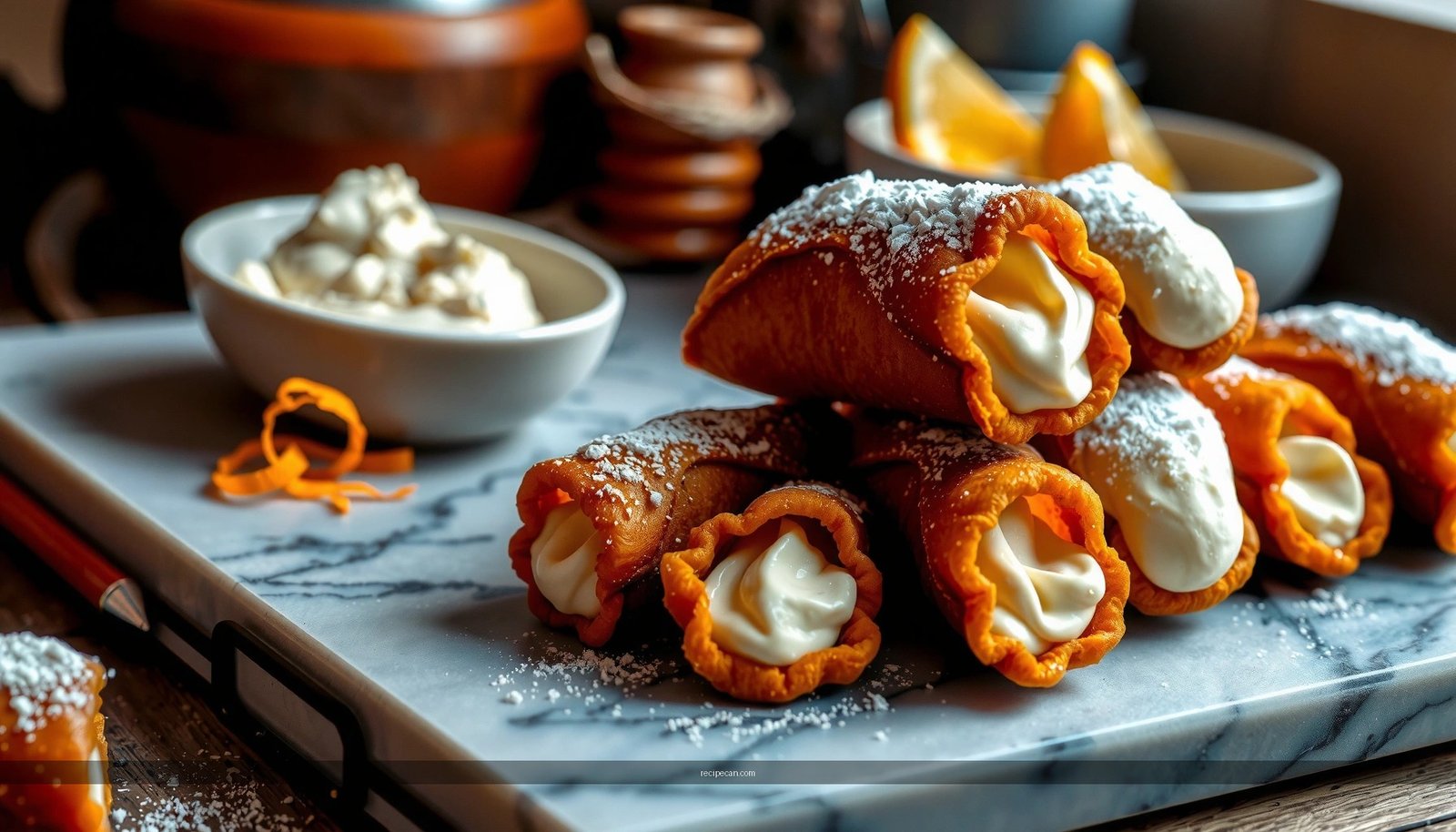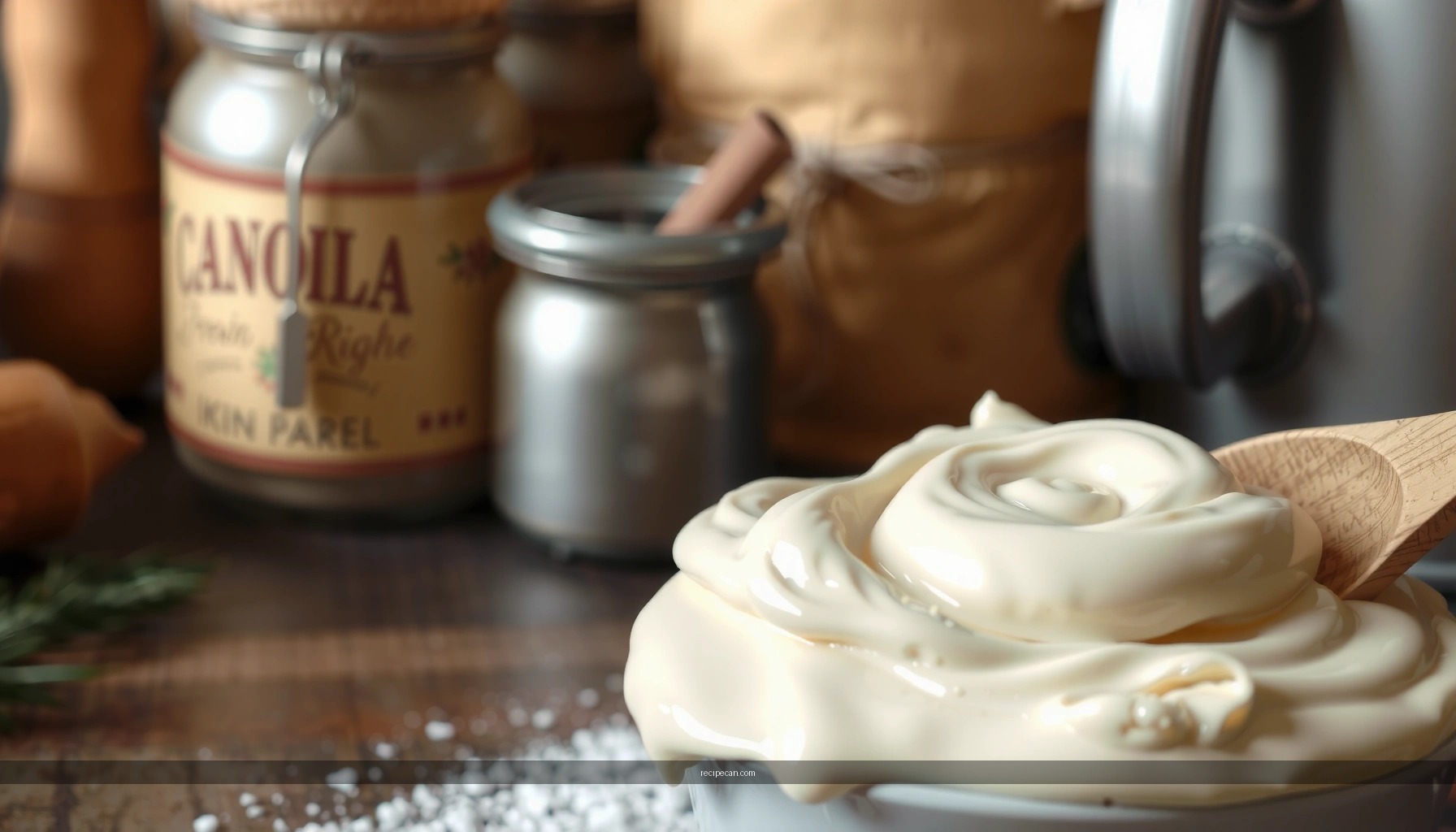
Searching for the best cannoli cream filling recipe? This classic sweet ricotta filling delivers the right balance of creamy texture, bright vanilla notes, and rich sweetness without turning grainy or runny. Follow it exactly and you’ll get a dependable, pipeable cannoli cream that holds its shape in every shell.
Make the best cannoli cream filling by using properly drained ricotta, sweetening with powdered sugar, and mixing in chocolate chips and vanilla for classic flavor—then chill it just long enough to become pipeable. In this recipe, you’ll get a reliably smooth, well-seasoned ricotta cream with the exact texture cues you need so it holds its shape in cannoli shells.
Choose the Right Ricotta for a Creamy Texture

The foundation of classic cannoli cream is ricotta—specifically, ricotta that isn’t watery. If your ricotta is even slightly too wet, you’ll end up with a runny filling that leaks from the ends of the shell and loses the clean “custard scoop” texture cannoli are known for.
Use well-drained, high-quality ricotta to prevent a runny filling
Look for ricotta that’s firm enough to hold a spoonful without slowly pooling liquid around it. Full-fat ricotta is typically thicker and more flavorful, which matters because cannoli filling is served at room temperature and needs enough richness to taste cohesive.
For extra smoothness, strain ricotta or blend briefly before mixing
Two practical approaches, both effective:
1. Strain method (most consistent): Place ricotta in a fine-mesh sieve or lined colander, then chill for 1–4 hours. The goal isn’t to “dry it out,” but to remove excess whey so the final mixture is pipeable.
2. Brief blend method (fast, but requires caution): If your ricotta is already thick, pulse it briefly in a bowl with a spatula or hand mixer on low. Avoid prolonged blending; over-aerating can make the filling seem lighter at first and then settle grainily.
From a food-quality perspective, drainage also improves mouthfeel: more evenly hydrated dairy proteins lead to a smoother cream that clings to the chocolate chips instead of separating.
Ricotta texture quick-check (before you mix):
– Spoon leaves a thick mound that doesn’t collapse quickly = good.
– Liquid forms quickly around the spoon = drain longer.
Ricotta Drain vs. Fill Stability (Practical Guide)
| # | Ricotta Condition | Drain Time | Expected Texture | Fill Stability |
|---|---|---|---|---|
| 1 | Fresh ricotta, visibly wet | 0–1 hr | Soft, loosely set | Low |
| 2 | Fresh ricotta, slightly wet | 1–2 hrs | Creamy, pipeable | Medium |
| 3 | Chilled ricotta, moderately thick | 2–3 hrs | Smooth, holds peaks | High |
| 4 | Ricotta already thick (low whey) | 0–1 hr | Very creamy, dense | High |
| 5 | Ricotta strained too long | 4–6 hrs | Very thick, may clump | Low–Med |
| 6 | Ricotta with grainy texture | 2–3 hrs + re-mix | Can become smooth after mixing | Medium–High |
| 7 | Ricotta mixed immediately after draining | Same day | Consistent and stable | High |
Sweeten and Flavor the Filling Perfectly

Cannoli cream tastes “right” when the sweetness is light, the ricotta flavor is present, and the seasoning builds depth without turning the filling into a dessert mousse.
Combine ricotta with powdered sugar for a light, creamy sweetness
Powdered sugar dissolves quickly and creates that characteristic smoothness. Start with about 1/2 cup powdered sugar per 2 cups drained ricotta as a baseline, then taste. If you’re using larger-flavored ricotta (or you plan to add sweet mix-ins like candied citrus), you may need less.
Add vanilla extract and a pinch of cinnamon (optional) for depth
– Vanilla extract rounds out dairy sweetness and makes the ricotta taste fuller, not “plain.”
– Cinnamon (optional) adds warmth that pairs well with chocolate chips and citrus—use a pinch, not a spoonful.
Professional tip: if you’re aiming for a smooth, pipeable texture, mix powdered sugar into ricotta before adding delicate components (vanilla, citrus, chips). This order helps ensure consistent dissolution.
Add the Classic Cannoli Mix-Ins
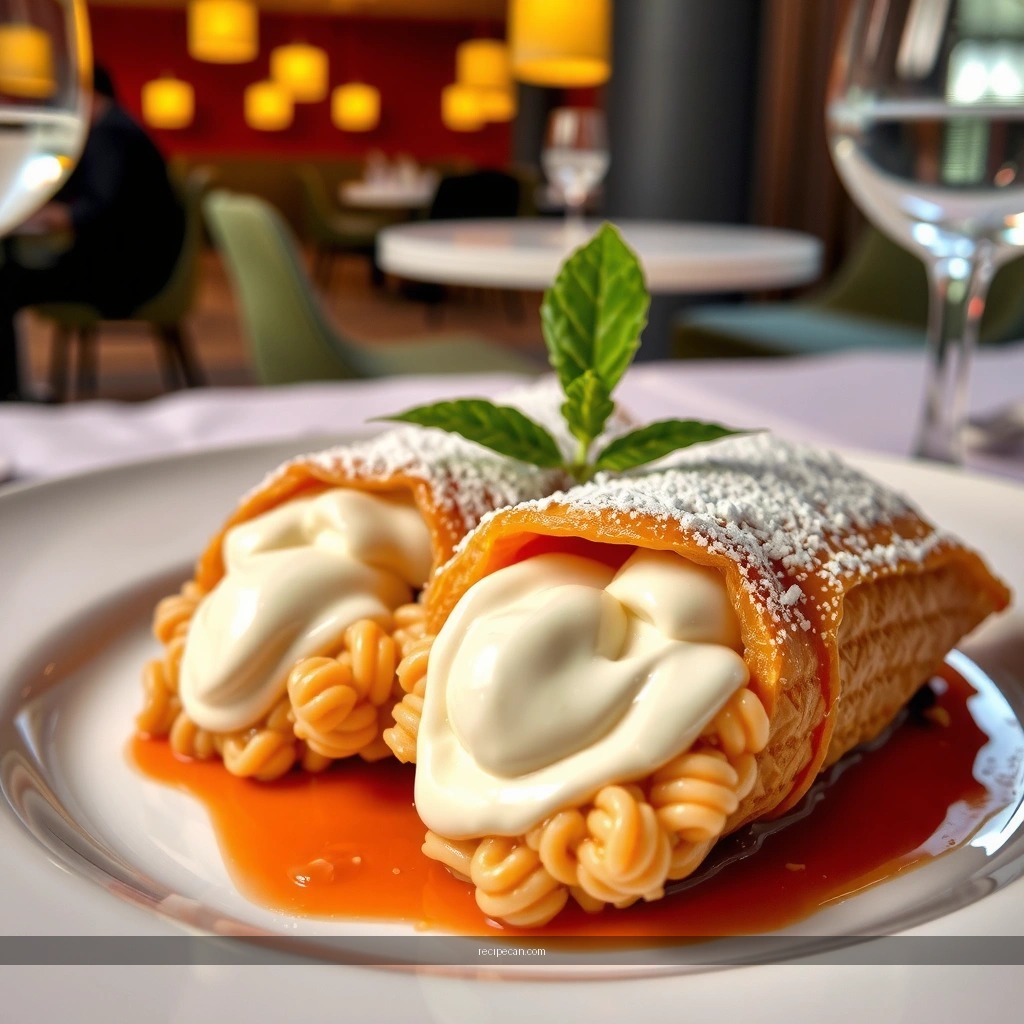
Cannoli filling is never just ricotta and sugar. The mix-ins create texture contrast—tiny pops of chocolate and bright notes from citrus—so every bite feels layered.
Fold in mini chocolate chips for traditional bursts of chocolate
Mini chips distribute evenly and prevent the filling from becoming too heavy in one spot. Fold them in gently with a spatula so they stay suspended, rather than sinking to the bottom.
Mix in candied citrus (optional) for bright, classic flavor
Candied citrus (often orange and/or citron) provides a characteristic Italian bakery taste: sweet, aromatic, and slightly tangy. If you choose to include it, chop pieces smaller than you think you need; large chunks can snag in piping tips and create uneven filling density.
If you’re serving for a mixed audience, you can create two halves of the filling: one “classic chocolate chip” and one “chocolate + candied citrus.” This reduces waste and lets each guest choose their ideal profile.
Achieve the Best Pipeable Consistency
Texture is where most homemade cannoli fillings succeed or fail. The goal is smooth, dense, and pipeable—not stiff like frosting, and not fluid like cream cheese.
Mix until smooth but don’t overwork to avoid graininess
If you use a whisk or mixer, mix just long enough to fully incorporate sugar and vanilla and produce a consistent texture. Overworking can break the emulsion and make ricotta seem slightly grainy once it warms.
Chill the filling to thicken it slightly before piping
Refrigeration does two important things:
1. It firms the filling to hold shape during piping.
2. It helps flavors meld so vanilla tastes integrated and chocolate chips feel “embedded,” not floating.
A reliable workflow: mix → fold in chips/citrus → cover → chill at least 1 hour (up to 24 hours if your ricotta was well-drained).
Store and Make-Ahead Tips for Fresh Cannoli
Cannoli shells are crisp and fragile. The filling is stable, but the overall cannoli experience depends on timing.
Refrigerate covered and use within 1–2 days for best texture
Store cannoli cream in an airtight container to minimize moisture absorption and to prevent the surface from drying out. For the best eating experience (especially if piping next to the shell), aim to fill within 24–48 hours.
Fill shells just before serving to keep them crisp
Even the best cannoli cream will soften the shells over time. For events or business catering, a practical approach is to prep shells and filling separately, then pipe to order. This keeps presentation sharp and avoids soggy texture complaints.
Troubleshooting Common Cannoli Cream Problems
Even when you’re experienced, ricotta variability can cause predictable issues. The good news: each problem has a direct fix.
If too thin: add more powdered sugar or drain ricotta longer
Thin filling usually comes from excess whey or under-mixing dissolved sugar.
– If it’s only slightly loose: add 1–2 tablespoons powdered sugar at a time.
– If it’s noticeably watery: return to a sieve and drain 30–60 minutes, then remix.
If too thick or grainy: gently whisk or blend and re-chill to correct
Thickness can come from over-draining or from ricotta that’s been sitting cold and firming up.
– If grainy: gently whisk or pulse briefly to re-smooth, then chill again to regain pipeability.
– Avoid adding liquid unless you have to—ricotta cream can become unstable if it turns watery.
Quick decision rule:
– Too thin = drain or thicken (sugar helps, but drainage fixes the root).
– Too thick/grainy = re-mix (don’t add moisture automatically), then chill.
The best cannoli cream filling comes down to well-drained ricotta, balanced sweetness, and the right mix-ins for classic flavor. Follow the steps above, chill for the ideal piping texture, and fill cannoli right before serving—then taste and adjust until it’s your perfect batch.
Frequently Asked Questions
What is the best cannoli cream filling recipe for a classic flavor?
The best cannoli cream filling recipe usually uses ricotta that’s strained to remove excess moisture, then sweetened with sugar and mixed with vanilla and a touch of lemon zest. Many classic versions add mini chocolate chips and a small amount of cinnamon for depth. For the most authentic texture, use whole-milk ricotta and mix until smooth but not runny.
How do I make cannoli filling thick enough so it doesn’t leak?
The key to thick cannoli cream filling is draining and drying the ricotta thoroughly—strain it in a fine-mesh sieve or cheesecloth for several hours (or overnight). If you want extra stability, whip the ricotta briefly after straining, and consider adding a small amount of mascarpone or cream cheese to help it hold shape. Avoid adding sugar too early without draining first, since sugar draws out moisture.
Which ricotta works best for cannoli cream filling—fresh or store-bought?
For the best cannoli filling, use high-quality whole-milk ricotta that’s not overly watery, whether homemade or store-bought. Fresh ricotta is often ideal, but it must be strained regardless, because even “fresh” ricotta can be loose. If your ricotta seems wet, choose a thicker brand or strain it longer to achieve the creamy, pipeable texture cannoli cream is known for.
Why do my cannoli filling taste gritty, and how can I fix it?
Gritty cannoli cream filling usually comes from undissolved sugar or ricotta that wasn’t fully smooth. To fix this, use fine sugar (or powdered sugar for extra dissolve) and blend or press the ricotta until silky before mixing. If needed, pass the ricotta through a sieve again and fold in chocolate chips gently to keep the texture smooth.
How can I customize the best cannoli cream filling with chocolate, pistachios, or flavor variations?
Start with a reliable base cannoli cream filling—strained ricotta, sweetener, vanilla, and optional citrus zest—then fold in add-ins like mini chocolate chips, chopped pistachios, or orange zest for variation. For a richer filling, you can add mascarpone or a small amount of cream cheese, but keep the balance so it still tastes light and classic. Chill the filling briefly after mixing, then pipe into shells right before serving for best texture and crunch.
References
- Cannoli
https://en.wikipedia.org/wiki/Cannoli - Ricotta
https://en.wikipedia.org/wiki/Ricotta - https://www.britannica.com/topic/cannoli
https://www.britannica.com/topic/cannoli - Cookbook:Cannoli – Wikibooks, open books for an open world
https://en.wikibooks.org/wiki/Cookbook:Cannoli - Google Scholar Google Scholar
https://scholar.google.com/scholar?q=best+cannoli+cream+filling+recipe+ricotta - Google Scholar Google Scholar
https://scholar.google.com/scholar?q=cannoli+filling+recipe+ricotta+sugar+chocolate+chips - Google Scholar Google Scholar
https://scholar.google.com/scholar?q=cannoli+filling+traditional+method+confectioners%27+sugar+citrus+zest - https://pubmed.ncbi.nlm.nih.gov/?term=ricotta+cheese+dessert+sweetened
https://pubmed.ncbi.nlm.nih.gov/?term=ricotta+cheese+dessert+sweetened - https://www.sciencedirect.com/search?qs=cannoli+filling+ricotta
https://www.sciencedirect.com/search?qs=cannoli+filling+ricotta - cannoli ricotta filling – Search Results – PMC
https://www.ncbi.nlm.nih.gov/pmc/?term=cannoli+ricotta+filling