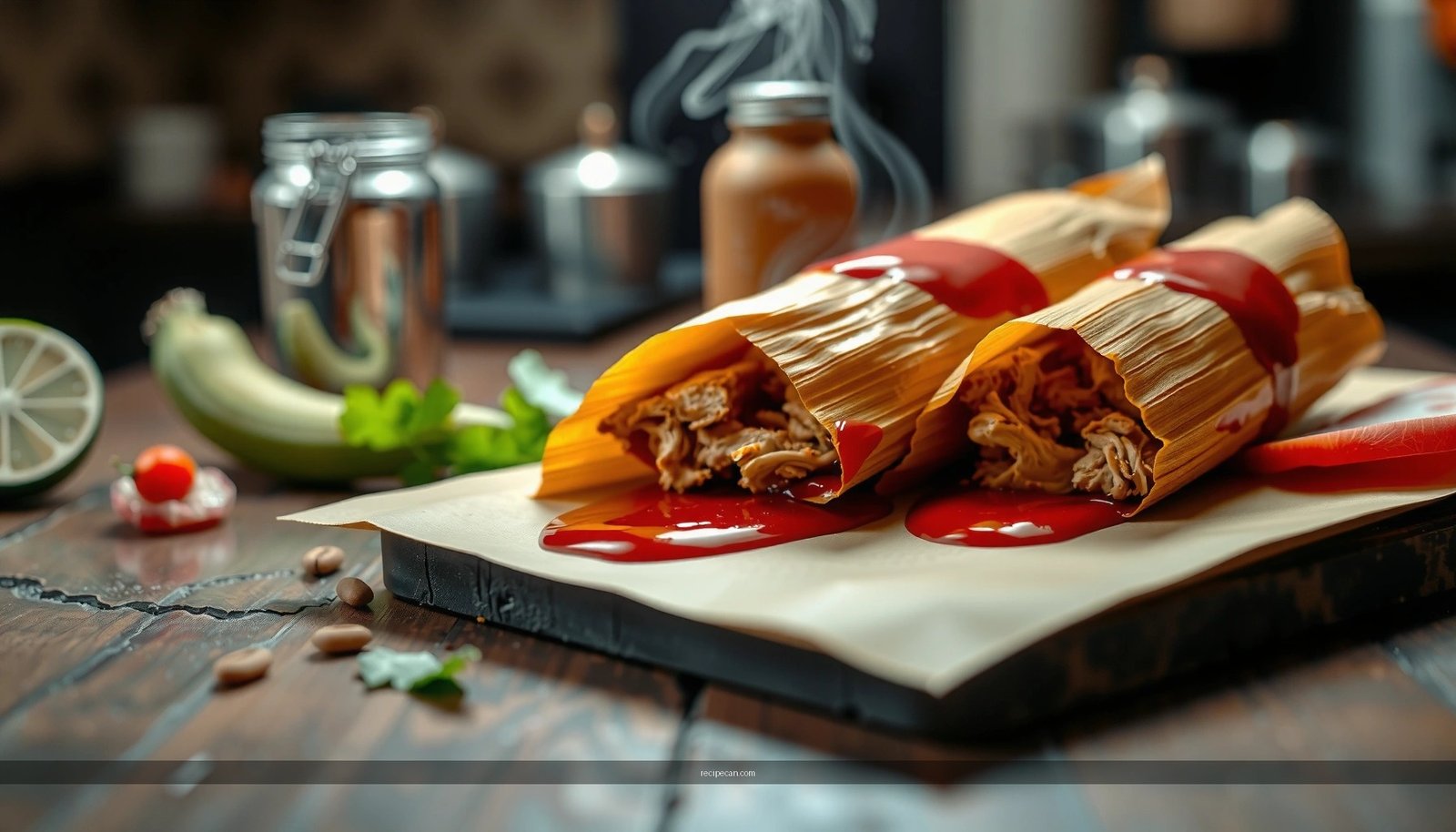
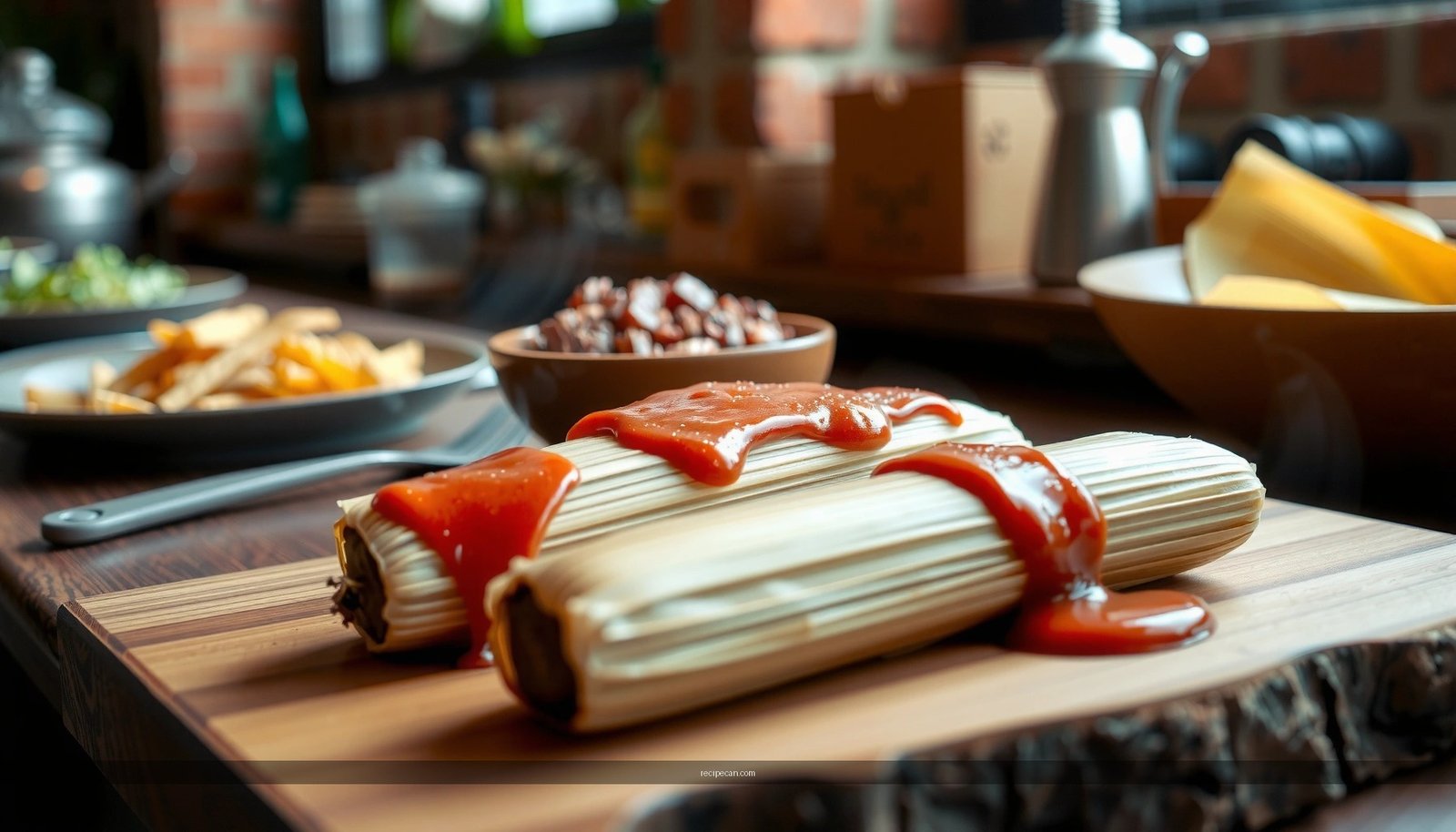
Looking for the best beef tamale meat recipe for a rich, savory filling? This recipe shows you exactly how to cook beef until tender, simmer it with the right seasonings, and build a flavorful filling that clings cleanly to tamale masa. If you want tamales with deep, well-balanced taste—not bland or watery meat—this is the method to follow.
Beef tamale meat is best when you brown seasoned ground beef thoroughly and then simmer it until tender, rich, and moist—with enough sauce to flavor the meat without turning it watery. In this guide, you’ll learn how to season, cook, and finish beef with the right tamale-filling texture, so it spreads cleanly in masa and delivers bold, classic flavor in every bite.
Choose the Right Cut and Meat Style
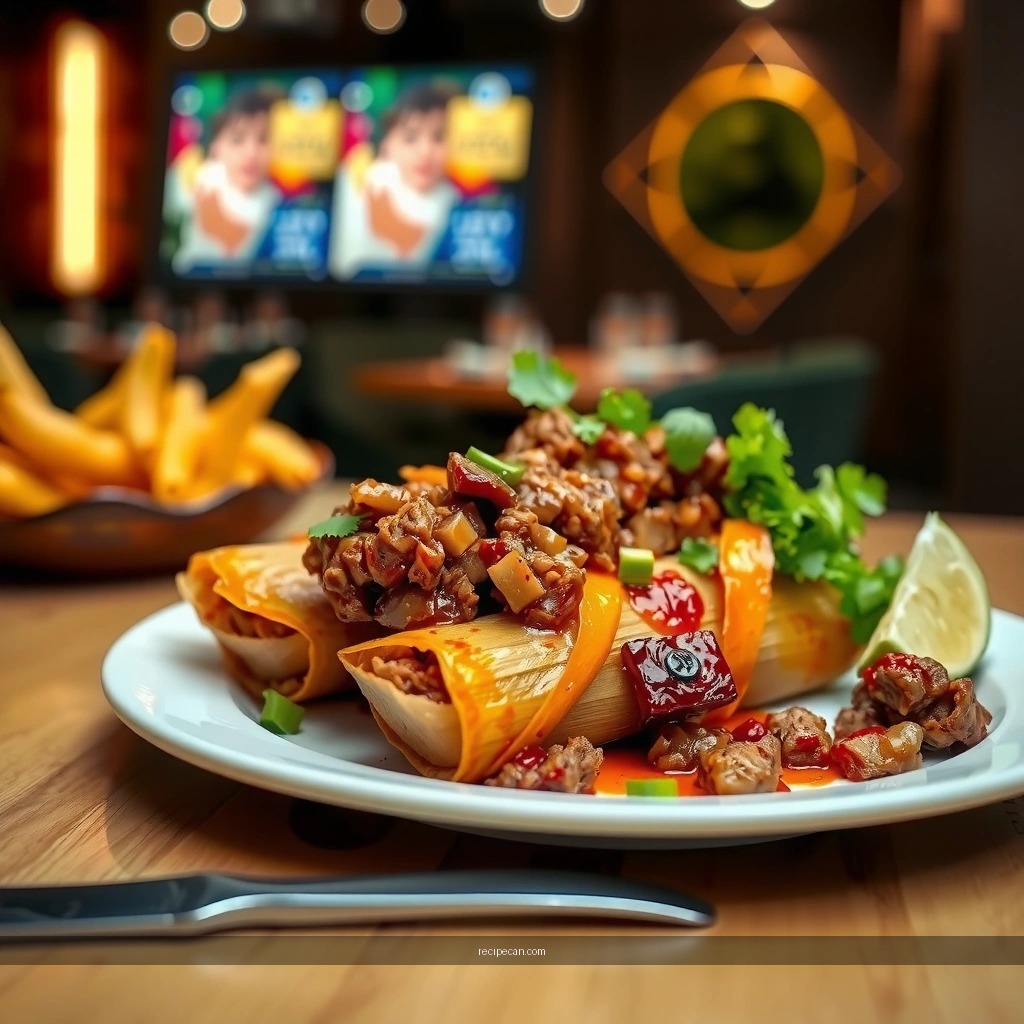
The foundation of a great tamale filling is choosing the right beef form—either ground beef for convenience or shredded beef for a more traditional, fork-tender bite. In practice, both styles work, but they behave differently during simmering and stuffing.
– Ground beef for easy cooking or shredded beef for a more traditional bite
– Ground beef (especially 80/20) is ideal if you want a filling that’s cohesive, spoonable, and quick to assemble. As it browns, the fat renders and helps carry spices deeper into the meat.
– Shredded beef is ideal when you want a more old-school texture—threads of beef that soak up sauce and feel substantial between masa layers. This approach typically uses a cut meant for braising (or leftover pot roast style beef).
– Aim for 80/20 ground beef for the best flavor and moisture
– 80/20 provides enough fat for juiciness without making the filling greasy. If you go lean (like 90/10), you’ll often need extra sauce and longer cooking to prevent the filling from feeling dry.
Best practice for consistency: If you’re cooking for a crowd, decide your texture goal early:
– For classic “meaty spread”: use ground beef.
– For traditional “shred and soak”: cook a braise and shred before assembling.
Beef Style vs. Typical Tamale Filling Outcome (Practical Cooking Benchmarks)
| # | Beef Option | Best Use | Estimated Active Time (per ~2 lb) | Simmer Goal (min) | Recommended Filling Moisture |
|---|---|---|---|---|---|
| 1 | 80/20 ground beef | Spreadable, cohesive filling | 25–35 min | 20–35 | Moist, not watery |
| 2 | 90/10 ground beef | Lighter, firmer texture | 25–35 min | 25–40 | Higher risk of dryness |
| 3 | Chuck roast (braise + shred) | Traditional shred and soak | 20–30 min active (mostly hands-off) | 120–150 | Saucy and tender |
| 4 | Short rib (braise + shred) | Deep flavor, rich mouthfeel | 20–25 min active | 150–180 | Naturally moist and juicy |
| 5 | Leftover braised beef | Speedy re-use with strong flavor | 10–15 min | 10–20 | Add sauce to refresh |
| 6 | Ground turkey (sub) | Non-beef version | 25–30 min | 15–25 | Needs extra fat/sauce |
| 7 | Beef sausage (crumbled) | Hearty flavor shortcut | 25–35 min | 15–30 | Often richer than plain beef |
Seasoning for Deep, Classic Tamale Flavor
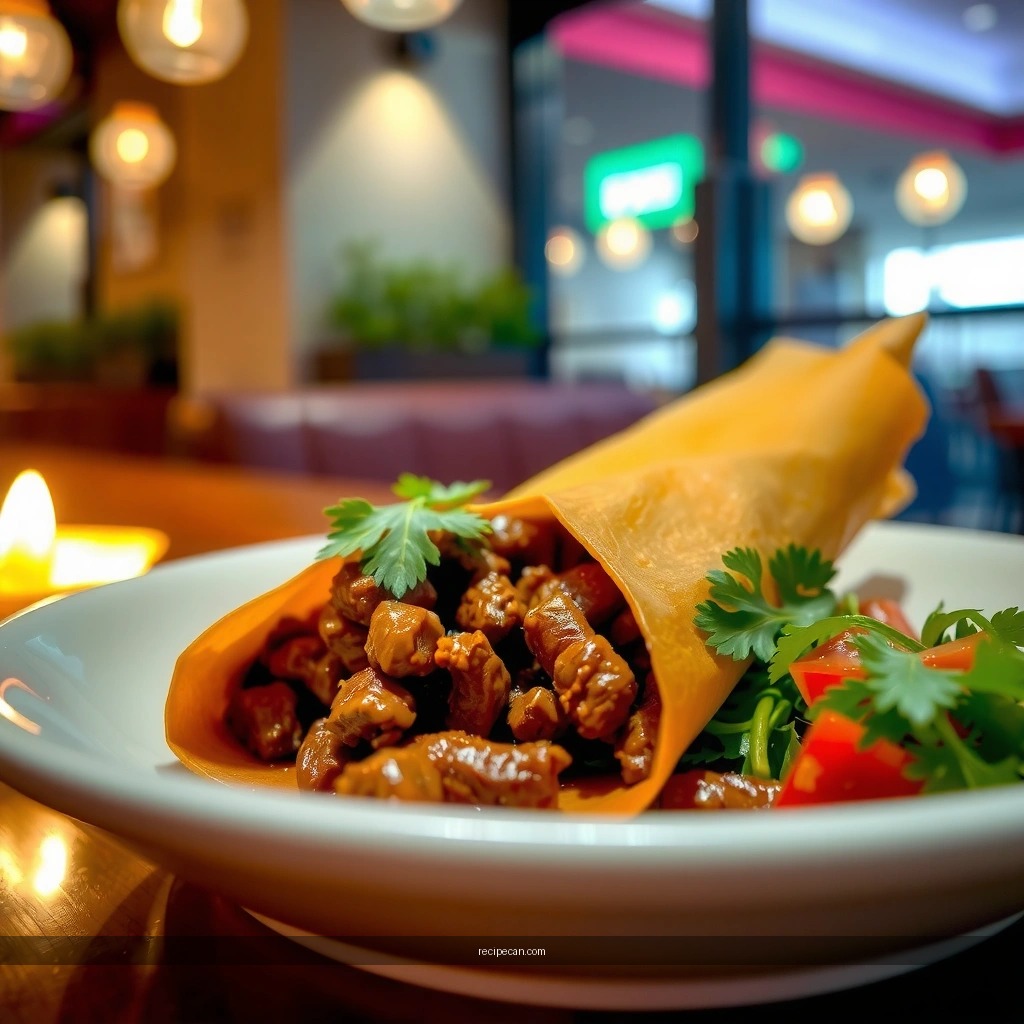
A dependable beef tamale meat recipe depends on seasoning depth—meaning you don’t just “add spices,” you build a balanced base that can withstand simmering and stay vivid after hours.
– Mix chili powder, cumin, garlic, onion, and salt for a balanced base
– Chili powder brings color and mild heat. It’s the foundation of the familiar red-brown tamale profile.
– Cumin adds warmth and earthiness—one of the key notes that keeps the filling from tasting one-dimensional.
– Garlic and onion provide savory sweetness that rounds out chili and cumin.
– Salt is not optional; it’s what makes the other flavors taste “complete.”
– Add a touch of oregano and optional chili heat (like guajillo powder or chipotle) to taste
– Oregano (Mexican oregano if available) gives a subtle floral-herbal edge that’s unmistakably tamale-adjacent.
– Guajillo powder (mild to medium) adds fruitiness and gentle heat.
– Chipotle adds smoky depth. Use sparingly for a “restaurant style” profile rather than a harsh burn.
Actionable seasoning approach (works with both ground and shredded beef):
1. Season the browned beef directly with a portion of spices.
2. Add remaining spices with the sauce so they bloom as liquids simmer.
3. Taste after 15–20 minutes of simmering and adjust salt/heat.
Cook the Beef and Build the Sauce
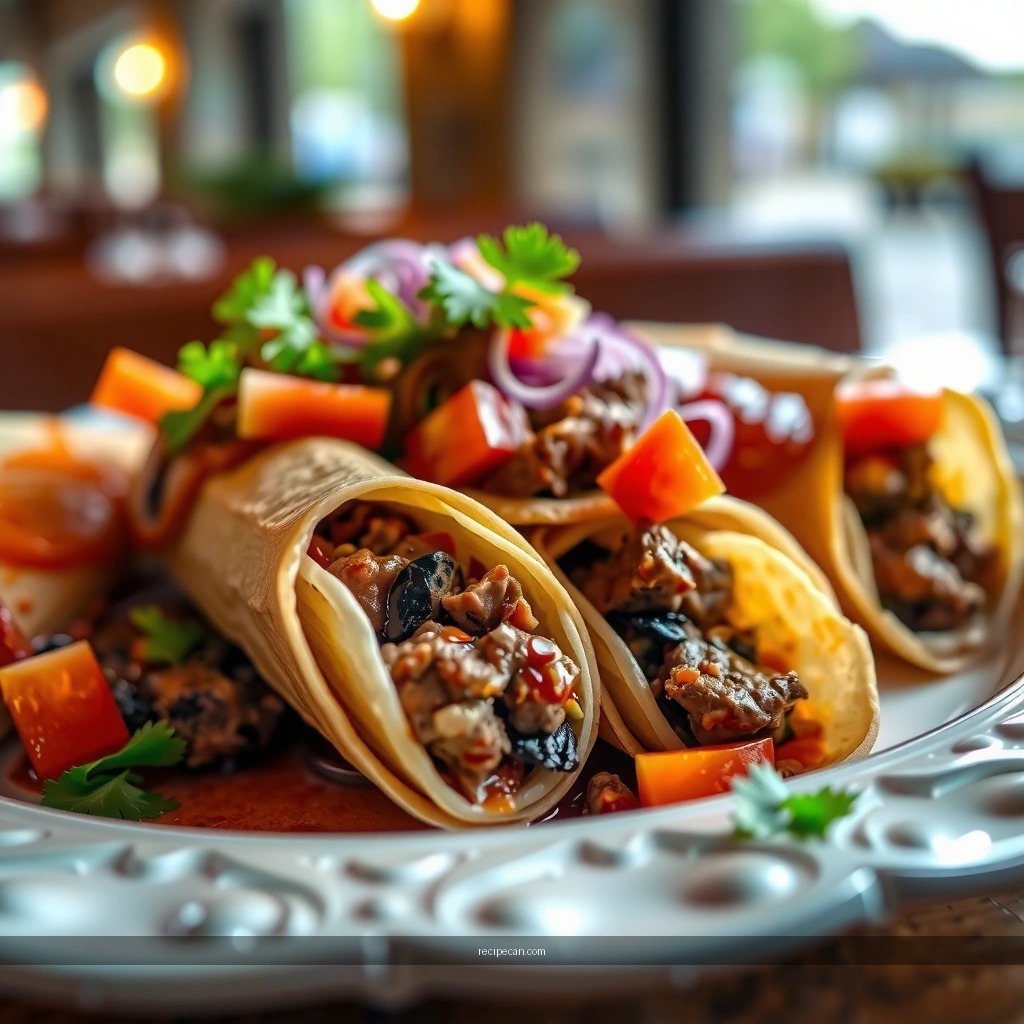
Cooking method is where most tamale meat recipes succeed or fail. The goal is flavor development through browning, then flavor integration through simmering.
– Brown the beef thoroughly to develop flavor
– Use a hot pan, avoid overcrowding, and let beef develop a browned crust rather than steaming.
– If you’re using ground beef, break it into smaller pieces for faster browning.
– Simmer with a sauce (like tomato, salsa, or broth) until the meat absorbs seasoning
– Choose a sauce base aligned with your tamale style:
– Tomato-based sauce: thick, steady flavor.
– Salsa: brighter and more varied; good if you want a lively profile.
– Broth + tomato paste: classic “braise-like” richness with control over salt.
Moisture management matters: As the beef simmers, you want the sauce to cling, reduce, and coat the meat rather than pool at the bottom. This coating effect is what prevents masa from becoming soggy while still delivering juicy bites.
Achieve the Perfect Texture for Filling
Texture is the difference between “good meat” and “great tamale filling.” The mixture should feel moist and spreadable, not soupy.
– Keep the mixture moist—not watery—so it spreads easily in masa
– A watery filling causes two problems:
1. Masa can separate or thin during assembly.
2. The tamale may bake up unevenly (dry spots vs. wet spots).
– If the filling looks loose, simmer uncovered 5–10 extra minutes to concentrate.
– Shred or chop the beef to match your preferred tamale filling consistency
– Ground beef style: chop or mix for a “ground-meat spread” that still holds structure.
– Shredded beef style: shred with a fork or mixer and fold back into sauce to bring everything together.
Texture check (simple and reliable):
– Scoop a spoonful and let it cool for 1–2 minutes.
– It should mound lightly and then spread slowly, leaving a glossy sheen—not run like soup.
Optional Add-Ins and Flavor Boosters
Once your base is right, small additions can elevate the filling—without making it taste “random.” Use add-ins to enhance specific flavor directions: sweet, briny, or smoky.
– Stir in olives, raisins, or roasted peppers for variation (optional)
– Raisins add gentle sweetness that balances chili—common in some regional styles.
– Olives bring briny depth and a savory contrast.
– Roasted peppers add smoky aroma and body, especially when blended into the sauce or chopped finely.
– Add a splash of broth or water if the filling thickens too much
– If you reduce too hard, the filling becomes stiff. Correct it by adding a little liquid at a time.
– Stir and simmer briefly so the new liquid re-integrates with seasonings.
Pro tip for consistency: Add sweet/smoky ingredients near the end so they don’t fade during long simmering.
Prep and Store Beef Tamale Meat
Great tamale meat is not only about cooking—it’s about managing timing so your filling performs during assembly and reheating.
– Cool completely before assembling tamales to prevent masa separation
– Hot filling can warm masa unevenly, causing texture issues and sometimes separating fat and starch.
– Cooling also improves flavor because spices distribute as the mixture rests.
– Refrigerate in an airtight container up to 4 days or freeze for longer storage
– Refrigeration works well for the next day or same-week batch prep.
– For freezing, portion into practical quantities so you can thaw just what you need.
Reheating guidance:
– Reheat gently in a skillet with a small splash of broth if needed.
– Stir frequently and avoid boiling hard; you want moisture retention without breaking down texture.
When you’re ready to assemble, aim for a filling that stays glossy and cohesive. Spoon and press it into the masa layer evenly so each tamale cooks with consistent seasoning and moisture.
—
A great beef tamale meat recipe delivers two outcomes at once: deep, classic seasoning and the right filling texture—moist, rich, and not watery. Browning the beef builds flavor, simmering with a flavorful sauce integrates the spices, and careful moisture control ensures the filling spreads in masa without compromising structure. Make it with ground beef for speed or shredded beef for tradition, then cool, store, and reheat thoughtfully so your next tamale batch is reliably delicious.
Frequently Asked Questions
What is the best beef tamale meat recipe for tamales that taste like authentic Mexican birria-inspired filling?
A great beef tamale meat recipe starts with braising beef chuck or short rib until tender, then shredding it finely. Sauté onion, garlic, and toasted dried chiles (like guajillo and ancho), blend with broth, and simmer the shredded beef in the chile sauce until thick. Season with cumin, oregano, salt, and a splash of vinegar or lime for balance so the beef filling stays flavorful in every bite.
How do I make beef tamale meat that’s not dry and stays juicy after steaming?
Cook the beef until it’s fork-tender, then simmer the shredded beef in enough sauce to coat it thoroughly and help it reabsorb moisture. Avoid over-reducing—aim for a thick but spoonable filling so it doesn’t dry out during steaming. If your sauce gets too thick, loosen it with a little warm beef broth, and let the filling cool slightly before assembling tamales.
How long should I cook beef tamale meat, and which cut is best for shredding?
For classic beef tamale filling, plan on 2.5 to 3.5 hours of braising depending on the cut and size of the pieces. Beef chuck is one of the best options because it breaks down well and shreds easily; short rib is another excellent choice for richer flavor. Once tender, shred the beef and simmer briefly with the chile mixture to build a cohesive, tamale-ready beef filling.
Why do my beef tamales taste bland, and how can I fix the seasoning in the meat?
Bland beef tamale meat usually comes from under-seasoning the braise or using chile sauce that isn’t fully developed. Toasting dried chiles, simmering them with aromatics, and then seasoning the sauce with salt, cumin, and oregano helps the filling taste bold even after steaming. Taste the beef mixture before assembling; if it needs “brightness,” add a little lime juice or vinegar and re-simmer for a few minutes.
Which spices and chile peppers work best in a beef tamale meat recipe?
For a well-rounded tamale meat recipe, guajillo and ancho chiles deliver mild heat and a deep roasted flavor, while pasilla can add extra complexity. Common spices include cumin, dried oregano, garlic, and black pepper, with salt to bring everything together. To control heat, adjust the number and type of chiles—then simmer the shredded beef with the blended chile sauce until the filling is rich, fragrant, and evenly seasoned.
References
- Google Scholar Google Scholar
https://scholar.google.com/scholar?q=beef+tamale+recipe - Google Scholar Google Scholar
https://scholar.google.com/scholar?q=tamales+filling+beef+shredded - Google Scholar Google Scholar
https://scholar.google.com/scholar?q=mexican+tamale+meat+filling+technique - Tamale
https://en.wikipedia.org/wiki/Tamale - Masa
https://en.wikipedia.org/wiki/Masa_harina - Carne asada
https://en.wikipedia.org/wiki/Carne_asada - Barbacoa
https://en.wikipedia.org/wiki/Barbacoa - https://www.britannica.com/topic/tamale
https://www.britannica.com/topic/tamale - https://www.fsis.usda.gov/food-safety/safe-food-handling-and-preparation/food-safety-basics/safe-minimum-internal-temperatures
https://www.fsis.usda.gov/food-safety/safe-food-handling-and-preparation/food-safety-basics/safe-minimum-internal-temperatures - Food Safety | Food Safety | CDC
https://www.cdc.gov/foodsafety/