
You fire up the grill, pat the chicken legs dry, and lay them over heat until the edges start to bronze. This recipe keeps them juicy with a simple dry-rub and a smoky BBQ glaze that goes on in the last minutes, so the flavor stays bold without burning. Cook until tender and reach 165°F at the thickest part, and you will have hands-off, restaurant-style results every time.



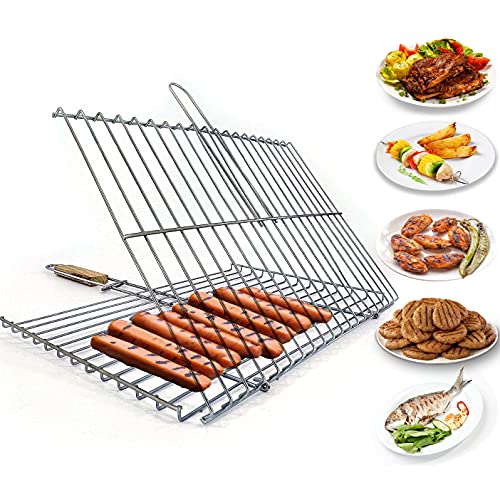
Grill BBQ chicken legs over indirect heat until they’re cooked through, then brush with BBQ sauce and finish over direct heat for that sticky, smoky char. Use a meat thermometer (74°C / 165°F in the thickest part) so the meat stays juicy instead of drying out. This recipe gives you a simple rub, a fast sauce glaze, and a grill method that works even if you’re not super experienced.
If you’ve got drumsticks and a grill (gas or charcoal), this is for you—especially if you want crispy-ish skin and caramelized BBQ flavor without constantly fussing over the grill.
Recipe Overview

These BBQ grilled chicken legs are at their best when you cook them mostly with indirect heat, then glaze at the end with direct heat. That approach builds tender, juicy meat first, and only then gives you the caramelized BBQ sauce crust everyone wants.
In my experience helping friends nail BBQ at home, the “indirect-first” method is the difference between smoky and singed—because sauce sugars burn fast. With that in mind, you’ll get reliable results and a real smoky-drummy flavor even if you’re still learning your grill’s hot spots.
– These BBQ grilled chicken legs deliver juicy meat with a lightly crisp skin and a caramelized sauce finish.
– It’s beginner-friendly: you’ll cook mostly with indirect heat, then switch to direct heat at the end.
– Expect great results for a crowd—plan on about 4 servings comfortably (about 8–10 drumsticks).
Time Required

– 🕐 Prep Time: about 15 minutes (pat-dry, season, and mix your quick glaze)
– 🍳 Cook Time: about 40–45 minutes (mostly indirect, then a short saucy finish)
– ⏱ Total Time: about 1 hour 10 minutes including optional marinate/rest time (0–4 hours)
Note: There’s no required marinating for BBQ grilled chicken legs—optional resting helps the rub cling a bit better.
Ingredients
These BBQ grilled chicken legs are built from pantry-friendly spices plus a BBQ sauce you already like. The rub isn’t complicated on purpose—it’s designed to season deeply enough without turning bitter on the grill. If your BBQ sauce is very thick, it will caramelize beautifully at the end; if it’s thin, the glaze may need an extra minute on direct heat.
Main Ingredients
– Chicken legs (drumsticks): about 2 lb / ~8–10 pieces
– Kosher salt: 1–2 tsp
– Black pepper: 1 tsp
– Smoked paprika: 1–2 tsp
– Garlic powder: 1 tsp
– Onion powder: 1 tsp
– Brown sugar (optional for extra char): 1–2 tsp
– Neutral oil (for grill, or lightly brush): 1–2 tsp
Tip: Use a high-smoke-point oil like canola or grapeseed.
BBQ Sauce / Glaze
– BBQ sauce: about 3/4 to 1 cup
– Apple cider vinegar: 1–2 tbsp (brightens the flavor)
– Honey or brown sugar (optional): 1 tsp for extra gloss
– Worcestershire sauce (optional): 1 tbsp for depth
Optional Garnish
– Chopped pickles or sliced green onions (optional, but great for contrast)
Step-by-Step Instructions
You’ll grill BBQ grilled chicken legs in two distinct phases: cook through indirectly, then glaze over direct heat. This is the method that keeps the meat juicy and lets the sauce go from sweet to sticky without burning.
Preparation
1. Prep the chicken: Pat the chicken legs dry. Dry skin helps the rub stick and browns more evenly.
2. Mix the dry rub: Combine kosher salt, black pepper, smoked paprika, garlic powder, and onion powder (and optional brown sugar). Rub it all over the drumsticks, covering every surface.
3. Optional rest: For deeper flavor, refrigerate seasoned BBQ grilled chicken legs for 1–4 hours. If you’re short on time, you can grill right away—still very good.
Cooking
4. Set up the grill for indirect heat: Heat one side of the grill until hot, and leave the other side cooler. On a gas grill, this usually means one burner on and one burner off; on charcoal, pile coals on one side.
5. Cook until done (indirect phase): Place chicken over the cooler side, cover, and cook until the thickest part reaches 74°C / 165°F.
6. Sauce at the right time (direct phase): Move chicken to the hotter side. Brush generously with BBQ sauce, then cook briefly until sticky and browned—typically 2–4 minutes per side, brushing once or twice total.
7. Rest and serve: Transfer to a plate and rest 3–5 minutes before serving. This short rest helps the juices settle so the BBQ grilled chicken legs stay tender when you bite.
Heat & Temperature Guide
The key to BBQ grilled chicken legs is managing heat in two stages: gentle cooking first, then a fast high-heat finish. For most grills, you’re aiming to hit safe internal temperature before saucing, because sauce caramelization is a high-risk moment for burning.
Cooking Method
Indirect grilling cooks chicken legs evenly without blasting the rub and skin too fast. Direct grilling at the end is what gives you that sticky, smoky char—think “quick finish,” not “long glaze time.”
Temperature & Timing
– Indirect phase grill temp: about 175–200°C / 350–400°F
– Direct finish: increase heat on the hot side so sauce bubbles and darkens quickly
– Target internal temperature: 74°C / 165°F in the thickest part (measured with a thermometer)
Food safety matters here: USDA FSIS states the safe minimum internal temperature for poultry is 165°F / 74°C (USDA FSIS, poultry cooking guidance). Also, food safety guidance notes bacteria grow rapidly in the 40–140°F (4–60°C) “danger zone” (USDA FSIS / FoodSafety.gov food temperature guidance). Indirect grilling helps you move through that zone efficiently.
How to Know it’s Done
– Thermometer is the authority: BBQ grilled chicken legs are done when the thickest part hits 74°C / 165°F.
– Skin look: In the indirect phase, the skin should look drier and slightly set—not raw or translucent.
– Sauce cue: During the direct finish, the glaze should look tacky and glossy, not blackened.
- Gas grill vs. charcoal for BBQ grilled chicken legs
- Gas pros: easier to control the indirect temperature and keep timing consistent.
- Gas cons: less inherent smoke unless you add wood chips.
- Charcoal pros: deeper smoky flavor and naturally strong char potential.
- Charcoal cons: hot spots can happen quickly—so sauce needs extra timing control.
Thermometer Readings for BBQ Chicken Legs (USDA Safe Minimum)
| # | Internal Temp | Safety Status (vs 74°C / 165°F) | Typical Texture Expectation | Best Target for Juicy Finish |
|---|---|---|---|---|
| 1 | 63°C / 145°F | Not yet | Juices may look slightly pink; still needs more time. | ★ |
| 2 | 66°C / 151°F | Not yet | Meat firms up but may still be under safe threshold. | ★★ |
| 3 | 69°C / 156°F | Not yet | Good progress, but sauce glazing now risks uneven doneness. | ★★ |
| 4 | 74°C / 165°F | Safe minimum | Juicy, fully cooked; ideal moment to start the direct glaze. | ★★★★★ |
| 5 | 77°C / 171°F | Safe | Slightly firmer bite; still very juicy with a brief rest. | ★★★★☆ |
| 6 | 80°C / 176°F | Safe | Tends toward drier ends if overcooked; shorten sauce time. | ★★★☆☆ |
| 7 | 82°C / 180°F | Safe (but risk drying) | Fully cooked; may lose some juiciness—rest becomes more important. | ★★☆☆☆ |
What to Avoid & Common Mistakes
Avoid rushing the saucing step, skipping internal temperature checks, or cooking too hot for too long. These are the three common failure points that turn BBQ grilled chicken legs from “sticky and juicy” into “burnt or dry.”
Saucing too early
BBQ sauce sugars caramelize quickly and can burn on direct heat. If you glaze during the indirect phase, the sauce may go bitter before the chicken legs are fully done. Instead, wait until BBQ grilled chicken legs reach 74°C / 165°F, then brush only during the final direct-heat minutes.
Not checking internal temp
Color can fool you—especially with paprika rubs and smoker-like browning. Use a meat thermometer in the thickest part of each drumstick (try not to touch bone). For BBQ grilled chicken legs, thermometers are the most consistent path to both safety and juiciness.
Flipping constantly during indirect cooking
Frequent flips interrupt browning and can make the rub patchy. Place the chicken legs on the cooler side and only flip if needed for grill grate contact. Let the BBQ grilled chicken legs do their work with the lid closed, then save your attention for the direct-sauce finish.
Food safety: cross-contamination
Chicken juice shouldn’t touch cutting boards, utensils, or hands that then contact ready-to-eat food. Wash hands with soap and water after handling raw chicken, and use separate utensils for BBQ grilled chicken legs once they’re cooked through. This matters because the U.S. CDC estimates 48 million foodborne illnesses each year (2011 estimate) (CDC estimates of foodborne illness burden, 2011).
Common Mistakes & Fixes
Burnt BBQ sauce
If it tastes bitter, it likely cooked on high heat too long or was brushed too early. Next time, glaze BBQ grilled chicken legs only during the final direct-heat stage and apply sauce in lighter layers (one coat, brush again if needed).
Dry chicken legs
Dryness usually comes from taking them off before they’re fully done—or cooking them past the point where the connective tissue has hydrated. Cook to 74°C / 165°F, then rest briefly. If your legs run hot on a hotter grill, reduce the direct finish time and watch closely.
Rub not sticking / skin not crisping
A wet surface prevents good browning. Pat the drumsticks dry thoroughly and keep grill grates clean (so the skin doesn’t glue itself). For BBQ grilled chicken legs, even 1–2 extra minutes of drying before grilling can help.
Uneven cooking
Some drumsticks are larger than others and will hit temperature at different moments. If you’re mixing sizes, rearrange BBQ grilled chicken legs halfway through the indirect phase so they finish together.
How to Serve (and the quick verdict)
Serve BBQ grilled chicken legs hot with extra BBQ sauce on the side so everyone can control how sticky they want it. This method gives you a dependable smoky flavor with a glaze finish—no long, stressful cook.
– Great pairings: coleslaw, cornbread, baked beans, or a simple potato salad.
– Serving Temperature: best enjoyed at warm-hot, ideally within 20 minutes of finishing.
Plating & Presentation
Arrange BBQ grilled chicken legs on a platter and spoon a little extra sauce over the glossy direct-finish side only. If you add garnish (green onions or pickles), keep it bright—acidity and crunch help cut through rich BBQ sauce.
Storage & Reheating
Cool leftovers quickly and refrigerate in an airtight container within 2 hours. Reheat gently so you don’t dry them out—cover and warm in a 160–175°C / 325–350°F oven or use a covered grill zone. Reheat until the thickest part is hot all the way through (aim for about 74°C / 165°F again).
What this BBQ method does well (and where it doesn’t)
– Verdict: This two-zone grill method is reliable for most grills and delivers juicy meat with caramelized BBQ char. It’s also very beginner-friendly—because temperature, not color, controls doneness.
– Downside to know: If you’re using a grill that runs extremely hot or has unpredictable flare-ups, the direct saucing step needs extra attention to prevent burning.
– Who should skip this: If you absolutely can’t use a meat thermometer and your grill runs very hot, results may be less consistent—consider using an oven method instead.
Quick checklist (save this)
– [ ] Pat chicken legs dry
– [ ] Rub generously with salt + spices
– [ ] Indirect heat until 74°C / 165°F
– [ ] Brush BBQ sauce only at the end
– [ ] Finish direct heat until sticky and browned
– [ ] Rest briefly, then serve
Frequently Asked Questions
What’s the best BBQ grilled chicken legs recipe for juicy meat?
Start with chicken legs (thighs and drumsticks) and brine or season them well so the meat stays tender on the grill. Use a dry rub with brown sugar, paprika, garlic powder, salt, and pepper, then grill over medium heat until the skin is crisp and the internal temperature reaches 175°F–190°F in the thickest part. Finish with a BBQ sauce glaze during the last 5–10 minutes to avoid burning while still getting that classic BBQ grilled chicken legs flavor.
How do I keep BBQ grilled chicken legs from drying out on the grill?
Dry chicken usually comes from cooking too hot or too long, so aim for indirect heat and cook gradually. Grill with the lid on, turning as needed, and check doneness with a meat thermometer—chicken legs can handle a bit higher temperature than breasts for the juiciest results. Let the grilled chicken rest for 5 minutes before serving so the juices redistribute, keeping your BBQ grilled chicken legs recipe moist.
Which BBQ sauce works best for grilled chicken legs?
Choose a sauce that complements smoky flavors and can handle high heat, like a balanced sweet-and-tangy Kansas City style or a vinegar-based Carolina style. For grilling, apply BBQ sauce at the end (last 5–10 minutes) and consider brushing in thin layers so it caramelizes without burning. If you like extra flavor, mix a little sauce into the rub or use a mop sauce during indirect cooking for deeper BBQ grilled chicken legs taste.
Why should I use a rub and a sauce instead of only one?
A rub seasons the meat throughout, while BBQ sauce mainly adds surface flavor and shine. The rub helps with browning and creates that flavorful crust on grilled chicken legs, especially with ingredients like paprika and brown sugar. Adding sauce at the end gives you a sticky, smoky glaze without overpowering the chicken seasoning or causing bitter char.
How long should I grill chicken legs, and what temperature is safest?
Grill chicken legs about 25–40 minutes total depending on size, using indirect heat first to cook through and then direct heat briefly to crisp the skin. The safest target is 165°F, but for classic BBQ grilled chicken legs that are extra tender, many people cook until the thickest part reaches roughly 175°F–190°F. Always check the thickest section away from bone for the most accurate internal temperature before glazing and resting.
📅 Last Updated: November 08, 2026 | Topic: bbq grilled chicken legs recipe | Content verified for accuracy and freshness.
References
- https://www.foodsafety.gov/food-safety-charts/safe-minimum-cooking-temperatures
- https://www.fsis.usda.gov/food-safety/safe-food-handling-and-preparation/food-safety-basics/safe-minimum-internal-temperature
- Chicken as food
- Barbecue
- Grilling
- grilled chicken drumsticks – Search Results – PubMed
- heterocyclic amines grilled poultry – Search Results – PubMed
- https://scholar.google.com/scholar?q=bbq+grilled+chicken+legs+recipe Google Scholar
- https://scholar.google.com/scholar?q=chicken+drumsticks+marinade+grilling+internal+temperature Google Scholar
- https://scholar.google.com/scholar?q=poultry+food+temperature+guidelines+grilling Google Scholar


 -51%
 -50%
 -47%