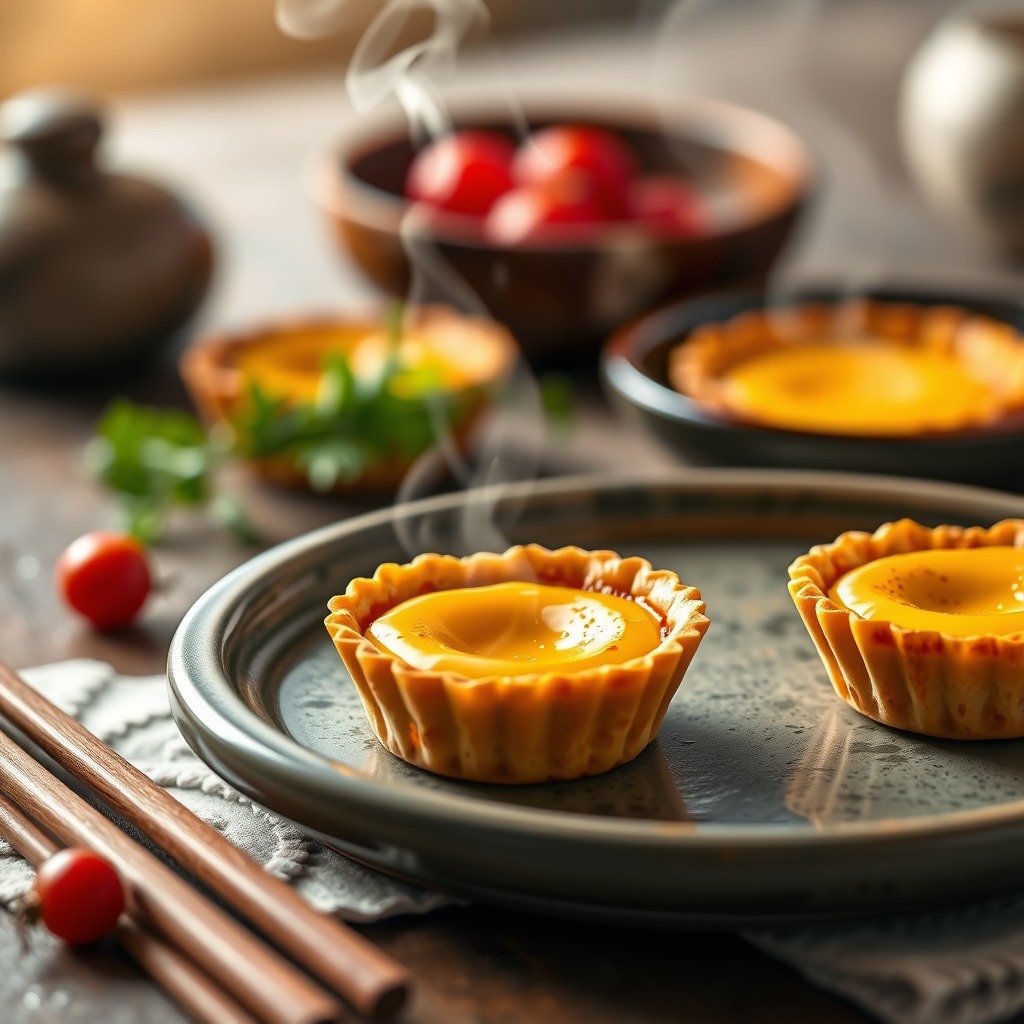
Making delicious Chinese egg tarts at home is easier than you think! This recipe will walk you through the essential steps to create the perfect flaky crust and creamy custard filling. Whether you’re a beginner or a seasoned baker, you’ll impress your family and friends with these delightful treats. Authentic Chinese egg tarts are a beloved dessert in many cultures, offering a delicate balance of textures and flavors that make them irresistible.
Ingredients You’ll Need
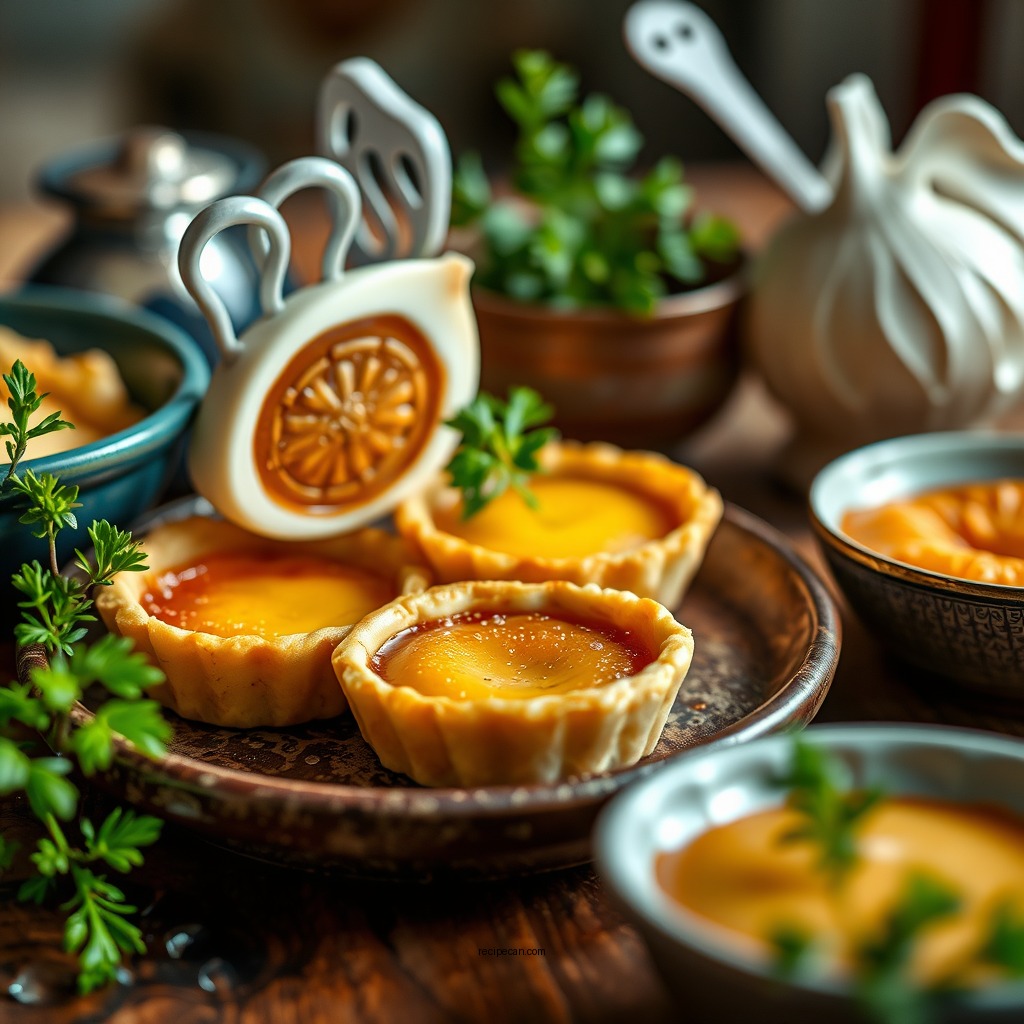
To create authentic Chinese egg tarts, you will need the following ingredients:
For the Crust:
– 1.5 cups all-purpose flour
– 0.5 cup unsalted butter, chilled and cubed
– 1/4 cup powdered sugar
– 1/4 teaspoon salt
– 1 egg yolk
– 2-4 tablespoons ice water
For the Custard Filling:
– 4 large eggs
– 3/4 cup granulated sugar
– 1.5 cups whole milk
– 1 teaspoon vanilla extract
– A pinch of salt
Tips for selecting the freshest eggs and cream: When choosing eggs, look for those that are clean, unbroken, and with a firm shell. For the cream, opt for whole milk, which will create a richer custard, and ensure it is fresh and not past its expiration date.
Preparing the Tart Crust
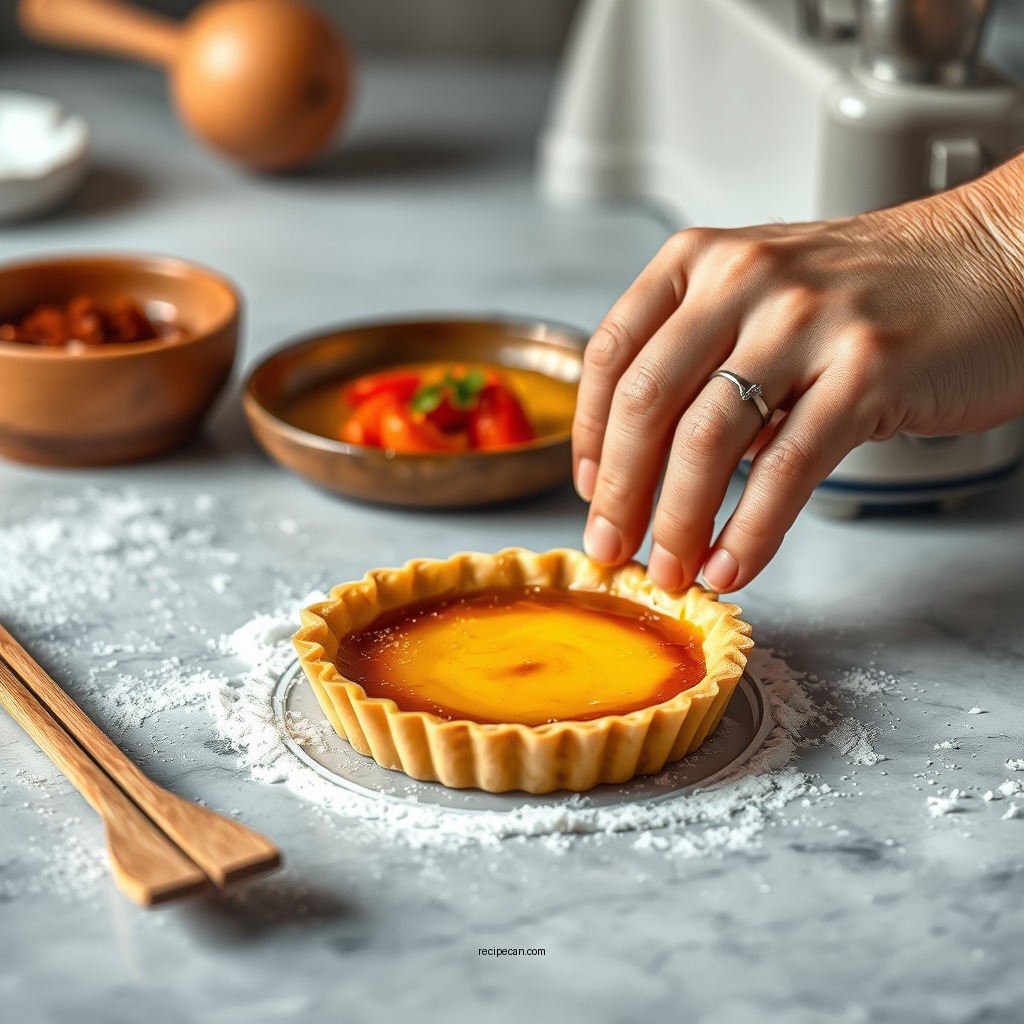
Creating a flaky pastry dough is crucial for the success of your egg tarts. Start by combining the flour, powdered sugar, and salt in a mixing bowl. Next, add the chilled butter and use a pastry cutter or your fingertips to blend until the mixture resembles coarse crumbs. Then, incorporate the egg yolk and mix until just combined. Gradually add ice water, one tablespoon at a time, until the dough forms.
Once your dough is ready, wrap it in plastic wrap and refrigerate for at least 30 minutes. This resting period allows the gluten to relax, which is essential for achieving a tender crust.
When rolling out the dough, use a floured surface and a rolling pin. Aim for a thickness of about 1/8 inch. Cut out circles slightly larger than your tart molds, then gently press the dough into the molds. Trim any excess hanging over the edges.
Important Tips:
1. Chill the Dough: Always refrigerate the dough before rolling to ensure it stays firm.
2. Avoid Overworking: Handle the dough as little as possible to maintain flakiness.
Making the Egg Custard Filling
The custard filling is where the magic happens, so precision is key. Begin by whisking together the eggs and sugar in a mixing bowl until well combined. Gradually add the milk, vanilla extract, and a pinch of salt. Whisk until the mixture is smooth and homogeneous, ensuring no lumps remain.
Tips for Achieving the Perfect Consistency:
– Strain the Mixture: To ensure a silky texture, strain the custard through a fine-mesh sieve before pouring it into the crusts.
– Temperature Matters: Using room temperature ingredients will help to create a smoother custard.
Top 7 Ingredients for Authentic Chinese Egg Tarts
| # | Ingredient | Quantity | Type | Freshness |
|---|---|---|---|---|
| 1 | All-purpose Flour | 1.5 cups | Dry | Fresh |
| 2 | Unsalted Butter | 0.5 cup | Dairy | Fresh |
| 3 | Granulated Sugar | 3/4 cup | Dry | Fresh |
| 4 | Eggs | 4 large | Protein | Fresh |
| 5 | Whole Milk | 1.5 cups | Dairy | Fresh |
| 6 | Vanilla Extract | 1 tsp | Liquid | Fresh |
| 7 | Salt | Pinch | Seasoning | Fresh |
Assembling the Tarts
Now that you have both your crusts and custard ready, it’s time to assemble your egg tarts. Carefully pour the custard filling into each prepared crust, filling it about 3/4 full to allow for expansion during baking.
To ensure even baking and avoid spillage, use a ladle or a small measuring cup for precision. It’s also advisable to bake the tarts in a preheated oven to achieve that perfect custard set while maintaining the flaky texture of the crust.
Baking the Tarts
For the best results, preheat your oven to 375°F (190°C). Place your tarts on the middle rack and bake for about 20-25 minutes. The tops should be a light golden brown, and the custard should be just set but still slightly jiggly in the center.
Signs to Know When the Tarts are Done:
– Color: Look for a light golden color on the crust edges.
– Texture: The custard should not be overly liquid; it should have a slight jiggle but not wobble excessively.
Baking Time Comparison for Egg Tarts
Serving Suggestions
Once baked, allow the egg tarts to cool for a few minutes before removing them from the molds. They can be served warm or at room temperature. For an elegant touch, consider dusting the tops with powdered sugar or serving them alongside fresh fruit.
Recommended Storage Methods:
– Short-term: These tarts are best eaten fresh but can be stored in an airtight container in the refrigerator for up to 2 days.
– Long-term: For longer storage, freeze the unbaked tarts. Prepare them in advance, freeze them on a tray, and transfer them to a freezer bag once solid. Bake them directly from the freezer when you’re ready to enjoy.
Common Mistakes to Avoid
Making egg tarts can be straightforward, but there are common pitfalls to watch out for:
– Dough Not Chilled: Always chill your dough before rolling. This ensures a flaky texture.
– Overfilling Custard: Fill each tart shell just to the top; overfilling can result in spills.
– Incorrect Baking Time: Keep a close eye on your tarts. Underbaking can lead to a runny custard, while overbaking results in a rubbery texture.
Troubleshooting Tips:
– If the crust is too tough: This may be due to overworking the dough. Be gentle and avoid mixing too much.
– If the custard is grainy: Ensure that the eggs are fully whisked and strain the mixture to remove any lumps.
To wrap it up, you’ve learned how to make authentic Chinese egg tarts from scratch, from preparing the crust to baking the perfect custard. Now it’s time to gather your ingredients and start baking! Enjoy these delightful treats with your loved ones, and don’t forget to share your creations on social media!
Frequently Asked Questions
What are the key ingredients needed for a classic Chinese egg tart recipe?
The key ingredients for a classic Chinese egg tart include all-purpose flour, unsalted butter, sugar, eggs, milk, and vanilla extract. The flaky pastry crust is made from a combination of flour, butter, and water, while the egg custard filling is created using eggs, sugar, milk, and vanilla for flavor. Using fresh ingredients will enhance the overall taste of your egg tarts.
How do I achieve the perfect flaky crust for my Chinese egg tarts?
To achieve the perfect flaky crust for your Chinese egg tarts, ensure that your butter is cold and cut into small cubes before mixing it with flour. Use a gentle hand when mixing to avoid overworking the dough, and chill it for at least 30 minutes before rolling it out. This method helps create layers in the pastry that result in a light and flaky texture.
Why do some Chinese egg tart recipes call for evaporated milk instead of regular milk?
Some Chinese egg tart recipes call for evaporated milk because it adds a richer flavor and creamier texture to the custard filling. Evaporated milk has a higher concentration of milk solids, which contributes to a velvety mouthfeel and enhances the overall taste of the egg tart. Substituting with regular milk is possible, but the flavor may not be as rich.
What is the best baking temperature and time for Chinese egg tarts?
The best baking temperature for Chinese egg tarts is typically around 375°F (190°C) for about 20-25 minutes. This allows the crust to become golden brown while ensuring the custard sets properly without overcooking. It’s essential to keep an eye on the tarts towards the end of the baking time to prevent them from burning.
Which type of egg tart is more popular: Portuguese or Chinese, and what are the differences?
While both Portuguese and Chinese egg tarts are popular, Chinese egg tarts (especially the Hong Kong style) are more commonly found in Asian bakeries. The main differences include the crust type, where Chinese egg tarts typically have a flaky, pastry crust, while Portuguese tarts have a more robust, caramelized top and a firmer crust. Additionally, the custard filling in Portuguese tarts often incorporates a slightly spiced flavor profile.
References
- Egg tart
https://en.wikipedia.org/wiki/Egg_tart - https://www.bbc.co.uk/food/recipes/chinese_egg_tarts_92909
https://www.bbc.co.uk/food/recipes/chinese_egg_tarts_92909 - https://www.nytimes.com/2021/01/29/world/asia/chinese-egg-tart-recipe.html
https://www.nytimes.com/2021/01/29/world/asia/chinese-egg-tart-recipe.html - https://www.thespruceeats.com/chinese-egg-tart-recipe-686253
https://www.thespruceeats.com/chinese-egg-tart-recipe-686253 - Google Scholar Google Scholar
https://scholar.google.com/scholar?q=chinese+egg+tart+recipe - Google Scholar Google Scholar
https://scholar.google.com/scholar?q=egg+tart+history - Google Scholar Google Scholar
https://scholar.google.com/scholar?q=custard+tarts+Chinese+cuisine - https://www.foodandwine.com/recipes/chinese-egg-tarts
https://www.foodandwine.com/recipes/chinese-egg-tarts - https://www.seriouseats.com/chinese-egg-tarts-recipe-5119509
https://www.seriouseats.com/chinese-egg-tarts-recipe-5119509 - chinese egg tart recipe – Search results
https://en.wikipedia.org/wiki/Special:Search?search=chinese+egg+tart+recipe