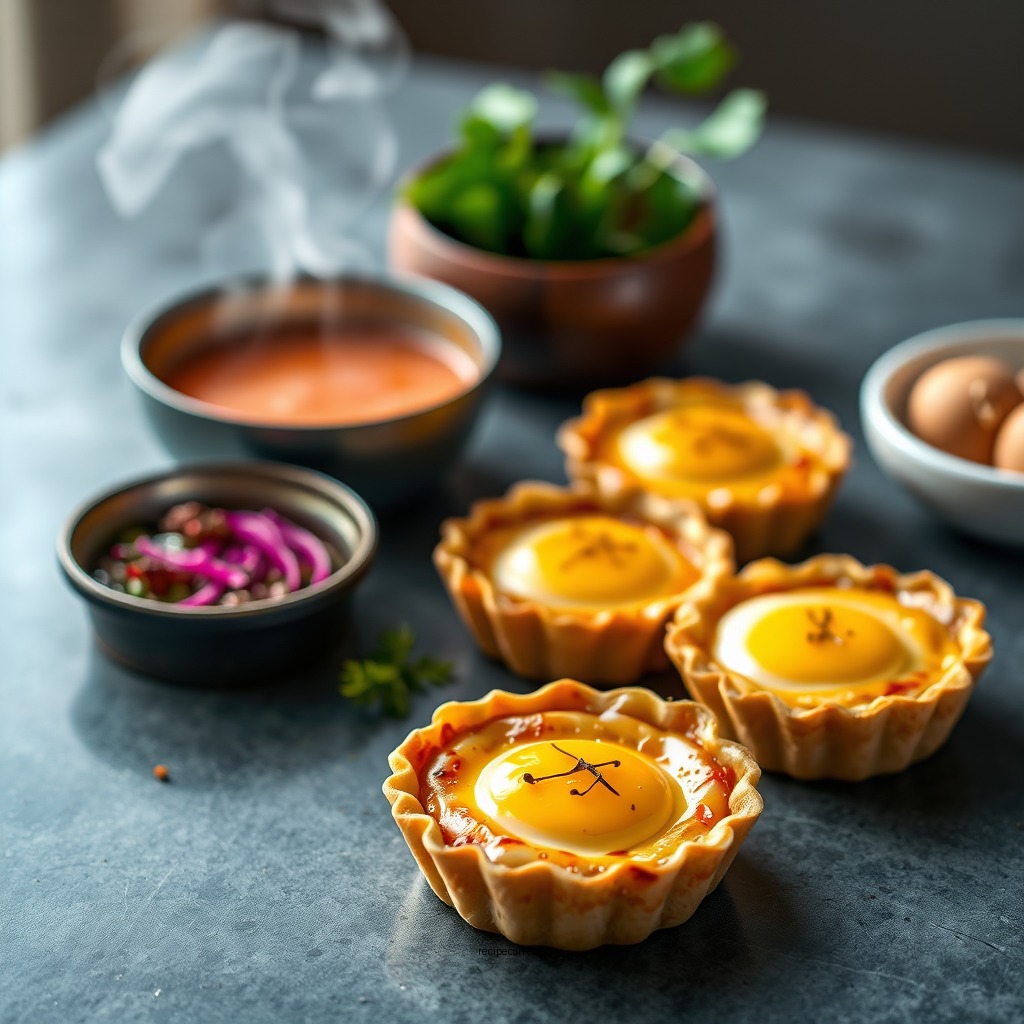
Making delicious Asian egg tarts at home is easier than you think! These delightful pastries feature a flaky crust and a smooth, creamy custard filling that melts in your mouth. With a few simple ingredients and a bit of patience, you can prepare the perfect Asian egg tart from scratch, step by step. This beloved treat, known for its comforting taste and appealing appearance, is sure to impress your family and friends.
Understanding Egg Tarts
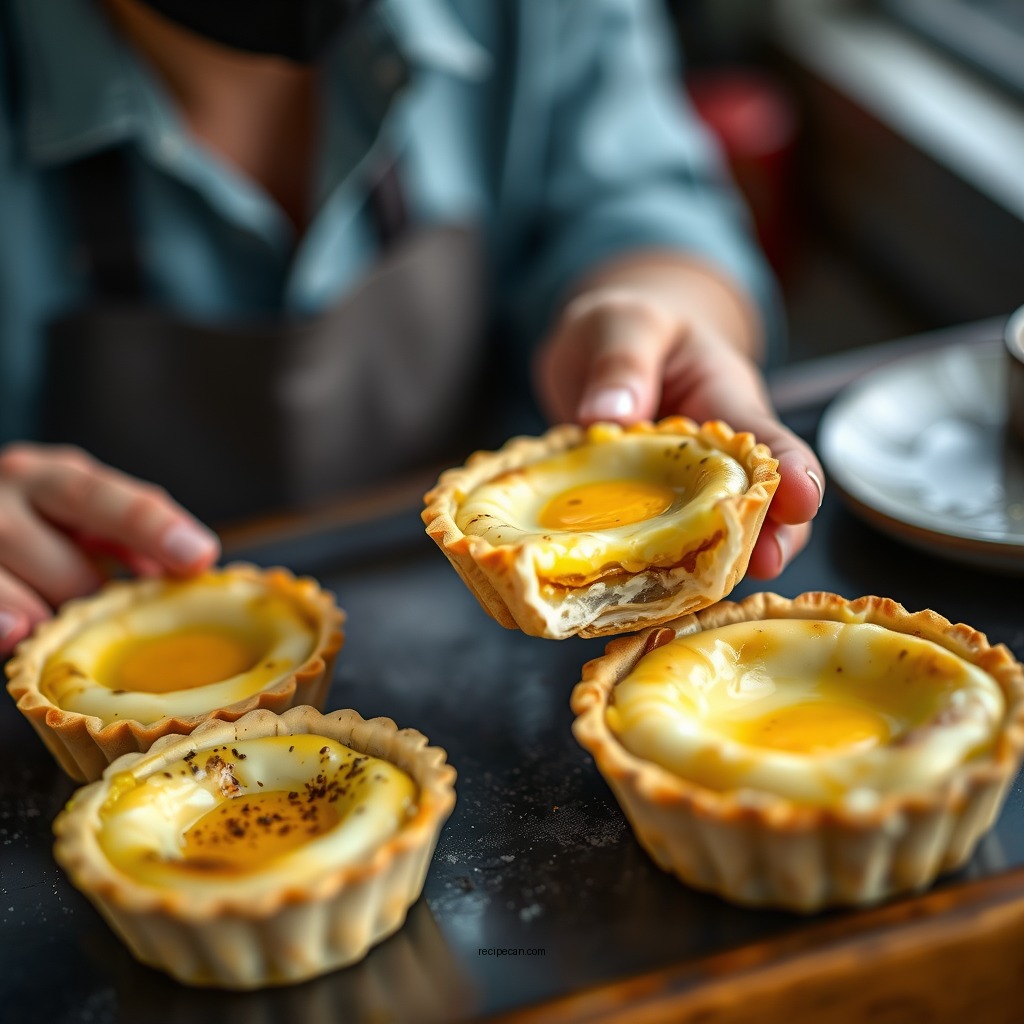
Egg tarts have a rich history in Asian cuisine, particularly in Chinese and Portuguese cultures. Originating from the Portuguese “pastel de nata,” they were introduced to China in the early 20th century and quickly became a favorite in Cantonese bakeries. The allure of egg tarts lies in their distinct flaky pastry and silky custard filling, which together create a harmonious balance of textures and flavors. In Asian cultures, they are often enjoyed as a snack or dessert and are a staple at dim sum restaurants, showcasing the versatility and appeal of this delightful pastry.
Ingredients You’ll Need
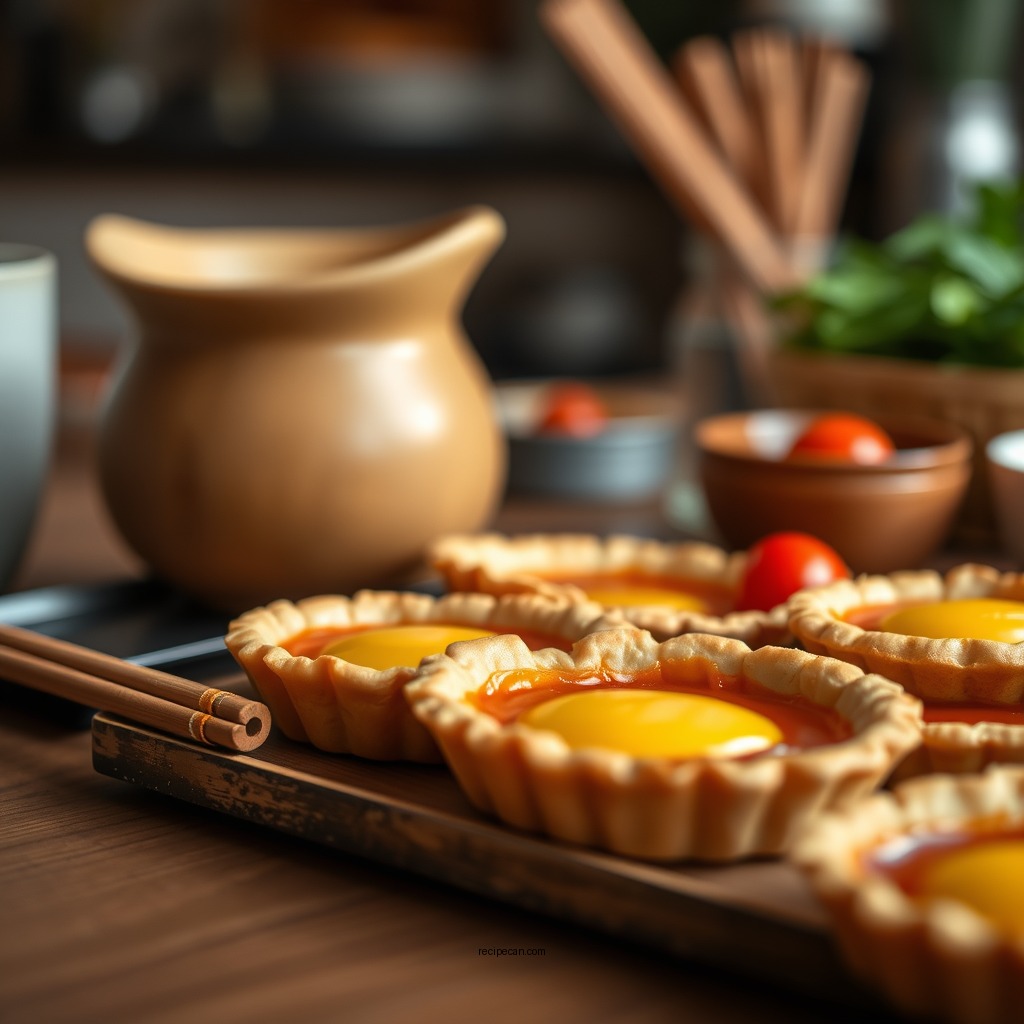
To create authentic Asian egg tarts, you will need the following common ingredients:
– Pastry Crust:
– 2 cups all-purpose flour
– 1/2 cup unsalted butter (cold and cubed)
– 1/4 cup granulated sugar
– 1/4 teaspoon salt
– 1/4 cup cold water
– Custard Filling:
– 4 large eggs
– 3/4 cup granulated sugar
– 2 cups whole milk
– 1 teaspoon vanilla extract (optional)
– Zest of 1 lemon (optional)
These ingredients are easy to find in most grocery stores, and the optional ingredients can enhance the flavor profile, giving your egg tarts a unique twist.
Preparing the Pastry Crust
The first step in making your egg tarts is preparing the pastry crust. Start by mixing the flour, sugar, and salt in a large bowl. Next, add the cold, cubed butter and use a pastry cutter or your fingers to mix until the mixture resembles coarse crumbs. This method is crucial as it creates the flaky texture that is characteristic of egg tarts.
Once your mixture is ready, gradually add cold water, mixing until the dough comes together. Be careful not to overwork the dough, as this can lead to a tough crust. After forming the dough into a ball, wrap it in plastic wrap and chill in the refrigerator for at least 30 minutes. Chilling the dough will make it easier to roll out and shape into tart shells later on.
Egg Tart Ingredients Comparison
| # | Ingredient | Quantity | Purpose |
|---|---|---|---|
| 1 | All-purpose flour | 2 cups | Forms the crust |
| 2 | Unsalted butter | 1/2 cup | Adds richness |
| 3 | Granulated sugar | 3/4 cup | Sweetens custard |
| 4 | Whole milk | 2 cups | Base for custard |
| 5 | Eggs | 4 large | Thickens custard |
| 6 | Vanilla extract | 1 tsp (optional) | Enhances flavor |
| 7 | Lemon zest | Zest of 1 lemon (optional) | Adds brightness |
Making the Custard Filling
Once your pastry crust has chilled, it’s time to prepare the custard filling. Start by cracking the eggs into a mixing bowl and whisking them together. Next, add the sugar and whisk until the mixture is well combined and slightly frothy. Gradually pour in the milk, mixing continuously to ensure an even consistency.
For the best texture, strain the custard mixture through a fine-mesh sieve into another bowl to remove any lumps. This step is essential for achieving the silky custard that is the hallmark of a perfect egg tart. If desired, you can also incorporate vanilla extract or lemon zest at this stage for added flavor.
Assembling the Tarts
With both the pastry crust and custard filling prepared, it’s time to assemble your egg tarts. Preheat your oven to 400°F (200°C). Roll out the chilled pastry dough on a floured surface to about 1/8 inch thick. Use a round cutter to cut out circles of dough that can fit into your tart pans. Gently press the dough into the pans, ensuring an even thickness throughout.
Once your pastry shells are ready, pre-bake them in the oven for about 10 minutes until they are lightly golden. This step helps to create a sturdy base for the custard. After pre-baking, carefully fill each shell with the strained custard mixture, leaving a little space at the top for expansion during baking.
Baking Tips for Perfect Egg Tarts
To achieve the perfect egg tarts, follow these baking tips. Start by baking at a high temperature of 400°F (200°C) for the first 10 minutes to give the tarts a nice rise. After this initial period, reduce the temperature to 350°F (175°C) and continue baking for another 20-25 minutes. The tarts should be set but still slightly wobbly in the center when done.
It’s crucial to keep an eye on them as they bake, as over-baking can lead to a rubbery texture. Once you remove them from the oven, allow them to cool in the pans for a few minutes before carefully transferring them to a wire rack to cool completely.
Ideal Baking Temperatures for Egg Tarts
Serving Suggestions
Egg tarts are best enjoyed warm but can also be served at room temperature. To elevate your tasting experience, consider pairing them with a cup of traditional Chinese tea or a robust coffee, making for a delightful afternoon snack. You can also sprinkle a light dusting of powdered sugar or cinnamon on top for added flavor and presentation. Whether served at a special occasion or a casual gathering, these egg tarts are sure to be a hit.
Bringing a touch of Asian culture to your kitchen, these homemade egg tarts are perfect for impressing guests or simply treating yourself to a delicious dessert.
In summary, making authentic Asian egg tarts requires just a few steps, from preparing the flaky crust to creating a smooth custard filling. By following the detailed instructions and tips provided, you’ll be able to create a batch of egg tarts that will not only tantalize your taste buds but will also showcase your baking skills. Enjoy your homemade Asian egg tarts, and share the joy of this classic treat with family and friends! Don’t forget to experiment with flavors and make it your own!
Frequently Asked Questions
What ingredients do I need for a traditional Asian egg tart recipe?
To make a traditional Asian egg tart, you will need a few key ingredients: all-purpose flour, unsalted butter, sugar, and eggs for the pastry crust, and for the custard filling, you’ll need milk, sugar, eggs, and vanilla extract. These ingredients combine to create the signature flaky crust and smooth, creamy filling that characterize Asian egg tarts.
How do I make the perfect flaky crust for my Asian egg tarts?
To achieve a perfect flaky crust for your Asian egg tarts, ensure you use cold butter and handle the dough minimally to prevent it from becoming tough. Combine the flour and butter until it resembles coarse crumbs, then add cold water gradually until the dough holds together. Chill the dough before rolling it out, which helps create that desirable flaky texture.
Why are my egg tarts not setting properly after baking?
If your egg tarts are not setting properly, it could be due to incorrect oven temperature or overmixing the custard filling, which can introduce too much air. Ensure that your oven is preheated to the correct temperature and bake the tarts until the filling is just set but still slightly wobbly in the center. Using room temperature eggs can also help achieve a smoother custard.
What is the best way to serve Asian egg tarts?
The best way to serve Asian egg tarts is warm or at room temperature, allowing the custard to maintain its creamy texture. You can dust them with a light sprinkle of powdered sugar or serve them alongside a cup of tea for a delightful contrast. Additionally, consider pairing them with fresh fruit for a refreshing touch.
Which type of milk is best for making the custard filling in Asian egg tarts?
The best type of milk for making the custard filling in Asian egg tarts is whole milk, as it provides a rich and creamy texture that enhances the flavor. Some recipes also incorporate evaporated milk for added richness or coconut milk for a unique twist. Experimenting with these options can help you find the perfect balance for your taste.
References
- Egg tart
https://en.wikipedia.org/wiki/Egg_tart - https://www.thespruceeats.com/chinese-egg-tart-recipe-694189
https://www.thespruceeats.com/chinese-egg-tart-recipe-694189 - NYT Cooking – Recipes and Cooking Guides From The New York Times
https://www.nytimes.com/recipes/1019738/egg-tart - https://www.seriouseats.com/egg-tart-recipe-5115980
https://www.seriouseats.com/egg-tart-recipe-5115980 - Google Scholar Google Scholar
https://scholar.google.com/scholar?q=asian+egg+tart+recipe - Google Scholar Google Scholar
https://scholar.google.com/scholar?q=egg+tart+history - Google Scholar Google Scholar
https://scholar.google.com/scholar?q=egg+tart+culinary+techniques - https://www.britannica.com/topic/egg-tart
https://www.britannica.com/topic/egg-tart - asian egg tart recipe – Search results
https://en.wikipedia.org/wiki/Special:Search?search=asian+egg+tart+recipe - https://www.ncbi.nlm.nih.gov/search/research-articles/?term=asian+egg+tart+recipe
https://www.ncbi.nlm.nih.gov/search/research-articles/?term=asian+egg+tart+recipe